
Assisi in 3 Days: Practical Itinerary and Honest Tips
A practical 3-day Assisi guide with neighbourhood plans, transport steps, realistic budgets and exact tips for visiting the basilicas.
A no-nonsense 72-hour plan for exploring Assisi's hilltop centre, nearby basilicas and the Monte Subasio slopes with clear transport notes and budget estimates.
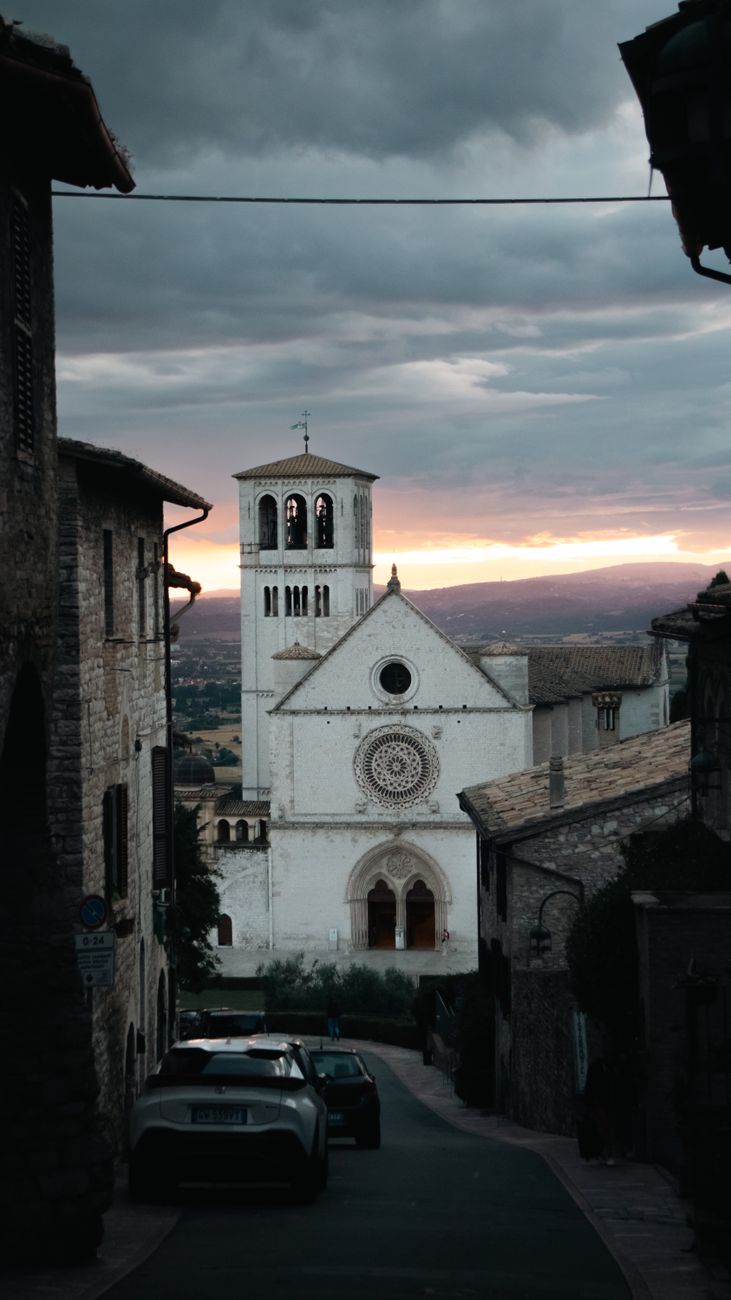
Arriving on the slope below the basilica gives an immediate sense of vertical streets, pilgrimage traffic and lots of day-trippers. The town combines active parish life, tourists and agricultural communities on Monte Subasio; mornings bring church bells and delivery vans, afternoons become quieter as visitors head back down the hill.
This place rewards measured pacing rather than rushing: frescoes, narrow lanes and viewpoints take time to look at properly, and several key sites lie on different levels connected by stairways. Most visitors overestimate how quickly sites connect, underestimate municipal rules like ZTLs, and expect restaurants to stay open all afternoon.
Is 3 days in Assisi enough?
Yes: three days lets a traveler cover the main basilicas, the Rocca Maggiore, a museum or two and a half-day in the nearby countryside. Expect to skip extended day trips to Perugia or Cortona unless willing to add travel time.
Who This Guide Is For
Best for walkers, pilgrims and food-and-wine visitors who want compact historical sites and short countryside walks. Less suitable for travelers who want a fast-paced city nightlife or extensive museum-hopping.
Local Tips for Assisi
Practical details that most travel sites skip — specific to Assisi.
- The railway stop is named 'Santa Maria degli Angeli–Assisi' and sits at the valley floor; allow 20–30 minutes by bus or a €10–€18 taxi up to the medieval centre.
- Basilica di San Francesco has no general admission for the lower and upper churches, but the Museo e Cripta and access to some fresco areas commonly charge around €3–€6.
- Rocca Maggiore (the hilltop fortress) keeps shorter opening hours in winter; the entrance fee is usually about €3–€4 and involves a steep 15–20 minute climb from Piazza del Comune.
- The Porziuncola chapel inside Basilica di Santa Maria degli Angeli is free to enter; the adjacent Museo della Porziuncola typically lists a small ticket fee near €3–€5.
- Supermarkets and cafés in Santa Maria degli Angeli (Coop, Conad) sell water and snacks at regular prices; shops on Via San Francesco and around Piazza del Comune often charge double for the same items.
How This Guide Was Prepared
This guide treats Assisi as a working medieval hill town with pilgrimage logistics and steep streets, not as a postcard image. Many guides over-focus on the Basilica frescoes and ignore walking times, ZTL driving rules, and the separate character of Santa Maria degli Angeli and Monte Subasio countryside. This guide was prepared through a structured research that combines destination research, geographic context, itinerary planning logic, and content review.
Plan Your Stay in Assisi
Use this itinerary as your starting point, then compare areas to stay, transport options, seasonal timing, and realistic daily costs before booking.
Why Visit
Three clear reasons stand out: the fresco cycle in the Basilica di San Francesco (Giotto and Cimabue works and the tomb of Saint Francis), which matters to art and religious-history visitors; the compact medieval centre around Piazza del Comune, where Roman ruins sit beside a 13th-century cathedral; and the immediate access to Monte Subasio for short nature walks and hermitages like Eremo delle Carceri.
Other practical reasons include short transfer times from Perugia San Francesco d'Assisi airport and that many sights are walkable without lengthy museum queues. Nearby wine country (Montefalco Sagrantino) and hill towns like Perugia and Orvieto make this an efficient base for pairings of church history and Umbrian food and wine.

Quick Planning Tips
Fly into Perugia San Francesco d'Assisi (PEG) or take a regional train to Santa Maria degli Angeli–Assisi station; from either point allow 20–30 minutes to the hilltop. For trains use Trenitalia and check regional schedules; for buses use the regional bus operator app (Busitalia or Umbria Mobilità) and Moovit for live times.
Carry small bills and a contactless card; many smaller cafés and pilgrimage shops in the centro accept only cash or card but prefer contactless up to €50. Avoid booking accommodation that requires driving into the ZTL — ask the host about loading/unloading permits and where to park instead.

Day 1
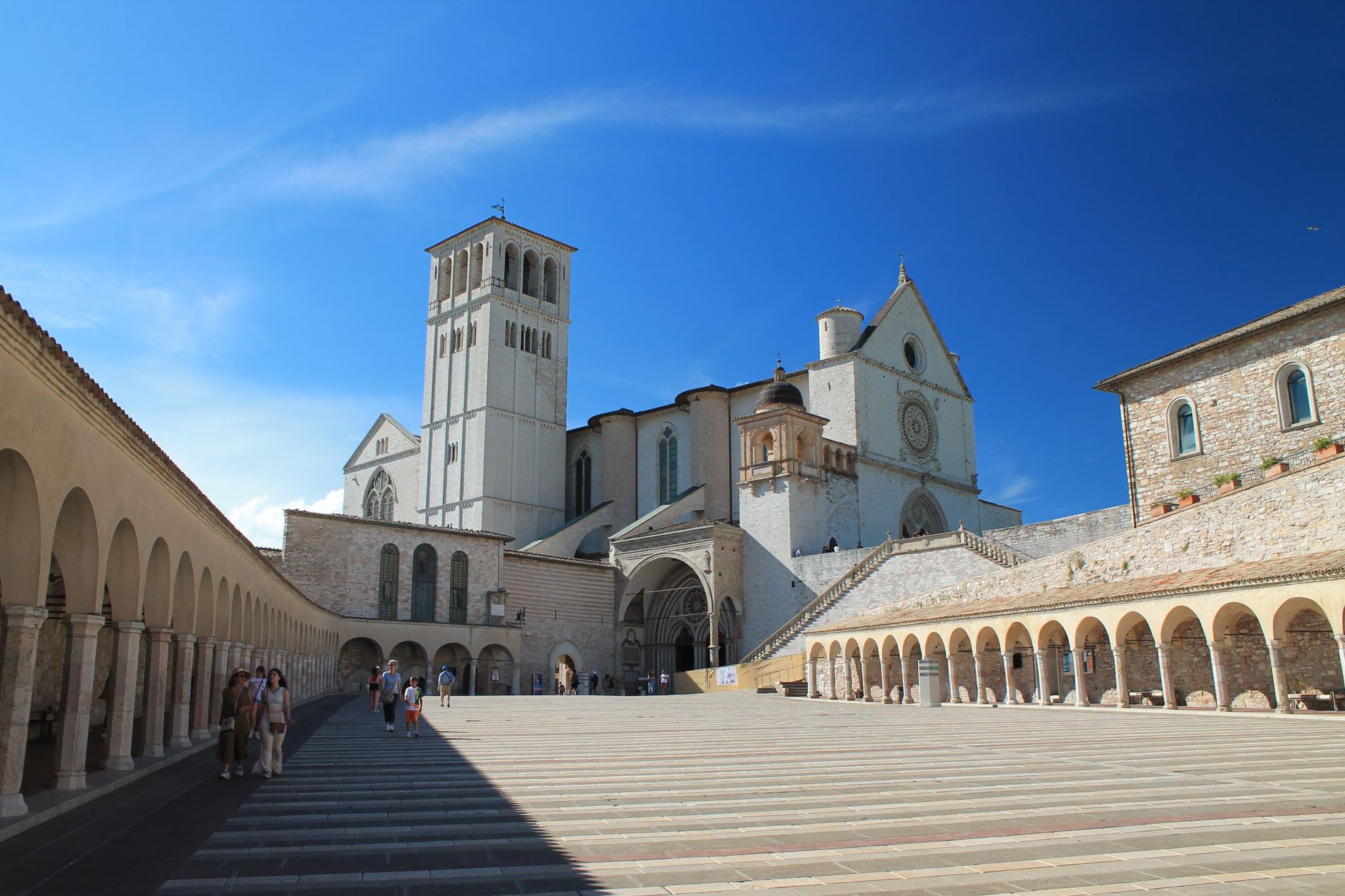
Morning: Start at Basilica di San Francesco to see the lower and upper churches and the fresco cycles. Allow 60–90 minutes for both levels and the small museum areas; the upper basilica has some stairs and limited wheelchair access.
Late morning: Walk downhill 5–7 minutes to Piazza del Comune to see the Tempio di Minerva and Cattedrale di San Rufino. Both sites are clustered, so plan 30–45 minutes here to take photos and visit the cathedral interior.
Lunch: Eat at a trattoria near Piazza del Comune such as a local osteria offering strangozzi al tartufo or a porchetta panino; budget €12–€20 for a mid-range lunch. Afternoon: Climb 15–20 minutes up cobbled streets to Rocca Maggiore for views over the valley and a look at the fortress rooms; the climb from Piazza del Comune is steep but direct.
Late afternoon: Walk the upper medieval lanes on Via San Francesco and Via Portica until sunset. Dinner: Choose a ristorante with Umbrian dishes on Via San Francesco or in the lower square; expect €25–€40 per person for a dinner with wine.
Evening: After dinner, stand at the overlook near Rocca Maggiore or the terrace on Via Semonte for night views; the centre quiets considerably after 10pm.

Day 2
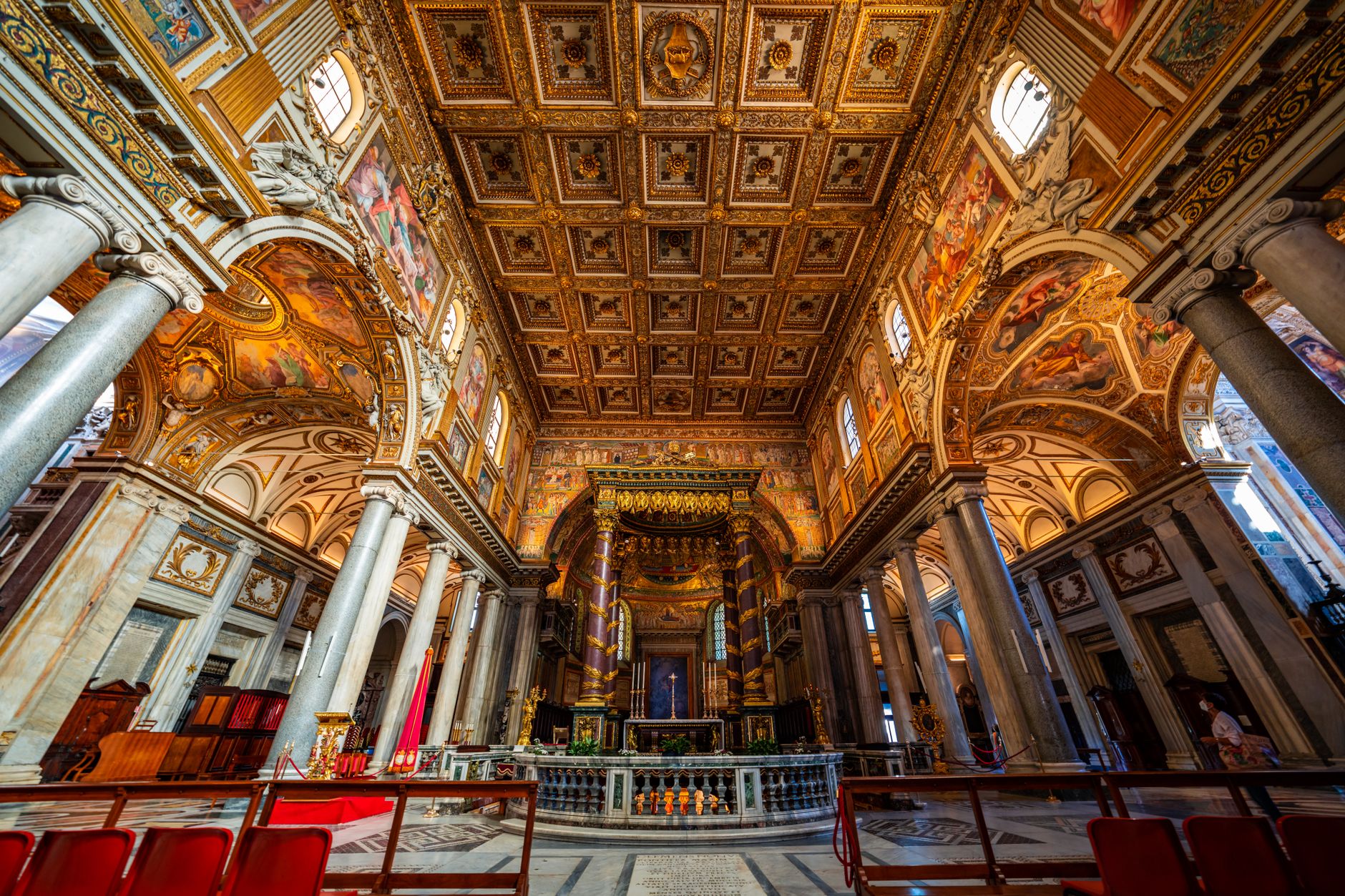
Morning: Take the short bus or taxi down to Santa Maria degli Angeli to visit Basilica di Santa Maria degli Angeli and the Porziuncola chapel. The valley-level church is a large pilgrimage complex and feels very different from the hilltop; allow 45–60 minutes for the basilica and the Museo della Porziuncola.
Midday: From Santa Maria degli Angeli, take a short taxi or arrange local transport to the start of the Monte Subasio trails (rural roads around Spogna or Rivotorto). A flat-to-moderate 1.5–2 hour walk offers wildflowers in spring and olive groves; bring water and comfortable shoes.
Lunch: Picnic from supplies bought in Santa Maria degli Angeli (Coop or a local bakery) or a country trattoria serving porchetta and seasonal salads; budget €8–€15 for takeaway, €20–€30 at a sit-down farm restaurant.
Afternoon: Visit Eremo delle Carceri, the small hermitage where Saint Francis retreated — a short uphill drive then 10–15 minutes on foot. Time here is contemplative and quiet; many visitors spend less than an hour.
Evening: Return to the hilltop centre and try a wine bar offering Sagrantino di Montefalco or a local Montefalco Rosso; pair with pecorino and cured meats. The atmosphere here is calmer than the morning pilgrimage crowd.
Day 3
Morning: Start at the smaller civic museums—Museo Civico and Casa di San Francesco (if open)—to see municipal archaeology and Franciscan artifacts; expect small-ticket fees around €3–€5 each. These sites are within a short walk of Piazza del Comune, so plan 60–90 minutes combined.
Late morning: Walk sections of Via San Rufino and explore artisan shops for local goods such as olive oil, truffle products and ceramics. Allow time to compare prices rather than buying at the first stall; many shops close for two hours in the early afternoon.
Lunch: Finish with a leisurely meal at a recommended trattoria or a panino with porchetta near Piazza Matteotti; budget €12–€25. Practical note for departures: if catching an afternoon flight from Perugia (PEG) or a train at Santa Maria degli Angeli station, descend by taxi or take the regular bus service — allow 30–45 minutes for transfer and add extra time for security at the airport.
Afternoon options: If time allows, take a 35–50 minute regional train or bus to Perugia for a late-afternoon stroll before heading to the station. End the day by collecting luggage from your accommodation and getting to the transport point with at least 90 minutes buffer for regional connections.

Best Local Experiences
Weekly market at Piazza del Comune or a nearby square (check local schedule) is where vendors sell local salumi, cheese and produce; arrive before noon for best selection. Watching mass or a vespers service at Basilica di San Francesco or Basilica di Santa Chiara offers a real sense of local liturgical life.
A morning walk in Monte Subasio Regional Park or a short trail to Eremo delle Carceri gives a countryside contrast to the town's stone streets. Visit the Museo della Porziuncola in Santa Maria degli Angeli to see Franciscan relics and the tiny chapel of the Porziuncola. Try a wine-tasting of Sagrantino di Montefalco at a nearby enoteca or an agriturismo — bottles and tastings are widely available within a 20–40 minute drive.
Where to Stay
Centro Storico (within the medieval walls): Suits those who want immediate access to the basilicas, restaurants and evening views. Rooms range widely: budget guesthouses €60–€100/night, mid-range B&Bs €100–€160, small boutique hotels €160–€240 (EUR). Expect steps and limited parking.
Santa Maria degli Angeli (valley level near the station): Suits train arrivals, families and drivers who want easier parking and flatter streets. Nightly rates here are lower: budget €45–€80, mid-range €80–€120; airport taxis and buses connect to the hilltop in 15–25 minutes.
Rivotorto / Spogna outskirts (country or agriturismo): Suits people wanting quieter stays, farm meals and short hikes on Monte Subasio. Agriturismi typically cost €80–€140 per night and often include simple dinners; expect a car to be useful for evening movement.
Food and Drink
Strangozzi al tartufo: a hand-rolled Umbrian pasta with black truffle or truffle oil; find it at osterie such as those near Piazza del Comune for about €12–€18. Panino con porchetta: roasted pork in a simple roll, sold at delis and food stalls in Santa Maria degli Angeli and near markets; expect €4–€7.
Sagrantino di Montefalco: a robust red from nearby Montefalco often served in local enoteche; tasting flights €8–€15 or €15–€35 for a bottle in a restaurant. Torta al testo or crescia: Umbrian flatbread commonly found in trattorie and street sellers, eaten with local cheese or cured meat for €3–€6.
Breakfast option: cornetto and espresso at a bar on Via San Francesco or near Piazza del Comune — €1.20–€3 depending on place. Dinner recommendation: order seasonal Umbrian plates such as roast lamb, porcini or truffle dishes at a table-service restaurant; dinners typically cost €25–€45 per person excluding wine.
Getting Around
Rail: use Trenitalia to reach Santa Maria degli Angeli–Assisi station. Regional buses connect the station, the hilltop and nearby towns; look for Busitalia or Umbria Mobilità services and use the Umbria Mobilità or Moovit apps for live schedules.
Single urban bus tickets are generally around €1.50–€2.00; a day pass in the area (if offered seasonally) may be €4–€6. Taxis from Santa Maria degli Angeli up to the hilltop cost roughly €10–€18 depending on time and luggage; from Perugia airport expect €25–€35.
Walking is the primary mode inside the centro storico but expect cobbles and steep sections. For regional travel to Perugia, Orvieto or Cortona use Trenitalia plus connecting buses; buy train tickets via the Trenitalia app or machine at the station.
Best Time to Visit
Spring (April–June): Temperatures 12–22°C; wildflowers on Monte Subasio and comfortable walking weather. This is the best balance of crowds and weather, though Easter and early May can be busy with pilgrimages.
Summer (July–August): Temperatures 20–30°C; high season with many day-trippers and limited indoor museum space that can feel crowded. Nights cool on the hilltop but expect hot afternoons.
Autumn (September–October): Temperatures 14–24°C; harvest season for wines and truffles offers good value and fewer crowds than summer. Winter (November–March): Temperatures 2–12°C; quieter but some museums and restaurants reduce hours and some attractions close on Mondays, so check ahead.
Budget and Practical Tips
Sample daily budget per person (moderate traveler): Accommodation €80–€140 (EUR) / $88–$154 (USD), food €25–€45 / $27–$50, local transport €4–€8 / $4.50–$9, entry fees €6–€12 / $6.50–$13. Total moderate daily around €115–€205 / $126–$226.
Budget options: hostels or guesthouses in Santa Maria degli Angeli €40–€70/night; meals from bakeries or panini €5–€12. Expect higher weekend prices in the medieval centre during festival dates.
Tipping: small service charges sometimes appear; leaving spare change or rounding up for good table service is common but not obligatory. Carry small coins for church donations and small museum entrances.
FAQ
Is Assisi safe for solo travelers?
Yes, daytime walking around the centre and main basilicas is generally safe; normal precautions against pickpockets in busy areas are advised.
How do I get from Perugia airport to the hilltop centre?
From Perugia San Francesco d'Assisi (PEG) the easiest options are a taxi (~€25–€35) or a regional bus to Santa Maria degli Angeli followed by a short taxi or bus up to the hilltop.
Are there trains directly to the hilltop?
No; trains stop at Santa Maria degli Angeli–Assisi station in the valley. From there use the bus, taxi or walk up to the medieval centre.
Is the Assisi city card or tourist pass worth buying?
A short-stay tourist pass can save money only if planning to enter several paid museums (Museo della Porziuncola, Rocca Maggiore, municipal museums) within 48 hours; for a standard 3-day visit focused on basilicas and walking, it often is not necessary.
Can rental cars access the centro storico and where to park?
Access is restricted by ZTLs; do not drive into the medieval core without authorization. Use designated car parks at Porta Nuova or park in Santa Maria degli Angeli and take local buses or taxis.
What should be bought locally as souvenirs?
Local olive oil, Sagrantino wine, dried porcini, and truffle products are good local purchases; compare prices in multiple shops before buying.
Conclusion
A three-day stay provides a realistic chance to experience the basilicas, the fortress views and a short spell in the Monte Subasio countryside without rushing. Most visitors will remember the frescoes at San Francesco and the quiet of Eremo delle Carceri more than any single meal, so prioritize one major basilica visit and one countryside walk if time is tight.
Practical priorities: allow transfer time via Santa Maria degli Angeli, avoid driving into the ZTL and reserve evening dining for hilltop restaurants which close earlier than in larger cities.
How this guide was prepared
This guide was prepared through a structured research that combines destination research, geographic context, itinerary planning logic, and content review.