

Cattolica in 3 Days: Practical Itinerary and Travel Tips
A clear, practical 3-day plan for Cattolica: transport from Rimini, beach costs, must-see sites like the Acquario and Museo della Regina.
A no-nonsense 72-hour plan for Cattolica that balances beach time, the Acquario di Cattolica, local seafood and a short inland excursion, with real prices and transit tips.
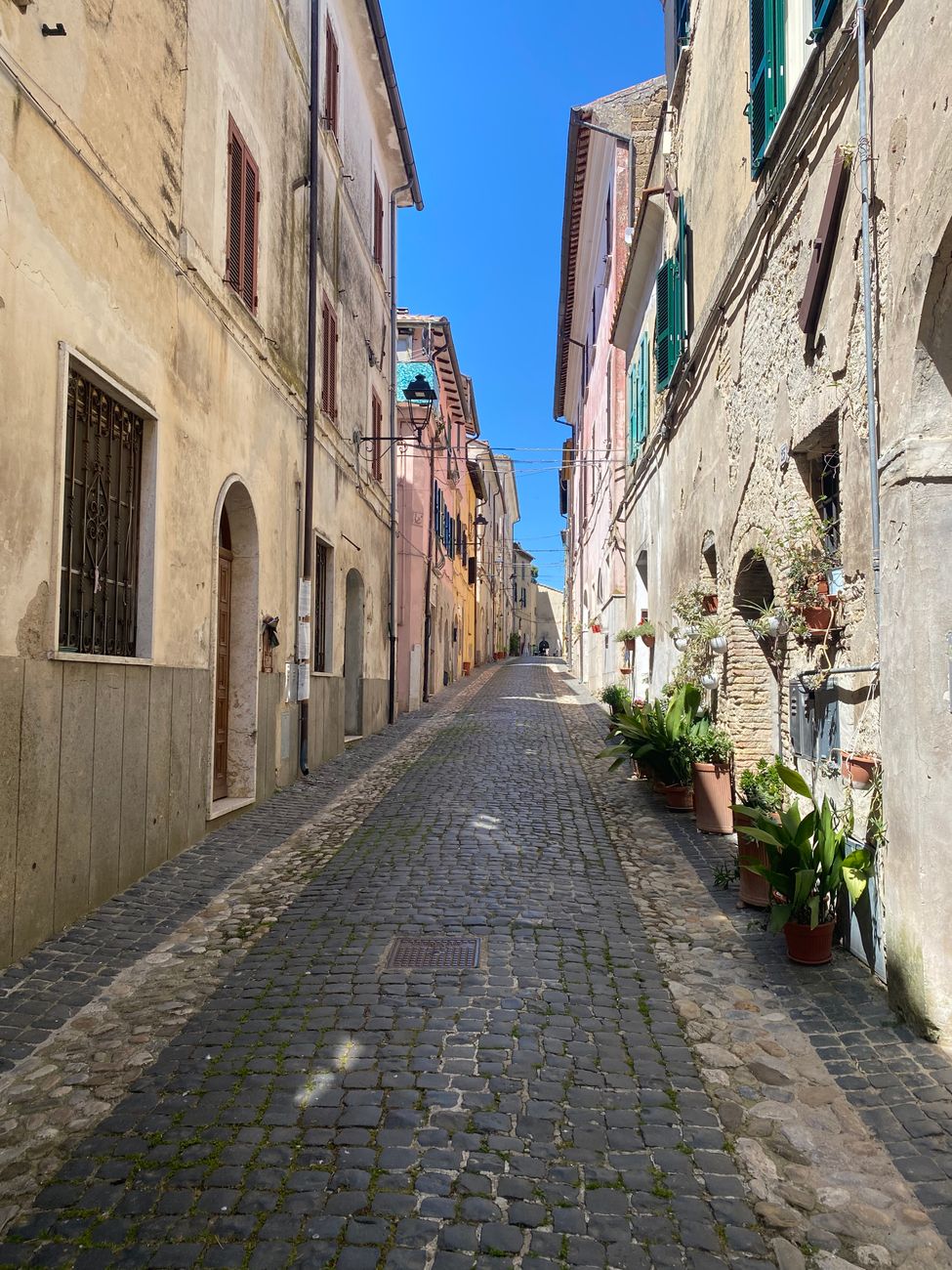
First impression: a compact seaside town where the main street life happens along a single long promenade and a small central piazza. Streets around Piazza Primo Maggio fill with families in summer and the Lungomare Giosuè Carducci will be crowded between 10:00 and 18:00. Noise levels are highest near the beach and quieter two blocks inland where pensioni and small hotels sit.
Expect practical, down-to-earth services: a medical clinic, tourist office near the train station, and dozens of numbered bagni that run like small businesses. Many visitors assume this place has the same late-night energy as nearby Riccione; instead plan for daytime beach focus, short evening aperitifs and earlier nights outside peak festival dates.
The town suits travellers who want compact walking, predictable services and a local seafood offer without major museums to consume a whole day. Street layout makes it easy to cover most highlights on foot, but summer crowds and paid beach access affect pace and cost.
Is 3 days in Cattolica enough?
Three days are enough to sample the beaches, visit the Acquario di Cattolica and Museo della Regina, and take a short excursion to a nearby castle. A caveat: long beach relaxation and late-night clubbing both require extra days or base changes to nearby Rimini or Riccione.
Who This Guide Is For
Best for travellers looking for a short beach-focused break, families with children, and food-focused day trippers. Not ideal for travellers seeking constant nightlife or a packed museum itinerary.
Local Tips for Cattolica
Practical details that most travel sites skip — specific to Cattolica.
- Buy train tickets to Cattolica-San Giovanni-Gabicce station via the Trenitalia app; Rimini-to-Cattolica regional fares are often around €1.50–€2 for one stop.
- The Lungomare Giosuè Carducci promenade is where most bagni (private beach clubs) are numbered; a day on a private beach with umbrella and two sunbeds usually costs €18–€30 in high season.
- Start Romagna runs local buses linking Cattolica with Rimini and Riccione; single bus tickets via the Start Romagna app are about €1.50 and must be validated on boarding.
- Acquario di Cattolica ticket prices usually run €12–€16 for adults and lower for children; check the aquarium website for timed-entry slots during July–August.
- Museo della Regina (near Piazza Primo Maggio) is a compact archaeology and local art museum with low-cost admission—typically around €3–€6—useful when it’s too hot for the beach.
How This Guide Was Prepared
Cattolica is a small Adriatic town where the main draw is straightforward: family-friendly beaches, a compact centre and a surprisingly focused local food scene. Many guides treat it as an appendage to Rimini or Riccione; this guide treats it on its own terms and gives realistic costs, transit specifics and what to skip if time runs out. This guide was prepared through a structured research that combines destination research, geographic context, itinerary planning logic, and content review.
Plan Your Stay in Cattolica
Use this itinerary as your starting point, then compare areas to stay, transport options, seasonal timing, and realistic daily costs before booking.
Why Visit
A strong reason is efficient beach access: private bagni along the Lungomare Giosuè Carducci provide consistent service, showers and beach restaurants for straightforward beach days. Another reason is the Acquario di Cattolica, a mid-size aquarium good for families and a pleasant, air-conditioned 1–2 hour visit when temperatures spike.
The Museo della Regina offers local archaeology and maritime artefacts in a small, affordable museum close to Piazza Primo Maggio, which is useful when preferring a short cultural stop rather than a full museum day. Finally, the town is positioned for short day trips: a 20-minute drive reaches Gradara castle and a 10–15 minute ride reaches Riccione and Rimini for shopping or nightlife if needed.
Quick Planning Tips
Arrive by train to Cattolica-San Giovanni-Gabicce station on the Adriatic line; regional Trenitalia trains link directly from Rimini, Ancona and Pesaro. From Rimini–Federico Fellini Airport, take a taxi (roughly €45–€60) or a bus to Rimini station and then a short train; public transfers in high season can be crowded.
Carry euros in small denominations for bagni, market stalls and older trattorie; many beach clubs and fish stalls accept cards but small vendors prefer cash. Buy bus and local train tickets before boarding via the Start Romagna or Trenitalia apps; onboard purchases are not always possible.
Avoid booking a hotel that lists "private beach included" without checking which beach number and what services are included—some packages only reserve a towel or offer limited hours. Also check for ZTL hours if driving into the centro and buy parking vouchers from tobacconists (tabacchi) where required.
Day 1
Morning: Start at Piazza Primo Maggio to see the main fountain and use the tourist office if needed. From the piazza it’s a 2–5 minute walk to the Lungomare Giosuè Carducci. Walk the promenade north for 10–20 minutes to get a feel for the bagni numbering and scouting a beach club for the day.
Late morning: Settle at a bagni—expect a 1–2 minute walk from the promenade to the sand. Spend a few hours swimming and renting an umbrella and two sunbeds (typical €18–€30). If preferring a shorter visit, the public beach area near Bagno 28 offers free access and a 5–10 minute walk to cafés.
Lunch: Eat at Ristorante Il Veliero on the Lungomare for seafood and a visible view of the sea; mains run €12–€22. After lunch, walk 8–12 minutes south along the Lungomare to the Acquario di Cattolica for a 1–1.5 hour visit (adult tickets around €12–€16).
Afternoon: Head back toward the centro and visit Museo della Regina near the western side of Piazza Primo Maggio; plan 45–60 minutes. Allow 5–7 minutes on foot between the aquarium and the museum. If energy remains, stroll to the Porto di Cattolica (Marina) for a 15–20 minute walk from the museum and watch fishing boats.
Evening: Dinner on Via Dante or one of the trattorie behind the piazza—expect total meal prices €18–€30 per person. After dinner, a short after-dinner walk along the Lungomare provides gelato and sea air; many bars close by midnight outside festival nights.
Day 2
Morning: Cross the train tracks and take a short bus or a 20–25 minute walk to Fontanelle neighbourhood for quieter beaches and local life away from the busiest stretches. Spend the morning at a family-friendly bagno with play areas and an on-site snack bar.
Late morning: Return to the centre and visit small shops on Viale Bovio and Via Dante; shopping here is less touristy than Viale Ceccarini in Riccione but useful for beachwear and local souvenirs. Walking between Fontanelle and the centro takes 20–30 minutes; a local Start Romagna bus cuts it to 8–12 minutes.
Lunch: Try a seaside fish restaurant near the Porto for classic fritto misto and local white wine; typical prices €14–€22. After lunch, take a 10–15 minute local bus or a 30-minute coastal walk to Gabicce Mare and climb the steps toward the Belvedere for views of the bay and a different coastline perspective.
Afternoon: Use the train or bus to reach Gradara castle in about 25–30 minutes by regional bus or car; explore the medieval walls and courtyard for 1.5–2 hours. Return to Cattolica by public transport (bus back to the train station or a regional train from nearby Cattolica-San Giovanni-Gabicce).
Evening: For a livelier night drive or take a taxi to Gabicce Mare or Riccione clubs if nightlife is the intent; otherwise a relaxed seafood dinner near the Marina closes the day.

Day 3
Morning: If checking out, store bags at the station lockers or with hotel reception and plan a shorter day. Start with an early visit to the market area—local fruit and fish stalls open in the morning; arriving before 10:30 gives fresher produce and lighter crowds.
Late morning: Walk the Faro di Cattolica and pier area for seafront photos and a 20–30 minute shoreline walk. From the town centre this is a 10–15 minute stroll.
Lunch: Have a quick piadina from a known piadineria (grab-and-go, €3–€5) or a light seafood lunch near the station to make transit easier. Afternoon flights from Rimini–Federico Fellini Airport are common; allow 60–90 minutes for travel to the airport and extra time for security.
Afternoon: If flight time permits, take a short Trenitalia regional train to Rimini (about 8–12 minutes, €1.50–€2) for a last espresso on Piazzale Fellini before heading to the airport. If driving, allow time for summer traffic on the SS16 Adriatica.
Evening: For late departures, a final walk on the Lungomare and an early dinner near the station keep logistics straightforward; taxis to the airport should be booked in advance during July–August.
Best Local Experiences
Notte Rosa (Pink Night) stretches across the Riviera and regularly includes concerts and fireworks that reach Cattolica’s Lungomare—plan and book months ahead. The Acquario di Cattolica offers family-focused displays and feeding times useful for planning a cooler visit.
Visit the morning fish stalls near the Marina for fresh catches and casual chat with vendors; buying a small portion for a picnic on the beach is common. Climb the Belvedere in Gabicce Mare for a clear sweep of the bay and coastline contrasts.
Attend a weekday mercato near Viale Bovio for clothing bargains and household goods—arrive by mid-morning. Make time for a short trip to Gradara castle to experience medieval walls and event programming that includes evening illuminations in summer.
Try a pastry café for a real piadina breakfast rather than a hotel buffet; local bakeries offer savoury piadine with squacquerone and prosciutto for €3–€5. In autumn, look for seasonal seafood festivals on select weekends along the coast.
Where to Stay
Centro / Piazza Primo Maggio: Suits travellers who prefer walking distance to shops, the museum and the main piazza. Expect mid-summer room rates around €90–€180 per night (≈$95–$190). This area is noisier in the evening but reduces local transit time.
Lungomare / Marina: Best for beach-first travellers who value sunrise views and immediate access to bagni. Prices in July–August often run €110–€220 per night (≈$120–$235) for mid-range hotels; choose a hotel that specifies which beach number is included.
San Giovanni / Fontanelle: More residential and quieter, suited to families or budget travellers who don’t mind a 10–20 minute walk to the main piazza. Nightly rates off-peak often fall in the €60–€120 range (≈$65–$130). Parking is easier here and breakfast can be more local and affordable.
Food and Drink
Piadina Romagnola: A thin flatbread usually filled with prosciutto, squacquerone cheese and rucola; find a good version at a local piadineria for €3–€5. Breakfast option: a pastry and espresso at a café near Piazza Primo Maggio costs €3–€5.
Fritto Misto di Mare: Mixed fried seafood available at many beachfront restaurants and bagni; expect €12–€20 for a plate. Where to find it: beach clubs and fish restaurants along the Lungomare.
Brodetto (Adriatic fish stew): A regional fish stew with tomatoes and local fish; portions range €14–€22. Good versions appear in restaurants near the Marina.
Passatelli: Thick, breadcrumb-based noodles often served in brodo or with seafood; typical restaurant price €10–€15. Look for this in traditional trattorie in the centro.
Local wines: Albana di Romagna (white) and Sangiovese di Romagna (red) are common by the glass in restaurants; expect €3–€6 per glass. For a sweeter option try a local dessert wine labeled 'passito' or 'Sangue di Giuda' at wine bars.
Getting Around
Train: The Cattolica-San Giovanni-Gabicce station sits on the Adriatic (Ferrovia Adriatica) regional line. Short regional journeys to Rimini or Riccione are inexpensive; buy via Trenitalia app or ticket machines.
Buses: Local and regional buses run under Start Romagna; download the Start Romagna app for timetables and mobile ticketing. Single bus tickets are about €1.50 and generally valid for a fixed time on local routes.
Taxi and cars: Taxis are available at the station and Lungomare; an airport taxi from Rimini–Federico Fellini Airport typically costs €45–€60 depending on time and luggage. Driving uses the SS16 Adriatica coastal road—expect slow traffic in July and August.
Apps and cards: Use Trenitalia for trains and Start Romagna for buses; Moovit or Google Maps handle real-time planning. No single citywide pass is indispensable for a 3-day visit unless planning many regional bus trips.
Best Time to Visit
High season (late June–August): Temperatures 24–31°C, busiest crowds and highest prices. Beaches fill early and booking hotels and bagni in advance is essential.
Shoulder seasons (May and September): Temperatures 16–25°C, fewer crowds and better value on hotels and beach rentals. Most bagni offer limited hours but restaurants and the Acquario remain open.
Off-season (October–April): Temperatures 5–15°C with many beach services closed; good for low-cost stays and visiting museums but expect limited restaurant hours and quieter streets. Late spring and early autumn provide the best balance of weather and crowd control.
Budget and Practical Tips
Sample daily budget (per person, midseason): Accommodation €70–€150 (≈$75–$160), food €30–€50 (≈$32–$55), local transport €3–€8 (≈$3–$9), entry fees €6–€16 (≈$6–$17). A reasonable daily total is €110–€230 (≈$118–$250) depending on hotel choice and beach spending.
Expect to pay for a beach bed and umbrella separately—€18–€30 per day. Museum entries such as Museo della Regina are low-cost, while the Acquario di Cattolica charges around €12–€16 for adults.
Tipping: Service is commonly included on restaurant bills as "coperto" or a service charge; leaving small change or rounding up for good table service is normal but not mandatory. For taxis it’s common to round up or add a euro or two for luggage help.
FAQ
Is Cattolica safe for solo travellers?
Yes; daytime safety is good and petty theft is rare, though standard precautions apply on crowded promenades and at night.
How do I get from Rimini–Federico Fellini Airport to town?
Taxi runs about €45–€60; alternatively take a bus to Rimini station and a short regional train to Cattolica-San Giovanni-Gabicce (≈€1.50–€2).
Are local buses easy to use?
Yes; Start Romagna runs the local routes, tickets are bought via the Start Romagna app or ticket points and must be validated on boarding.
Is a city card or tourist pass worth buying?
No single Cattolica city pass is generally necessary for 3 days; buy individual tickets for the aquarium and museum and use trenitalia/start romagna apps instead.
How much does a day at a private beach cost?
Plan €18–€30 for an umbrella and two sunbeds in high season; prices fall in shoulder months.
Can day trips be made without a car?
Yes; trains and Start Romagna buses connect to Rimini, Riccione and nearby stops, and Gradara is reachable by regional bus or a short taxi ride.
Are restaurants open year-round?
Many beachfront restaurants operate seasonally; off-season expect reduced hours and more choices in the centro.
Is English widely spoken?
Basic English appears in hotels, tourist offices and larger restaurants; learning a few Italian phrases speeds service and interactions.
Conclusion
A 72-hour stay will leave clear memories of sea mornings and seafood lunches, plus a compact cultural stop at the Acquario and Museo della Regina. Most travellers will remember the ease of walking from piazza to beach and the routine of choosing a numbered bagno each morning.
If time runs short, prioritise a half-day on a private beach and a timed visit to the Acquario; those two experiences best capture what the locale offers in three days. For anyone wanting more nightlife or museum hours, plan a night or two in nearby Riccione or Rimini as a supplement.
How this guide was prepared
This guide was prepared through a structured research that combines destination research, geographic context, itinerary planning logic, and content review.