

3-Day Athens Itinerary: Practical Weekend Guide and Tips
A frank three-day Athens guide with transit details, realistic walking routes, museum costs, neighbourhood advice and food recommendations.
A compact, no-nonsense three-day plan for seeing the Acropolis, two contrasting neighbourhoods, key museums, and where to eat well without wasting time.
Arriving into central Athens feels immediate: ancient stone sits above a city of narrow streets, scooters, and late-night restaurants. The first impression is noise, heat in summer and short, steep climbs between neighbourhoods. This mix produces two common misunderstandings — that everything revolves solely around the Acropolis, and that the pedestrian experience is uniform across the centre. Neither is true; the hill is a focal point but the daily rhythm of the city happens in different pockets such as Exarchia, Koukaki and Psyrri.
Is 3 days in Athens enough?
Yes — three full days allow solid coverage of the Acropolis and Acropolis Museum, the National Archaeological Museum, and two contrasting neighbourhoods with time for relaxed meals. The main caveat: there is not enough time to include a nearby island or a full-day Peloponnese excursion without sacrificing museums or neighbourhood exploration.
Who This Guide Is For
Best for first-time visitors who want a focused cultural and food-centred short break with moderate walking. Not ideal for travellers hoping to island-hop or those seeking a very slow holiday with lots of downtime.
Local Tips for Athens
Practical details that most travel sites skip — specific to Athens.
- Buy an ATH.ENA 24-hour ticket at Metro vending machines for around €4.10 — it covers Metro lines M1, M2, M3, tram and buses and pays off after a few rides.
- The Acropolis combined archaeological ticket (€30) covers Acropolis, Ancient Agora, Roman Agora, Kerameikos, Hadrian's Library and is valid five days; purchase online in advance for a timed Acropolis entry to avoid long queues.
- Varvakios Central Market on Athinas Street opens before 08:00 on weekdays and is largely closed Sunday; go early for the best fish and meat stalls and the small kafeneion sandwiches.
- The X95 airport express bus runs from Eleftherios Venizelos Airport to Syntagma for about €6 one-way and is often faster and cheaper than a taxi during rush hour.
- Small plates and meze houses in Psyrri and Koukaki commonly expect cash; many taverna menus list prices but not service charges, so bring some cash for rounding or small tips.
How This Guide Was Prepared
This guide treats Athens as a layered city where the Acropolis is just the headline. Most guides over-emphasise a single morning at the hill and skip working neighbourhoods such as Exarchia and Koukaki where daily life and restaurants actually take place. Practical transit choices and timed-ticket habits change how much can be seen in three days; the aim here is realistic pacing rather than trying to pack every museum into one day. This guide was prepared through a structured research that combines destination research, geographic context, itinerary planning logic, and content review.
Plan Your Stay in Athens
Use these planning pages to compare areas to stay, expected costs, seasonal timing, and local transport before booking.
Why Visit
Three concrete reasons to visit: first, the density of ancient sites within short distances — the Acropolis, Ancient Agora and Hadrian's Library can be linked with short walks. Second, distinctive museums such as the Acropolis Museum and the National Archaeological Museum offer strong displays of sculpture and everyday objects that explain what the ruins represent. Third, neighbourhood contrasts are instructive: Plaka and Monastiraki have tourist services but less authentic food, while Koukaki and Exarchia reveal where Athenians eat, drink and gather.

Quick Planning Tips
Fly into Eleftherios Venizelos Airport and use the X95 airport express bus (€6) to Syntagma or the Metro Line M3 from the airport when schedules match. Buy an ATH.ENA ticket at any Metro machine rather than individual bus drivers; single-ticket validation is strict and inspectors issue fines. Pack a pair of comfortable walking shoes and sunscreen for summer days and an umbrella for November–February showers.
Day 1
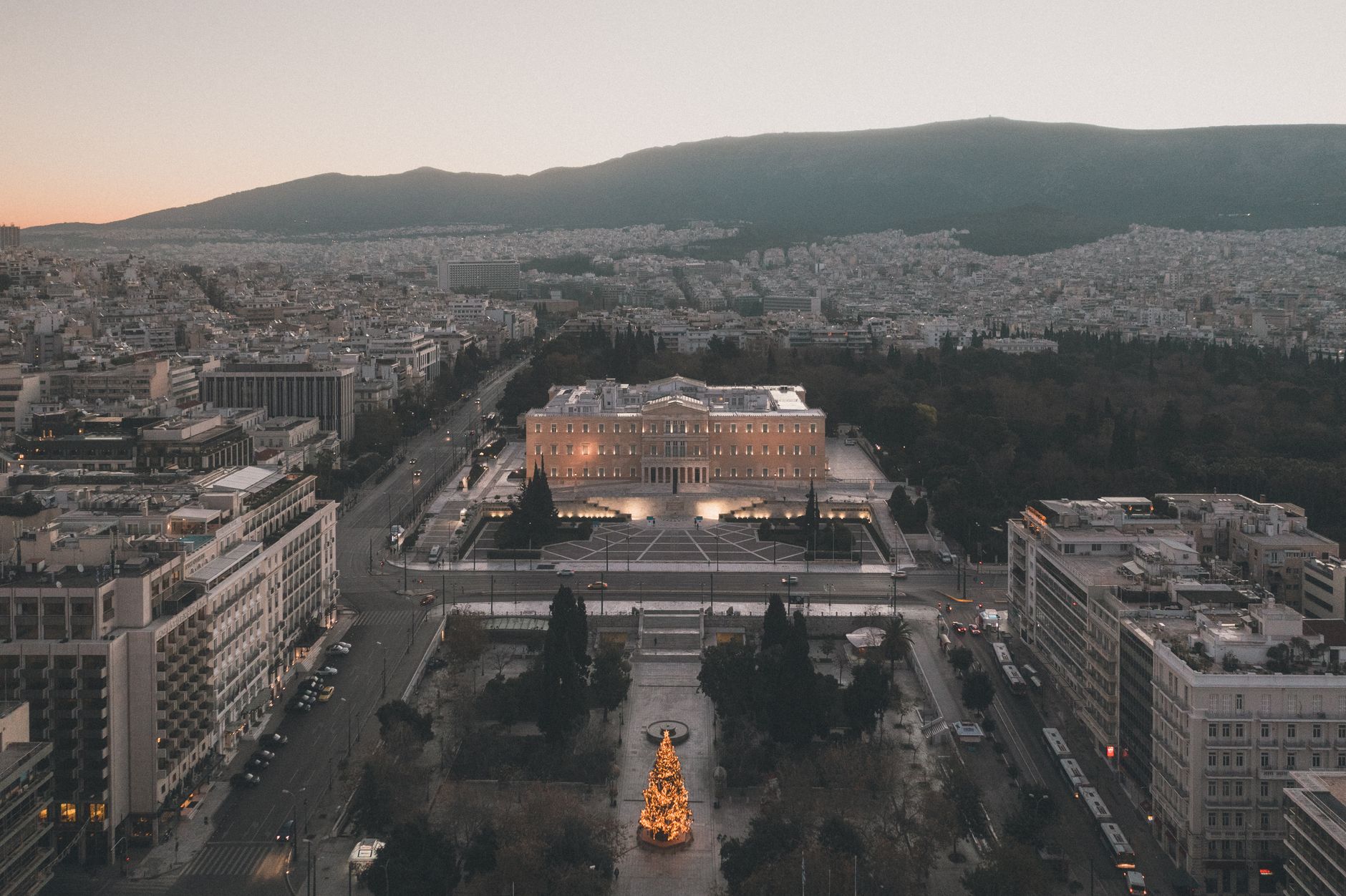
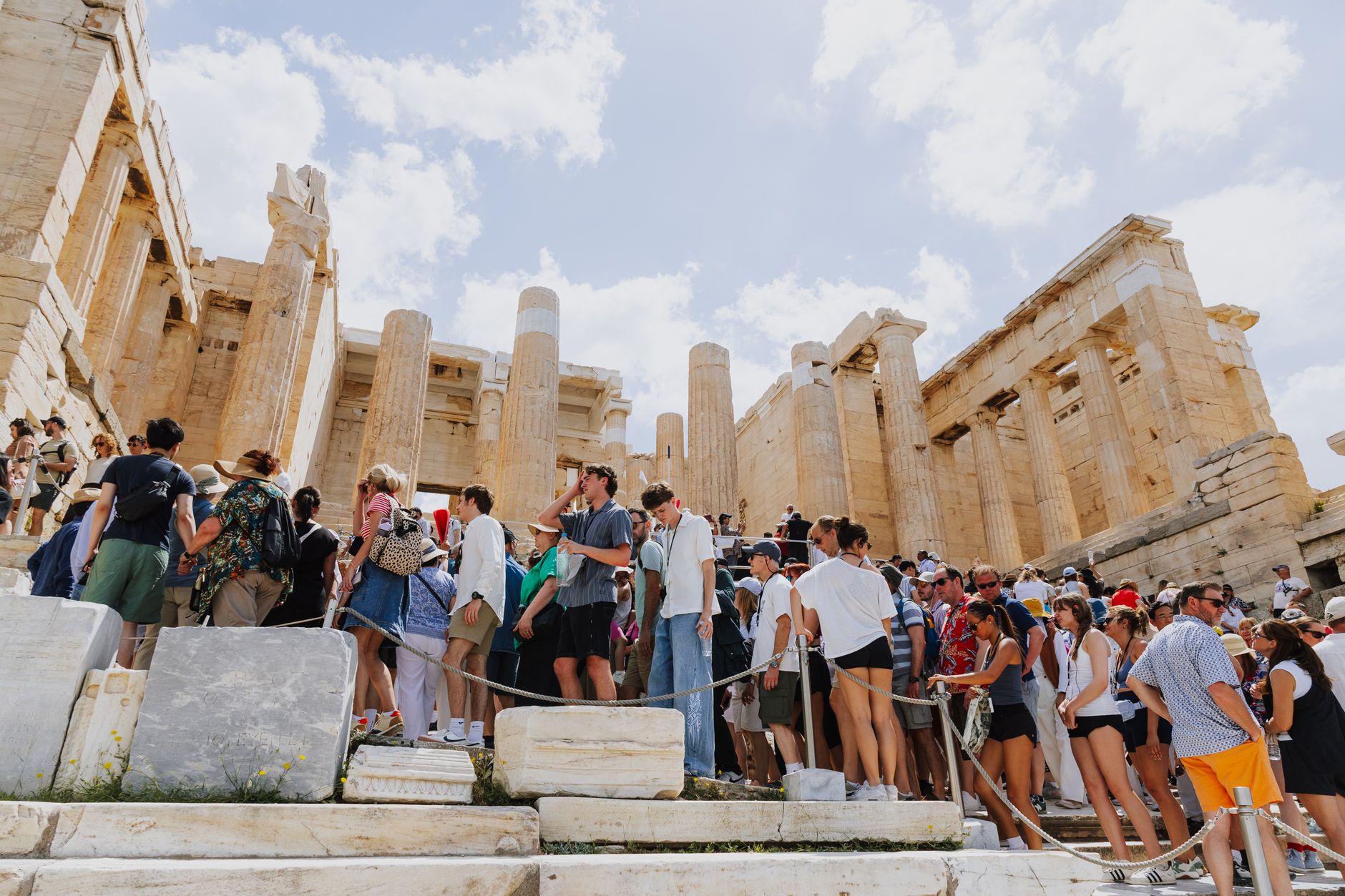
Start at the Acropolis early with a timed ticket to avoid midday heat and crowds; allocate 1.5–2 hours for the Parthenon, Erechtheion and the Acropolis Museum beneath the hill. Walk down to Dionysiou Areopagitou pedestrian walkway (5–10 minutes) and continue to the Acropolis Museum (2–3 minutes from the south slope). From there stroll to Plaka for lunch on Adrianou Street (allow 10–15 minutes walking). For lunch, choose Thanasis in Monastiraki for a classic souvlaki or kebab — expect €4–€8 for a portion and quick service.
Day 2
Spend this day in neighbourhoods that show how locals live. Begin at the National Archaeological Museum (allow 2–3 hours; entry around €12–€14) which is a 10–15 minute taxi or a short Metro ride to Victoria station. After the museum, head to Exarchia (5–8 minutes on foot from Victoria) for coffee and people-watching; this area is known for political murals, bookshops and affordable kafeteria food. In the afternoon walk or take a short bus to Kerameikos archaeological site and then to Psyrri for evening meze. For dinner try Ta Karamanlidika tou Fani in Psyrri for cold meze and cured meats; expect €15–€30 per person depending on plates shared.

Day 3
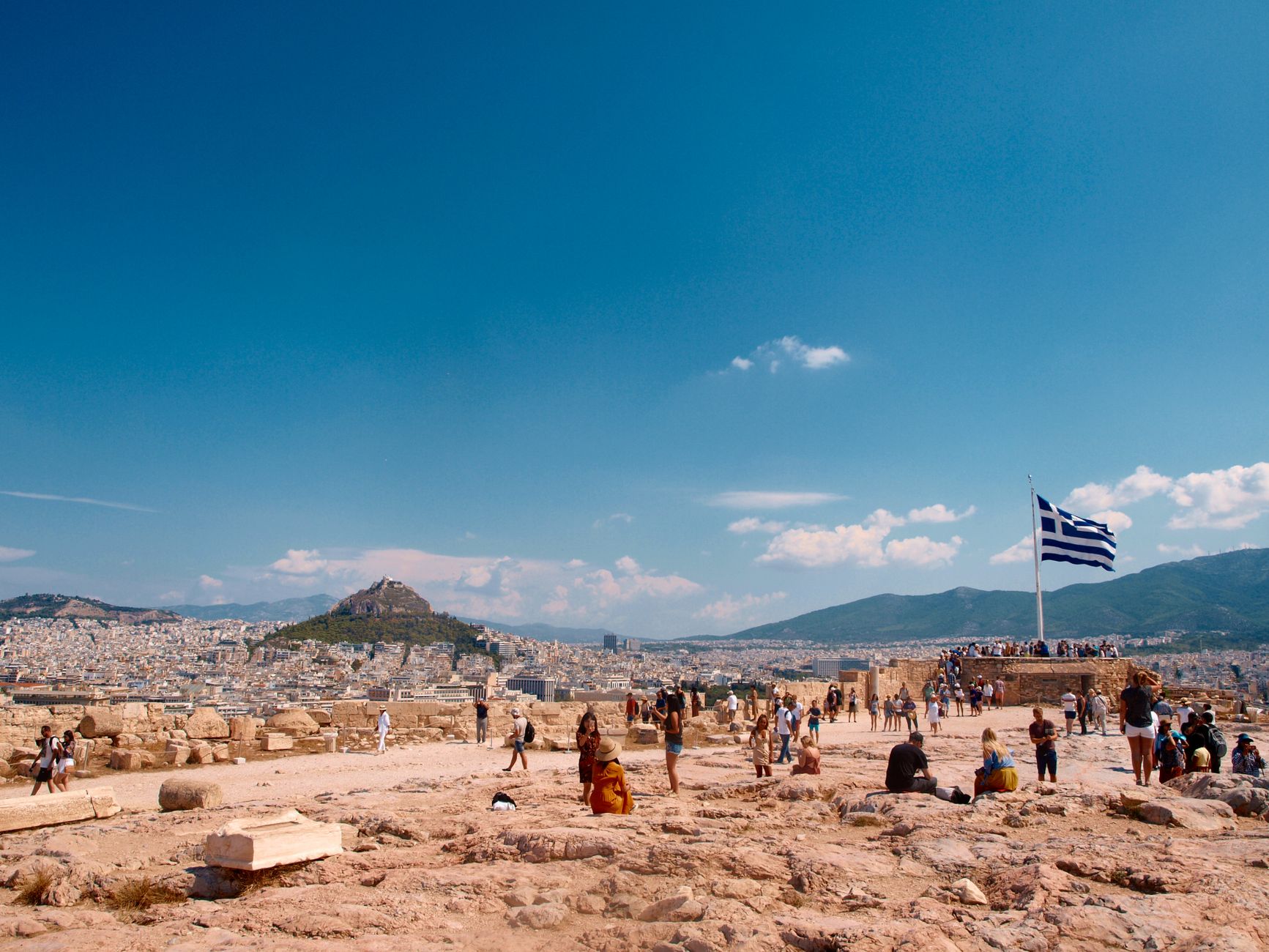
Use the final day for city views, one remaining museum and a market visit. Start at Mount Lycabettus — either hike 25–35 minutes from Kolonaki or take the funicular from Aristippou Street (short ride). From the summit enjoy a 360-degree view and then descend to Kolonaki for brunch. Next, visit the Benaki Museum or the Museum of Cycladic Art in the Kolonaki area (both 20–30 minute combined visit time). Late morning head to Varvakios Central Market on Athinas Street for snacks and people-watching; it's 10–15 minutes on foot from Monastiraki. If catching an afternoon flight, allow at least 90 minutes to reach the airport by taxi in normal traffic or take the Metro/faster X95 bus earlier, leaving extra buffer for security.
Best Local Experiences
Varvakios Central Market on Athinas Street for early-morning fish and meat stalls plus small tavern breakfasts. A late-afternoon coffee and people-watch in Exarchia to see student life and street art. A food crawl in Psyrri that includes meze at Ta Karamanlidika and a stop at a kafeneion for ouzo or tsipouro. Sunset at the Areopagus or Lycabettus for different skyline perspectives; Areopagus is free and 10 minutes from the Acropolis Museum. Evening live rebetiko or laiko music at a small venue in Kerameikos or Gazi for local music rather than tourist cover bands.

Where to Stay
Plaka and Monastiraki: best for first-time visitors who want walking access to the Acropolis, the Archaeological Museum and numerous eateries. Expect mid-range hotel rooms from about €90–€160 per night (≈€100–€175 / $110–$190). Syntagma and Kolonaki: suits travellers wanting easy transit links and quieter, more upscale restaurants. Rooms here run €100–€220 per night (≈€110–€240 / $120–$260). Koukaki and Psyrri: for food-focused travellers and a local feel; closer to the Acropolis yet with smaller boutique hotels and apartments around €70–€140 per night (≈€80–€155 / $85–$175). Choose neighbourhoods by trade-off between early-morning access to sights and evening restaurant choices.
Food and Drink
Souvlaki/gyro: grilled meat on pita with tomato and tzatziki; best quick version at Thanasis (Monastiraki) for €4–€8. Moussaka: layered eggplant and minced meat baked in béchamel; restaurant portion €8–€14 at traditional tavernas such as Klimataria. Koulouri: sesame-coated ring bread sold by street vendors; a breakfast option for about €0.80–€1.50 near Syntagma or Monastiraki. Loukoumades: small fried doughnuts with honey and cinnamon, found at shops in Plaka and Monastiraki for €3–€6. Frappé and freddo espresso: iced coffee staples; expect €2–€4 in cafés. For a proper dinner, Mani Mani in Koukaki serves modern takes on Peloponnesian dishes with mains €12–€25.
Getting Around
Main transit modes: Metro lines M1, M2 and M3 plus trams and city buses run by OASA. The Suburban Railway (Proastiakos) connects to Piraeus and some regional lines. Airport connections: X95 bus to Syntagma (~€6) and Metro Line M3 from the airport at specific times. Single metro/bus/tram ticket is about €1.20 (valid 90 minutes) and the ATH.ENA 24-hour ticket is around €4.10; buy and validate at machines or kiosks before boarding. Taxis use meters; expect roughly €35–€50 to the airport from central Syntagma in normal traffic. Useful apps: OASA Telematics for timetables and the Stasy.gr website; Citymapper also works for planning.
Best Time to Visit
Spring (April–May) and early autumn (September–October) are the best months for weather and value; daytime temperatures average 18–26°C and crowds are lower than July. Summer (July–August) is hot and crowded, often 32–38°C with many museums and shops staying open late; expect higher prices and busy sites. Winter (November–February) is mild but wetter, with daytime averages between 8–15°C and reduced visitor numbers — this is best for lower accommodation rates and museum-focused trips. Shoulder months balance weather, daylight and more relaxed site access.
Budget and Practical Tips
Typical daily budget ranges: budget traveller €50–€90 per day; includes hostel or budget room €25–€50, food €15–€25, transport €4–€8, and entry fees €6–€12. Mid-range traveller €120–€220 per day; includes hotel €90–€150, meals €30–€50, transport €5–€10, and museum entries €12–€30. Expect Acropolis entry €20 in high season and the combined archaeological ticket €30. Cash remains useful in markets and small tavernas but cards are widely accepted in museums and mid‑range restaurants. Tipping: rounding up small amounts is common; leave 5–10% at sit-down restaurants for good service.
FAQ
Is Athens safe for solo travellers?
Yes, daytime areas in central neighbourhoods are generally safe; stay alert for pickpockets in crowded spots such as Monastiraki, Omonia and busy metro trains and keep valuables secured.
How do I get from the airport to the centre?
The X95 bus runs to Syntagma for about €6 and takes 40–60 minutes depending on traffic; the Metro Line M3 also serves the airport but check schedules and stops for convenience.
Is the Acropolis Museum worth it?
Yes — it contextualises the Parthenon sculptures with explanatory displays and original finds; allow 1.5–2 hours and expect an entry fee around €10–€12.
Should I buy the combined archaeological ticket?
The €30 combined ticket is worth it if planning to visit at least three sites beyond the Acropolis over several days; it saves money compared with single entries and is valid for multiple days.
What is the best way to pay for local transit?
Use ATH.ENA tickets bought at Metro machines or kiosks and validate before travel; 24-hour ATH.ENA tickets make sense if doing several journeys in one day.
Are taxis expensive?
Taxis are metered; central to airport in normal traffic is roughly €35–€50. Expect higher fares late at night or with heavy luggage.
Can museums be closed on certain days?
Yes — many museums close one weekday or have reduced hours in winter; check each museum's calendar before planning a visit.
How common are strikes affecting transport?
Occasional transport strikes occur and can disrupt buses and metro services; check local news or the OASA website before travelling on critical days.
Conclusion
A three-day stay offers a clear slice of what makes the city interesting: the Acropolis and its museum, a major archaeological museum, and at least two neighbourhoods that reveal everyday life and food. Expect some trade-offs between museums and relaxed meals; prioritise timed Acropolis entry and one neighbourhood evening rather than trying to force too many sites into one day. If time runs short, prioritise the Acropolis timed visit and a late-afternoon walk through Plaka and Monastiraki — that combination gives the best immediate sense of history and daily life.
How this guide was prepared
This guide was prepared through a structured research that combines destination research, geographic context, itinerary planning logic, and content review.