

Practical 3-Day Itinerary for Thessaloniki — What to See
A frank 3-day guide to Thessaloniki with walking routes, transit tips, realistic costs and where to eat; includes neighborhood plans and timing for each day.
A no-nonsense 72-hour plan for Thessaloniki that balances museums, waterfront time, Ano Poli views and food markets with realistic transit and costs.
Expect a port city where sea air meets busy avenues, layered neighbourhoods and a strong café culture. First impressions are often a mix of wide seaside promenades, a raw working port near the cruise berths and compact streets with old houses in the upper town. The pace is not slow tourist resort pace; locals move between markets, cafes and offices and noise from traffic and commerce is normal.
The city suits travelers who like urban wandering, museums and food markets more than polished sightseeing agendas. Many visitors underestimate how much hill-climbing Ano Poli requires and overestimate available transit: buses work but they can be slow. Bring sensible shoes for cobbles and steps, plan museum time deliberately and expect some construction or closed sites near the waterfront during busy months.
Is 3 days in Thessaloniki enough?
Three days in Thessaloniki is enough to cover the waterfront, the main museums, Ano Poli (the upper town) and two neighbourhoods for good food and nightlife. Expect to skip slower-paced trips to Halkidiki or long island hops; those need extra days.
Who This Guide Is For
Best for independent travelers who like urban walks, museums and street food; less suitable for travelers who want a relaxed beach holiday or detailed archaeological exploration of northern Greece.
Local Tips for Thessaloniki
Practical details that most travel sites skip — specific to Thessaloniki.
- From Makedonia Airport (SKG) the public bus X92 runs to the city center (Platia Aristotelous area) in roughly 35–50 minutes and costs about €2.50; taxis are typically €20–30 depending on luggage and time of day.
- Modiano Market (corner of Tsimiski and Xanthou) opens before 08:00 for fish and produce; arrive by 08:30 to see stalls and avoid late-morning crowds.
- Buy single-ride OASTH bus tickets from kiosks or the driver (exact change required) and validate on board; expect about €1.20 per ride as of 2024—keep small coins.
- Museum of Byzantine Culture ticket is around €8 and the Archaeological Museum admission is around €10; combined timing of 2–3 hours per museum avoids rushed visits.
- Beat and Uber operate in the city; Beat often has shorter waits after midnight in Ladadika and near Aristotelous but fares surge during Thessaloniki festival dates and big football matches at Toumba.
How This Guide Was Prepared
This guide treats Thessaloniki as a working port city where views, food and layered neighborhoods matter more than polished tourist circuits. Most guides overemphasize a single waterfront walk and skip the elevated Ottoman and Byzantine quarter where the best views and local life happen; practical transit and market timing are the real keys to a good short visit. This guide was prepared through a structured research that combines destination research, geographic context, itinerary planning logic, and content review.
Plan Your Stay in Thessaloniki
Use this itinerary as your starting point, then compare areas to stay, transport options, seasonal timing, and realistic daily costs before booking.
Why Visit
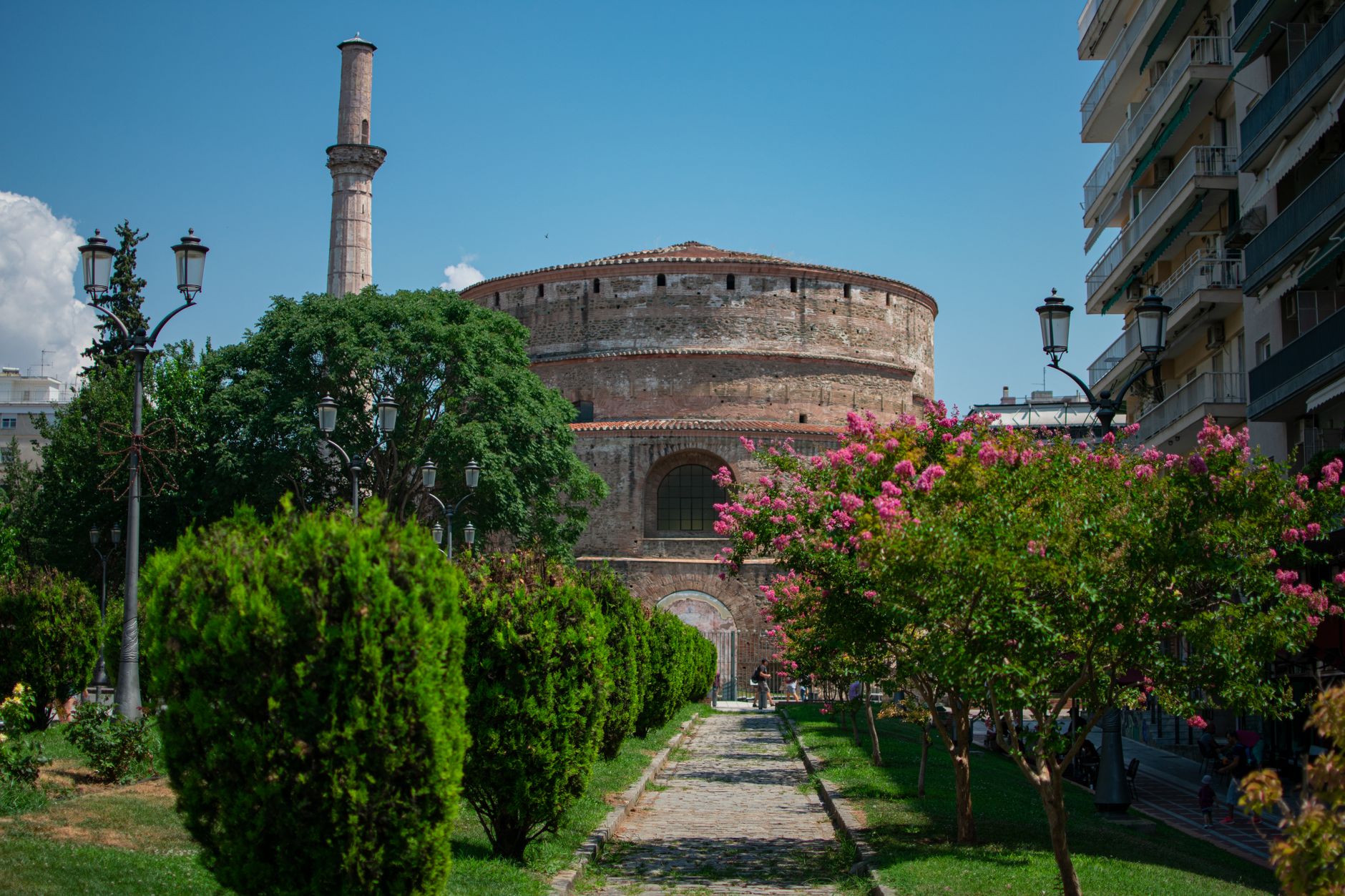
The city offers a rare mix of Byzantine monuments and everyday port life that is easier to experience in a short visit than in larger Greek cities. The Museum of Byzantine Culture and the Rotunda hold concentrated collections not usually seen together elsewhere in northern Greece.
A second reason is the food scene: Modiano and Kapani markets, plus evening taverns in Ladadika, let travelers taste regional Macedonian dishes and seafood at reasonable prices. Practical advantages include a compact center where many major sites sit within 20–30 minutes of each other by foot, so three days can feel substantial.
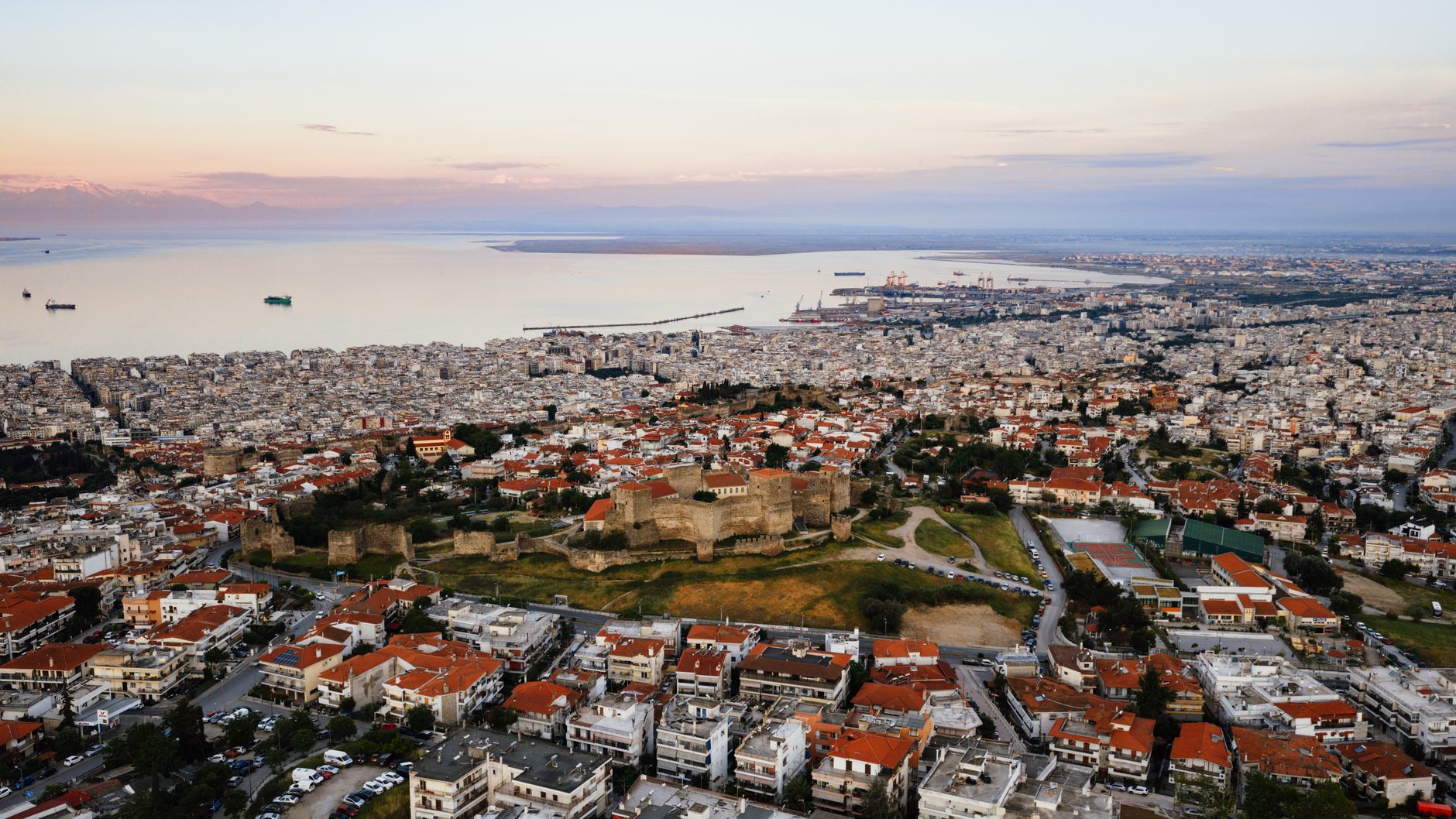
Finally, the upper town (Ano Poli) and the city walls provide some of the best urban viewpoints in the region; sunset over the Thermaikos Gulf from Vlatadon or the Heptapyrgion makes the city distinct from flat port cities nearby.
Quick Planning Tips
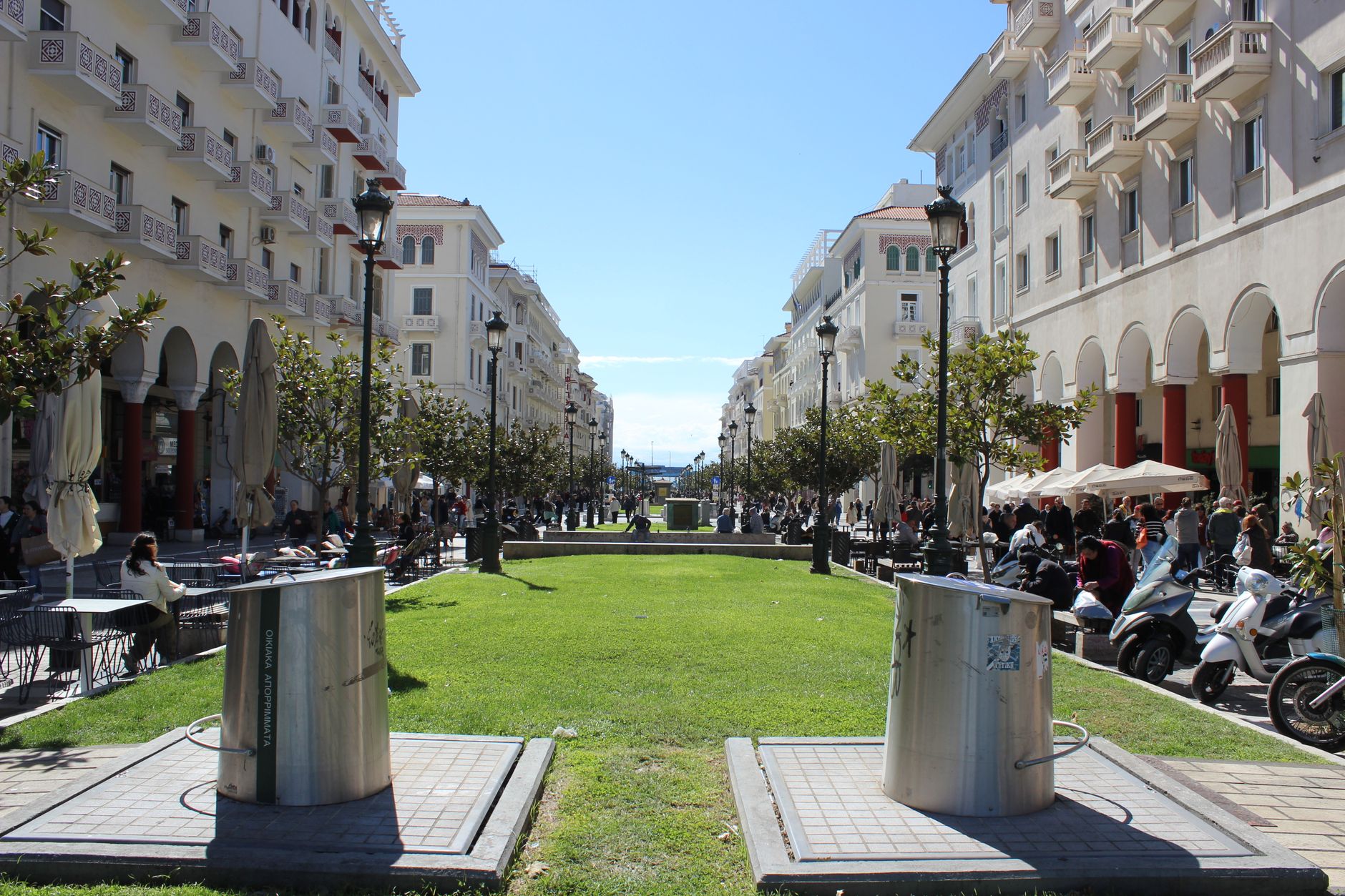
Arrive via Makedonia Airport (SKG) and use the X92 airport bus to Aristotelous for the cheapest transfer; taxis cost roughly €20–30 depending on traffic. If arriving by train, Larissa Station (Thessaloniki Railway Station) sits south of the center and a short taxi or OASTH bus will connect to Aristotelous.
Carry small-change euros for bus fares and market purchases; many small vendors and bus drivers prefer exact change and some stalls do not accept cards. Download Moovit or Google Maps for reliable local bus routing and Beat for taxis; the official OASTH site lists routes but apps show live timing.
Avoid planning tight museum blocks without breaks: Museum of Byzantine Culture and the Archaeological Museum each need 1.5–2.5 hours for a reasonable visit. Weekends fill with local families and cruise-ship passengers; book popular restaurants and museum slots in advance during summer.
Day 1
Morning: Start at Aristotelous Square for the waterfront orientation and a coffee at a cafe on Proxenou Koromila or Egnatia. Walk the Nea Paralia promenade from the White Tower east toward the Statue of Alexander the Great if time allows; promenade walking to the White Tower from Aristotelous is 10–15 minutes.
Late morning: Visit the White Tower (entry around €8) and then walk west to the Archaeological Museum of Thessaloniki (20–25 minutes on foot from the tower, or a short taxi). Plan 1.5–2 hours inside the Archaeological Museum to see Macedonian exhibits and the gold finds.
Lunch: Eat at Ta Kardasia or Ouzeri tou Diavola near Modiano Market for seafood or meze; both are within a 10-minute walk of the museum. Expect main plates €10–18.
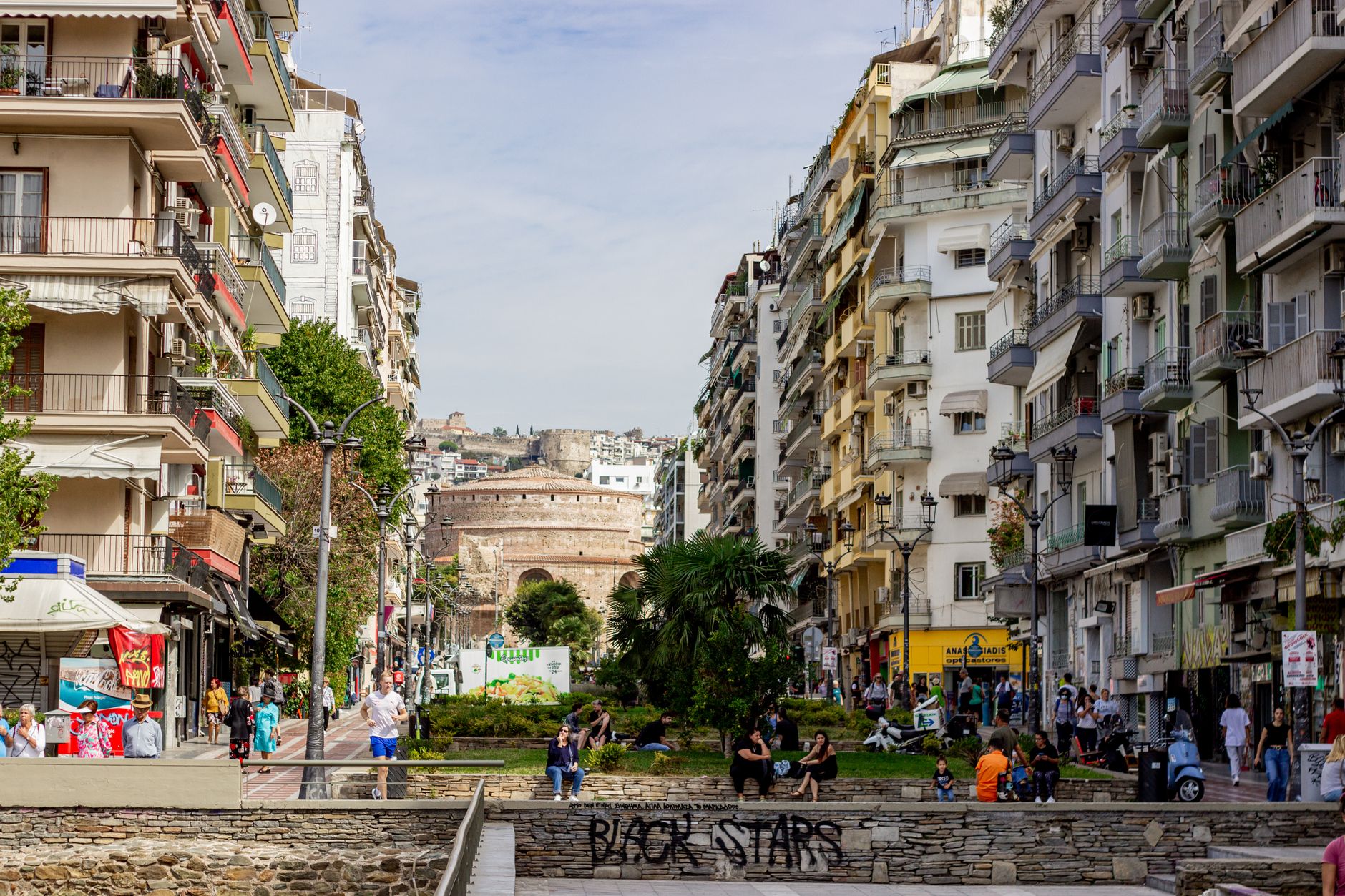
Afternoon: Explore Modiano and Kapani markets for snacks, spices and street food like bougatsa or koulouri; the markets are clustered off Tsimiski and Venizelou. Then head to the Rotunda and Arch of Galerius area (5–10 minutes from the markets) to inspect early-Christian mosaics.
Evening: Dinner in Ladadika; pick a taverna on Valaoritou Street or Navarinou Square and stay for local wine or tsipouro. End the night with a short walk back to Aristotelous along the lit waterfront (10–15 minutes).
Day 2
Morning: Climb or take bus up to Ano Poli (the Upper Town) to visit Vlatadon Monastery and the Byzantine walls, including Heptapyrgion. From Aristotelous, a taxi is 10–15 minutes uphill; on foot allow 25–35 minutes depending on pace. Spend time on the city walls and at the small Byzantine-era churches for views over the Gulf.
Late morning: Walk downhill to the Atatürk Museum if interested in modern history, then continue toward the Museum of Byzantine Culture. The Museum of Byzantine Culture requires about 1.5–2 hours and is near Egnatia Street.
Lunch: Try a tavern on Navarinou Square or a casual plate at one of the cafes on Agiou Dimitriou; expect €8–14 for a substantial lunch. After lunch, take a tram? There is no city tram—use OASTH buses or a short taxi for longer hops to other neighborhoods.
Afternoon: Spend the afternoon in the university quarter and Kalamaria if weather permits; Kalamaria offers quieter sea views and local bakeries. Alternatively, visit the State Museum of Contemporary Art in the old port warehouses if exhibitions are running.
Evening: Return to the center for dinner in Valaoritou or Ano Poli small tavernas that serve simple grilled meats and local salads. If nightlife is wanted, Ladadika has bars and live-music venues concentrated within a few streets.
Day 3
Morning: Reserve this day for anything skipped earlier and for a focused museum or market visit. Start at Modiano Market for late breakfast bougatsa and coffee, then cross to Tsimiski for any shopping. Allow 1–2 hours for market browsing and purchases.
Late morning: Visit the Rotunda interior mosaics and Galerius Complex if not seen; these sites are near each other and fit into a single 1–1.5 hour slot. From Modiano to the Rotunda is a 10–12 minute walk.
Lunch: Have a relaxed lunch at a fish tavern in the dockside area near Mikra or in Ladadika depending on luggage plans; plan 1 hour. If catching an afternoon flight, choose a restaurant close to Aristotelous to minimize last-minute transit.
Afternoon: If checking out, store luggage at the hotel or use a station locker; leave time for the X92 bus to the airport (allow 60–90 minutes total from central hotels with buffer). If flight is later, consider a short trip on the waterfront to the Port Authority area or a final coffee at the Sea Front.
Evening: For late departures, a simple dinner near the station or a last walk along Nea Paralia works; avoid booking tight transfer windows if the bus schedule looks sparse or if heavy traffic is expected.
Best Local Experiences
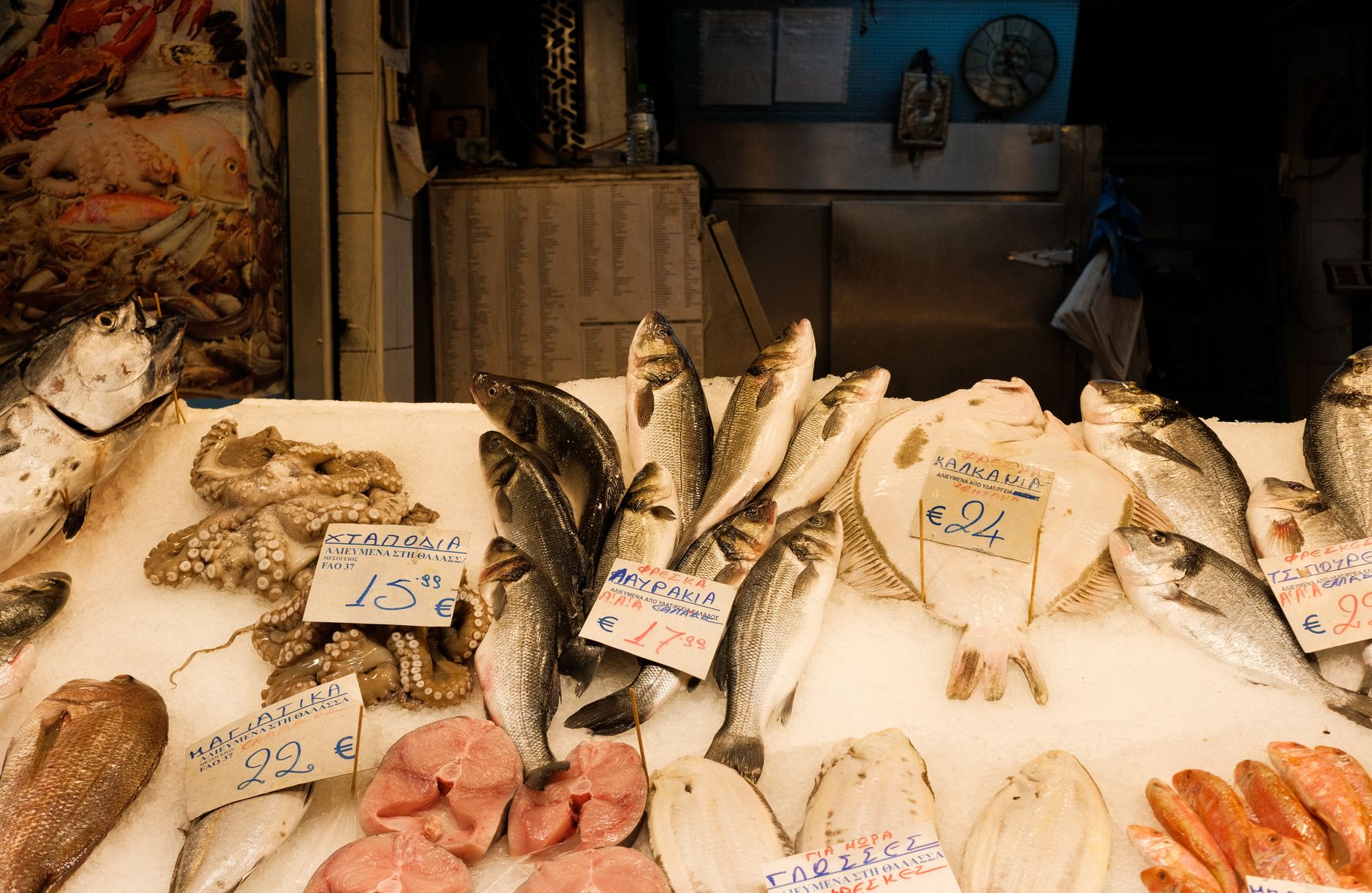
Modiano Market and Kapani Market: early-morning food markets selling fish, olives and regional cheeses; best for tasting and quick snacks. White Tower at sunrise or late afternoon: the area is busiest midday with cruise visitors, so off-peak times are calmer.
Ano Poli and the Heptapyrgion city walls: climb for panoramic views of the Thermaikos Gulf and to see Ottoman-era houses. Ladadika district: evening dining and live-music options in converted industrial streets near the port.
Bougatsa stops: sample bougatsa with cheese or custard at established bakeries on Venizelos Street or near Modiano. Local festivals: Thessaloniki International Film Festival (November) and Dimitria cultural events (October) draw crowds and change opening times and transit needs.

Where to Stay
Aristotelous / City Centre: Suits travelers who want to be within easy walking distance of the waterfront, shops and many restaurants. Expect mid-range hotels €70–120 per night (≈€75–130 USD). This area is noisy late into the evening on weekends.
Ladadika / Ano Draka: Best for nightlife and tavern hopping; small boutique hotels and apartments sit among restaurants. Nightly costs run €60–110 (≈€65–120 USD). Noise and late crowds are common, so not ideal for very light sleepers.
Ano Poli (Upper Town): Suits those who prefer quieter streets, traditional houses and views; guesthouses and small B&Bs typically cost €50–90 (≈€55–95 USD) per night. Expect steep streets and fewer late-night dining options within immediate walking distance.
Kalamaria: A residential, seaside suburb east of the center for budget travelers or families seeking calmer evenings; typical prices €45–80 (≈€50–85 USD). A short taxi or bus ride connects Kalamaria to the central museums and the promenade.
Food and Drink
Bougatsa: A filo pastry filled with custard or cheese; best at long-standing bakeries near Modiano or on Egnatia; expect €1.20–2.50 for a large slice. Koulouri: Sesame-covered bread ring sold by street vendors across the city for about €0.70–1.20—perfect for breakfast on the go.
Gyro/souvlaki: Skewered meat or gyro in pita with fries and salad; good casual versions in Ladadika or near the station for €2.50–4.50. Fresh fish: Look for tavernas in the harbor and near the port; grilled fish main courses typically €12–20 depending on species.
Local dishes — boureki and pastitsio: boureki is a layered vegetable and cheese bake found in local taverns, pastitsio is a baked pasta dish; both are common in midday taverns for €6–12. Tsipouro and local wines: tsipouro (pomace brandy) served with meze in Ladadika and Ano Poli; small carafe pours €4–8.
Breakfast option: Traditional bakery breakfast with coffee and bougatsa or spanakopita near Modiano for €3–6. Street food option: koulouri and a small espresso from a kiosk for under €2. Dinner recommendation: choose a seafood taverna along the harbor or a meze-focused ouzeri in Ladadika and expect to budget €15–30 per person for a full meal.
Getting Around
Main transit is the OASTH bus network; there is no full city metro in service as of 2024 so buses, taxis and walking form the backbone of local transport. Major bus hubs include the city center stops around Aristotelous and the Ergates / Kirki area; long-distance KTEL buses depart from the KTEL Kentrikis Makedonias station.
Single OASTH bus fares are about €1.20 (buy from kiosks or the driver); expect to validate on board. A taxi from Makedonia Airport to Aristotelous costs roughly €20–30. Use Moovit or Google Maps for live bus routing; Beat is the most commonly used taxi app locally and often has shorter wait times late at night.
Intercity trains arrive at Thessaloniki Railway Station (Larissa Station). For island or coastal trips, buses and ferries depart from central bus terminals or the main port; check timetables in advance and allow extra time for luggage and traffic.
Best Time to Visit
Spring (April–June) offers mild temperatures 15–25°C and fewer cruise-ship crowds than July–August; late May often balances good value and open outdoor dining. Summer (July–August) is hot, 27–33°C, crowded with domestic tourists and cruise-day visitors; prices rise and terraces are noisy late into the night.
Autumn (September–October) has warm days around 18–26°C and the cultural-season programming starts, including film and theater events; late September often gives good weather and lower accommodation costs. Winter (November–March) is cool and wet, temperatures 5–12°C, with reduced opening hours at smaller tavernas and fewer tourists; best value for travelers prioritizing lower prices.
Budget and Practical Tips
Realistic daily budget for a mid-range traveler: Accommodation €60–110, food €20–35, transport €4–8, entries and extras €8–20; total roughly €92–173 per day (≈$100–190 USD depending on exchange rate). Budget travelers can aim for €50–80 per day by using hostels or budget hotels and eating at markets and street stalls.
Carry euros in small denominations for markets and buses; many small cafes and kiosks are cash-first. Tipping: small service charges are not automatic in most casual places but rounding up or leaving 5–10% in sit-down restaurants is common practice; leave small change for servers and taxi drivers.
Practical safety tip: pickpocketing is the most common petty crime—keep valuables zipped and wallets in front pockets in crowded areas and buses. If planning to drive, expect limited parking in the center and use parking garages near Aristotelous or at larger hotel lots.
FAQ
Is Thessaloniki safe for solo travelers?
Generally yes; daytime areas and tourist districts are safe but watch for pickpockets on crowded buses and near markets.
How do I get from Makedonia Airport to the city center?
Use the X92 airport bus to Aristotelous for about €2.50 and 35–50 minutes, or a taxi for €20–30 depending on traffic.
Is a city card or pass worth buying?
No widely used single city pass covers everything; buy museum tickets individually and look for combined museum offers at the Museum of Byzantine Culture and Archaeological Museum if available.
Are museum opening hours reliable?
Museums can change hours for holidays or exhibitions; check official museum websites and reserve tickets where possible for peak season.
Can public transport get me to Ano Poli?
Buses serve parts of Ano Poli but many visitors prefer a short taxi or walking from central stops because routes are indirect.
Is English widely spoken?
Yes in restaurants, museums and hotels, but older market vendors may prefer basic Greek—carry a phrase list and be ready to use hand signals for purchases.
What are typical entry fees for major museums?
Expect roughly €8–12 for main museums such as the Museum of Byzantine Culture and the Archaeological Museum; concessions and combined tickets reduce costs for multiple sites.
Can day trips to Halkidiki or nearby islands be done from the city?
Day trips to Halkidiki are doable by car or organized bus tour but island ferries require checking seasonal schedules and often longer travel times than a single day comfortably allows.
Conclusion
A three-day visit will be remembered for the contrast between sea-level promenades and the steep, old upper town with its views. Prioritize one major museum, an early market visit and a sunset from the walls for the most characteristic experiences. If time runs short, focus on Modiano Market for food, the White Tower for orientation and a sunset viewpoint in Ano Poli—those three elements capture much of what makes this city distinct from coastal resort towns nearby.
How this guide was prepared
This guide was prepared through a structured research that combines destination research, geographic context, itinerary planning logic, and content review.