

3-Day Bloomington, MN Itinerary: Mall of America and River Valley
A practical 3-day plan for Bloomington, MN covering the Mall of America, Hyland Lake Park, Minnesota Valley Refuge, transit tips, and realistic budgets.
A clear, no-nonsense 72-hour plan that balances the Mall of America with river-valley trails, a nature refuge, and neighborhood dining—designed for efficient travel and honest expectations.
Expect a suburban landscape anchored by one very large mall and surrounded by river-valley parkland, civic plazas and strip districts. The pace is quieter than downtown Minneapolis; traffic spikes on I-494 and around Mall of America during holidays and Vikings games, while neighbourhood streets are mostly residential and short on nightlife.
Many guidebooks frame the visit as a single-day mall trip; that misses the acres of trails along the Minnesota River, the small public gardens and the community arts spaces that reward a second day. The area suits travelers who want accessible transit, family attractions and easy access to nature without city-center prices.
Is 3 days in Bloomington enough?
Three days gives time for the Mall of America plus one major outdoor area and a neighbourhood stroll, using the Metro Transit Blue Line and local buses to avoid parking headaches. It will not leave enough time for deeper day trips into Minneapolis museums or a full loop of the Twin Cities' parks system.
Who This Guide Is For
Best for travelers who want a mix of family-friendly attractions and nature without staying in Minneapolis; less ideal for museum-focused visitors or a first visit to downtown Minneapolis who should add at least two more days.
Local Tips for Bloomington
Practical details that most travel sites skip — specific to Bloomington.
- Buy Metro Transit Go-To Card value at light-rail vending machines or in the Metro Transit app — single-ride adult fare is about $2.00 and fares must be paid before boarding buses or boarding light rail.
- Blue Line light rail links Mall of America, Terminal 1–MSP Airport and downtown Minneapolis; Fort Snelling station gives direct access to the Fort Snelling National Cemetery and river trails.
- The METRO Red Line (Cedar Avenue BRT) runs between Mall of America and Apple Valley Transit Station — useful for routes south of 494 that Metro buses don’t cover as often.
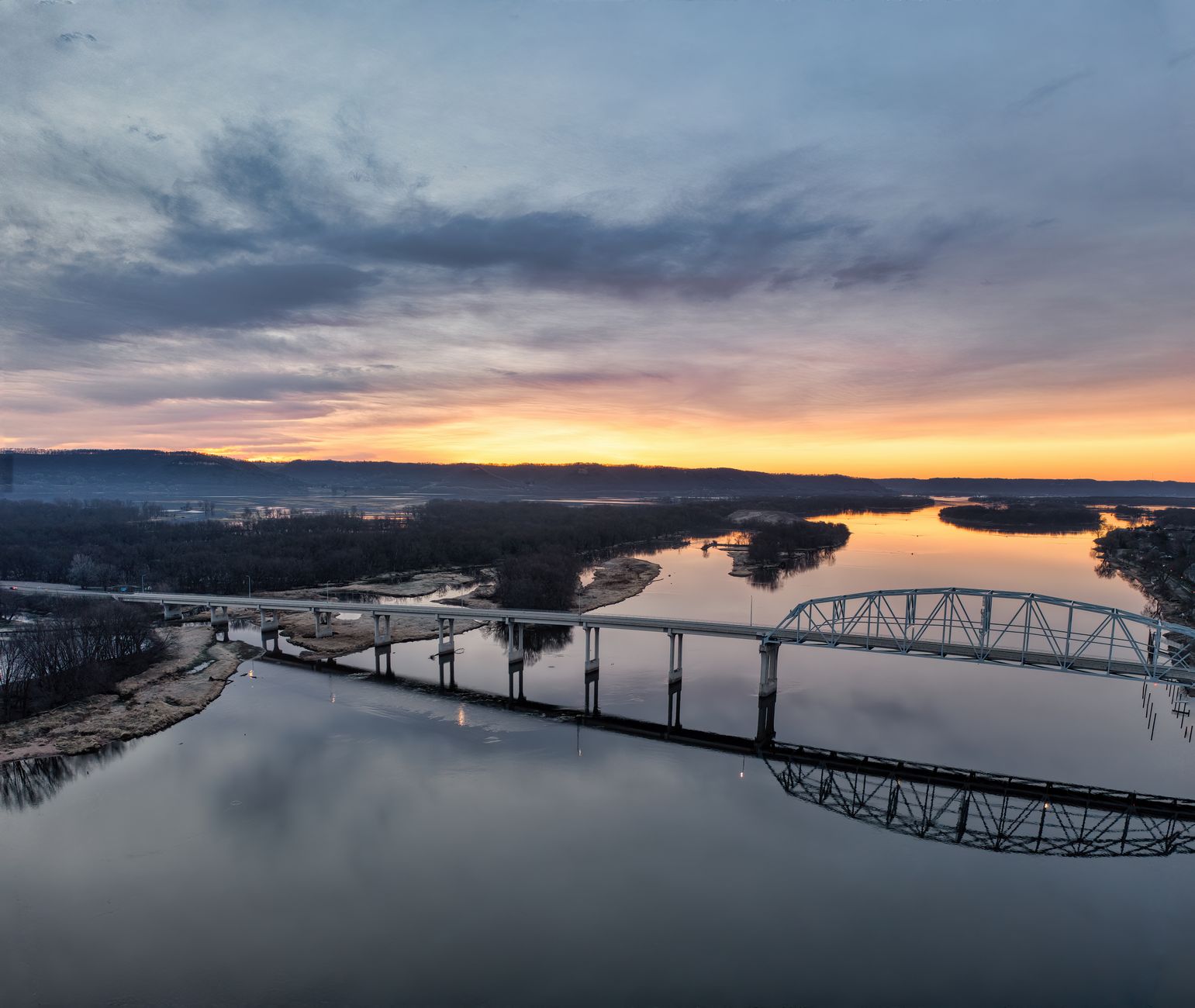
- Old Cedar Avenue Bridge (historic bridge ruins) sits in the river valley west of Lyndale Avenue near 106th Street and is a short drive or 20–30 minute bike ride from the mall parking area.
- Hyland Lake Park Reserve at 101st Avenue and Normandale Boulevard has a staffed ski hill in winter with lift tickets around $10–$20 and a sledding area; bring boots, not just sneakers.
How This Guide Was Prepared
Bloomington is most travelers' stop for the Mall of America, but the surrounding river valley, Normandale parks and small-city neighbourhoods deserve equal time. Many guides treat the mall as the only draw; this three-day plan treats it as one major experience among local outdoor areas, transit connections and practical shopping/eating realities. This guide was prepared through a structured research that combines destination research, geographic context, itinerary planning logic, and content review.
Plan Your Stay in Bloomington
Use this itinerary as your starting point, then compare areas to stay, transport options, seasonal timing, and realistic daily costs before booking.
Why Visit
First, the Mall of America is a practical draw: indoor rides at Nickelodeon Universe, SEA LIFE Aquarium and more under one roof make bad-weather planning straightforward. Second, the Minnesota River valley offers real wildlife and hiking within a short drive or bike ride — the Minnesota Valley National Wildlife Refuge visitor center has easy trails for birdwatching. Third, Hyland Lake Park Reserve provides year-round outdoor options: loop trails, a ski hill in winter and cross-country tracks. Fourth, transit connections to MSP Airport via the Blue Line add convenience for short trips and reduce the need for a rental car.
Quick Planning Tips
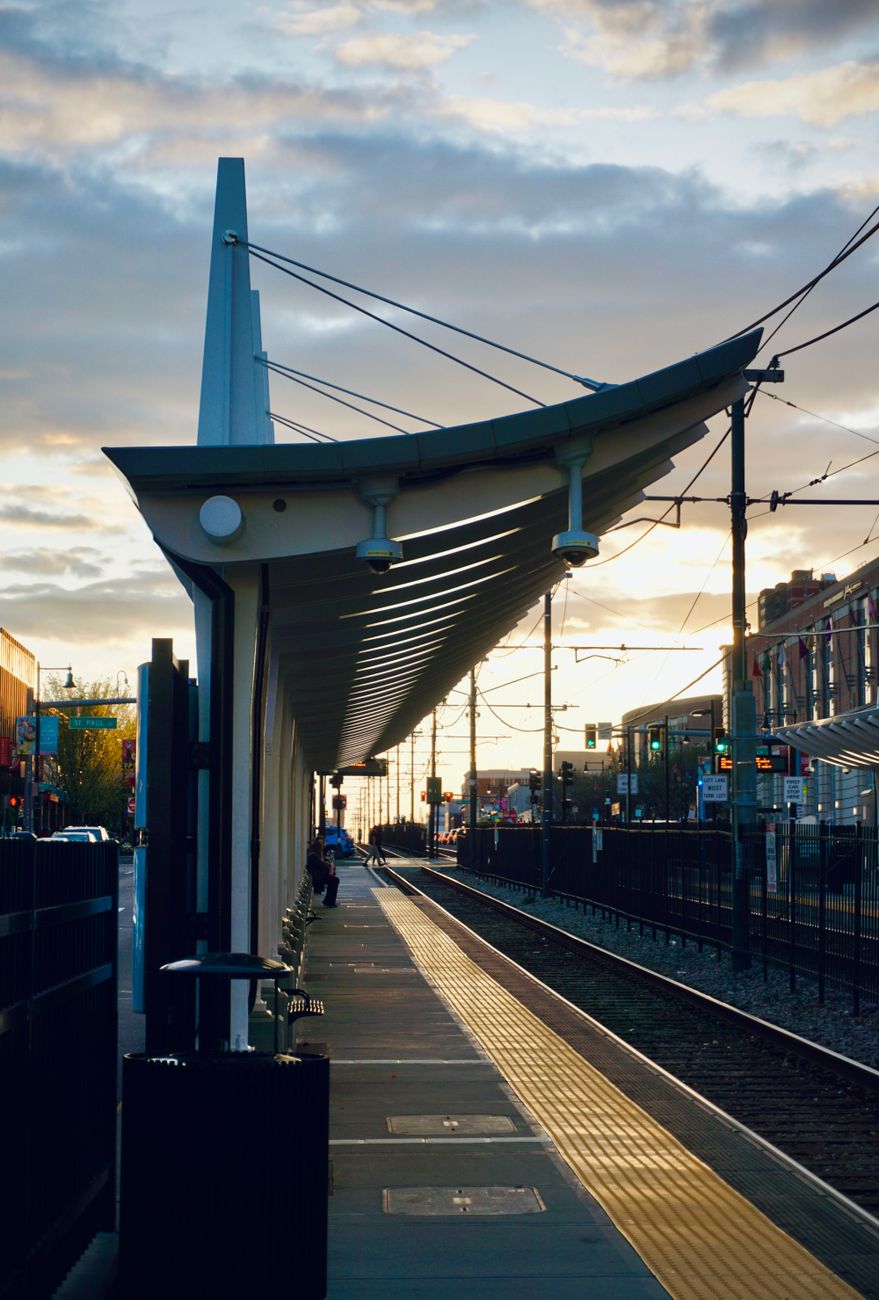
Fly into Minneapolis–Saint Paul (MSP) and take the Blue Line light rail one stop to Mall of America; trains run roughly every 10–15 minutes during the day. Buy Metro Transit fares on the vending machines at stations or in the Metro Transit app; inspectors do spot checks so carry proof of payment.
Booking a hotel in the Mall of America corridor reduces local taxi or rideshare costs; if driving, expect high parking demand on weekends and holiday seasons. Avoid the mistake of scheduling Mall of America and long nature hikes on the same morning — the mall alone can consume half a day when rides or attractions are busy.
Day 1
Morning: Start at Mall of America. Enter through the east doors to reach the Guest Services desk, then plan time for Nickelodeon Universe (rides priced roughly $7–$15 each or an unlimited wristband around $35–$45) and SEA LIFE Minnesota Aquarium (adult admission around $25–$30). Expect crowds; allow 3–4 hours if doing both.
Midday: Walk across the mall to the food court or book a table at FireLake Grill House & Cocktail Bar inside the mall for a mid-range lunch (entrees $15–$30). Allow 10–20 minutes walking between attractions inside the mall.
Afternoon: Ride the Blue Line one stop to Terminal 1–MSP to see the airport connection, or stay and visit the mall’s LEGO and specialty stores. If time and weather allow, take a quick 15–20 minute drive west to Old Cedar Avenue Bridge for river views and a short walk.
Evening: Return to the Mall of America area for dinner; weekend evenings are busiest. For a quieter end to the day, head to the Bloomington Civic Plaza area for a local bar or casual restaurant within a 5–10 minute drive from the mall.

Day 2
Morning: Head to the Minnesota Valley National Wildlife Refuge Visitor Center for trails and birdwatching; the visitor center has maps and restrooms and is 10–20 minutes by car or reachable by bike from the mall corridor. Trails here are flat but exposed to wind along the river.
Midday: Drive or bike north to Normandale Lake Park for a quieter picnic spot and short loop walk; allow 10–15 minutes travel time from the refuge. Bring water and snacks — services are limited outside the mall corridor.
Afternoon: Explore Hyland Lake Park Reserve for hiking or, in winter, the staffed ski hill; trail loops range 1–5 miles and connect to sledding hills. The park is about a 10–15 minute drive from Normandale Lake Park.
Evening: Eat in the West 98th Street / American Boulevard strip for practical diners and pubs; many places have early-bird specials on weeknights. Finish with an easy stroll on a nearby trail if daylight remains.

Day 3
Morning: Visit Old Cedar Avenue Bridge ruins and the river overlook for sunrise or morning light; the site rewards early visits with fewer people and steady bird activity. From the bridge, allow 10–15 minutes to drive to the Normandale Community College campus for a quick look at the Japanese garden and campus paths.
Midday: Check out Bloomington Center for the Arts or a local farmers market if it’s running (check seasonal schedules); these are within a 10–20 minute drive of the mall corridor. Have lunch at a neighborhood cafe on 34th Avenue or American Boulevard where sandwiches and soups run $10–$15.
Afternoon (checkout/airport): If catching a mid-afternoon flight, return to Mall of America for one last short shopping stop and take the Blue Line from the Mall of America station to Terminal 1–MSP (single ride around $2.00). If driving, leave extra time for I-494 traffic and rental car drop-off at the airport.
Evening: If staying late, a final meal near the hotel or at a mall restaurant keeps logistics simple; evening light rail runs less frequently late at night so check schedules.
Best Local Experiences
Mall of America attractions: Nickelodeon Universe, SEA LIFE Minnesota Aquarium and seasonal events inside the mall. Minnesota Valley National Wildlife Refuge: guided walks from the visitor center and flat wildlife trails good for families and birders. Hyland Lake Park Reserve: ski hill, sledding and 10 miles of trails for snowshoeing and summer hiking. Old Cedar Avenue Bridge and river-valley overlooks: short walks with river views and winter raptor sightings. Local community events: Bloomington Farmers Market (seasonal on certain weekdays) and performances at Bloomington Center for the Arts; check the city calendar for dates.

Where to Stay
Mall of America / Airport corridor: Best for families and travelers needing easy airport access and Blue Line connection. Many hotels here have airport shuttles; expect nightly rates around $120–$220 USD (≈€110–€200). Normandale / 98th Street area: Suits budget-minded travelers and those wanting park access near Normandale Lake; smaller hotels and business-class chains are common with rates around $90–$150 USD (≈€80–€140). West Bloomington / Old Shakopee Road and residential neighbourhoods: Suits visitors who prefer quieter evenings and local bars; short drives to the mall and parks, with nightly rates typically $80–$140 USD (≈€70–€125).
Food and Drink
Wild rice soup: A creamy soup featuring native wild rice — find good versions at FireLake Grill House & Cocktail Bar (Mall of America) for $8–$12 starter portions. Walleye: Freshwater fish served pan-fried or grilled at regional American restaurants; expect $18–$30 for an entree at sit-down restaurants. Lefse: Norwegian flatbread available at local bakeries and Lunds & Byerlys grocery stores, $2–$5 for a single serving or bakery packet. Juicy Lucy-style burgers: Minneapolis invented the cheese-stuffed burger, and mall-area pubs serve their own takes for $10–$15. Breakfast option: local diner or hotel breakfast buffet for $8–$15; look for eggs, Minnesota-grown coffee and cinnamon rolls at neighbourhood cafes.
Getting Around
Light rail: METRO Blue Line connects Mall of America, Terminal 1–MSP and downtown Minneapolis; trains typically run every 10–20 minutes. Bus and BRT: METRO Red Line serves Cedar Avenue between Mall of America and Apple Valley; Metro Transit and MVTA buses cover local routes. Fare and passes: single-ride adult fare on Metro Transit is about $2.00, and a full-day pass is roughly $6.00; use the Metro Transit app or a Go-To Card for payment. Taxis and rideshares: airport-to-mall trips are short — expect roughly $15–$25 by taxi or similar for a rideshare depending on traffic. Recommended apps: Metro Transit app for fares and schedules, Google Maps or Transit app for route planning.
Best Time to Visit
Summer (June–August): High temperatures 70–85°F (21–29°C) and the busiest time for the mall and river trails; expect higher hotel rates and crowded weekends. Shoulder seasons (May and September–October): Mild temperatures 50–70°F (10–21°C) with fewer crowds and better value on midweek hotel rates — a practical sweet spot. Winter (November–March): Cold with daytime highs often below freezing and lows commonly below 0°F (−18°C) on cold snaps; good for skiing at Hyland but requires serious cold-weather gear. Spring melt and early April can be muddy along river trails; check trail conditions before planning long hikes.
Budget and Practical Tips
Daily budget (mid-range traveler): Accommodation $100–$180 USD per night (≈€90–€165), food $40–$70 USD (≈€35–€65), local transport $6–$12 USD (≈€5–€11) if using day passes, and attraction fees $20–$60 USD (≈€18–€55) depending on rides or aquarium visits. Lower-budget travelers can cut accommodation to $70–$100 and eat at food courts and diners; families should budget for Nickelodeon Universe wristbands or ride tickets. Tipping: standard restaurant tip is 15–20% of the pre-tax bill; bars expect $1–$2 per drink or 15–20% for table service. Carry a small amount of cash for park vending machines or farmers markets, but cards are widely accepted.
FAQ
Is Bloomington safe for visitors?
Yes; most areas frequented by tourists are generally safe during daytime. Standard petty-theft precautions apply around Mall of America crowds and parking lots, and be cautious when walking river trails alone after dark.
Is three days enough to see the main sights?
Yes for a mix of Mall of America plus one outdoor area and a neighbourhood visit; not enough for an in-depth Minneapolis museum itinerary.
Do visitors need a rental car?
Not strictly — the Blue Line light rail, Red Line BRT and local buses serve main sites and the airport; a car helps for exploring scattered river-valley trailheads at the traveler’s own pace.
Is a city card or Mall of America pass worth buying?
Metro Transit day passes can be useful if making multiple rides; Mall of America offers attraction bundles from operators inside the mall that sometimes save money on aquarium and ride wristbands—compare prices before buying.
How to get from MSP Airport to Mall of America?
Blue Line light rail is one stop from Terminal 1 and runs frequently; bring fare or use the Metro Transit app. A quick taxi or rideshare is often $15–$25 depending on traffic.
Are there good walking trails within the city?
Yes — Normandale Lake Park, Hyland Lake Park Reserve and river-valley trails by the Old Cedar Avenue Bridge offer walkable loops ranging from short 1-mile loops to longer 5–10 mile routes.
Conclusion
A three-day trip gives a concrete mix: one full day at the Mall of America for family attractions, one outdoor-focused day in the river valley and parks, and a half-day for neighbourhoods and airport logistics. Travelers will most likely remember the scale of the mall and the surprising quiet of nearby river trails; if short on time, prioritise the mall for bad-weather reliability or the Minnesota Valley National Wildlife Refuge for real nature and birdwatching.
How this guide was prepared
This guide was prepared through a structured research that combines destination research, geographic context, itinerary planning logic, and content review.