

Balneario Camboriu: Practical 3-Day City Guide and Itinerary
A frank 3-day guide to Balneario Camboriu with transport tips, realistic budgets, neighbourhood plans, and timing advice for weekend travelers.
A no-nonsense 72-hour plan to see the beach spine, the Unipraias cable car, Cristo Luz hill, and one nearby beach escape. Practical transit, budget figures, and evening options for different tastes.
First impressions are dominated by the long strip of high-rise buildings along Avenida Atlântica and a constant parade of people moving between beach, shops and bars. The city breathes summer: loud music, crowded kiosks, and a straight waterfront promenade that rewards short walks more than long hikes. The hillside attractions—Parque Unipraias and Cristo Luz—break the skyline and offer quick escapes above the beach, but each requires a short transfer from the central strip. This place suits people who like compact time on the sand with easy access to viewpoints and island boat trips rather than long museum days or countryside trekking.
Is 3 days in Balneario Camboriu enough?
Yes — three full days are enough to cover Praia Central, Unipraias and Laranjeiras, Cristo Luz, and a boat trip or nearby beach like Estaleirinho. The caveat is that day trips to Florianópolis or a deep inland excursion to the mountains require extra time and are best saved for another trip.
Who This Guide Is For
Best for travelers who want a compact beach city with easy transport, viewpoint walks, and seafood; couples, families, and short-stay beachgoers will get most value. Not ideal for slow museum-based culture seekers or tight-budget backpackers who need many cheap hostels.
Local Tips for Balneario Camboriu
Practical details that most travel sites skip — specific to Balneario Camboriu.
- Buy boat-tour tickets at the Barra Sul pier (molhe da Barra Sul) for Ilha das Cabras departures; morning runs are cheaper and often sold per person for R$30–60 depending on boat type.
- Parque Unipraias (the bondinho) links Barra Sul to Parque Mata Atlântica and Praia de Laranjeiras; a round-trip cable car ticket commonly costs in the R$60–100 range depending on time and package.
- Cristo Luz on Morro da Cruz has a modest entry fee (around R$10–25) and is best visited at sunset for city lights rather than full daylight views.
- The Terminal Rodoviário de Balneário Camboriú on Rua 2 de Setembro is the hub for intercity buses to Florianópolis, Joinville and Curitiba; check schedules on ClickBus or the bus company websites for advance seats.
- Use ride-hail apps 99 and Uber for late-night returns along Avenida Atlântica; flagged taxis can be scarce at peak season and airport transfers from Navegantes (NVT) normally start near R$140–200.
How This Guide Was Prepared
This guide treats Balneario Camboriu as a dense seaside town defined by high-rise beachfront living, short but steep hills, and a surprisingly localised restaurant scene. Many guides either sell it as a nonstop party resort or reduce it to the cable car and skyline; the real visit is about mixing short beach walks, hilltop viewpoints, working boat departures from Barra Sul, and where locals go for seafood. This guide was prepared through a structured research that combines destination research, geographic context, itinerary planning logic, and content review.
Plan Your Stay in Balneario Camboriu
Use this itinerary as your starting point, then compare areas to stay, transport options, seasonal timing, and realistic daily costs before booking.
Why Visit
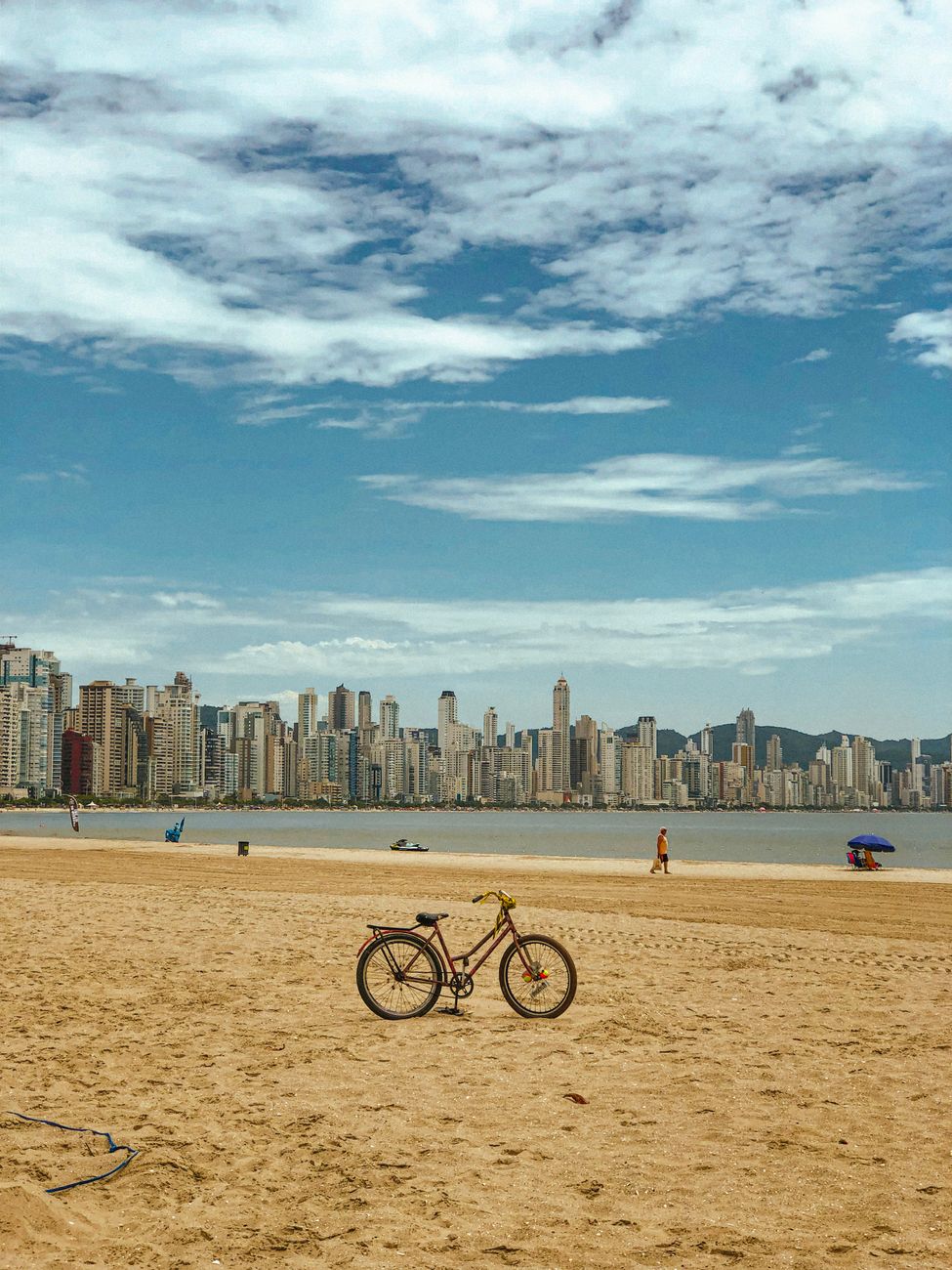
The main beach energy along Praia Central is a clear reason: a long promenade, accessible kiosks, and a skyline that makes seaside walking feel urban rather than remote. Parque Unipraias provides short, dramatic transitions from beachfront to Atlantic rainforest and delivers cliff-top viewpoints and a zip-line option near Laranjeiras. Cristo Luz on Morro da Cruz offers a quick hilltop viewpoint with the city's light display at dusk and is a compact way to get a panoramic photo without a long hike. Boat departures from Barra Sul give easy access to Ilha das Cabras and coastal scenery; these trips are short, affordable and operate daily in high season.
Quick Planning Tips
Fly into Navegantes (NVT) for the shortest transfer time; airport taxis to the central strip are typically R$140–200 and shared vans are available for cheaper transfers. Long-distance buses arrive at the Terminal Rodoviário on Rua 2 de Setembro; book intercity trips to Florianópolis or Joinville on ClickBus to secure seats in high season. Carry a small amount of cash for beach kiosks and boat crews; most restaurants take cards but small vendors prefer cash and may add a surcharge for card use. Avoid planning the Unipraias cable car, a boat tour, and a Cristo Luz visit all between 10:00 and 13:00 on the same day — expect queues and limited daylight for viewpoints if trying to compress them.

Day 1
Start at Praia Central and walk the Avenida Atlântica promenade to get bearings; a 1.5 to 2 km round-trip stroll between the southern and northern ends takes 30–45 minutes without stops. Mid-morning, head to Barra Sul (a 10–15 minute walk north along the beach) and buy a short boat ticket to Ilha das Cabras or a coastal sightseeing run; boats often return in 1–2 hours. After the boat, return to Barra Sul and take the Parque Unipraias bondinho up to the Mata Atlântica station and point d'observation; the cable car ride is around 15 minutes each way. Walk or grab the chairlift option down toward Praia de Laranjeiras and spend late afternoon on the sand; a local bus or taxi back to Praia Central takes 10–20 minutes depending on traffic. Lunch option: Restaurante Casa da Lagosta in Avenida Brasil (seafood plates R$60–120) serves grilled fish and shared seafood platters. Evening recommendation: a sunset visit to the Molhe da Barra Sul for city skyline photos, then pick a bar along Avenida Atlântica for a relaxed dinner or late drink.
Day 2
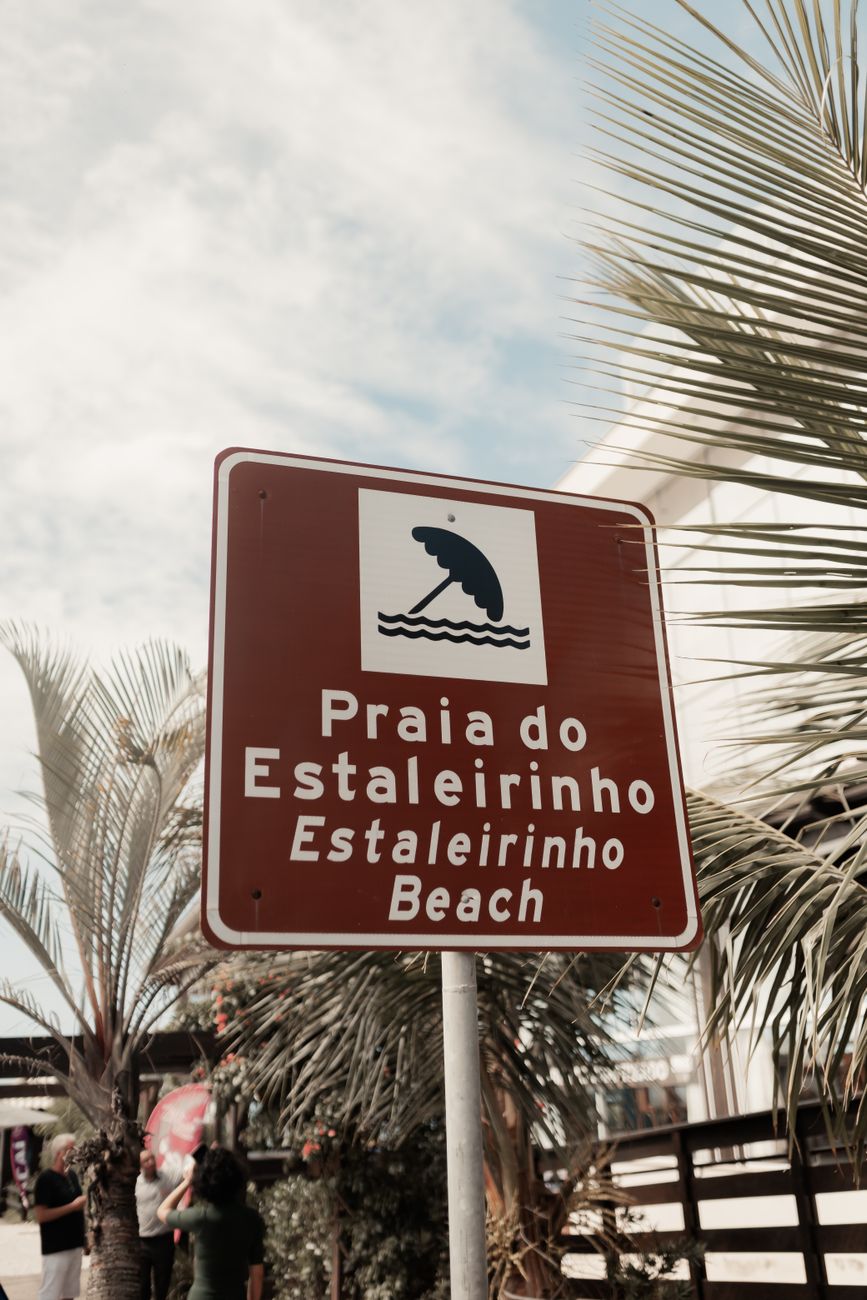
Dedicate this day to hillside viewpoints and quieter beaches south of the centre. Morning: take a short taxi or bus to Morro da Cruz for Cristo Luz and panoramic morning views; expect 30–45 minutes on site including photos and the small on-site market. Midday: head to Praia do Estaleirinho or Praia do Estaleiro—both are 20–40 minutes by car from Avenida Atlântica—these beaches have stronger waves and fewer buildings. Lunch option: try a beachfront seafood caseiro (home-style) at Restaurante do Pipo in Estaleirinho area (plates R$40–80). Afternoon: return toward the city and stop at the Parque Unipraias viewpoint platforms for late daylight photos or opt for the zip-line if time allows. Evening: explore the restaurants and bars around Rua 1500 or Avenida Atlântica; for live music and a local crowd, check the schedule at venues near the northern end of the beach.
Day 3
Use the final day for a neighbourhood stroll, shopping, or one last beach stop before departure. Morning: visit the Municipal Market (Feira Municipal or Mercado Público) for local produce, bakery goods and a coffee; a short taxi from central Avenida Atlântica is usually under 10 minutes. Midday: check out the Pontal Norte and its viewpoint walk; the area is a 10–15 minute walk north from Praia Central and offers calmer water and fishing boats. Lunch option: eat at a local churrascaria or seafood joint near Avenida Brasil where set menus run R$35–70. Afternoon: if catching an afternoon flight from Navegantes, schedule transport at least 90–120 minutes ahead; allow 40–60 minutes travel time by taxi or transfer depending on traffic. Evening if staying: a relaxed dinner on Avenida Atlântica and a final walk along the lit boardwalk near the Molhe to see the city lights.

Best Local Experiences
Take the bondinho at Parque Unipraias for short rainforest boardwalks and platform views between Barra Sul and Laranjeiras. Go on a morning boat to Ilha das Cabras for snorkeling, short swims, and coastal rock formations. Visit Cristo Luz at sunset to see the hill lights come on and the city grid unfold below. Spend an afternoon at Estaleirinho or Estaleiro beaches for stronger surf and a quieter scene compared with Praia Central. Browse the Municipal Market (Mercado Público) for pão de queijo, regional sweets and fresh seafood to-go. Attend a local samba or forró night if available at bars along Avenida Atlântica or in the Rua 1500 area during high season; live-music listings change weekly but these streets are the best places to ask. Watch fishing boats return to Pontal Norte early in the morning for a small-town feel without leaving the city.
Where to Stay
Praia Central: best for first-timers who want immediate beach access, restaurants and nightlife on Avenida Atlântica; suitable for couples and families. Nightly costs range widely—expect R$250–600/night (EUR 45–110 / USD 50–120) for mid-range hotels in high season. Barra Sul / Pontal Norte: suits those who want quieter mornings and easier access to boat departures and Unipraias; short walks to Praia Central. Prices are similar to central but small guesthouses can be found from R$180–400/night (EUR 32–74 / USD 36–80). Estaleirinho / Estaleiro area: best for private beach time, surf and quieter nights; more car-dependent and suited to travellers with a rental. Expect R$300–700/night (EUR 55–130 / USD 60–145) for beach houses and mid-range pousadas, higher in summer. Booking early for December–February and Carnival weeks is essential; weekend rates in high season can more than double base prices.
Food and Drink
Moqueca de camarão: a shrimp stew cooked with coconut milk and dendê or palm oil in some recipes; find reliable versions at Restaurante Casa da Lagosta or traditional seafood restaurants along Avenida Brasil for about R$60–120 per portion. Ostra (oysters): fresh oysters are common in the bay area; a dozen at a seafood bar near Barra Sul or Pontal can run R$40–80. Pão de queijo and coxinha: available at bakeries in the Municipal Market for breakfast, usually R$3–8 per item. Acarajé and street-sold espetinho (meat skewers): espetinho stands line Avenida Atlântica in the evenings; expect R$6–15 per skewer. Caipirinha: the local national cocktail using cachaça, sugar and lime; a standard caipirinha at a mid-range bar costs R$15–30. For dinner, try a rodízio-style churrascaria if travelling with a group—prices typically R$60–120 per person for all-you-can-eat meat options.
Getting Around
No metro system exists; mobility relies on municipal buses, cable car, taxis and ride-hail services. Municipal buses serve Avenida Atlântica and connect to neighbourhoods; the Terminal Rodoviário is the intercity bus hub. Parque Unipraias operates the bondinho cable car between Barra Sul and Laranjeiras. Single municipal-bus fares are around R$4.50–5.50; day-pass options are limited but ask at ticket counters in the terminal for any local passes—expect a daily spending of about R$10–20 if using buses multiple times. Taxis and ride-hail apps 99 and Uber operate widely; a taxi from Navegantes airport typically costs R$140–200. For intercity travel, use ClickBus or the bus company websites to book to Florianópolis, Joinville or Curitiba.
Best Time to Visit
Summer (December–February) brings high temperatures around 25–32°C, heavy crowds and the highest prices; beaches are lively and boat tours run daily. Shoulder seasons March–May and September–November offer milder weather (18–26°C), fewer crowds and better rates; these months are best for lower prices and comfortable beach weather. Winter (June–August) is cooler (14–22°C) with occasional rain and quieter beaches; some beach kiosks and smaller guesthouses reduce hours. For best value with good weather, target March–May or September–October when wind and swell are moderate and accommodation rates fall from peak-season levels.
Budget and Practical Tips
Typical daily budget for a mid-range traveler: accommodation R$250–400 (EUR 45–74 / USD 50–80), food R$80–150 (EUR 14–28 / USD 16–30), transport R$15–40 (EUR 3–7 / USD 3–8), entry fees and tours R$50–150 (EUR 9–28 / USD 10–30). Total rough daily mid-range: R$400–750 (EUR 72–140 / USD 80–160). Budget travelers can cut accommodation to R$80–180/night (EUR 14–33 / USD 16–38) using hostels or guesthouses. Tipping is polite but not compulsory; 10% service charge may be added in restaurants—check the bill and leave small change or round up when service is good. Bring sunscreen and a small waterproof bag for boat trips; many kiosks accept cards but smaller vendors and boat crews often prefer cash.
FAQ
Is Balneario Camboriu safe for tourists at night?
Central areas like Avenida Atlântica and Barra Sul are generally safe but pickpocketing and petty theft occur in crowded spots; avoid poorly lit side streets and keep valuables secure.
How do I get from Navegantes airport to the central strip?
Airport taxis and private transfers are common; expect R$140–200 depending on traffic. Shared vans and bus shuttles can lower the cost if booked in advance.
Is there a local transit card or app worth buying?
No widely used unified card across multiple cities; use local bus ticket counters at the Terminal Rodoviário for passes and ride-hail apps like 99 and Uber for on-demand trips.
Are English speakers common in hotels and tours?
Hospitality staff often speak some English in hotels and tour booths, but Portuguese is dominant—carry addresses and directions in Portuguese for drivers.
Is a city card worth buying?
There is no single official city pass that covers most attractions; buy tickets to Parque Unipraias, Cristo Luz and boat tours separately for flexibility.
Can day trips to Florianópolis be done in one day?
Day trips are possible by bus or car (1–1.5 hours each way) but leave little time to explore Florianópolis properly; an overnight stay is preferable.
What is the best way to see quieter beaches?
Rent a car or take a taxi to Estaleirinho or Estaleiro; buses are available but routes are less frequent and slower.
Are beaches patrolled and safe for swimming?
Lifeguards operate on main beaches in high season; some beaches like Estaleirinho have stronger surf—check local flags and ask kiosk operators about conditions.
Conclusion
A three-day stay will deliver the essence: a long beachwalk along Praia Central, a cable-car trip into coastal forest, a hilltop view at Cristo Luz, and time for one quieter beach or a short boat trip. The clearest memory will likely be the contrast between the dense beachfront skyline and brief rainforest viewpoints reached in minutes. If time runs short, prioritise a morning Unipraias cable car plus a sunset visit to the Molhe da Barra Sul for the best combination of landscape and city lights.
How this guide was prepared
This guide was prepared through a structured research that combines destination research, geographic context, itinerary planning logic, and content review.