
3-Day Practical Guide to Bucharest: Itinerary & Tips
A practical three-day plan for Bucharest that covers Lipscani, Palace of the Parliament, the Village Museum, transit tips, budgets and realistic routes.
A no-nonsense 72-hour plan for exploring Lipscani, Civic Bucharest, parks and the museum belt with transit, food and budget details for a realistic weekend.
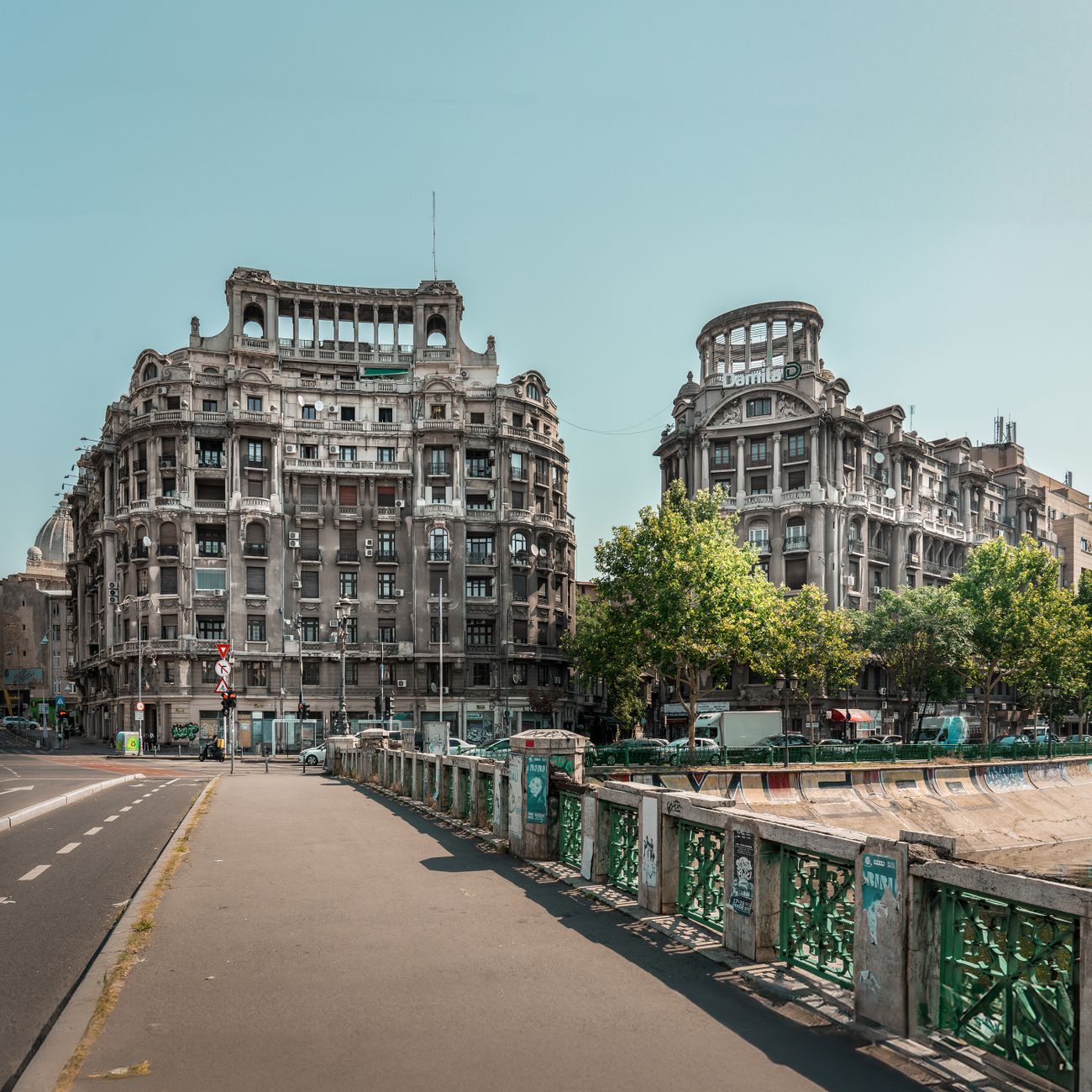
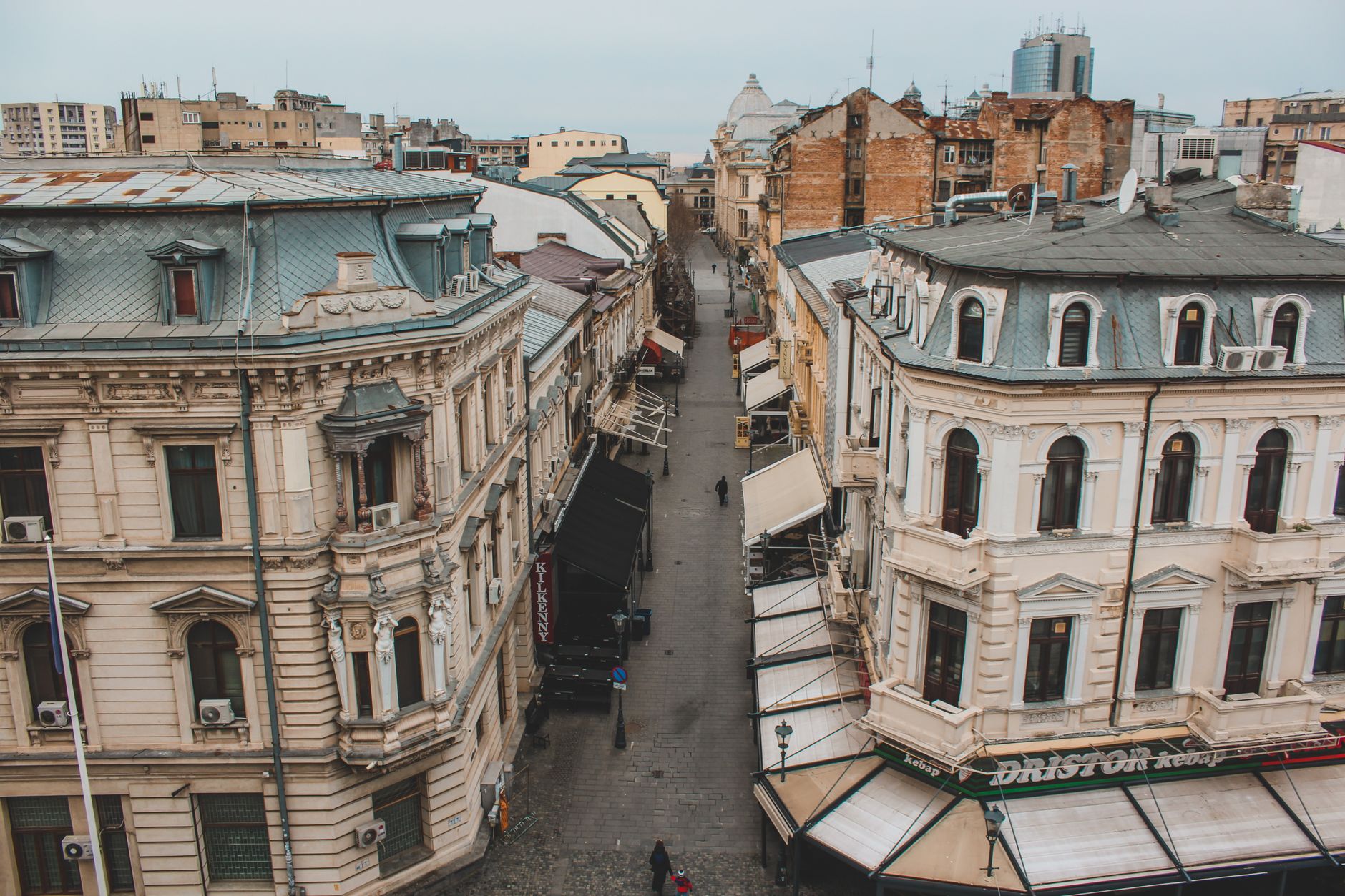
First impression: the centre alternates between wide, straight boulevards from the late-19th century, cramped streets of Lipscani and the vast scale of Communist-era projects. That contrast is striking; historical churches, interwar apartment blocks and concrete palaces sit within short walking distance of one another. Expect noise, occasional construction and a lively street-level food scene rather than neat, pedestrianised squares.
Common misconceptions: many assume the Old Town is the whole place. In reality the museum belt on Calea Victoriei, the lakeside green spaces to the north and the residential districts to the west offer a very different feel. Late-night nightlife around Lipscani is tourist-weighted; daytime in Piata Amzei, Cismigiu and Victoriei shows how locals live and work.
This city suits visitors who can walk 5–10 km a day and tolerate some grit. Public spaces can be crowded at midday in summer but transport links are frequent enough to cover ground efficiently.
Is 3 days in Bucharest enough?
Yes — three days give enough time to see Old Town (Lipscani), Palatul Parlamentului, two major museums and a big park without rushing. The honest caveat: anything beyond a clear introduction to the museum belt or a full-day trip to Brașov will require more time.
Who This Guide Is For
Best for first-time visitors who want an urban mix of architecture, 20th-century history and parks; less suitable for travellers seeking a slow rural experience or detailed archaeological study.
Local Tips for Bucharest
Practical details that most travel sites skip — specific to Bucharest.
- Buy a Cardul Activ contactless transport card at any Metrorex station or kiosk and top it up for convenience; a single ride is about 3 RON when paid with the card.
- From Henri Coandă (OTP) the CFR train to Gara de Nord takes roughly 20–25 minutes and costs around 4–6 RON; the STB 780 express bus to Piața Victoriei takes 30–45 minutes depending on traffic.
- Palace of the Parliament (Palatul Parlamentului) has guided tours only and prices are about 40–80 RON depending on language and route; book weekdays in advance to avoid sold-out slots.
- Obor Market (Piața Obor) is where locals buy cheap produce and worker-style restaurants serve micii for around 12–18 RON a portion; arrive early for the best selection.
- After 22:00, Lipscani clubs near str. Lipscani and str. Stavropoleos raise drink prices and sometimes add small cover charges; midweek evenings are quieter and cheaper.
How This Guide Was Prepared
This guide treats Bucharest as a working, layered city rather than an idealised tourist product. Most guides over-focus on Old Town nightlife and ignore the large museums, parks and grim but important Communist-era sites that make the place unequalled in Romania. This guide was prepared through a structured research that combines destination research, geographic context, itinerary planning logic, and content review.
Plan Your Stay in Bucharest
Use this itinerary as your starting point, then compare areas to stay, transport options, seasonal timing, and realistic daily costs before booking.
Why Visit
Reason 1: Architectural contrast. The Palace of the Parliament on Izvor and the interwar façades along Calea Victoriei sit side by side with Communist boulevards such as Bulevardul Unirii. That makes for informative city walking without leaving the central districts.
Reason 2: Museums and live music. The National Museum of Art on Calea Victoriei, the National Museum of Romanian History in the Old Town and concert programmes at the Romanian Athenaeum provide classical and modern options in compact locations.
Reason 3: Parks and accessible green space. Herăstrău (King Michael I Park) and Cismigiu Gardens are reachable by metro or tram and offer boating, paved paths and cafés — useful for recovery after heavy museum days.
Reason 4: Food contrasts. From inexpensive, hearty micii at Piata Obor to historic beer halls like Caru' cu Bere on str. Stavropoleos, the eating scenes give a clear sense of Romanian flavours without long travel times.
Quick Planning Tips
Best airport access: from Henri Coandă (OTP) use the CFR train to Gara de Nord for speed and predictability or the STB 780 bus to Piața Victoriei if staying central. Either option beats peak-hour taxi fares and often matches travel time when traffic is heavy.
Payment tip: carry a small amount of lei for markets and smaller cafés, but contactless cards work widely in central restaurants, metro stations and supermarkets. Buy a Cardul Activ at a metro kiosk if planning multiple trips; it speeds boarding and avoids paper-ticket queues.
Avoid this planning mistake: scheduling a Palace of the Parliament visit without checking guided-tour availability. Tours are limited and sometimes only run in afternoons, so reserve a slot on the official site before arrival.
Day 1
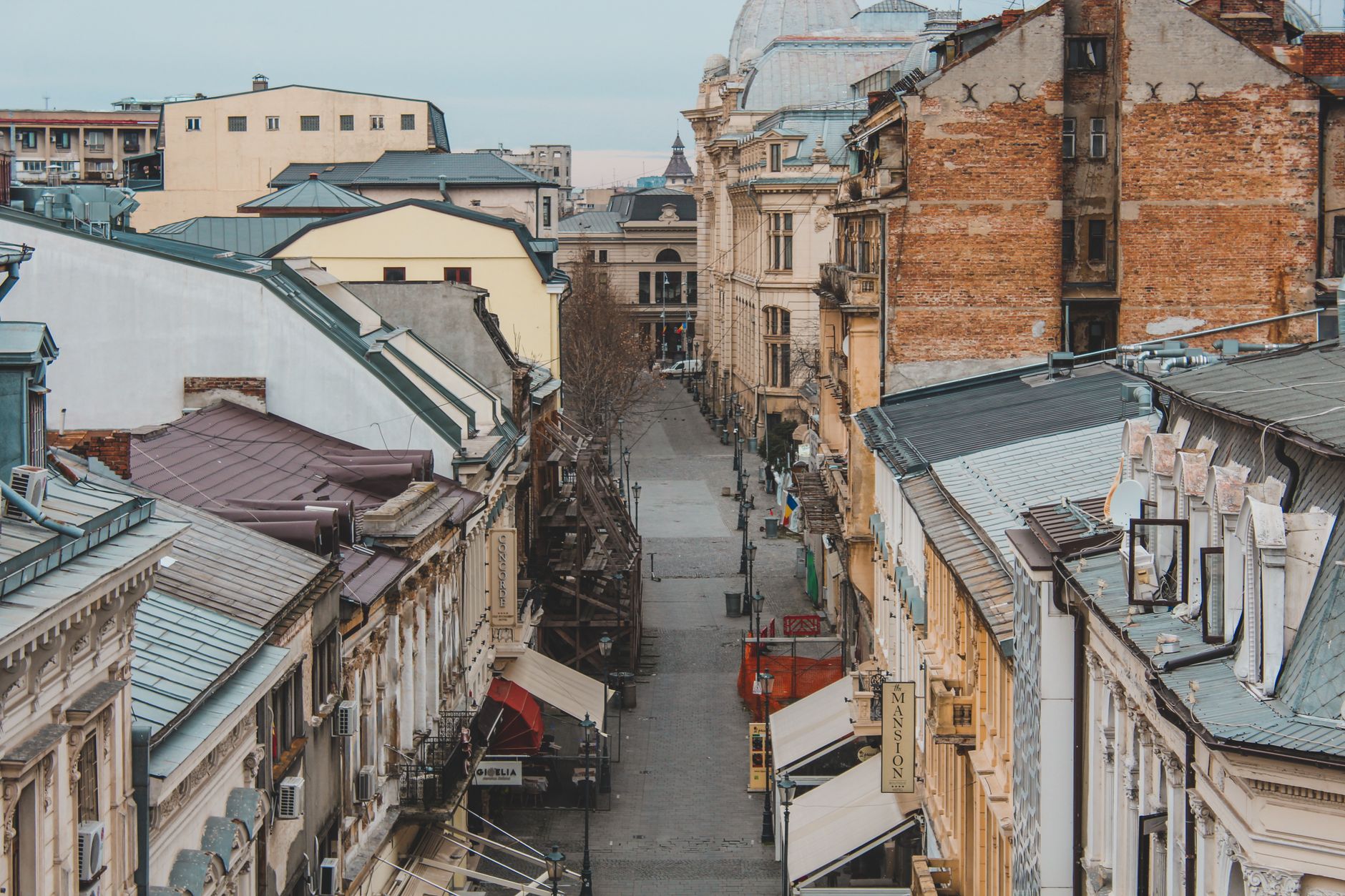
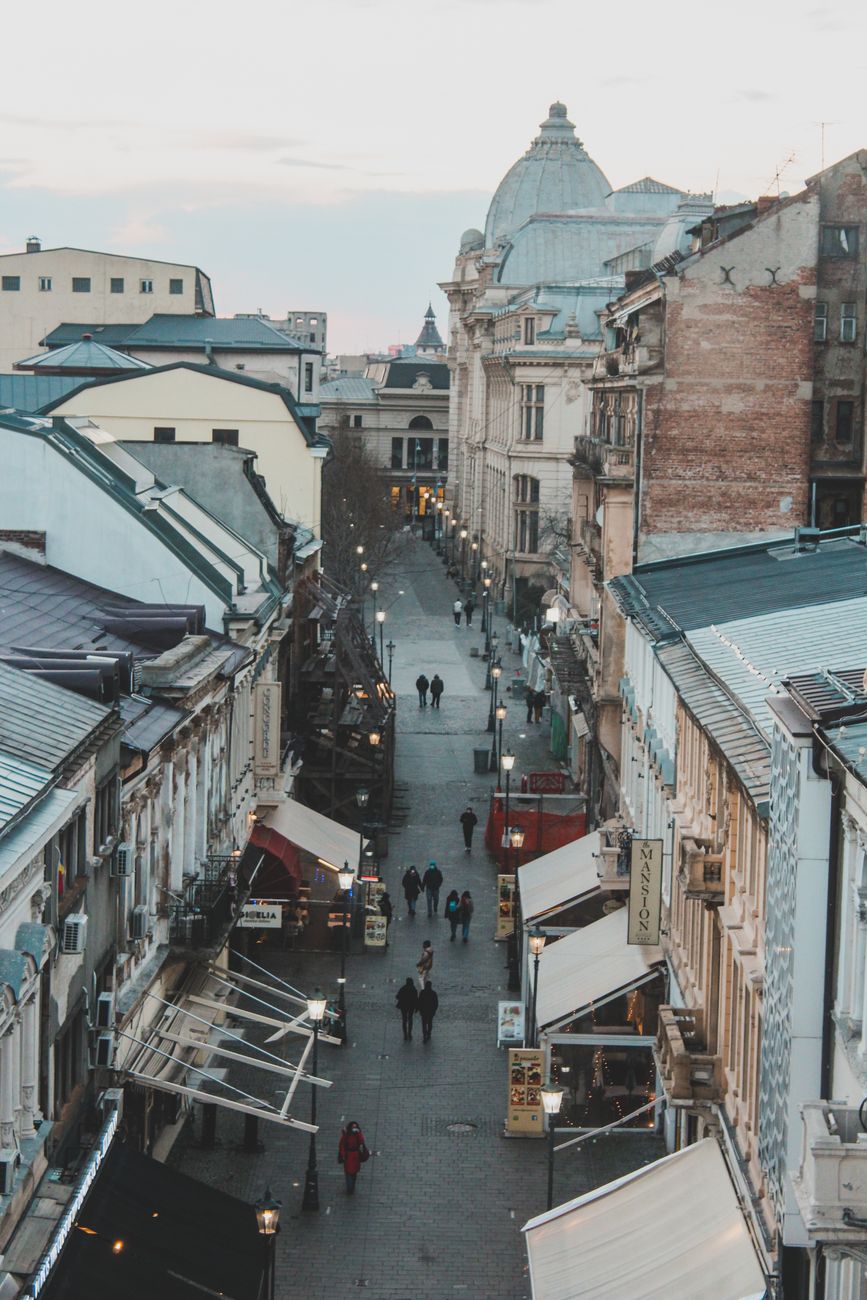
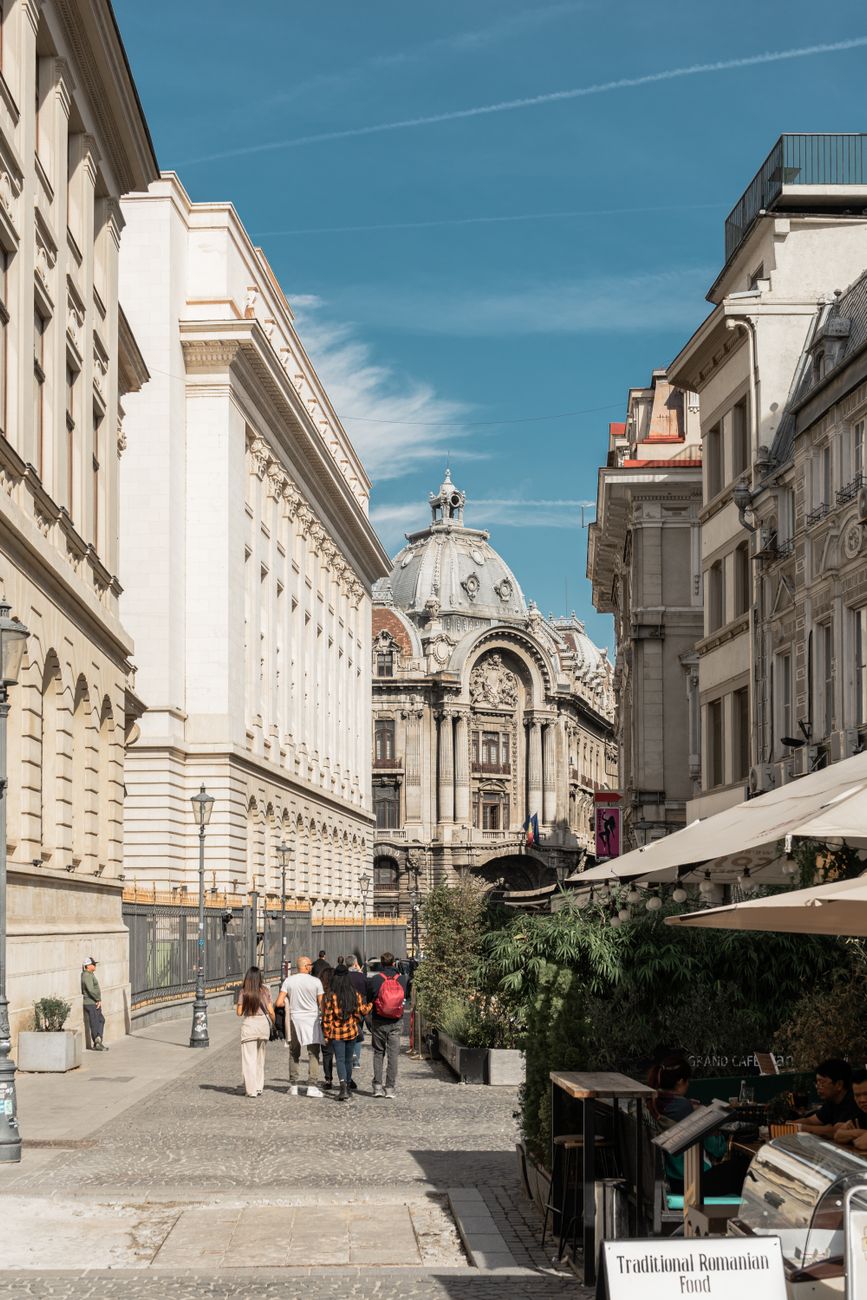
Morning: Start in Lipscani (Old Town) around Curtea Veche and Stavropoleos Monastery. The Old Princely Court and nearby cobbled streets are compact; a 90-minute self-guided walk covers Stavropoleos, Curtea Veche and small bookshops. From Lipscani walk 10–15 minutes to the National Museum of Romanian History on Calea Victoriei.
Late morning to lunch: Walk up Calea Victoriei toward Piața Victoriei (roughly 15–20 minutes). Stop at Caru' cu Bere on Strada Stavropoleos or at Hanu' lui Manuc for a traditional lunch; expect mains 35–70 RON. After lunch, cross to the Romanian Athenaeum for exterior photos and check concert listings if interested.
Afternoon: Take the metro from Piața Victoriei (M2) to Piața Unirii (5–8 minutes) or walk 20 minutes along Calea Victoriei to the National Museum of Art in the former Royal Palace. Allow 60–90 minutes for the museum collection.
Evening: Return to Lipscani for dinner and nightlife. For a quieter evening, head north to Calea Dorobanți for wine bars and restaurants that stay open later without the heavy tourist crowds.
Day 2
Morning: Dedicate the morning to Palatul Parlamentului on Strada Izvor. Arrive early and join a guided tour; security checks add time, and tours typically last 60–90 minutes. From Piața Unirii take a 10–15 minute taxi or a 20–25 minute walk along Splaiul Independenței.
Lunch: After the tour, walk toward Izvor Park or cross to Centrul Vechi and eat at a local bistro offering sarmale or fish dishes; expect mains 40–80 RON. Alternatively, head to Piata Matache for simpler local options if seeking cheaper meals.
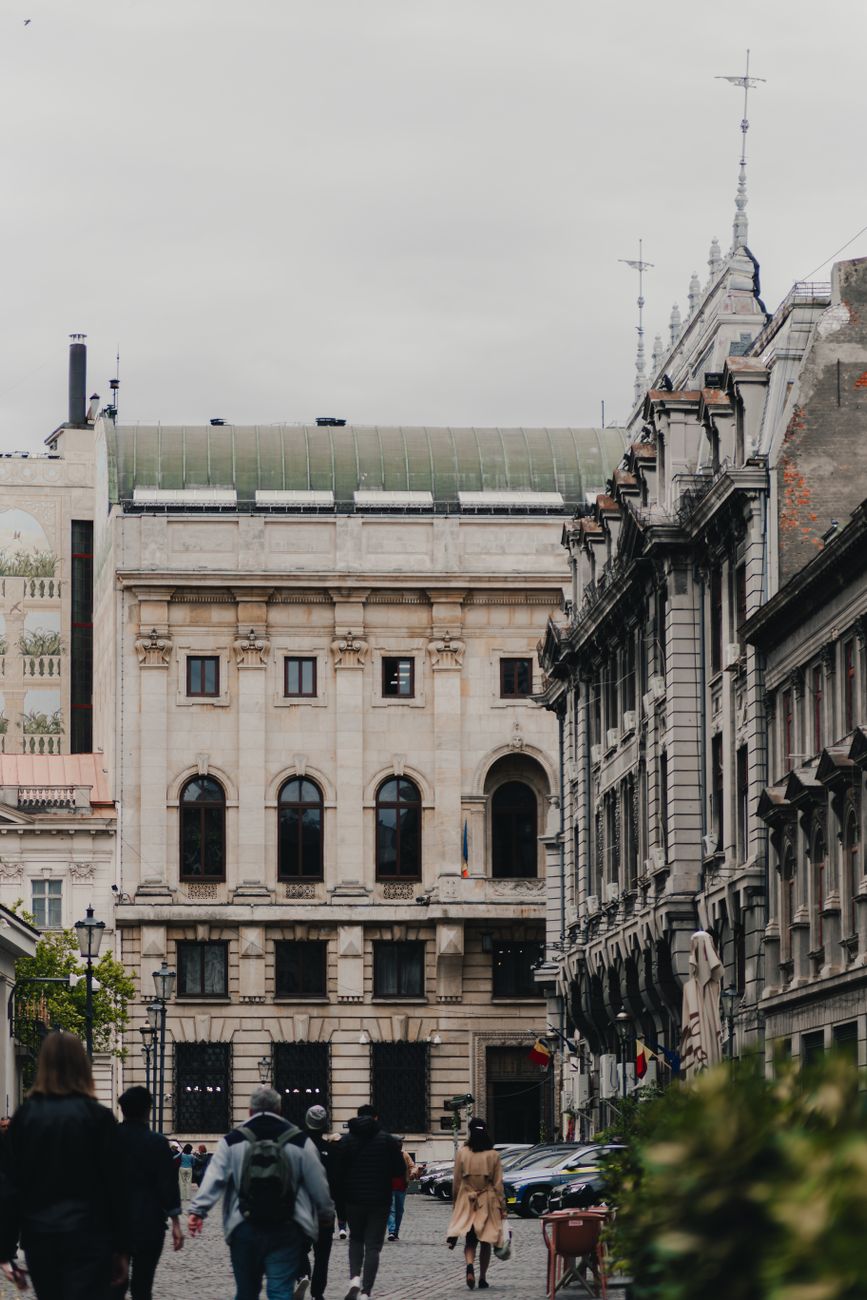
Afternoon: Spend the afternoon in the museum belt along Calea Victoriei. Choices include the Museum of Romanian Literature, the Kretzulescu Church and the National Museum of Art. If interested in modern history, visit Revolution Square and the nearby Museum of the Romanian Peasant for textile and folk collections (bus or tram depending on location).
Evening: Take tram or metro to Herăstrău (King Michael I Park) and eat at one of the lakeside terraces. A boat rental or a long lakeside walk is a good low-effort evening activity before returning to the central neighbourhoods.
Day 3
Morning: Head to the Village Museum (Muzeul Satului) in King Michael I Park. Allow at least 90 minutes to walk through the open-air houses and see regional architecture. From Piața Victoriei take bus or tram 41/44 depending on stop; expect transit of 15–25 minutes from central areas.
Late morning: From the museum, take a short tram or taxi ride to Dorobanți or Floreasca for a neighbourhood coffee and a look at modern residential streets. Floreasca is a useful contrast to Old Town and shows where many locals eat and shop.
Afternoon: If catching an afternoon flight, check out of accommodation mid-morning and store luggage at Gara de Nord or at the hotel. Allow 45–60 minutes for transfer to Henri Coandă by train and an extra 60–90 minutes for airport check-in. If staying longer, visit Cismigiu Gardens for an accessible, central stroll and a late lunch on Strada Academiei.
Evening: For departures after 20:00, a relaxed dinner near the hotel keeps timing simple. If time is tight, prioritise either the Village Museum or Palatul Parlamentului earlier in the trip and skip a less essential museum.
Best Local Experiences
Piata Obor food market: early-morning visits reveal inexpensive produce and meat counters; sample mici at a grill stall for 12–18 RON. Lipscani after-dinner bar crawl: find late-night music and bistros on Strada Lipscani and Strada Covaci but expect tourist premiums on weekends.
Village Museum (Muzeul Satului): a proper look at regional houses and wooden churches originally moved here from rural Romania; best in spring and early autumn when the outdoor layout is pleasant. Carol Park and the Mausoleum area: a walk here shows how memorial architecture and green spaces combine; good for quiet afternoons.
Cismigiu Gardens boating: rowboats in summer and cafés facing the central lake give a slower urban break within walking distance of Unirii. Piata Matache and Dorobanti neighbourhoods: search for late-morning bakeries and specialist coffee shops frequented by residents rather than tourists.
Avenue walks: a guided or self-guided walk along Calea Victoriei links the Romanian Athenaeum, the National Museum of Art and Victory Avenue (Piața Victoriei) museums without long transit. Night concerts at the Romanian Athenaeum: check schedules weeks ahead for available seats.
Where to Stay
Lipscani / Old Town: Suited to nightlife and first-time visitors who want immediate access to bars and restaurants. Rooms vary from budget hostels (~80–150 RON / 16–30 EUR) to mid-range hotels (~250–450 RON / 50–90 EUR) per night.
Victoriei / Piata Romana: Suited for museum access and transit — close to M2 and M1 metro lines and a short tram to Herăstrău. Expect mid-range hotels and boutique options around 300–550 RON (60–110 EUR) per night.
Floreasca / Dorobanți: Suited to quieter, upscale dining and apartment rentals; near lake and modern cafés. Nightly rates skew higher for comfort and privacy: around 350–700 RON (70–140 EUR) depending on apartment size and season.
For budget travellers consider accommodation near Gara de Nord for easy airport train access; prices can be lower (120–250 RON / 24–50 EUR) but expect more commuter noise.
Food and Drink
Micii: grilled ground-meat sausages seasoned with garlic and spices, served with mustard. Best at Piata Obor stalls or street grills; expect a plate for about 12–18 RON.
Sarmale: cabbage rolls stuffed with pork and rice, often served with polenta (mămăligă). Find reliable versions at family-style restaurants such as Hanu' lui Manuc; portions typically 25–45 RON.
Ciorbă de burtă: a sour tripe soup with vinegar and garlic cream, a hearty lunch choice. Local bistros and some traditional restaurants serve it for 20–35 RON.
Cozonac and patisseries: Romanian sweet bread and pastries at local bakeries in Piata Matache and around Dorobanți. A bakery pastry or a slice of cozonac costs 4–12 RON.
Local drinks: try a glass of tuica (plum brandy) as an aperitif in traditional restaurants, often served as a small shot for 8–15 RON. For coffee, specialty cafés in Floreasca and Dorobanți charge 12–20 RON for a proper espresso or filter brew.
Breakfast option: Simit or covrigi and a coffee from a street vendor make a quick local start for 6–12 RON. Street food choice: kurtos kalacs at occasional markets and festivals, priced 8–20 RON depending on size.
Dinner recommendation: Caru' cu Bere offers a fuller, historic-house meal experience; mains are 40–100 RON and portions are generous.
Getting Around
Metro: Metrorex runs lines M1, M2, M3, M4 and M5. Key interchange stations include Piața Victoriei, Universitate, Piața Unirii and Gara de Nord. Metro runs roughly 05:00–00:30 on most lines.
Surface transport: STB operates buses and trams; useful tram lines include 1 for a long loop near many central sights and 41 toward Herăstrău depending on routing. Night buses cover main corridors after metro hours, check local timetables.
Tickets and fares: single ride on metro or STB is roughly 3 RON when paid with Cardul Activ; a 24-hour card costs around 8–12 RON depending on product. Taxi/ride-hail: Bolt and Uber operate throughout the city; typical taxi from Henri Coandă to central areas runs 60–120 RON depending on traffic and time of day.
Apps and cards: use the official Metrorex site for metro maps, the STB app or Moovit for routes and real-time arrival times, and buy or top up the Cardul Activ at kiosks or select metro stations for smoother transfers.
Best Time to Visit
Spring (April–June): Temperatures 10–25°C. Comfortable for walking and outdoor museum visits; parks and the Village Museum are pleasant. Crowds increase in late May and June but rooms still available at reasonable prices.
Summer (July–August): Temperatures 20–35°C with occasional heat waves. Expect higher local and international visitor numbers, louder nightlife and full cafés. Museum queues lengthen; book palace tours and Athenaeum concerts early.
Autumn (September–October): Temperatures 7–20°C. Good weather for walking boulevards and parks with autumn colour. Shoulder-season pricing is often better than summer and events resume after the holiday lull.
Winter (November–March): Temperatures -5–7°C. Some museums reduce hours and outdoor sites are brisk; expect cheaper accommodation and quieter streets but dress for cold and occasional snow or ice.
Budget and Practical Tips
Suggested daily budget (mid-range traveller): Accommodation 250–450 RON (~50–90 EUR / 55–95 USD), food 120–200 RON (~24–40 EUR / 27–44 USD), transport 10–30 RON (~2–6 EUR / 2–7 USD), small entry fees 30–100 RON (~6–20 EUR / 7–22 USD). Total roughly 410–780 RON per day (~82–156 EUR / 90–170 USD) depending on choices.
Budget options: Hostels and cheaper guesthouses in Gara de Nord and Old Town can drop accommodation to 120–200 RON per night. Street food and markets lower daily food costs to 50–80 RON.
Tipping: Restaurants typically expect a 10% tip if service was satisfactory; rounding up is common in cafés and for casual meals. Taxis: round up or add about 5–10% for drivers who help with luggage.
Practical notes: carry small denomination RON cash for market stalls and minor kiosks. ATMs are widespread but compare fees. Confirm museum opening days and guided-tour schedules in advance to avoid disappointment.
FAQ
Is Bucharest safe for solo travellers?
Central areas and main parks are generally safe during daytime; standard street-smarts apply after dark in Lipscani and around transport hubs. Avoid poorly lit side streets late at night and monitor belongings in crowded trams.
How do I get from Henri Coandă airport to the centre cheaply?
Take the CFR train to Gara de Nord for a predictable 20–25 minute trip costing about 4–6 RON, or the STB 780 bus to Piața Victoriei for a slightly longer journey; ride-hail services are convenient but cost more.
Is a city card or pass worth buying?
A Cardul Activ is worth it for convenience if making multiple metro or tram rides; separately, a tourist card that bundles museum entries is rarely worth it unless it specifically includes Palatul Parlamentului and the Romanian Athenaeum concerts.
Can English be used widely?
English is common in central hotels, cafés and among younger staff; in markets and older neighbourhood shops basic Romanian helps. Carry a map or use translation apps for scattered vendors.
Are museums open on Mondays?
Many museums close one weekday; check individual museum websites. The National Museum of Art and some smaller museums may be closed Mondays, so schedule accordingly.
Is it easy to take day trips to Brașov or Constanța from here?
Yes — trains and buses to Brașov and Constanța depart daily from Gara de Nord and other terminals; expect journey times of roughly 2.5 hours to Brașov and 2–3 hours to Constanța depending on train type and service.
Should I use taxi apps or local cabs?
Bolt and Uber operate reliably and provide clear pricing. If using local taxis, insist the driver uses the meter and note the company name on the door to avoid overcharging.
How much time to allow for a Palace of the Parliament visit?
Allow at least 90–120 minutes including security checks and the guided tour; factor in queueing or pre-booking time.
Conclusion
Three days provide a clear, practical introduction to the main contrasts here: Lipscani’s tight streets, the museum-lined Calea Victoriei, the scale of Palatul Parlamentului and generous green spaces. Travellers will most likely remember how quickly the city shifts between ornate 19th-century façades and vast Communist-era architecture.
If time runs short, prioritise a guided tour of the Palace of the Parliament or a long walk along Calea Victoriei ending at the Romanian Athenaeum. That sequence gives the clearest single impression of both the country’s political history and its cultural life.
How this guide was prepared
This guide was prepared through a structured research that combines destination research, geographic context, itinerary planning logic, and content review.