
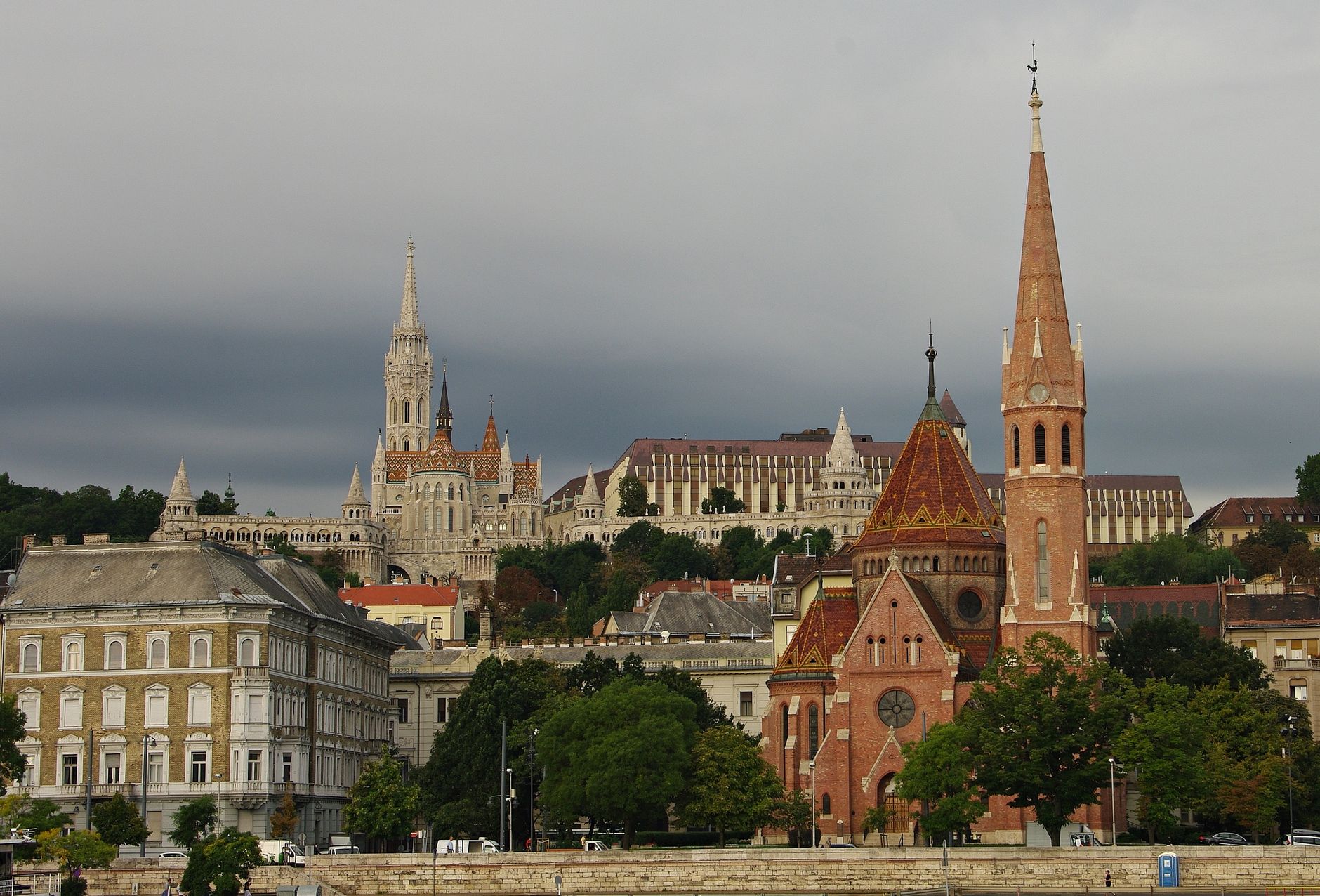
Budapest in 3 Days: Practical Itinerary, Maps and Tips
A practical 3-day Budapest plan covering Buda and Pest, baths, ruin pubs, transport, and realistic budgets to help organise a weekend trip.
A frank, usable 72-hour plan for Budapest that balances major sights, neighbourhood time, thermal baths and true local habits without fluff.
Expect two distinct halves: hilly Buda with its castle, lookout points and quieter streets, and flat Pest with boulevards, cafés and heavy foot traffic. First impressions often oscillate between impressive grand buildings and the occasional neglected block; that combination gives the place character and means comfortable shoes are essential. Crowds concentrate along the Danube promenade, at the Chain Bridge and inside key museums, so plan to start popular sites early or late afternoon. This guide focuses on realistic pacing: combine landmark clusters on each day to avoid back-and-forth transit and leave time for a thermal bath and a proper evening in a ruin pub.
Is 3 days in Budapest enough?
Yes — three days gives a satisfying snapshot: key landmarks (Parliament, Buda Castle, Fisherman's Bastion), one full bath session, and time to taste street food and a ruin pub. A caveat: deep museum visits and full-day wine or day-trip excursions must be cut unless an extra day is added.
Who This Guide Is For
Best for first-time visitors who like a mix of architecture, thermal baths and relaxed walking; not ideal for travellers who want in-depth art-museum days or long countryside wine tours on a tight schedule.
Local Tips for Budapest
Practical details that most travel sites skip — specific to Budapest.
- Buy a 24-hour BKK travel card (called a 24-hour travelcard) at any Metro ticket machine for about 1,650 HUF — it covers all metro, tram and bus and saves time compared with single 350 HUF tickets.
- Parliament tours must be booked in advance on parliament.hu and require a government-issued ID at entry; afternoon slots sell out quickly on weekends.
- At Széchenyi Baths bring flip-flops and use the coin locker option (cheaper) rather than a cabin; midweek mornings are far quieter than afternoons and weekends.
- Take tram line 2 along the Danube between Kossuth Lajos tér and Széchenyi Chain Bridge for the best riverside views; it runs every 5–10 minutes daytime.
- Avoid taxis hailed on the street; use the Bolt app or Főtaxi (call +36 1 222 2222) — an official airport transfer from Liszt Ferenc to the city center runs about 8,000–12,000 HUF.
How This Guide Was Prepared
Three days here offers a clear split between Buda’s hilltop viewpoints and Pest’s urban streets; many guides cram both into single long lists without explaining transit friction or local timing. Practical priorities are transit-efficient routing, realistic meal and entry costs, and which sights require advance booking to avoid wasted time. This guide was prepared through a structured research that combines destination research, geographic context, itinerary planning logic, and content review.
Plan Your Stay in Budapest
Use these planning pages to compare areas to stay, expected costs, seasonal timing, and local transport before booking.
Why Visit
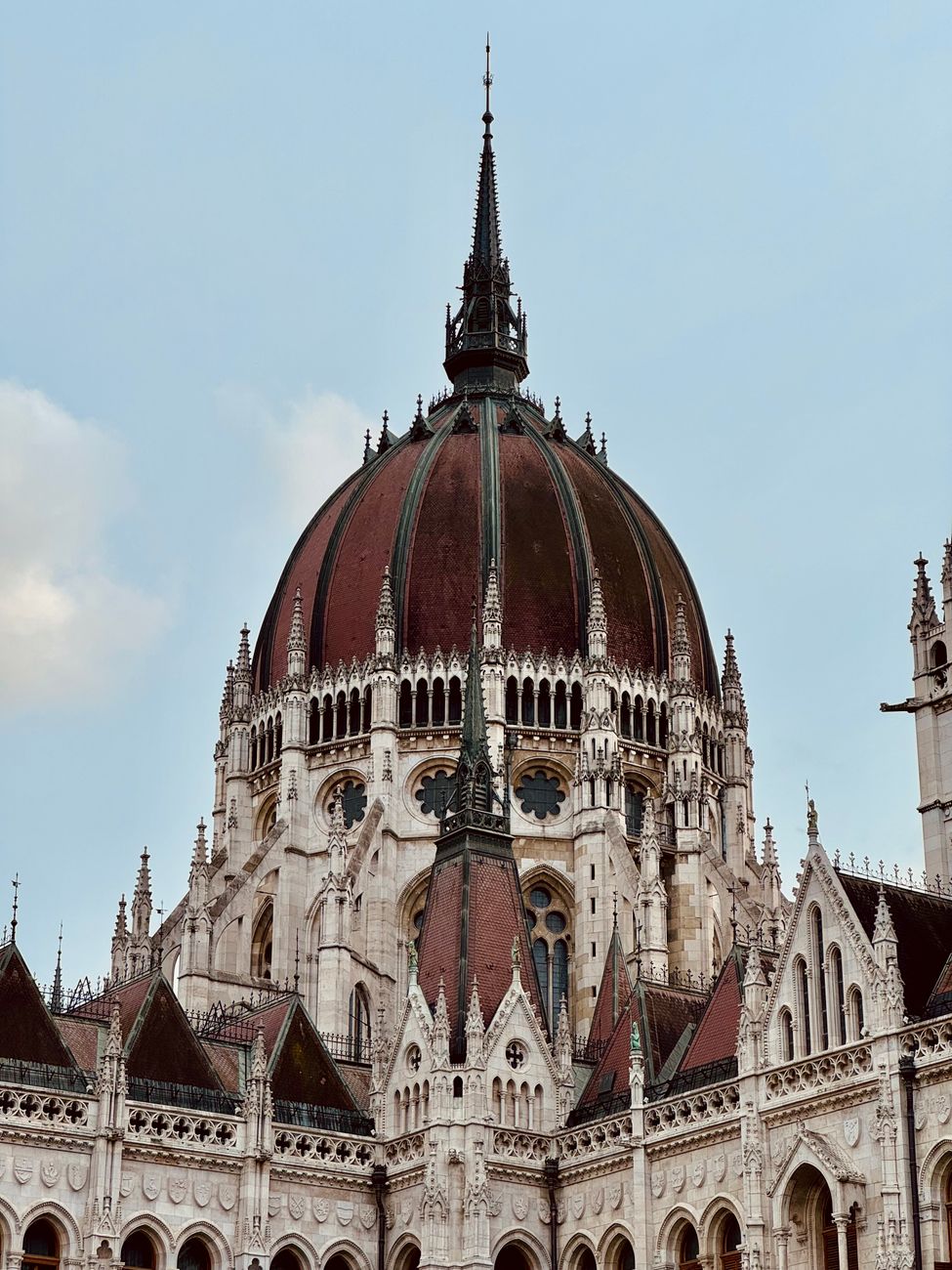
There is a practical mix of major architecture and everyday city life: the Parliament Building offers an inside tour with ornate interiors while a short walk across the Chain Bridge places visitors at Castle Hill for panoramic views. Thermal culture matters here — Széchenyi and Gellért Baths are both integrated into urban life and offer a form of public relaxation that doubles as a local social scene. Nightlife in ruin pubs like Szimpla Kert provides an informal, local-feeling evening that’s not club-heavy and pairs well with casual food. Finally, markets such as the Great Market Hall and Hold utcai Piac are concrete places to try local produce and street dishes in one visit.
Quick Planning Tips
Flyers arrive at Liszt Ferenc airport; the simplest public option into town is the 100E airport bus to Deák Ferenc tér (buy a dedicated 900 HUF airport ticket or use BudapestGO). Carry some cash (for market stalls and small cafés) but most restaurants and museums accept cards; exchange rates at airport kiosks are poor so avoid them. Avoid planning Parliament or popular bath visits on the same morning; both can demand full time slots and tickets should be booked in advance where possible. Install the BudapestGO app to buy and validate BKK tickets, and use FUTÁR (BKK) for real-time transit planning.
Day 1
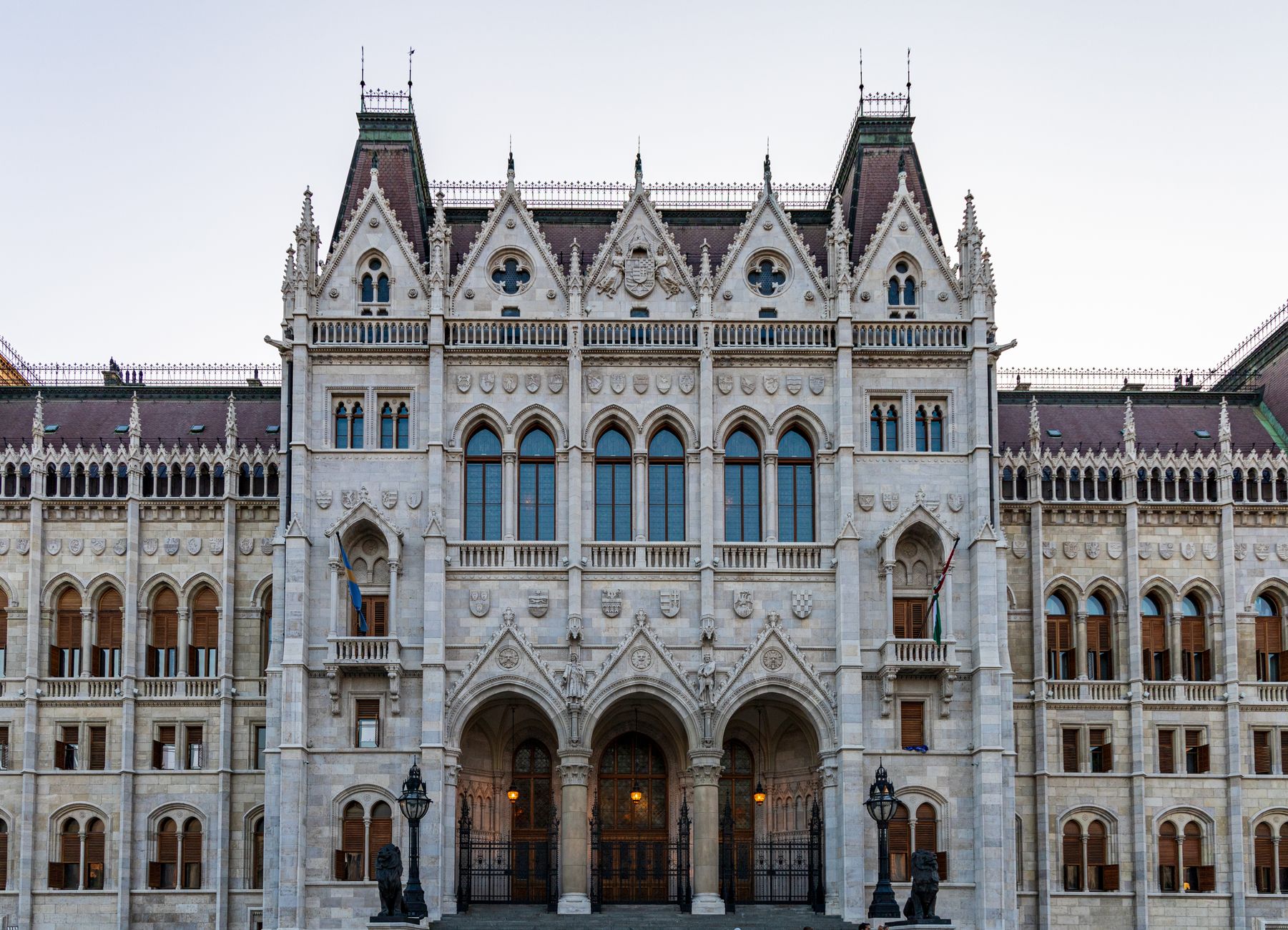
Start at Kossuth Lajos tér to photograph the Parliament Building and join a prebooked interior tour (allow 60–90 minutes including security). Walk 8–12 minutes across the Chain Bridge to reach the Pest side of the river and take tram 2 southbound if tired — tram 2 runs frequently and offers good river views. Continue to St. Stephen's Basilica (10–15 minutes on foot from the bridge) and climb the cupola for a city panorama (allow 30–40 minutes). Lunch at Belvárosi Lugas or a nearby bistro — expect 2,500–4,500 HUF for a mains dish in a midrange spot. In the afternoon walk or take metro M2 from Deák Ferenc tér to Széchenyi Baths (line M1 would be slower here); spend 1.5–2 hours soaking and using the outdoor pools. Dinner recommendation: the Great Market Hall food stalls on Vámház körút for quick goulash or lángos (stand prices ~1,000–2,000 HUF). End the night with a relaxed visit to Szimpla Kert in the Jewish Quarter, which often has live music after 9pm.
Day 2
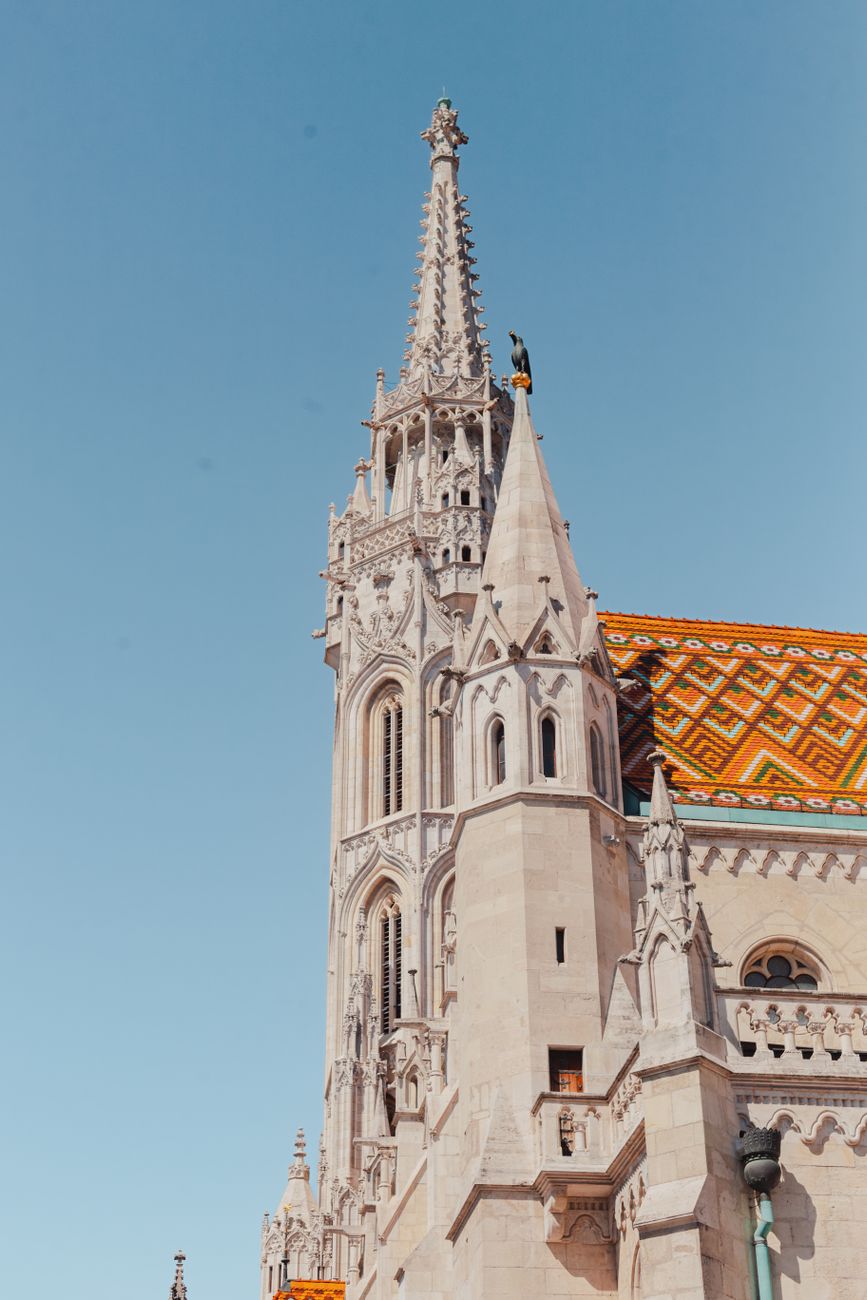
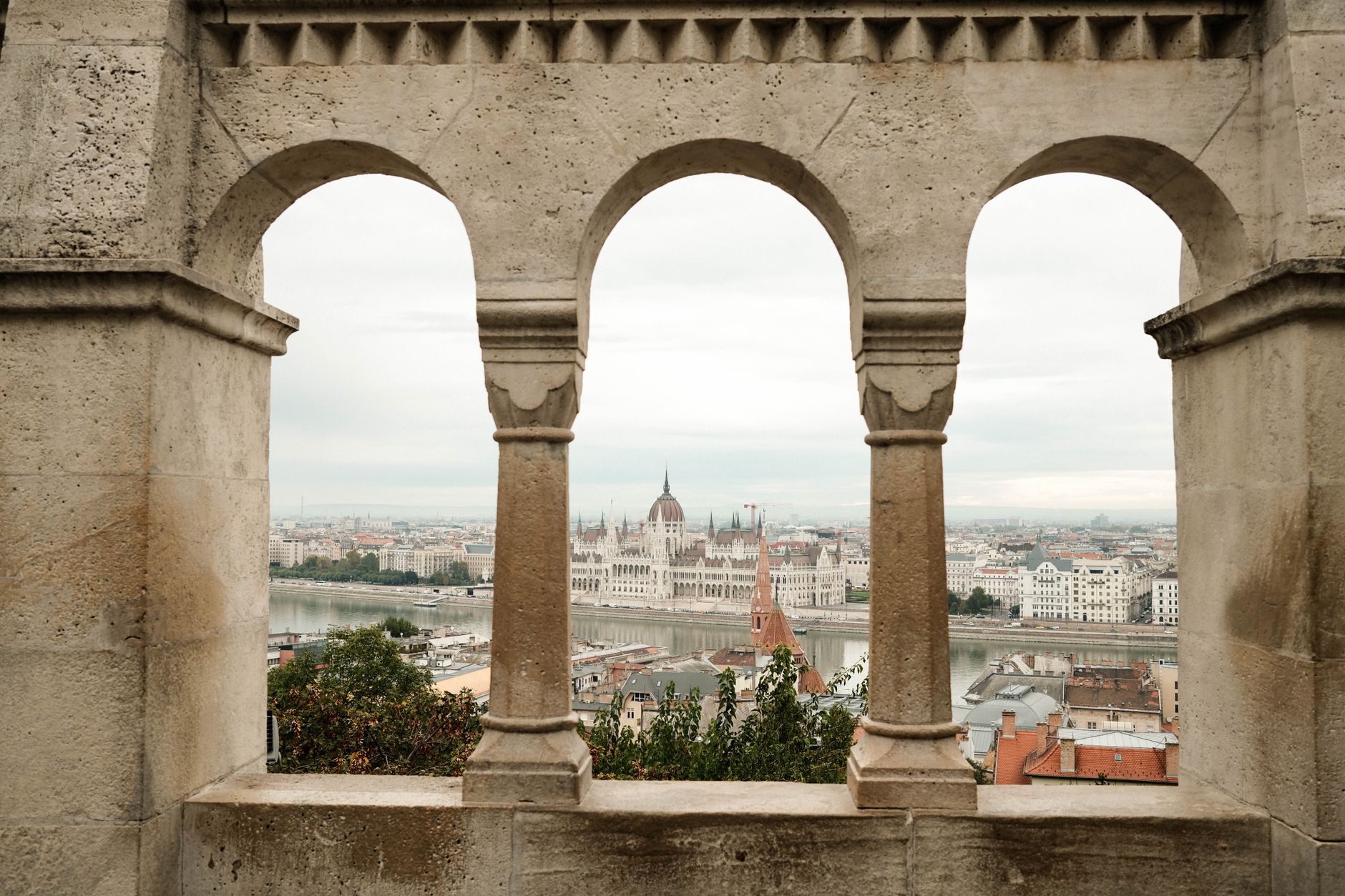
Begin on the Buda side at Buda Castle; use the Castle Hill Funicular from Clark Ádám tér or walk up the steps for exercise (funicular queue depends on season). Spend time at the Castle District: National Gallery or Budapest History Museum if interested (allow 90–120 minutes for a focused visit) and walk to Fisherman's Bastion for staged view photos of the Danube and Pest. Walk 8–12 minutes to Matthias Church and check opening times for interior entry (ticketed chapel/cultural visits ~2,000–3,000 HUF). Cross over to Gellért Hill in the afternoon for the Citadel viewpoint — walking from Castle Hill takes around 30 minutes or use bus 16/17 via Elisabeth Bridge. Dinner around Gellért tér gives access to Gellért Baths or restaurants; try dining at Gellért Söröző for straightforward local dishes. Evening option: a riverbank stroll to see the Parliament illuminated and the Shoes on the Danube memorial, both quieter after 21:30.
Day 3
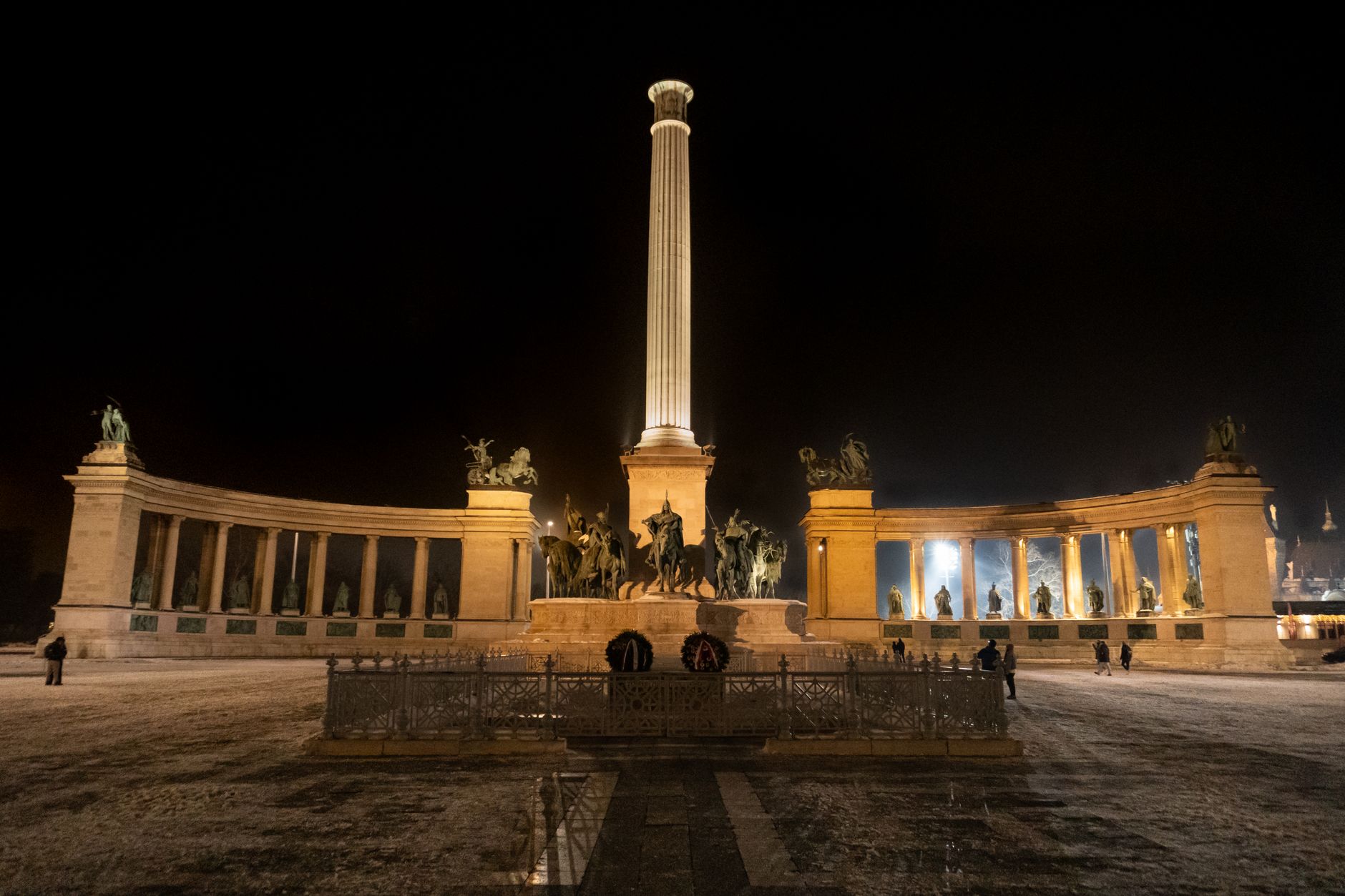
Start at Heroes' Square and then walk into City Park (Városliget) — the Széchenyi Baths are adjacent if a second soak is desired or skip to the Museum of Fine Arts or the House of Terror depending on interest (entry fees vary: House of Terror ~3,000 HUF). After the park, take metro M1 back to Deák Ferenc tér and then stroll to Váci utca briefly but plan lunch at the Great Market Hall instead for better quality and prices. In the afternoon consider a shorter neighbourhood focus: walk the Jewish Quarter to see Dohány Street Synagogue (guided tours available) and the surrounding streets for cafés and small galleries. For travellers leaving in the late afternoon, keep luggage storage options in mind: many hotels will hold bags and Deák Ferenc tér has lockers at private providers; leave at least 90 minutes for airport transfer via 100E or taxi. Finish with an early dinner in the Jewish Quarter and a final evening tram 2 ride to see the river frontage one last time.
Best Local Experiences
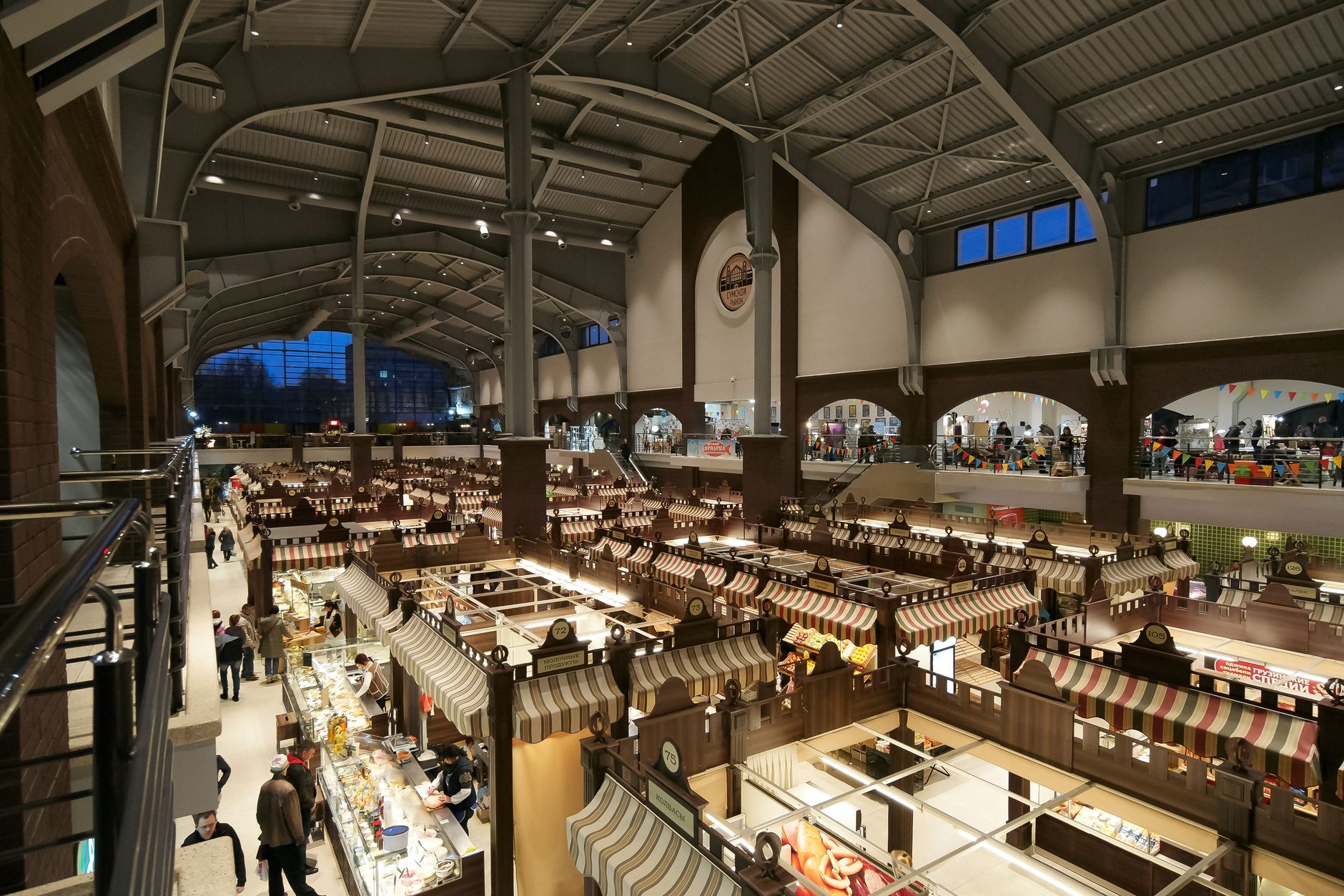
1) Spend a morning at Nagyvásárcsarnok (Great Market Hall) on Vámház körút — buy cold cuts, paprika and lángos at the ground floor stalls. 2) Sit in an outdoor bench at Gellért Hill for sunrise or sunset views over the Danube and the Pest skyline. 3) Reserve an evening at Széchenyi Baths with a thermal pool and chess-player crowd; bring small bills for locker coins. 4) Explore the ruin pub scene in the VII district: Szimpla Kert, Instant, and Fogas Ház provide distinctly casual nightlife options that are mostly table-service and informal. 5) Visit Hold utcai Piac on Hold utca for a compact food market experience that locals use for weekday lunches. Each of these activities spotlight how locals use public space, markets and baths rather than curated tourist performances.
Where to Stay
District V / Belváros (around Deák Ferenc tér and Váci utca) — suits first-timers who want immediate access to metro lines M1, M2 and M3 and nightlife; expect 18,000–35,000 HUF per night (~45–95 EUR) for midrange hotels. District VII / Erzsébetváros (Jewish Quarter) — suits travellers focused on ruin pubs, cafés and a lively food scene; boutique rooms and apartments typically range 14,000–28,000 HUF (~35–75 EUR) per night. District I / Castle District and District XI near Gellért Hill — suits those who prioritise quieter streets, hilltop views and proximity to Buda Castle; double rooms often cost 20,000–40,000 HUF (~50–110 EUR) per night. Choose based on whether evening walking and transit access or quieter evenings and views matter more.
Food and Drink
Gulyás (goulash) — a brothy meat-and-veg soup rather than a heavy stew; good versions cost 1,800–3,000 HUF at midrange bistros such as Konyha or Paprika. Lángos — fried flatbread often topped with sour cream and cheese; found at market stalls and street carts for about 800–1,500 HUF (Great Market Hall has reliable stands). Kürtőskalács (chimney cake) — spit cake lightly sugared and often cinnamon-coated; street vendor price 800–1,200 HUF. Hungarian pálinka — fruit brandy shot (pear, plum, apricot) served in bars and many restaurants; small shots 600–1,200 HUF. Dobos torta and other pastries — available at cafés like Gerbeaud or Ruszwurm in the Castle District; expect 600–1,500 HUF per slice. For breakfast try a sima kávé and a kifli at local cafés for around 700–1,200 HUF.
Getting Around
The transit network is run by BKK: metro lines M1 (millennium line), M2, M3 and M4; major tram routes include 2, 4 and 6; key buses include 16, 105 and the 100E airport bus. Single paper ticket (buy at machine) costs about 350 HUF; a 24-hour travelcard is about 1,650 HUF and a 72-hour card 4,150 HUF. Use the BudapestGO app to buy and validate digital tickets and use FUTÁR (BKK) for route planning and real-time updates. Taxis are available via Bolt and Főtaxi; airport taxi to city center typically runs 8,000–12,000 HUF depending on traffic. Most central sights are walkable in short sequences, but hill climbs on the Buda side are steep and sometimes require bus 16 or the funicular.
Best Time to Visit
Late spring (May–June) and early autumn (September) offer the best balance of milder weather (15–25°C) and manageable crowd levels; prices are lower than July. Summer (July–August) is hottest (25–35°C) and busiest; expect higher accommodation rates and longer queues at baths and Parliament. Winter (December–February) is cold (−2–6°C) but quieter, and the baths are atmospheric in winter steam — Christmas markets in December add crowds around Vörösmarty Square. For best value avoid mid-July and major European holiday weeks when prices spike.
Budget and Practical Tips
A realistic daily midrange budget: accommodation 20,000–35,000 HUF (≈55–95 EUR), food 6,000–10,000 HUF (≈16–27 EUR), transport 1,650–4,150 HUF for travelcards (≈4.5–11 EUR), entries and activities 2,500–6,000 HUF (≈7–16 EUR). Budget travellers can aim for 10,000–18,000 HUF per day by using hostels, markets and single attractions; luxury travellers should add room and dining premiums. Tipping: restaurants typically add 10%–15% for table service; leaving small change at cafés is normal but not required. Carry an EMV contactless card and some HUF cash for market stalls and small vendors; most museums accept cards for ticket purchases but check in advance for small historic sites.
FAQ
Is Budapest safe for solo travellers?
Yes; central areas and major tourist routes are generally safe by European standards, though pickpocketing can occur on crowded trams and around attractions so keep valuables secure.
How do I get from Liszt Ferenc airport to the city centre?
Use the 100E airport bus to Deák Ferenc tér with a dedicated ticket, book an official Főtaxi or use Bolt for a meter fare roughly 8,000–12,000 HUF to the center.
Is a Budapest Card worth buying?
Budapest Card covers public transport and offers discounts at museums and some baths; it pays off if planning multiple paid museum entries and frequent transit over 48–72 hours.
Do museums accept credit cards?
Most major museums and ticket offices accept cards but small historic sites and market stalls may be cash-only, so carry some HUF.
Can tickets be bought on the tram or metro?
No — buy tickets at machines, BKK points, or on the BudapestGO app before boarding; inspectors conduct checks and fines apply for unvalidated travel.
Are the baths open year-round?
Yes; Széchenyi and Gellért operate year-round but opening hours and peak crowding change seasonally so book or arrive early for popular slots.
Is it easy to reach Vienna or Bratislava for day trips?
Trains and buses to Vienna and Bratislava run frequently; travel time to Bratislava is about 2.5 hours and to Vienna 2.5–3 hours, so overnight is more comfortable than rushed day trips.
Conclusion
A 72-hour plan will leave a mix of big sights and local rhythms: Parliament interiors, a bath session, Castle Hill views and an evening in a ruin pub are realistic priorities. The memory that most travellers keep is the contrast between riverside vistas and the warmth of thermal pools; if time runs out, prioritise a late-afternoon soak and a tram 2 riverside ride to see the city lit up. Plan bookings for timed attractions and use a 24-hour travelcard to avoid losing time on single tickets so the days stay efficient rather than rushed.
How this guide was prepared
This guide was prepared through a structured research that combines destination research, geographic context, itinerary planning logic, and content review.