

Practical 3-Day Guide to Vienna: Downtown, Museums, Coffeehouses
Three days in Vienna covers palaces, major museums, a market morning and a riverside walk with clear transit, cost and timing advice for a weekend trip.
A realistic, no-fluff 72-hour plan for Vienna that balances imperial sights, museum time, coffeehouse stops and one neighbourhood outing — built for efficient walkers and museum-goers.
First impressions are orderly streets, clear public transit and a heavy presence of stately 19th-century architecture mixed with calm neighbourhoods. Movement feels slower than bigger metropolises; mornings suit museums and afternoons suit long coffeehouse breaks or park walks.
Not everything is palace-heavy. Contemporary art, the Danube Canal scene and small-scale wine taverns in the hills are important parts of the daily life often missed by headline itineraries. Expect definitive opening hours, queues at key museums and café service that encourages sitting rather than quick turnover.
This place suits people who enjoy structured sightseeing, good transit and deliberate meal breaks. Those wanting late-night party life or a compact multi-city hop may find three days tight if museums are the priority.
Is 3 days in Vienna enough?
Yes—three days is enough to see the main palaces, a couple of top museums, a market and one or two neighbourhoods without constant sprinting. Expect to skip deep dives (for example, full collections at Kunsthistorisches and Leopold) if museum time is a priority.
Who This Guide Is For
Best for travellers who like museums, architecture, coffeehouses and planned walks; less suitable for those wanting late-night clubbing or a relaxed countryside escape on the same trip.
Local Tips for Vienna
Practical details that most travel sites skip — specific to Vienna.
- Buy a Vienna City Card (24h around €17) at WienTourismus desks or online for public transport discounts and museum reductions.
- Naschmarkt’s main stalls operate all week but the flea market behind it is only on Saturdays; the market is mostly closed on Sundays.
- Single U-Bahn ticket with Wiener Linien costs €2.40 (valid 90 minutes across modes); validate in machines or use the WienMobil app to avoid fines.
- Heurige in Grinzing and Neustift am Walde often prefer cash and pack up by 22:00 on weeknights; weekends stay later but expect queues for tables.
- Many large museums close on Monday (check the website for Kunsthistorisches, Albertina and Belvedere opening days before planning).
How This Guide Was Prepared
This guide treats Vienna as a lived city, not an imperial museum piece. Many guides cram every palace into a single day; this plan accepts slower museum visits, coffeehouse breaks and practical transit transfers so the schedule feels doable rather than rushed. This guide was prepared through a structured research that combines destination research, geographic context, itinerary planning logic, and content review.
Plan Your Stay in Vienna
Use these planning pages to compare areas to stay, expected costs, seasonal timing, and local transport before booking.
Why Visit
The Habsburg palaces and state collections concentrate major works in a small radius: Hofburg, Kunsthistorisches and Albertina allow concentrated museum days without long transfers. A specific appeal is the coffeehouse culture—venues like Café Central, Café Sperl and Demel function as social living rooms where menus and service follow long-established rhythms.
Belvedere offers Klimt’s The Kiss in a Baroque palace setting, which pairs well with a walk through the botanical borders toward Landstraße. The city also provides easy day-access to vineyards in Grinzing and quick rail links to Bratislava and Graz for those extending the trip.

Quick Planning Tips
From Vienna International Airport (VIE) take the City Airport Train (CAT) to Wien Mitte (about 16 minutes, one-way around €12.90) for the quickest downtown transfer, or take S7 (about 25 minutes) for a cheaper option. From Wien Hauptbahnhof use U1 or a short tram ride depending on hotel location.
Austria uses the euro; small cash payments still matter at heurige and Würstelstände. Carry some notes for markets and smaller cafés but use contactless for museums and shops. Avoid booking all museum visits on a Monday—many close then and that single error forces itinerary reshuffling.

Day 1
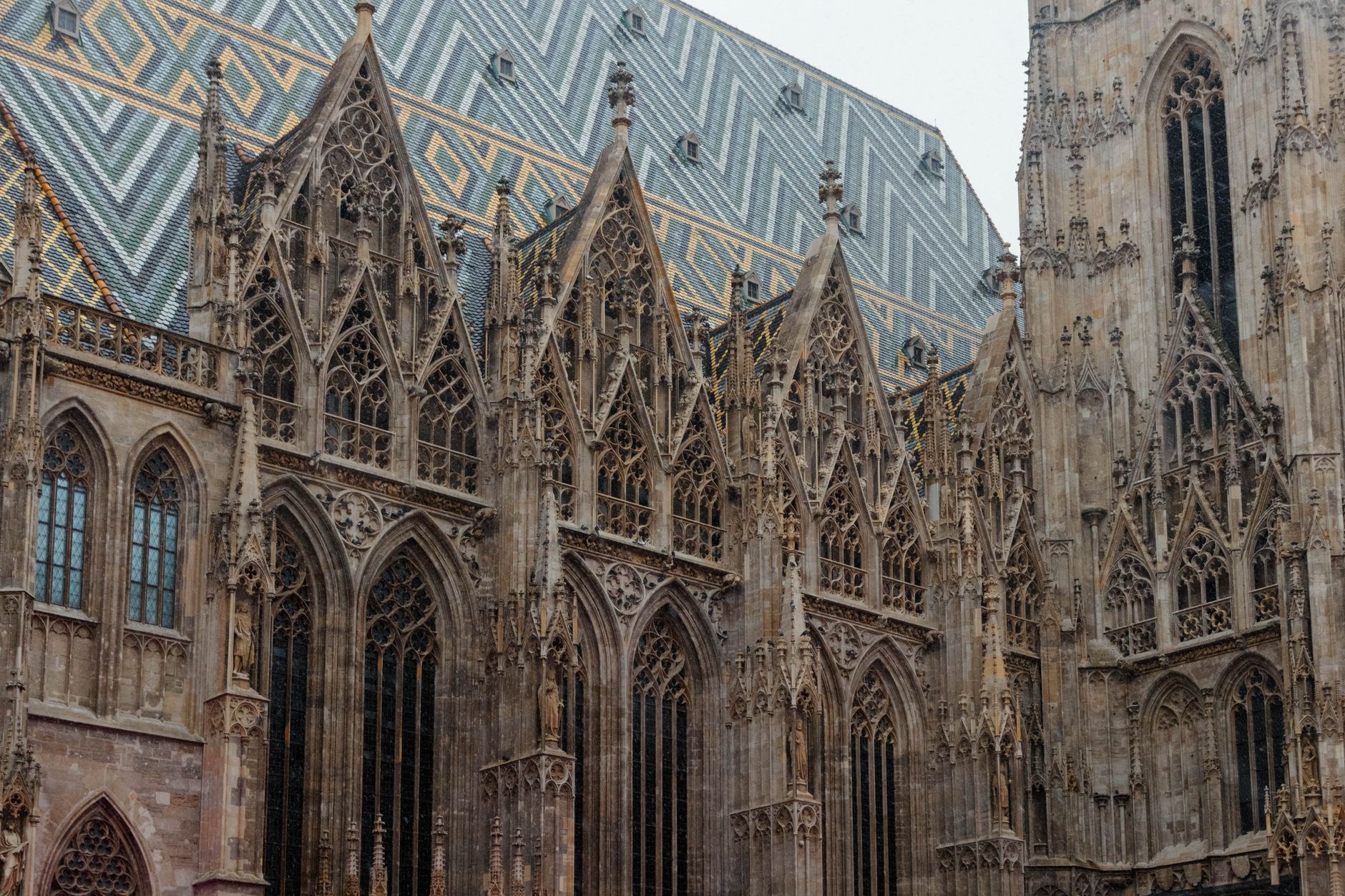
Start at Stephansplatz to visit St. Stephen's Cathedral; allow 45–60 minutes for the interior and tower views. From there walk 10–12 minutes to the Hofburg complex to see the Imperial Apartments, Sisi Museum and the Spanish Riding School area; expect at least 2 hours if entering multiple museums.
Walk 5 minutes across Maria-Theresien-Platz to the Kunsthistorisches Museum for the afternoon; allocate 2–3 hours for major rooms and highlights. From Kunsthistorisches it’s a 15–20 minute stroll along the Ring to the Naschmarkt for a late-afternoon snack or aperitif—Saturday includes the flea section.
Lunch option: Figlmüller (Bäckerstraße, near Stephansplatz) for classic Wiener Schnitzel; expect queues and schnitzel prices roughly €20–€28. Evening recommendation: book an opera or concert at the Vienna State Opera or Musikverein, or choose a relaxed coffeehouse evening at Café Central if performance tickets are too costly.
Day 2
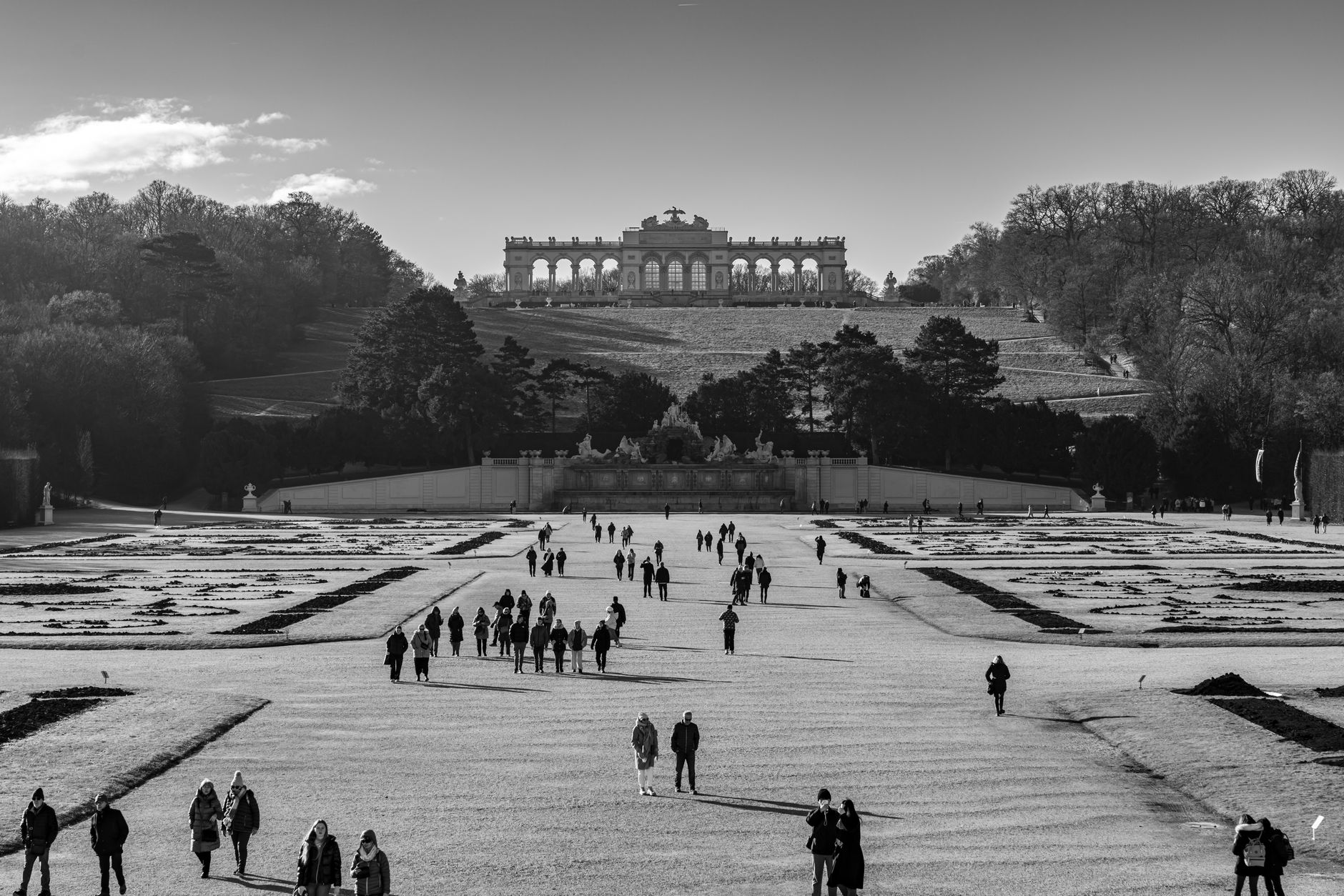
Begin at Schönbrunn Palace in the morning to beat the tour groups; the Grand Tour ticket for state rooms and gardens takes around 2–2.5 hours. From Schönbrunn take U4 to Karlsplatz (about 20–25 minutes including walk) and head into MuseumsQuartier for Leopold Museum and MUMOK; each museum deserves 1.5–2 hours if artworks are a priority.
Lunch option: Naschmarkt stalls or Neni am Naschmarkt for a filling casual meal; budget €10–€20. In late afternoon head to Belvedere Palace (Lower to Upper Belvedere are 10–15 minutes from Karlsplatz by tram or a 20-minute walk), view Klimt and stroll the gardens.
Evening recommendation: visit the Prater for the Riesenrad Ferris wheel at sunset and a walk in the park; access by U1 to Praterstern takes about 15 minutes from Staatsoper area.
Day 3
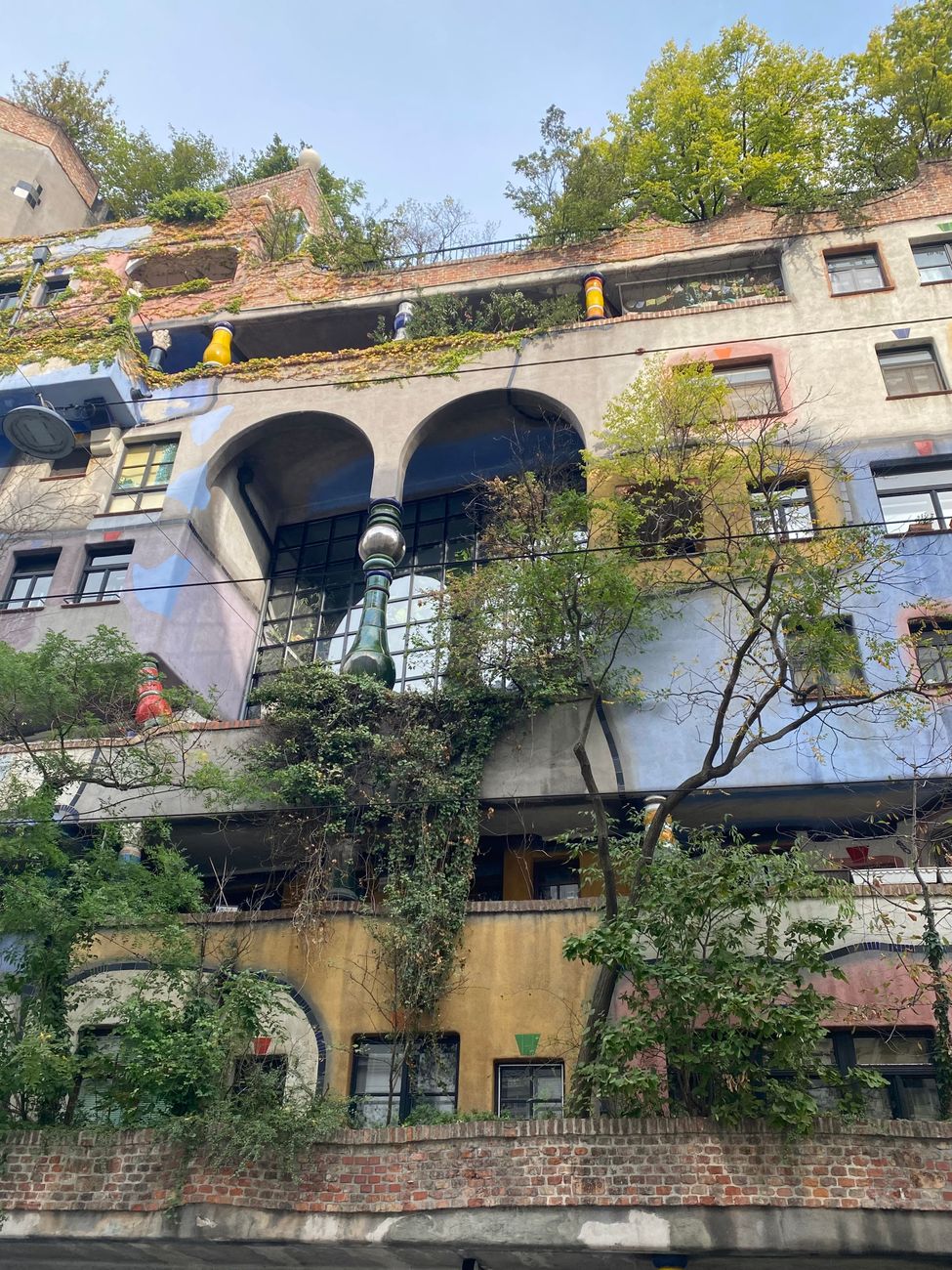
Use the final day to pick a neighbourhood or a unique experience: start at Belvedere if not yet visited for Klimt and Baroque gardens, or go to Hundertwasserhaus in Landstraße to see the exterior architecture (interior is not a museum). From Landstraße a 10–12 minute walk reaches the Danube Canal for a riverside coffee or street-art walk.
Option for wine and hills: take tram 38 or a short U-Bahn ride to Heurigen areas in Grinzing or Neustift am Walde for an afternoon wine tavern visit; allow 3–4 hours including travel and tasting. Practical note for departures: store luggage at Wien Hauptbahnhof lockers or luggage services near Stephansplatz and plan to arrive at the airport at least 90 minutes before short-haul flights; S7 takes 25–30 minutes from Wien Mitte to VIE.
Evening for those staying: a final coffeehouse dinner at Café Sacher or a casual Würstelstand snack at a late-night stand near Schwedenplatz.
Best Local Experiences
Naschmarkt on a Saturday for the flea market behind the food stalls and a multi-ethnic set of lunch options. A morning at the Spanish Riding School (book the morning exercise or a guided tour in advance for limited seats). An evening at a Heuriger in Grinzing or Neustift am Walde to taste local wines and simple cold plates in a village setting.
A guided Third Man film locations walking tour that visits classic film spots around Spittelberg and Karlsplatz. Summer days on Donauinsel for swimming, bike rides and casual riverside bars, reachable by U1 or by tram to interconnected stops.

Where to Stay
Innere Stadt (1st district): best for first-time visitors who want direct access to St. Stephen's Cathedral, Hofburg and many museums. Expect nightly rates roughly €150–€300 ($160–$330) for mid-range to upper-range hotels; budget options are rare inside the ring.
Neubau (7th district): suits museum and café visitors with proximity to MuseumsQuartier and Mariahilfer Straße shopping. Mid-range hotels and private apartments typically run €90–€180 per night ($100–$200).
Leopoldstadt (2nd district) and Landstraße (3rd district): good for lower prices and good transit links—near Prater and Belvedere or Wien Mitte respectively. Expect €70–€140 per night ($75–$150). Choose Leopoldstadt for green spaces and Landstraße for easier airport/train access.
Food and Drink
Wiener Schnitzel: thin veal or pork fried in breadcrumbs; classic versions served at Figlmüller (near Stephansplatz) and dinner prices typically €20–€28. Tafelspitz: boiled beef served with root vegetables and horseradish; Plachutta is the traditional place and mains run €24–€38.
Sachertorte: a dense chocolate cake with apricot jam; get the original at Hotel Sacher or a slice at Demel for about €4.50–€6. Apfelstrudel: layered pastry with apple, sugar and cinnamon found in most coffeehouses, around €3.50–€6. Käsekrainer: a cheese-filled sausage sold at Würstelstände like Bitzinger, usually €3–€4 — ideal as street food.
Coffee and drinks: order a Melange at a classic coffeehouse for around €3.50–€4.50. For local wine try Grüner Veltliner at a heuriger by the glass for €3–€6 depending on the venue.
Getting Around
Public transport is primarily U-Bahn (lines U1, U2, U3, U4, U6), an extensive tram network (tram 1, 2, D and many radial lines) and buses. Single Wiener Linien ticket costs €2.40 (valid 90 minutes); 24-hour passes are about €8.00 and are the best value for visitors planning multiple trips. Buy tickets at machines, tobacconists (Tabak Trafik) or use the WienMobil app.
From the airport the City Airport Train (CAT) reaches Wien Mitte in about 16 minutes; S7 suburban trains take approximately 25–30 minutes and are cheaper. ÖBB Railjet services connect Wien Hauptbahnhof with other Austrian cities. Taxi from the airport into the inner districts typically costs €35–€40 depending on traffic; ride-hailing apps and airport cabs are available.
Best Time to Visit
Spring (April–May) offers mild weather with daytime highs around 12–20°C and lower hotel rates than summer; crowds are moderate. Summer (June–August) brings the warmest weather, often 22–30°C, and the highest tourist numbers; book attractions and concerts well in advance.
Autumn (September–October) is pleasant with 10–20°C days, fewer crowds and good value on accommodation. Winter (November–February) is cold with 0–5°C average temperatures and is peak time for Christmas markets in November–December; expect crowded market squares but quieter museums on some weekdays.
Budget and Practical Tips
Typical daily budget for a sensible traveller: accommodation €70–€150 ($75–$160) for a mid-range hotel or private apartment, food €25–€50 ($28–$55) for coffeehouse breakfast, casual lunch and mid-range dinner, transport €8–€10 ($9–$11) with a 24-hour pass, and entry fees €10–€25 ($11–$27) per museum. Daily total roughly €115–€235 ($125–$255).
Museum entry examples: Kunsthistorisches around €18, Belvedere around €16, Schönbrunn Grand Tour around €22; prices vary by exhibition. Tipping: round up on small purchases, give 5–10% in sit-down restaurants for good service; no service charge need be left in cafés. Carry small change for market stalls and heurige where card acceptance can be limited.
FAQ
Is Vienna safe for solo travellers?
Yes. Central districts and public transport are generally safe; standard precautions against pickpocketing apply in crowded areas like U-Bahn stations and tourist sites.
What’s the easiest way to get from the airport to the city center?
Take the CAT to Wien Mitte for speed (about 16 minutes, ~€12.90) or S7 for a cheaper option (around 25–30 minutes). Trains and taxis run regularly.
Is a Vienna City Card or public transport pass worth it?
A 24-hour Wien ticket (~€8) or Vienna City Card (includes discounts on attractions and transport) pays off if using public transport for several trips and planning museum visits with discounts.
Are museums open every day?
No. Many major museums close on Mondays; check individual museum websites before scheduling back-to-back museum days.
Can English be used widely?
Yes. Staff in hotels, museums and restaurants usually speak English; smaller heurige and market stalls may have limited English.
How expensive is eating out?
Expect €3–€6 for pastries/coffee, €10–€20 for market or casual lunches, and €20–€40 for a proper sit-down dinner in a mid-range restaurant.
Conclusion
Three days yields a clear impression: imperial architecture, concentrated museum collections and a disciplined café culture. Visitors will most likely remember a long coffeehouse break and at least one major gallery or palace tour that defines the visit.
If short on time, prioritise either Schönbrunn (for palace and park) or the Kunsthistorisches/Albertina pair (for art) and save neighbourhood heurigen or Donaukanal time for a future trip. That split keeps the weekend manageable while leaving room for relaxed meals and transit buffers.
How this guide was prepared
This guide was prepared through a structured research that combines destination research, geographic context, itinerary planning logic, and content review.