

Cabo Frio in 3 Days: Practical Itinerary and Local Tips
A pragmatic 3-day Cabo Frio guide with realistic timings, transit tips, dining picks and budgeted costs to plan beaches, museums and neighbourhood walks.
A focused 72-hour plan for Cabo Frio that prioritises beaches, the Canal do Itajuru, island boat trips and neighbourhood food without overselling transport or nightlife.
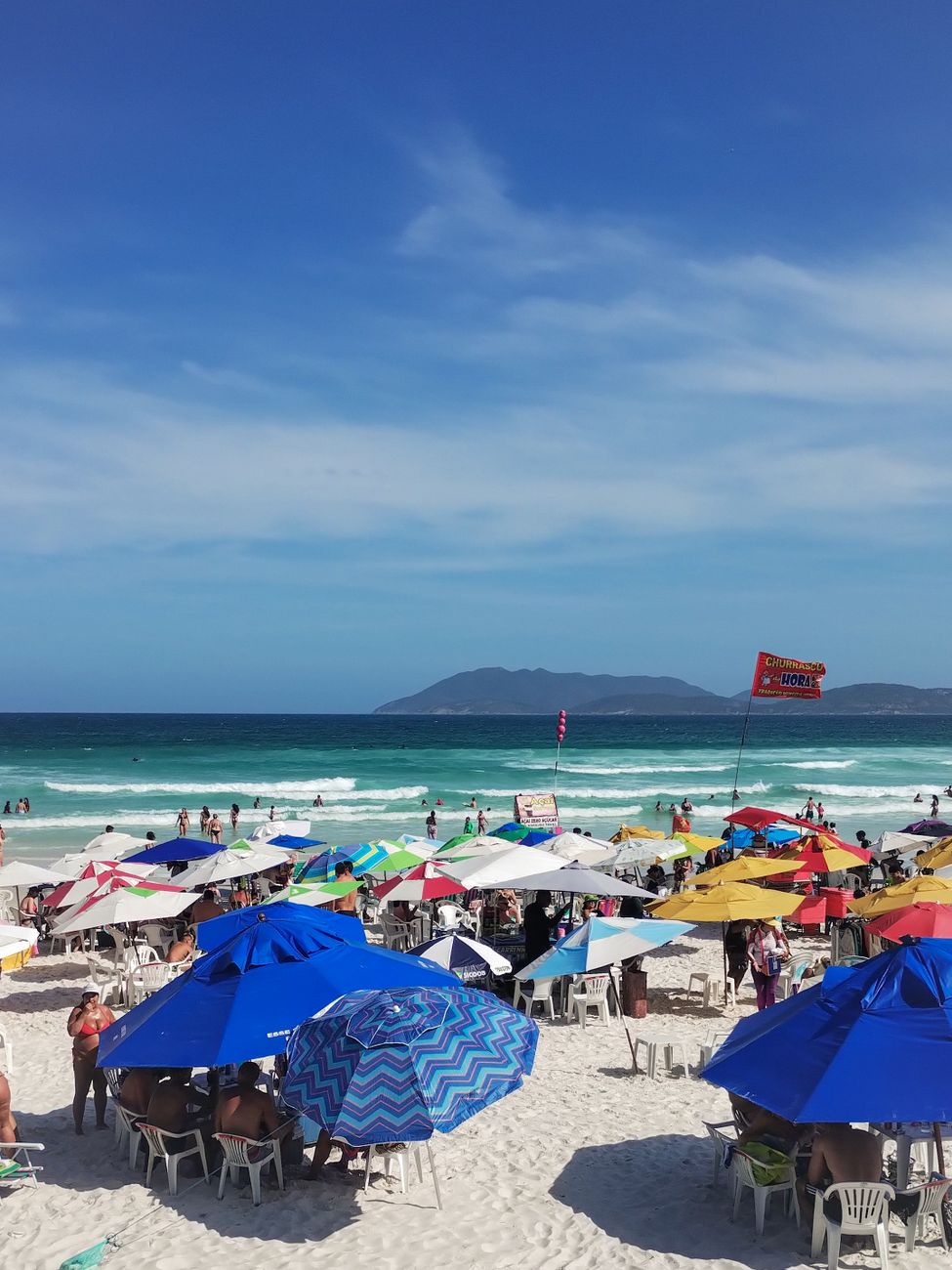
First impressions: long white beaches framed by a busy canal, a concentrated commercial core and neighbourhoods that change block by block. The pace is beach-town casual during the day and quiet at night except for weekends, when bars and kiosks on Praia do Forte stay open late.
Expect noise from scooters, ambulant vendors and construction in growth areas; the town is not a tranquil resort. Many visitors arrive thinking of a polished island escape and are surprised by the mix of working fishing activity, wholesale swimwear trade and family tourism.
This place suits people who want easy beach access, short boat trips and low-price seafood rather than an all-inclusive resort experience. Short transfers make it a good base for day trips to nearby Arraial do Cabo or Búzios if a rental car or reliable intercity bus is available.
Is 3 days in Cabo Frio enough?
Three days is enough to see Praia do Forte, walk the Canal do Itajuru, take a short boat trip to Ilha do Japonês and explore Passagem and Braga. Expect to skip deeper boat excursions to Arraial do Cabo or a relaxed multi-beach surf tour if time is limited.
Who This Guide Is For
Best for travellers who want beaches with short walks and easy logistics — couples, small groups and budget travellers. Not ideal for people who want an upscale resort or a packed nightlife schedule.
Local Tips for Cabo Frio
Practical details that most travel sites skip — specific to Cabo Frio.
- Buy intercity bus tickets at Rodoviária de Cabo Frio from Auto Viação 1001 for routes to Rio de Janeiro and Arraial do Cabo; book evening seats in high season.
- Rua dos Biquínis (Braga neighbourhood) is the place to shop swimwear at wholesale prices; many stores accept only cash for discounts on multiple items.
- Boat trips to Ilha do Japonês leave from the Canal do Itajuru pier near Praça da Cidadania; expect R$20–R$35 per person for a round-trip transfer (prices fluctuate by season).
- Forte de São Mateus sits at the east end of Praia do Forte and usually charges a small entrance fee (about R$8–R$12); it closes on some Mondays — check ahead.
- Uber and 99 operate reliably between the airport (CFB) and central neighbourhoods; taxis at the airport are pricier — expect around R$50–R$80 to Praia do Forte.
How This Guide Was Prepared
This guide treats Cabo Frio as a working beach town with a busy canalfront and a swimwear economy, not a resort bubble. Many guides overplay nightlife or present the beaches as serene — crowds and loud beach kiosks are common on high season days and the town’s appeal is practical: long white sand, easy boat trips and affordable seafood. The honest visitor itinerary balances beach time with short cultural stops and realistic transit expectations. This guide was prepared through a structured research that combines destination research, geographic context, itinerary planning logic, and content review.
Plan Your Stay in Cabo Frio
Use this itinerary as your starting point, then compare areas to stay, transport options, seasonal timing, and realistic daily costs before booking.
Why Visit
The beaches: Praia do Forte offers unusually wide white sand that stays shallow far out, making it easy to walk and find a spot even on crowded days. This is the town’s main draw for sun-and-swim days.
Short boat trips: quick launches to Ilha do Japonês and short island stops give ocean access without a full-day tour or long travel. These runs are frequent from the Canal do Itajuru pier.
Local commerce: Rua dos Biquínis in Braga is a practical shopping district for swimwear and beach gear at lower prices than Rio or Búzios, useful for last-minute replacements or bargains.
Historic and canalfront character: the Forte de São Mateus and the Canal do Itajuru waterfront provide walkable short cultural stops and good seafood restaurants that are mostly family-run rather than tourist chains.

Quick Planning Tips
Arrival: most visitors arrive by road from Rio de Janeiro via Auto Viação 1001 or fly into Cabo Frio International Airport (CFB). From the airport to Praia do Forte expect a 15–25 minute Uber or taxi ride.
Money and payments: currency is the Brazilian real (BRL). Cards are widely accepted in restaurants and shops but carry cash (R$50–R$150) for beach kiosks, small vendors and some Rua dos Biquínis stores that offer discounts only for cash.
Planning mistake to avoid: leave at least one evening free for planning the boat trip to Ilha do Japonês the day before; bookings during high season can sell out mid-morning. Also avoid assuming local buses run on precise timetables — allow extra time for transfer connections.

Day 1
Morning: Start at Praia do Forte for a sunrise walk and a swim. The main stretch runs from the Forte at the east end to the Canal do Itajuru; set aside 2–3 hours for beach time and a coffee at a quiosque. Walking from the Forte to the canal along the sand is about 30–40 minutes at a relaxed pace.
Midday: Visit Forte de São Mateus (a short walk from the beach) and explore the small exhibition area and coastal viewpoint; expect around 30–45 minutes here and a small entrance fee (roughly R$8–R$12). Walk 10 minutes along Av. do Contorno back toward the canalfront.
Lunch: Eat at Mercado de Peixe do Canal or a canalfront seafood restaurant near Praça da Cidadania — choose a grilled fish or moqueca; lunch for two typically R$60–R$120 depending on drinks.
Afternoon: Walk the Canal do Itajuru promenade, check local shops and the Feira de Artesanato if operating (often afternoons and evenings). A short boat tour to Ilha do Japonês departs from the Canal pier and takes 15–30 minutes each way; allow 2 hours if going out and returning.
Evening: Return to the canalfront for sunset and choose a restaurant on Rua Frei Horácio or along the canal; end the night with a gelato or a caipirinha at a bar near Praça da Cidadania.

Day 2
Morning: Head to the Braga neighbourhood and explore Rua dos Biquínis for swimwear and beach gear shopping; this area opens mid-morning with wholesale-style shops. Allow 1–2 hours for window shopping and trying on items.
Late morning: Walk or take a short taxi to Parque das Dunas for a shaded break from the sun and a short trail; this provides different scenery from the open beach. Expect a 10–20 minute drive from Braga to the park.
Lunch: Try a family-run restaurant in Passagem near Rua Ribeira or eat at a terrace along Rua dos Namorados; local seafood, pastéis and cold salads are common. Budget R$25–R$50 per person.
Afternoon: Visit the historic district of Passagem — narrow streets, painted houses and small cafés make for an easy 1–2 hour stroll. From Passagem, a 15-minute walk or short Uber returns to Praia do Forte if beach time is wanted.
Evening: For a quieter night, pick a canalfront bar on Rua dos Biquínis side streets or a seafood spot with outdoor seating; live music appears on weekends but weekdays are calm.
Day 3
Morning: Take a short boat or hire a kayak from the Canal pier for another look at Ilha do Japonês or a nearby sandbar; morning water is typically calmer. Reserve 2–3 hours depending on how much beach time is wanted.
Late morning: Return to the central market area for a fish market visit and light snacks; Mercado de Peixe is a practical stop to see local catch and pick up cold snacks for the trip home.
Lunch: Choose a quick lunch near the rodoviária or along Avenida Henrique Terra — options include sandwiches, açai bowls and seafood plates ideal for packing if catching a bus. If an afternoon flight is planned, eat earlier to allow time for check-out and transfer.
Afternoon note for departures: If catching a mid-afternoon flight from CFB, check out by 11:00–12:00, leave for the airport at least 60–90 minutes before flight time, and prefer Uber/99 over airport taxis for lower fares. For bus departures from Rodoviária, arrive 30–45 minutes early and confirm luggage handling.
Evening: If staying an extra evening, a casual canalfront stroll and a final seafood dinner wrap up the trip; otherwise use the afternoon for any last-minute shopping on Rua dos Biquínis before departure.

Best Local Experiences
Island hopping to Ilha do Japonês from the Canal pier — short, sandy and family-friendly stops good for snorkeling and shallow water photography.
Shopping Rua dos Biquínis in Braga for budget swimwear and quick alterations; bargaining for quantities is common in many stores.
Walking the Canal do Itajuru promenade at sunset — see working fishing boats, small fish stalls and canalfront bars that serve moquecas and grilled fish.
Visiting Forte de São Mateus for coastal views and a small interpretive display about local defence and fishing traditions.
Exploring Parque das Dunas for a shaded walk away from the shoreline and a different local flora, useful on hot afternoons.

Where to Stay
Praia do Forte: Suits beach-focused visitors who want immediate sand access and canalfront dining. Expect guesthouses and mid-range hotels from R$160–R$400 per night (≈ €30–€75 / US$32–US$80), with higher rates in December–February.
Braga: Suits shoppers and budget travellers who want proximity to Rua dos Biquínis. Simple pousadas and apartment rentals run about R$120–R$260 per night (≈ €22–€48 / US$24–US$52).
Passagem: Suits travellers seeking quieter streets and local restaurants within walking distance of the canal. Small inns and boutique pousadas range R$150–R$350 per night (≈ €28–€66 / US$30–US$70).
Choose the beachstrip for convenience and sunset views or Braga for cheaper nightly rates and easy shopping; booking during long holiday weekends requires early reservations.
Food and Drink
Moqueca (Bahian-style fish stew): fish or shrimp simmered with coconut milk, dendê oil and peppers; find good moqueca at canalfront restaurants near Praça da Cidadania. Expect R$60–R$120 for a shared portion.
Grilled fish (peixe grelhado): whole or filleted, often served with rice, farofa and salad at Mercado de Peixe stalls or boatside restaurants; a meal costs R$30–R$70 per person.
Pastel and caldo de cana (fried pastry and sugarcane juice): common beach snacks sold at kiosks and market stalls for R$6–R$15 combined.
Açai bowl: a local go-to for afternoon energy, available in central cafés and near the beach for R$12–R$25.
Breakfast: pão na chapa (toasted buttered bread) with strong coffee at a local padaria; expect R$8–R$18. For street food, try barraca snacks like espetinho (meat skewers) on the canal promenade for R$6–R$15 each.
Dinner recommendation: pick a canalfront seafood place for grilled fish or moqueca; reserve on weekends and budget R$70–R$150 for two with drinks.
Getting Around
Intercity buses: Auto Viação 1001 serves routes to Rio de Janeiro, Arraial do Cabo and other cities from Rodoviária de Cabo Frio. Book ahead in high season.
Local transit: municipal buses operate short routes between Braga, Passagem and Praia do Forte; single fares are roughly R$4–R$6 depending on route. Timetables can be irregular on weekends.
Taxis and ride-hail: Uber and 99 run throughout the area and are usually the easiest option for short transfers; airport to Praia do Forte is typically R$50–R$80. Local taxi stands at the airport and rodoviária use metered or fixed rates but verify before boarding.
Apps and cards: use the Auto Viação 1001 website or app for intercity bookings and Uber/99 for local trips. No universal municipal transport card is widely used — buy single tickets on board or at kiosks.
Best Time to Visit
High season: December to February brings hot temperatures (28–34°C / 82–93°F) and heavy crowds and higher prices around Carnaval and New Year. Beaches are crowded and bookings should be made months ahead.
Shoulder seasons: March–May and September–November offer pleasant weather (23–28°C / 73–82°F), fewer crowds and better value on accommodation; water is generally warm and boat trips run reliably.
Low season: June–August is cooler (20–25°C / 68–77°F) with more wind and occasional rainy days; prices drop and beach crowds thin but some kiosks close midweek.
Best value months are March–May and September–November for a balance of good weather and lower prices. Avoid national holiday weekends unless reservations are confirmed.
Budget and Practical Tips
Daily budget estimate per person (mid-range): accommodation R$160–R$300 (≈ €30–€57 / US$32–US$60), food R$80–R$150 (≈ €15–€29 / US$16–US$30), transport R$20–R$60 (≈ €4–€11 / US$4–US$12), entries and activities R$20–R$80 (≈ €4–€15 / US$4–US$16). Total around R$280–R$590 per day (≈ €53–€111 / US$56–US$118).
Cheaper option: budget travellers can halve accommodation costs with shared rooms or pousadas in Braga and eat street food for R$25–R$50 per day.
Tipping norms: service is not heavily tipped; round up small bills in cafés, leave 5–10% in restaurants if service was good, and tip surf instructors or private guides directly with R$10–R$30 depending on service length.
Practical tip: carry a small waterproof bag for phone, documents and cash on boat trips and beach days, and confirm opening days for museums or forts before planning a visit.
FAQ
Is Cabo Frio safe for tourists?
Most daytime tourist areas such as Praia do Forte, Canal do Itajuru and Braga are generally safe for common-sense precautions; avoid poorly lit side streets at night, do not leave valuables unattended on the beach and use registered taxis or ride-hail apps after dark.
How do I get from Rio de Janeiro to Cabo Frio?
Take an Auto Viação 1001 bus from Novo Rio bus station to Rodoviária de Cabo Frio (about 2.5–3.5 hours depending on traffic) or rent a car for the AEROPORTO/Cabofrio route.
Is a city card or tourist pass worth buying?
No universal Cabo Frio city card exists that covers multiple paid attractions; pay-as-you-go is simpler since most sites are inexpensive and dispersed.
Can boat trips to Ilha do Japonês be done last-minute?
Short transfers can be arranged the same morning in low season, but in December–February or holiday weekends book the day before to secure space.
Are credit cards accepted everywhere?
Cards are accepted in most restaurants, shops and hotels, but many beach kiosks, Rua dos Biquínis stalls and small vendors prefer cash — keep R$50–R$150 on hand.
What is the best way to get around locally?
For convenience use Uber or 99 for short hops; municipal buses are cheaper but less frequent and timetables vary on weekends.
Any luggage storage options at the bus or ferry terminal?
Rodoviária de Cabo Frio sometimes has lockers or luggage services; verify at the terminal office on arrival or ask at ticket counters for short-term storage.
Conclusion
A three-day visit delivers the essentials: broad beach time at Praia do Forte, a canalfront walk with seafood options, a short island trip and practical shopping in Braga. What travellers remember most will usually be the sand and the casual boat runs to Ilha do Japonês rather than nightlife or upscale dining.
If time is tight, prioritise a morning at Praia do Forte and a late-afternoon canal walk including a short boat trip — that combination gives the clearest sense of the place in a compact schedule.
How this guide was prepared
This guide was prepared through a structured research that combines destination research, geographic context, itinerary planning logic, and content review.