
3-Day Ubatuba Itinerary: Beaches, Trails and Markets
A practical 3-day Ubatuba itinerary with beaches, trails, fish-market tips and transport guidance to plan a realistic weekend without wasting time.
Concrete, doable plan for three days in Ubatuba that balances surf beaches, a nature island trip, a market lunch and one forest walk—plus real costs and transit tips.
This coastal municipality feels like a string of small towns and beaches separated by Atlantic Forest hills and sharp capes. First impressions often come from the main tourist strip at Itaguá and the bus terminal area, but that slice is only a corridor to a much larger coastline of surf breaks and family beaches. Weekends and holiday weeks plaster every main beach with umbrellas and long parking queues, while midweek mornings are quiet and best for trail access. The place suits travelers who accept driving or local taxis between spots and who prioritise sand, surf and short rainforest hikes over museums or nightlife.
Is 3 days in Ubatuba enough?
Three days covers a solid selection: one central beach and market day, a surf-or-sun day at Itamambuca/Félix, and a half-day island or turtle-centre visit plus a forest trail. The caveat: it is impossible to sample more than a handful of its 100+ beaches or do multiple long hikes without adding days.
Who This Guide Is For
Best for beach-focused travelers, surfers, and short-trip nature walkers who want a mix of sand and one protected-island visit. Poor fit for museum-heavy cultural tourists or travelers expecting a compact city nightlife scene.
Local Tips for Ubatuba
Practical details that most travel sites skip — specific to Ubatuba.
- Drive SP-055 (Rodovia Rio-Santos) from São Paulo and allow 3–4 hours on weekdays and 4–6 hours on holiday weekends; traffic is the main time sink.
- Boat departures for Ilha Anchieta usually sell tickets at the pier near Praia do Itaguá or at Picinguaba; buy round-trip tickets early because small boats fill for midday returns.
- Projeto Tamar in Ubatuba runs a visitor centre near the Itaguá/Porto area with an adult ticket around R$10–20; check opening days before planning a morning visit.
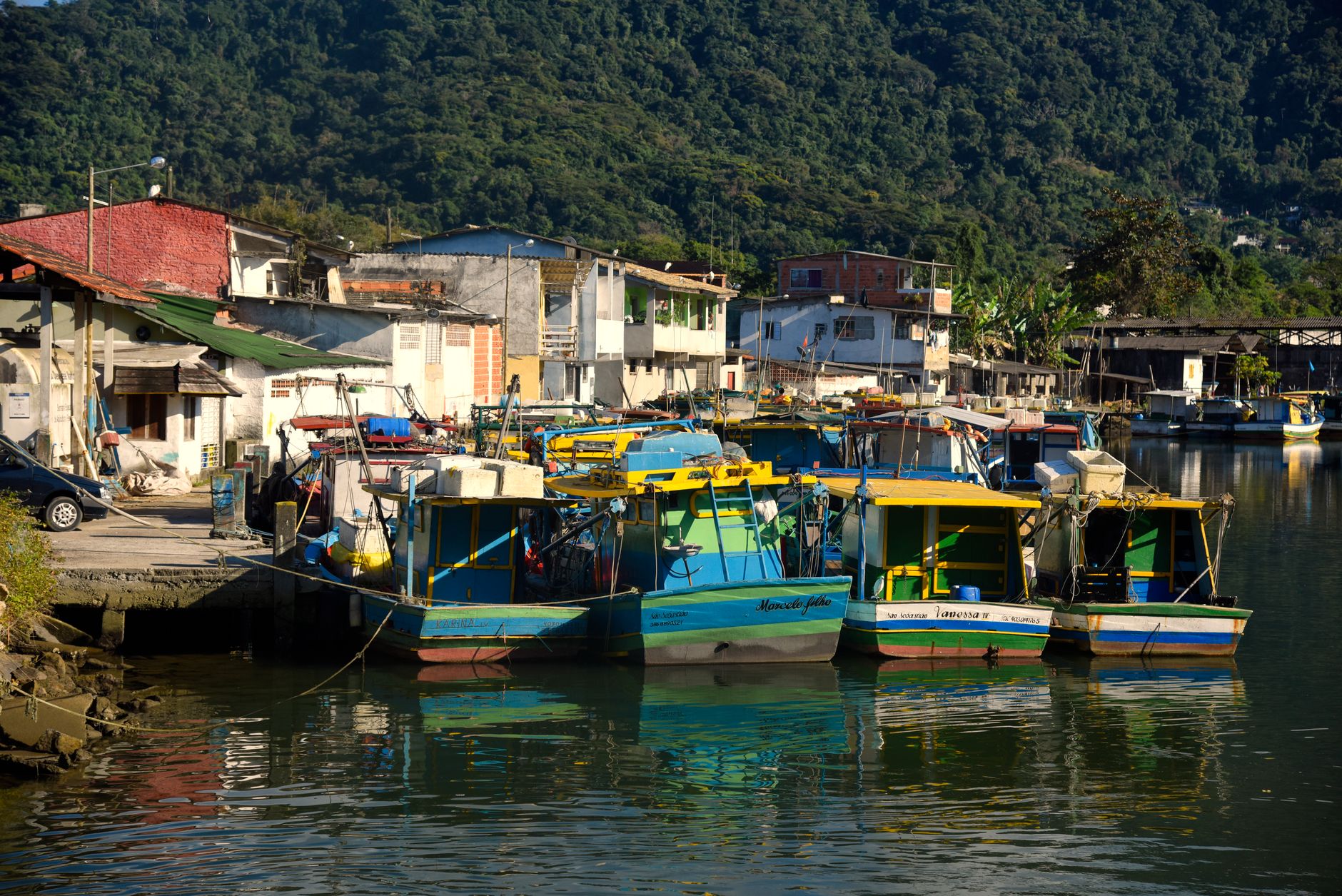
- The Mercado de Peixes do Itaguá opens very early and most stalls close by 14:00; buying filleted fish by the kilo is common and several nearby restaurants will cook it for a small fee.
- PIX is widely accepted at beach vendors, bakeries and pousadas; keep small notes of R$10–20 for street snacks, and expect some remote beaches to be cash-only for parking.
How This Guide Was Prepared
Ubatuba is a long, coastal municipality where beaches, rainforest trails and small fishing communities feel like separate mini-destinations rather than one compact downtown. Most guides compress travel times and ignore weekend traffic, tide schedules and which piers sell tickets for island trips, making real planning harder for a short stay. This guide was prepared through a structured research that combines destination research, geographic context, itinerary planning logic, and content review.
Plan Your Stay in Ubatuba
Use this itinerary as your starting point, then compare areas to stay, transport options, seasonal timing, and realistic daily costs before booking.
Why Visit
There are beaches for specific moods: world-class lefts at Itamambuca for surfers and gentle protected coves like Praia do Félix for families. Ilha Anchieta offers day-boat access to clear water snorkeling and a World War II-era island prison ruin inside a state park for a compact nature-history outing. The seafood scene centers on Mercado de Peixes do Itaguá and bayfront restaurants where freshly grilled peixe na brasa or sashimi from local catch is daily. The Atlantic Forest hills have short, accessible trails such as Fazenda do Engenho and the trail to Cachoeira do Prumirim, which deliver rainforest without a full expedition.

Quick Planning Tips
Arrive by road via SP-055 (Rodovia Rio-Santos) or by intercity bus to Rodoviária de Ubatuba from São Paulo; buses run several times daily but allow extra time for connections. International visitors should carry some Brazilian reais; PIX is common for small vendors and card machines are widespread around Itaguá but less reliable on remote beaches. Avoid planning island visits or surf lessons on holiday weekends without advance booking, and check tide charts before visiting low-reef beaches like Praia Vermelha dos Amores since access can change with tides.

Day 1
Morning: Start at Praça do Itaguá and the Mercado de Peixes do Itaguá for coffee and a quick fish-market walkthrough; the market opens around 07:00 and most stalls close by 14:00. Walk 5–10 minutes to Aquário de Ubatuba if travelling with kids — allow 1–1.5 hours for the aquarium and nearby shops. Midday: Head 10 minutes by car to Praia do Tenório for lunch at a beachfront kiosk or Restaurante Rei do Peixe (beachfront kiosks post R$25–60 per main plate), then relax on the sand. Afternoon: A 20–30 minute drive east brings Praia do Lázaro with calmer water for a post-lunch swim; parking is available at small municipal lots for R$5–15 depending on season. Evening: Return to Itaguá for a sunset walk along the promenade and dinner at a seafood restaurant facing the bay; nightlife here is low-key with occasional live music.

Day 2
Morning: Dedicate this day to Itamambuca for surf or beach time; from Rodoviária de Ubatuba the drive is about 25–35 minutes depending on traffic. If not surfing, use the morning to walk the headland trails around Itamambuca and Praia do Félix — Félix is a 10–15 minute drive and has coves protected by reefs. Midday: Eat at a beachside restaurant in Praia do Félix or bring a packed lunch from a padaria in Pereque-Açu; kiosks typically charge R$20–45 for a main snack or salad. Afternoon: Transfer to the northern beach cluster like Praia do Félix Grande or Prumirim (25–40 minutes from Itamambuca by car) for a quieter late-afternoon swim and, time permitting, the short trail to Cachoeira do Prumirim. Evening: Return south and stop at a craft fair or artisan stands near the Itaguá promenade for casual dinner options and local sweets.

Day 3
Morning: Book a morning boat to Ilha Anchieta from the Itaguá pier or a Picinguaba operator; small boats depart early and the round trip plus island time is typically 4–6 hours. On the island, reserve time for the museum-run trail, snorkeling at the northern beaches and a guided walk if available; some operators include a short guided tour in the price. Midday: If skipping the island, use the morning for Projeto Tamar and the small interpretive centre near the port area and eat at a bayfront restaurant after the visit. Afternoon: If catching an afternoon bus or driving back toward São Paulo, choose a quick stop at Praia do Lázaro or Praia do Sapê to avoid peak outbound traffic; expect the drive toward SP to lengthen significantly after 16:00 on Sundays. Practical note: allow time to return rental cars with fuel and to the bus terminal for a 90–120 minute buffer before departure.
Best Local Experiences
Buy fresh sashimi or grilled peixe at Mercado de Peixes do Itaguá and have it prepared at a nearby restaurant for a true market-to-table meal. Watch or join surfers at Itamambuca, which runs regional competitions and has surf schools on Rua Itamambuca. Take a day-boat to Ilha Anchieta (Parque Estadual) for snorkeling, short trails and coastal history panels. Visit Projeto Tamar’s local centre for sea-turtle displays and scheduled releases when available. Spend an early morning at Picinguaba village and the adjoining Serra do Mar trailheads for sambaqui sites and calmer village cafés; local boat taxis to nearby islands also depart here.

Where to Stay
Itaguá / Centro: Suits first-time visitors who want proximity to restaurants, the Mercado de Peixes and boat piers; expect pousadas from R$150–350 per night (about €28–66 / US$30–70). Itamambuca / Praia do Félix area: Best for surfers and beach-focused travelers who want direct beach access and surf camps; simple pousadas or guesthouses run R$120–300 per night (about €22–57 / US$25–60) outside high season. Lázaro / Tenório: Good for families and calmer nights, close to small supermarkets and calm sand; expect midrange pousadas and small hotels R$180–400 per night (about €33–76 / US$35–85).
Food and Drink
Peixe na brasa: grilled whole fish or fillet sold at beach kiosks and bayfront restaurants; price R$40–120 depending on species (about €7–22 / US$8–25). Sushi/sashimi from Mercado de Peixes do Itaguá: fresh-cut fish sold by kilo or plate, R$20–60 for a casual portion. Acarajé is less typical here than in Bahia, but pastéis and bolinho de peixe appear at beach kiosks as street snacks for R$6–15. Café da manhã: pão na chapa, fresh fruit and strong coffee from a padaria cost R$8–18. Moqueca or caldeirada: seafood stews at sit-down restaurants are R$60–140 per person; they suit a dinner splurge and shareable meal.
Getting Around
Main options are driving on SP-055 (Rodovia Rio-Santos), intercity buses to Rodoviária de Ubatuba, local municipal buses and app taxis. Intercity bus companies include Viação Litorânea and Reunidas; buy tickets at the rodoviária or online platforms. Local bus single fares vary but roughly R$4–6 per ride; there is no unified metro or tram network. Expect taxi or app-taxi fares from São José dos Campos Airport to town around R$350–600 depending on distance and time (about €65–115 / US$70–125); Uber and 99 operate with variable coverage. Use Google Maps and Moovit for schedules, and rely on pousada hosts for the best local mini-van or boat-operator contacts.
Best Time to Visit
High season runs December–February with daily highs around 28–32°C and heavy crowds, especially on holiday weeks and weekends. Shoulder months March–May and September–November offer fewer tourists, still-warm water and daytime highs around 23–28°C, making them the best compromise for value and access to trails. Winter months June–August are cooler and rainier, temperatures often 18–24°C, and some small stalls or kiosks close for the season; surf can be good but check swell forecasts. For lower prices and easier parking, target weekdays in April–May or September.
Budget and Practical Tips
Estimated daily budget per person: accommodation R$150–300 (R$150 budget / R$300 midrange), food R$60–120, local transport R$20–60, entry fees and activities R$20–120. Converted roughly: budget day R$250–350 (~€46–64 / US$50–75) and midrange R$400–700 (~€74–130 / US$80–145). Boat trips to Ilha Anchieta and guided snorkeling typically cost R$80–200 per person; Projeto Tamar entry about R$10–20. Tipping: small service charges are uncommon; leave 10% in midrange restaurants when service is good and small change or R$5–10 to beach attendants or cleaners is appreciated. Carry small bills and PIX set up on a phone for quick vendor payments.
FAQ
Is Ubatuba safe for solo travelers?
Daytime areas like Itaguá, main beaches and the rodoviária are generally safe; standard precautions apply after dark and avoid poorly lit side streets.
How do I get from São Paulo by public transport?
Intercity buses from Terminal Tietê go to Rodoviária de Ubatuba with several daily departures; book tickets in advance for weekend travel.
Is a city card or tourist pass available and worth it?
No general city card exists; most attractions charge modest separate fees so a pass is not offered and would not save much.
Can beaches be visited without a car?
Yes, but public buses are slower and less frequent; taxis or app-taxis fill gaps for beaches like Itamambuca or Félix.
Are there guided hikes and how long do they take?
Local guides run half-day rainforest hikes to waterfalls and sambaqui sites; expect 2–4 hours and R$60–150 depending on route.
Is it possible to book a last-minute Ilha Anchieta boat?
Sometimes, but small-boat operators often sell out on weekends; booking the day before is safer.
Conclusion
A well-planned three-day visit will leave a clear sense of why the coastline draws surfers, families and short-trail walkers: a mix of reef-protected bays, surf points and one accessible protected island. The most remembered moments are likely the fish market meal, a sunset along the Itaguá bay and either a surf session at Itamambuca or snorkeling at Ilha Anchieta. If time runs short, prioritise one beach cluster plus either the market/port area or the island trip rather than trying to cover distant beaches on the same day.
How this guide was prepared
This guide was prepared through a structured research that combines destination research, geographic context, itinerary planning logic, and content review.