
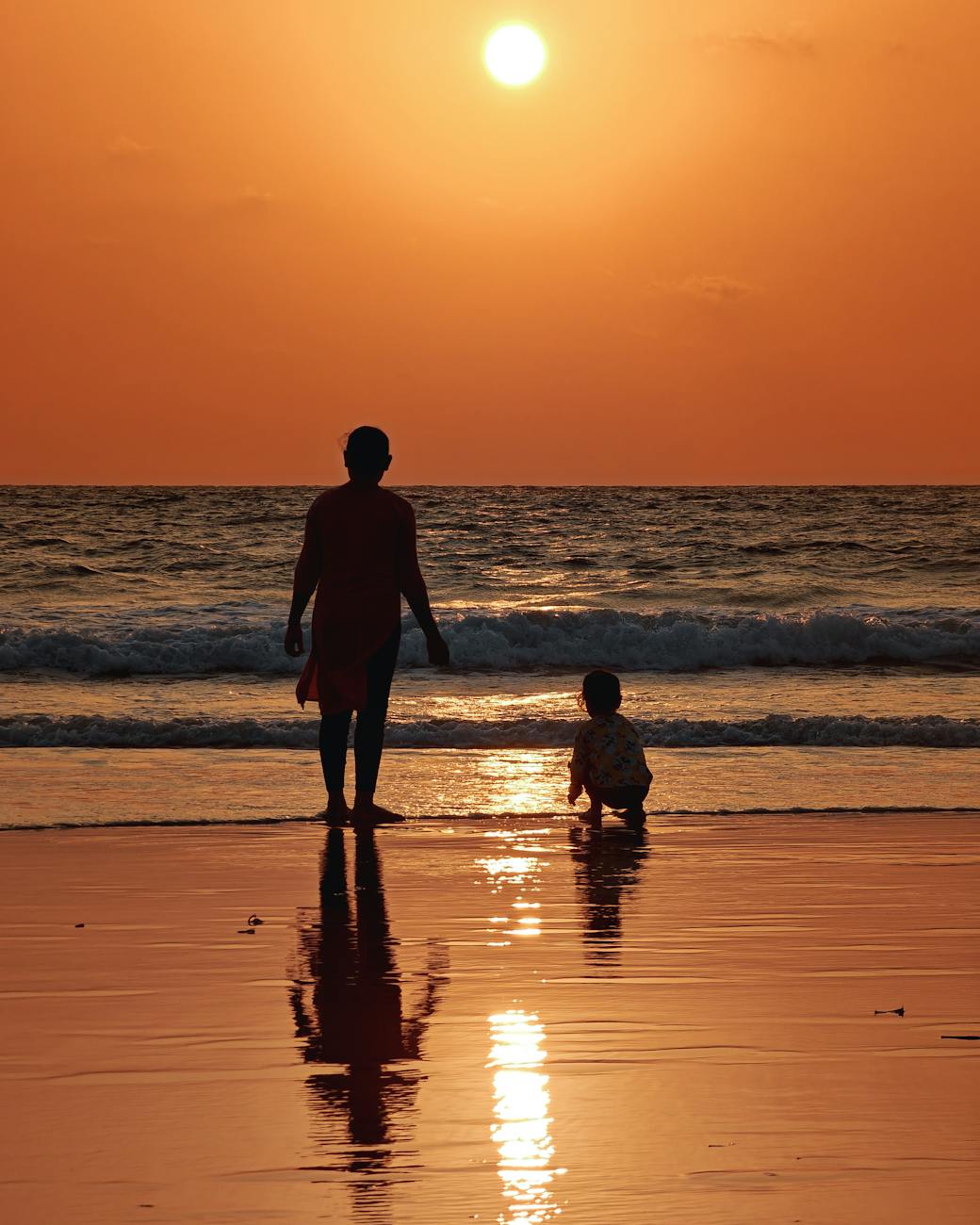
3 Days in Calangute: A North Goa Beach Itinerary
Plan 3 days in Calangute with beaches, Fort Aguada, markets and water sports. Practical tips, food picks, transit advice and a day-by-day itinerary.
A compact, search-ready 3-day itinerary for Calangute: beaches, forts, markets, water sports and local food—ideal for a beach weekend or quick Goa escape.
Calangute is a lively North Goa beach town known for wide sandy shores, beachfront shacks, water sports and a lively market scene. It suits beach lovers, couples, groups of friends and families who want easy access to nightlife, seafood and day trips across North Goa. Three days is ideal: one day to settle in and enjoy the main beach plus watersports, one day for forts, shorelines and markets, and one day for a relaxed local experience and a short day trip. This timeframe balances activity and downtime and fits a long weekend from nearby cities.
Why Visit
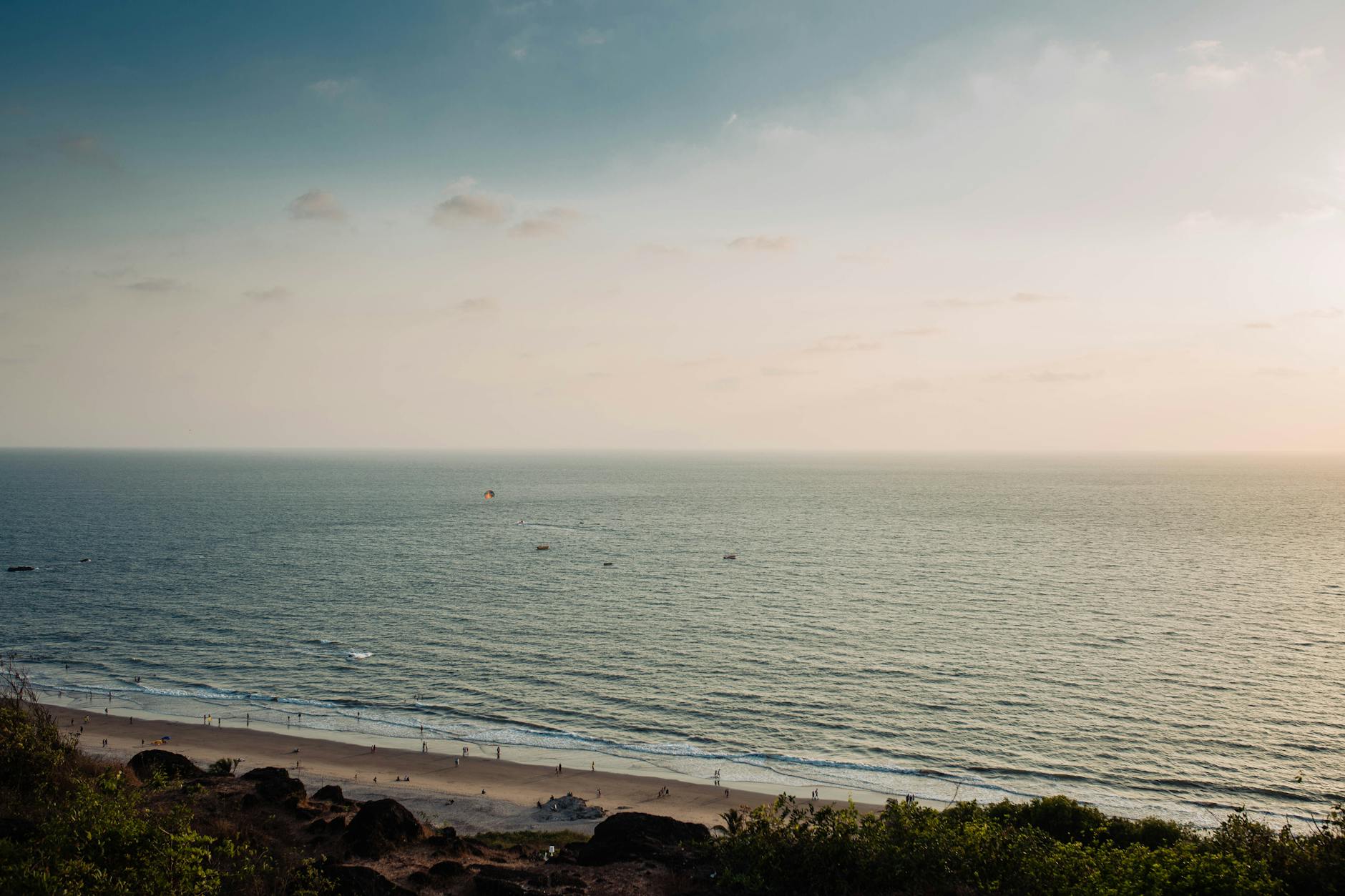
Come for the beaches: wide, lively and lined with shacks serving fresh seafood. The town is a gateway to classic North Goa scenes—sunset forts, bohemian markets and pulsing nightlife. Water sports are a major draw: parasailing, jet-skiing and banana boats run from the main strip. Food is another reason to visit: local Goan curries, beach shacks and bakeries mix Portuguese and Konkani flavors. Calangute also makes a convenient base for half-day trips to Panaji, Old Goa and nearby beaches like Baga, Candolim and Anjuna.
Quick Planning Tips
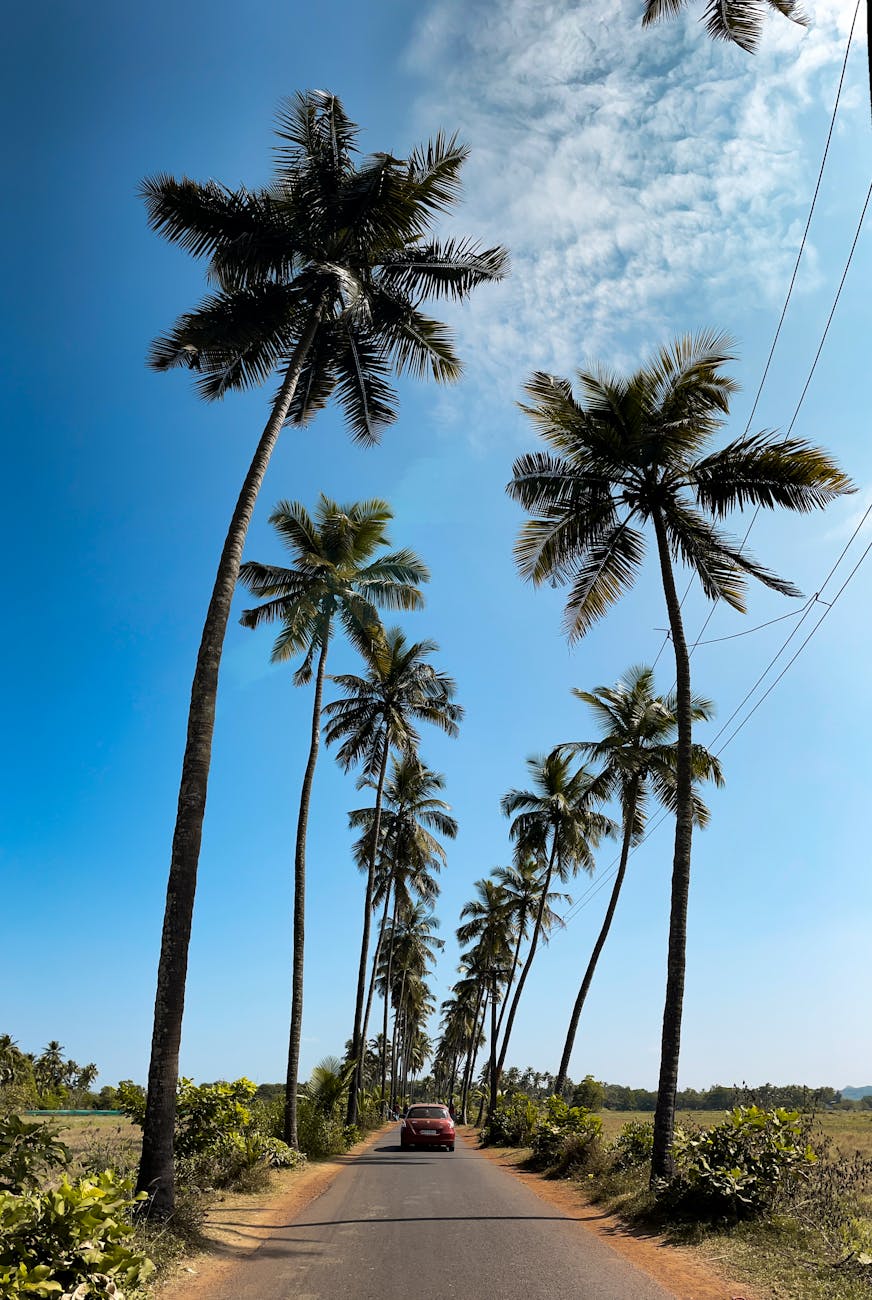
Nearest airport: Dabolim (GOI), about 40–50 km away. Nearest major train station for North Goa: Thivim, around 20–25 km. Book accommodations early for November–January. Rent a scooter for the most flexible local travel; app taxis operate but can be slower in peak times. Carry sunscreen, a light rain jacket in monsoon months and a photocopy of your ID—many bars require ID. Cash is still useful for small shops and beach vendors; ATMs are common but withdraw in town centers.
Day 1
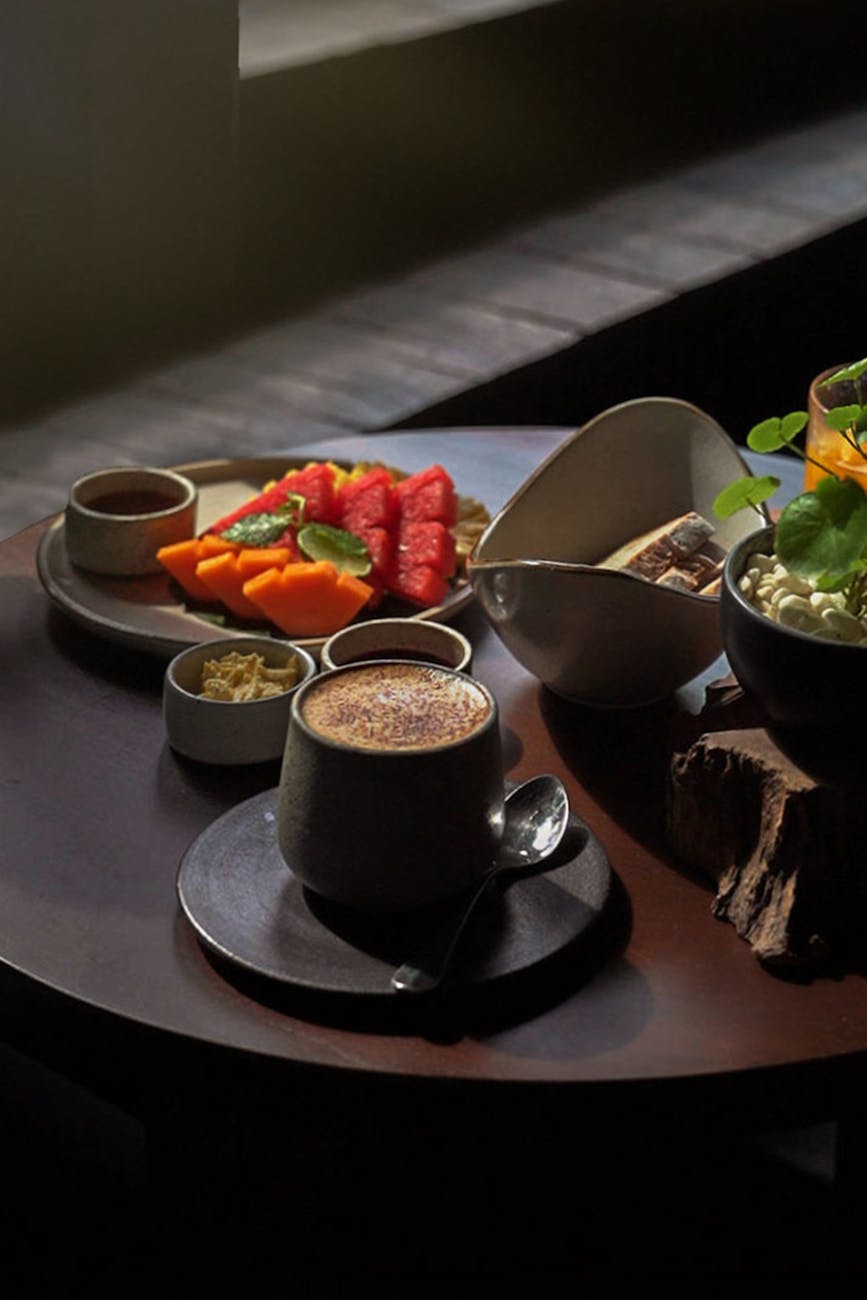
Morning: Start with a beach breakfast at a shack on the main Calangute strip, then relax on the sand or try beginner-friendly surfing lessons. Midday: Book a water-sports package—jet-ski, parasail or banana boat at Calangute/Baga. Lunch: Eat at a popular shack—try fish curry or prawn thali. Afternoon: Wander Calangute Market and nearby lanes for beachwear and souvenirs. Evening: Head to Baga for dinner and nightlife along Tito’s Lane, or if it’s Saturday, visit Arpora Night Market for food and live music. Transit tip: scooters cut 10–20 minutes off every short trip between beaches.
Day 2
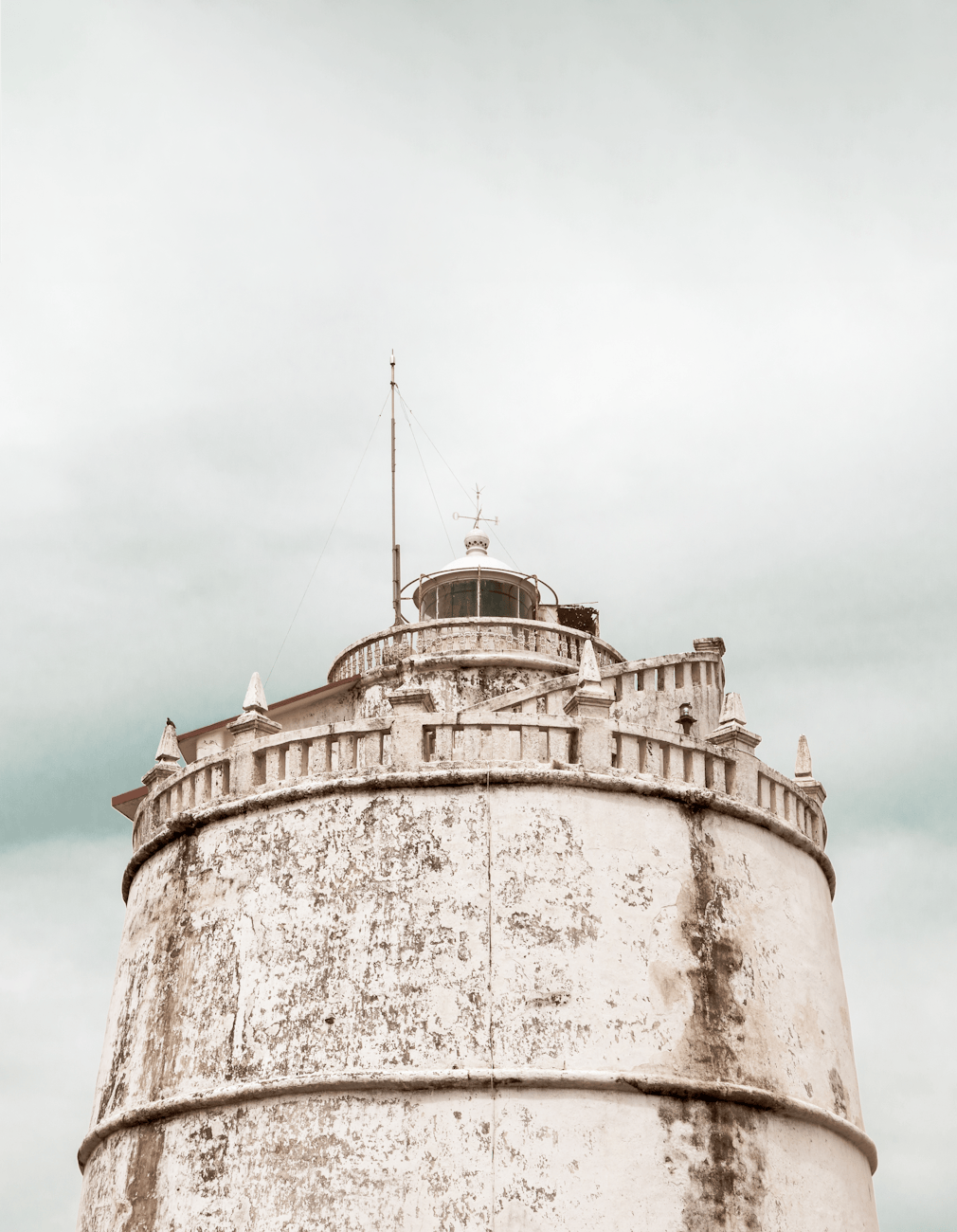
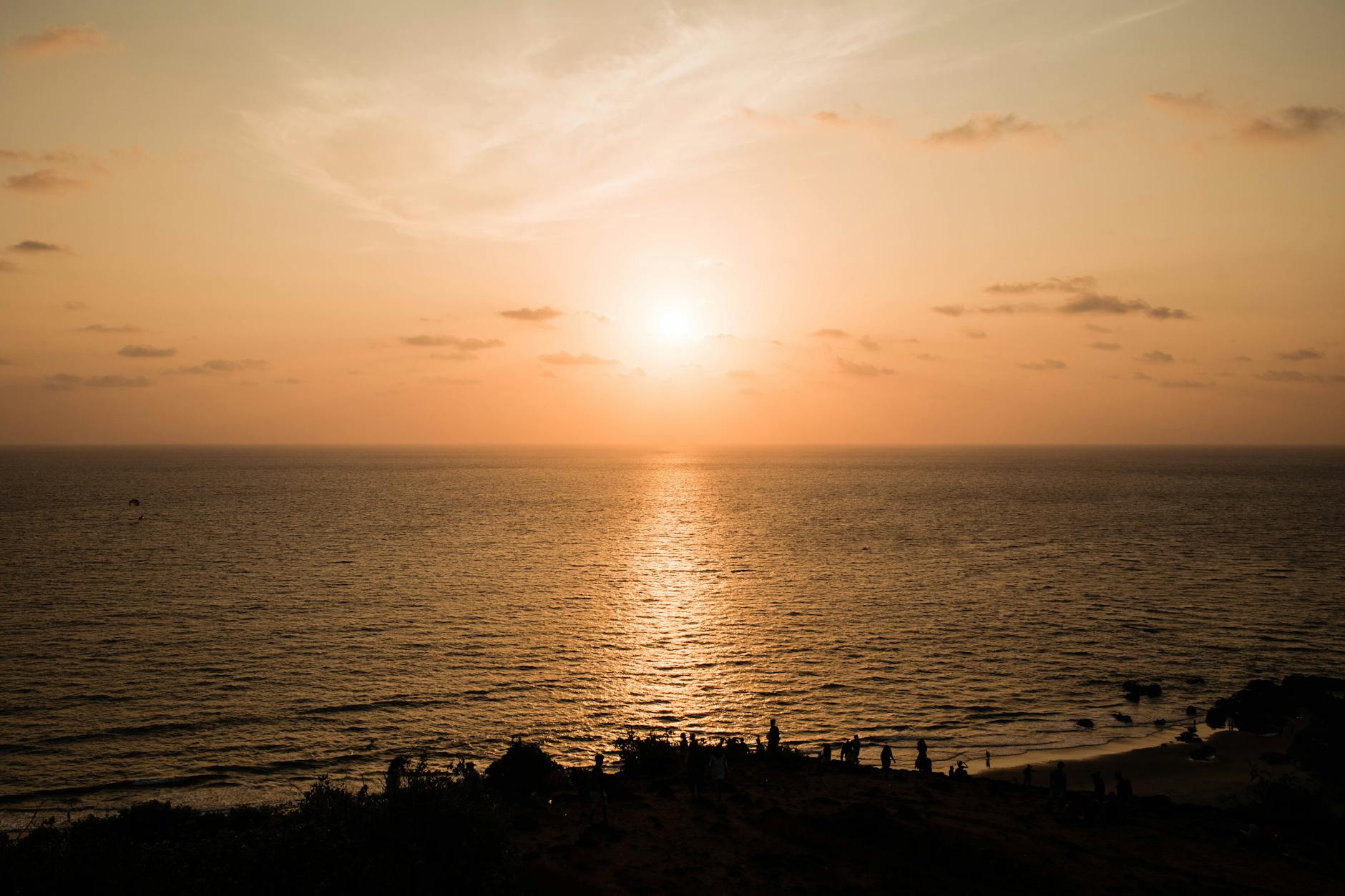
Morning: Drive north to Fort Aguada and climb the Aguada Lighthouse for ocean views, then stroll Candolim’s quieter sands. Midday: Lunch at a beachside café in Candolim or return to Calangute. Afternoon: Visit Chapora Fort for a classic sunset viewpoint overlooking Vagator and Anjuna. If it’s Wednesday, time Anjuna Flea Market for boho crafts; otherwise explore Anjuna’s cafés and boutique shops. Evening: Try Goan seafood at a well-reviewed restaurant; seek live acoustic music at a beach bar.
Day 3
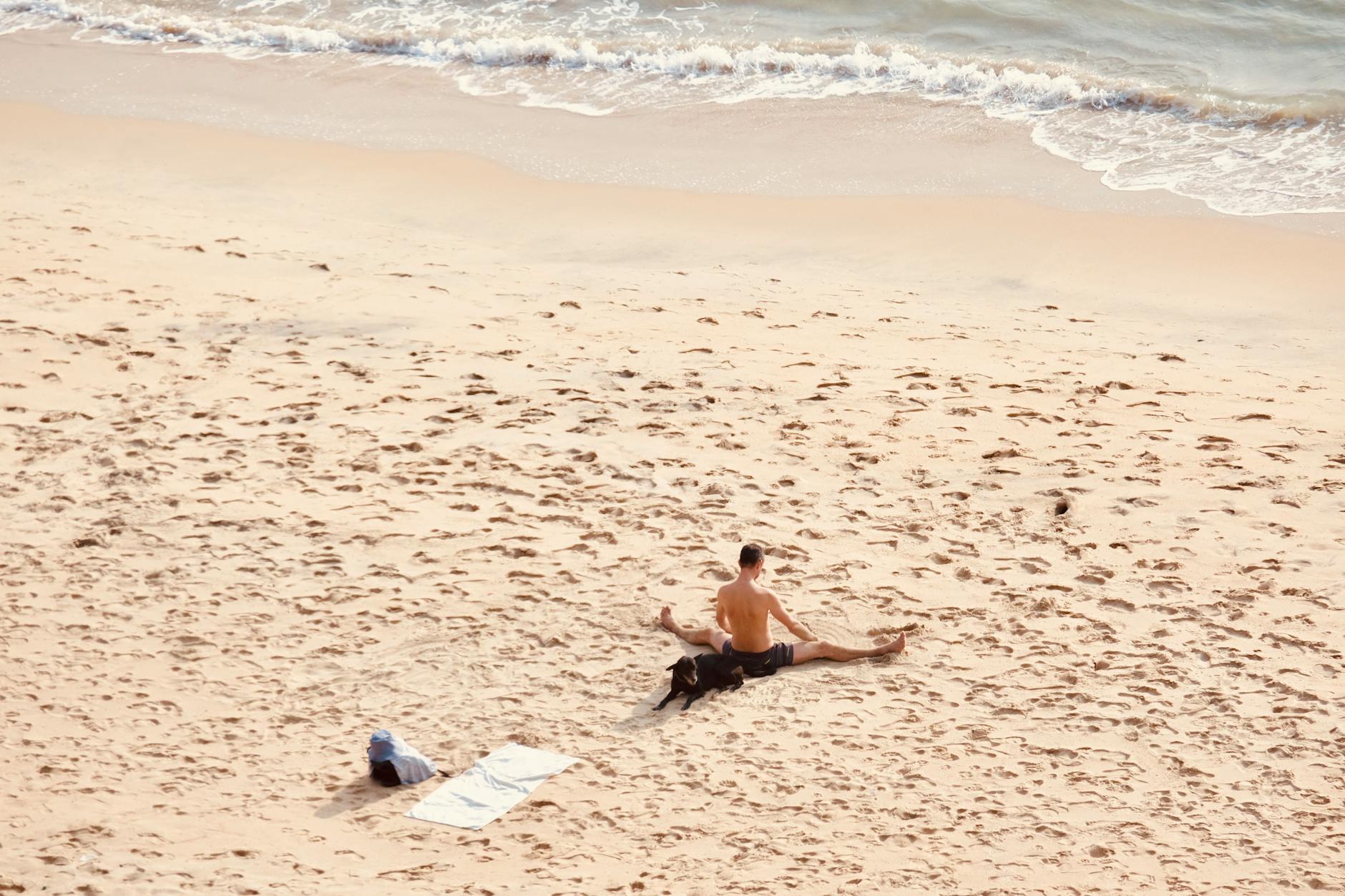
Morning: Slow start with a yoga class or early dip at Calangute, followed by a stroll to St. Alex Church and the local fish market. Midday: Choose between a spice plantation tour inland or a short dolphin-watching boat trip from Baga. Lunch: Eat at a family-run restaurant to sample traditional Goan dishes like vindaloo or xacuti. Afternoon: Final shopping in Calangute Market or relax at the beach until departure. Departure tip: allow extra time for traffic toward the airport or train station, especially on Sundays and evenings.
Best Local Experiences
Eat breakfast at a beachfront shack and linger over seafood. Take a beginner surf lesson or book parasailing for aerial views. Shop the Arpora Saturday Night Market or the weekday Anjuna Flea Market for crafts and vintage finds. Catch sunset from Chapora Fort. Join a spice plantation tour for local flavor and a home-cooked meal. Experience live music at bars in Baga and Calangute and sample Goan desserts like bebinca at a bakery. For a quiet morning, watch fishermen at work on the shoreline.
Where to Stay
Calangute and Baga are best for beachfront access, nightlife and water-sports convenience. Candolim offers a slightly quieter, family-friendly stretch with easy access to Fort Aguada. Anjuna suits bohemian travelers who prefer boutique guesthouses and cafés. For a calmer base, consider staying in Panaji and commuting for day trips. Book early in high season; if you want budget options, look for guesthouses and homestays near the main road, while mid-range and boutique resorts line the beach.
Food and Drink
Sample Goan specialties: fish curry rice, prawn balchao, chicken xacuti, vindaloo and bebinca for dessert. Beach shacks serve fresh-caught seafood with views; look for busy places for turnover and freshness. Tito’s Lane in Baga is a nightlife hub; for relaxed evenings choose seaside cafés in Calangute or Candolim. Try local bakeries for poi bread and Goan sweets. Note: always drink bottled water, ask about spice levels and be cautious with roadside ice. Most restaurants accept cards, but smaller stalls prefer cash.
Getting Around
Best option: rent a scooter or motorbike for short hops between beaches and markets. Taxis and app-based rides (Ola/Uber) operate, but expect surge pricing and limited availability late at night. Local buses are the cheapest way to travel to Panaji, Mapusa and other towns, but they can be crowded. Auto-rickshaws are uncommon for long rides—negotiate fares beforehand. For island or river trips use local ferries from Panaji. Always carry the address of your hotel and a local SIM for maps and bookings.
Best Time to Visit
Peak season: November to February—cool, dry and lively with festivals; book ahead. Shoulder season: March to May—hotter, fewer crowds and lower prices if you can handle the heat. Monsoon: June to September—low season, green landscapes and excellent surf; many beach shacks may be closed but rates drop. Festivals: Christmas, New Year, Carnival and Shigmo bring colorful local culture and busy markets; expect higher prices and crowds then.
Budget and Practical Tips
Daily budget estimates (per person): budget 1,500–3,000 INR, mid-range 4,000–8,000 INR, splurge 10,000+ INR for beachfront resorts and fine dining. ATMs and card acceptance are common in town centers—carry cash for stalls and beach vendors. Respect local customs: modest dress in churches and villages, and observe no-litter rules on beaches. Tip 5–10% in restaurants if service isn’t included. Safety: keep valuables locked, avoid isolated beaches at night, and drink responsibly. Carry sunscreen and insect repellent, and keep hydrated in the heat.
FAQ
Is 3 days enough to enjoy Calangute?
Yes. Three days lets you experience main beaches, Fort Aguada, a market and a relaxed day trip while leaving time to unwind.
How do I get to Calangute from the airport?
Dabolim Airport is the closest; expect a 40–50 km taxi ride. You can also take a train to Thivim and taxi from there.
Do I need a scooter license?
Renters typically ask for a driving license; an International Driving Permit is recommended if you don’t have an Indian license.
Are beaches safe for swimming?
Many beaches are safe but check local flags and ask lifeguards about currents; avoid swimming at night.
When is the best time to visit for good weather?
November to February offers the most pleasant weather and festival atmosphere.
Can I find vegetarian food easily?
Yes. Many shacks and cafés offer vegetarian and vegan options alongside seafood.
Conclusion
Three days in Calangute hits the highlights: sun, sea, seafood and markets with easy access to forts and nearby beaches. Use a scooter for flexible exploration, book ahead in peak season and reserve one evening for a market or sunset at Chapora Fort. This compact itinerary suits a long weekend or a relaxed getaway from nearby cities—pack sunscreen and an appetite for Goan flavors.
How this guide was prepared
This guide was prepared through a structured research that combines destination research, geographic context, itinerary planning logic, and content review.