
Practical 3-Day Pune Itinerary: City Guide and Plan
A realistic 72-hour plan for Pune covering forts, markets, museums and neighbourhood food scenes with transit tips, budgets, and what to skip.
A no-nonsense 3-day plan that balances forts and hill views, market shopping and museum visits, and Koregaon Park food and nightlife, with transit and budget details.
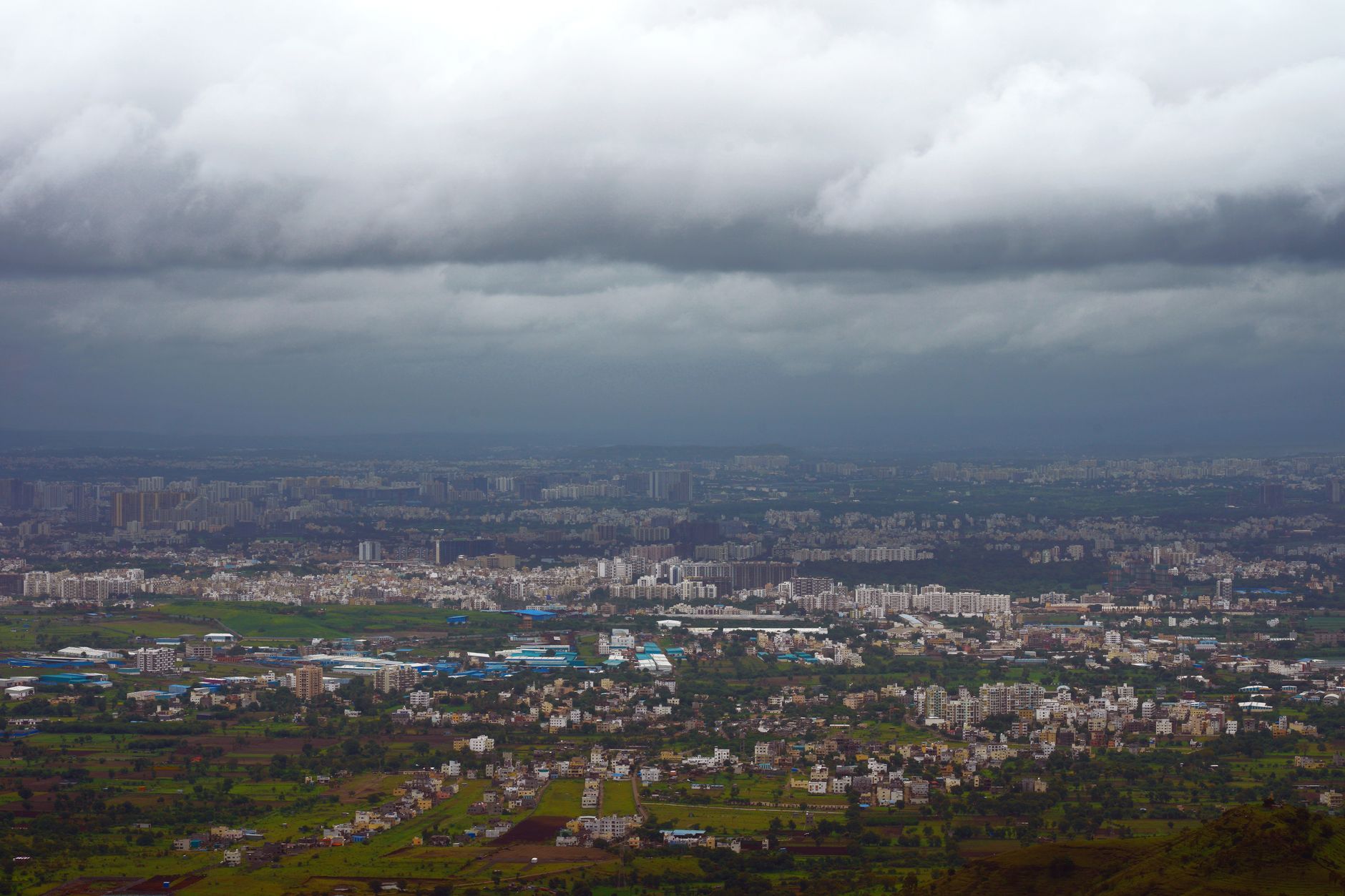
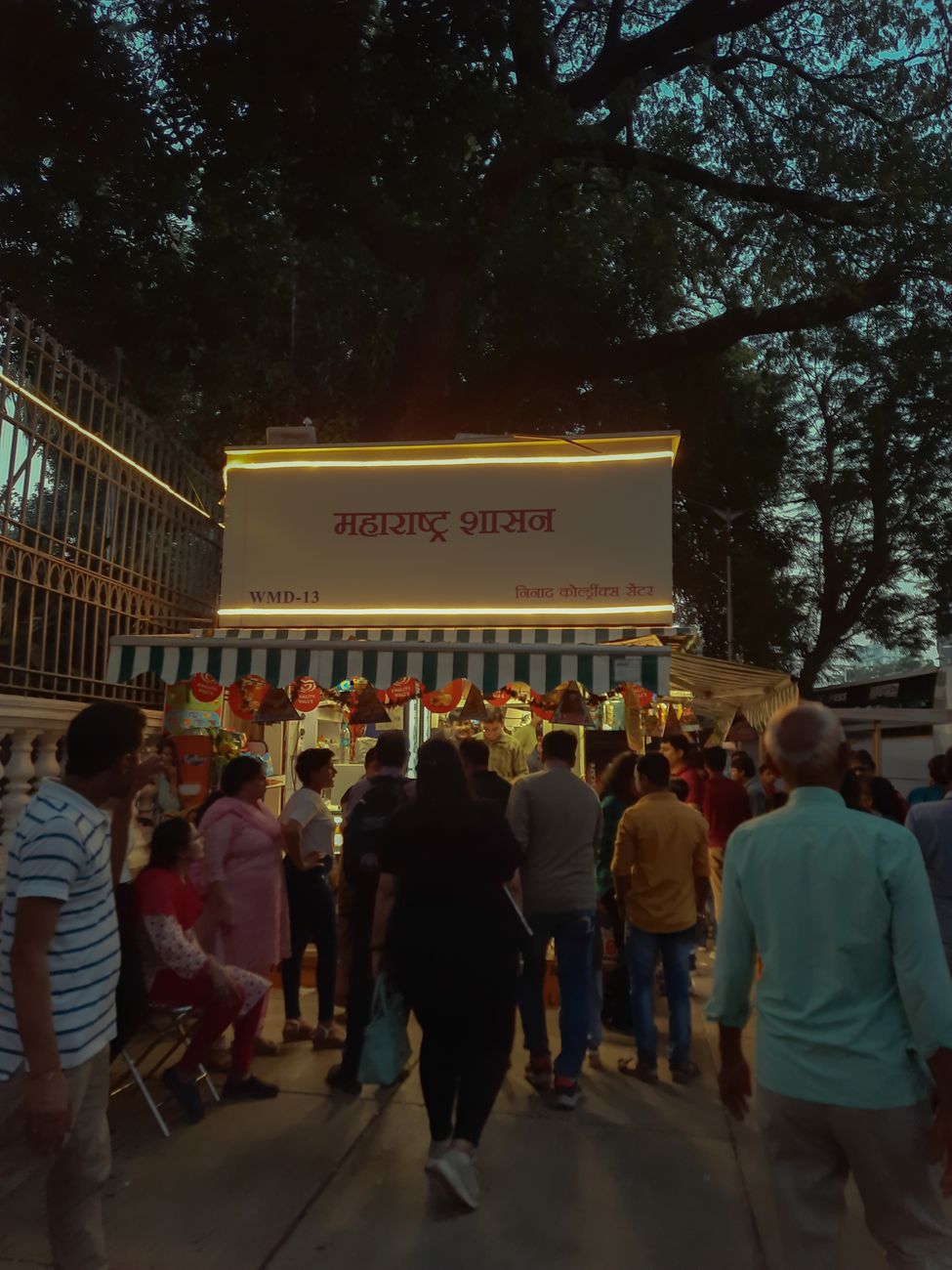
Expect a city where office rhythms meet old neighbourhood life. Streets near Deccan and FC Road glow with daytime shoppers and students, while lanes in Koregaon Park change from quiet daytime cafés to busy dinner traffic after sundown.
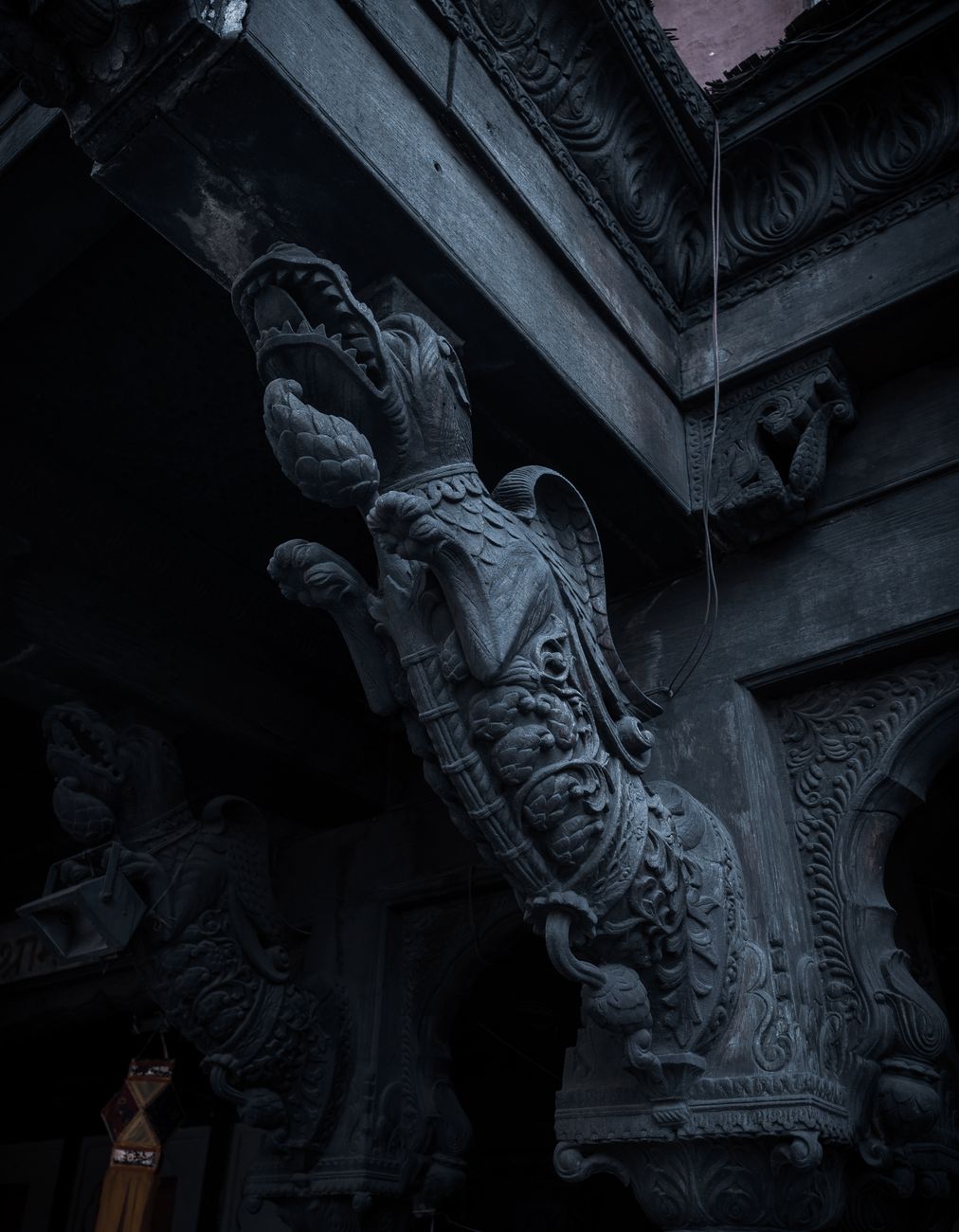
Central plazas and old peths show layers of Maratha and colonial architecture alongside modern IT offices. Many visitors arrive expecting nonstop nightlife or sweeping hill views; instead, find concentrated pockets of good food, several compact museums, and a handful of forts that need a car to reach.
This plan suits travellers willing to trade long beach days for shorter walks, museum stops, and at least one drive up to a hill fort. Expect heat in summer and heavy rain in monsoon; schedules must allow margins for traffic.
Is 3 days in Pune enough?
Yes—three days can cover central forts, a major museum or two, the Koregaon Park food scene, and a market sweep. One honest caveat: a full hill-station day trip such as Lonavala or a relaxed Sinhagad hike takes most of a day and will force sacrifices elsewhere.
Who This Guide Is For
Best for travellers on a long weekend who like history, street food, and short urban walks. Not ideal for those wanting a restful beach or full countryside holiday on the same trip.
Local Tips for Pune
Practical details that most travel sites skip — specific to Pune.
- Lohegaon Airport (PNQ) to Koregaon Park or Deccan takes 20–40 minutes by app taxi (Ola/Uber); expect ₹600–900 depending on traffic and surge times.
- Pune Junction (PUNE) has a railway cloakroom for luggage; ask at the station master’s office before planning a day with an afternoon train or flight.
- Buy a local prepaid SIM at the airport counter (Jio or Airtel); a 30–60GB bundle commonly costs about ₹300–600 with ID and photo copy requirement.
- Short auto-rickshaw trips in central areas typically cost ₹50–150; insist on the meter or use Ola/Uber for fixed fares when available.
- Aga Khan Palace has set opening hours (roughly 9:30–17:30) and a small entry fee plus a Gandhi museum; visit mid-morning to avoid the midday crowds.
How This Guide Was Prepared
This guide treats Pune as a working regional capital rather than an overpolished tourist showcase. Most guides either cram in far-off hill stations or reduce the city to a single neighbourhood; this plan prioritises realistic travel times, local food spots, and how to use city transit to avoid wasted hours. This guide was prepared through a structured research that combines destination research, geographic context, itinerary planning logic, and content review.
Plan Your Stay in Pune
Use this itinerary as your starting point, then compare areas to stay, transport options, seasonal timing, and realistic daily costs before booking.
Why Visit
Fort-accessibility and short drives are a practical advantage. Sinhagad Fort and historical sites like Shaniwar Wada are reachable in half- to full-day outings from central hotels.
Food variety is unusually broad for a city this size. Classic Irani cafés such as Goodluck and Kayani Bakery pastries sit next to spicy Maharashtrian dishes like misal pav and the local special Mastani.
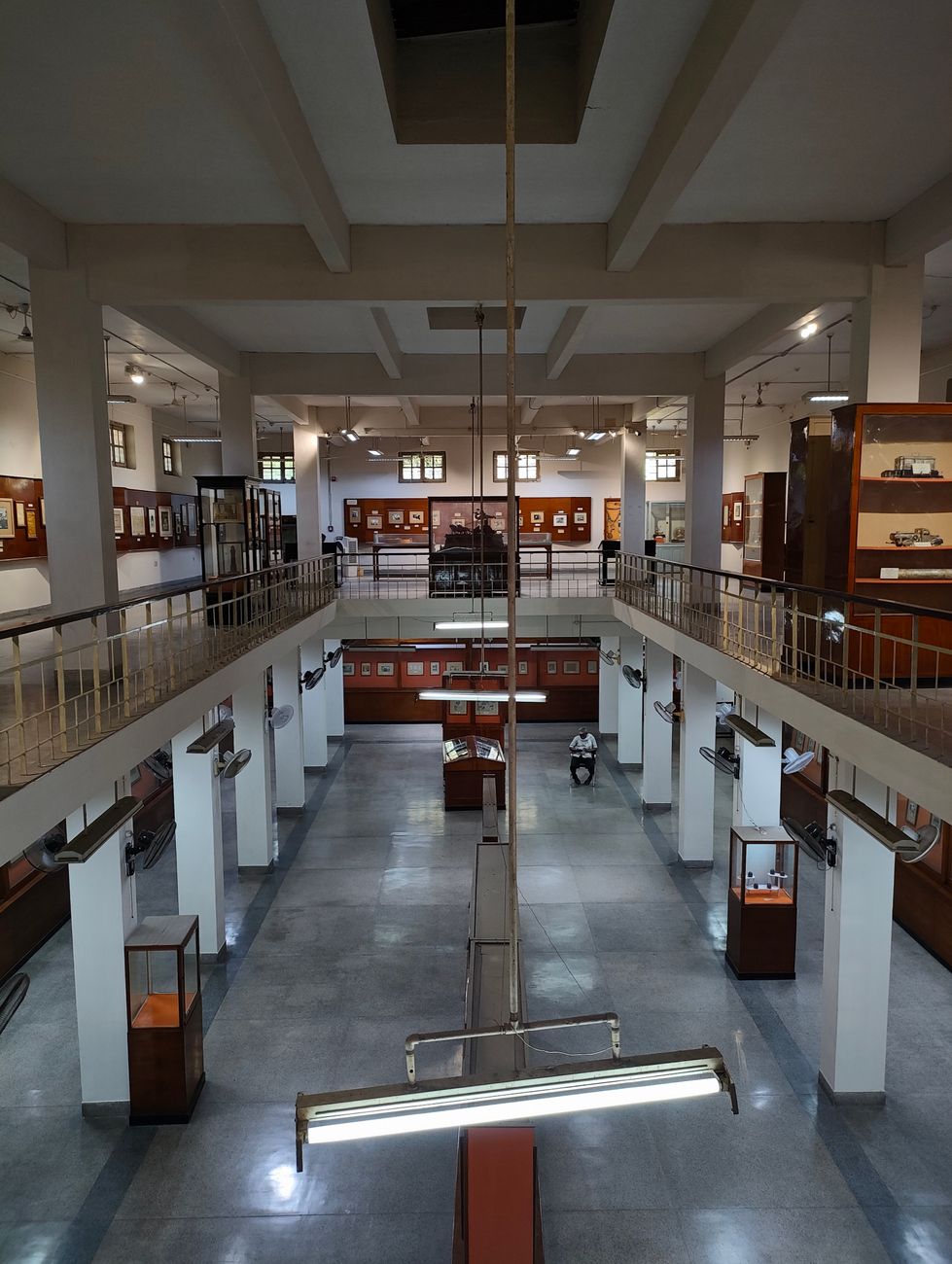
Museums and small civic sites offer direct local context. Raja Dinkar Kelkar Museum, Aga Khan Palace’s Gandhi exhibits, and Pataleshwar cave temple provide compact, often inexpensive visits that fit into a tight schedule.
Quick Planning Tips
Fly into Lohegaon Airport (PNQ) for the quickest arrival; the prepaid taxi counter or app taxis are the simplest options to avoid haggling. If arriving by rail, Pune Junction is the main station with good connections to local taxis and buses.
Carry small denominations of Indian rupees; many street stalls prefer cash and some smaller shops add a card minimum. UPI, Google Pay, and phone-based wallets are widely accepted in restaurants and for taxis.
Avoid scheduling tight itineraries that cross the city during 8:30–10:30am or 5–8pm. Traffic can add 30–60 minutes to any journey in those windows and that single planning mistake erases multiple short visits.

Day 1
Start in the old core with Shaniwar Wada. Allow 45–60 minutes for the external ramparts and courtyard and expect crowds at midday. Walk 10–15 minutes to Dagdusheth Halwai Ganpati for a quick visit to one of the city's most frequented temples.
From there, walk or take a short auto (5–10 minutes) to Laxmi Road and the adjoining Tulsi Baug for market browsing and inexpensive textiles and jewellery. Lunch at Vaishali on Fergusson College Road offers a reliable South Indian and Maharashtrian menu; plan for a 10–15 minute auto from Laxmi Road.
After lunch, visit Raja Dinkar Kelkar Museum (about 10 minutes by auto from Vaishali). Budget 60–90 minutes to see the collection. Late afternoon, stroll to Pu La Deshpande Garden or Saras Baug for a quieter green space; both are 10–20 minutes from the museum.
Evening recommendation: head to Koregaon Park lanes for dinner and a pint or craft beer at Doolally Taproom or one of the lane restaurants. Expect a 20–30 minute drive from central Deccan areas depending on traffic.
Day 2
Choose a hill or heritage day. For a fort-focused morning, depart early for Sinhagad Fort—approximately 45–60 minutes by car from central areas. Allow 3–4 hours for the climb, viewing, and a simple fort-side snack of bhutta, pithla or omelettes sold by stalls at the top.
If preferring museums and colonial-era sites, stay in town and start at Aga Khan Palace. Plan 60–90 minutes for the palace and Gandhi exhibits. From Aga Khan Palace, a short 10–15 minute drive reaches Osho International Meditation Resort and Koregaon Park for a late lunch and café time.
An alternative afternoon is Parvati Hill and Parvati Temple, which offers a compact climb and city panorama; the site is 15–20 minutes from Deccan or Shivaji Nagar. End the day in FC Road or Deccan Gymkhana with dinner at an Irani café such as Goodluck or at rooftop restaurants in Koregaon Park.
Transport note: share or book a cab for the fort day to avoid spending time on changing vehicles. Bring water and light rain protection during monsoon months.

Day 3
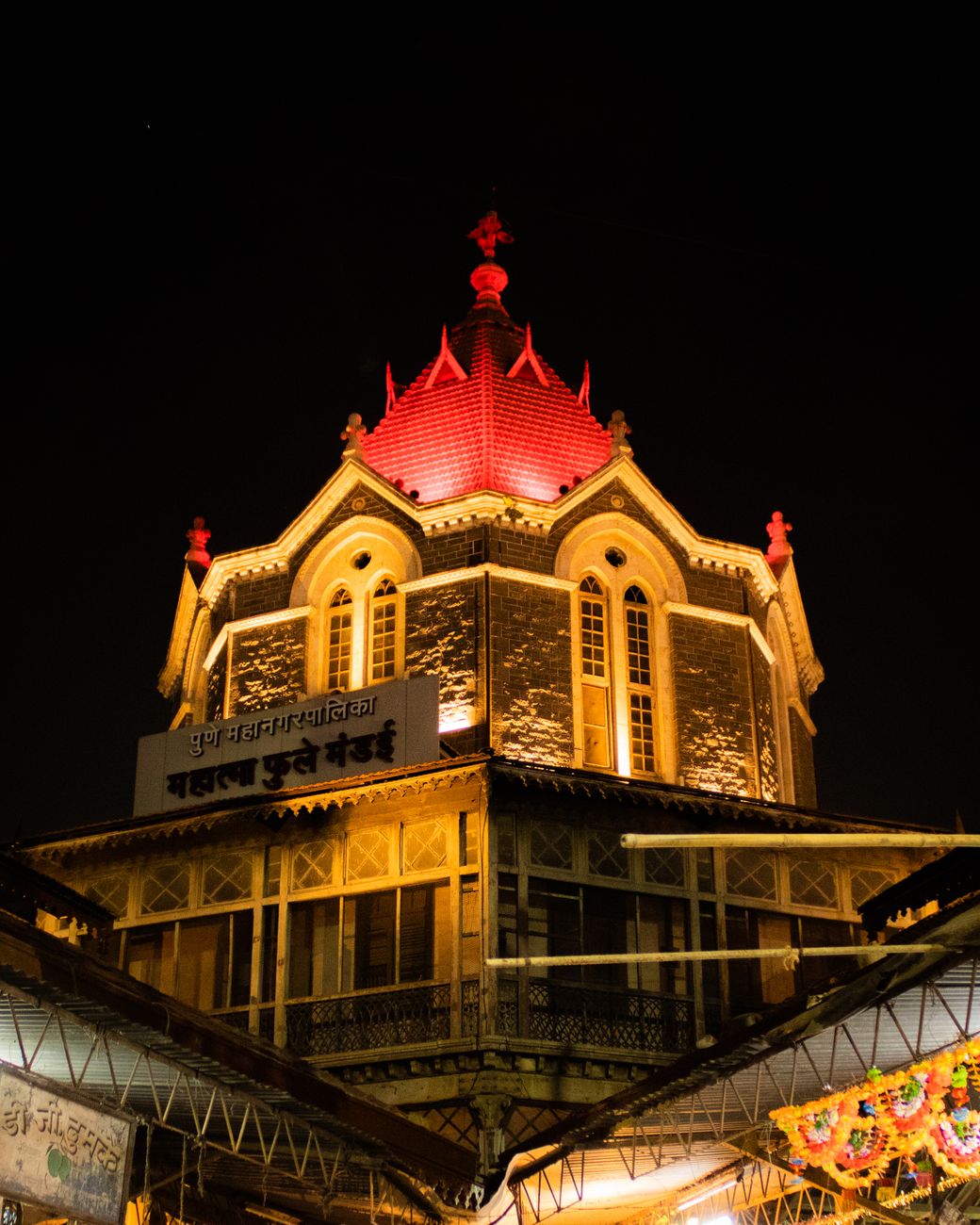
Reserve the last morning for markets and a relaxed neighbourhood walk. Start at Pune’s Mahatma Phule Mandai (for produce and snacks) and then move to Tulsi Baug if any jewellery or brassware is on the shopping list. Both spots are compact; allow 90–120 minutes if shopping.
If an afternoon flight or train is scheduled, use hotel luggage storage or the cloakroom at Pune Junction, and plan any remaining visits close to your departure route. Pataleshwar Cave Temple near JM Road fits into a mid-morning slot and is about 10–15 minutes from Deccan.
For a final local food stop, visit Kayani Bakery for biscuits and Shrewsbury, or Vohuman Café for a quick Irani-style breakfast; both are near central transit corridors. If time allows, stop at Khadakwasla Dam for a late-afternoon view on the way to an evening train or airport transfer—expect 30–45 minutes drive from central areas.
Travel note: plan at least 2 hours to reach Lohegaon Airport from Koregaon Park or Deccan during typical evening traffic and longer during festival days.
Best Local Experiences
Walk FC Road (Fergusson College Road) for student cafés, bookshops, and late-evening street food such as bhelpuri and vada pav stalls. Visit Laxmi Road and Tulsi Baug for traditional shopping and small family-run jewellery stores.
Attend a weekend light-and-sound or evening event at Shaniwar Wada when scheduled. Try a Mastani at an old Irani café or specialised shop; the dessert-milkshake hybrid is a local claim to fame.
Hike or drive to Sinhagad Fort for sunrise or a late afternoon visit to avoid midday heat. Explore Koregaon Park’s lane culture for new restaurants, craft beer at Doolally, and café culture. Time visits to coincide with Ganesh Chaturthi if travelling in August–September; the festival brings major street processions and loud but memorable local celebrations.
Where to Stay
Koregaon Park: suits food-focused travellers and nightlife. Close to lane restaurants, Osho Road and many cafés. Expect ₹3,000–₹8,000 per night for mid-range to boutique hotels (roughly €35–95 / $38–105).
Deccan Gymkhana / FC Road: suits shoppers, students, and those who want walkable streets and Irani cafés. Near Raja Dinkar Kelkar Museum and many bus routes. Mid-range options run ₹2,000–₹5,000 per night (about €23–60 / $25–65).
Viman Nagar / near Airport: suits business travellers or early flights. Near Phoenix Marketcity mall and direct taxi route to Lohegaon. Expect ₹2,500–₹6,000 per night (about €30–70 / $32–75).
Food and Drink
Misal Pav: a spicy sprouted bean curry served with pav and farsan. Find reliable versions at Aaram Vada Pav stalls or at popular eateries near Shivaji Nagar; typical price ₹80–180.
Mastani: a thick milkshake with ice cream, nuts and syrup. Try at legacy cafés in Deccan and near Pune Station; expect ₹120–300 for a substantial portion.
Bakarwadi: a crunchy, spiced snack made into spirals. Chitale Bandhu is a famous shop on Laxmi Road; small packs run ₹120–350.
Kande Pohe: flattened rice with onions and mild spices for breakfast. Common at street stalls and cafes like Vohuman Café; price about ₹50–120.
Thalipeeth and vada pav: hearty local flatbread and the city’s staple street sandwich. Thalipeeth plates cost ₹70–150; vada pav is around ₹20–50 at street sellers.
Getting Around
Main modes are PMPML city buses, auto-rickshaws, app taxis (Ola, Uber), and Pune suburban trains on limited routes. Rapido bike taxis operate widely for short trips.
Pune Metro has sections open on the core corridors but coverage is limited; use it where it runs and combine with taxis for door-to-door travel. A single PMPML bus ride within the city typically costs ₹10–30 depending on distance. Auto-rickshaw short fares commonly fall in the ₹50–150 range.
Airport taxi fare to central areas is usually ₹600–900 by app taxi; prepaid counters at the airport set fixed fares. Useful apps: Ola/Uber for taxis, PMPML mobile app for bus info, and Google Maps for routing. Keep UPI or card for payment, and cash for small vendors.
Best Time to Visit
November to February offers the most comfortable temperatures, generally 12–30°C, and clear skies; expect higher hotel rates around Pune Festival and peak weekends. March to May is hot; daytime highs commonly hit 35–40°C and midafternoon outdoor plans feel draining.
June to September is monsoon season; roads and hill drives are scenic but heavy rains can delay plans and make Sinhagad muddy. For the best balance of price and weather, aim for late October through early December to catch post-monsoon greenery without peak festival crowds.
Budget and Practical Tips
Daily budget example (mid-range traveller): Accommodation ₹2,500–5,000, food ₹800–1,500, transport ₹300–800, entry fees ₹100–400; total roughly ₹3,700–7,700 per day (about €40–90 / $45–95). Budget travellers can cut accommodation and food costs substantially; luxury choices push totals much higher.
Entry fees: small museums and palaces commonly charge ₹20–300 for Indians and higher for foreign nationals in some places; always carry ID for Indian rates. Tipping: restaurants often add a small service charge; otherwise 5–10% is standard for good service. Auto drivers do not expect large tips but rounding up is normal.
Safety note: petty theft is the primary concern in crowded markets and rush-hour public transport. Keep belongings secure and use hotel safes for passports and extra cash.
FAQ
Is Pune safe for solo travellers?
Generally yes for daytime sightseeing and main neighbourhoods; avoid poorly lit lanes late at night and keep an eye on belongings in crowded markets.
Is there a city travel card worth buying?
No single tourist city card covers all attractions; use individual tickets, app taxis and PMPML bus tickets according to needs.
How do I get from Lohegaon Airport to central areas?
Use the prepaid taxi counter at arrivals or book an Ola/Uber; typical fares to Koregaon Park or Deccan are ₹600–900 depending on traffic.
Are there lockers at Pune Junction?
Yes—Pune Junction has a cloakroom; verify opening hours and costs at the station master’s office before travel.
Can a three-day visit include Lonavala?
Technically yes, but it requires a full day and will limit time in the city; better to choose either a fort day or a Lonavala day, not both.
Is English widely spoken?
Yes in hotels, cafes and by younger staff; Marathi and Hindi are common in markets and neighbourhood shops.
Conclusion
Three days lets a traveller sample the city’s forts, one or two museums, and key neighbourhood food scenes without constant rushing. The most memorable parts are the contrasts: old peth markets beside college streets and the relaxed evening café culture of Koregaon Park.
If short on time, prioritise a morning at Shaniwar Wada plus Raja Dinkar Kelkar Museum and reserve the evening for a Mastani and a Koregaon Park meal. That combination gives history, culture and food in a compact schedule.
How this guide was prepared
This guide was prepared through a structured research that combines destination research, geographic context, itinerary planning logic, and content review.