

Cannes in 3 Days: Practical Weekend Itinerary and Tips
A concise, practical 3-day Cannes guide with step-by-step daily plans, transit routes, realistic costs for museums and meals, and clear skip-it warnings.
A straightforward three-day plan focused on beaches, Îles de Lérins, Le Suquet and local markets, with exact transit and price notes for efficient short stays.
Arriving at the train station or by ferry gives a clear first impression: a compact, coastal town with a split personality. The waterfront is wide, polished and busy with tourists and business travellers, while a few blocks inland are narrow Provençal streets, small squares and working markets. Noise levels vary by zone and hour—expect festival noise in mid-May, high-season beach noise July–August, and quieter mornings outside July.
Most preconceptions are either too glamorous or too dismissive. Festival publicity makes the place seem solely glossy and expensive; local daily life is more modest, driven by restaurants, fishing boats and residents who shop at Marché Forville. The layout suits short stays because travel distances are small: beaches, old town and port are within 20–30 minutes on foot of the railway station.
This destination suits travellers who want a mix of sea, market food and a short island trip without long drives. It is less suited to those expecting cheap accommodations year-round or travellers looking for extensive museums and nightlife like larger cities offer.
Is 3 days in Cannes enough?
Yes—three days are enough to cover the Croisette and Palais des Festivals, wander Le Suquet, visit Marché Forville, and take a half-day to Îles de Lérins. The honest caveat: there won’t be time for a proper inland day trip to Aix or a full Marseille visit.
Who This Guide Is For
Best for travellers who want a short coastal mix of beach time, market food and a museum or two; not a great fit for strict budget backpackers or anyone expecting a low-cost nightlife week.
Local Tips for Cannes
Practical details that most travel sites skip — specific to Cannes.
- Ferries to Île Sainte-Marguerite and Île Saint-Honorat leave from Quai Laubeuf at Port de Cannes; round-trip fares are roughly €13–16 depending on season and operator.
- Take TER Provence-Alpes-Côte d'Azur trains between Nice-Ville and Cannes for regional hops; a single Nice–Cannes ticket usually costs about €4–7 if bought in advance on SNCF Connect.
- Marché Forville (rue du Marché Forville) runs mornings and is busiest 08:00–13:00; the flower and food stalls quiet down mid-afternoon and the market is largely closed on Monday mornings.
- Palais des Festivals guided visits are scheduled outside the main festival dates; expect entrance or tour fees around €8–15 and check opening times before visiting.
- Most sit-down restaurants in Cannes include service compris (service included) on the menu; leaving small change for table service is appreciated but not mandatory.
How This Guide Was Prepared
Cannes is often over-sold as only festival glamour and yachts; the real experience mixes Provençal market life, compact old streets, and short coastal trips. Many guides skip practical timing and transit details that decide whether three days feel rushed or relaxed. This guide was prepared through a structured research that combines destination research, geographic context, itinerary planning logic, and content review.
Plan Your Stay in Cannes
Use this itinerary as your starting point, then compare areas to stay, transport options, seasonal timing, and realistic daily costs before booking.
Why Visit
Clear reasons pull people to a short stay. First, the seafront promenade along La Croisette offers easy beach access, public promenades and high-end shops for a compact dose of Riviera coast without large travel times.
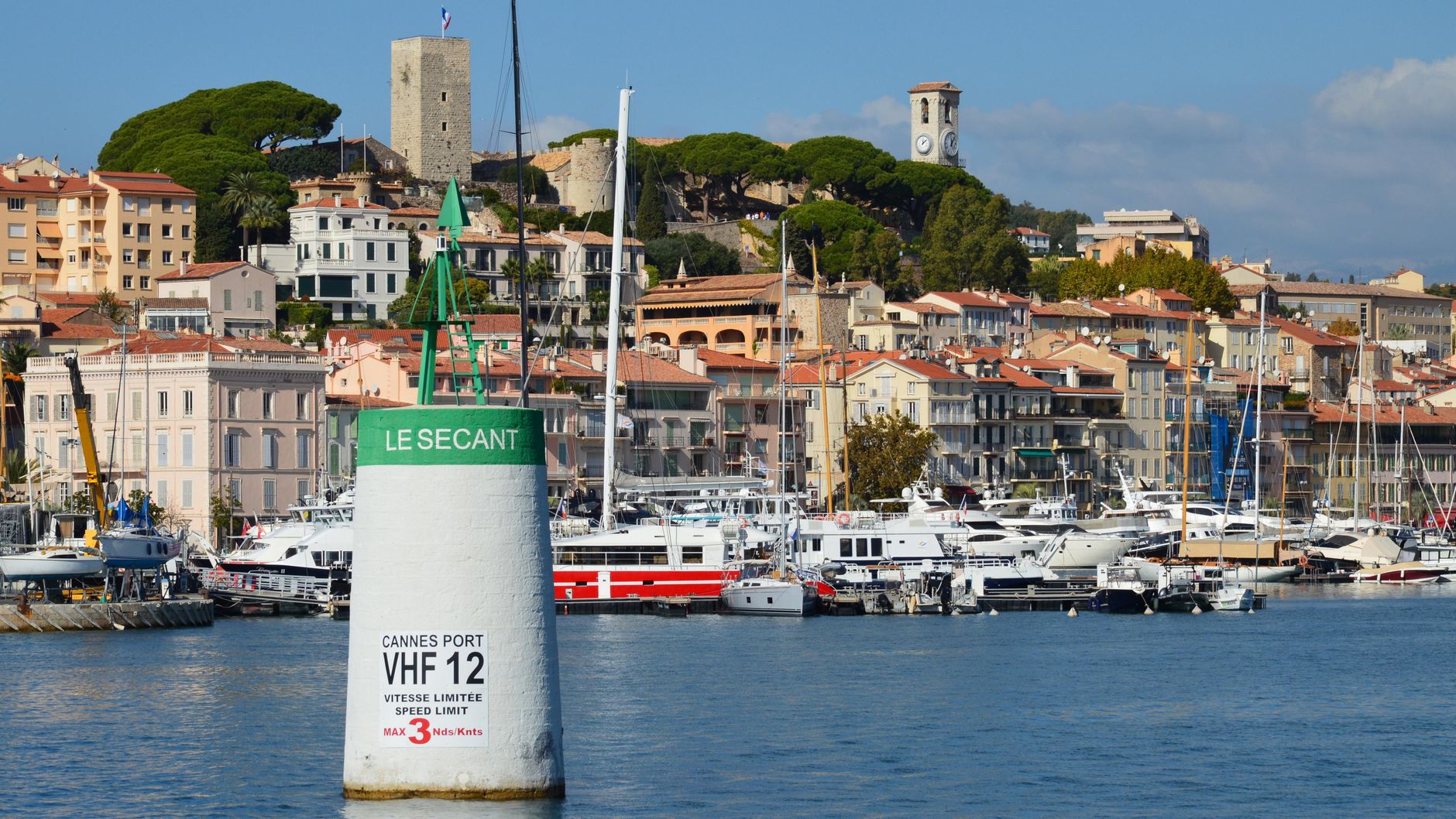
Second, the old quarter Le Suquet and Musée de la Castre provide a contained historical circuit; climb to the castle tower for views over the bay and islands. The area is walkable from the train station in 15–20 minutes and gives an immediate contrast with the waterfront.
Third, Îles de Lérins—specifically Île Sainte-Marguerite and Île Saint-Honorat—are a short ferry ride from Port de Cannes and make a half-day escape that feels distinctly different from beach sunbathing. The islands have monasteries, coastal paths and quiet bays.
Finally, Marché Forville and Rue d'Antibes are about where food and shopping intersect: fresh Provençal produce, local cheeses, and small shops where prices are more reasonable than the Croisette strip.

Quick Planning Tips
The easiest public route from Nice Côte d'Azur Airport is TER train to Cannes (train time ~30–40 minutes) via Nice-Ville; book tickets on SNCF Connect for best fares. From Nice Airport by taxi expect roughly €90–€120 one-way depending on traffic; shared shuttles can be cheaper but slower.
Carry a small supply of euros for market stalls; many shops accept cards but small vendors and some beach stands prefer cash. Credit cards are widely used but contactless limits may apply for very small purchases.
Avoid booking a hotel on La Croisette purely for prestige; prices spike during the film festival and many visitors prefer central streets behind Rue d'Antibes for quieter, more affordable options. Also check ferry timetables to the Îles de Lérins before committing to a morning tour; last return ferries vary by season and operator.
Day 1
Morning: Start at the Gare de Cannes for arrivals, then walk 8–12 minutes to Rue d'Antibes for coffee and window shopping. Rue d'Antibes connects the station area to the heart of town and is lined with mid-range boutiques and bakeries.
Late morning: Head to Marché Forville (5–8 minute walk from Rue d'Antibes) and sample local produce. Expect to spend 45–90 minutes wandering stalls; pick a fromage or olives for a light snack.
Lunch: Eat at a nearby bistro such as Astoux et Brun on Place Franklin (seafood-focused) or La Cave Forville for simple plates; plan €15–€28 per person. Walking time from Marché Forville to La Croisette is 10–12 minutes.
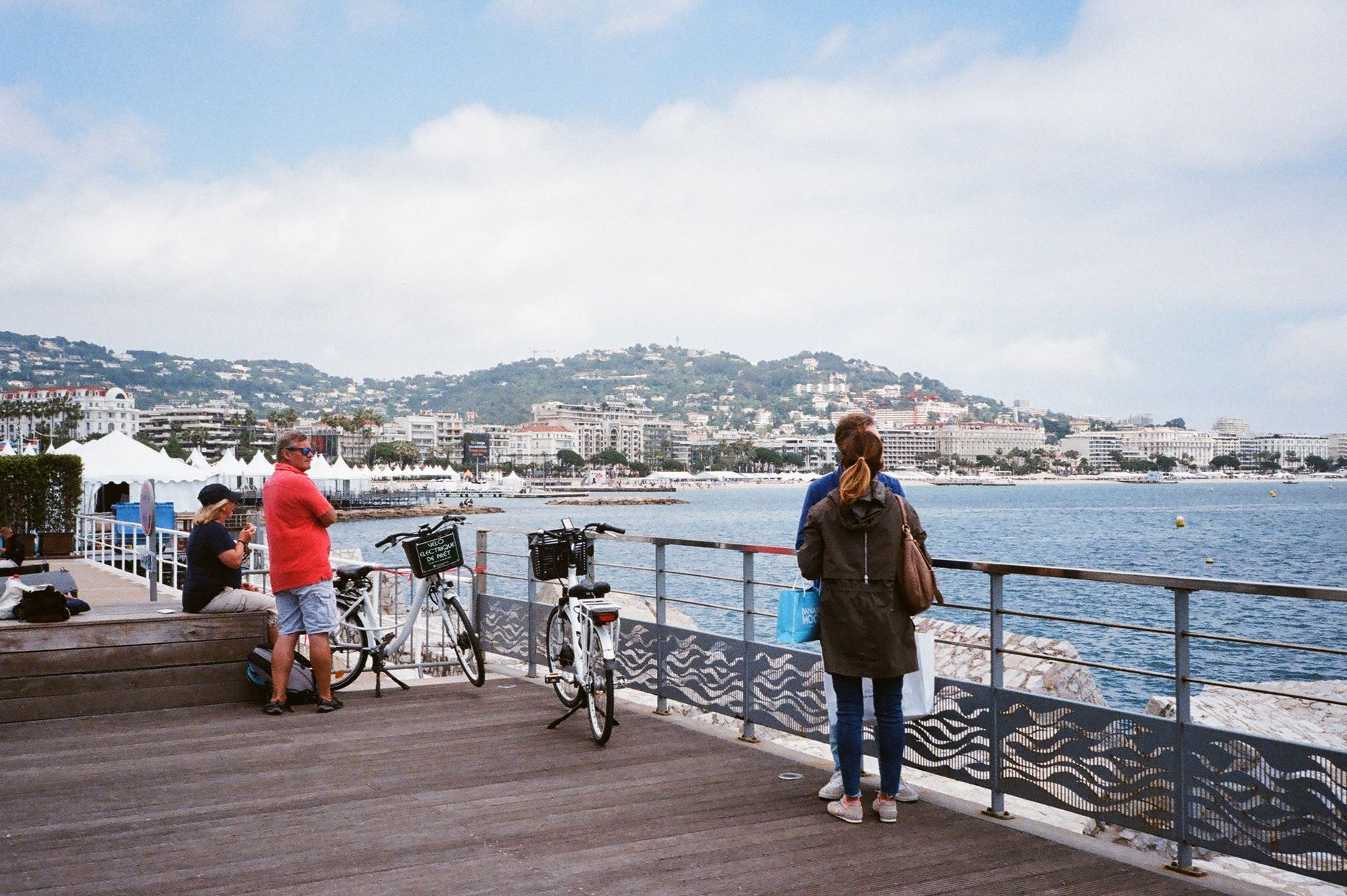
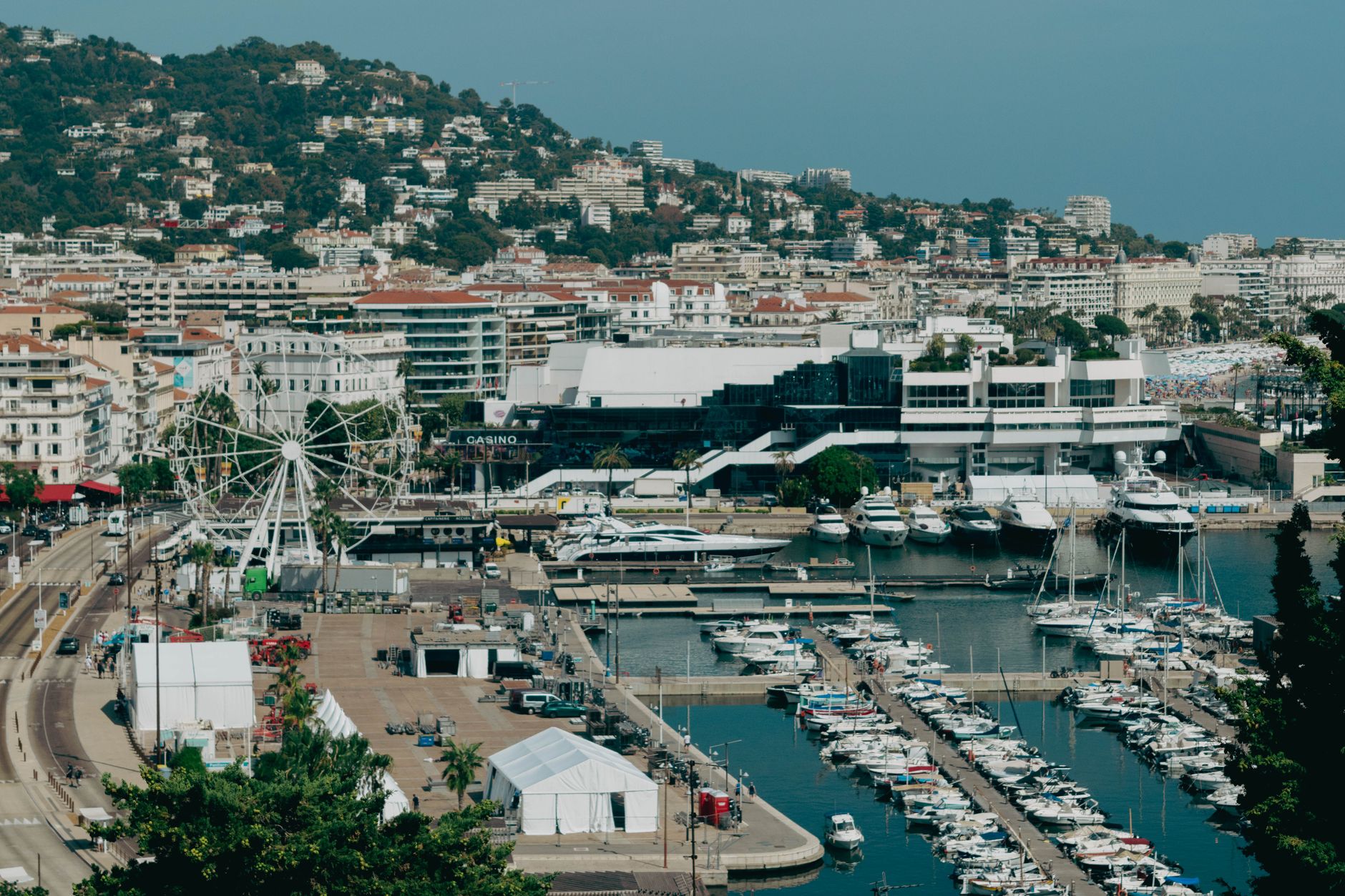
Afternoon: Walk La Croisette (30–45 minutes one-way at a stroll pace) to see Plage du Palais and the exterior of Palais des Festivals. Stop for photos on the Promenade des Planches and continue east to Port de Cannes (15 minutes from Palais des Festivals).
Evening: Return to Le Suquet for dinner at Rue Saint-Antoine or a tucked-away restaurant near Rue Meynadier. After dinner, climb to the Musée de la Castre viewpoint for sunset if open; it's a 10–15 minute uphill walk from the port.

Day 2
Morning: Take an early ferry from Port de Cannes to Île Sainte-Marguerite (10–25 minutes depending on operator). Ferries leave frequently in high season; aim to arrive 09:00–10:00 to avoid later crowds. On the island, follow the coastal path to the Fort Royal and the Museum of the Sea—allow 2–3 hours.
Lunch: Return to Port de Cannes and eat at a harbour-side brasserie such as Le Caveau 30 for fish or a salade niçoise; walking time from the ferry quay to harbour restaurants is under 5 minutes.
Afternoon: Ride or walk to Plage du Midi (15–20 minutes from the port) for beach time or rent a paddleboard. Alternatively take a short bus or taxi to Boulevard de la Croisette for a different stretch of beach.
Late afternoon: Visit Villa Domergue (on Rue des Belges, about 20–25 minutes on foot from central Croisette) if open for its garden terraces and panoramic views.
Evening: Have dinner back near the station or in Rue Meynadier where prices are steadier; consider an evening stroll along the Croisette after sunset to see the hotels lit up.
Day 3
Morning: Start in Le Suquet with a relaxed breakfast on Rue du Suquet or Place de la Castre; boulangeries open early and offer coffee and viennoiseries for €3–6. Spend time in the old streets and visit Musée de la Castre if not already done—museum entry about €6–€8.
Midday: Walk down toward the port and, if time allows, take a short boat taxi to adjacent coastal towns for a quick look or stay and explore Port de Cannes and its fish stalls. Allow 30–60 minutes for a final walk along the quays.
Lunch: Choose a midday plate at a café near Marché Forville, which is convenient for last-minute food purchases to take away. Expect €12–€25 per person for a main course and coffee.
Afternoon (checkout or departure planning): If catching an afternoon train or flight, leave 90–120 minutes for luggage checkout and transit to the station or Nice Côte d'Azur Airport. The TER train to Nice takes about 35–40 minutes; taxis to Nice airport are 60–90 minutes depending on traffic and cost about €90–€120. If time allows, squeeze in a last walk on Plage du Midi before departure.
Best Local Experiences
Markets and short excursions define the best local experiences. Marché Forville (rue du Marché Forville) is the most authentic food market for fish, cheese and Provençal produce. Rue Meynadier offers small shops and cafés away from the Croisette’s prices. The ferry trip to Île Sainte-Marguerite and Île Saint-Honorat provides coastal walking and a monastery visit on Saint-Honorat.
Sunset at the Musée de la Castre viewpoint or on the high side of Le Suquet is a reliable local ritual. For summer nightlife, check spots around Port Canto and the west end of La Croisette where private plages and seasonal clubs operate. Movie-related events and the red carpet appear during the mid-May festival period, but year-round film screenings and industry events occur at smaller cinemas and cultural centres.
A practical off-hour activity is a short TER ride to Antibes for its Picasso Museum and ramparts (20–25 minutes), which makes a straightforward half-day extension without complicated planning.

Where to Stay
La Croisette: Suited to travellers prioritising beach access and hotel facilities. Expect high-season rates from about €180–€450 per night (≈€190–€470 USD). Rooms here are expensive but save time on walking to seafront activities.
Le Suquet / Old Town: Suited to culture-focused visitors and couples who prefer narrow streets and quieter evenings. Small hotels and guesthouses typically charge €100–€200 per night (≈€105–€210 USD). Proximity to Musée de la Castre and restaurants is an advantage.
Near Gare / Rue d'Antibes: Practical for travellers arriving by train and those who want more mid-range options. Expect €80–€150 per night (≈€85–€160 USD). This zone balances price and access to shopping, transport and a 10–15 minute walk to the Croisette.
Book early for mid-May and July–August. Apartments behind Rue d'Antibes or on Rue Meynadier can be a cost-effective choice for families or longer stays.
Food and Drink
Socca: A chickpea pancake popular in the region; often found at markets or street stalls in the mornings. Price: about €2–€4 per portion at market vendors.
Salade Niçoise: A composed salad of tuna, anchovies, egg and vegetables—seek versions at Brasserie Le Cyrnos or local bistros; expect €12–€20.
Bouillabaisse/Port fish dishes: Heavier seafood plates are available at harbour restaurants like Astoux et Brun; budget €20–€40 for a main fish dish, more for traditional bouillabaisse.
Breakfast: Try a croustillant or pain au chocolat from a boulangerie on Rue d'Antibes or Rue Meynadier for €2.50–€4, paired with espresso for €1.80–€3.
Street snack / Sandwiches: Pan bagnat is a regional sandwich sometimes sold in delis and market stalls; expect €4–€8. For dinner, book ahead at popular spots in Le Suquet or along the port: set menus often range €25–€45 per person.
Drink: Pastis is commonly served as an aperitif in local bars; small serving roughly €3–€6. Wines by the glass vary widely but expect €5–€10 in cafés.
Getting Around
Primary rail service is TER Provence-Alpes-Côte d'Azur (SNCF) for regional trips: Nice–Cannes–Antibes runs frequently and is the fastest public link to Nice Côte d'Azur Airport. Use the SNCF Connect app for schedules and mobile tickets.
Local buses operate within town and to nearby beaches and suburbs; buy single tickets from machines or drivers—single fares are around €1.50–€2.50 and one-day options vary by operator (local day passes approx €4–€7). Taxis and ride-hailing are available; a taxi from Nice Côte d'Azur Airport to central Cannes is typically €90–€120.
Bike rentals and electric scooters appear in summer and are useful for short hops along the promenade. For island transfers, use official ferries from Quai Laubeuf at Port de Cannes; bring a printed or mobile ticket and check return schedules.
Walking is the most efficient local mode for central areas—distances between main sights are 10–30 minutes on foot. Carry the SNCF Connect app and a general map app for bus stops and ferry piers.
Best Time to Visit
High season: June–August. Expect hot weather (highs 25–30°C / 77–86°F), high hotel and restaurant prices, crowded beaches and more limited public parking. The film festival in mid-May spikes prices and availability.
Shoulder seasons: April–May and September–October. Temperatures generally 15–24°C (59–75°F). These months offer the best combination of milder weather, fewer crowds and lower accommodation rates; ferries and some seasonal services start running more frequently compared with winter.
Low season: November–March. Cooler temperatures (8–15°C / 46–59°F) and quieter streets; several beach facilities and island services reduce frequency. Museums and restaurants stay open but timetables can be limited. For value and relaxed walking, late September and early October are recommended.
Budget and Practical Tips
Sample daily budget (per person): Budget traveller: accommodation €60, food €25, transport €8, entries €10 = ~€103 (≈$110). Mid-range traveller: accommodation €140, food €45, transport €10, entries €20 = ~€215 (≈$230). Prices rise sharply in May and July–August.
Accommodation: Apartments or guesthouses behind Rue d'Antibes are the best value; book well before festival dates. Transport: TER tickets booked on SNCF Connect are cheapest; single local bus rides are typically €1.50–€2.50. Museum entries commonly cost €6–€12.
Tipping: Service is usually included (service compris) on bills; leaving a few euros for table service is appreciated but not required. For taxis, rounding up or adding 5–10% is common for helpful drivers.
Practical tip: Bring comfortable walking shoes; many streets in Le Suquet are steep and cobbled. Also download SNCF Connect for train schedules and check seasonal ferry timetables before planning island trips.
FAQ
How safe is Cannes for solo travellers?
Cannes is generally safe in central areas during daytime; standard precautions apply at night, especially around crowds during festivals and in beach-club areas where pickpocketing and scams can occur.
Is public transport good enough or should a car be rented?
Public transport (TER trains and local buses) is fine for three days; a car is unnecessary in central Cannes and parking is expensive. Use trains for regional hops to Nice or Antibes.
Are beaches free?
Public beaches are free, but private plages charge for sunbeds and loungers—expect €20–€60 in peak season. Check signage for rules and rental prices.
Is a Cannes city card worth buying?
There is no widely used city card that covers most attractions; buying ferry tickets for the Îles de Lérins and individual museum entries is usually more practical than a bundled pass.
What’s the best way to get from Nice Airport to Cannes?
TER train from Nice-Ville station is the fastest public option (~30–40 minutes) and significantly cheaper than taxis. Book via SNCF Connect and allow time for transfers.
Are restaurants open year-round?
Many restaurants operate year-round but some seasonal beach clubs and island services reduce hours in winter; check opening times in low season.
Conclusion
Three days allow a balanced short stay: morning market browsing, a beach or island half-day, and evenings in the old town. What will stick in memory most is the contrast between the polished Croisette and the small-scale market and lanes of Le Suquet.
If time is tight, prioritise Marché Forville (morning) and a ferry to Îles de Lérins—those two give food, sea and a distinctly local pace in a short window. Book transit and one notable meal in advance during festival periods to avoid last-minute price shocks.
How this guide was prepared
This guide was prepared through a structured research that combines destination research, geographic context, itinerary planning logic, and content review.