
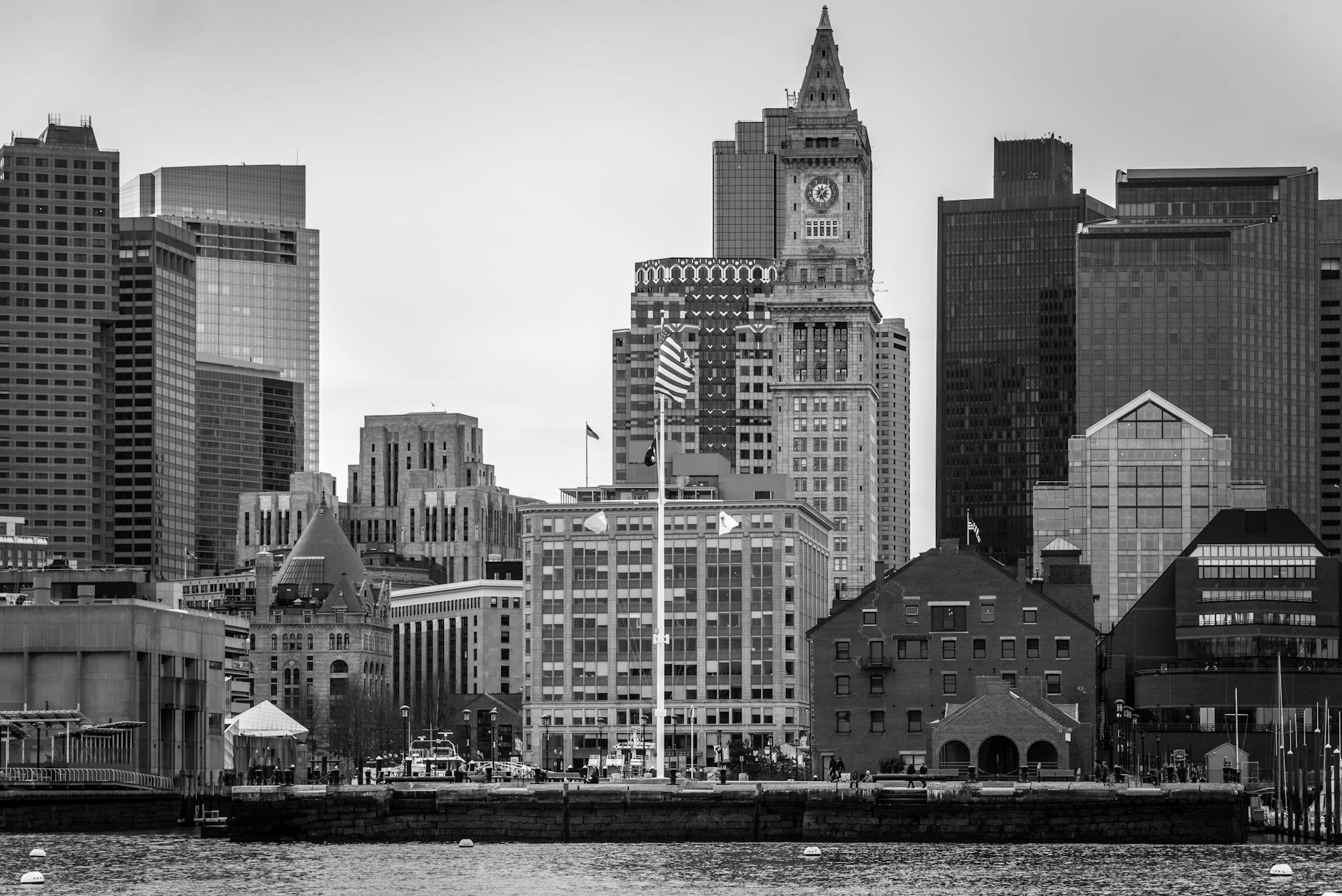
3 Days in Boston: A Compact Weekend Itinerary
3 days in Boston: a compact, walkable itinerary mixing the Freedom Trail, Fenway, museums, North End dining and Seaport views. Weekend-ready tips included.
A tightly paced 3-day plan to see Boston’s historic core, Fenway, museums, North End dining, Cambridge highlights and Seaport sunsets—ideal for first-timers and repeat visitors.
Boston is a compact, walkable city where colonial history, world-class universities, sports culture and a lively food scene sit block-to-block. It suits history lovers, first-time visitors, food-focused travelers and anyone who likes museums and neighborhoods you can explore on foot. Three days works well because you can cover the Freedom Trail and downtown on day one, museums and Fenway on day two, and Cambridge plus the waterfront or Charlestown on day three while keeping a relaxed pace.
This guide gives practical neighborhoods, transit tips, and a timed itinerary to make the most of a long weekend.
Quick Answer
A tightly paced 3-day plan to see Boston’s historic core, Fenway, museums, North End dining, Cambridge highlights and Seaport sunsets—ideal for first-timers and repeat visitors.
Who This Guide Is For
This guide is best for first-time visitors, couples, solo travelers, and anyone planning 3-day city break, weekend break, history and culture in Boston with a balance of highlights, local character, and reasonable spending.
How This Guide Was Prepared
This guide was prepared through a structured editorial workflow that combines destination research, geographic context, itinerary planning logic, and practical travel review.
Plan Your Stay in Boston
Use this itinerary as your starting point, then compare areas to stay, transport options, seasonal timing, and realistic daily costs before booking.
Why Visit
A mix of early American history and modern city life makes this place singular. You can walk Revolutionary sites in the morning, catch a museum in the afternoon and eat excellent seafood at night. The college towns across the river add intellectual energy, while neighborhoods from Beacon Hill to the Seaport offer distinct atmospheres.
It’s compact enough to see highlights without long transfers, and varied enough that history buffs, sports fans and foodies all leave satisfied.
Quick Planning Tips
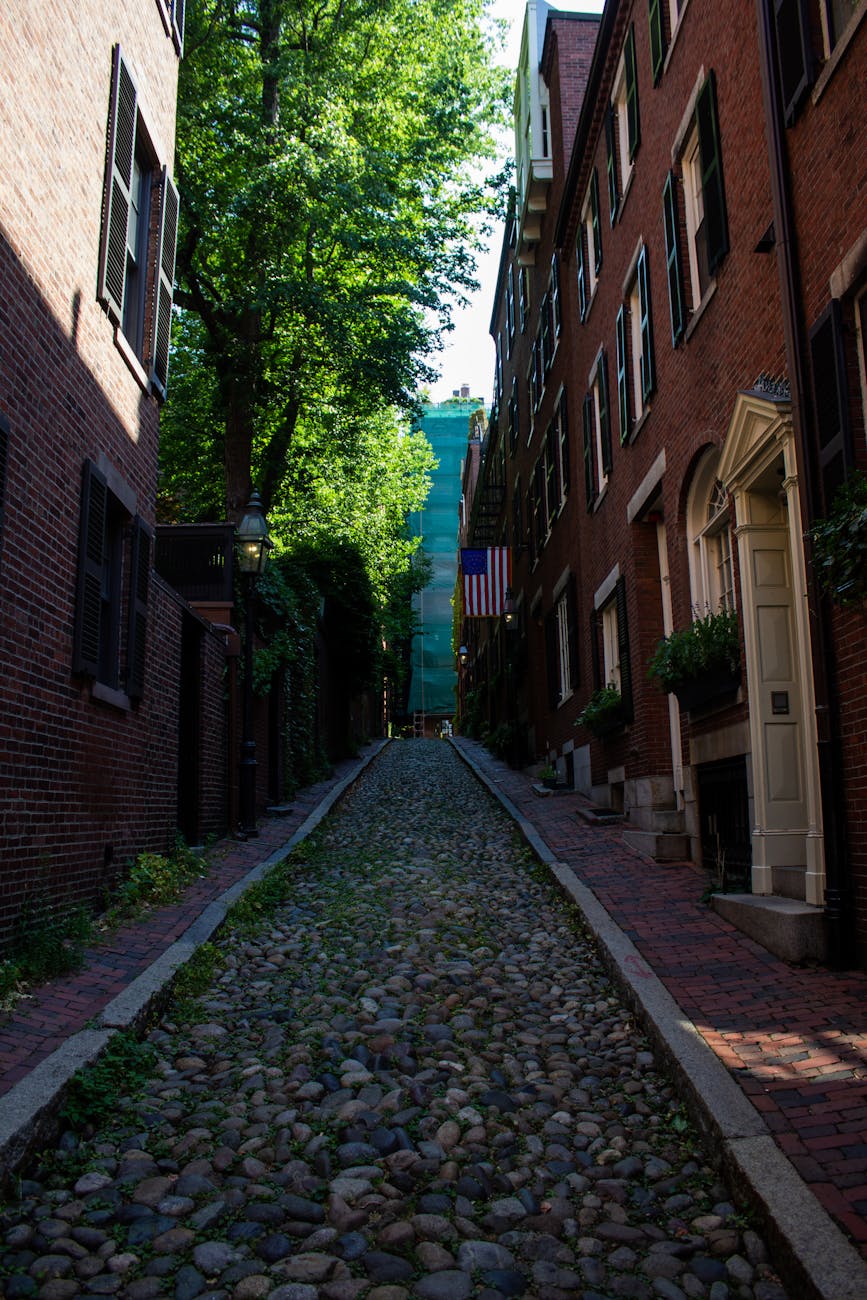
Arrive through Logan Airport: take the SL1 Silver Line bus (free from terminals) to South Station or a quick water taxi to the Seaport. Buy a CharlieCard for subway (the “T”) and local buses. Pack walking shoes—cobblestones and uneven sidewalks in older neighborhoods.
Reserve Fenway Park tours or Red Sox tickets in advance. Museum hours vary by season; check closures. If you have extra time, Cambridge is just a short Red Line ride over the river.

Day 1
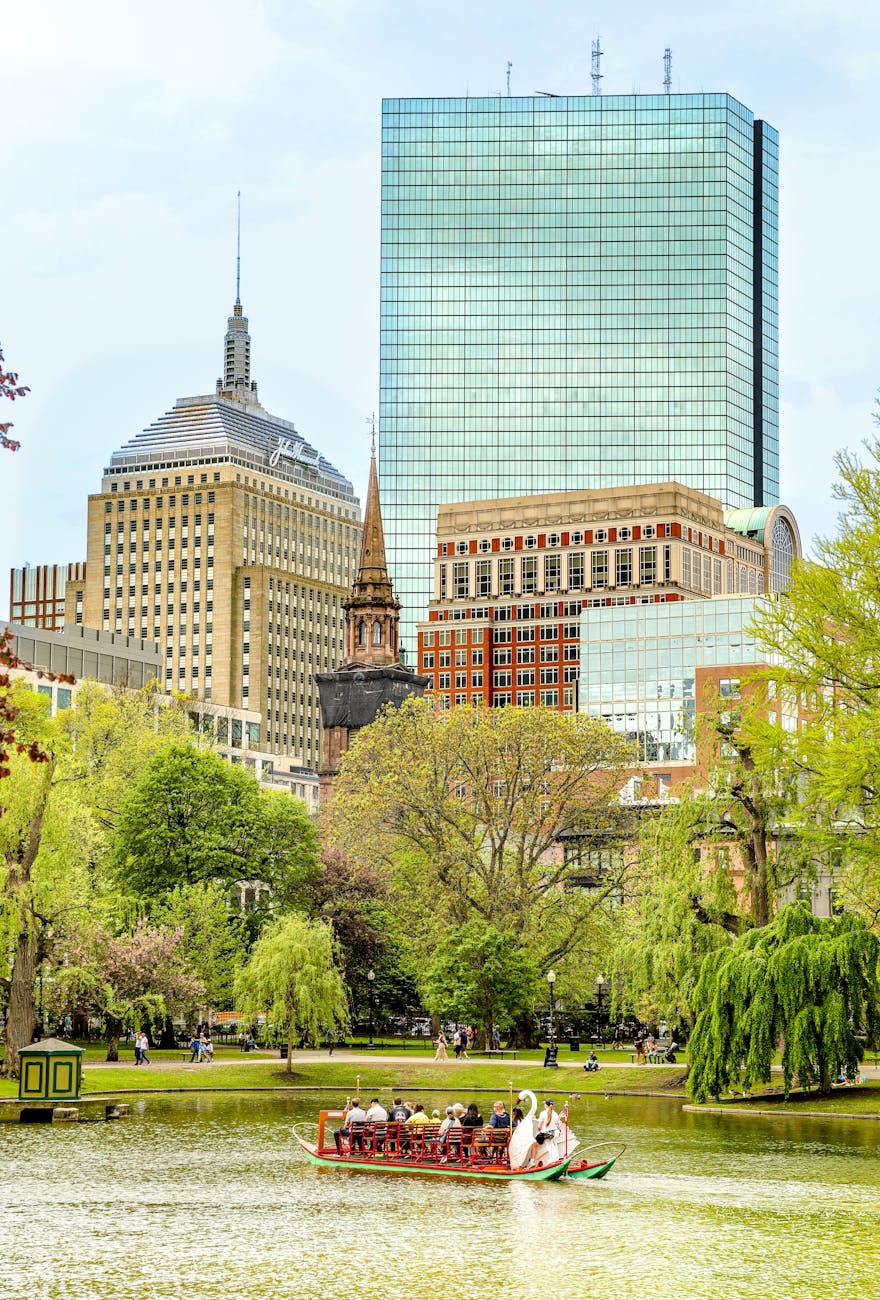
Morning: Start at Boston Common and stroll the Public Garden (swan boats in season). Follow the Freedom Trail: Massachusetts State House, Park Street Church, Granary Burying Ground and King's Chapel.
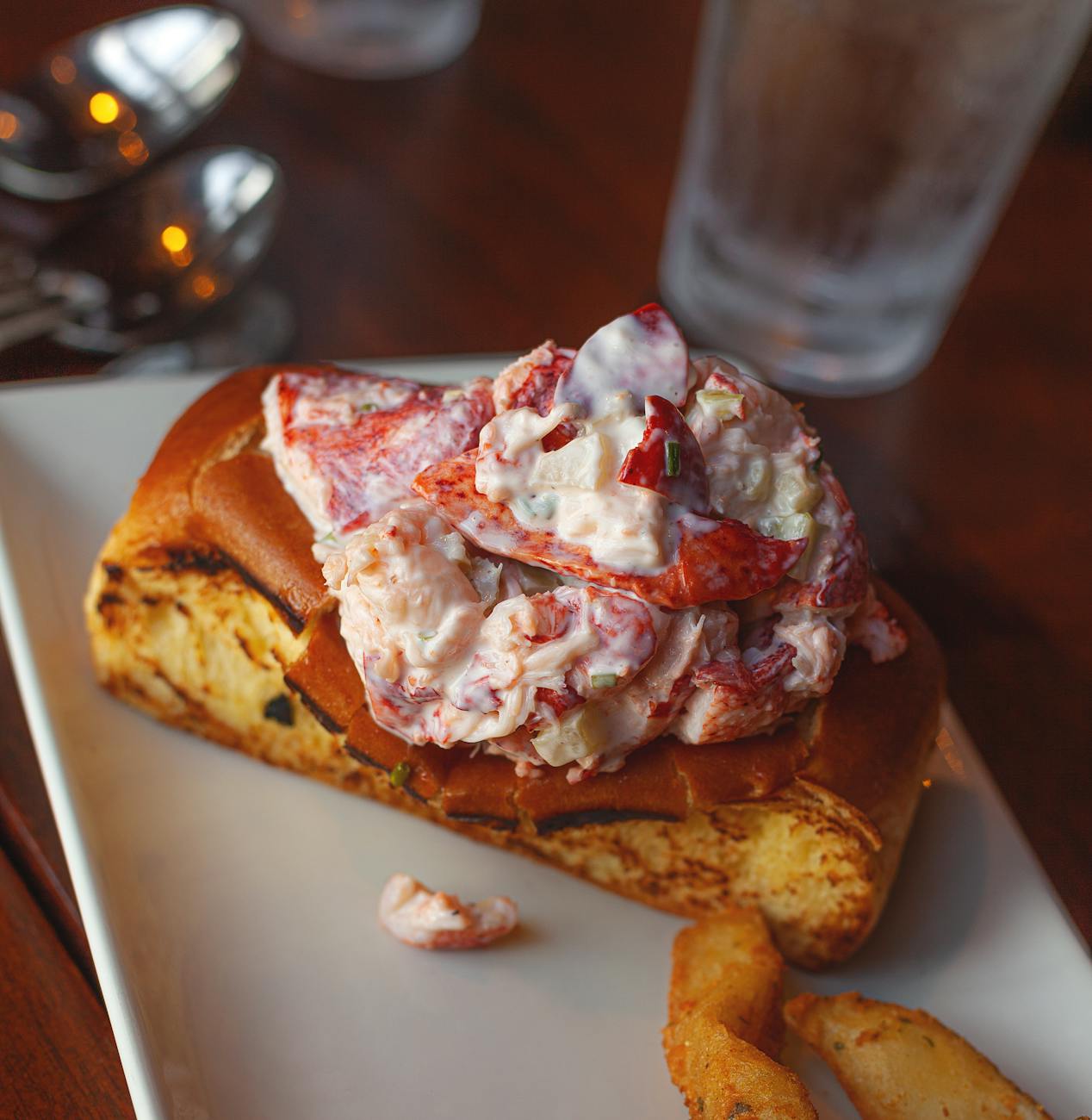
Lunch: Eat at Quincy Market/Faneuil Hall for quick local specialties—clam chowder, lobster rolls, and market stalls.
Afternoon: Continue the Freedom Trail through the North End: Paul Revere House and Old North Church. Explore Hanover Street and grab an espresso or cannoli.
Evening: Dinner in the North End (classic Italian) and a relaxed walk along the harbor or Christopher Columbus Waterfront Park.
Day 2
Morning: Head to the Museum of Fine Arts or Isabella Stewart Gardner Museum—both can take 2–3 hours. Eat brunch in Back Bay or the South End.
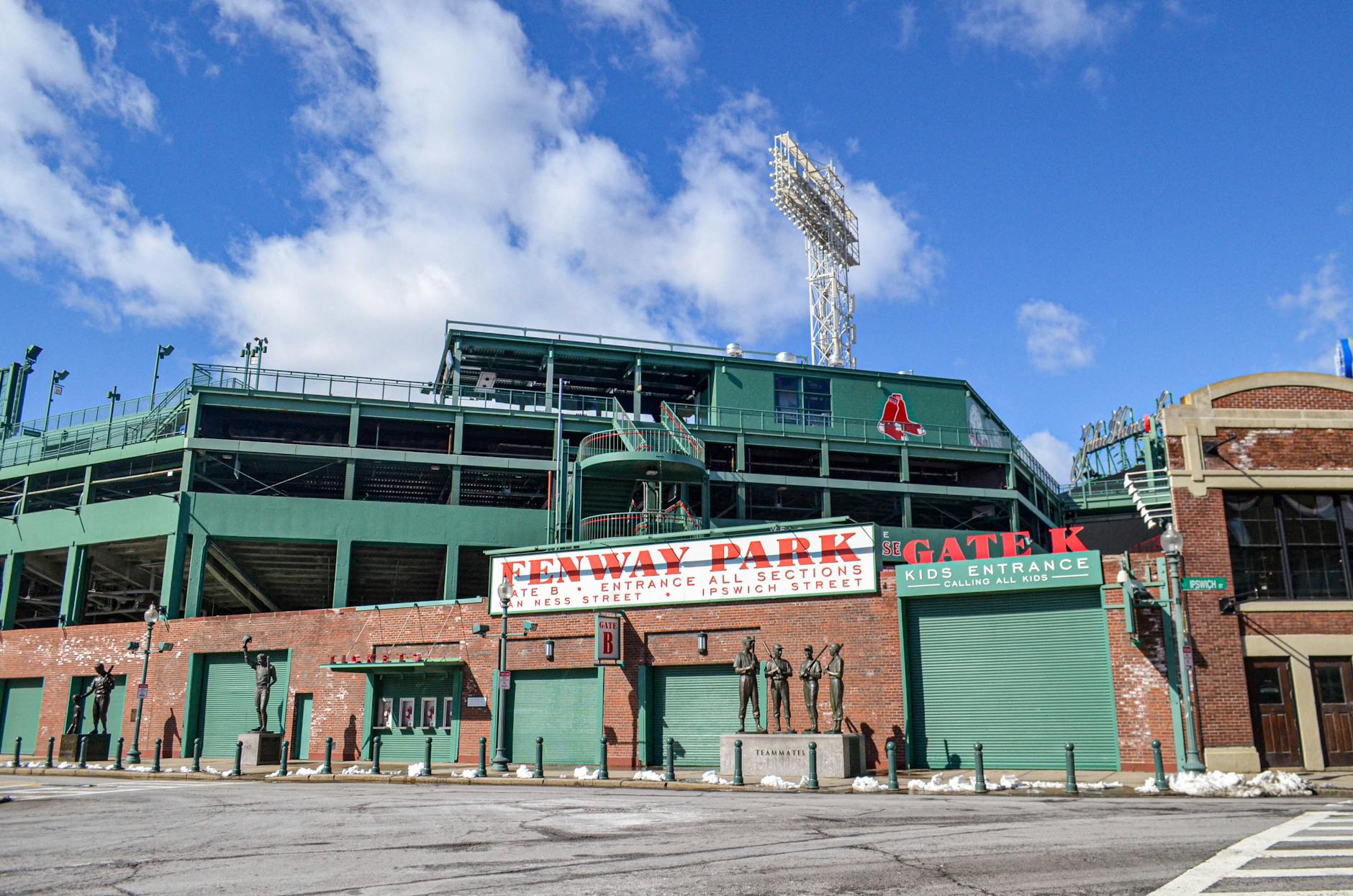
Afternoon: Tour Fenway Park or catch a game if the schedule fits. Walk Newbury Street for shopping and Copley Square for architecture.
Evening: Try seafood in the Seaport or a gastropub in the South End. If you prefer nightlife, the Seaport and Cambridge have lively bars and craft breweries.
Day 3
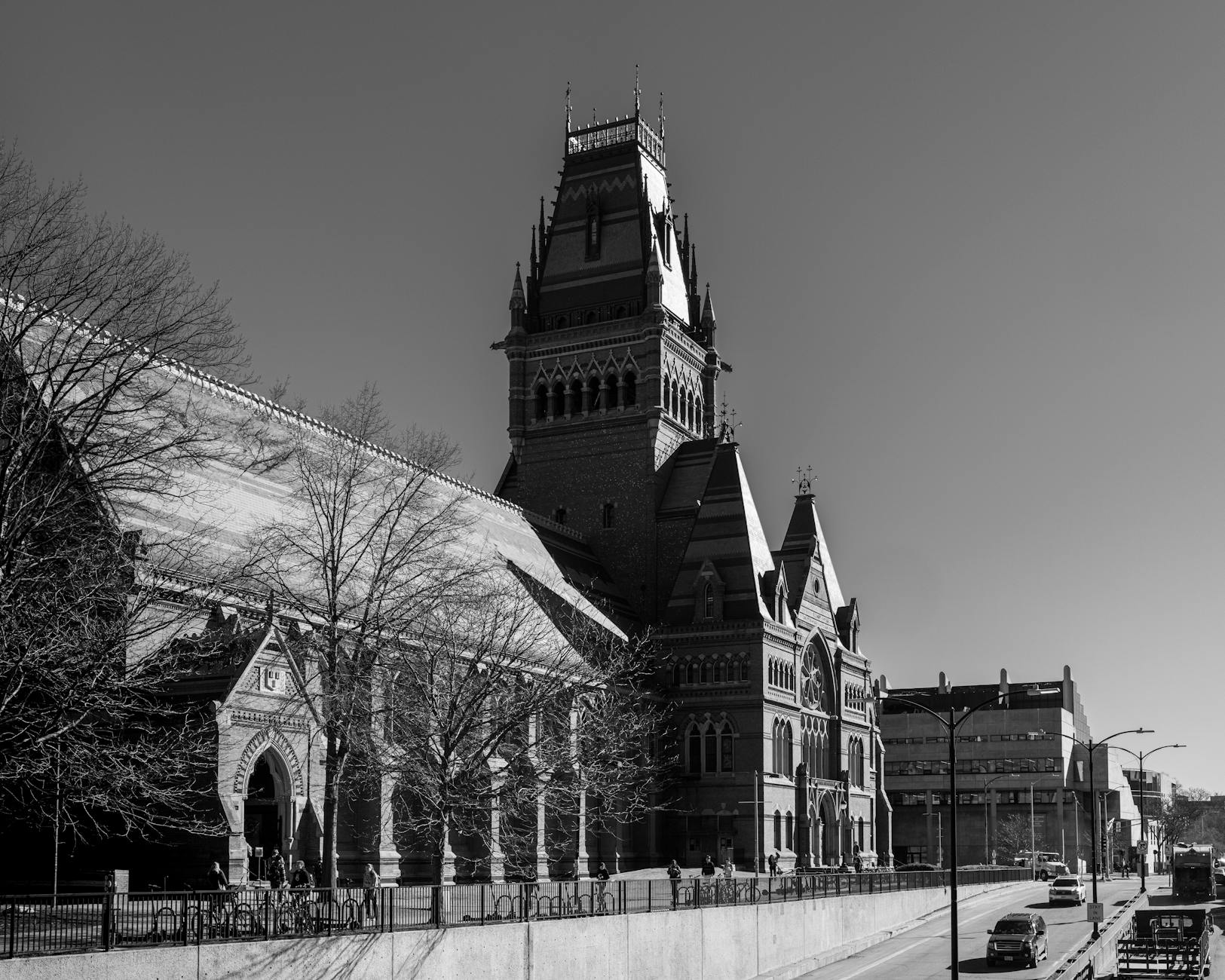
Morning: Cross the Charles River to Cambridge. Walk Harvard Square, visit the Harvard Museum of Natural History or stroll Harvard Yard. Pop into local bookstores and cafes.
Lunch: Try a Cambridge sandwich shop or microbrewery in Allston.
Afternoon: Return to the city—visit the New England Aquarium, or take a harbor cruise. Alternatively, explore the Charlestown Navy Yard and USS Constitution Museum.
Departure: If you have late travel, relax at the Seaport waterfront or return to any missed neighborhood for last-minute shopping.
Best Local Experiences
Walk the Freedom Trail end-to-end and soak in Revolutionary history.
Eat a proper lobster roll—try one at a harbor-side spot or a reputable fish market.
Attend a Fenway Park tour or a Red Sox game to feel local pride.
Savor pastries and espresso in the North End and brunch in the South End.
Take a sunset stroll on the Seaport waterfront and visit the Institute of Contemporary Art for harbor views.
Where to Stay
Back Bay: Central, walkable, Copley Square and Newbury Street shopping; good transit links.
Beacon Hill: Historic charm and quiet streets close to the Common.
North End/Waterfront: Great for food and harbor walks, slightly busier at night.
Seaport: Modern hotels, waterfront dining and easy access to events and the ICA.
Cambridge (Harvard Square): Best if you want a college-town vibe and easy access to museums in Kendall Square and Harvard.
Food and Drink
North End: Classic Italian restaurants and bakeries—don’t skip a cannoli.
Seafood: Try clam chowder, oysters and lobster rolls—Legal Sea Foods, Union Oyster House, and seasonal stands offer different experiences.
Markets: Haymarket (near the Rose Kennedy Greenway) for fresh produce and bargains.
Neighborhood eats: South End for brunch and farm-to-table; Allston for budget-friendly international food; Seaport for upscale seafood.
Nightlife: Cambridge and the Seaport have craft breweries and cocktail bars; Fenway has sports bars.
Getting Around
Boston is highly walkable—many neighborhoods connect by short walks. The MBTA (“the T”) Red, Green and Orange lines are the fastest way to move across the central city. Buy a reloadable CharlieCard for convenience and cheaper fares.
Use Bluebikes for short trips, water taxis between Seaport and Long Wharf, and the Silver Line (SL1) or subway to reach Logan Airport. Rideshares fill gaps late at night; expect typical urban surge pricing during events.
Best Time to Visit
Late spring (May–June) and early fall (September–October) offer mild weather, fall foliage and fewer crowds than summer. Summer is lively with festivals and harbor activity but is busier and pricier. Winter is cold and snowy but useful for lower hotel rates and holiday events if you don’t mind the cold.
Budget and Practical Tips
Expect mid-to-high prices in Back Bay and the Seaport; budget travelers should look to Allston, Cambridge or South End for cheaper options. Tap water is safe and free. Tipping: 15–20% at restaurants, $1–2 per drink at bars, and standard ride share tipping.
Many museums offer suggested donations or free days—check schedules. CityPASS bundles can save on major attractions if you plan to visit several museums and the aquarium.
FAQ
Is 3 days enough to see Boston?
Yes. Three days covers the Freedom Trail, a museum day with Fenway or Back Bay, and Cambridge or the waterfront at a comfortable pace.
How do I get from Logan Airport to the city?
Take the SL1 Silver Line to South Station (free from terminals), a water taxi to the Seaport, or the Blue Line to downtown with a transfer; rideshares are widely available.
Which neighborhood is best to stay in for a first visit?
Back Bay or Beacon Hill are centrally located and walkable; the Seaport is modern and scenic, and the North End is perfect for food lovers.
Can I use credit cards everywhere?
Most places accept cards; carry some cash for small vendors, tips, and markets like Haymarket.
Are museums open every day?
Many are closed one day a week (often Monday), so check hours and reserve timed-entry tickets when available.
Conclusion
A 3-day visit delivers a clear sense of why this city is beloved: layered history, creative food, passionate sports culture and lively neighborhoods within easy reach. Follow the days above to balance landmark must-sees with local experiences, use the T and short walks to save time, and leave a little flexible time for discoveries—a hidden bakery, a neighborhood park or a skyline view from the harbor.
How this guide was prepared
This guide was prepared through a structured research that combines destination research, geographic context, itinerary planning logic, and content review.