
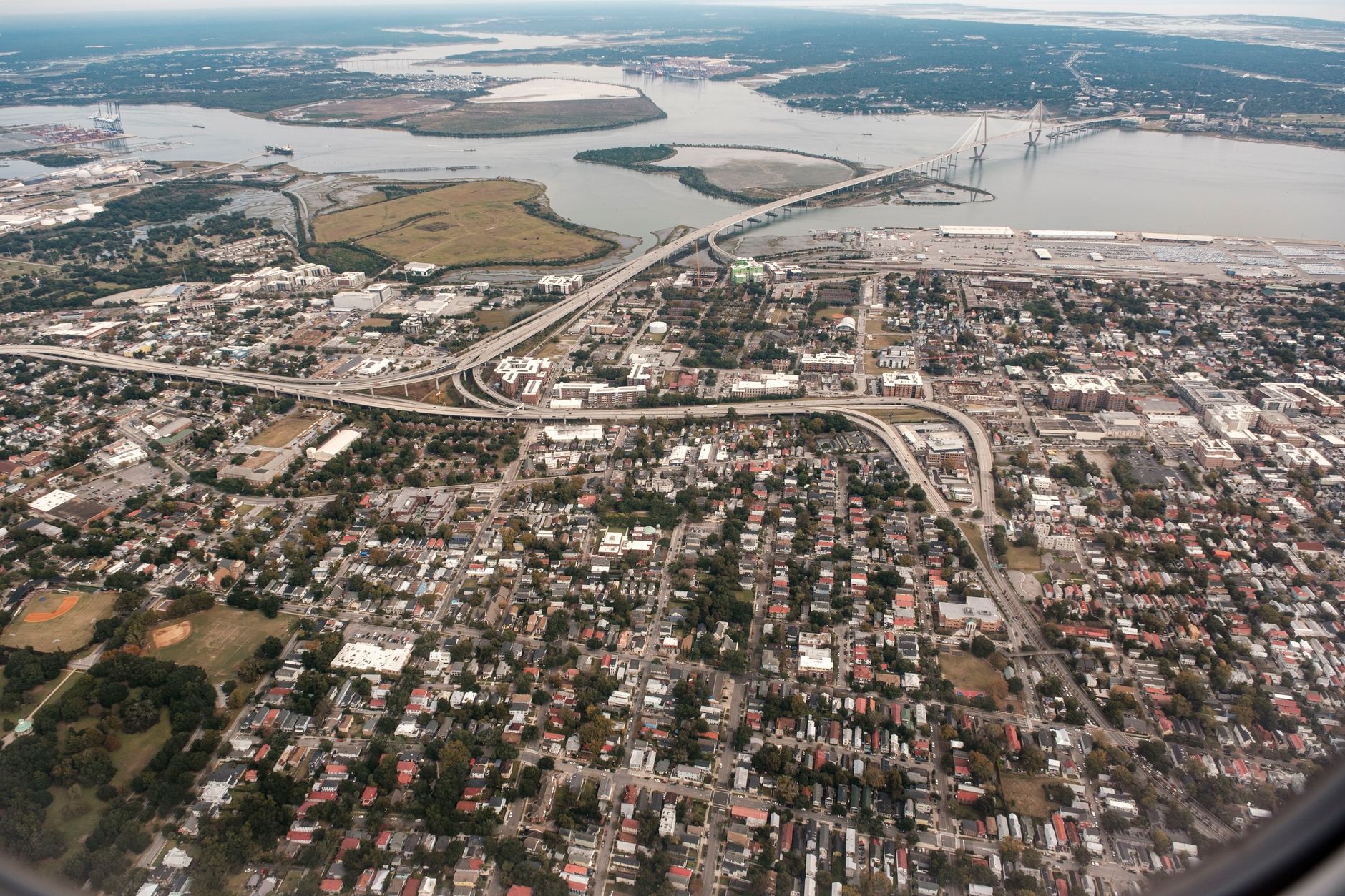
Three-Day Practical Guide to Charleston, South Carolina
A practical 3-day Charleston itinerary covering Historic District walks, plantations, market mornings, Lowcountry food, transit tips.
A clear, no-nonsense 72-hour plan for first-time visitors who want to see the Historic District, a plantation, a beach or harbour outing, and eat well without wasting time.
Expect humid heat from late spring through early fall and a slow, pedestrian-focused downtown where many streets are narrow and shaded by live oaks. The first impression is strong masonry, painted clapboard, and short blocks built for walking rather than driving.
Street-level energy peaks on King Street and around Market Street, but quiet residential blocks on the Battery and in Ansonborough show a steadier pace. Many visitors assume everything is clustered downtown; in reality plantations, barrier beaches, and Patriots Point each require 20–45 minutes of driving or a short ferry/boat ride.
Historic preservation rules keep building heights low and make the core feel compact, which is useful for a short trip. This suits travelers who want concentrated walking and food time, but not those expecting a single dense museum district or fast urban transit throughout the region.
Is 3 days in Charleston enough?
Yes: three days is enough to see the Historic District, the City Market and Waterfront Park, visit one major plantation, and get a beach or harbour half-day. The main caveat is that skipping at least one plantation or a slow museum is necessary — there isn’t time to do everything without rushing.
Who This Guide Is For
Best for first-time visitors who like walking, history, and coastal food and who accept a moderate pace. Less suitable for travelers wanting deep museum days, slow photography shoots, or those who refuse to use rideshares or buses.
Local Tips for Charleston
Practical details that most travel sites skip — specific to Charleston.
- Buy CARTA fares in the CARTA Breeze app: a single ride is $2.00 and a 24-hour pass is typically $4.00 — the free DASH downtown shuttle runs limited loops between Market and the Battery.
- Charleston City Market vendors often pack up by 3:30–4:00pm on weekdays and earlier on hot summer afternoons, so plan Market visits for the morning.
- King Street metered parking commonly has two-hour blocks and enforcement until about 7:00pm; private lots next to restaurants often charge $10–$25 for evening parking.
- Reservations at destination restaurants like Husk, FIG, or The Ordinary fill weeks ahead; expect to pay $30–$60 per person at mid-range dinner spots without drinks.
- If visiting Folly Beach County Park, be ready for a small daily vehicle fee (about $5–$10) and limited lot space on summer weekends — arrive before 10:00am on busy days.
How This Guide Was Prepared
This guide treats Charleston as a working coastal city with heavy seasonal crowds, a compact historic core, and long travel times to plantation sites — not a picture-postcard frozen in time. Many guides overfill itineraries or omit practical limits like parking, ferry schedules, and how long garden visits actually take. This guide was prepared through a structured research that combines destination research, geographic context, itinerary planning logic, and content review.
Plan Your Stay in Charleston
Use this itinerary as your starting point, then compare areas to stay, transport options, seasonal timing, and realistic daily costs before booking.
Why Visit
Historic architecture and streetscapes are unusually well preserved: walking Rainbow Row, the Battery and White Point Garden gives a direct feel for 18th- and 19th-century town planning. The combination of downtown shops on King Street, low-rise streets, and shady squares makes walking efficient.
Lowcountry food culture is distinctive: oyster roasts, shrimp and grits, she-crab soup, and rice-influenced recipes appear in both casual stands and higher-end restaurants such as FIG or Husk. Fresh seafood and southern-seasonal menus are widely available.
Short boat trips to Fort Sumter or ferry crossings to Patriots Point offer military and maritime history without long drives. Nearby barrier beaches like Folly and Sullivan’s Island provide a quick coastline option for an afternoon without leaving the region.

Quick Planning Tips
Fly into Charleston International Airport (CHS) and allow 20–30 minutes for the drive into downtown in normal traffic; taxis and rideshares generally cost $25–40 from the airport. Amtrak arrives at North Charleston; a 15–25 minute taxi or rideshare ride connects to downtown.
Carry a mix of card and cash: most restaurants take cards but small vendors in the City Market may prefer cash for small purchases. Avoid planning both Magnolia Plantation and Boone Hall on a single afternoon — each site requires travel plus 90–180 minutes to see gardens and exhibits.
Download the CARTA Breeze mobile app before arrival for bus fares and route maps, and allow extra time when travelling during Spoleto Festival USA or college football weekends; traffic and hotel rates surge during major events.

Day 1
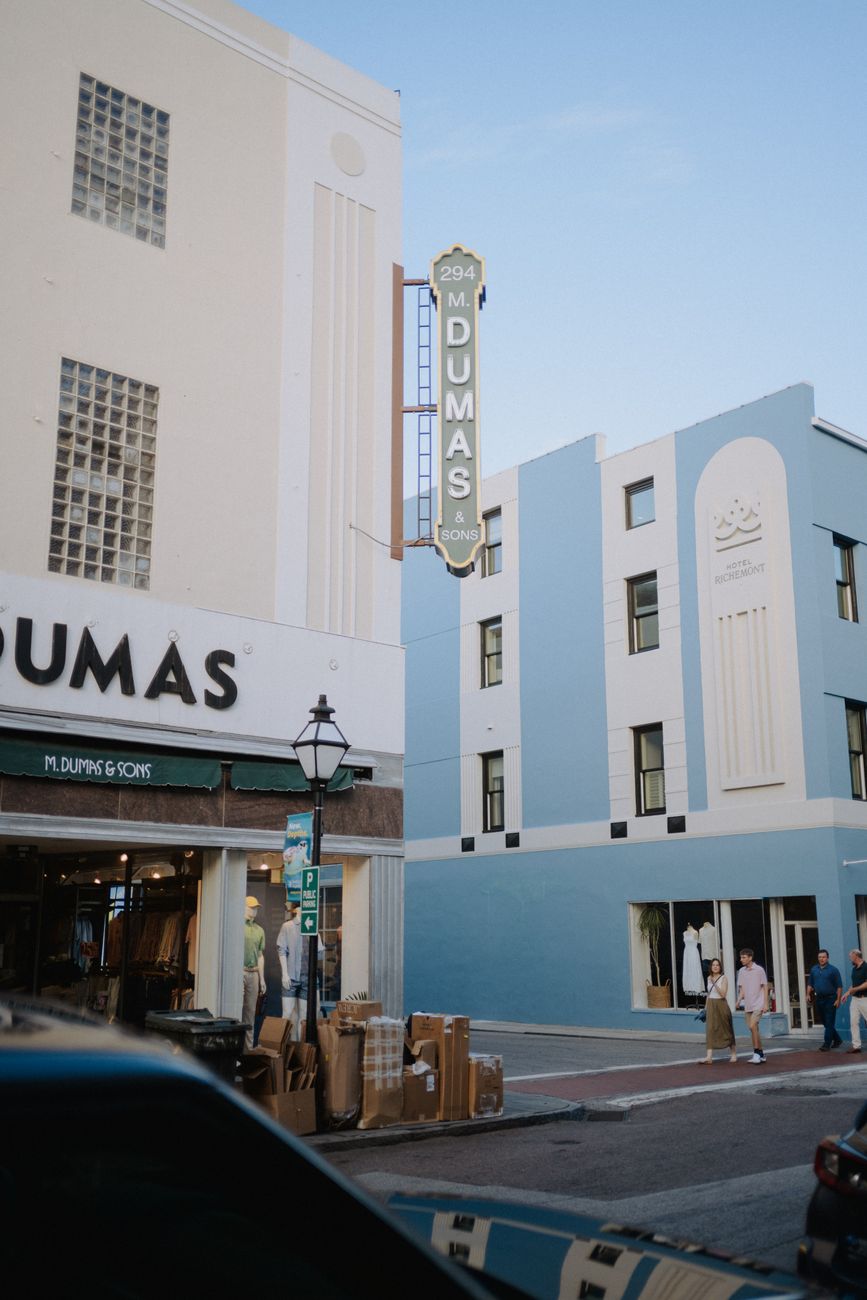
Morning: Start on King Street at Marion Square and walk north to the Upper King shopping blocks. King Street has independent boutiques, coffee shops, and midday foot traffic; a 30–45 minute stroll covers the main retail stretch between Marion and Queen Street.
Late morning: Walk from King Street east toward the Historic District to reach the Charleston City Market on Market Street (about 10–15 minutes from Marion Square). Spend 45–75 minutes browsing local crafts and food stalls; aim to be there before 3:00pm to avoid vendors packing up.
Lunch: Eat at a nearby counter like Poogan’s Porch for a classic Lowcountry sandwich or at a seafood-focused lunch spot on Market; expect $12–$25 per person. After lunch, follow Market Street south to Waterfront Park and the pineapple fountain — a 5–10 minute stroll.
Afternoon: Walk the Battery and White Point Garden from Waterfront Park (about 10 minutes). Allow 45–90 minutes to walk the promenade and take photos of the harbor and historic houses. If time permits, take the short walk to the Old Slave Mart Museum on Chalmers Street for a focused 30–45 minute visit.
Evening: Dinner on upper King Street or in the Historic District; try a reservation at a mid-range seafood or southern-cuisine restaurant. After dinner, a slow evening walk along the Battery or a sunset view from Waterfront Park makes a calmer end to the day.
Day 2
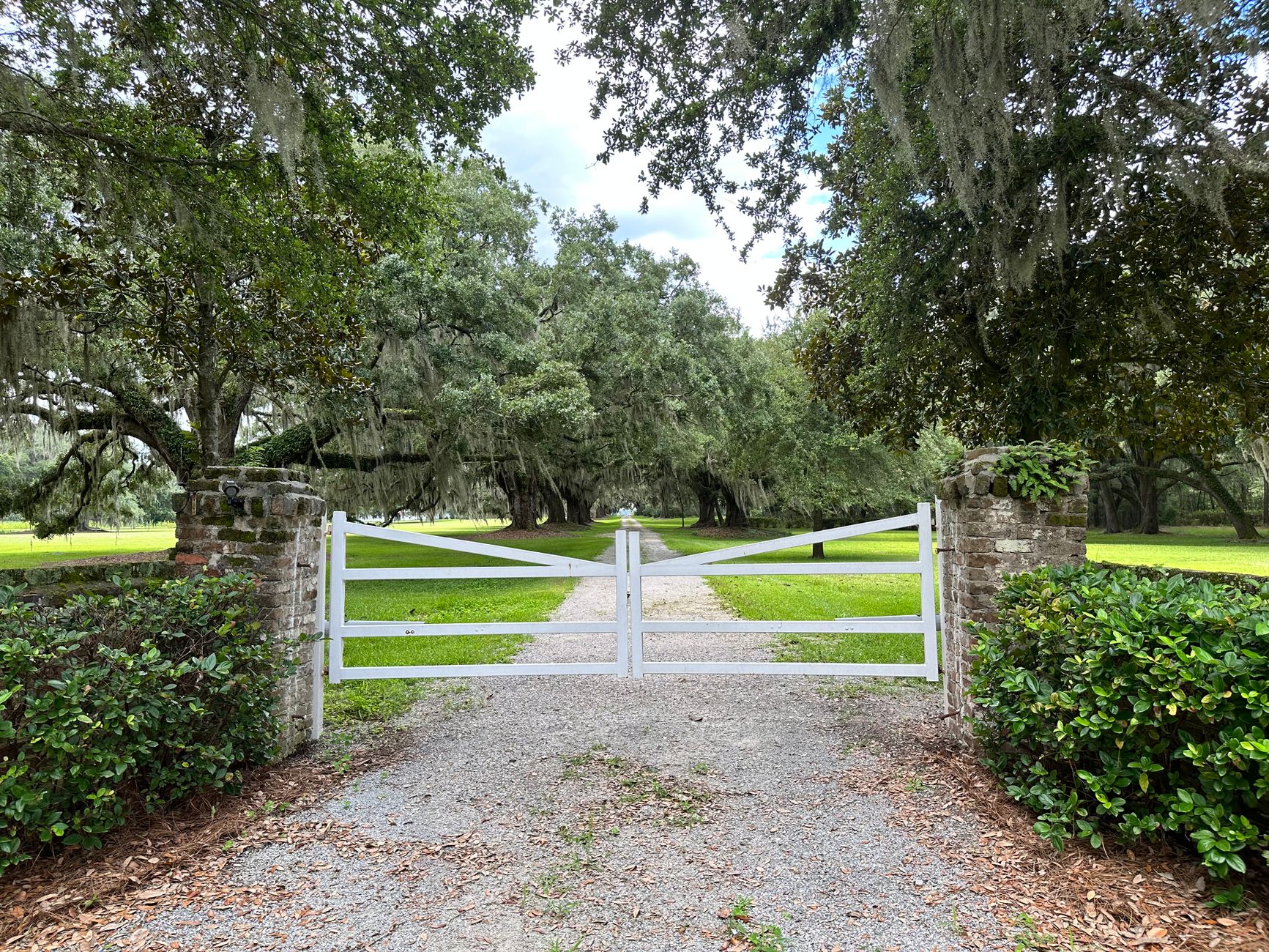
Morning: Choose one plantation for a full morning: Magnolia Plantation & Gardens or Boone Hall Plantation. Drive or take a tour; plan 30–40 minutes travel from downtown and 2–3 hours at the site to see gardens, house tours, and exhibits.
Lunch: Return to town or stop at a café on the way back; expect a 30–45 minute transit time. Plantation grounds often include snack kiosks but lunchtime options are limited; bringing a light snack can save time.
Afternoon: Take a harbor-focused afternoon. Options include a Fort Sumter ferry from Liberty Square/near the Waterfront Park area (the ferry round-trip plus the Fort Sumter visit takes about 3 hours) or a shorter harbor cruise to Patriots Point where the USS Yorktown is docked (1–2 hours plus travel time).
Transport between areas: Driving is fastest between plantations and the harbor; expect 20–40 minutes each way. If using the Charleston Water Taxi or cruise operators, check departure times in advance and allow extra time for boarding during peak season.
Evening: Head to Upper King or the peninsula for dinner; if energy remains, drop by a rooftop bar near Market Street for night views and an overview of the peninsula skyline.
Day 3
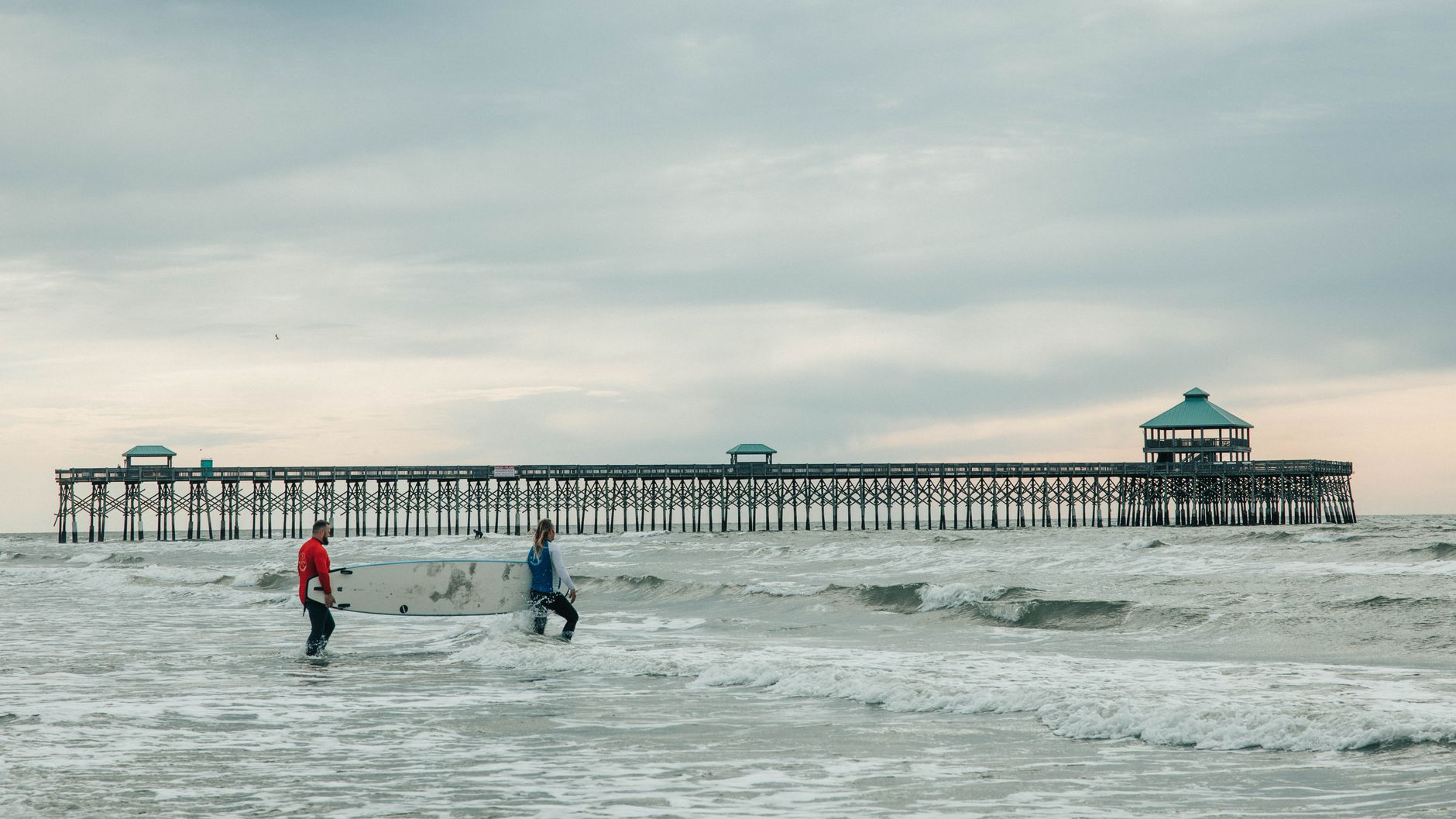
Morning: Choose a neighbourhood option: walk Sullivan’s Island along Middle Street to see pastel cottages and small-town beach life (40–50 minutes from downtown by car), or visit Folly Beach for a surf-and-boardwalk morning (25–35 minutes drive). Plan for 2–3 hours including travel.
Late morning option for those staying downtown: Visit the Charleston Museum or the Gibbes Museum of Art on Meeting Street; each visit runs 60–90 minutes and is within a 10–15 minute walk of the Historic District core.
Lunch: For a last substantial meal, pick a Lowcountry spot downtown — shrimp and grits or she-crab soup work well as final tastes. Budget 20–40 minutes extra for payment and getting luggage to a pickup point if checking out.
Afternoon: If catching an afternoon flight, allow at least 45–60 minutes to return to the hotel for checkout, plus 20–30 minutes travel time to CHS in typical traffic. For those with a later flight, reserve the afternoon for a relaxed stroll through the battery, last-minute shopping on King Street, or a short carriage tour.
Departure note: Build in buffer time — weekend traffic and special events can add 15–30 minutes to trips to the airport or station.
Best Local Experiences
City Market mornings: Arrive early to see artisans and local food stalls before vendors pack up. Allow 60–90 minutes for worthwhile browsing.
Plantation gardens: Magnolia Plantation & Gardens and Middleton Place both present different garden styles; choose one for a full-morning visit. Each requires 2–3 hours to appreciate the grounds and house exhibits.
Harbour and military history: Take the Fort Sumter ferry for Civil War history or visit USS Yorktown at Patriots Point for naval history and carrier exhibits.
Barrier beaches: Folly Beach for surf and a relaxed boardwalk vibe; Sullivan’s Island for a quieter, residential beach walk and historic Fort Moultrie nearby.
Upper King dining and bar scene: The Upper King corridor offers late-night small plates, craft cocktails, and walkable bar options; reservations help on weekend nights.
Special events: Spoleto Festival USA (spring) dramatically changes availability and price; plan and book months ahead if visiting during the festival.
Where to Stay
Historic District (Peninsula downtown): Best for first-time visitors who want walking access to King Street, Waterfront Park, and carriage tours. Many boutique hotels and historic inns cluster here. Expect nightly rates roughly $180–$350 USD (€165–€320) in mid-season.
Upper King/Upper Peninsula: Suited to food-focused travelers who want proximity to restaurants and nightlife without being on the busiest blocks. Small hotels and renovated townhouses common. Expect $150–$300 USD (€140–€275) per night.
Mount Pleasant and Sullivan’s Island: Best for those with a car who prefer quieter residential areas and easy access to Patriots Point or beaches. Nightly rates can be lower in off-season, roughly $120–$220 USD (€110–€200), but factor in a 10–25 minute drive each way.
Budget options appear near North Charleston and along the peninsula edges; these save on lodging but add taxi or parking costs. Mid-range travelers should budget a moderate premium during spring festival weeks and college football weekends.
Food and Drink
She-crab soup: A creamy crab bisque with a hint of sherry; found at downtown restaurants like Poogan’s Porch or Slightly North of Broad for $8–$15 a cup.
Shrimp and grits: Sauteed shrimp over stone-ground grits with local flavors; available at breakfast and dinner spots; expect $12–$28 depending on the restaurant.
Lowcountry boil (when in season): A communal seafood mix—shrimp, sausage, corn and potatoes—offered at some seasonal restaurants and special events; price varies widely, often $25–$45 per person when available.
Breakfast biscuit and coffee: Southern biscuit sandwiches appear at Callie’s Hot Little Biscuit and local coffee shops; breakfast biscuit combos run $5–$10.
Street and casual: Fresh oysters—raw or roasted—are common at oyster bars and markets; order a half-dozen for $9–$18 depending on the supplier. For dinner, pick a seafood-focused restaurant or a contemporary Lowcountry place and budget $25–$60 per person without drinks.
Getting Around
Public transit: CARTA buses serve the peninsula and suburbs; the Downtown Area Shuttle (DASH) is a free short-loop shuttle that covers parts of Market and the Battery. Download the CARTA Breeze mobile ticketing app for purchases and route info.
Fares and passes: Single CARTA ride commonly costs $2.00 and a 24-hour pass about $4.00; DASH is free. Water taxi fares vary by operator but short rides commonly run $3–$6 per crossing.
Taxis and rideshares: Uber and Lyft operate throughout the area; expect $25–$40 from Charleston International Airport (CHS) to downtown on typical days. Rental cars are useful for plantations and barrier beaches but parking fees and narrow streets downtown add friction.
Bike and walking: The peninsula is compact and walkable; many streets are comfortable for cycling but watch for tourist and delivery traffic on narrow lanes. Harbour ferry and water-taxi options make certain waterfront trips quicker and more scenic than driving.
Best Time to Visit
Spring (March–May) offers warm temperatures (60–80°F / 15–27°C) and flowering gardens; this is peak visitor season with higher hotel rates and the Spoleto Festival USA in late spring. Book early for March–May.
Summer (June–August) brings hot, humid weather (80–95°F / 27–35°C) and frequent afternoon thunderstorms; beaches are busy and hotel prices can drop a bit except during July weekends. Bring sun protection and expect early afternoon closures at outdoor sites on very hot days.
Fall (September–November) has warm early months and cooling later into November (55–80°F / 13–27°C); humidity eases and crowds thin after Labor Day. Winter (December–February) is mild (40–60°F / 4–16°C) with lower hotel rates but some tours and restaurants reduce hours.
Budget and Practical Tips
Daily budget (per person, moderate travel): Accommodation $150–$250 USD (€140–€230); food $40–$80 USD (€37–€74); transport $8–$20 USD (€7–€18); entry fees and activities $10–$50 USD (€9–€46). Totals typically range $208–$400 USD (€195–€375) per day depending on lodging level and activities.
Sample costs: Magnolia Plantation admission $25–$30; Charleston Museum around $10–$15; Fort Sumter ferry roughly $20–$30 for the round trip and park entry. Expect dining averages $12–$25 for casual lunch, $25–$60 for dinner at mid-range restaurants.
Tipping and service: Standard U.S. tipping norms apply — 15–20% at sit-down restaurants, $1–$2 per drink at bars, and $2–$5 for hotel porters. For tours, tipping guides $5–$15 depending on group size and service is common.
Practicalities: Bring sunscreen and a reusable water bottle in summer. Reserve key restaurants and tours in advance during spring and festival season. Carry some cash for small vendors and parking meters even though cards are widely accepted.
FAQ
Is Charleston safe for tourists?
Yes, central tourist areas have typical big-city pickpocket risks but are generally safe during daytime; avoid poorly lit side streets late at night, and use common-sense precautions.
How do I get from the airport to downtown?
Taxis, rideshares and airport shuttles take about 20–30 minutes; expect $25–$40 by rideshare. Some hotels offer paid shuttles.
Is a Charleston city card or pass worth buying?
There is no single must-have pass; buy attraction tickets a la carte unless a particular multi-attraction pass covers the specific sites planned, such as a combined plantation or museum bundle.
Can Fort Sumter be visited in a half-day?
Yes, the standard Fort Sumter ferry and visit fit into a 3-hour window, but check ferry departure times and allow extra time at the ticket kiosk on busy days.
Are there public transit options to plantations and beaches?
CARTA serves parts of the peninsula and some suburban routes, but many plantations and Sullivan’s Island/Folly Beach are easiest by car or organized tour.
What should be booked in advance?
Book restaurant reservations for Husk/FIG and Fort Sumter ferry tickets in high season, plus any guided plantation tours or harbor cruises to avoid sold-out times.
Is Charleston walkable for seniors or people with limited mobility?
The downtown peninsula is relatively flat but has cobbles and uneven sidewalks; many attractions provide accessibility info online and taxis can reduce walking distances.
How much time is needed for a plantation visit?
Budget 2–3 hours for a full visit including travel, gardens, house tours, and on-site exhibits.
Conclusion
Three days provides a focused introduction: Historic District walks, a single plantation garden visit, and either a harbour historic trip or a beach afternoon. The most lasting memories typically come from a relaxed waterfront sunset, one well-paced plantation visit, and several meals that highlight Lowcountry seafood and rice-influenced cooking.
If time runs short, prioritize a morning in the Historic District with Market Street, Waterfront Park and the Battery, plus one memorable meal on King Street. That combination gives a balanced sense of architecture, harbour life, and local food without overbooking.
How this guide was prepared
This guide was prepared through a structured research that combines destination research, geographic context, itinerary planning logic, and content review.