
3 Days in Fayetteville: Practical Weekend Itinerary
A no-nonsense 3-day plan for Fayetteville with transit tips, realistic budgets, and timed stops so travelers can see top museums, river trails and local food.
A compact, realistic 72-hour plan for Fayetteville that balances military history, riverwalk time, and neighborhoods like Haymount; includes transit, budgets and common pitfalls.
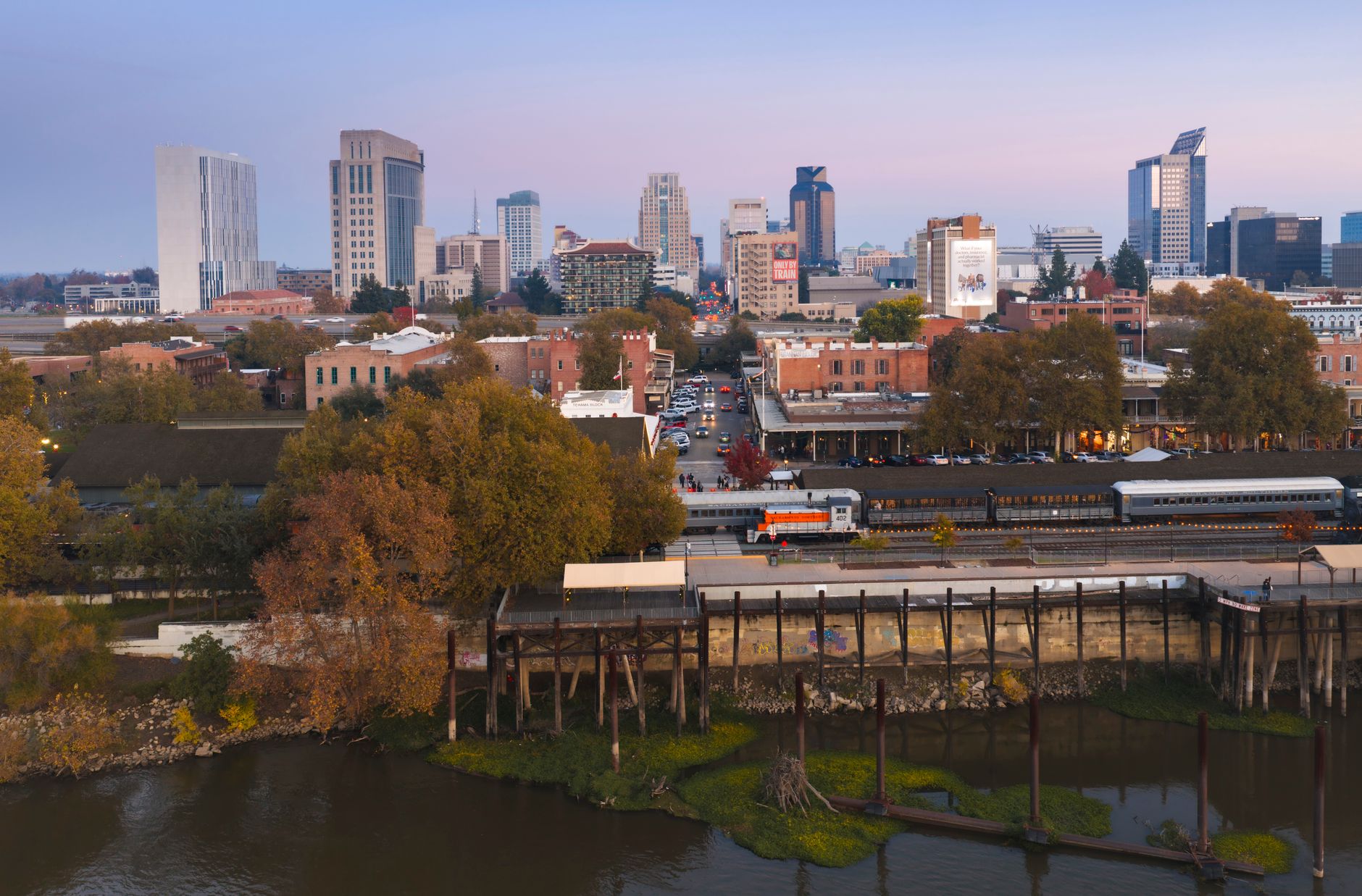
Fayetteville presents as a mid-size regional city anchored by a large military installation and a compact downtown along the Cape Fear River. Streets near Hay Street feel civic and walkable with museums and restaurants close together; once past downtown the city opens into suburban blocks, military housing and commercial sprawl. Expect sudden shifts in pace: mornings can be quiet in residential Haymount, while afternoons around Festival Park and the Market House get noisy during events.
Some preconceptions miss the point: this is not primarily a museum town, nor strictly a military outpost — both elements matter but neither defines the whole place. The public river access, a working farmers’ market, and practical local dining are what make three days useful. Suits travelers who like straightforward logistics, short walks between stops, and a mix of indoor exhibits and outdoor time. Not a fit for visitors seeking elaborate nightlife or luxury shopping.
Is 3 days in Fayetteville enough?
Yes: three days is enough to cover downtown museums, a riverwalk section, and a neighborhood or two while leaving time for a Fort Liberty visitor center visit or a botanical garden. Major things to skip if short on time are a full Fort Liberty base tour and a long drive out to Wilmington.
Who This Guide Is For
Best for weekenders who like military history, river walks, and modest urban food scenes; not ideal for luxury travelers seeking high-end shopping or people wanting a beach-focused holiday.
Local Tips for Fayetteville
Practical details that most travel sites skip — specific to Fayetteville.
- Airborne & Special Operations Museum has free admission but expect security screening at the entrance and limited weekend parking near Festival Park.
- Fort Liberty (formerly Fort Bragg) requires a visitor pass for access; request a Day Visitor Pass through the Fort Liberty Visitor Center website or get sponsored in advance — plan extra time for ID checks at the gate.
- FAST buses serve downtown and suburbs; drivers accept exact cash ($1.25 single ride) and the TransLoc Rider app shows live buses for Fayetteville Area System of Transit (FAST).
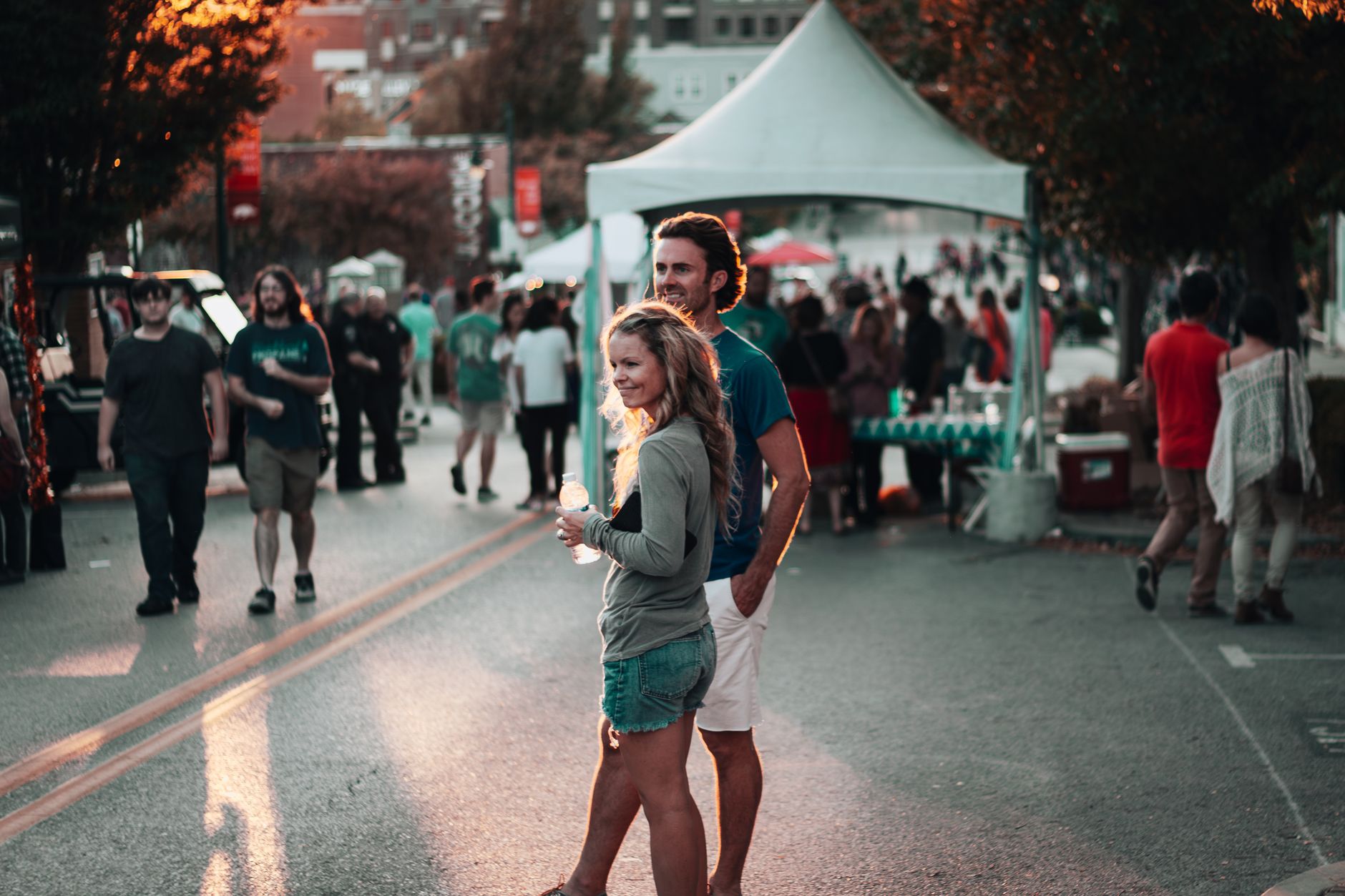
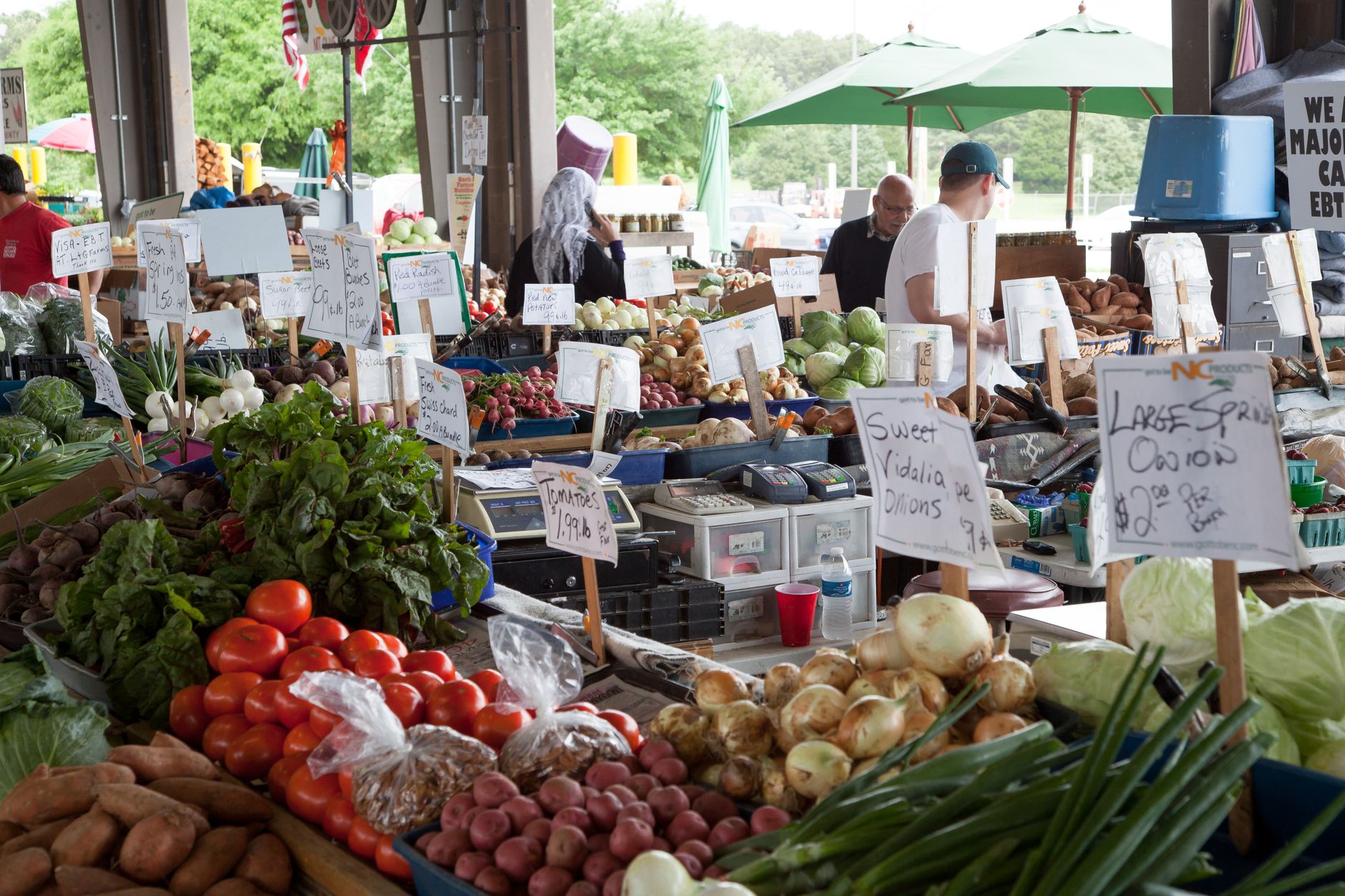
- Festival Park and the Market House on Hay Street host many weekend events; the Fayetteville Farmers’ Market runs spring–fall on Saturday mornings at Festival Park near Hay Street.
- Cape Fear Botanical Garden charges a modest admission (around $10 for adults) and is easiest reached by rideshare from Haymount or downtown — parking is available but limited on busy weekend days.
How This Guide Was Prepared
This guide treats Fayetteville as a working regional city with a strong military presence and a lively downtown rather than a packaged tourist destination. Most guides either over-sell its downtown as purely museum-focused or ignore how Fort Liberty and the Cape Fear River shape daily life; this plan shows how to structure three days around those realities and where to cut losses if time is short. This guide was prepared through a structured research that combines destination research, geographic context, itinerary planning logic, and content review.
Plan Your Stay in Fayetteville
Use this itinerary as your starting point, then compare areas to stay, transport options, seasonal timing, and realistic daily costs before booking.
Why Visit
Strong military history is the core draw: the Airborne & Special Operations Museum offers focused exhibits about paratrooper and special operations history that are not replicated in nearby cities. Downtown Hay Street and Festival Park provide dense, walkable access to that museum plus the Market House and riverfront, allowing efficient sightseeing on foot.
The Cape Fear River Trail and Cape Fear Botanical Garden deliver quick outdoor options without long drives. Both offer different scenery within 10–15 minutes of downtown, useful when heat or rain interrupts museum plans. Local food leans toward Eastern North Carolina barbecue and Southern comfort cooking, which usually costs less than comparable menus in Raleigh or Wilmington.
Practical advantage: Fayetteville’s small size keeps travel time low, so three days feels productive. Cultural programming at the Carolina Civic Center and rotating exhibits at the Museum of the Cape Fear Historical Complex add local context that larger nearby cities often skip.
Quick Planning Tips
Fly into Fayetteville Regional Airport (FAY) for a short trip; shuttle or taxi to downtown is about 10–15 minutes. For longer haul flights, check connections through Charlotte Douglas (CLT) or Raleigh–Durham (RDU) and take a rental car or Amtrak plus local transit.
Carry a credit card and some small bills; many FAST buses require exact cash and some market vendors only take cash. Expect summer humidity and plan indoor museum time in the hottest hours.
Avoid the mistake of assuming Fort Liberty access is spontaneous; arrange visitor passes or a sponsor ahead of time. Also avoid planning every museum on the same day — spread indoor and outdoor stops to allow for traffic or event closures on Hay Street.
Day 1
Start downtown on Hay Street at the Market House, an 1800s-era building that marks Fayetteville’s historic core. Spend 20–40 minutes outside reading plaques and taking photos, then walk (2–5 minutes) to Festival Park and the pavilion to see the riverfront and public art.
From Festival Park, walk 5–10 minutes to the Airborne & Special Operations Museum. Allocate 90–120 minutes for exhibits and films; admission is free but donations are welcome. After the museum, cross Hay Street into the adjoining Fayetteville Area Transportation vicinity and stroll toward downtown cafes for lunch — the farmers’ market stands and food trucks usually operate Saturday mornings at Festival Park and provide inexpensive options.
After lunch, walk 10–15 minutes to the Museum of the Cape Fear Historical Complex for local artifacts and changing exhibits; plan 60–90 minutes. If heat builds, ride a quick 5–10 minute rideshare to the Carolina Civic Center Historic Theater for a tour or afternoon performance when scheduled. Dinner can be at a downtown restaurant on Hay Street that serves Eastern North Carolina barbecue or Southern plates — look for places with long lines as an indicator of local approval.
End the evening with a short walk along the Riverwalk near Bragg Boulevard to see lights and river reflections; there are municipal parking decks nearby if returning to a car.
Day 2
Head to Haymount in the morning for a residential walk and coffee; Haymount Road and Murchison Road have older homes and small bakeries. From Haymount, take a 10–15 minute rideshare or a local FAST bus toward the Cape Fear Botanical Garden; allow 20–30 minutes for travel plus parking or drop-off time. Spend 60–90 minutes enjoying the landscaped beds and the pond; check the garden’s hours as they vary seasonally.
After the garden, travel 15–20 minutes by car or bus to downtown’s Fayetteville Farmers’ Market if it is a market day. Browse artisanal foods and local produce, and have a light lunch from a vendor. From there, walk or take a short bus ride to the Carolina Civic Center Historic Theater or a nearby gallery run by the Arts Council — these stops offer local performing arts and rotating exhibitions.
Finish the afternoon in North Fayetteville for a contrast: cross to the Cross Creek Mall area for shopping or a movie if rain appears. Dinner in this part of town will be more mainstream chain and suburban options. Evening option: check the Carolina Civic Center schedule for live music or a play; public transit drops off near the theater.
Day 3
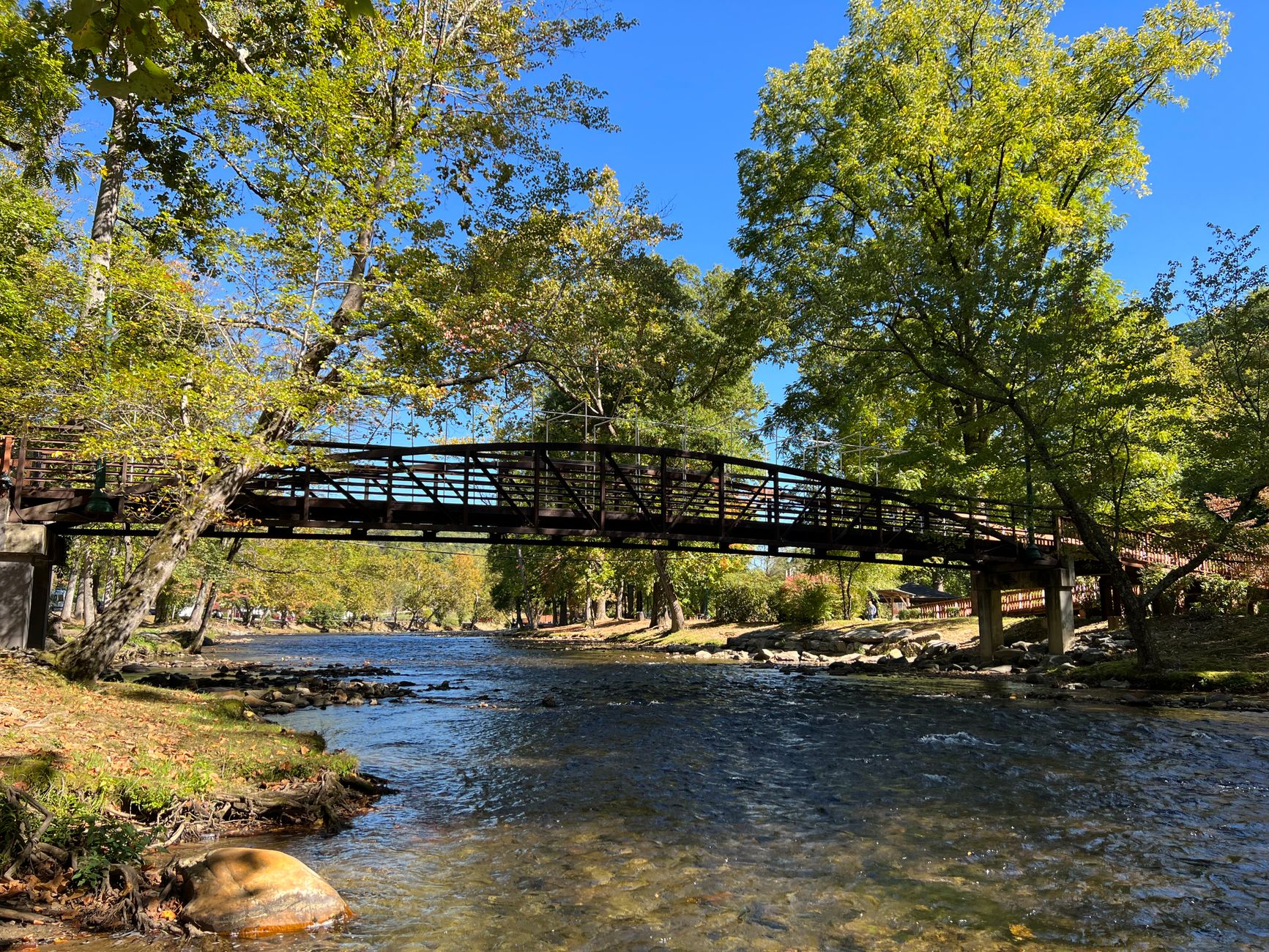
Dedicate the morning to a section of the Cape Fear River Trail — an easy-paced walk or bike ride between Festival Park and Arnette Park covers river views and small nature pockets. Pack water and insect repellent in warmer months. Allocate 60–120 minutes depending on how far to go.
After the trail, catch a short FAST bus or rideshare to the Fayetteville Amtrak station area to inspect the historic depot and, if schedules align, ride the train one stop for a short out-and-back experience toward Raleigh. Train schedules can be sparse — check Amtrak time slots before planning.
Return downtown for a late lunch; try a restaurant serving Eastern North Carolina pulled pork with vinegar sauce or a seafood plate. If checking out of lodging, leave bags at the front desk and time transit to the Fayetteville Regional Airport: taxi or rideshare takes 10–20 minutes and costs about $20–30. For afternoon flights, plan to leave downtown at least 90 minutes before domestic departures to allow for airport lines and traffic. End the day with a relaxed coffee or quick visit to a final gallery on Hay Street if time allows.
Best Local Experiences
Farmers’ Market at Festival Park: Saturday mornings spring–fall with local produce, prepared foods and food trucks. Great for a cheap lunch and people-watching.
Airborne & Special Operations Museum: free exhibits focused on airborne history and modern special operations; allow two hours for serious visitors. The museum calendar often hosts veterans’ talks.
Market House on Hay Street: a short visit to read historical plaques and see downtown activity; often the site of small civic events.
Cape Fear River Trail: sections between Festival Park and Arnette Park are the most accessible, with river views and benches. Walking or cycling this stretch is practical even on a short visit.
Cape Fear Botanical Garden: seasonal plantings, a conservatory and educational displays; a quieter alternative to downtown on a hot afternoon.
Carolina Civic Center Historic Theater: check the schedule for plays, concerts or classic film nights — local programming gives a sense of the community calendar.
Fort Liberty Visitor Center: for those with approved passes, the visitor center provides orientation and exhibits about base history; access beyond that point requires proper credentials or a sponsor.
Where to Stay
Downtown (Hay Street / Festival Park): Suits travelers who want walkable access to museums, restaurants and the Riverwalk. Expect chain hotels and a few boutique options. Typical nightly cost: $90–160 USD (about €83–148). Parking decks are within easy walking distance.
Haymount neighborhood: Suits visitors preferring a quieter, residential feel close to downtown. Found on Haymount Road and Bragg Boulevard, this area has B&Bs and rental homes. Typical nightly cost: $80–140 USD (about €74–130). Walking distance to the river and a short rideshare to downtown.
Near Cross Creek Mall / North Fayetteville: Suits travelers arriving by car or those wanting more suburban hotel choices with predictable parking. Expect mid-range chain hotels geared to families. Typical nightly cost: $70–120 USD (about €64–112). Travel time to downtown is 10–20 minutes by car.
Fort Liberty area lodging: Suits visitors with business on base or families visiting soldiers; budget and mid-range hotels cluster along Bragg Boulevard. Expect similar rates to downtown but check cancellation and shuttle details if a sponsor visit is planned.
Food and Drink
Eastern North Carolina barbecue (vinegar-based pulled pork): Thin, tangy sauce poured over shredded pork. Find solid versions at local barbecue joints near Hay Street and at market vendors; expect $8–12 for a plate.
Chicken bog: A Piedmont/Northeast Carolina rice and chicken dish cooked together; served at family-style restaurants and some diners — expect $9–14.
Shrimp and grits (coastal-influenced): Creamy grits topped with seasoned shrimp; common at downtown dinner spots — $10–18.
Breakfast biscuit with country ham or gravy: Look for morning counters and local bakeries around Haymount and downtown; prices usually $3–7 for a sandwich.
Local craft beer: Several brewpubs in the downtown area rotate seasonal taps; pints run $5–7, flights $8–12. For quick daytime eats, the farmers’ market and food trucks on Hay Street offer low-cost, fresh choices.
Dinner recommendation: opt for a restaurant on Hay Street or near Festival Park that lists NC-sourced produce and seafood; reservations help on weekend nights.
Getting Around
Fayetteville Area System of Transit (FAST) runs fixed-route buses through downtown, Haymount and suburban corridors. Single-ride fares are typically $1.25 cash; the TransLoc Rider app shows live bus locations for FAST. Day passes and reduced fares are available — check the FAST website for current prices.
Amtrak serves Fayetteville via the local station for connections to regional destinations; check Amtrak schedules for the Carolinian and Silver service options. Rideshare apps (Uber, Lyft) and taxis fill the gaps for early morning or late-night travel.
Expect short rideshare trips to be inexpensive: airport to downtown is usually $20–30. Renting a car gives flexibility for botanical garden or beach day trips; downtown parking is metered on some streets and there are municipal parking decks for longer stays.
Best Time to Visit
Spring (March–May): Temperatures 55–75°F (13–24°C). Warmer days, blooming gardens and farmers’ market season. Crowds are low to moderate and weekend events increase activity around Festival Park.
Summer (June–August): Temperatures 75–90°F (24–32°C) with high humidity. Expect afternoon storms and hot mid-days; plan indoor museums then. Prices for hotels are steady but expect higher AC usage and busier riverfront weekends.
Fall (September–November): Temperatures 55–75°F (13–24°C) with lower humidity and clear days — best value for outdoor walking and botanical garden colors. Events resume and weekend crowds remain moderate.
Winter (December–February): Temperatures 35–55°F (2–13°C). Quiet downtown, lower hotel rates and fewer tourists. Some outdoor attractions reduce hours. Spring and fall offer the best overall balance of weather, event options and value.
Budget and Practical Tips
Typical daily budget (midrange traveler): Accommodation $90–140 USD per night (€83–130), food $25–45 USD/day (€23–42), transport $5–20 USD/day (€5–18), entry fees $0–15 USD/day (€0–14). Expect total daily outlay around $130–220 USD (€120–203) excluding any shopping or special tours.
Accommodation ranges above assume midrange hotels; budget motels can be $60–80 USD (€55–74) and higher-end options $160+ USD (€148+). Museum admissions vary: Airborne & Special Operations Museum is free; botanical garden around $10 USD (€9); other small museums often charge $5–8 USD (€5–7).
Tipping norms follow U.S. standards: 15–20% in sit-down restaurants, $1–2 per drink at bars, and $2–5 for hotel porters. Cash is useful for small vendors at the farmers’ market but credit cards are widely accepted in restaurants and hotels. Carry ID for any visit that may require it — especially for Fort Liberty or veteran-focused events.
FAQ
Is Fayetteville safe for solo travelers?
Most downtown and Haymount areas are safe during daytime with normal urban precautions; avoid poorly lit side streets late at night and check local advisories for any special events.
How do I get from Fayetteville Regional Airport to downtown?
Taxi or rideshare takes about 10–15 minutes and typically costs $20–30; some hotels offer shuttles—confirm when booking.
Is there a city tourist pass worth buying?
There is no comprehensive city tourist card; most attractions have low or free admission, so individual tickets or donations make more sense than a pass.
Can visitors tour Fort Liberty easily?
Civilian access requires a visitor pass or a military sponsor; obtain a Day Visitor Pass through the Fort Liberty Visitor Center or ensure a sponsor is listed to avoid denial at the gate.
What public transit options connect main attractions?
FAST buses cover downtown, Haymount and some suburban stops; use the TransLoc Rider app or Google Maps for routes and live tracking. Rideshare fills the schedule gaps.
Are museums open on Sundays?
Hours vary by institution; the Airborne & Special Operations Museum and botanical garden often have limited Sunday hours — check each website before planning.
Is driving required to see the highlights in three days?
Not strictly — downtown and Haymount are walkable and some bus routes connect major stops — but a rental car or rideshare makes reaching the botanical garden and Cross Creek Mall faster.
Where are good cheap eats?
Festival Park food trucks, the farmers’ market, and small barbecue counters on Hay Street offer cheap, filling meals under $10.
Conclusion
Three days provide a clear, manageable slice of what this city offers: military history at the Airborne & Special Operations Museum, a compact downtown with a functioning Market House and river access, plus an outdoor option at the botanical garden or river trail. Visitors will most likely remember small contrasts — the sudden quiet of Haymount streets versus crowded festival weekends on Hay Street, and the prominence of Fort Liberty in local life.
If time becomes tight, prioritize a morning at the Airborne & Special Operations Museum and an afternoon on the Cape Fear River Trail; those two give the best sense of why the place matters to locals and visitors alike.
How this guide was prepared
This guide was prepared through a structured research that combines destination research, geographic context, itinerary planning logic, and content review.