
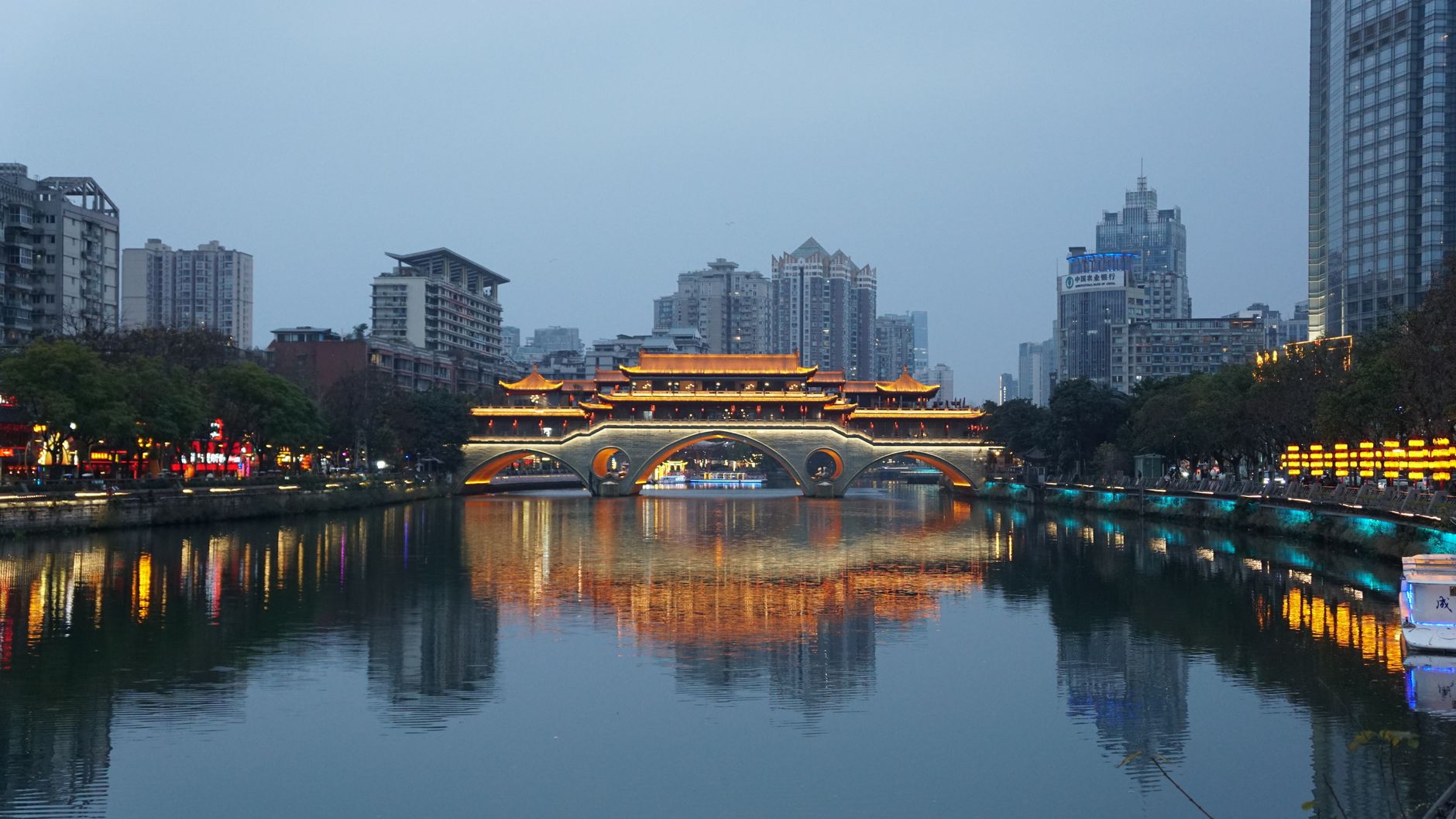
Three Days in Chengdu: A Practical 72-Hour Itinerary
A concise, practical 3-day guide to Chengdu covering transit, panda visits, teahouse routines, markets and realistic budgets for first-time visitors.
A candid 72-hour plan for seeing pandas early, sampling street snacks, watching Sichuan Opera, and moving between neighbourhoods without wasting time.
Expect a city that moves with deliberate leisure during the day and livens up late around food and tea houses. Streets near Renmin Park, Kuanzhai Alley and Chunxi Road feel residential between shops; noise spikes at meal times and around major shopping streets.
First impressions often mistake the relaxed pace for lack of activity—local routines like morning tea, late dinners and long card games shape the day. This suits travelers who prefer flexible schedules and local tempo rather than tight attraction lists.
Is 3 days in Chengdu enough?
Three days is enough to see the panda base, the main historic core (Wuhou Shrine, Jinli, Kuanzhai), and sample Chengdu's major food styles. The honest caveat: long day trips outside the metro area (Dujiangyan, Mount Qingcheng) need a full extra day or an early start and a private driver.
Who This Guide Is For
Best for first-time visitors who prioritize food, short cultural visits, and relaxed pacing; less suitable for travelers aiming to include long regional excursions or rigorous temple-hopping in one weekend.
Local Tips for Chengdu
Practical details that most travel sites skip — specific to Chengdu.
- Arrive at Chengdu Research Base of Giant Panda Breeding before 7:30–8:00am for the most active animals; standard entry is about ¥58–80 and taxis from downtown take roughly 30–40 minutes (¥30–60).
- Buy a Tianfu Tong (天府通) transport card at any metro station machine or counter; top-ups accept cash, UnionPay and WeChat/Alipay, and using it saves small amounts versus single fares.
- People's Park (Renmin Park) Heming Teahouse charges about ¥30–60 for a morning tea and a seat; expect locals to share tables and to be invited into mahjong or tea conversations.
- Jinsha Site Museum uses timed tickets—prebook weekends and public holidays; on busy days the free or low-cost slots can sell out by late morning, typical entry around ¥40–60.
- From Tianfu International Airport use Metro Line 18 (express or all-stop services) into the city; a taxi from Tianfu to central areas is typically ¥120–200 depending on traffic and time of day.
How This Guide Was Prepared
This guide treats Chengdu as a city of daily routines and slow pockets, not a checklist of must-see highlights alone. Many guides cram attractions without explaining transit bottlenecks, teahouse etiquette, or how meal pacing affects a panda visit; this guide focuses on timing and local customs that actually change a weekend. This guide was prepared through a structured research that combines destination research, geographic context, itinerary planning logic, and content review.
Plan Your Stay in Chengdu
Use this itinerary as your starting point, then compare areas to stay, transport options, seasonal timing, and realistic daily costs before booking.
Why Visit
Pandas are the obvious draw but the real travel value is the city's rituals: morning tea houses at People's Park, late-night hotpot culture, and the music-and-opera scene at Shufeng Yayun. Those routines are best experienced in specific places rather than on a rushed tour.
Historic sites are compact and walkable: Wuhou Shrine and Jinli Ancient Street sit next to one another and give direct contact with Three Kingdoms history and local snack culture. Museums such as Jinsha Site Museum provide an accessible archaeological counterpoint to temple visits.
Food-focused visitors will find dozens of distinct snack forms—dandan noodles, suan la fen, chuan chuan—available in markets, teahouses and small restaurants, often for single-digit prices. The metro network and short taxi rides keep travel times manageable, enabling three-days to balance food, culture and the panda base.
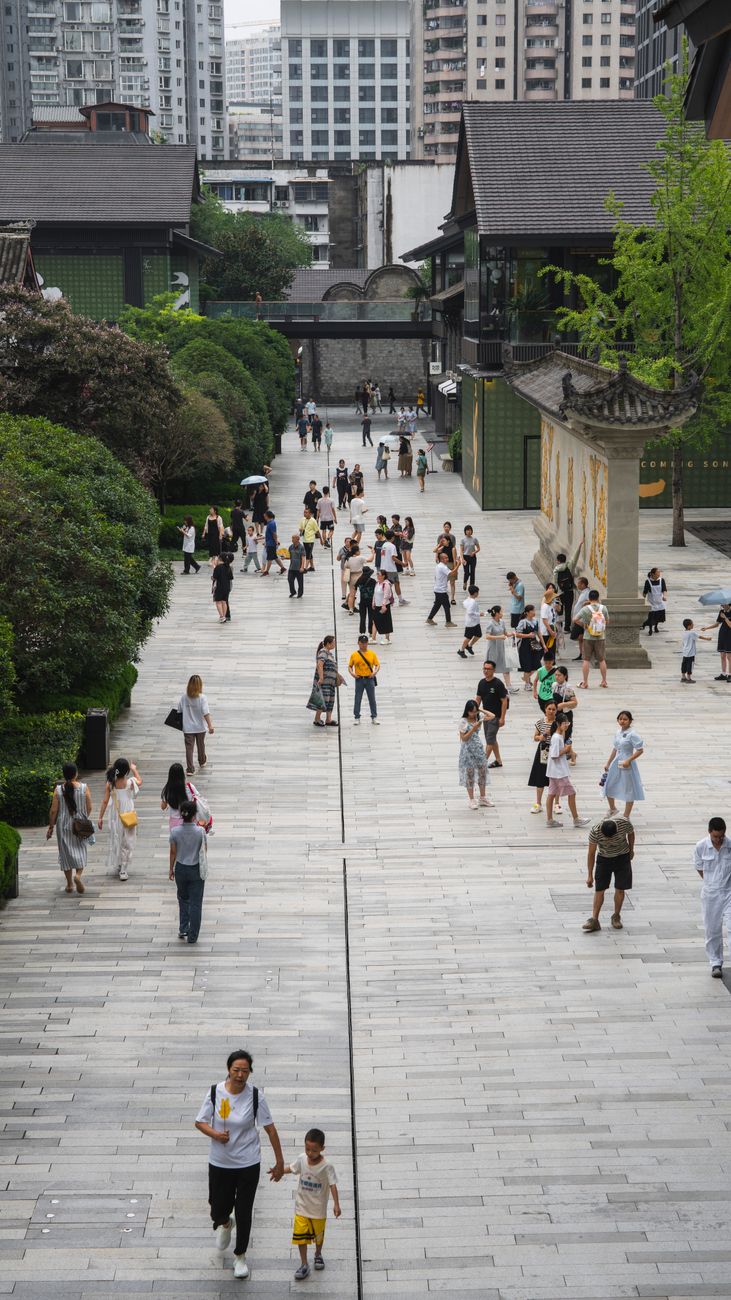
Quick Planning Tips
Fly into Shuangliu Airport or Tianfu International. From Tianfu use Metro Line 18 (express/all-stop) to the urban network; from Shuangliu use Line 10 or airport shuttle buses. Taxis from Shuangliu to the centre typically cost ¥60–100; from Tianfu expect ¥120–200 depending on traffic.
Set up mobile payments before arrival if possible: WeChat Pay and Alipay are accepted at most shops but foreign cards are not. Bring a small amount of cash (¥200–400) for markets and older teahouses.
Avoid the planning mistake of scheduling the panda base and multiple museums on the same day—traffic and timed-entry tickets make that fragile. Book timed-entry museums for weekends and reserve opera or hotpot reservations for evening slots on Friday–Sunday.
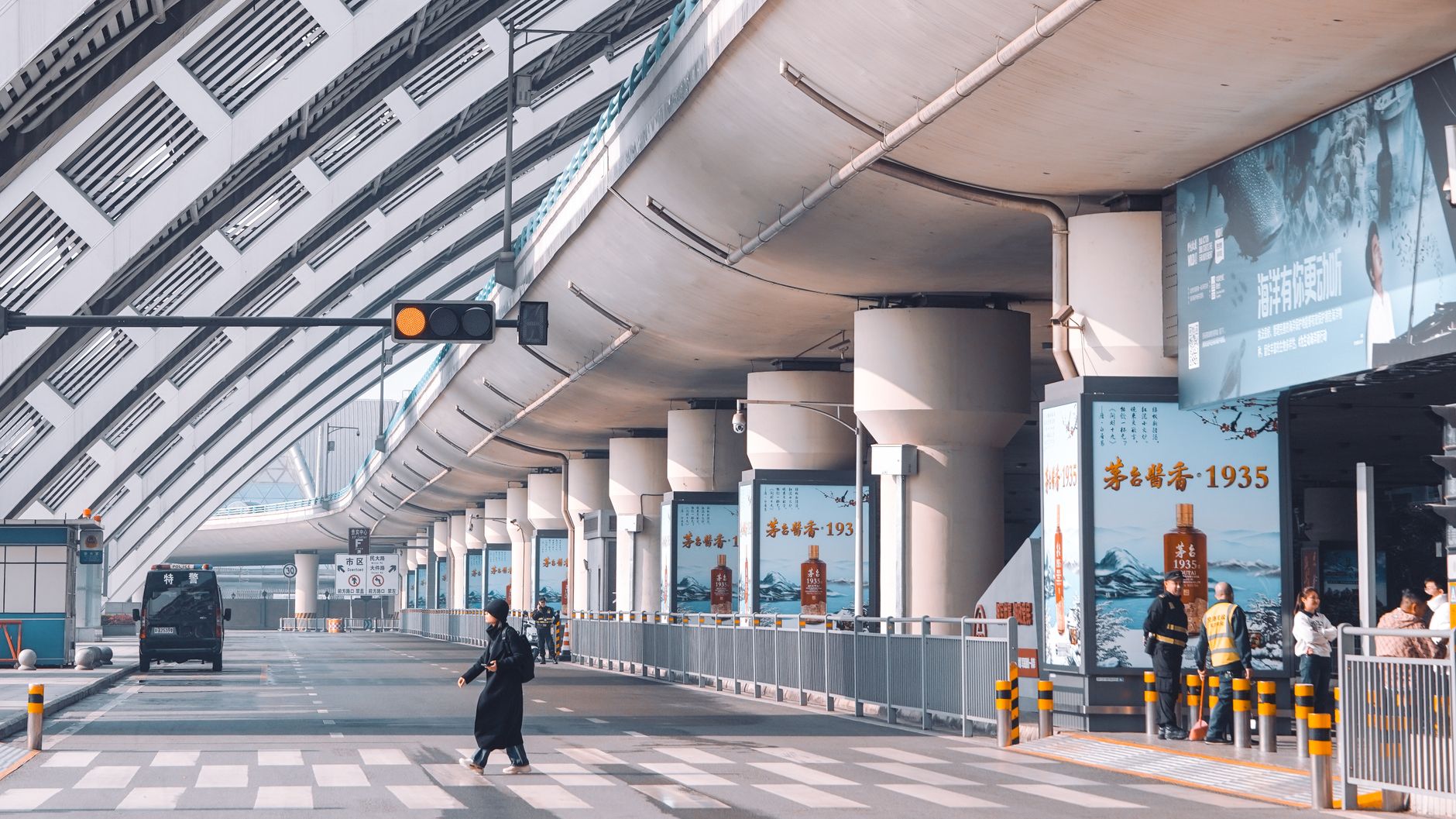
Day 1
Morning: Start at the Chengdu Research Base of Giant Panda Breeding; arrive at opening for the most activity and cooler temperatures. Expect a 30–40 minute taxi ride from central Jinjiang or Wuhou districts and plan ¥58–80 entry; spend 2–3 hours including the small museum and nursery enclosures.
Midday: Return to the city and head to Wuhou Shrine (Wuhouci) beside Jinli Ancient Street. Walking from the nearest metro (Zhaojue Temple or Chengdu University stations require a short taxi) takes 10–15 minutes from nearby stops. Explore the shrine and then walk through Jinli for snacks and souvenirs.
Lunch: Eat at a stall on Jinli—try guokui or wontons; typical snack prices range ¥8–25 each. Expect to spend 20–50 minutes sampling several items.
Afternoon: Walk to the nearby Sichuan Museum if interested and spend 60–90 minutes, or rest in Renmin Park for tea at Heming Teahouse (¥30–60). Both are within a 10–20 minute taxi or 20–30 minute walk depending on pace.
Evening: Have dinner at a classic hotpot restaurant in the Chunxi Road / Taikooli area—choose a place with a split pot if unsure about spice. After dinner, see a Sichuan Opera face-changing show at Shufeng Yayun or another local theatre; book tickets in advance for evenings.

Day 2
Morning: Visit Wenshu Monastery to see the temple grounds, the tea courtyard and vegetarian snacks on Qingyang District streets. The monastery is a short taxi or metro ride; plan 60–90 minutes for the temple complex and a slow tea.
Midday: Walk or take a short taxi to Kuanzhai Alley (Wide and Narrow Alley) and explore its parallel lanes for architecture and small museums. Lunch in a lane-side restaurant serving mapo tofu or dan dan noodles; expect ¥20–60 per person depending on choices.
Afternoon: Head to Jinsha Site Museum on the north side of the river; timed tickets are common and the displays take about 1–1.5 hours. Taxi or metro connections from Kuanzhai Alley are roughly 20–30 minutes.
Late afternoon: Explore shoppers and cafés around Chunxi Road and Taikooli; this area is useful for electronics, local tea shops and a different urban feel from the historic lanes. If energy allows, take a short subway ride to the Sichuan Science and Technology Museum or the smaller contemporary galleries.
Evening: Seek a neighbourhood hotpot or a chuan chuan xiang stall in the narrower alleys. For a quieter night choose a tea house with live Sichuan instrumental music in the Qingyang area; reserve in advance on weekend nights.
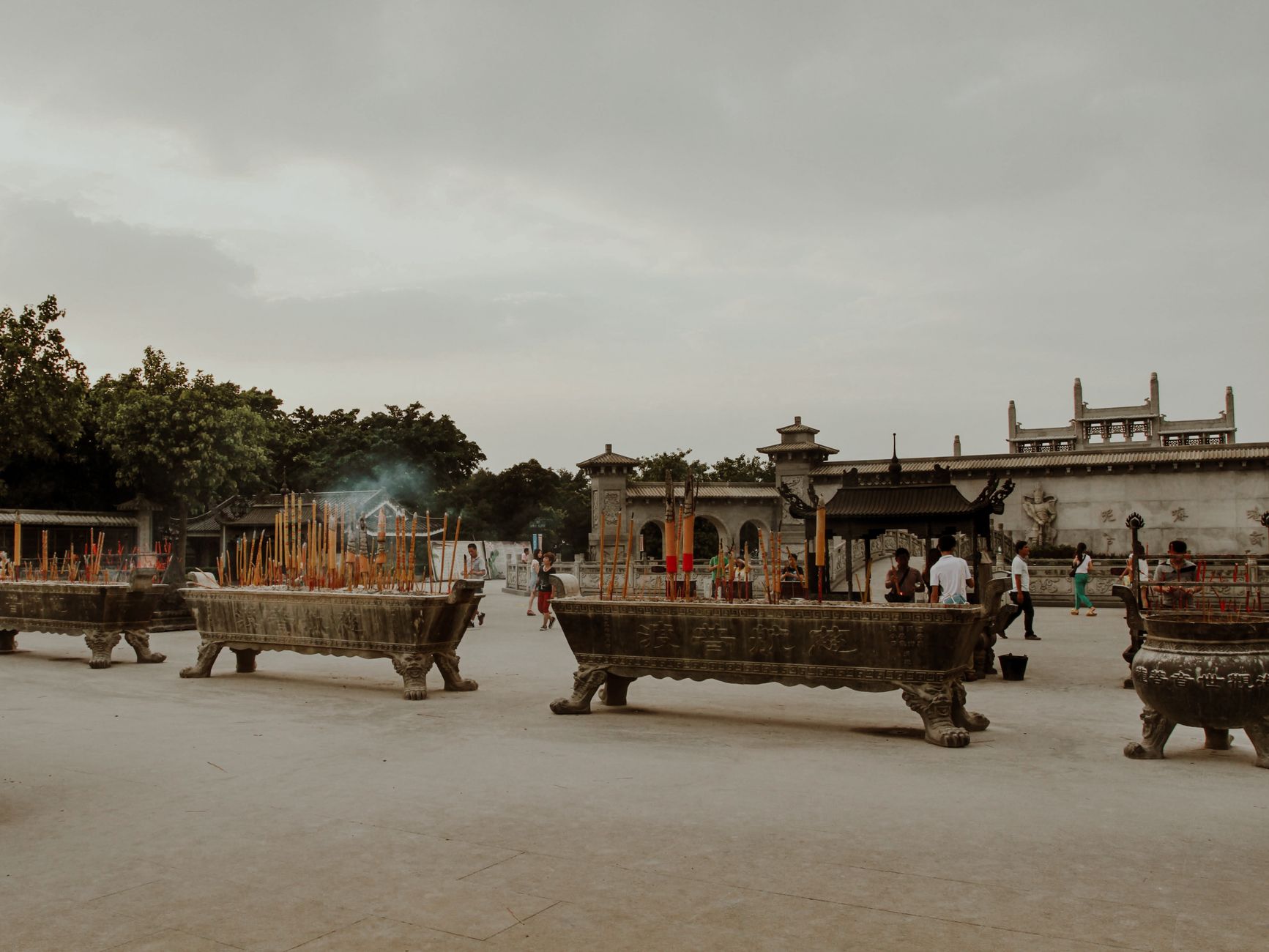
Day 3
Morning: Use this morning for anything missed—return to Jinli for a final snack run or spend extra time at People's Park watching locals’ morning routines and tasting tea. If leaving baggage at the hotel, confirm checkout times and whether late luggage hold is possible.
Midday: Visit an urban market such as the small food streets around Zhaojue Temple or the snack alleys near Wuhouci for one last set of dishes. Lunch should be quick if the flight is in the afternoon—choose noodle dishes (dan dan or suan la fen) that are fast to eat.
Afternoon: For travelers catching an afternoon flight, head back to the hotel, collect bags, and allow 1.5–2.5 hours for transfer to Tianfu International Airport (longer from outer districts) or 1–1.5 hours to Shuangliu depending on traffic and time of day. Taxis or DiDi are reliable; metro Line 18 from the city to Tianfu is an alternative but factor in transfer time to the station.
Late option: If flights are evening or next day, consider a short visit to the nearby Anren Ancient Town or a local tea house for lingering conversations. Always leave buffer time for traffic and airport security.
Best Local Experiences
See the pandas early at Chengdu Research Base of Giant Panda Breeding for real animal behavior rather than staged photos. This experience requires an early start and quieter morning paths.
Sit in a teahouse at People's Park (Heming Teahouse) and watch local tea culture and mahjong players while ordering a pitcher of jasmine or jasmine-oolong blend. The social rhythm here shows everyday life better than tourist sites.
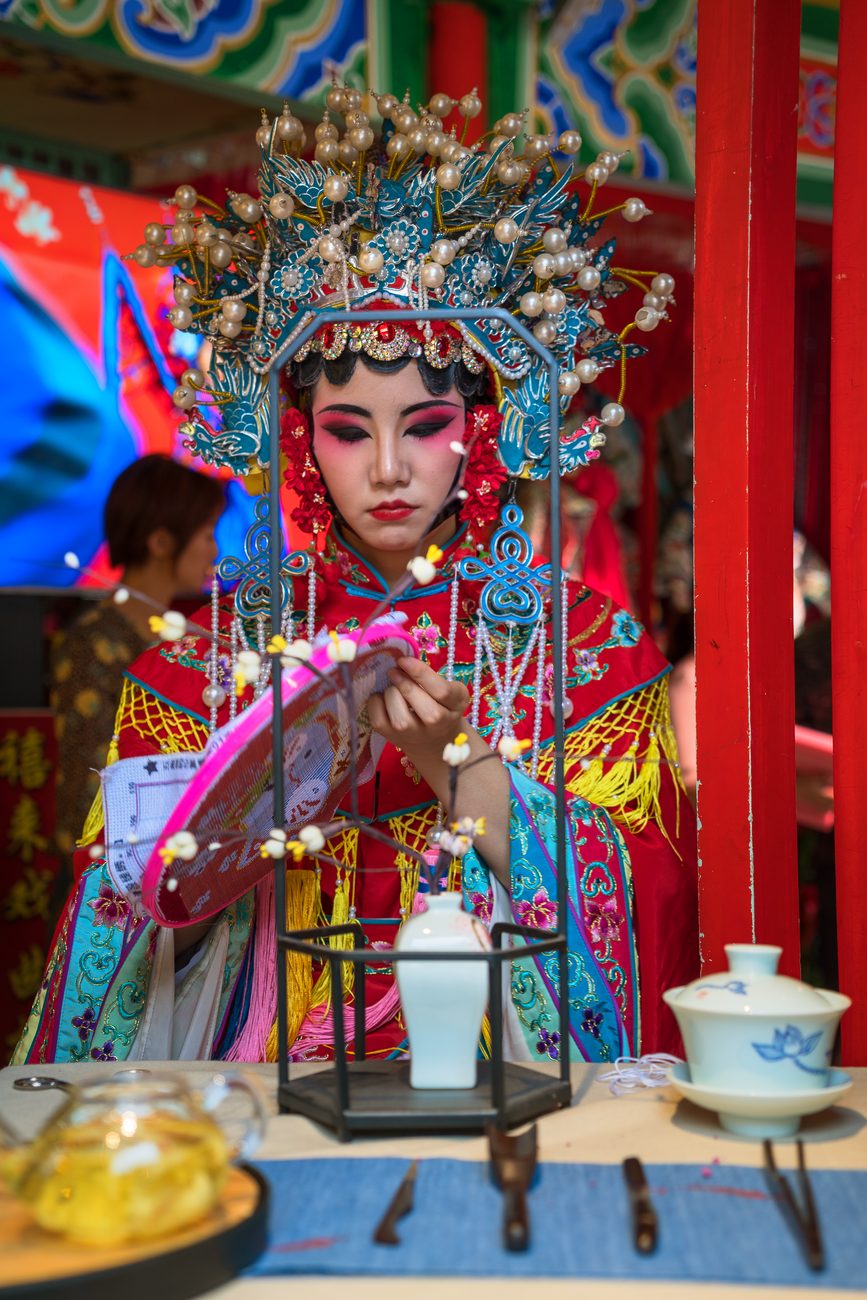
Attend a Sichuan Opera face-changing performance at Shufeng Yayun or a smaller local theatre; book ahead for Friday and Saturday nights. Visit Jinli Ancient Street in the evening for snacks and small performances focused on Three Kingdoms-era crafts.
Explore Jinsha Site Museum to see the bronze masks and Chengdu's archaeological layers, and plan timed tickets. Walk Kuanzhai Alley for lane architecture and sample stall snacks in the parallel lanes.
Try a chuan chuan xiang (skewer hotpot) stall in the late evening in the Wuhou or Qingyang districts; it’s a local late-night routine where groups gather around skewers simmering in spicy broth.
Where to Stay
Jinjiang / Chunxi Road: Best for first-time visitors who want shopping, restaurants and easy night options. Close to metro lines 1 and 2 and Taikooli. Expect mid-range hotel prices around ¥400–900 per night (roughly €50–120 / $55–130), with budget hostels cheaper along side streets.
Qingyang / Wuhou District (Kuanzhai Alley, Wenshu Monastery): Suits travellers who prefer historic lanes, teahouses and proximity to Wuhouci and Jinli. Many guesthouses and boutique hotels in converted courtyards cost ¥300–700 per night (≈€40–90 / $45–95).
Wuhou / South City (near the Panda Base access roads and long-distance buses): Works for those who plan early panda trips or onward regional trains. Expect ¥200–500 per night (≈€25–65 / $28–70) for simple business hotels; traffic to central Taikooli may be 20–40 minutes by taxi.
Choose neighbourhood by priorities: proximity to the panda base for early starts, or central Jinjiang for nightlife and shopping. Prices vary by season—book earlier for public holidays and Golden Week.
Food and Drink
Dandan noodles (担担面): Thin noodles with a spicy, sesame-chili sauce and minced pork. Street bowls cost ¥8–20; seek them in Jinli snack alleys or local noodle shops.
Hotpot (火锅): A communal meal of simmering broths and raw ingredients to cook at the table. Look for a place that offers a split pot and mild broth option if inexperienced; expect ¥100–200 per person in a popular mid-range restaurant, cheaper in neighbourhood spots.
Mapo tofu (麻婆豆腐): Silky tofu in a numbing, oily chili sauce with Sichuan peppercorns. Order at a sit-down Sichuan restaurant for ¥20–50 as a dish to share.
Chuan chuan xiang (串串香): Skewers cooked in a communal pot and priced per skewer or by weight; find lively stalls in the late evening in Wuhou and Qingyang districts. A typical meal costs ¥30–80 per person depending on appetite.
Breakfast option—Suan la fen (酸辣粉) or liangfen: Spicy-sour rice noodles sold at morning stalls for ¥6–15. For a quieter breakfast try a small tea house near Wenshu Monastery for simple porridge and tea around ¥15–40.
Drink note: Local tea houses serve jasmine, green and aged pu-erh teas; a session costs ¥30–100 depending on quality and duration.
Getting Around
Use the Chengdu Metro network: Lines 1, 2, 3, 4, 7, 9, 10, 18 and others connect the core and airports. Line 10 serves Shuangliu Airport; Line 18 connects Tianfu International Airport with express and all-stop services.
Buy a Tianfu Tong (天府通) card at any station or use single-journey tickets from machines; fares start around ¥2 for short journeys and rise with distance—typical trips across downtown cost ¥3–6. No widely used day pass exists for casual tourists, so stored-value cards are most convenient.
For taxis use the DiDi app or hail on the street; expect airport fares of roughly ¥60–100 from Shuangliu and ¥120–200 from Tianfu depending on traffic. Public buses cover areas outside the metro but are slower; shared bikes (Hello Bike, Meituan) are useful for last-mile trips. Metro and DiDi apps in English are limited; carry addresses in Chinese characters for drivers and small offline maps.
Best Time to Visit
Spring (March–May): Temperatures 10–25°C, moderate rain and many flowering trees; good value before peak summer crowds. Expect occasional humidity and mist, useful for panda photography in soft light.
Summer (June–August): Temperatures 25–35°C with high humidity; heavy rain days increase, and indoor venues get crowded as locals seek air-conditioning. Hotpot culture intensifies at night—expect high restaurant crowds on weekends.
Autumn (September–November): Temperatures 12–24°C and generally stable weather; this period offers the best balance of comfortable temperatures and fewer rainy days. Book accommodations earlier for Golden Week in October.
Winter (December–February): Temperatures 0–10°C; the city is quiet and indoor attractions are less crowded. Some restaurants may reduce outdoor stalls, but museum timed tickets are easier to secure.
Budget and Practical Tips
Daily budget (mid-range traveler): Accommodation ¥300–700 (€40–90 / $45–95), food ¥100–200 (€13–26 / $14–28), transport ¥20–60 (€3–8 / $3–9), entry fees and extras ¥50–200 (€6–26 / $7–28). A conservative daily total is roughly ¥470–1,160 (€60–150 / $67–160).
Budget options: Hostels and simple business hotels can drop accommodation to ¥100–200 per night (€13–26 / $14–28); local meals and snacks bring daily costs down. High-end choices near Taikooli or boutique courtyard hotels increase totals accordingly.
Tipping norms: Tipping is not customary in most local restaurants and tea houses. Small service charges may appear at high-end hotels or international restaurants; rounding up taxi fares is optional but not expected.
Practical tip: Keep restaurant addresses in Chinese and set a local SIM or offline maps; many smaller restaurants do not show clear English names. Carry some cash for night stalls and small tea houses that prefer cash over card.
FAQ
Is Chengdu safe for solo travelers?
Chengdu is generally safe; standard urban precautions apply—watch belongings in crowded snack streets and keep an eye on bags in tourist hubs.
How early should I arrive at the panda base?
Arrive before 8:00am, ideally at opening, to see feeding times and more active animals; later in the day pandas are less active and areas get crowded.
Is a Chengdu city card or pass worth buying?
There is no universal city pass widely used for tourists; buying a Tianfu Tong card for metro savings and convenience is recommended, but timed museum tickets should be booked separately.
Can I use credit cards widely?
UnionPay and mobile payments (WeChat Pay, Alipay) are widely accepted; many small vendors do not accept foreign Visa/Mastercard without a mobile payment gateway.
What is the best way to get from Tianfu International Airport to the city?
Use Metro Line 18 for a reliable schedule or a taxi/DiDi for door-to-door service—plan ¥120–200 and allow extra time for peak-hour traffic.
Are English signs common on metro and at attractions?
Metro stations and major attractions have English signage, but smaller streets and markets do not—carry addresses in Chinese and a translation app.
Conclusion
Three days will most likely be remembered for the panda encounter, relaxed teahouse hours, and a few memorable meals rather than an exhaustive tour of every site. Prioritise one early-morning outdoor activity (panda base) and one evening cultural experience (Sichuan Opera or hotpot) if time is short.
Leaving room for slow meals and unexpected street snacks yields a more accurate sense of daily life here than a tight schedule of attractions. If only one thing can be prioritised, make it the early panda visit—the timing changes the experience entirely.
How this guide was prepared
This guide was prepared through a structured research that combines destination research, geographic context, itinerary planning logic, and content review.