

Responsible Travel in Chiang Mai — Practical, Local-First Guide
Practical advice for low-impact, locally minded travel in Chiang Mai: neighborhoods, seasonality, ethical wildlife, transport, booking tips, and how this supports your 3 days in Chiang Mai itinerary.
How to visit Chiang Mai with minimal impact and maximum local benefit: when to go, where to stay and eat, transport realities, ethical day trips, and simple booking and etiquette tips that pair with our 3 days in Chiang Mai itinerary.
Quick Answer
How to visit Chiang Mai with minimal impact and maximum local benefit: when to go, where to stay and eat, transport realities, ethical day trips, and simple booking and etiquette tips that pair with our 3 days in Chiang Mai itinerary.
Who This Page Is For
This page is for travelers planning a stay in Chiang Mai who want clearer decisions about responsible travel, local logistics, timing, budgeting, and practical trip planning.
How This Page Was Prepared
This page was prepared through a structured editorial workflow that combines destination research, geographic context, and practical travel-planning review.
Plan the Rest of Your Trip
Use this page together with the full itinerary and the related planning pages below to make better booking, timing, transport, and budget decisions.
Best short answer: stay in or near the Old City or Nimmanhaemin for walkable food and markets, pick ethical, permit-holding sanctuaries for wildlife visits, travel between nearby cities (Chiang Rai, Udon Thani, Bangkok) by daytime bus or reputable private transfer when possible, and prioritize local guides and small businesses for tours and meals.
Key practical points:
– Favor the shoulder seasons (late Feb–Mar, Sep–early Oct) to avoid peak crowds and bad air quality.
– Use public transport, walking, cycling, or red songthaews for short trips.
– Book sanctuaries and community-based homestays in advance, especially in high season.
Chiang Mai is a compact city with deep cultural roots, lively markets, and easy access to mountain villages. This page is designed for travelers who want to reduce their footprint, support local businesses, and fold responsible choices into a short visit or a longer stay. Use this as a support page alongside our main 3 days in Chiang Mai itinerary to choose neighborhoods, day trips, and ethical experiences that benefit communities and protect landscapes.
What This Page Helps You Decide
This page helps you choose:
– Where to base yourself for a 3-day stay and how that connects to the full 3 days in Chiang Mai itinerary.
– Which day trips and wildlife experiences meet ethical standards and directly support local communities.
– How to travel responsibly to and from nearby destinations like Chiang Rai, Udon Thani, Bangkok, Si Racha, and Cha-am.
– Practical transport choices, seasonal timing, and how to spend money locally for maximum benefit.
Use these recommendations to tweak your main itinerary: swap a mass-tourism activity for a community-run experience, or move a day trip to a shoulder-season slot to lower impact.
Top Recommendations
Top practical choices to make your visit responsible and locally beneficial:
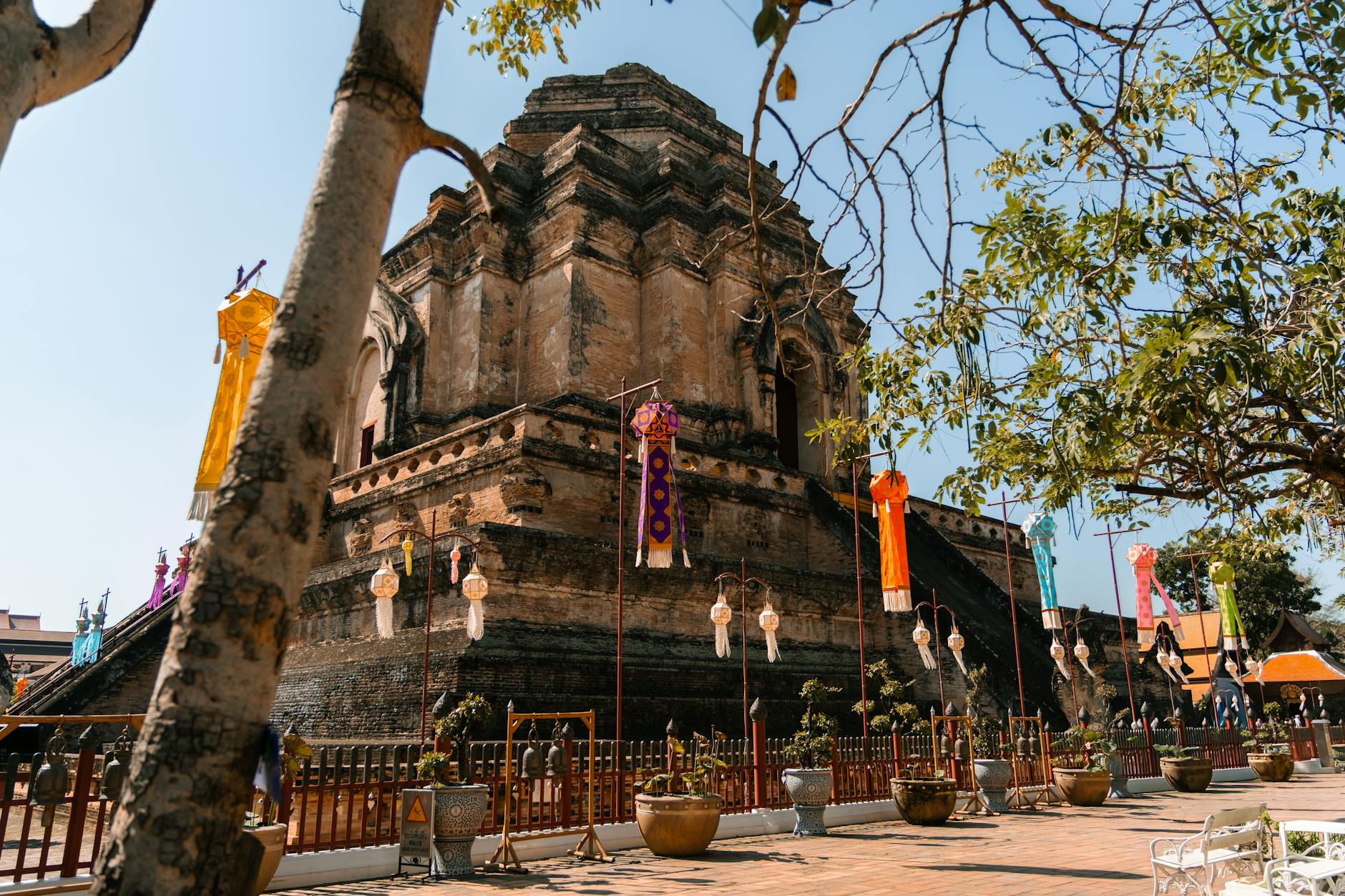
– Base: Old City for temple access and markets; Nimmanhaemin for cafes, design shops, and short walks to local eateries.
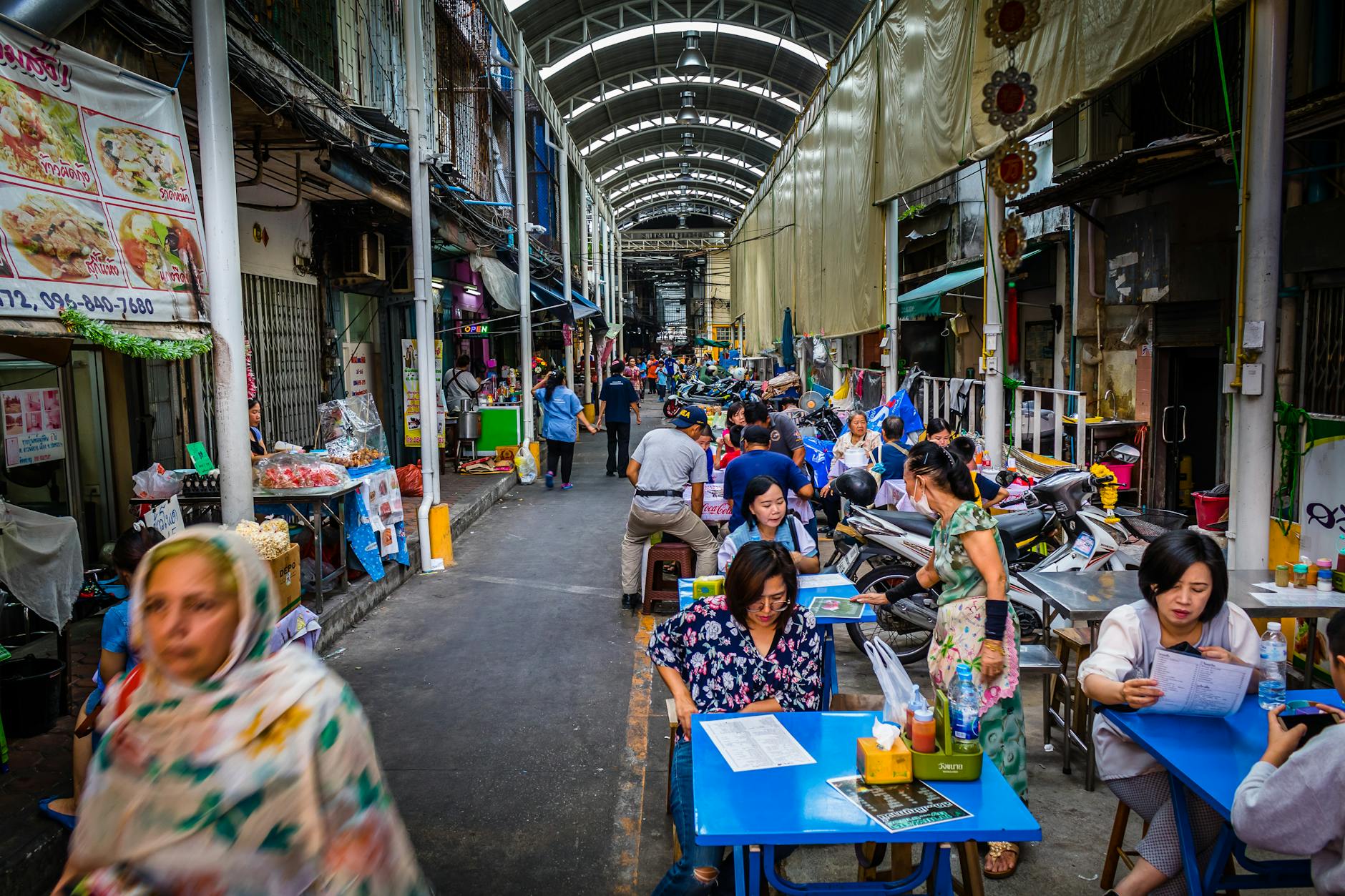
– Markets: Morning Warorot (Kad Luang) for local produce; Chiang Mai Gate market for street breakfast; Sunday Walking Street for local artisans (buy directly from makers).
– Transport: Walk and cycle within the Old City; use red songthaews for short hops; prefer Grab or metered taxis late at night; avoid unnecessary scooter rentals.
– Wildlife: Visit accredited sanctuaries that prohibit riding and prioritize rescue and rehabilitation. Book directly with them, or through local guesthouses that partner openly.
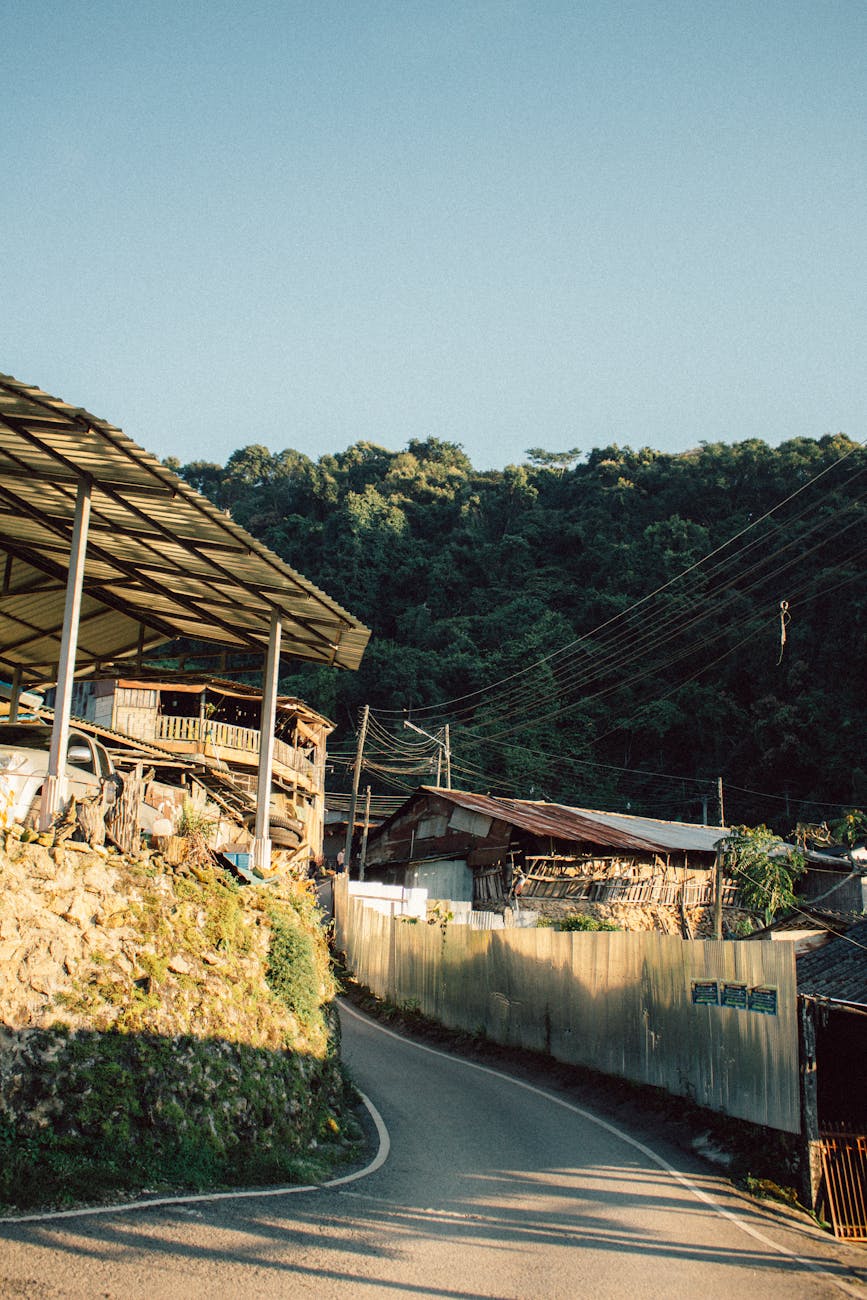
– Day trips: Choose community-based hill-tribe visits, coffee farm tours, or Mae Sa valley hikes with local guides rather than packaged mass tours.
– Food: Eat at small family-run restaurants and street stalls with visible turnover; take a market-based cooking class that sources ingredients locally.
Pair these with the activities in our 3 days in Chiang Mai itinerary to reduce impact and increase local benefit.
Local Context
Neighborhoods and seasonal realities:
– Old City: Best for walking between temples, markets, and small hotels. Narrow lanes, many guesthouses, and easy access to public transport.
– Nimmanhaemin: Trendier cafés, boutique shops, and a younger crowd; good for evening food and short urban walks.
– Riverside and Night Bazaar area: Livelier at night; more tourists and souvenir shops.
Seasonal patterns to plan around:
– Cool season (Nov–Feb): Most comfortable weather, high season, book lodging and popular day trips early.
– Hot season (Mar–May): Fewer tourists but daytime heat—plan early morning activities and carry water.
– Rainy season (Jun–Oct): Green landscapes, fewer visitors, occasional road closures in mountain areas; shoulder windows in Sep–early Oct can be quiet and affordable.
– Burning season / air quality (Feb–Apr): Check local air-quality forecasts; if AQI is poor consider indoor plans or shifting dates.
Transport realities:
– Red songthaews are shared, inexpensive, and cover much of the city; negotiate fares for private hires.
– Tuk-tuks are handy for short trips but agree on a price first.
– Grab app and metered taxis operate but can be slower during peak hours.
– Intercity: Buses and van services connect to Chiang Rai (3–4 hours), Udon Thani (longer), and Bangkok; daytime travel on reliable roads is preferable to overnight economy vans.

How to Choose Well
Practical selection criteria for tours, accommodation, and food:
– Accommodation: Look for locally owned guesthouses, family-run hotels, or properties with clear sustainability practices and hiring from the community.
– Tours and guides: Choose licensed local guides (ask for guide ID), small-group departures, and companies that publish how fees support communities.
– Wildlife and nature: Avoid any activity that advertises riding, touching, or performances. Prefer sanctuaries with clear rescue stories, veterinary care on-site, and visitor education.
– Markets and shopping: Buy directly from makers, ask about material sourcing, and prioritize handicrafts sold by community cooperatives.
– Transport bookings: Reserve intercity buses and reputable private transfers online or through your hotel; verify pickup details and cancellation terms.
Booking tips:
– Reserve high-demand experiences (ethical sanctuaries, popular cooking schools, and seasonal festivals) at least 2–4 weeks ahead in high season.
– For last-minute flexibility, book refundable rooms or choose guesthouses with clear short-notice policies.
– Ask for cost breakdowns on tour pricing—know what goes to guides, permits, and local partners.
Responsible and Local-First Tips
Everyday choices that support the local economy and reduce impact:
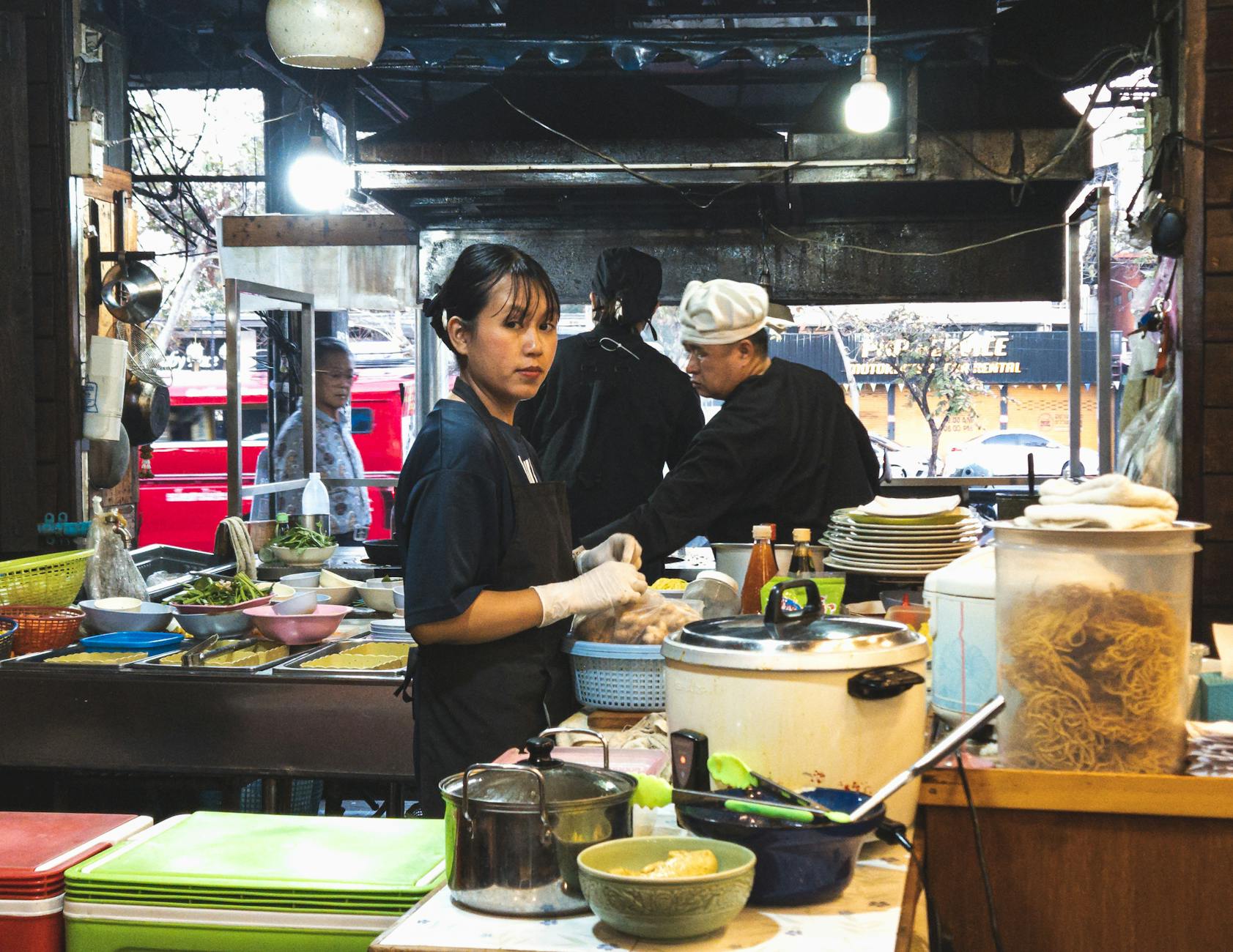
– Spend locally: eat at family-run eateries, buy snacks and produce at markets, and hire neighborhood guides.
– Reduce single-use plastic: carry a refillable bottle and a small bag for market purchases; many cafés offer filtered water refills.
– Respect culture: dress modestly at temples (shoulders and knees covered), remove shoes where required, and use a polite wai or a nod when greeting.
– Photography: ask before taking portraits of people, especially in village settings.
– Wildlife: prioritize observation and education; decline activities that exploit animals.
– Air travel and offsets: if flying in from outside Thailand, consider consolidating flights and supporting verified carbon-reduction projects locally.
Small actions add up: a morning market breakfast, a cash tip to a guide, or booking a community tour can directly benefit families and micro-enterprises.
Common Mistakes to Avoid
Frequent pitfalls and how to avoid them:
– Mistake: Choosing elephant rides or shows. Fix: Book only sanctuaries that do not offer rides and explain why to any operator who asks.
– Mistake: Renting scooters without experience or insurance. Fix: Use public transport or hire a licensed driver for day trips; if renting, get documented insurance and inspect the bike.
– Mistake: Waiting to book during high season. Fix: Reserve accommodation and ethical experiences at least 2–4 weeks ahead for Nov–Feb.
– Mistake: Bargaining aggressively at food stalls or for locally made goods. Fix: Bargain politely and accept higher prices for fair-pay crafts or food where appropriate.
– Mistake: Not checking air quality during burning season. Fix: Monitor local AQI forecasts and choose indoor activities or shift your schedule if AQI is unhealthy.
FAQ
Is it safe to rent a scooter in Chiang Mai?
It is common, but not automatically safe. Only rent if you have experience, always wear a helmet, check insurance and the vehicle condition, and avoid fast mountain roads alone. For safer options, use red songthaews, metered taxis, or hire a licensed driver for day trips.
How can I visit elephants responsibly?
Choose sanctuaries that explicitly prohibit riding and performances, that publish rescue histories and veterinary care, and that emphasize observation and education. Book directly with the sanctuary or through a trusted local guesthouse.
When is the best time to visit for lower impact and decent weather?
If you want fewer people and reasonable weather, consider late February–March or September–early October. November–February is the most comfortable but also the busiest. Avoid burning-season weeks if you are sensitive to air quality.
How do I get between Chiang Mai and nearby cities like Chiang Rai or Bangkok?
Reliable daytime buses and minivans run to Chiang Rai (about 3–4 hours). To Bangkok, options include flights (1 hour) and overnight trains or buses. For Udon Thani and farther east, plan longer daytime travel or flights. Book reputable carriers and confirm pickup locations with your hotel.
Conclusion
Chiang Mai rewards modest, locally focused travel: slow mornings in markets, afternoon café conversations, and day trips that directly benefit small communities. Use this page to refine your 3 days in Chiang Mai itinerary—swap a mass-tour activity for an ethical sanctuary visit, walk or cycle more, and choose local guides and guesthouses. Small choices—where you eat, who you hire, and what you buy—are the most effective ways to make your visit positive for people and place.
How this guide was prepared
This guide was prepared through a structured research that combines destination research, geographic context, itinerary planning logic, and content review.