

3-Day Cincinnati Itinerary: Practical Weekend Plan
A practical 3-day Cincinnati guide with transit directions, neighborhood walking routes, realistic budgets, top museums, and straight food and timing tips.
A clear, no-nonsense 72-hour plan for Cincinnati that balances museums, neighbourhood walks, the riverfront and local food — with transit times and budget reality.
First impressions are often of a hard-working riverfront, red brick warehouses and a grid of streets that change character every few blocks. Downtown has daytime office energy and a clear tourist strip at Fountain Square, while Over-the-Rhine (OTR) shows more local life: markets, coffee shops and weeknight restaurant service.
Expect a compact footprint. Most central sights sit within a 20-minute walk of each other, which makes a three-day visit practical for a mix of museums, food and one neighbourhood stroll across the river to Kentucky. Avoid assuming downtown and the riverfront will be lively at midnight; nightlife concentrates in specific blocks.
Is 3 days in Cincinnati enough?
Yes — three days is enough to get a solid, practical feel: downtown riverfront, Over-the-Rhine (OTR) walking and market time, a museum-plus-park day, and a neighbourhood or Kentucky-side visit. One honest caveat: this schedule skips a deep exploration of the University of Cincinnati area and several neighborhood bar scenes that really reward more time.
Who This Guide Is For
Best for urban weekend travelers who like walking, craft beer, local food and museums and who are comfortable using buses, the streetcar, or rideshares. Not the best fit for travelers wanting a relaxed slow-pace trip or a deep music/college-football scene immersion.
Local Tips for Cincinnati
Practical details that most travel sites skip — specific to Cincinnati.
- Findlay Market in Over-the-Rhine peaks Saturday mornings; vendors and prepared-food stalls start busiest around 9am and many booths close by early afternoon.
- Cincinnati Art Museum on Eden Park Drive has free general admission; special exhibits often carry separate fees at the admissions desk.
- The Cincinnati Bell Connector streetcar runs from The Banks up through Over-the-Rhine; it’s useful for short hops between Fountain Square, Race Street, and Findlay Market.
- Red Bike stations cluster around The Banks, Findlay Market and University of Cincinnati; short trips under 30 minutes usually cost under $5 on single-ride fares.
- CVG (Cincinnati/Northern Kentucky International Airport) is across the river in Kentucky; plan $35–60 USD for a taxi or rideshare to downtown depending on traffic and time of day.
How This Guide Was Prepared
This guide treats Cincinnati as a working river city with distinct neighbourhoods rather than a one-note destination. Many guides overemphasize the riverfront and overlook Over-the-Rhine’s weekday rhythms, Eden Park’s museums, and the cross-river Kentucky experiences that change the weekend plan. This guide was prepared through a structured research that combines destination research, geographic context, itinerary planning logic, and content review.
Plan Your Stay in Cincinnati
Use this itinerary as your starting point, then compare areas to stay, transport options, seasonal timing, and realistic daily costs before booking.
Why Visit
The city’s market and food scene are unusually specific: Findlay Market and the nearby chili parlors offer dishes found nowhere else, plus independent bakeries and butchers in a compact area. Museums are concentrated and varied: the National Underground Railroad Freedom Center, Cincinnati Art Museum and Union Terminal’s Cincinnati Museum Center each cover different local stories and usually require separate visits.
The riverfront and The Banks provide an easy, flat walking area combined with ballpark culture at Great American Ball Park for a Reds game or a riverside walk. Crossing to Covington and Newport in Kentucky feels like a distinct short trip with its own walkable MainStrasse and aquarium attractions.

Quick Planning Tips
Fly to CVG (Cincinnati/Northern Kentucky International); allocate 35–60 USD for a taxi or rideshare to downtown depending on traffic. Amtrak arrives at Cincinnati’s River Road station in some services, but most intercity rail options stop in nearby towns; bus and car are common for regional connections.
Use the Transit app or Google Maps for real-time SORTA bus and Cincinnati Bell Connector streetcar info, and register the Red Bike app if planning short rides. Avoid booking the cheapest street-front hotel in OTR without checking street noise and weekend event calendars.

Day 1
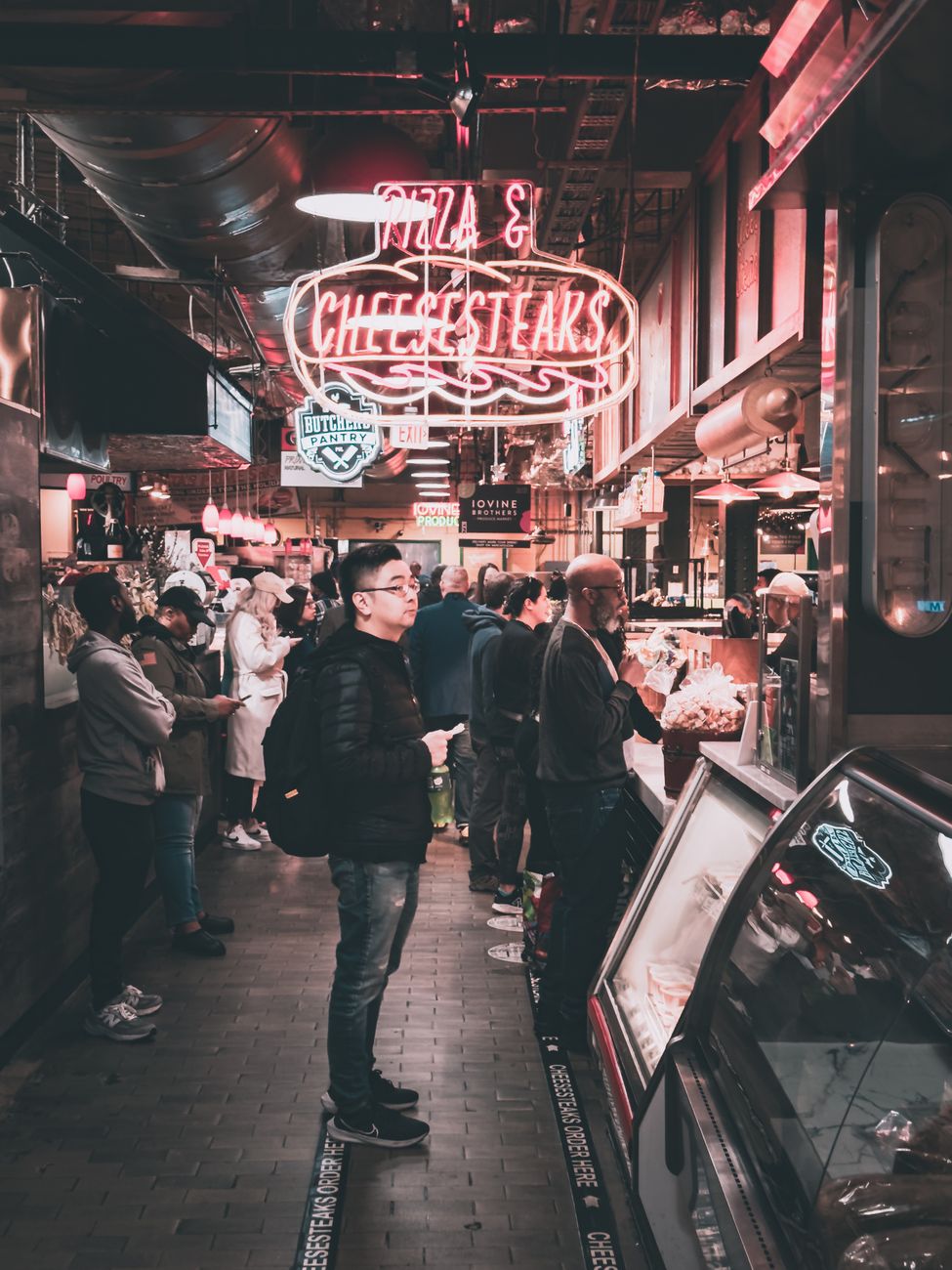
Morning: Start at Findlay Market in Over-the-Rhine for coffee and breakfast from a vendor stall, then stroll east along Race Street to Main Street (10–15 minutes walking within OTR). Findlay Market is best Saturday for the full vendor list; weekdays are quieter but still good for bakeries and deli counters.
Late morning: Walk 8–12 minutes to Fountain Square for the plaza, then head down to Smale Riverfront Park and take a riverside walk toward Great American Ball Park (5–10 minutes). The riverfront path is flat and easy for photos and public art.
Afternoon: Tour the National Underground Railroad Freedom Center next to the ballpark; allow 1.5–2 hours for the permanent exhibits. From there, walk or take the streetcar back to OTR (10–15 minutes total transit/walk time).
Dinner: Eat near The Banks at Moerlein Lager House on Freedom Way for river views and local beer; entrees run roughly 15–30 USD. Evening: If there’s a Reds game or a concert at Paul Brown Stadium, plan extra time for exiting; otherwise enjoy a riverside sunset walk and a drink at a nearby bar in OTR.

Day 2
Morning: Head up to Eden Park to visit the Cincinnati Art Museum on Eden Park Drive; free entry to the permanent collection but budget for special exhibits. The museum sits a 15–20 minute bus or 10–12 minute rideshare from downtown depending on traffic.
Late morning: Walk to Krohn Conservatory inside Eden Park for a 30–60 minute visit among seasonal plant displays and a small admission fee. The park’s overlook gives a clear view of the river and downtown skyline.
Afternoon: Ride or drive to Clifton and the University of Cincinnati area for a quieter neighbourhood walk; try a campus cafe for lunch. Then visit the American Sign Museum in Camp Washington—plan 20–30 minutes driving or a bus plus walk (public transit will take longer).
Dinner and evening: Return to Mount Adams for dinner with a hilltop view of the river and skyline; the neighborhood is 10–15 minutes by car from downtown. Expect narrow streets and limited parking after 6pm.

Day 3
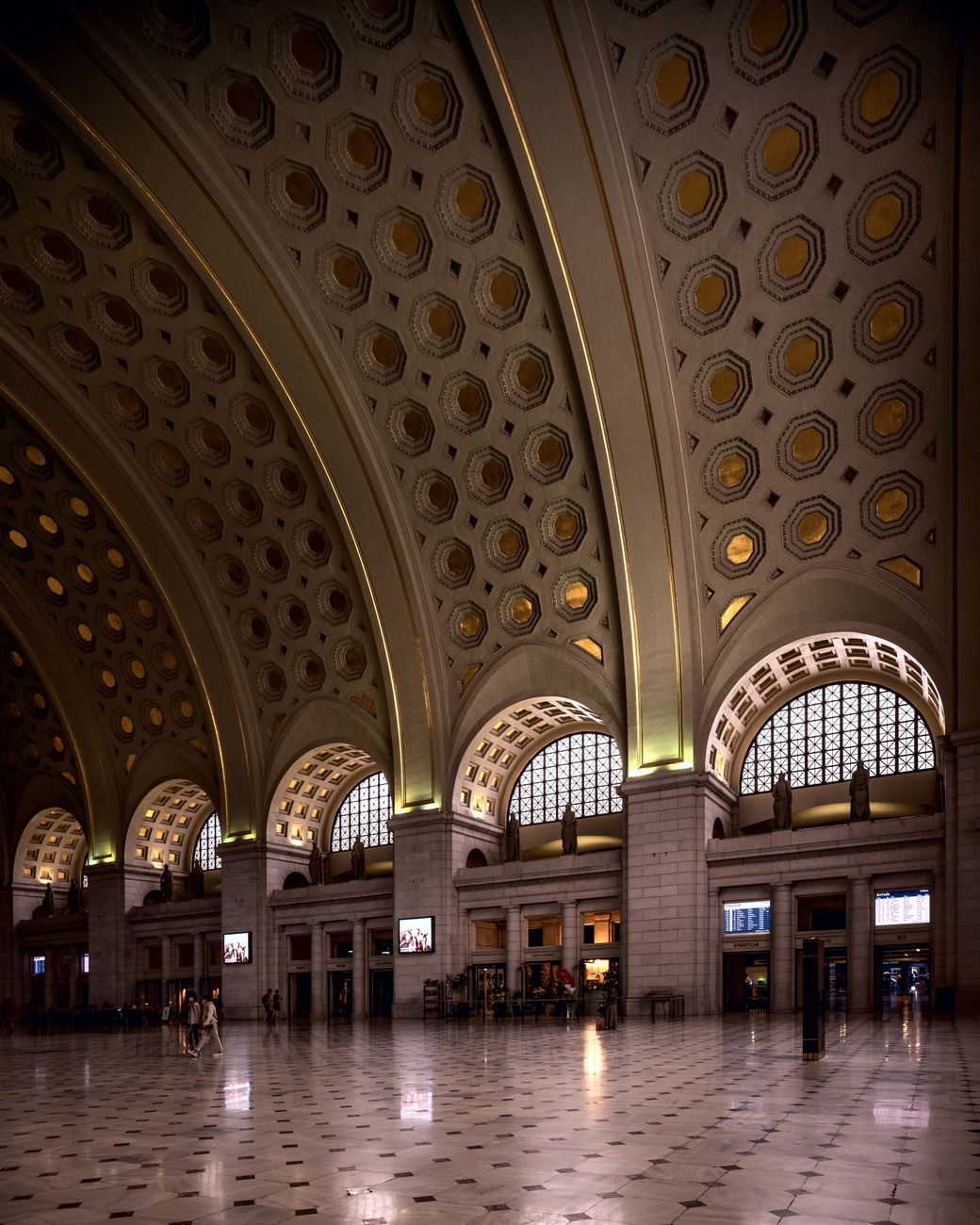
Morning: Start at Union Terminal to see the Art Deco rotunda and the Cincinnati Museum Center; allow 2–3 hours for the exhibits. The terminal is a 10–15 minute drive from downtown or reachable by a longer bus ride.
Late morning: Stop at the American Sign Museum if not done already, or cross the river into Newport, Kentucky, to visit Newport Aquarium on the riverbank (10–15 minute drive to Newport; parking fees vary). The aquarium visit typically takes 1.5–2 hours.
Afternoon: Walk Newport’s Riverwalk or head to Covington’s MainStrasse for a late lunch and quick neighborhood stroll before departing. For travelers catching an afternoon flight from CVG, plan at least 90–120 minutes for a rideshare or taxi plus the recommended airline check-in and security time.
Evening if staying late: Finish at Fountain Square or back in OTR for a last dinner at an independent restaurant; allow 20–30 minutes travel time to most central hotels.
Best Local Experiences
Findlay Market farmers and food stalls on a Saturday morning for regional producers and prepared foods. A Reds game at Great American Ball Park for the full local baseball-and-riverfront scene.
Krohn Conservatory seasonal shows for plant displays that locals calendar each year, often with a small admission fee. The American Sign Museum for a walk-through of commercial sign history and brightly lit displays; allow 60–90 minutes.
Newport Aquarium across the river in Kentucky for close-up marine exhibits and a different riverside walk. A Red Bike short ride from The Banks to OTR or along the riverfront for quick point-to-point travel without parking concerns.
Where to Stay
Over-the-Rhine (OTR): Suits visitors who want walkable access to Findlay Market, bars and many restaurants. Expect boutique hotels and guesthouses; typical nightly rates run 120–240 USD (110–220 EUR). This neighbourhood is best for early starts and late dining but check street noise for weekend stays.
The Banks/Downtown: Suits those prioritizing riverfront walks, Great American Ball Park and quick access to Fountain Square. Hotels range 140–300 USD per night (130–275 EUR), with higher rates during events and baseball season.
Mount Adams/Hyde Park: Suits travellers wanting quieter, hilltop views or a village feel for restaurants. These areas are 10–15 minutes from downtown by car and hotels or B&Bs typically cost 120–250 USD per night (110–230 EUR). Parking can be limited; check whether a room includes a spot.
Food and Drink
Cincinnati chili (three-way/four-way): A thin, spiced meat sauce over spaghetti with shredded cheese. Try at Skyline or Gold Star; a single bowl typically runs 6–9 USD. Goetta: A German-style pork/oat breakfast sausage common at diners and brunch spots around the city; plate portions usually 6–10 USD.
Graeter’s ice cream: Dense, handpackaged ice cream scoops available at shop locations; single scoop about 3–4 USD. Montgomery Inn ribs: A regional barbecue option with ribs and sauce; entrees usually 18–30 USD at the restaurant.
Breakfast option: Sandwich or breakfast plate at Findlay Market vendors or a nearby cafe for 8–12 USD. Street food: Coneys — hot dogs topped with Cincinnati chili — found at local coney shops for about 3–6 USD.
Dinner recommendation: Mid-range riverfront restaurants on The Banks or a focused OTR restaurant; expect entrees 15–35 USD and reserve for weekends.
Getting Around
Public transit is run by SORTA/Metro buses and the Cincinnati Bell Connector streetcar through downtown and OTR. Red Bike is the city’s bike-share with docks across The Banks, OTR and the University of Cincinnati.
Typical single-ride bus or streetcar fares are about 2.00 USD; a day pass or unlimited short-term pass runs roughly 4.00 USD. Rideshare apps (Uber/Lyft) are widely used; a taxi or rideshare from CVG to downtown typically costs 35–60 USD depending on traffic.
For cross-river trips, use TANK buses or a short rideshare; Newport and Covington are a quick drive or a longer public-bus trip. Use the Transit app or Google Maps for live schedules and the Red Bike app for rentals.
Best Time to Visit
Spring (April–June) brings moderate temperatures (50s–70s°F / 10–24°C) and fewer crowd peaks than summer; this is a good balance of weather and value. Summer (June–August) is warm and humid, with temperatures in the 70s–90s°F (24–32°C) and the busiest weekends thanks to festivals and baseball.
Fall (September–October) offers cooler days (50s–70s°F / 10–24°C) and strong autumn color in parks like Eden Park, plus fewer crowds for museums. Winter (November–March) is cold and can be icy; expect temperatures often between 20s–40s°F (-7–5°C) and reduced outdoor activity, though museum visits work year-round.
For best value and manageable crowds choose late spring or early fall; avoid major baseball weekends if trying to save on hotels.
Budget and Practical Tips
Daily budget estimate per person: Accommodation 100–220 USD (92–202 EUR) for mid-range, Food 30–60 USD (28–55 EUR), Transport 5–15 USD (5–14 EUR), Entry fees 10–30 USD (9–28 EUR). Budget travelers staying in hostels or budget hotels can aim for 80–120 USD per day total; mid-range travelers should plan 160–300 USD daily.
Parking can add 10–25 USD per day for downtown garages; avoid assuming free street parking. Tipping norms follow US standards: 15–20% for table service, 1–2 USD per drink at a bar, and rounding up for cabs or 10–15% for rideshares when service is above average.
Carry a contactless-enabled card and small USD bills for market vendors. Many museums accept cards, but small food stalls and some parking meters still expect exact coins or app payments.
FAQ
Is downtown safe to walk at night?
Busy corridors around Fountain Square, Main Street and OTR are generally monitored and lit, but avoid poorly lit side streets late at night and keep an eye on personal items like in any city.
Is there a direct train to CVG airport?
No direct passenger rail serves CVG; most travelers use rideshare, taxi, airport shuttles or rental car. Allow 35–60 USD for a taxi or rideshare from downtown.
Is a city pass worth buying?
A multi-attraction pass can save money only if visiting several paid sites such as Newport Aquarium, Cincinnati Museum Center and the Zoo; check the pass inclusions against planned visits.
How easy is parking in Over-the-Rhine?
Street parking is metered or time-limited; public garages are the practical choice and expect 10–25 USD per visit. Events raise rates and fill availability quickly.
Can public transit take you to Newport Aquarium?
Yes, but expect transfers: a bus across the river (TANK) or a combination of SORTA and TANK. A rideshare is usually faster and often cheaper for groups.
Are museums child-friendly?
Many are: Cincinnati Museum Center has family-focused exhibits, Krohn Conservatory is good for younger kids, and Newport Aquarium is especially family-oriented. Check site hours and ticket options for children.
Conclusion
Three days provide a clear snapshot: market mornings in OTR, a museum-and-park day in Eden Park and a riverfront plus cross-river visit. The most memorable things are the market food, a riverfront walk by the ballpark and the concentrated museum density that doesn’t require long travel between sites.
If time runs short, prioritize Findlay Market plus a riverfront walk and one museum (choose the Freedom Center or the Art Museum based on interest). That combination gives a useful, practical sense of the place.
How this guide was prepared
This guide was prepared through a structured research that combines destination research, geographic context, itinerary planning logic, and content review.