
Practical 3-Day Louisville Itinerary and Weekend Guide
A clear, no-fluff 3-day Louisville plan with transit tips, neighborhood routes, costs and meal picks to make the most of one long weekend.
A candid, day-by-day guide for three days in Louisville that tells how to move between neighborhoods, where to spend time when short on hours, and realistic costs.
A first impression is often an easy-to-walk downtown core beside older residential districts with mature trees and wide porches. Expect a mix of museum blocks and tidy commercial strips such as Whiskey Row and Frankfort Avenue, with visible bourbon branding around Main Street and a steady presence of live-music venues.
Crowds concentrate around Churchill Downs during Derby season and along Waterfront Park on summer weekends; outside those peaks the city moves at an ordinary Midwestern pace with noisy pockets near the arena on game nights. Neighborhoods like NuLu, Old Louisville, and the Highlands feel distinct from downtown, each offering cafés, galleries, and local restaurants within short rides of one another.
Practical first impression: street parking can be tight, downtown event traffic reroutes often appear on local news, and many useful bus routes are single-direction in the morning and reverse in the evening. This plan favors short transit hops and a single central hotel to reduce backtracking.
Is 3 days in Louisville enough?
Three days are enough to cover downtown highlights (Slugger Museum, Muhammad Ali Center), a bourbon-focused afternoon on Whiskey Row and NuLu, plus time at Churchill Downs or a neighborhood walk in Old Louisville. Expect to skip deeper day trips on the Bourbon Trail outside the metro area.
Who This Guide Is For
This itinerary suits travelers who prefer neighborhood walking, museums, and bourbon tastings and who are comfortable using rideshares or the TARC bus system; travelers wanting rural distillery tours or a slow Derby-week experience will need more time.
Local Tips for Louisville
Practical details that most travel sites skip — specific to Louisville.
- TARC buses use a $1.75 single fare and a $3.50 24-hour pass; buy passes on board or with the Transit app for easiest validation.
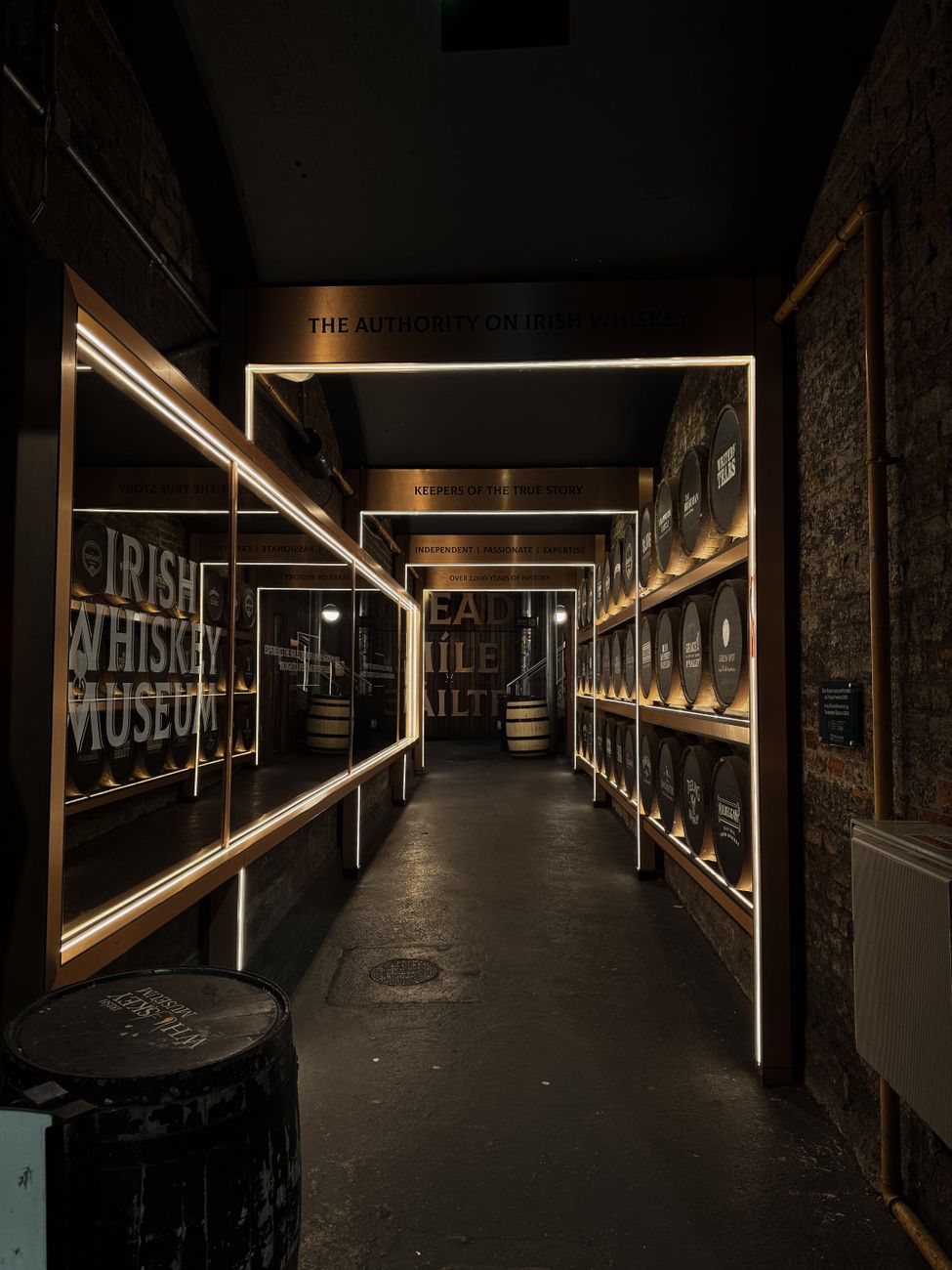
- Evan Williams Bourbon Experience on Whiskey Row offers a self-guided tasting for about $10–$15; Old Forester Distilling Co. on Main Street runs paid tours (roughly $12) that start frequently in the afternoon.
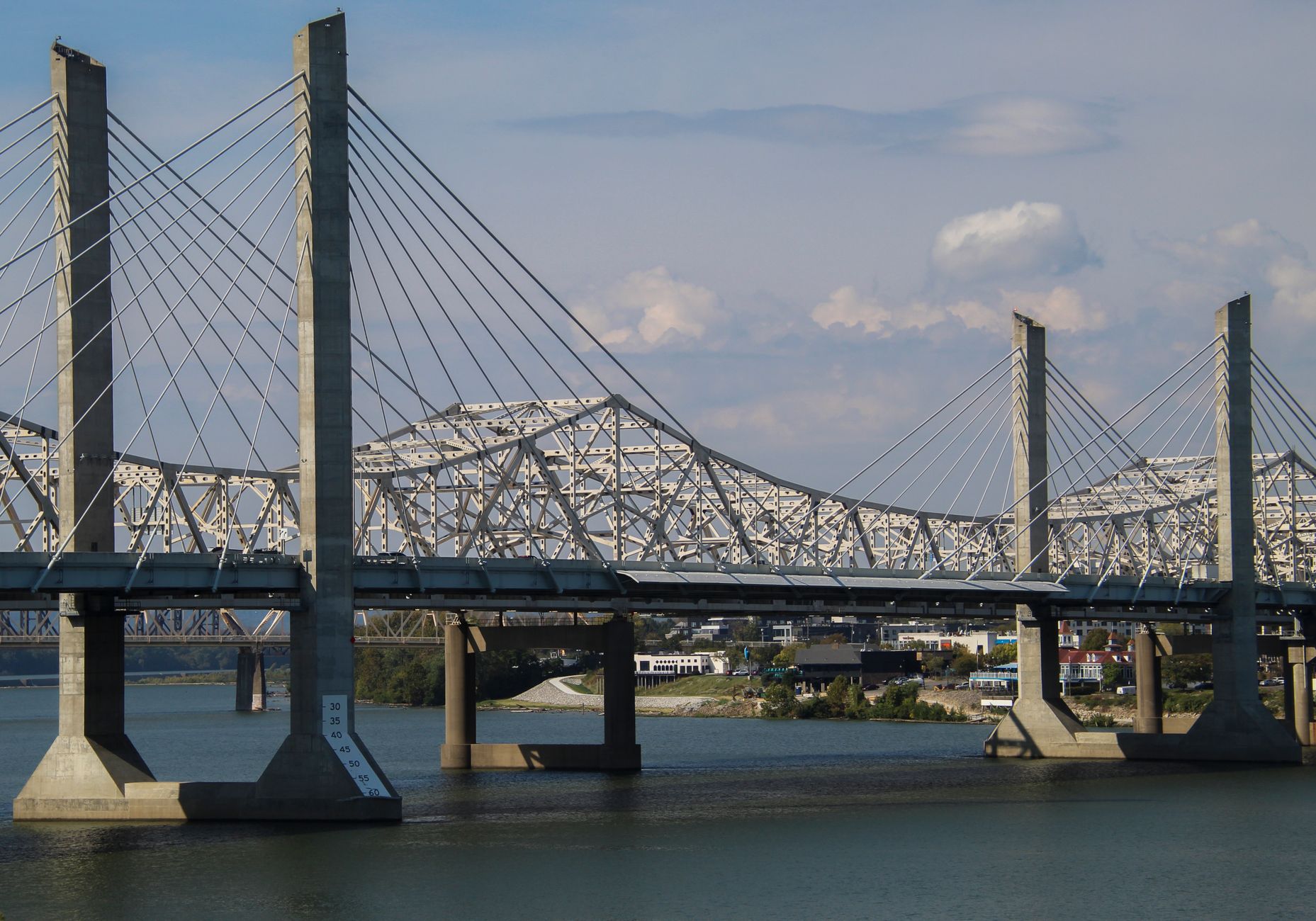
- Big Four Bridge opens at sunrise and is a free pedestrian link to Jeffersonville, Indiana; nights are popular for views and photo lines after 8pm on weekends.
- The Brown Hotel serves the classic Hot Brown for roughly $18–$26; order earlier in the day—dinner service fills quickly on weekends.
- St. James Court Art Show happens on the first weekend in October on St. James Court and brings heavy local traffic; reserve accommodation and transit early if visiting then.
How This Guide Was Prepared
This guide treats Louisville as a city of neighborhoods and bourbon-inflected civic culture, not a single «main attraction» to rush through. Many guides over-focus on the Derby and Churchill Downs while ignoring how NuLu, the Highlands, and Waterfront Park each offer different reasons to linger; this plan balances downtown museums and distilleries with walkable residential streets and real eating options. This guide was prepared through a structured research that combines destination research, geographic context, itinerary planning logic, and content review.
Plan Your Stay in Louisville
Use this itinerary as your starting point, then compare areas to stay, transport options, seasonal timing, and realistic daily costs before booking.
Why Visit
The area offers concentrated bourbon history on Main Street where Evan Williams and Old Forester sit within blocks; tasting rooms and short tours make sampling approachable without a long drive. Museum density downtown means a single afternoon can include the Louisville Slugger Museum & Factory and the Muhammad Ali Center with manageable walking times between them.
Old Louisville provides a different rhythm—Victorian streets like St. James Court and the University of Louisville neighborhood near the Speed Art Museum let visitors experience residential architecture and local cafés. Waterfront Park and the Big Four Bridge give a short riverside escape with skyline views and an easy walk into Jeffersonville, Indiana.
Quick Planning Tips
Fly into Louisville Muhammad Ali International Airport (SDF); a taxi or rideshare to downtown takes about 20–30 minutes and costs roughly $25–35 depending on traffic. Trains arrive at Central Station for regional trips; use a short taxi or rideshare to reach downtown hotels from there.
Carry a small amount of cash for some older bars and farmers markets, but most places accept cards. Use the Transit app for TARC schedules and buy the $3.50 24-hour bus pass if planning multiple trips that day to save on repeated fares.
Avoid booking hotels only during Derby week unless the budget accommodates higher rates and minimum nights. Check museum hours, as Monday closures are common for several attractions.
Day 1
Morning: Start along Whiskey Row on West Main Street. Visit the Evan Williams Bourbon Experience (self-guided tasting ~ $10–$15) then walk two blocks to the Frazier History Museum (adults roughly $14–$20). The distance from Evan Williams to Frazier is a 5–8 minute walk.
Midday: Walk about 10 minutes to the Louisville Slugger Museum & Factory for the factory tour and photo at the giant bat; allow 60–90 minutes and expect an entry fee around $15–$20. Lunch nearby at Proof on Main inside 21c Museum Hotel for seasonal small plates and bourbon cocktails; plan $18–35 per person.
Afternoon: Stroll 10–15 minutes to Waterfront Park and cross the Big Four Bridge for river views; this makes a gentle two-hour loop with photo stops. If museum energy remains, add the Muhammad Ali Center (about 10 minutes on foot from Waterfront Park).
Evening: Dinner options include a reserved table at The Brown Hotel for the Hot Brown or head to Fourth Street Live! for louder nightlife. End the night with a walk along Main Street or a late bourbon flight at a downtown bar.
Day 2
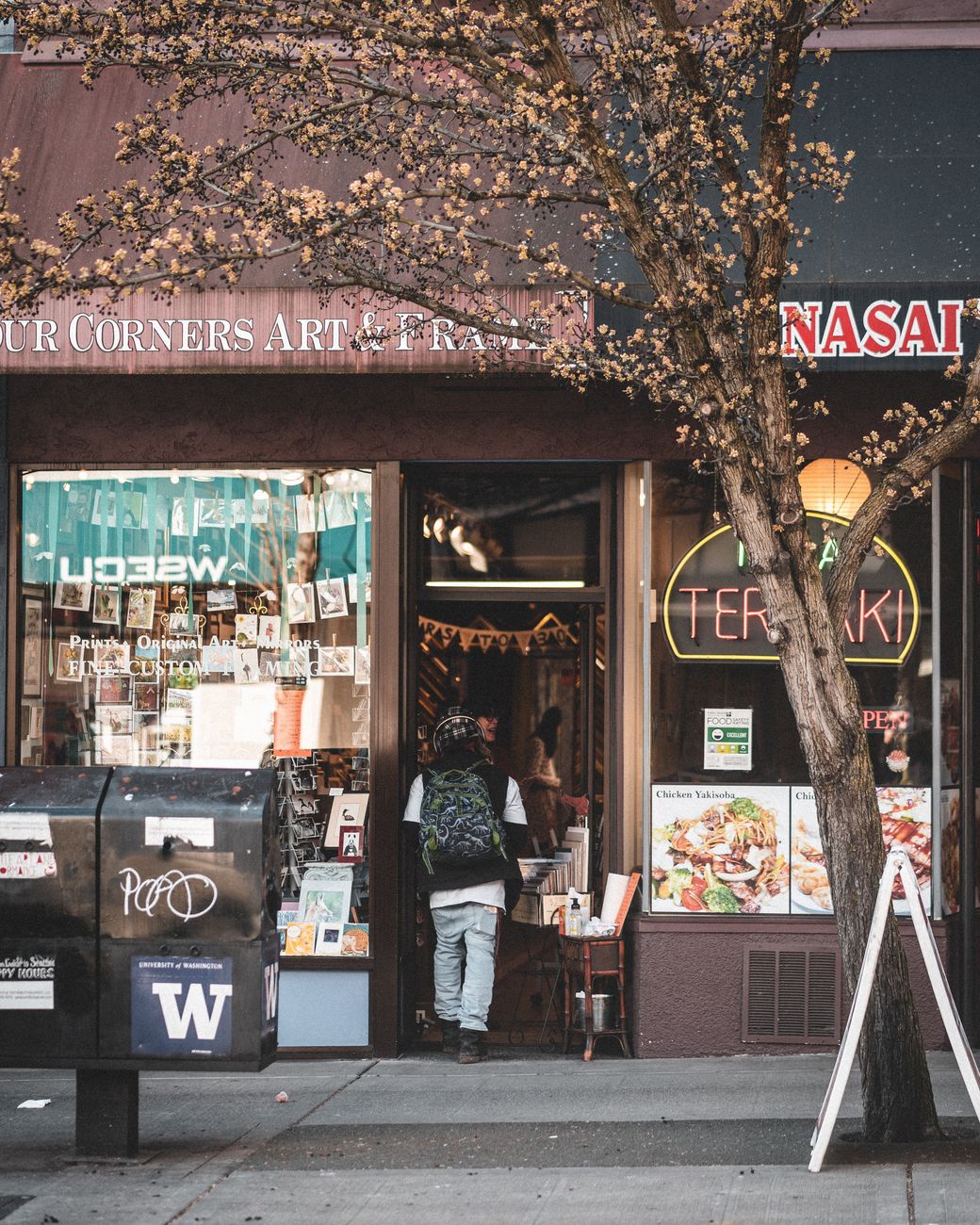
Morning: Head to NuLu (East Market District). Take a short rideshare or a TARC bus; the trip from downtown is typically 8–15 minutes. Browse art galleries on Market Street and stop at Quills Coffee for a local roast; expect a 10–20 minute café stay.
Midday: Walk or ride to Butchertown for lunch at a barbecue or Southern-style restaurant—Butchertown Grocery or Hammerheads are neighborhood-mainstays; lunch $12–25. After eating, visit the Whiskey Row distillery spots such as Old Forester for a guided tour (around $12) or book a tasting slot at Angel’s Envy (tour/tasting $15–25).
Afternoon: Move toward the Highlands via Frankfort Avenue for shopping and bakeries; the ride is 10–20 minutes by car. Spend time on Baxter Avenue and Frankfort Avenue boutiques, then try a local ice cream or pastry.
Evening: Dine on Frankfort Avenue (Southern or gastropub options) and return downtown for a late show at the KFC Yum! Center or a smaller music venue in Butchertown. Rideshare back to a central hotel will be straightforward most nights.
Day 3
Morning: Reserve a morning slot at Churchill Downs and the Kentucky Derby Museum; the complex is a 10–15 minute drive from downtown. The museum ticket is about $20–$25 and allows a track tour; check schedules if a race day aligns with travel.
Midday: After Churchill Downs, head to Old Louisville for a self-guided walking tour of St. James Court and the surrounding Victorian homes; plan 60–90 minutes. Grab a late brunch or lunch on nearby 4th Street or along Bardstown Road depending on timing.
Afternoon: Visit the Speed Art Museum near the University of Louisville or keep time free for a last distillery visit on Whiskey Row. If catching an afternoon flight, allow 60–90 minutes from downtown to SDF by rideshare plus airport check-in time; store luggage at the hotel and plan the last museum or neighborhood stop within a short ride of the hotel.
Evening: For travelers staying the final night, consider a casual dinner in the Highlands or a low-key bourbon bar downtown before packing.
Best Local Experiences
Take a distillery tour and tasting on Whiskey Row: Evan Williams, Old Forester and Angel’s Envy are clustered downtown and are the easiest way to sample bourbon without a long drive. Walk the Big Four Bridge for river views and an easy link to Jeffersonville’s riverfront on the Indiana side.
Visit a game or concert at KFC Yum! Center to experience local crowds, or check the schedule at the Louisville Palace for touring acts. Shop and eat in NuLu’s galleries and bakeries, then plan a relaxed afternoon along Frankfort Avenue for neighborhood cafés and vintage stores.
If timing matches, attend the St. James Court Art Show in early October for a major local arts event. Seek out a Hot Brown at The Brown Hotel as an iconic meal experience rather than a quick snack.
Where to Stay
Downtown (Central Business District/Whiskey Row): Best for first-time visitors and museum access. Near Main Street, Muhammad Ali Center and Whiskey Row. Room prices range from about $120–250 per night (≈€110–230 / $120–250). This suits travelers who want walking access to museums and distilleries.
NuLu / East Market District: Best for food, galleries and small boutiques. Close to restaurants and quieter evenings; expect boutique rooms or guesthouses for about $130–220 per night (≈€120–200 / $130–220). This neighbourhood suits food-focused travelers and couples.
Old Louisville / Highlands / Frankfort Avenue: Best for residential charm and bakeries. A short rideshare to downtown (10–20 minutes) and many independent B&Bs or small hotels; typical nightly costs $110–180 (≈€100–165 / $110–180). This fits visitors who prefer tree-lined streets and local cafés.
Food and Drink
Hot Brown: An open-faced turkey sandwich with Mornay sauce and bacon, served warm. The Brown Hotel is the classic option (around $18–$26) but many restaurants offer their own take.
Old Fashioned: Bourbon-based cocktail with sugar, bitters and citrus; claimed local provenance via the Pendennis Club. Try it at a reputable bar (proofed variations vary) for $10–$16 depending on bourbon used.
Derby Pie: A chocolate-and-pecan tart created in Louisville and sold under a trademark; try a slice at certain bakeries or at local cafés for $4–7. Mention of license or source helps servers locate an authentic version.
Burgoo: A slow-cooked stew of meats and vegetables with regional roots; seek it at neighborhood smokehouses and seasonal menus for $10–18 a bowl. It’s a heavier option for cooler weather.
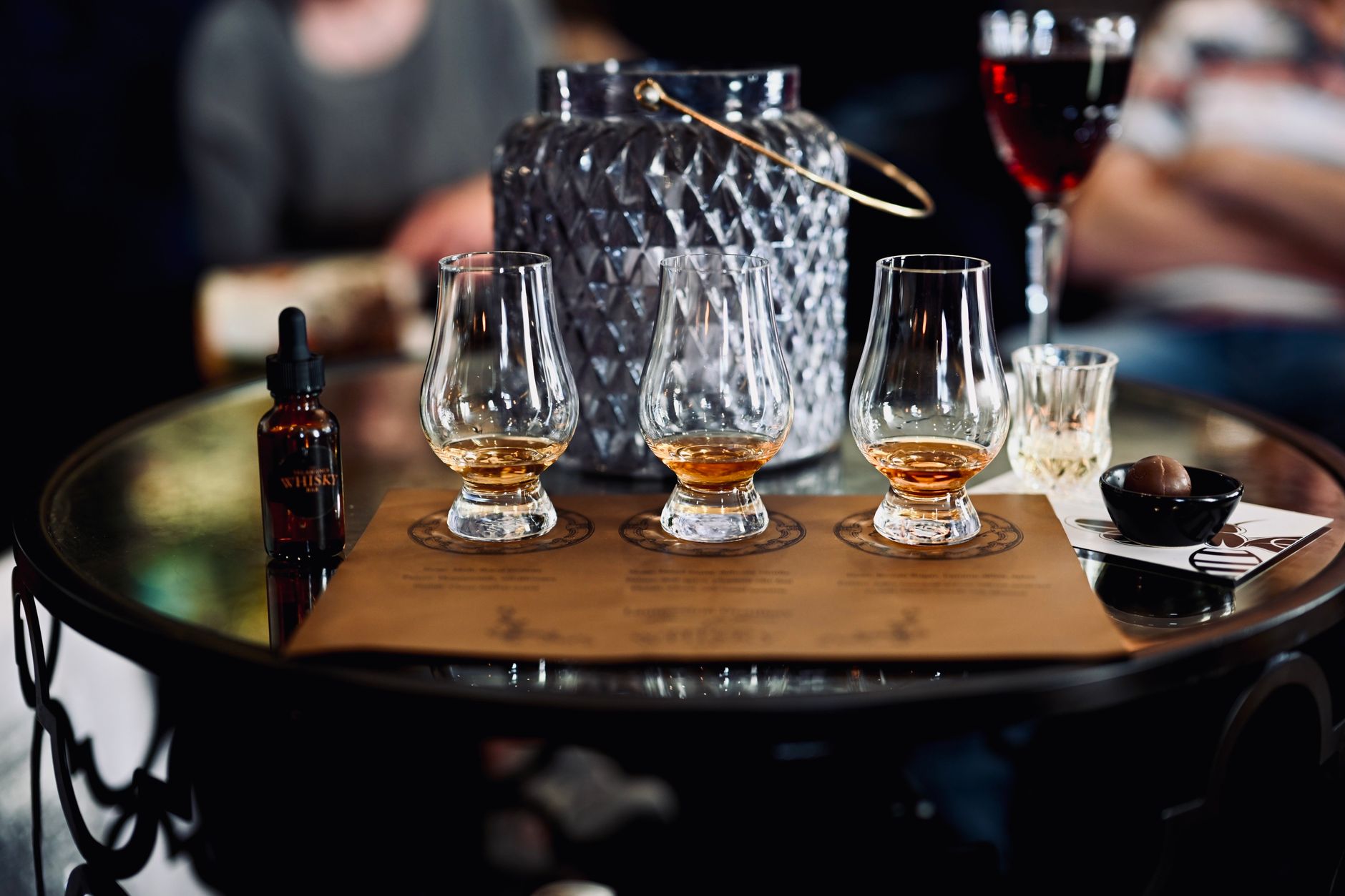
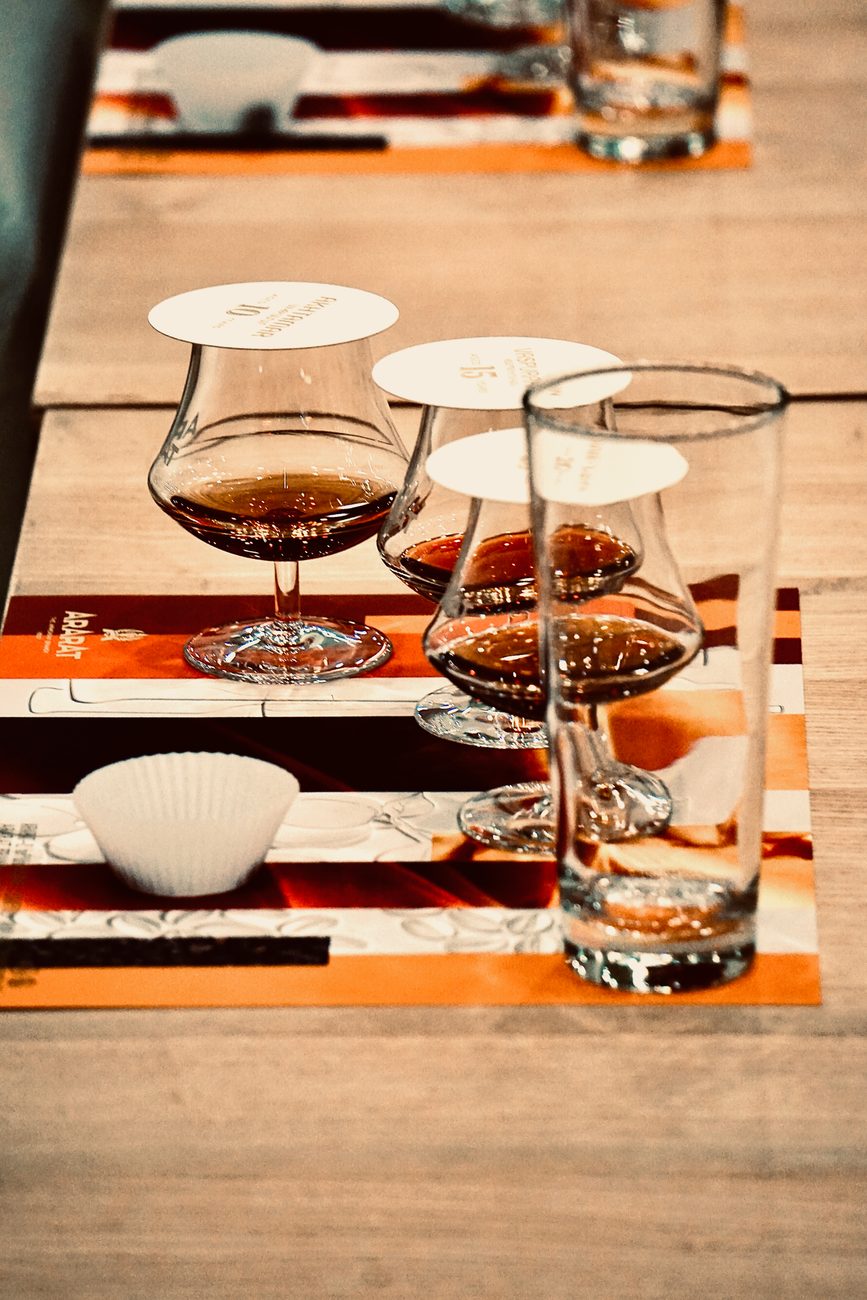
Bourbon flights: Small tastings at Evan Williams, Old Forester or Angel’s Envy downtown; expect $10–25 for a curated flight. Pair a flight with a short distillery tour if time allows.
Getting Around
Transit backbone is TARC buses; there is no subway. Single fares are $1.75 and a 24-hour pass is about $3.50—buy on board or via the Transit app. Frequent downtown connections and routes extend to the Highlands, NuLu and the University of Louisville.
Rideshares (Uber/Lyft) are reliable for short hops across neighborhoods, typically $7–20 inside the metro; a rideshare from SDF airport to downtown is generally $15–30 depending on traffic. Downtown is compact enough to walk between major museums and Whiskey Row, but expect short rides to Frankfort Avenue or Churchill Downs.
Bicycling is viable on the Louisville Loop and Big Four Bridge; bike-share options and rental shops are available seasonally. Use the Transit app for schedules and real-time tracking; TARC’s site lists routes and paratransit options.
Best Time to Visit
Spring (April–May) brings Derby season and warmer weather; temperatures typically range 50–75°F (10–24°C) but expect big crowds and sharply higher prices the week of the Derby. Book months in advance if travel overlaps the first Saturday in May.
Summer (June–August) is hot and humid with temperatures often 75–95°F (24–35°C). Festivals and outdoor concerts are common but expect afternoon storms and heavy humidity. Early fall (September–October) offers the best balance of milder temperatures 55–75°F (13–24°C) and thinner crowds; the St. James Court Art Show in October is a major draw.
Winter (November–February) is quieter with cooler temps around 30–45°F (-1–7°C) and lower hotel rates; some museums run reduced hours but indoor dining is plentiful.
Budget and Practical Tips
Typical daily budget (per person): Accommodation $110–200 (≈€100–185 / $110–200), food $30–70 (≈€28–65 / $30–70), transport $5–20 (≈€5–18 / $5–20), museum/attraction entries $10–30 (≈€9–28 / $10–30). A reasonable three-day midrange total is about $400–700 (≈€370–650).
Tipping: Standard U.S. norms apply—15–20% in restaurants, $1–2 per drink at bars if no service charge, $2–5 per bag for porters. Many tasting rooms add a service fee for guided tours; check menus.
Practical tips: Reserve distillery tours and museum tickets ahead on busy weekends. Street parking is metered downtown; read nearby signs for event restrictions. Carry ID when tasting bourbon, as age verification is common.
FAQ
Is Louisville safe for solo travelers?
Most neighborhoods popular with visitors are routine urban areas with normal precautions—avoid poorly lit empty streets at night and keep belongings secure. Violent incidents are concentrated in specific neighborhoods away from main tourist zones.
What is the best way to get from SDF airport to downtown?
A rideshare or taxi takes 20–30 minutes and costs about $25–35; there is limited public transit connection that requires transfers, so rideshare is usually fastest.
Is a city pass or attractions card worth it?
A bundled pass can save money if visiting multiple paid attractions (Slugger, Muhammad Ali Center, Frazier), but check the pass provider for current inclusion and do the math against individual ticket prices.
Can the Bourbon Trail be done from downtown in one day?
Doing the full Bourbon Trail requires driving out of the metro area and multiple reservations; focus on downtown distilleries for a one-day bourbon experience and save the longer trail for a separate day trip.
Are museums open on Mondays?
Several museums close or have limited hours on Mondays—check individual schedules for the Speed Art Museum, Frazier and Muhammad Ali Center before planning.
Is downtown walkable?
Downtown is compact and walkable for museums and restaurants on Main and Fourth Street; expect short rides for NuLu, Frankfort Avenue or Churchill Downs.
Can Uber and Lyft be relied on late at night?
Yes—drivers are generally available downtown and in the Highlands, though wait times increase after midnight or during large events.
Are there grocery or pharmacy options near hotels?
Several grocers, CVS and Walgreens locations serve downtown and nearby neighborhoods; NuLu and the Highlands also have independent markets and bakeries for snacks.
Conclusion
Three days will leave a clear sense of local neighborhoods, the downtown museum block, and how bourbon is presented inside the city without requiring a full Bourbon Trail commitment. Expect to remember a specific meal (often a Hot Brown), a distillery tasting, and a walk across the Big Four Bridge.
If time runs short, prioritize a morning museum block (Slugger and Muhammad Ali Center or Frazier) and an afternoon tasting on Whiskey Row; that combination gives a rounded cultural and culinary snapshot in one long weekend.
How this guide was prepared
This guide was prepared through a structured research that combines destination research, geographic context, itinerary planning logic, and content review.