
3 Days in Clarksville, Tennessee: Practical Weekend Guide
A practical 3-day Clarksville, TN itinerary with transit tips, realistic timings, neighborhood hotel picks, food suggestions and seasonal travel advice.
A frank, day-by-day plan for 72 hours in Clarksville that prioritizes downtown museums, riverfront time, a state-park cave check and a neighborhood food crawl with real logistics.
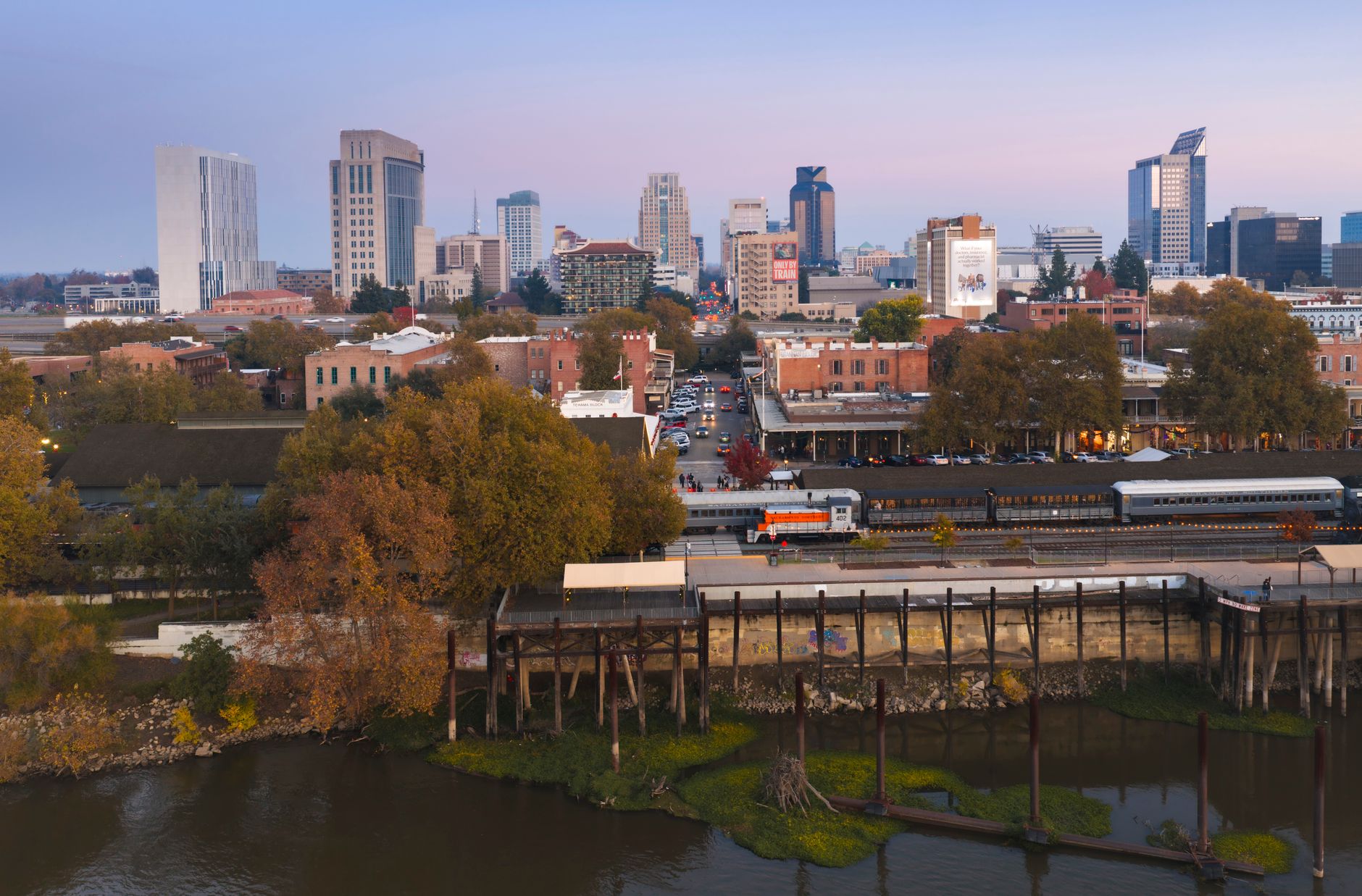
Clarksville presents as a medium-size Tennessee city that feels quieter than Nashville but not rural. The first impression downtown is the Cumberland River and a low-rise historic core with museums, a modest arts scene, and riverfront parks rather than high-rise entertainment districts.
Expect daytime local trade, a college presence around Austin Peay State University, and clear military influence from nearby Fort Campbell. The pace is slower than a major metro; service windows—store hours, museum tours, bus frequency—can be narrower than travelers expect.
Many visitors assume Clarksville is just a bedroom community for Nashville; that overlooks independent museum programming at the Customs House, riverfront events at McGregor Park, and a cluster of outdoor options like Dunbar Cave State Park. The city suits travelers who prefer concentrated cultural visits, short hikes, and affordable lodging over late-night urban activity.
Is 3 days in Clarksville enough?
Yes: 72 hours covers downtown museums, the Cumberland Riverfront and a nearby state park or Fort Defiance, plus a neighborhood food crawl. Cave tours and a full Fort Campbell visit are the two things likely to be missed unless booked ahead.
Who This Guide Is For
Best for travelers who like locally focused museums, short hikes and an affordable Southern-city pace; less ideal for visitors who want a dense metropolitan nightlife or a full-country-music pilgrimage to Nashville.
Local Tips for Clarksville
Practical details that most travel sites skip — specific to Clarksville.
- Customs House Museum and Cultural Center downtown: adult admission typically runs about $6–10; check weekday hours before arriving because exhibit openings can vary.
- Dunbar Cave State Park often restricts cave tours because of bat-protection rules—the park grounds and trails are usually open but call the Tennessee State Parks line before planning a cave visit.
- Fort Campbell access requires a background check for non-military visitors; expect 20–60 minutes at the Visitor Control Center and bring a government ID or REAL ID-compliant document.
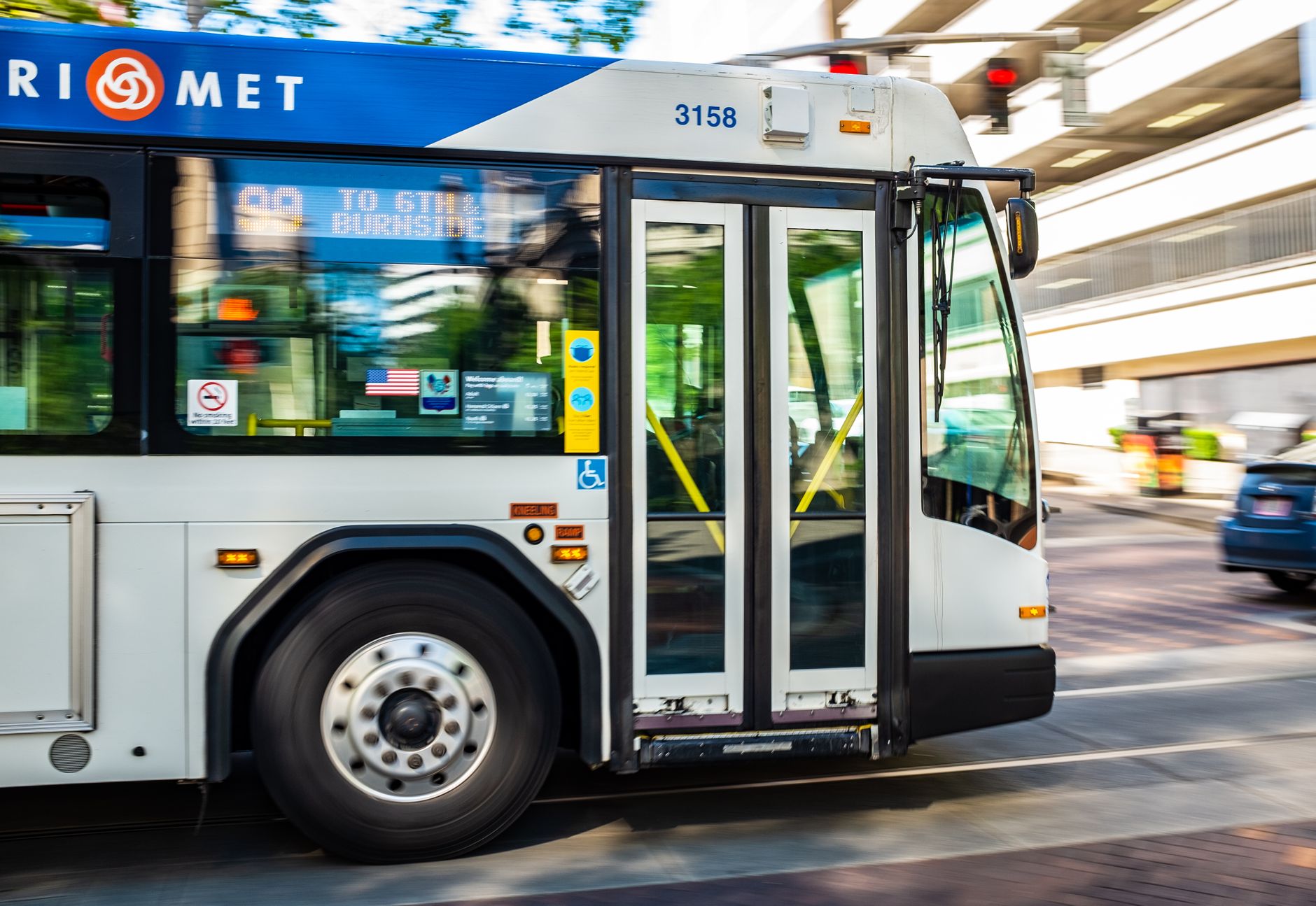
- Clarksville Transit System (CTS) is the municipal bus operator; buses serve most neighborhoods and downtown but services are limited on Sundays and holiday schedules differ.
- Austin Peay State University home football and graduation weekends spike hotel prices near College Street—book four weeks ahead if travel coincides with a game.
How This Guide Was Prepared
Three days in Clarksville is best treated as a focused short stay rather than a tick-list sprint. Many guides present Clarksville as simply a Nashville satellite; the real draw is a slow riverfront downtown, military and Appalachian crossover culture, and state-park outdoor options that require planning. This guide skips glossy promises and gives concrete timing, transit notes and real cave/fort access warnings. This guide was prepared through a structured research that combines destination research, geographic context, itinerary planning logic, and content review.
Plan Your Stay in Clarksville
Use this itinerary as your starting point, then compare areas to stay, transport options, seasonal timing, and realistic daily costs before booking.
Why Visit
Small-city scale with enough variety to fill three days: a serious local museum in the Customs House, a working riverfront with walkable parks, and several Civil War and military-history sites to study without the crowds of larger destinations.
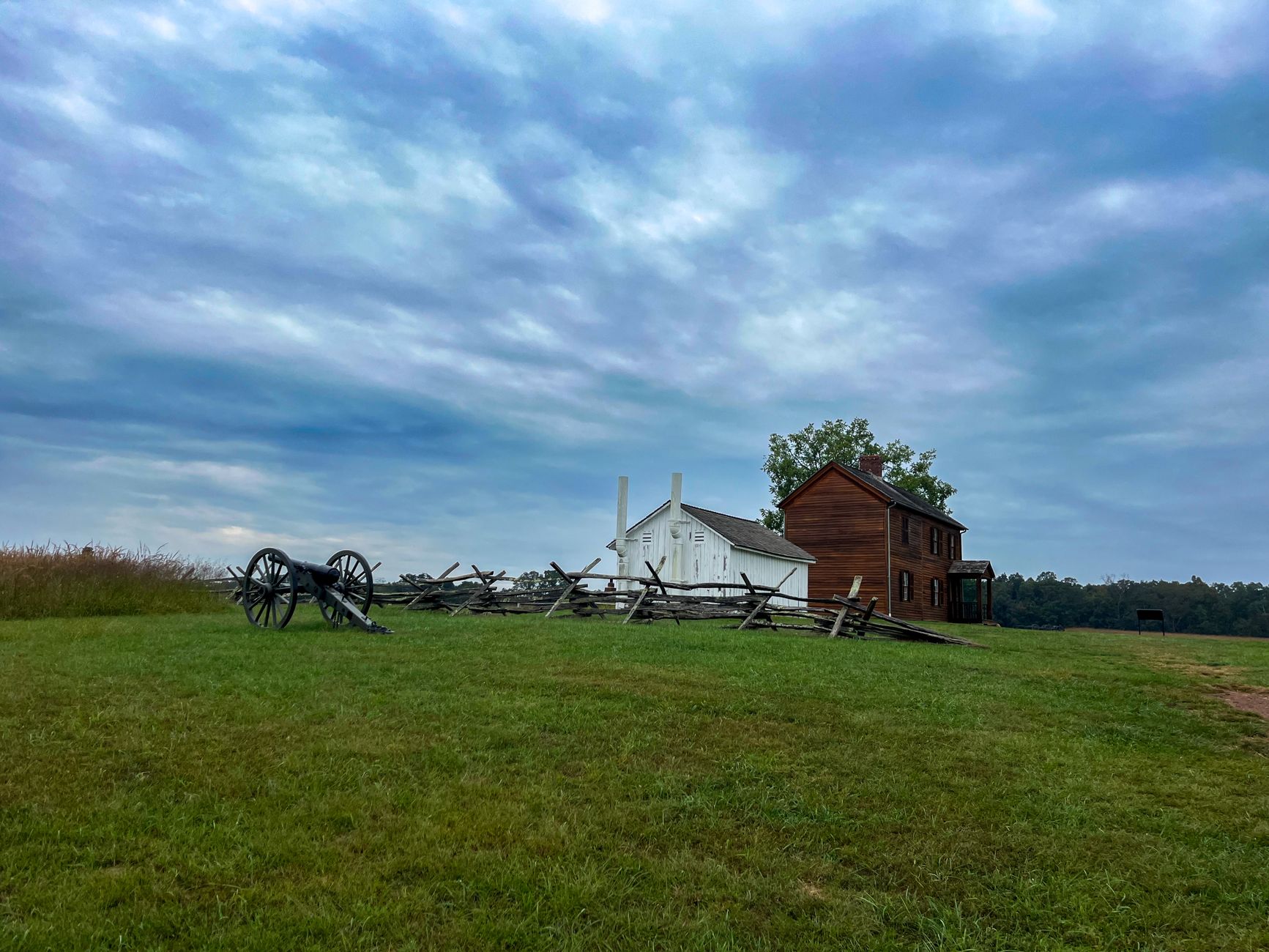
Access to outdoors within short drives: Dunbar Cave State Park and its trails provide a different landscape than downtown, and Fort Defiance offers easy-to-follow interpretive panels and earthworks right on the river that make for low-effort history visits.
The city’s calendar features concerts and winery events at Beachaven and college sport weekends at Austin Peay that supply clear local color. For travelers who prefer stopping into specialty shops, local barbecue and Southern diners, and museums that change exhibits several times a year, this place delivers a practical, budget-friendly weekend.
Quick Planning Tips
Arrive prepared for limited public transit on Sundays: the Clarksville Transit System runs most routes during weekdays and Saturday but check schedules for holiday service. The most reliable way from Nashville International Airport (BNA) is a rental car or a direct shuttle—public transit requires multiple connections and can be slow.
Carry a mix of cash and card; many smaller storefronts accept card but some food trucks and market vendors prefer cash. If planning a Fort Campbell trip, bring a government ID that meets entry requirements and allow extra time for background checks.
Book any Dunbar Cave tour or winery concert ahead because those specific experiences sell out or are restricted; have a backup plan like the RiverWalk or a downtown museum visit if tours are unavailable.
Day 1
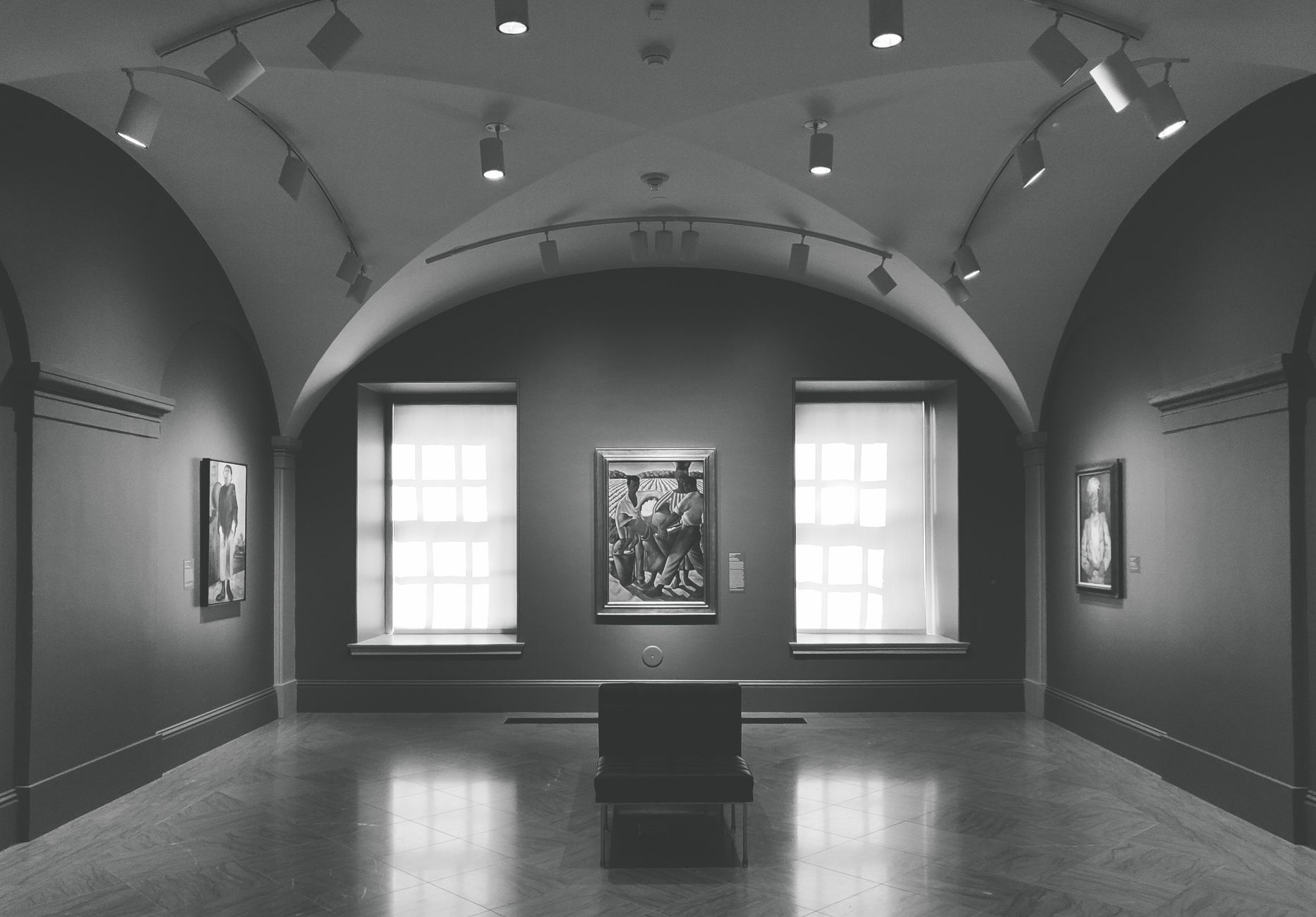
Morning: Start downtown at the Customs House Museum and Cultural Center on Commerce Street. Allow 1.5–2 hours for the permanent galleries and rotating exhibits; the museum is compact but dense with local collections and community-focused shows. From the museum, walk 5–8 minutes to the Roxy Regional Theatre area for a quick street-level look at the performing-arts hub.
Late morning: Walk 10–15 minutes south to McGregor Park and the RiverWalk along the Cumberland River. The riverfront path is flat and offers benches, interpretive signs and a view across the water. Walking from Customs House to McGregor Park should take less than 20 minutes total.
Lunch: Eat at a downtown diner or sandwich shop on Franklin Street—choose a counter-style spot for local sandwiches and fried-green tomatoes; budget $10–$15. A fuller downtown lunch can be followed by a short coffee break at an independent cafe near the courthouse.
Afternoon: Cross the river area to Fort Defiance Civil War Park & Interpretive Center; a 7–12 minute drive or a 25–30 minute walk from McGregor Park. Spend 1–1.5 hours on the interpretive trails and earthwork remains; the site is good for photos and quick history context.
Evening: Return to downtown for dinner. Pick a locally run restaurant on Main or Franklin Street with Southern sides and craft beer—expect entrees in the $12–$20 range. End the night with a short riverside stroll or check an events calendar at the Customs House for evening programs.
Day 2
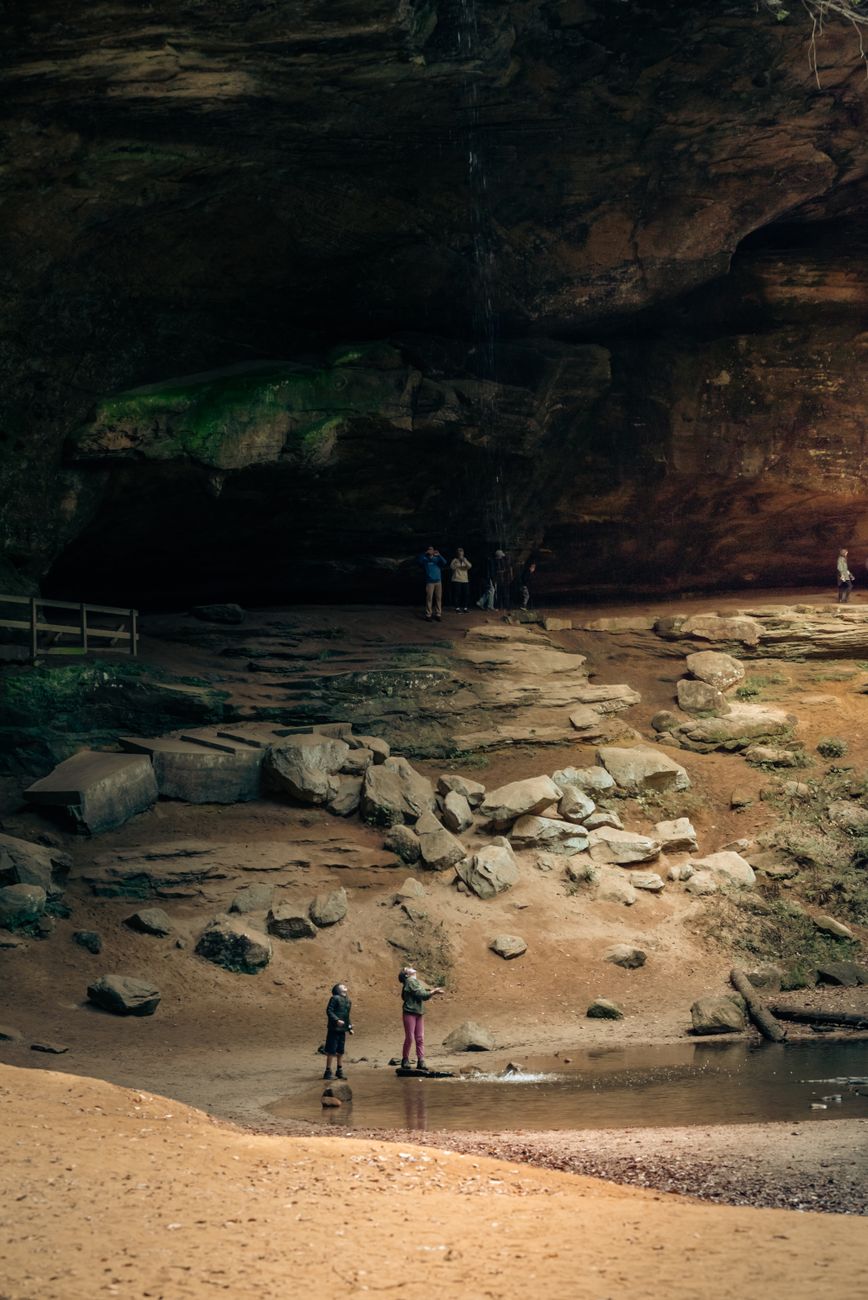
Morning: Head to Dunbar Cave State Park (about a 15–20 minute drive from downtown). Use the visitor parking and take the short trails along the lake and bluff. Confirm whether cave tours are running—if tours are closed, the park still offers 30–60 minutes of good trail walking and birdwatching.
Late morning: Drive to Austin Peay State University campus on College Street, park near the Campus Activity Center and walk the academic core for architecture and campus energy. Allow 30–50 minutes for the campus walk and a bookstore browse.
Lunch: Eat in the university area where affordable cafeterias and local sandwich shops cater to students; budget $8–12. A weekday visit gives more open options; weekends may reduce dining-hour choices.
Afternoon: Visit a neighborhood market or shopping strip—Governor's Square Mall is a 10–15 minute drive from campus for chain stores and quick errands. Alternatively, head to Beachaven Vineyards & Winery (roughly 15–20 minutes by car from downtown) for a wine tasting or an afternoon event if scheduled.
Evening: If Beachaven hosts an evening concert, plan for an event dinner there or return to downtown for a quieter meal. Allow travel and parking time—winery events will have lines for entrance and food trucks can require cash.
Day 3
Morning: Use day three for neighborhood exploration or a short drive to Fort Campbell if base access is possible. If visiting the base, allow 3–4 hours for guest-pass processing, the historical exhibit areas, and a short self-guided visit; otherwise, choose a longer walk along the RiverWalk and Liberty Park.
Late morning: Check out local shops and a farmers market if timing matches (market days vary seasonally). Many markets operate on weekend mornings downtown or near McGregor Park—plan 60–90 minutes for browsing and snacks.
Lunch: Pick an inexpensive local barbeque or meat-and-three spot for a final Southern meal before departure; typical prices are $10–15 per plate. If luggage is being checked out from a downtown hotel, store bags at the front desk or use a rideshare from the restaurant to the station or airport.
Afternoon: If an afternoon flight or drive is scheduled, aim to be en route to Nashville International Airport or the interstate 90–120 minutes before departure. For those staying later, a short stop at a historical marker or a final walk along the river is a low-effort way to close out the trip.
Practical checkout note: Many downtown hotels allow late checkout for a small fee—ask at check-in if needing to stretch the final morning before travel.

Best Local Experiences
Customs House museum programs and rotating exhibits—catch a local art or history show that isn’t on national radars. The museum hosts community installations and short-term exhibits that change several times a year.
Dunbar Cave State Park trails and lake—book cave tours when available, but the bluff trails and picnic area are worthwhile even without a tour. The cave access rules are strict; plan ahead.
Fort Defiance Civil War Park & Interpretive Center for earthworks and riverfront military history—interpretive panels clarify troop movements and the site is compact for short visits.
Beachaven Vineyards & Winery for weekend concerts and seasonal tastings—events often include food trucks and local bands; check the event calendar before going.
Austin Peay State University events: public lectures, music recitals, and sporting events give a real local feel. Game weekends in the fall mean more activity downtown and fuller restaurants.
Downtown RiverWalk and McGregor Park for farmers markets, seasonal festivals and evening riverfront strolls—these are the easiest ways to sample local life without scheduling a tour.

Where to Stay
Downtown / Riverfront: Suits travelers who want walkable access to the Customs House, RiverWalk and restaurants. Expect midrange hotel rooms or small boutique options in the range of $90–150 per night (USD). This area is best for those who prefer short walks to attractions and evening riverfront time.
Near Austin Peay / College Street: Suits visitors attending campus events or looking for lower-cost motels and chain hotels. Nightly rates are often $70–110 (USD). This neighborhood is practical for student-area dining and fast access to campus events.
Near Fort Campbell / Sango: Suits military visitors and families requiring quick base access. Hotels here range $80–130 per night (USD) and often include free parking and airport-style shuttle services. Book early for graduation and deployment weekends because rooms sell out.
For budget stays outside the three main areas, consider motels along Wilma Rudolph Boulevard and the U.S. 41 corridor; those provide lowest nightly rates and straightforward car access. Downtown offers the most character while the other neighborhoods are more practical and car-oriented.
Food and Drink
Hot chicken and barbecue: Nashville-style hot chicken appears around the city—seek out locally owned fried-chicken counters for a spicy sandwich or plate; expect $8–14. Regional smokehouses offer pulled-pork platters with typical sides for $10–16.
Meat-and-three: Traditional Southern meat-and-three diners serve an entree with three sides (greens, mac and cheese, beans) for $8–12—look for long-standing local lunch counters near the courthouse or college.
Breakfast biscuit sandwich: A country biscuit with egg and sausage or country ham is the common morning option; expect $4–7 at cafes and breakfast spots near downtown.
Bakery and coffee: Independent coffee shops downtown serve pour-over coffee and pastries; a coffee and pastry run is about $5–8. These are the most reliable places for late-morning sit-downs.
Winery tastings: Beachaven Vineyards & Winery runs tastings and bottle sales; tasting fees or event tickets vary, plan $10–25 for a tasting or small concert ticket.
Dinner recommendation: For a relaxed evening choose a local restaurant on Franklin or Main Street that highlights Southern sides and local draft beers; entrees generally fall in the $12–22 range.
Getting Around
Clarksville Transit System (CTS) runs the fixed-route buses across key corridors; routes serve downtown, residential neighborhoods and the mall corridor. Buses are the most affordable option for local trips but schedules are lighter on weekends.
Rideshare companies operate in the area for on-demand trips; taxis are available but rideshare pricing is generally cheaper for airport trips. Renting a car is the most flexible choice for reaching Dunbar Cave and Beachaven.
Typical single-ride bus fares are modest; exact cash fares are accepted on board and a day pass option may be available—confirm current prices at CTS headquarters or the official CTS website. Hotel pickups or shuttles sometimes run for Fort Campbell-related travel.
Useful tools: check the CTS official site or local transit page for route maps and any on-demand services; use mainstream rideshare apps for point-to-point trips and Google Maps for basic transit planning. For drivers, parking downtown is metered in places and municipal lots are common.
Best Time to Visit
Spring (April–May): Mild temperatures (mid 50s–70s°F / 12–22°C) and many outdoor events. This is peak for comfortable outdoor walking and riverfront activities with moderate crowds during festivals.
Summer (June–August): Hot and humid (mid 70s–90s°F / 24–32°C). Expect higher humidity and afternoon thunderstorms; riverfront time is pleasant in mornings and evenings, but midday outdoors can be uncomfortable. Hotel prices are steady; book ahead for winery concerts.
Fall (September–November): Cooling temperatures (50s–70s°F / 10–22°C) and lower humidity. College football weekends bring spikes in hotel demand; outside of game days this is a very practical balance of weather and crowds.
Winter (December–February): Cooler and quieter (30s–50s°F / 0–10°C) with fewer tourists and lower rates. Some attractions reduce hours; plan indoor museum time and check event schedules. Spring and fall generally offer the best value-to-weather ratio for a three-day visit.
Budget and Practical Tips
Daily budget estimate per person (moderate traveler): Accommodation $80–140 USD ($75–130 EUR) depending on neighborhood; food $25–45 USD ($23–42 EUR); local transport $5–15 USD ($5–14 EUR); entry fees and activities $10–30 USD ($9–28 EUR). Total daily: about $120–230 USD ($110–210 EUR).
Accommodation: Downtown midrange rooms usually run $90–150 per night; motels along Wilma Rudolph Boulevard can be $60–90. Expect higher rates during Austin Peay and Fort Campbell events.
Tipping and service norms follow general U.S. practice: restaurants 15–20% for sit-down service, small cash tips for bar and counter service are appreciated. Taxi or rideshare drivers are typically tipped 10–15%.
Practical note: bring a government ID for Fort Campbell and some official venues; small shops and weekend events may close early so check hours the day before. For museum and park reservations, book ahead for weekends and special programs.
FAQ
Is Clarksville safe for tourists?
Visitor areas like downtown, the RiverWalk and museum districts are generally safe during daytime hours; normal precautions apply at night and avoid poorly lit areas after late hours.
How do I get from Nashville International Airport to Clarksville?
The most reliable option is a rental car or private shuttle; rideshare and taxis are possible but can be expensive—plan about a 45–60 minute drive depending on traffic.
Are cave tours at Dunbar Cave open year-round?
Not always; cave tours are subject to seasonal and conservation closures. Check the Tennessee State Parks site or call the park office before planning a trip.
Is a city pass or tourist card worth buying?
There is no widely used all-in-one city card; pay-as-you-go works fine because attractions are compact. Consider museum membership if planning multiple visits to local cultural institutions.
Is public transit practical for tourists?
CTS buses cover main corridors but schedules are limited on Sundays and evenings. For a full itinerary including Dunbar Cave and Beachaven, a car or rideshare is more practical.
Can visitors tour Fort Campbell?
Non-military visitors can tour certain parts with advance coordination and a visitor pass; allow extra time for the security process and check visitor-center requirements ahead.
Where to find farmers markets and local produce?
Seasonal farmers markets typically operate near McGregor Park or downtown on weekend mornings—hours and locations change by season, so verify weekly listings.
Are there guided historical tours in town?
Local history programs run through the Customs House and Fort Defiance; scheduled guided tours appear seasonally, so check calendars and reserve spots when required.
Conclusion
Three days yields a grounded, realistic view of the city: a concentrated downtown museum visit, riverfront hours, one outdoor park and a neighborhood or winery stop. Travelers will most likely remember the riverfront walks, local museum exhibits and an easy winery or campus visit rather than a packed nightlife scene.
If time runs short, prioritize the Customs House Museum plus a RiverWalk stroll and Fort Defiance for a balanced mix of local culture, history and outdoor time—those three deliver a clear sense of place in a single afternoon.
How this guide was prepared
This guide was prepared through a structured research that combines destination research, geographic context, itinerary planning logic, and content review.