

3-Day Florence, Alabama Itinerary: Music, River, History
A practical 3-day Florence, Alabama guide with day-by-day plans, Muscle Shoals music sites, Rosenbaum House, transport tips, and realistic costs.
A focused 72-hour plan for Florence, Alabama that balances downtown walking, the University of North Alabama campus, Muscle Shoals recording sites, and a riverfront stroll.
Expect a small river city with a tidy downtown grid, a compact university campus and easy access to a cluster of nearby towns that matter more than the single city limits. The mood varies by block: Court Street and the riverfront are daytime-friendly and quiet at night except during festivals, while sections around UNA fill with students and weekday activity. First impressions often mislabel the area only as a music stop; music matters, but museum curation, public art, river infrastructure and university events make up a large share of what visitors actually experience. This place suits travelers who prefer slowed-down sight-seeing, short drives to multiple small museums, and exploring recording-studio history without the expectation of big-city transit or late-night options.
Is 3 days in Florence enough?
Three days gives enough time to cover downtown Florence museums, a UNA campus walk, and the Muscle Shoals recording sites plus a river or dam visit. One honest caveat: a full, relaxed visit to both Muscle Shoals Sound Studio and FAME Recording Studio plus Tuscumbia’s Ivy Green may feel rushed unless a day is devoted solely to the Shoals area.
Who This Guide Is For
Best for travelers who like music history, small museums, short drives and a quieter riverfront town; less suited to visitors looking for a big-city nightlife or public-transit-only travel—a rental car or local driver is strongly recommended.
Local Tips for Florence
Practical details that most travel sites skip — specific to Florence.
- Northwest Alabama Regional Airport (MSL) is about 15–20 minutes from downtown Florence by car; taxis or rideshares may add a small surcharge for airport pick-up.
- Frank Lloyd Wright Rosenbaum House runs guided tours on set start times—book online for a morning slot; small-group tours often cap at about 12–15 people and cost roughly $12–15.
- W.C. Handy Home and Museum on Tuscaloosa Street often closes mid-afternoon; check hours before planning an afternoon visit and expect a small donation or $5–$8 admission.
- Muscle Shoals Sound Studio (Sheffield) and FAME Recording Studios (Muscle Shoals) have limited weekday hours and sell timed tours; leave at least 90–120 minutes combined for both sites plus transport.
- On UNA game days (Braly Municipal Stadium/Old Main area) downtown parking and some restaurants book up—check the UNA events calendar before weekend travel.
How This Guide Was Prepared
Florence, Alabama is small but regionally important for music history, river recreation, and a compact downtown with walkable museums. Most guides overplay the music scene alone and underplay how much time driving between Florence, Muscle Shoals, Sheffield and Tuscumbia matters; this guide treats the Shoals as a single practical day trip and gives honest timing, parking and ticketing tips. This guide was prepared through a structured research that combines destination research, geographic context, itinerary planning logic, and content review.
Plan Your Stay in Florence
Use this itinerary as your starting point, then compare areas to stay, transport options, seasonal timing, and realistic daily costs before booking.
Why Visit
A concentrated music-history circuit: Muscle Shoals Sound Studio and FAME Recording Studio document the Americana and R&B sessions that attracted major artists; both are within a 15–25 minute drive from downtown. Frank Lloyd Wright’s Rosenbaum House is one of the few Wright residences in the southeastern US with guided tours, offering architecture fans a short, well-explained visit. The Tennessee River and Wilson Dam give options for short water-based activities and scenic drives to Pickwick Lake without long travel. The University of North Alabama campus provides accessible historic buildings — Old Main is a recognizable landmark — arts programming at the Kennedy-Douglass Center presents rotating exhibitions, and downtown hosts seasonal events that turn the compact grid into a lively weekend scene. Practical advantages include short driving distances between key attractions (most under 30 minutes), small museum entry fees, and the ability to sleep downtown and drive out to the Shoals towns on a single day.
Quick Planning Tips
Arrive via Northwest Alabama Regional Airport (MSL) for the shortest drive to downtown; Huntsville International (HSV) is a larger alternative about 1 hour 15 minutes away by car. Renting a car is the most practical option—local buses are limited and rideshare can be inconsistent after 10pm. Carry small bills and a card; many small museums accept cash only or charge a modest processing fee for card payments. Book Rosenbaum House and Muscle Shoals tours in advance, especially on weekends and during the W.C. Handy Music Festival in July. One planning mistake to avoid is leaving the Shoals visits until the last day; do them on Day 2 or Day 3 morning because studio tour slots and hours are inflexible.
Day 1
Start at the courthouse area on Court Street and walk Wilson Park — the Florence Indian Mound is adjacent to the park and takes 20–30 minutes to see. From Wilson Park, walk 5–10 minutes to the Kennedy-Douglass Center for the Arts for current exhibits (allow 45–60 minutes). A short 6–8 minute drive or 15–20 minute walk brings you to the W.C. Handy Home and Museum on Tuscaloosa Street; plan 45–60 minutes there and factor in its earlier closing hours. Lunch recommendation: sit-down lunch at a downtown café on Court Street—seek a place serving fried green tomatoes and sandwiches (expect $10–15). After lunch, head 10–12 minutes by car to the University of North Alabama campus; walk Old Main, check any campus galleries, and stroll Quigley Stadium/LaGrange area if open. Late afternoon: reserve a guided tour at the Frank Lloyd Wright Rosenbaum House (about 10–15 minutes from downtown by car); tours last roughly 45–60 minutes and require advance booking. Dinner recommendation: a riverfront or downtown restaurant near the Walnut Street area; seek country-style entrees or seafood dishes; dinner will typically be $15–30 per person. Evening recommendation: a short riverfront walk at River Heritage Park or check local listings for live music at the Shoals Theatre—shows often start 7:00–8:00pm.
Day 2
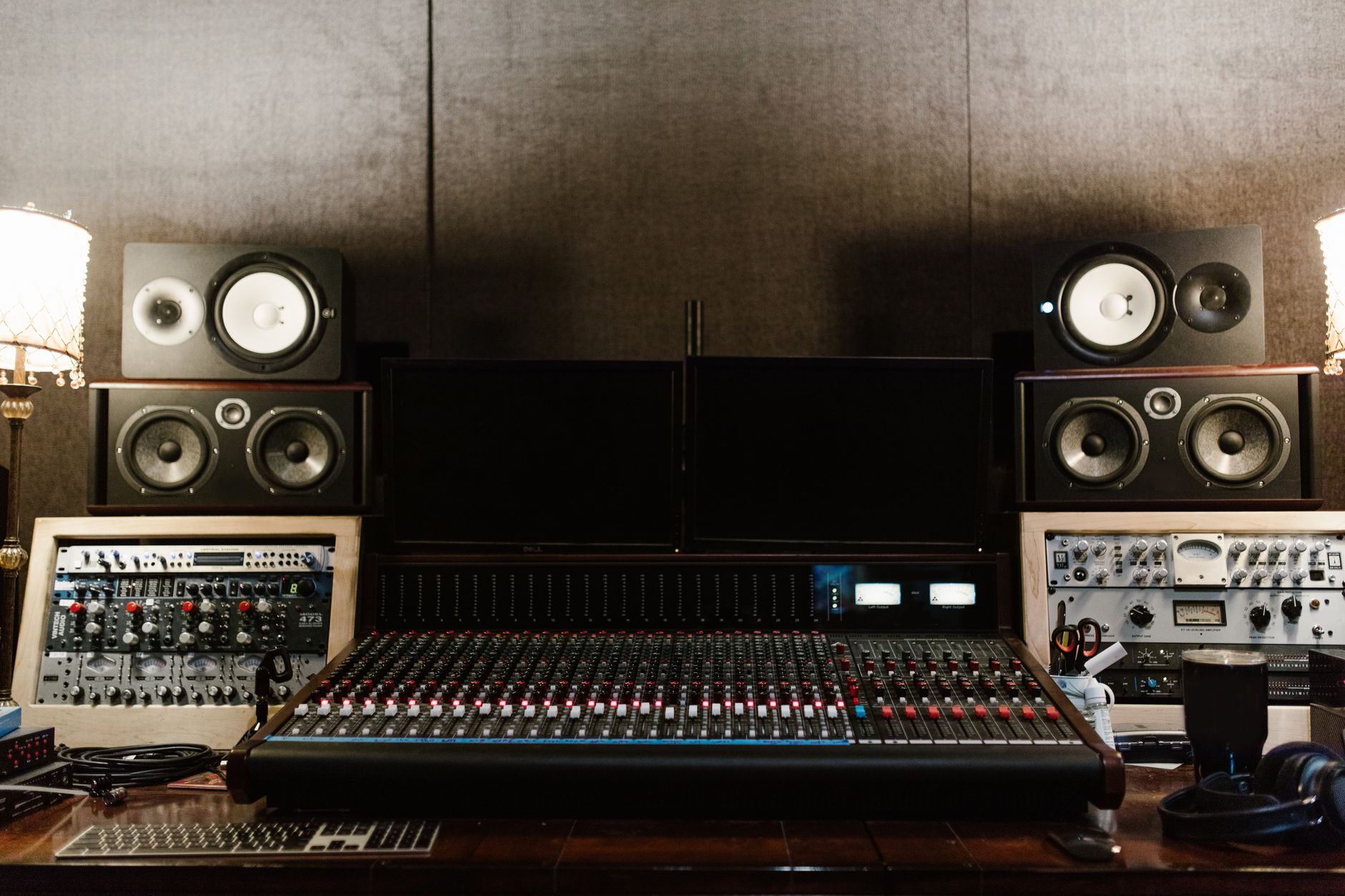
Dedicate this day to the Shoals music circuit across Muscle Shoals, Sheffield and Tuscumbia. Start early and drive 15–25 minutes to Muscle Shoals Sound Studio in Sheffield; guided tours typically run on the hour and last 30–45 minutes—expect to spend 60–90 minutes including the gift shop. From there, drive 7–12 minutes to FAME Recording Studios in Muscle Shoals; tours and exhibits about the session musicians usually take 45–60 minutes. Lunch recommendation: stop in Muscle Shoals for barbecue or classic Southern plate lunches—expect $10–18. After lunch, continue 10–15 minutes to Tuscumbia for Ivy Green (Helen Keller Birthplace); plan 60–90 minutes for the house and grounds. If time permits, visit the Alabama Music Hall of Fame in Tuscumbia for another 45–60 minutes. Transport between these sites is easiest by car; expect short drives but factor parking and one-way street navigation. Evening recommendation: return to Florence for dinner along Court Street or try a small live-music set at a downtown bar; during summer weekends, multiple outdoor events can fill the square.
Day 3
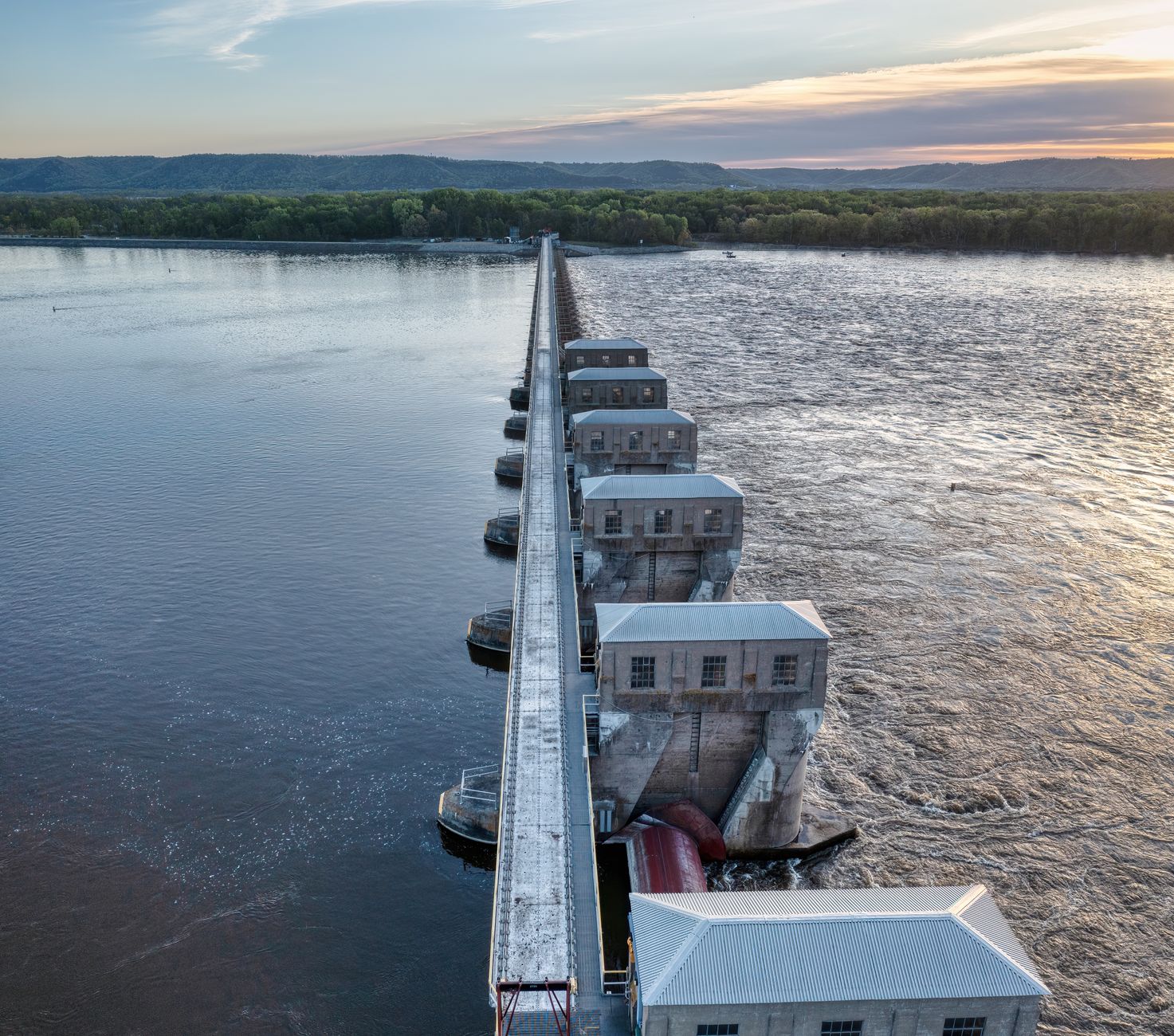
Use the final day for river scenery, light hiking, or a shorter cultural stop depending on departure plans. Morning option: drive 10–20 minutes to Wilson Dam and the visitor overlooks for 30–45 minutes of views and river photo ops. Combine that with Pickwick Landing State Park or Bankhead National Forest if outdoor time is desired; travel times vary 20–45 minutes depending on exact trailhead. Lunch recommendation: pack a picnic to enjoy at a riverside park or return to downtown Florence for a quick sandwich. Afternoon option for those catching a flight: aim to be back in town 2–2.5 hours before pickup or airport check-in; Northwest Alabama Regional Airport is 15–20 minutes from downtown, so leave with extra buffer for rental-car return. If the flight is later or for those checking out of accommodation mid-day, visit the Florence-Lauderdale Public Library branch for a quiet stop or the local farmers’ market if visiting Saturday morning. Evening departure travelers can head to a final casual dinner near the UNA area before collecting luggage.
Best Local Experiences
W.C. Handy Music Festival (July) — live concerts and downtown events that pack Court Street, check advance schedules. Rosenbaum House guided tour — one of few Frank Lloyd Wright homes in the region with regular tours. Muscle Shoals Sound Studio and FAME Recording Studios — book timed tours to hear the studio stories and see original recording rooms. Ivy Green (Helen Keller Birthplace) in Tuscumbia — short, interpretive house tour and guided grounds. River Heritage Park and Wilson Dam overlook — short walks and sunset viewing over the Tennessee River. The Kennedy-Douglass Center hosts rotating exhibitions and occasional artist talks; check their calendar. UNA campus events — performances and football games at Braly Municipal Stadium can change the town energy quickly on weekend days. Farmers’ markets and seasonal downtown block parties occur on select weekends—good for local produce and crafts. Each of these is specific to the Shoals region and requires modest planning for opening hours and tickets.

Where to Stay
Downtown / Court Street: Best for first-time visitors who want walkable access to Wilson Park, Kennedy-Douglass, and riverfront restaurants. Nightly rates typically run $100–160 USD (€90–150). University of North Alabama / Midtown: Suits visitors attending campus events or who want lower prices and quieter streets; a 5–10 minute drive to downtown. Expect $70–110 USD per night (€65–100). Riverfront / Near Wilson Dam: Good for those prioritizing views and outdoor access; lodging options include small inns and vacation rentals with higher weekend rates during festivals, roughly $110–180 USD (€100–160). Note that weekend pricing spikes during UNA home games and the W.C. Handy Music Festival; book at least 4–6 weeks ahead for those dates.
Food and Drink
Sweet tea — the standard non-alcoholic companion; available everywhere and typically $1.50–3.00. Shrimp and grits — creamy grits topped with sautéed shrimp and bacon or tomato gravy; find it at several downtown brunch spots for $10–18. Barbecue pulled pork plate — slow-smoked pork with sides like coleslaw and baked beans; popular in Muscle Shoals and Florence, $10–16. Fried green tomatoes — a local Southern starter or sandwich addition; common on downtown menus, $6–10. Banana pudding — Southern-style layered custard and bananas, often homemade at diners and cafés, $4–6. Breakfast option: a downtown café serving biscuits and gravy or biscuits with country ham; expect $6–10. Street/snack option: food trucks at River Heritage Park or market weekends—look for barbecued sliders or hush puppies, $4–8. Dinner recommendation: a sit-down restaurant serving fish or farm-to-fork plates near Court Street or the Walnut Street area, $15–30. Check menus for local sourcing and weekly chef specials; many smaller kitchens close by 9pm.
Getting Around
There is no metro system; most visitors use a rental car. The regional shuttle and local transit operate limited fixed routes under the Shoals area transit services—single-ride fares are low (about $1–$2) and day passes, where available, are under $5. Token Transit is increasingly used by small agencies in the region for mobile fares; check agency pages for current acceptance. Taxis will run roughly $20–30 from Northwest Alabama Regional Airport (MSL) to downtown Florence; rideshare pricing varies and can spike during events. For driving, expect 10–25 minute trips between Florence and Muscle Shoals/Sheffield/Tuscumbia. Parking in downtown Florence includes metered street parking (rates vary by block) and public lots; read signs carefully to avoid fines. For navigation, use Google Maps or Apple Maps; for transit schedules, check the official Shoals-area transit website or local government pages for current routes.
Best Time to Visit
Spring (March–May): Temperatures 55–75°F (13–24°C). Comfortable weather for walking, and spring blooms make riverfront areas pleasant; spring also avoids the higher summer hotel rates. Summer (June–August): Temperatures 75–95°F (24–35°C). Peak festival season with the W.C. Handy Music Festival in July, but expect heat and humidity and higher crowds and prices on event weekends. Fall (September–November): Temperatures 50–75°F (10–24°C). Cooler and the best value for lower crowds and outdoor activities; football season brings spikes on home-game weekends. Winter (December–February): Temperatures 35–55°F (2–13°C). Quietest period with the lowest lodging rates but some museums reduce hours; occasional light freezes are possible. Best value months are late October through early December and late February through March when hotel rates dip and the weather is still forgiving.
Budget and Practical Tips
Daily budget estimate (per person, mid-range): Accommodation $90–140 USD (€80–125) per night; Food $30–55 USD (€27–50) including one sit-down dinner; Transport $15–35 USD (€14–31) including local fuel or short taxi trips; Entry fees $5–25 USD (€5–23) depending on museums and studio tours. A reasonable 3-day total (excluding flights) is $350–650 USD (€310–580). Parking costs: downtown meters and short-term lots typically $1–2 per hour; festival days often use paid event lots. Tipping norms follow U.S. standards: 15–20% at full-service restaurants, $1–2 per drink at bars, and rounding up for taxis. Many small museums accept cash; carry $20–40 in small bills for museum donations, parking meters, and market purchases. Festival weekends will push up lodging and some dining prices—book as early as possible for July and home-game weekends.
FAQ
How safe is Florence for visitors?
Florence generally has low violent-crime rates in the downtown and university areas; usual urban precautions apply—avoid poorly lit side streets at night and lock valuables in a hotel safe.
Is a car necessary in Florence?
A car or rental is strongly recommended—local transit is limited and most key sites, including studios and Wilson Dam, are easiest reached by car.
Are tours of Muscle Shoals Sound Studio and FAME worth it?
Yes for music history fans; both have short guided tours and exhibits that explain recording sessions—book timed tickets in advance to guarantee a slot.
Is a city pass or tourist card available?
There is no widely used city card; individual museums sell separate tickets and most attractions have low admissions, so a pass is typically not necessary.
What transit apps are useful here?
Use Google Maps for driving and walking directions; check local transit pages and Token Transit if available for bus fares. Rideshare apps work but may have limited evening coverage.
How far is Florence from Huntsville or Nashville?
Huntsville is roughly a 1–1.25 hour drive (about 75 miles); Nashville is about 2.5–3 hours (roughly 120–140 miles) depending on route and traffic.
Can Florence be done as a weekend trip from Birmingham?
Yes—Birmingham is about 1.5–2 hours away, making Florence suitable for a long weekend, though planning around travel time is necessary.
Conclusion
A three-day visit highlights what makes Florence and the Shoals region distinctive: music studios with real recording history, a compact downtown with university energy and small museums, and river access with easy short drives. Travelers will most likely remember studio stories, a Frank Lloyd Wright house tour, and a sunset at Wilson Dam. If time runs short, prioritize the Muscle Shoals Sound Studio or FAME Recording Studio plus a short downtown walk—those two items together capture the distinctive local mix of music and place.
How this guide was prepared
This guide was prepared through a structured research that combines destination research, geographic context, itinerary planning logic, and content review.