
3 Days in Decatur: A Practical Itinerary
A no-nonsense 3-day Decatur, Illinois guide with transit, neighbourhoods, costs and a day-by-day plan to see museums, parks and downtown without wasted time.
Three days in Decatur, Illinois fits a clear mix of small-city museums, riverfront green spaces and industrial heritage. This guide gives realistic timings, transit tips and where to cut time if needed.
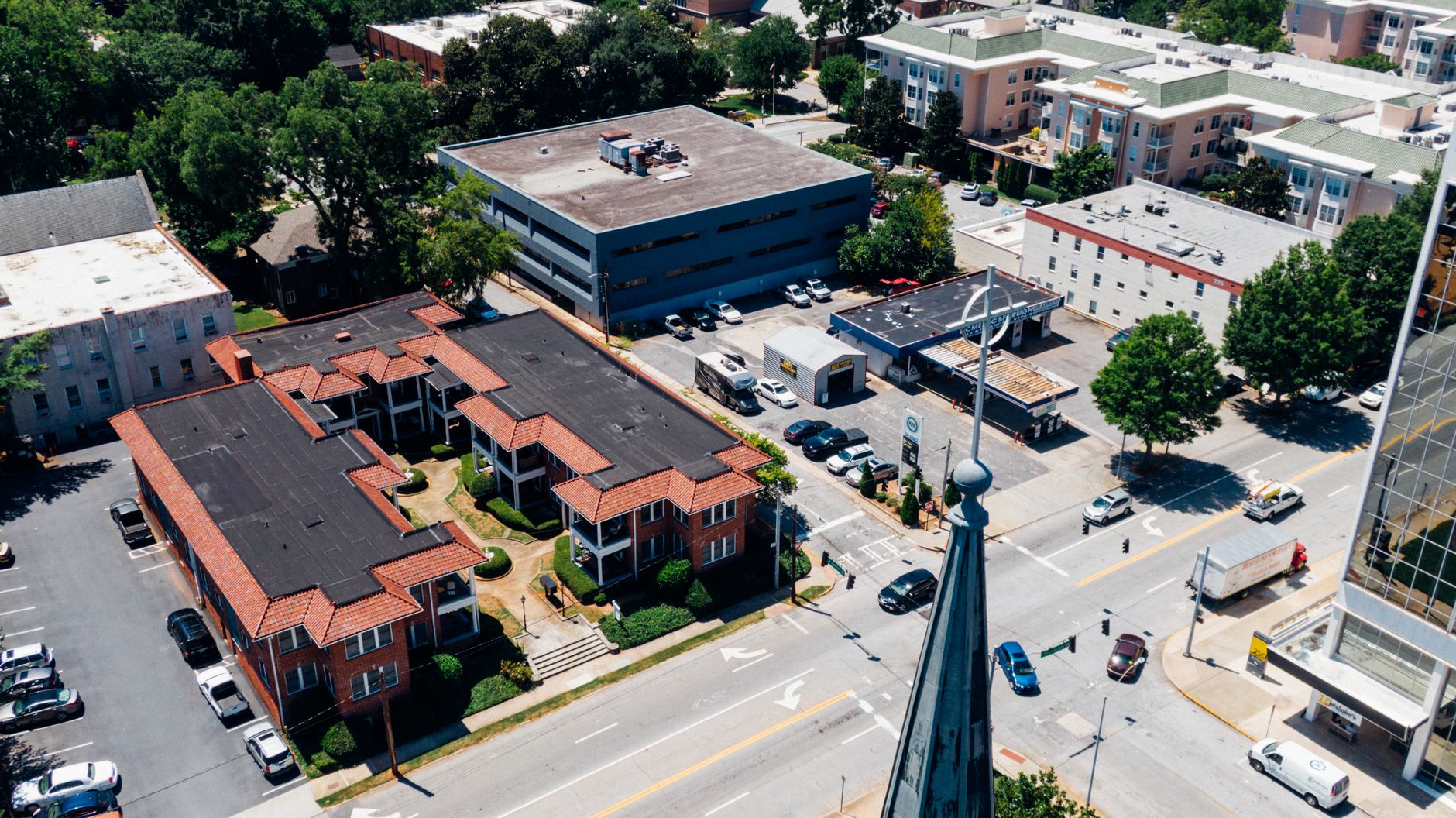
Decatur feels like a practical Midwestern city: blocky commercial corridors give way to tree-lined residential streets and a downtown with a handful of walkable blocks of shops and civic buildings. First impressions are straightforward—an industrial skyline in the distance, local diners, and university buildings at Millikin that bring weekday energy. Expect modest crowds; summer afternoons are busier around parks and zoo enclosures, while weekdays feel calm.
Many outsiders assume a developed tourist infrastructure; that is not the case. Public transit runs but is not a substitute for a car on a tight schedule. The city suits short-stay visitors who want outdoor walks, small museums, and honest local food instead of elaborate attractions. Planning realistic transit times and checking museum hours pays off more than hunting for nightlife.
Is 3 days in Decatur enough?
Yes—three days is enough to cover Decatur's main museums, a major conservation area, and a solid downtown loop. The trade-off: little time for slow countryside drives or full-day trips to Bloomington-Normal or St. Louis.
Who This Guide Is For
Best for travelers who prefer slow urban walks, nature trails and small museums rather than nightlife or big-city shopping. Not ideal for visitors expecting a dense public-transit system or luxury hotels.
Local Tips for Decatur
Practical details that most travel sites skip — specific to Decatur.
- Scovill Zoo has free parking and modest admission (expect roughly $7–$12 for adults; check the zoo website for seasonal prices) and is easiest to reach by car—allow 15 minutes from downtown.
- Rock Springs Conservation Area (east of town on Route 36 / East Eldorado Street) has well-marked trails and a spring outlet; wear boots after rain and allow 1.5–2 hours for the main loop.
- Children's Museum of Illinois sits on the south side near South 22nd Street; many families arrive mid-morning—arrive at opening on weekends to avoid queues and on-site parking fills quickly.
- Decatur Public Transit System (DPTS) runs several fixed routes from the Downtown Transfer Center; single-ride fares are low (roughly $1.50) and the system is best used for short hops rather than citywide touring.
- Funks Grove Maple Sirup (state highway access off I-55, about 40–50 minutes west) sells bottled maple syrup and makes a good 2–3 hour countryside detour if driving out of town.
How This Guide Was Prepared
Decatur is an American midwestern manufacturing and university town whose strengths are straightforward: approachable museums, a compact downtown, local parks and a surprisingly strong agricultural heritage. Many guides overplay an urban-nightlife scene or treat it like a tourist resort; practical visitors will get more value by planning daytime neighbourhood loops, reserving evenings for local diners and occasional events at the Civic Center or Millikin University. This guide was prepared through a structured research that combines destination research, geographic context, itinerary planning logic, and content review.
Plan Your Stay in Decatur
Use this itinerary as your starting point, then compare areas to stay, transport options, seasonal timing, and realistic daily costs before booking.
Why Visit
There are concentrated, different experiences in a small area: family-friendly museums such as the Children’s Museum of Illinois and Scovill Zoo, green spaces like Rock Springs Conservation Area, and a working downtown with civic events at the Decatur Civic Center. Those three set pieces give a compact itinerary that avoids long drives.
The town also shows agricultural-industrial history: Millikin University brings performing arts and campus galleries; foodservice businesses reflect Midwestern supply chains. Nearby sites like Funks Grove add a rural feel without a multi-hour drive. Finally, practical accessibility from regional highways makes Decatur a useful stop between Bloomington-Normal and St. Louis for a weekend break.

Quick Planning Tips
Arrival: use Decatur Airport (DEC) for very local flights, but compare schedules and fares with Bloomington-Normal (BMI, about 40–50 minutes) or St. Louis Lambert (STL, roughly 2 hours) for more options. Driving from those airports is the most reliable way to stick to a three-day plan.
Payment and cards: U.S. dollars. Most downtown shops and restaurants accept major cards; keep small bills ($5–20) for farmers’ stands, small cafes, or museum donations. ATMs are available around the downtown square and near major grocery stores.
Planning mistake to avoid: assuming everything listed online has weekend or evening hours. Check museum and zoo hours, and reserve performance tickets at Millikin or the Civic Center in advance for weekend shows. Allow travel time—Decatur is compact but parking, traffic lights, and occasional road work add minutes.
Day 1
Morning: Start downtown at Franklin Street and the Courthouse area. Walk the core 4–6 blocks to see local storefronts and the Decatur Civic Center. Allow 60–90 minutes for walking, photos and a coffee at a downtown cafe.
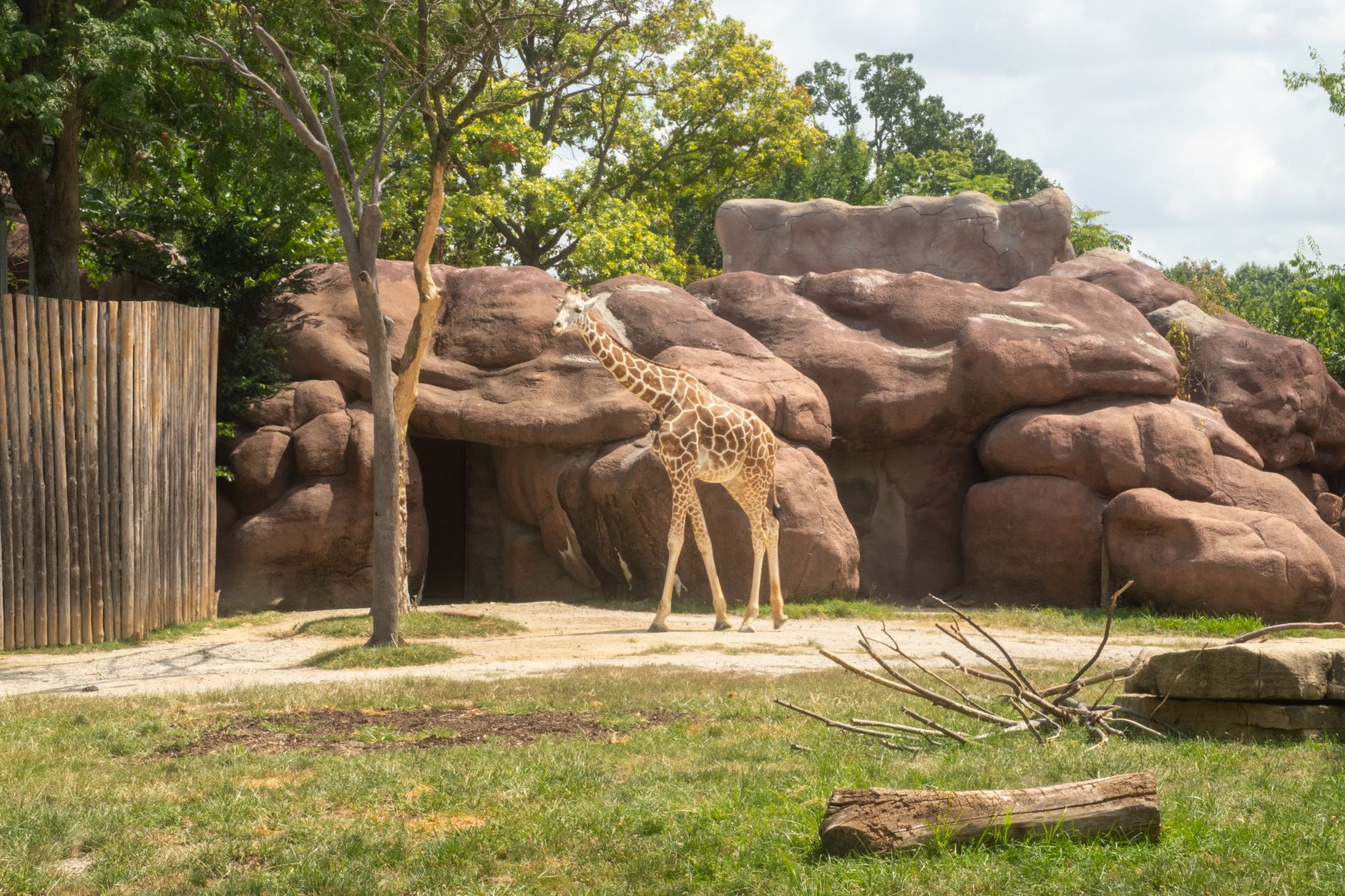
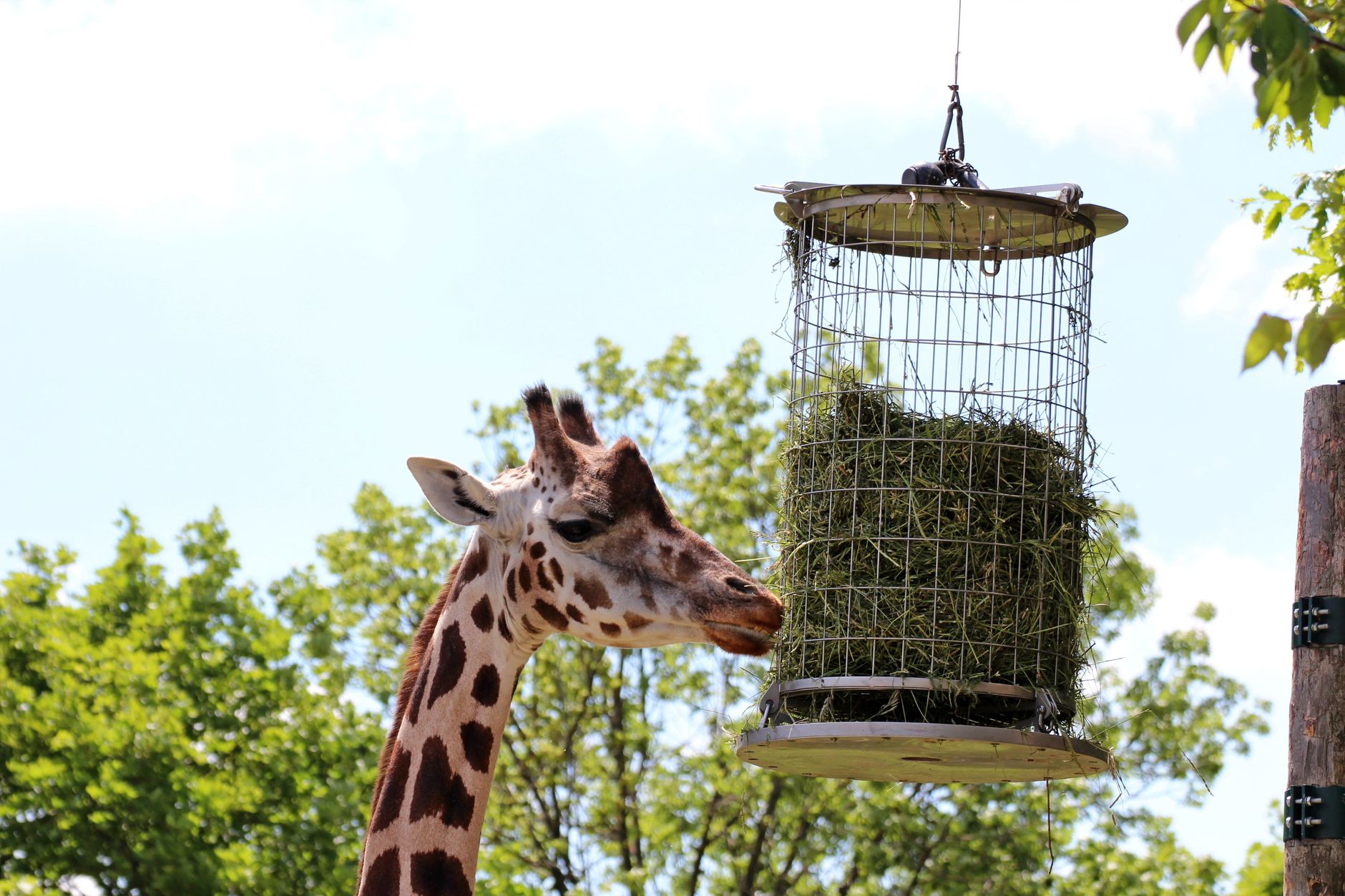
Midday: Walk or drive 5–10 minutes to Scovill Zoo. Plan 1.5–2.5 hours for the zoo experience (zebra/giraffe viewing, small animal houses). Bring water and sunscreen in summer; parking is free and the zoo has a modest admission fee.
Lunch: Eat at a nearby diner or the zoo café for a quick meal, or drive back toward Millikin University and try a sandwich shop on North Prairie Street—expect $8–15 per person.
Afternoon: Head to Millikin University (5–10 minutes by car from Scovill Zoo) to walk its campus and, if open, visit the university’s gallery or a concert hall. Allow 45–75 minutes for a campus loop.
Evening: Return to downtown for dinner. Choose a family-run grill or a pub on Franklin Street—dinner typically runs $12–25. If there’s a performance at the Civic Center or a Millikin recital, schedule tickets for an evening show. If not, an early evening riverfront walk at Fairview Park closes the day with a short, flat stroll.
Day 2
Morning: Spend the morning at the Children's Museum of Illinois on the south side. Allow 90–120 minutes for hands-on exhibits if travelling with children, and plan to arrive close to opening to avoid lines. Parking can be tight on weekend mornings.
Late morning: Drive 10–15 minutes to Rock Springs Conservation Area for a nature loop. The main trail and spring outlet are uneven in spots; allocate 1.5–2 hours and wear good shoes. This change of pace contrasts with the urban first day.
Lunch: Pack a picnic from a downtown deli and eat at the Rock Springs picnic area, or return toward the lakefront to find a sandwich spot—driving time back to town is 10–15 minutes from Rock Springs.
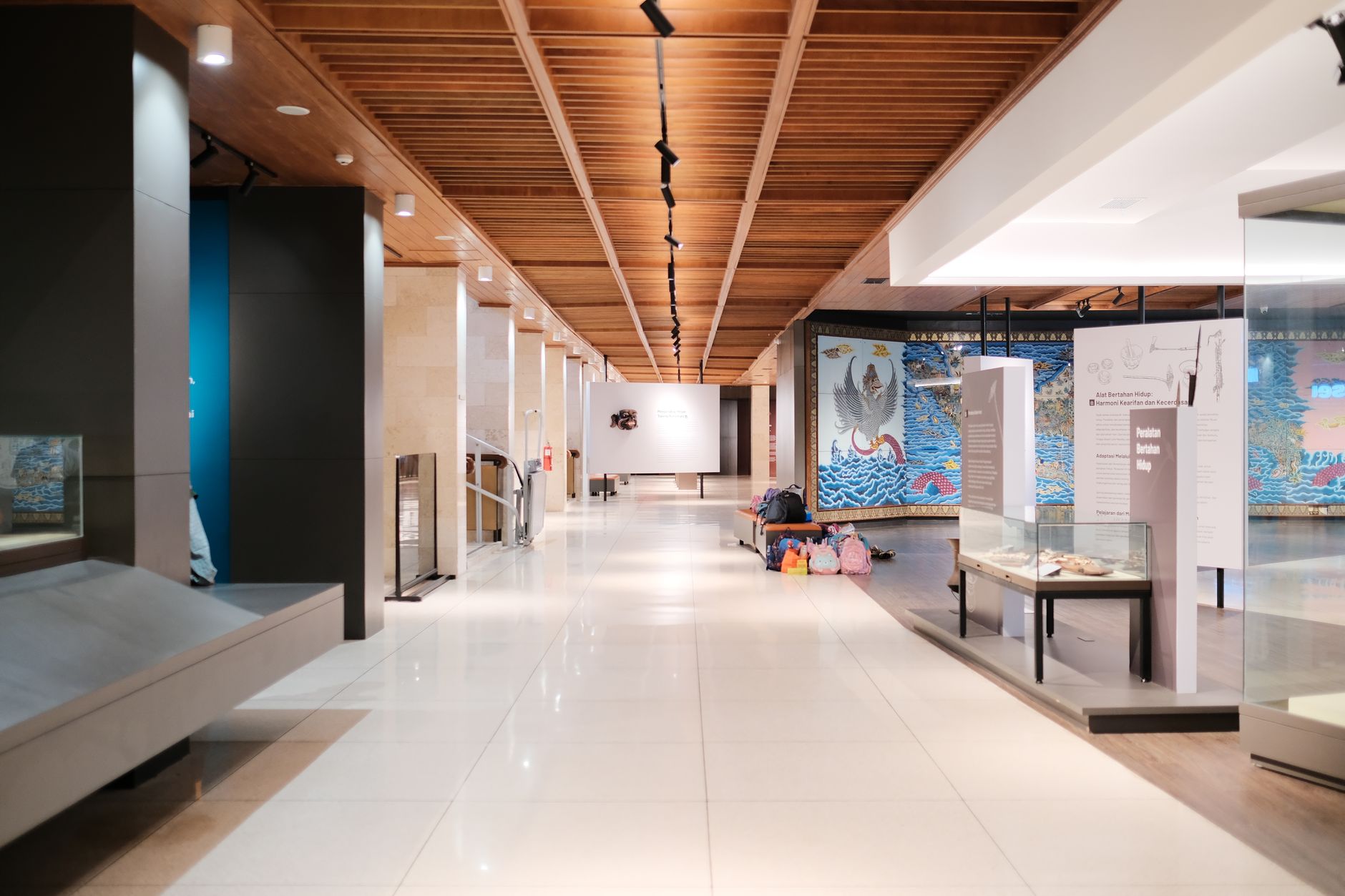
Afternoon: Visit the Decatur Area Museum or a local heritage site (check current locations and exhibits). If there’s an agricultural exhibit or seasonal fair, allow 60–90 minutes. Alternatively, spend the afternoon on a self-guided mural walk downtown and check small galleries near the square.
Evening: Try a local barbecue joint or family-run Italian restaurant for dinner. End the evening with a beer at a small brewpub or a quiet bar on the downtown strip.
Day 3
Morning: Start with a farmers’ market or a light breakfast at a bakery on the northwest side of downtown. If visiting Saturday, allow 60–90 minutes for market browsing and coffee.
Midday: Drive to Old Decatur Park or Fairview Park for a short walk by the river and a chance to photograph local architecture. These green spaces are 5–10 minutes from the core and are good for a relaxed hour.
Lunch: Head to a locally recommended diner or cafe near the transfer center; expect $8–15. If catching an afternoon flight, choose a lunch close to the airport route and leave leisure time for travel contingencies.
Afternoon option and travel note: If departing by car or shuttle, allow 45–60 minutes to get to Bloomington-Normal (if flying from BMI) or 15–25 minutes to Decatur Airport (DEC). For afternoon flights, plan to be en route at least 90 minutes before departure because ground transport options are limited.
Evening (if staying): If time allows, check for a community concert or a final stroll through downtown streets with seasonal lighting or public art.

Best Local Experiences
Scovill Zoo: animal exhibits and family-friendly paths that work well in 90–150 minutes. Rock Springs Conservation Area: a local spring and trail network, pleasant for 1–2 hours of hiking and birdwatching. Children’s Museum of Illinois: hands-on exhibits for kids and caregivers—arrive at opening on busy weekends. Millikin University performances: the university schedules student and visiting performances; check the Millikin music and theatre calendar for evening events. Fairview Park and the riverfront: short flat walks and local birding in spring and fall.
Other local experiences include attending a Decatur Municipal Band concert (seasonal), exploring small galleries and murals downtown, and, for a countryside detour, buying maple syrup at Funks Grove during the spring bottling season. These activities reflect the town’s mix of cultural programming and outdoor time without needing long drives.
Where to Stay
Downtown / Franklin Street: Best for walking access to the Civic Center, restaurants and small shops. Suits those who want short walks to evening events. Expect basic chain hotels and boutique options; nightly rates typically run $90–$140 USD (~€82–€128) depending on season.
Near Millikin University: Best for campus events and quieter streets. Suits visitors attending recitals or university conferences. Small inns and chain hotels line North Water Street and nearby arterials; prices around $80–$130 USD (~€73–€119).
South side / Decatur Airport corridor: Best for drivers who want convenience and lower nightly rates. Suits families with cars or early flights from DEC. Expect motel-style and midrange hotels with rates about $65–$110 USD (~€60–€101).
Food and Drink
Breakfast option: sausage and egg biscuit or a bakery pastry with coffee at a downtown bakery—expect $5–$9. Street or quick food: meat-and-three or a sandwich at a local deli for $6–$12. Dinner recommendation: try a family-run grill or barbecue joint downtown for a full plate ($12–$25).
Specific local items: pork tenderloin sandwich (Midwestern style—breaded pork loin on a bun), available at diners and orderable for about $8–$12; chicken-fried steak with mashed potatoes at family restaurants for $10–$16; local pie (seasonal fruit varieties) found at bakeries and diner counters for $3–$6 a slice; Midwestern-style casserole or comfort plates served in supper-club-influenced restaurants for $10–$20; and locally brewed beers or small cask ales at neighborhood pubs, typically $5–$7 per pint.
Where to find them: downtown diners and family restaurants around Franklin Street, sandwich shops along North Water Street, and small pubs around the Civic Center. Expect straightforward portions and prices, with most dinners under $30 per person before tip.
Getting Around
Local transit: Decatur Public Transit System (DPTS) runs fixed routes from the Downtown Transfer Center. Routes cover main corridors and run with limited evening service; single rides cost roughly $1.50 and day passes cost around $3–$5. Schedules are printed at the transfer center and on the DPTS website.
Taxis and rideshares: Taxis operate locally and a rideshare app (major national apps) work in town but vehicle availability can be limited evenings and Sundays. Airport trips from DEC to downtown are typically $15–$30 by taxi; from Bloomington-Normal expect $50–$80 by shuttle or taxi.
Driving and parking: most visitors find a rental car the most efficient option for a short visit. Downtown parking is a mix of meters and public lots; many attractions have free parking. Cycle lanes are limited and there is no large-scale city bike-share program.
Best Time to Visit
Spring (April–June): Temperatures range from roughly 45–75°F (7–24°C). Wildflowers and local maple-bottling season make countryside drives pleasant; however, spring storms can bring heavy rain. Late spring is good value before peak summer.
Summer (July–August): Hot and humid, often 75–90°F (24–32°C). Parks and the zoo are busiest; book any weekend events or Civic Center shows in advance. Expect higher visitor numbers for family travel.
Fall (September–October): Crisp air and fall color, temperatures 45–70°F (7–21°C). This is the best balance of mild weather and smaller crowds. Many local festivals occur in September and October.
Winter (November–March): Cold with potential snow; daytime highs often below 40°F (4°C). Museums and indoor events run year-round but expect limited outdoor activity and occasional icy roads.
Budget and Practical Tips
Sample realistic daily budget (mid-range traveler): Accommodation $80–$120 USD (~€73–€109), Food $25–$45 USD (~€23–€41), Transport (local) $5–$15 USD (~€5–€14), Entry fees and activities $10–$30 USD (~€9–€27). Total daily: roughly $120–$210 USD (~€110–€191).
Entry fees: Scovill Zoo and the Children’s Museum have modest admission fees; smaller galleries are often free or request small donations. Expect museum fees in the $5–$15 range per person.
Tipping: standard U.S. norms—15–20% in restaurants if service is full-service, $1–$2 per drink at bars, and round up taxi fares. For guided tours or museum staff who give extended help, a small cash tip is appreciated.
Practical note: fuel and driving time are the norms here—many visitors find renting a car the cheapest and most flexible option compared with slow bus schedules. Bring layered clothing for shoulder seasons.
FAQ
Is Decatur safe for tourists?
Yes for daytime walking in downtown and park areas; use normal precautions at night and avoid poorly lit side streets. Local crime levels are typical of medium-sized Midwestern cities; ask hotel staff about any specific areas to avoid after dark.
Is three days enough to see the main sites?
Yes—three days covers key museums, Scovill Zoo and Rock Springs if scheduled clearly, but it leaves little time for long countryside detours or visits to Bloomington-Normal in the same trip.
Are there reliable public-transport options?
DPTS buses cover main corridors at low cost but are not frequent in evenings. For tight schedules, a car or rideshare is more practical.
Is a city pass worth buying?
There is no widely promoted Decatur city pass; buying individual tickets and checking combo discounts at the zoo or museums is usually cheaper.
Can visitors use Decatur Airport for commercial flights?
Limited regional service exists at DEC; many travellers compare flights at Bloomington-Normal (BMI) and St. Louis (STL) for better schedules and fares.
What should families prioritize?
Children’s Museum of Illinois and Scovill Zoo are the most time-efficient family stops. Schedule one in the morning and the other in the afternoon to avoid backtracking.
Is downtown walkable and good for dining?
The core downtown 4–6 blocks are walkable with a concentration of restaurants and bars. Outside that area, driving is faster.
Any seasonal events worth timing a trip for?
Look for Civic Center shows, Millikin University recitals and local summer band concerts; these are worth planning around for evening entertainment.
Conclusion
A three-day visit gives a clear snapshot: family museums, a compact downtown and nearby natural areas make for a balanced weekend. Most visitors will remember the approachable museums and the contrast between university streets and green spaces.
If time runs short, prioritize Scovill Zoo or the Children’s Museum plus a 90-minute Rock Springs walk; those three together capture what this place does best and leave the option of a future return for longer drives into the surrounding countryside.
How this guide was prepared
This guide was prepared through a structured research that combines destination research, geographic context, itinerary planning logic, and content review.