
Antibes in 3 Days: Practical Itinerary for First Visits
A frank 3-day Antibes guide with walkable itineraries, train and bus tips, museum costs, and realistic meal and budget estimates for a weekend stay.
A compact, usable 72-hour plan for Antibes that balances the old town, Cap d'Antibes coastline, local markets and a taste of Juan-les-Pins nightlife without fluff.
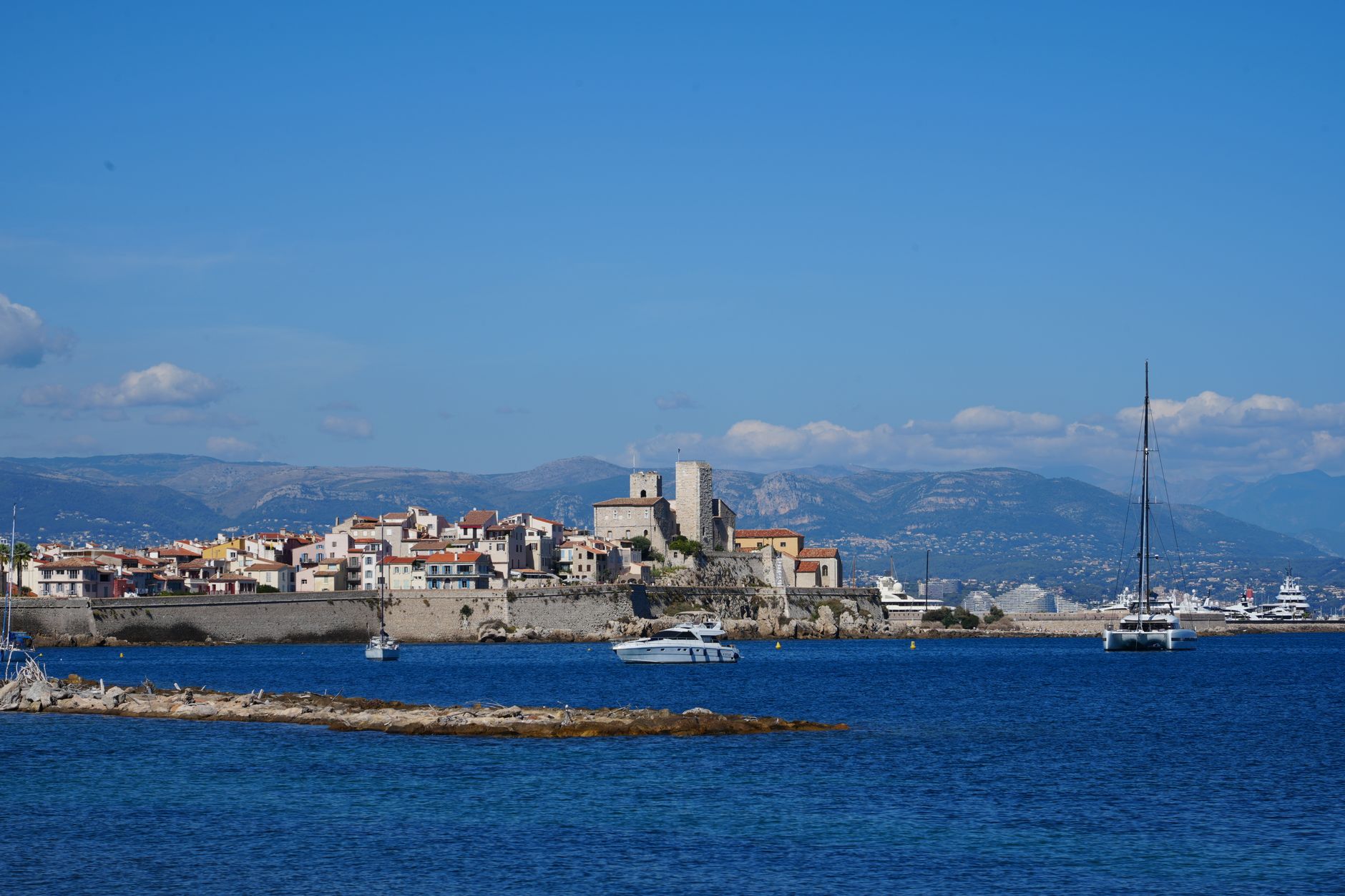
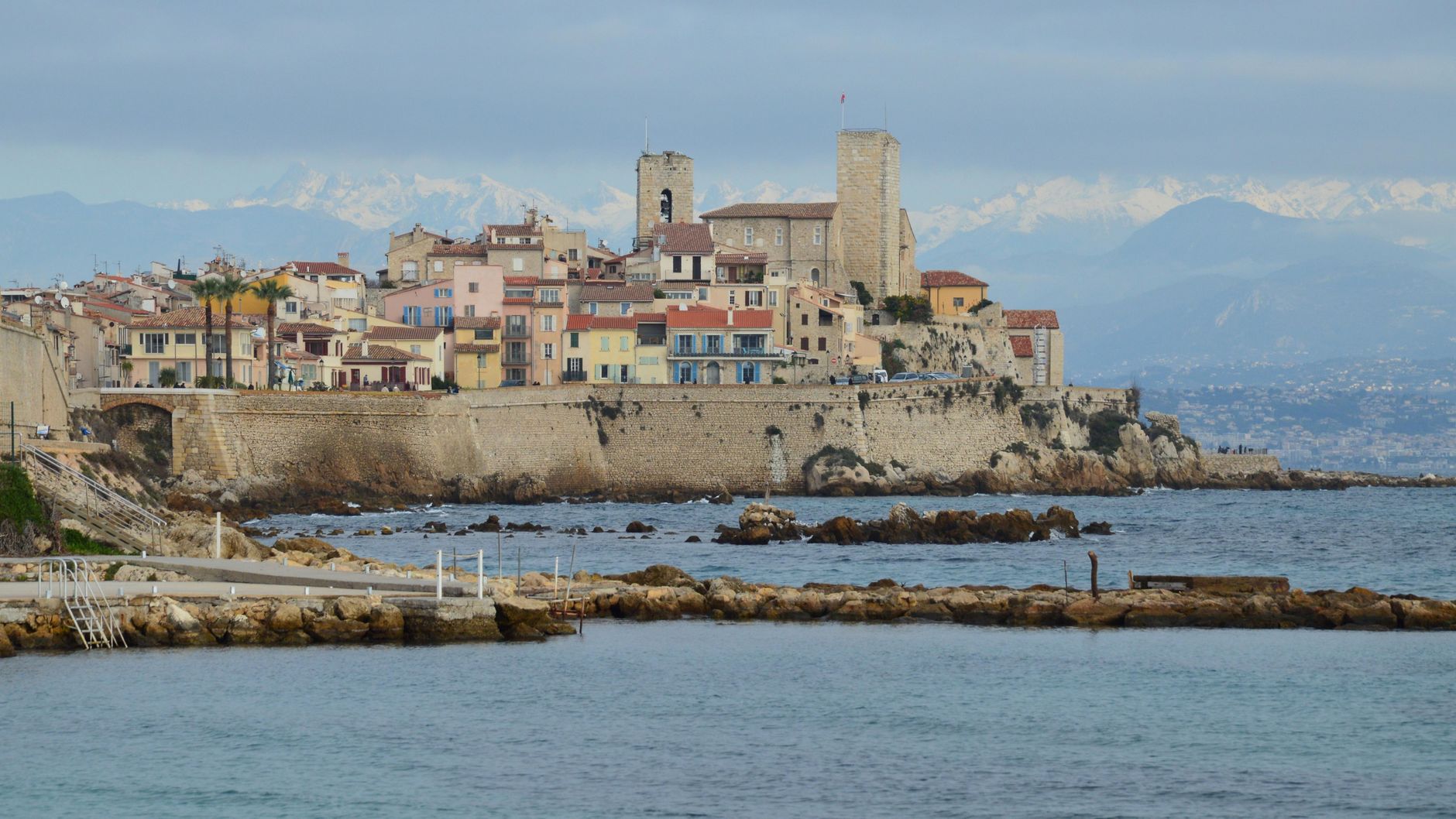
A walled old town, an enormous working marina and a headland of penny-pinched villas create an uneven but interesting coastal town. The morning rhythm is market stalls and fishermen, while afternoons tilt toward families on small public beaches and private beach clubs. Antibes is not Cannes or Nice: it keeps a more town-like feel with narrow streets and fishing-industry traces amid tourist facilities. That mix suits people who want short museum visits, good seafood and coastal walks without the international festival bustle.
Is 3 days in Antibes enough?
Yes: three days is enough to see the Old Town, Musée Picasso, Port Vauban, and to walk Cap d'Antibes while leaving time for a beach and an evening in Juan-les-Pins. The main caveat is that there is not enough time to explore Provence inland or spend long days island-hopping without cutting the coastal walking or museum visits.
Who This Guide Is For
Best for travelers who want compact culture + seaside walking and who can manage short urban hikes and trains. Poor fit for travelers wanting full-day boat excursions every day or a luxury-resort stay on a private beach.
Local Tips for Antibes
Practical details that most travel sites skip — specific to Antibes.
- Buy TER tickets on the SNCF Connect app or the ZOU! regional app; single Nice–Antibes fares typically run €4–€7 and trains on the Nice–Cannes line stop at Gare d'Antibes every 15–30 minutes off-peak.
- Cours Masséna Marché Provençal runs mornings on weekdays and Saturdays; stalls are busiest 08:00–11:00 and many vendors begin packing by 13:00.
- Port Vauban is Europe’s largest pleasure-boat port by mooring capacity; a morning walk along Quai des Baux gives the best yacht views without paying marina fees.
- Fort Carré's ramparts are visible from Boulevard Albert 1er and Quai General Leclerc; guided interior visits are occasional and subject to municipal opening hours.
- Jazz à Juan at the Pinède Gould (Juan-les-Pins) takes place in late June/July and sells out headline nights quickly — buy tickets weeks ahead if attending.
How This Guide Was Prepared
Three days in Antibes rewards people who mix short cultural visits with coastal walking rather than chasing luxury yacht sightings. Most guides gloss over practical costs for private beaches, the tight summer parking situation, and how train and bus timetables shape each day. This guide was prepared through a structured research that combines destination research, geographic context, itinerary planning logic, and content review.
Plan Your Stay in Antibes
Use this itinerary as your starting point, then compare areas to stay, transport options, seasonal timing, and realistic daily costs before booking.
Why Visit
There are concrete reasons to spend three days here. Musée Picasso at Château Grimaldi sits on the ramparts and offers a compact collection that fits well into a half-day schedule. The Cap d'Antibes coastal path and Villa Eilenroc gardens give a sharply different pace: clipped gardens, coastal views and accessible beaches like Garoupe. Port Vauban and the Old Town provide an easy loop of shops, Provençal markets and seafood restaurants; a single afternoon covers market browsing, the cathedral and a harbour walk. Finally, Juan-les-Pins has an annual Jazz à Juan festival in summer that brings internationally known acts to the Pinède Gould.
Quick Planning Tips
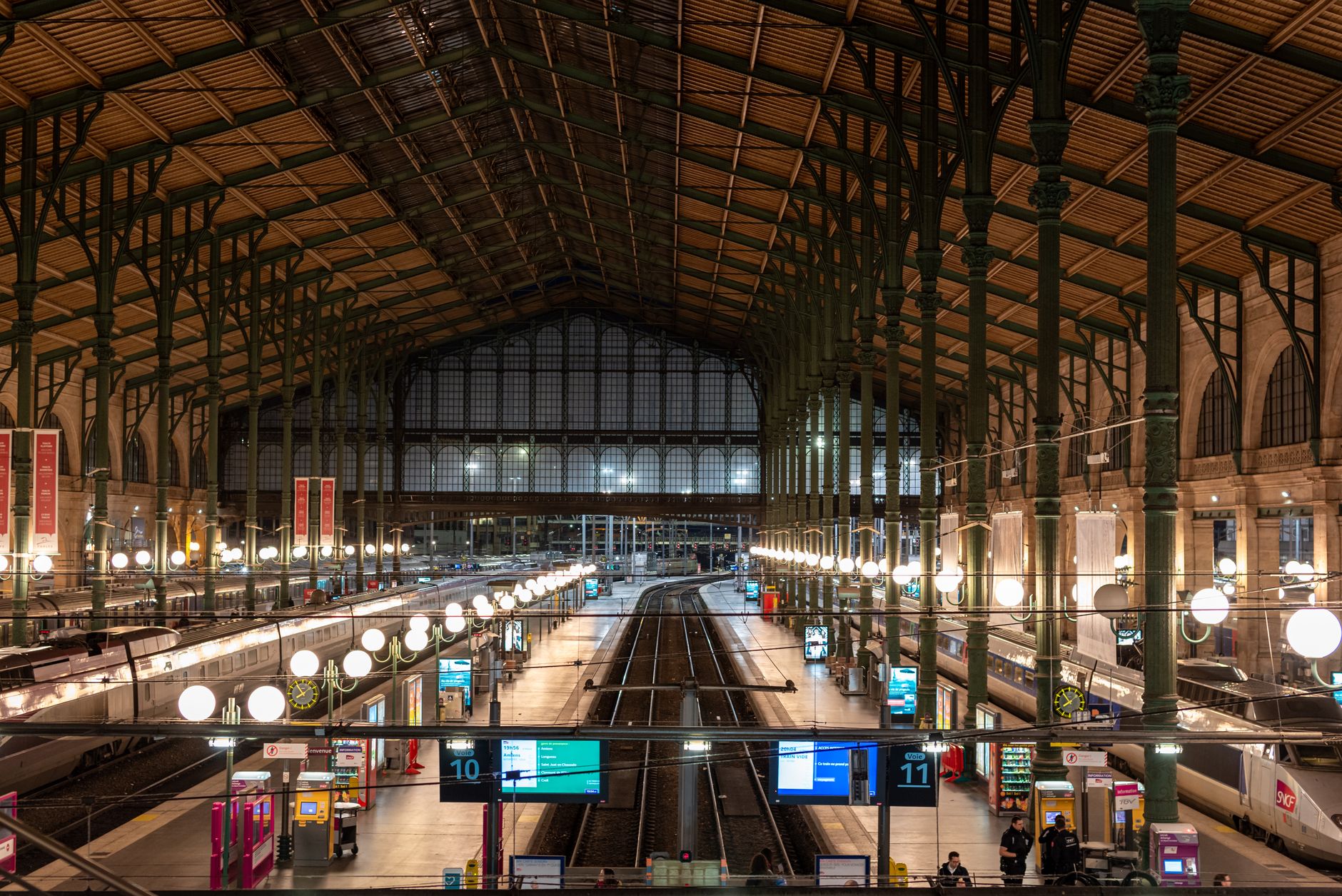
From Nice Côte d'Azur Airport the most reliable route is the TER train to Gare d'Antibes; trains are faster and drop in the town center. Credit and contactless payment are widely accepted, but bring small euro notes or coins for market stalls, public toilets and some beaches. Avoid assuming parking is easy in July–August; either book hotel parking, use paid municipal lots, or arrive by train. Finally, check museum opening days before arrival: many local museums close one weekday outside the high season.
Day 1
Start at Gare d'Antibes and walk 8–12 minutes to Port Vauban to see the marina and the Mole des Milliardaires. From the harbour follow Quai des Baux into the Old Town (5 minutes on foot) and spend the morning at Cours Masséna Marché Provençal for produce, olives and pan bagnat from a stall. Head uphill to Château Grimaldi / Musée Picasso (5–8 minutes from the market): a focused visit takes 60–90 minutes and keeps the day flexible. After the museum, stroll the ramparts to Plage de la Gravette (7 minutes) for a quick swim or sunbreak.

Day 2
Take a coastal day: catch a local bus or walk to Juan-les-Pins (20–30 minutes on foot along Boulevard Edouard Baudoin or 10–15 minutes by bus). Spend late morning on Plage de la Salis or the private beaches in Juan-les-Pins; public sections exist near the railway bridge. After lunch in Juan-les-Pins, transfer to Cap d'Antibes by bus or taxi and do the Garoupe/Cap coastal loop (allow 2–3 hours including stops). Visit Villa Eilenroc grounds if open, then return via the coastal path to finish with dinner overlooking the sea in Juan-les-Pins or at a seafood bistro back by the port.

Day 3
Reserve the morning for any museum or gallery missed earlier: Musée d'Histoire or the Picasso rooms again for a slower visit. If checking out midday and catching an afternoon flight, leave luggage at Gare d'Antibes if lockers are available or use a local bag-storage app to free the last hours for a final market visit. Alternatively, take a short TER hop to Cannes (12–18 minutes) or Nice (20–25 minutes) for a half-day trip on the train, returning to collect luggage. End the day with a relaxed meal near the ramparts so transport to the station or airport is straightforward.
Best Local Experiences
Cours Masséna Marché Provençal for morning market produce and sandwiches. Walking the Cap d'Antibes coastal path from Garoupe to Port de la Salis for villa views and sea air. Pinède Gould for Jazz à Juan in late June/July for open-air concerts under pine trees. An evening stroll on the ramparts and along Boulevard Albert 1er to watch boats return to Port Vauban. Sampling pan bagnat and socca from market stalls rather than a formal restaurant gives the most immediate local taste.

Where to Stay
Vieil Antibes (Old Town) suits travelers who want to be within walking distance of the market, museums and Port Vauban; expect nightly rooms from about €90–€180 (USD 95–195). Juan-les-Pins fits people seeking beach proximity and nightlife; options range from budget guesthouses to seafront hotels at roughly €80–€200 (USD 85–215) per night. Cap d'Antibes is for those prioritizing privacy and coastal walks, and costs are higher—small hotels or villas generally start near €200 and can exceed €350 (USD 215–380) per night in season.
Food and Drink
Socca: chickpea pancake cooked on a large copper pan, commonly sold at market stalls; a slice costs about €2–€4. Pan bagnat: tuna and olive sandwich on a round bread, market-made for €4–€8 and a perfect lunch. Pissaladière: onion tart with anchovies, found at bakeries on Cours Masséna for €3–€6. Anchoïade: an anchovy garlic dip traditionally served with raw vegetables; look for it in older bistros and priced around €6–€12 as a starter. Pastis and local Provence rosé are common drinks; a glass of rosé in a mid-range restaurant costs €5–€8. For breakfast, a boulangerie croissant and café au lait will run €3–€6.
Getting Around
Regional SNCF TER trains on the Nice–Cannes line stop at Gare d'Antibes; use the SNCF Connect app to buy fares. Lignes d'Azur coastal bus 200 links Nice, Antibes and Cannes with multiple stops including Juan-les-Pins; it is slower than the train but serves beachside points. Buy regional tickets and some bus fares with the ZOU! app; single short TER trips are about €4–€7 and local bus rides are typically €1.50–€2. Taxi from Nice Côte d'Azur Airport to central Antibes runs roughly €70–€90 depending on traffic. Use SNCF Connect and the ZOU! regional app for schedules and tickets.
Best Time to Visit
Spring (April–June) brings mild temperatures from about 12–22°C and fewer crowds; May offers good value before peak season. High season in July–August sees temperatures often 24–30°C and heavy tourist crowds with higher prices and booked restaurants. Late September–October returns comfortable weather (15–24°C) with thinning crowds and lower rates, although some beach services close. Winter months are quiet, with cooler days around 8–14°C and many seasonal businesses reducing hours.
Budget and Practical Tips
Daily budget estimates in EUR (approx USD): Budget traveler: accommodation €60–€100 (USD 65–105), food €25–€40 (USD 27–42), transport €5–€10 (USD 5–11), entries €5–€15 (USD 5–16). Mid-range traveler: accommodation €120–€220 (USD 130–235), food €45–€80 (USD 48–85), transport €10–€20 (USD 11–21), entries €20–€40 (USD 21–43). Museums like Musée Picasso have modest entry fees (roughly €6–€12) depending on exhibitions. Tipping: service is included on French restaurant bills, but it’s customary to leave small change or round up for good table service or exceptional help with luggage.
FAQ
Is Antibes safe at night?
Yes, central areas and main beaches are generally safe; however, standard precautions against pickpocketing apply near train stations and crowded beaches.
How to get to Antibes from Nice Airport?
Use the SNCF TER from Nice Ville or Nice Saint-Augustin to Gare d'Antibes, or the coastal bus 200 for a cheaper but slower option.
Is there a city card worth buying?
There is no widely used Antibes-only city card; check combined regional ZOU! or festival passes for event-specific discounts instead.
Are beaches public or private?
Both: public beaches like Plage de la Gravette are free, but many stretches have private beach clubs charging for sunbeds and service.
Can one day-trip to Cannes or Nice?
Yes—Cannes is 12–18 minutes by TER and Nice is about 20–25 minutes, making easy half-day visits by train.
Are museums closed one weekday?
Many museums follow French practice of one weekday closure outside high season—check opening days for Musée Picasso and municipal museums before arrival.
Conclusion
A three-day plan will leave a clear impression: market mornings, ramparts and a coastal walk toward Cap d'Antibes are likely to be the most memorable parts. If time becomes tight, prioritize the Cours Masséna market and the Cap d'Antibes coastal loop over a second long museum visit. Practical planning—train tickets, early market visits and accepting some paid beach sections—keeps the trip smooth and focused on what makes the town distinctive.
How this guide was prepared
This guide was prepared through a structured research that combines destination research, geographic context, itinerary planning logic, and content review.