
3 Days in Derby: Practical Itinerary for Museums, Parks, Pubs
A realistic 3-day Derby guide with neighbourhood plans, transport tips, museums, food picks and timing advice for match days.
A no-nonsense 72-hour plan to see Derby’s museums, riverside walks, food markets and a nearby Peak District half-day without wasting time on tourist fluff.
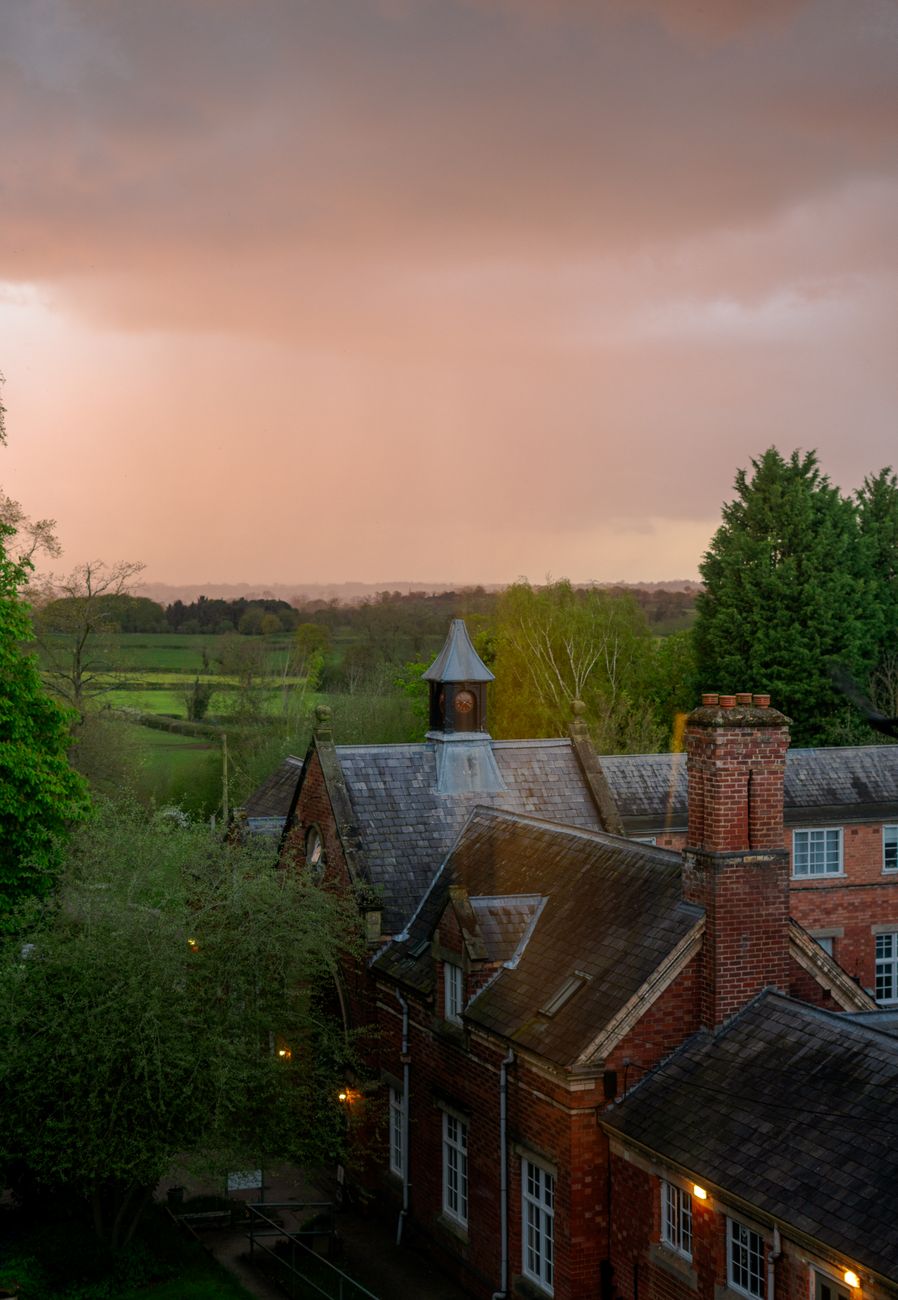
First impressions are industrial fabric softened by green space: a red-brick riverside, a Georgian cathedral spire, and remnants of mills along the Derwent. Pace inside the ring road tends toward practical and compact rather than theatrical; streets around the Cathedral Quarter fill with shoppers and lunchtime crowds but quiet down by evening. Expect locals to be matter-of-fact about bus schedules and match-day disruption; staff at museums and independent shops will give direct advice on timings and best exhibits. The city suits museum-goers, short walkers, families who want a mix of hands-on displays and parks, and football supporters who need easy access to Pride Park.
Is 3 days in Derby enough?
Three days are enough to cover the Museum of Making, Derby Museum and Art Gallery, a riverside walk through Darley Park, and one half-day trip into the Derwent Valley or Bakewell. Expect to skip a deeper Peak District hike or several village visits if priority is city museums and food.
Who This Guide Is For
Best for travelers interested in industrial heritage, short museum-heavy breaks, families, and football fans. Poor fit for those seeking a late-night club scene or an extended Peak District trekking holiday.
Local Tips for Derby
Practical details that most travel sites skip — specific to Derby.
- Buy a Plusbus add-on at Derby station when buying a rail ticket — it costs roughly £3–£5 and covers unlimited local bus travel for the day paired with your train fare.
- The Museum of Making at the Silk Mill (North Mill) has free entry for its core displays; temporary exhibitions and weekend workshops often charge around £5–£12.
- Trent Barton runs Skylink services between East Midlands Airport and Derby; buy mobile tickets on the Trent Barton mTickets app — expect single fares to be about £6–£8 one way.
- Derby Bus Station is on Morledge; frequent local routes from Arriva and Trent Barton have city single fares usually £2–£2.60 and day rovers roughly £4–£5.
- On Derby County match days at Pride Park, expect road closures and crowded trains — park at Derbion and walk or use the train for a faster exit from the city centre.
How This Guide Was Prepared
Derby reads as a working city whose industrial past still frames its public spaces; most guides either ignore the Museum of Making or treat the Peak District as the only reason to come. This guide focuses on city museums, riverside routes and realistic transit options so a traveler gets away from generic 'Derbyshire' copy and uses time efficiently. This guide was prepared through a structured research that combines destination research, geographic context, itinerary planning logic, and content review.
Plan Your Stay in Derby
Use this itinerary as your starting point, then compare areas to stay, transport options, seasonal timing, and realistic daily costs before booking.
Why Visit
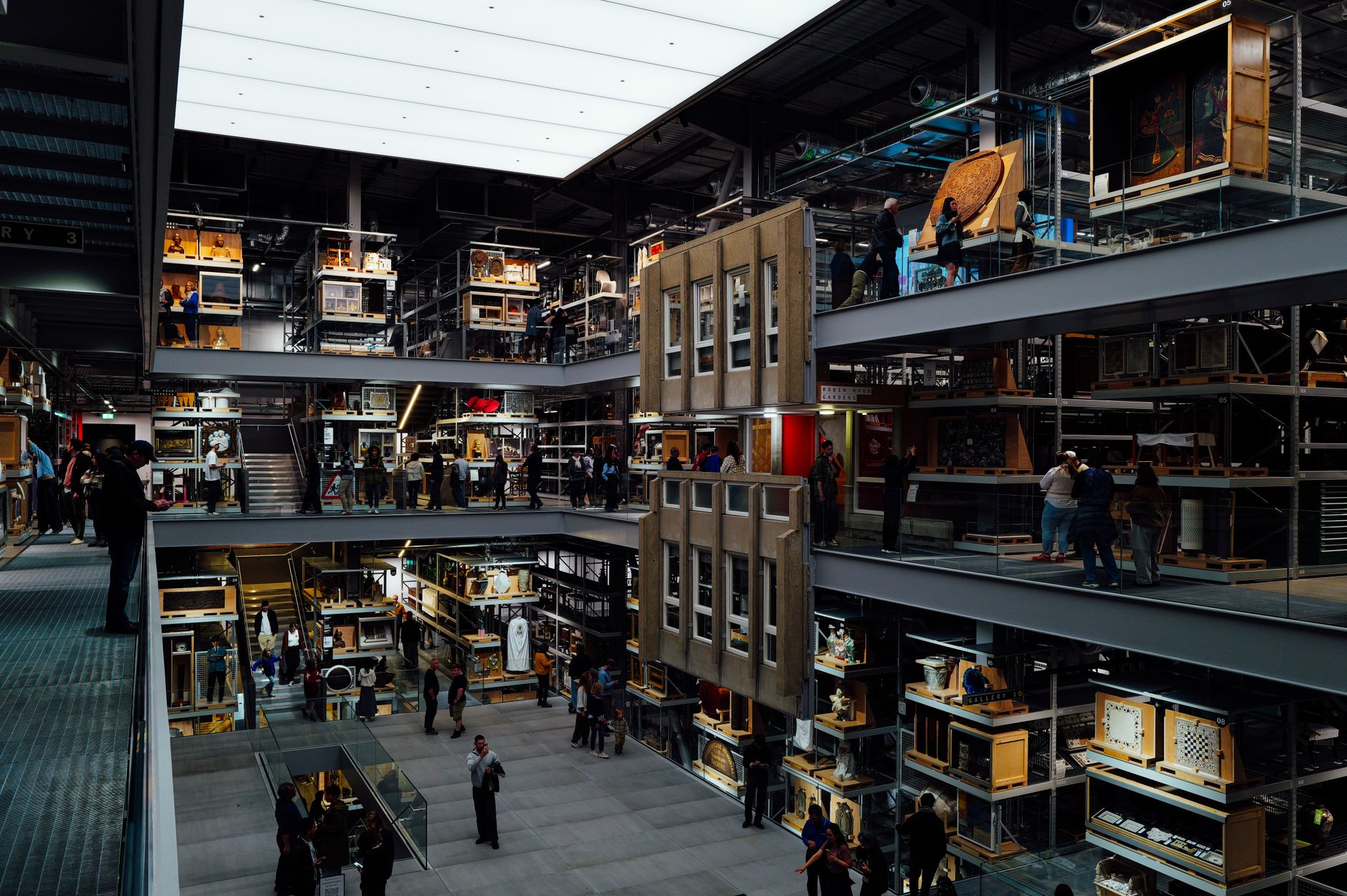
The Museum of Making occupies the historic Silk Mill on the Derwent and interprets industrial innovation from Arkwright to contemporary design; that single site explains a large part of regional industrial development. Derby Museum and Art Gallery holds an important Joseph Wright collection and local archaeology, which gives context to the city's civic rise. Rivers and parks—Darley Park, Derby Arboretum and the River Derwent corridor—make easy half-day walks without leaving the ring road. Proximity to the Derwent Valley Mills World Heritage Site and quick public transport links to Matlock and Bakewell mean a countryside half-day is practical without dedicating the whole trip.
Quick Planning Tips
Fly into East Midlands Airport and take the Trent Barton Skylink bus to Derby; it runs several times daily and ticketing on the Trent Barton mTickets app is simpler than cash. Arrive by rail at Derby station for the fastest access to the city centre; the station sits at the west end of the ring road with direct trains from Nottingham, Sheffield and Birmingham. Carry contactless payment for buses and parking machines — most short-stay car parks accept cards but some park-and-display bays still favour cash or app payment. Avoid planning a major museum visit on a Sunday morning when smaller galleries may open late or run children's workshops that make galleries noisy.

Day 1
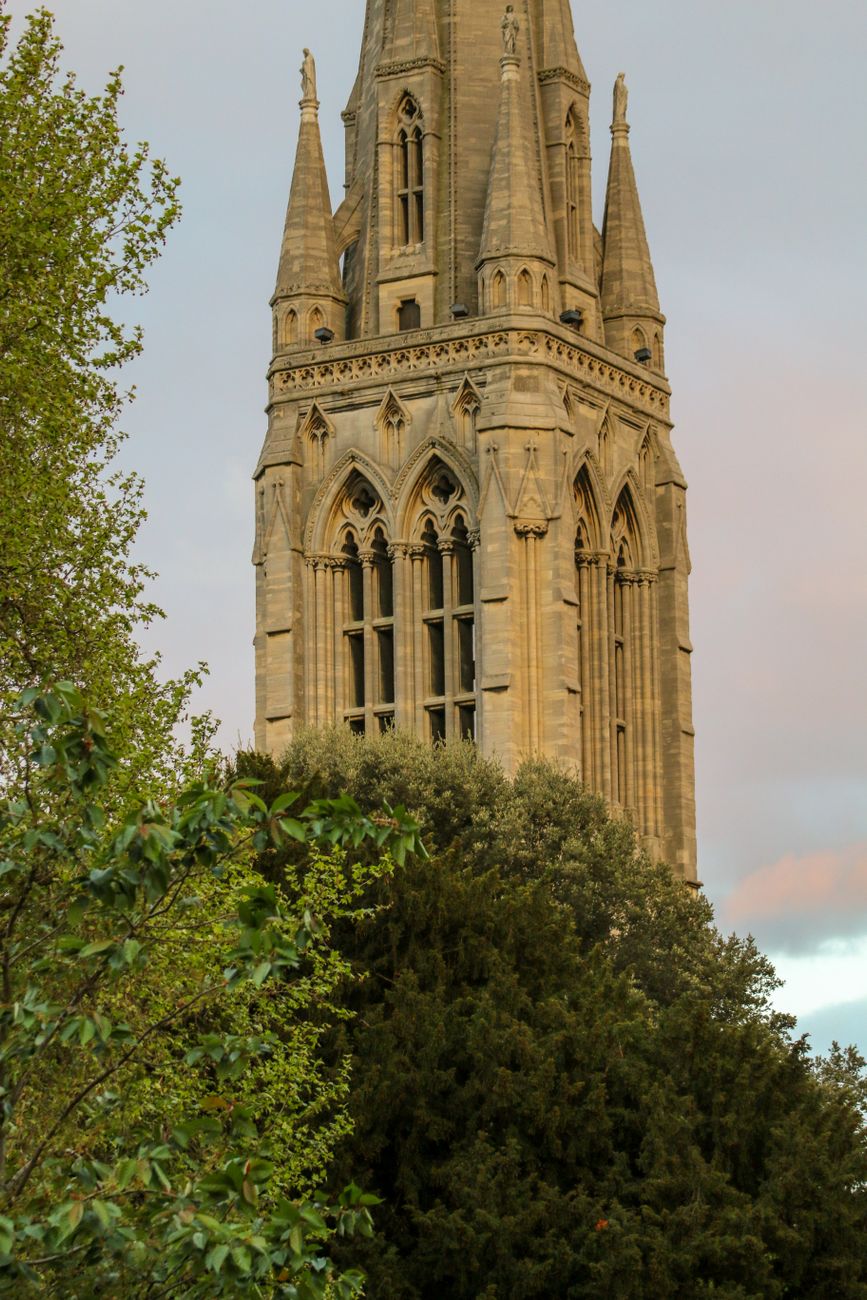
Morning: Start at Derby Cathedral on Iron Gate to climb the tower for views over the city and the Derwent — allow 45–75 minutes including the climb and interior visit. Walk (5–10 minutes) along the Market Place to Derby Museum and Art Gallery on The Strand; allocate 90–120 minutes to see the Joseph Wright paintings and local archaeology displays. Late morning: Cross to Derbion shopping centre (a 5-minute walk) for a quick coffee and to use central toilets; the mall is useful for weather-proofing an itinerary. Lunch: Eat at the Market Hall stalls on Corn Market or sit down at Blue Ginger on Queen Street for curries; expect mains £8–£15. Afternoon: Walk 15 minutes along the river to the Museum of Making at North Mill — core displays are free but allow 90 minutes to cope with the hands-on exhibits and temporary shows. If time allows, continue 10 minutes to Derby Arboretum for an hour of tree-lined paths. Transport notes: Walking links most sites within 10–20 minutes; buses from Morledge serve longer hops if required. Evening: For dinner head to Sadler Gate and the Cathedral Quarter where pubs and small restaurants stay open later — The Hairy Dog and The Tap House are local choices; expect mains £12–£20 and pub atmosphere rather than late-night clubbing.
Day 2
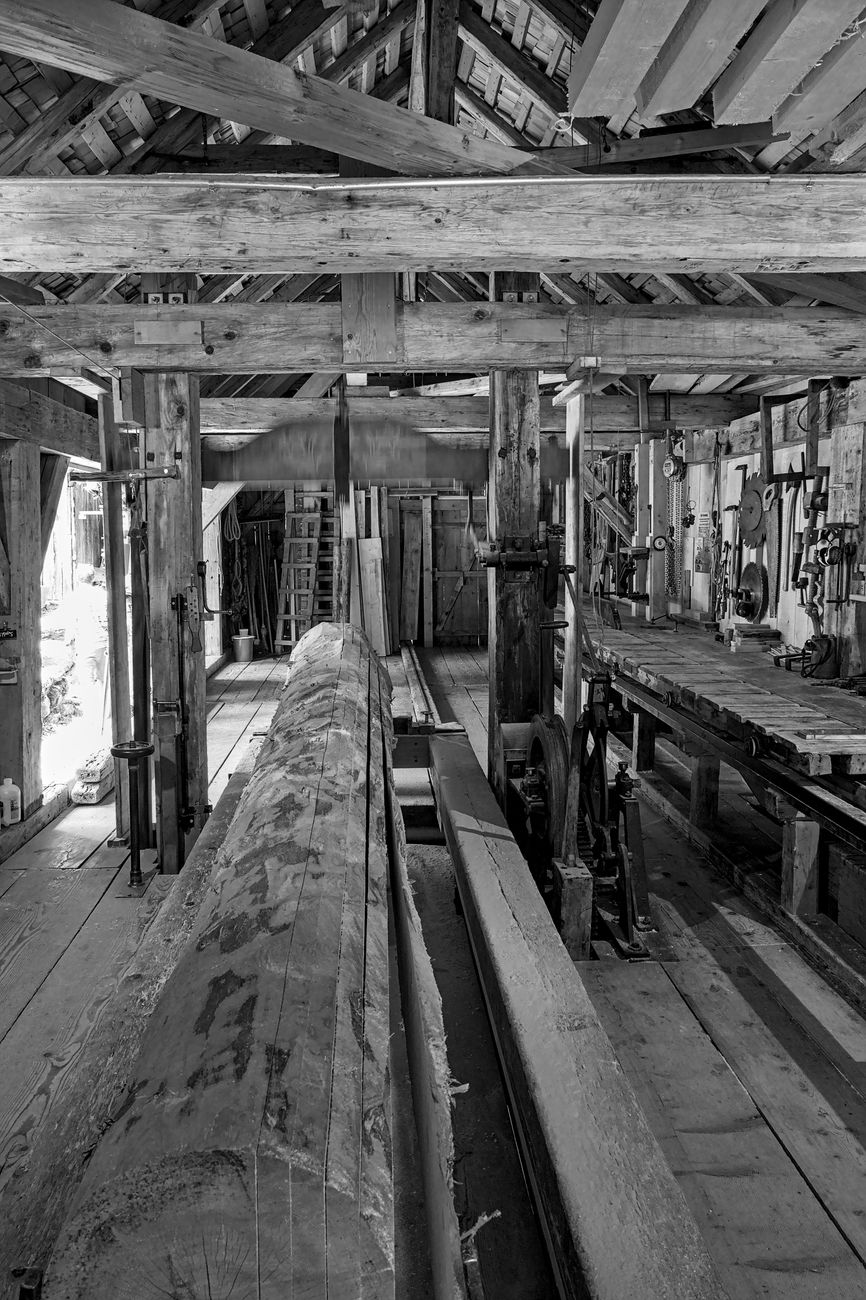
Morning: Take a 20–30 minute bus or a 10–15 minute taxi to Darley Park and the Derwent river loop; this green corridor is good for easy walking and photography, plus the historic Darley Abbey Mills area is a 25-minute riverside stroll. Stop at the Village of Darley Abbey for a coffee; its mill architecture and riverside cottages are compact and photo-friendly. Midday: Return by bus (routes from Morledge) to the Cathedral Quarter and visit QUAD on Market Place for contemporary film, exhibitions and workshops — film tickets range £6–£12. Lunch: Have a pub meal at The Old Bell on Sadler Gate or sample sandwiches at Art Yard on Parker's Piece; lunchtime spend about £6–£12. Afternoon: Pickford's House Museum (on Friar Gate) shows Georgian domestic life — 30–45 minutes visit — then walk 10–15 minutes to the Silk Mill area to explore riverside paths and the industrial heritage. If football is on, allow extra travel time around Pride Park; otherwise take a 15–20 minute tram-mode-free bus to Pride Park for an external walk by the stadium and the Riverlight waterfront. Evening: Dine in the Cathedral Quarter or try the gastro-pub scene near St Peter's Street; many places close by 22:30 so book if arriving later.

Day 3
Morning: Reserve this morning for either a short Peak District outing or one last museum. Take the Arriva or Midland services to Cromford and the Derwent Valley Mills World Heritage Site — trains to Matlock from the station take around 30 minutes and Cromford is a short bus or taxi from Matlock, so allocate half a day. Alternative: Stay in the city and visit any missed galleries, or spend a slow morning in Derby Arboretum and on Sadler Gate for independent shops. Lunch: If heading out, try a Bakewell tart at a village tea room in Bakewell; in the city, try a working-class pie at a local shop on Siddals Road. Afternoon: For travelers with an afternoon flight from East Midlands Airport, allow at least 75–90 minutes to travel by Trent Barton Skylink or 40–60 minutes by taxi depending on traffic; aim to leave the city two hours before airport check-in for domestic flights. For those departing by train from Derby station, the station is central and easy to reach on foot or by short taxi; leave 30–45 minutes to arrive and collect luggage. Evening: If staying one more night, finish with a riverside walk and a light dinner around the Market Place, prioritising one favourite museum or a pub meal rather than trying more sites.

Best Local Experiences
Museum of Making workshops — hands-on craft and engineering sessions run on weekends and bank holidays. Darley Park spring and summer concerts along the riverside lawn, often with local food stalls. Derby Arboretum visits — an early Victorian public park created by Joseph Strutt with bandstands and formal paths. Pickford's House Georgian rooms and the street-level interpretation give a real sense of 18th-century domestic life in a mid-sized industrial town. A Pride Park match-day experience: pre-match pub visits in the Cathedral Quarter and a walk along the Riverlight embankment after the game. Farmers’ stalls at the Market Place occasional markets and the indoor stalls in Derbion for local cheeses and pies. A short rail trip to Cromford and Belper for mills and canal-side walks on the Derwent Valley Mills World Heritage Site. QUAD cinema screenings and artist talks for those who prefer contemporary art and film to traditional museums.
Where to Stay
Cathedral Quarter: Best for first-time visitors who want walkable access to Derby Cathedral, Market Place and most museums. Suits museum-goers and evening diners; budget B&Bs start around £55–£85 per night (GBP), roughly €65–€100 / $70–$110. Friar Gate / Corn Exchange area: Good for architecture lovers and those who prefer quieter streets with independent cafés; within 10 minutes' walk of the station and QUAD. Mid-range hotels in this zone typically run £80–£120 per night, about €95–€140 / $100–$165. Pride Park / Riverside: Ideal for football fans and those with a car who want easy access to the A52 and A6. Expect standard hotels and business chains with rates from £60–£110 per night depending on match schedules, roughly €70–€125 / $75–$140. Booking tip: Match days and bank holidays push prices up; compare booking platforms and check Derby County fixture lists before reserving.
Food and Drink
Bakewell tart/pudding: A Derbyshire classic available in local bakeries and cafés — Bakewell tarts cost around £2.50–£3.50 in town pastry shops and are worth sampling in the market areas. Derbyshire oatcakes: Savoury oat pancake folded with cheese or bacon; find them in café counters and specialist stalls, typically £3–£5. Traditional pub roast: Sunday roast lunches in pubs like The Old Bell or The Green Man run £10–£18 for a main with vegetables and gravy. Indian and South Asian food on Uttoxeter New Road and in the Cathedral Quarter; a main curry is usually £8–£14. Breakfast option: Full English at local cafés (try Coffee Heist or Lime Tree Café) for £6–£9 including tea or coffee. Street food and market stalls around Market Place and Derbion offer quick pies, sausage rolls and regional cheeses — expect £3–£6 per item. Dinner recommendation: For a more considered meal, book The Harris where modern British cooking meets local produce; mains typically £15–£25.
Getting Around
Main transit modes are rail (Derby station with East Midlands Railway and CrossCountry services), a local bus network (Arriva and Trent Barton), and taxis. There are no tram or metro lines in Derby; buses cover city routes with frequent services from Morledge bus station. Typical single bus fares in the city are around £2–£2.60; day rover tickets are approximately £4–£5 depending on operator. Train fares within the region vary; Derby to Nottingham singles often run £4–£7 advance or off-peak. Taxi from East Midlands Airport to the city centre costs about £30–£40 depending on traffic; Skylink bus is cheaper at about £6–£8. Useful apps and cards: buy Trent Barton tickets on the Trent Barton mTickets app, Arriva mTicket for Arriva routes, and use the National Rail or Trainline apps for rail bookings. For local planning use Traveline or Google Maps with real-time bus arrivals.
Best Time to Visit
Late spring (May–June): Mild weather, longer daylight and manageable crowds for museums and riverside walks; temperatures typically 12–20°C. Summer (July–August): Warmest months with 18–25°C but busier weekends and higher accommodation rates, especially on bank holidays. Autumn (September–October): Cooler days and clear light for riverside photography, temperatures 8–15°C and fewer tourists — good value outside school holidays. Winter (November–February): Colder, often damp and 0–8°C; many museums remain open but outdoor activities are limited and some rural bus services reduce frequency. Best value months combine shoulder-season weather and lower rates: late April, September and October.
Budget and Practical Tips
Daily budget example for a mid-range traveller: accommodation £70–£110 per night (GBP) ~ €80–€125 / $85–$140; food £20–£40 per day ~ €23–€46 / $25–$50; local transport £4–£6 per day ~ €5–€7 / $5–$8; entry fees £0–£15 per museum depending on exhibitions. Low-budget travellers can use hostels or budget B&Bs from £40–£60 and expect total daily costs around £50–£70. Mid-range travellers should budget £120–£170 per day including a mix of paid attractions and casual dining. Tipping norms: restaurants typically add service only for larger parties; otherwise leave 10% for good table service, and round up or add £1–£2 for bar staff and taxi drivers. Carry a contactless card for most purchases; small cash helps at market stalls and some car parks. Practical advice: check Derby County fixture lists before booking, and reserve restaurants for weekend evenings to avoid disappointment.
FAQ
How safe is Derby for solo travellers?
Derby is generally safe in central areas during the day; normal city precautions apply after dark, especially around late-night pubs and on match days when crowds gather. Stay in well-lit streets and use licensed taxis after 22:30.
Is the city easy to do on foot?
The central area and riverside are compact and walkable; most main attractions are within 20 minutes of each other on foot, but some green spaces like Darley Park are a short bus or 20–30 minute walk. Wear practical shoes for uneven riverside paths.
Are there direct buses from East Midlands Airport?
Yes, Trent Barton Skylink serves East Midlands Airport and stops in Derby; book on the Trent Barton mTickets app for the best fares and check timetables for early/late flights.
Is a Derby city card or pass worth buying?
There is no single widely promoted city card; a Plusbus add-on for rail passengers is useful for bus travel, and some museums offer family or combined tickets for special exhibitions — check individual venues before buying. Many core museums offer free or low-cost entry, reducing the need for a city card.
Can day trips to the Peak District be done from Derby?
Yes — Matlock, Cromford and parts of the Derwent Valley are reachable by train or bus in 30–45 minutes, making half-day countryside visits practical. For longer hikes or multiple villages, allocate a full day.
How to get to Nottingham or Leicester from Derby?
Regular East Midlands Railway services link Derby to Nottingham in about 15–20 minutes and to Leicester in roughly 30–40 minutes; tickets vary by time and advance purchase. Check National Rail or Trainline for live schedules and fares.
Are museums dog-friendly?
Most big museums restrict dogs to assistance animals, though outdoor parks and riverside paths are dog-friendly; check venue rules before bringing pets.
What cash or cards are accepted?
Contactless and chip-and-pin cards are widely accepted; some market stalls and parking machines prefer cash or their own payment apps so carry a small amount of cash.
Conclusion
A 72-hour visit rewards visitors who prioritise the Museum of Making, Derby Museum and Art Gallery, a riverside walk and a short Peak District half-day rather than trying to cram every nearby village into the schedule. Expect straightforward transit, compact walking distances in the centre, and occasional match-day disruptions that affect parking and trains; plan around those. If time runs short, prioritise the Silk Mill/Museum of Making and a Derwent riverside walk — those two experiences explain much of what makes the place distinct.
How this guide was prepared
This guide was prepared through a structured research that combines destination research, geographic context, itinerary planning logic, and content review.