

How to Spend 3 Days in Newport News: Practical Itinerary
A no-nonsense 3-day Newport News plan with transit tips, realistic costs, and must-see sites like the Mariners' Museum and the Virginia Living Museum.
A direct, realistic 72-hour plan for Newport News that balances museums, waterfront parks, local seafood, and transport tips so time isn't wasted on false expectations.
Arrival usually gives an immediate impression of a working port and suburban sprawl threaded with surprisingly large parks. The mood is practical: military traffic, college activity near Christopher Newport University, and families at weekend festivals set the pace rather than late-night entertainment.
Expect quieter evenings compared with Norfolk or Virginia Beach and few late-night transport options beyond taxis and rideshares. This suits people after concentrated activities—big museums, long walks on paved trails, and meals at single-table restaurants—rather than those wanting a dense bar crawl or constant street life.
Common preconceptions often overrate beach access; this place is better known for institutional museums, the large municipal park system, and food tied to the Chesapeake Bay. That profile determines how three days should be spent: prioritize museums and parks, accept some driving, and reserve evening plans in advance.
Is 3 days in Newport News enough?
Yes — three days gives enough time to see the Mariners' Museum and USS Monitor Center, the Virginia Living Museum, Newport News Park, and a solid waterfront or Oyster Point meal. Expect to skip a full day trip into Virginia Beach or Norfolk's full museum circuit unless adding extra travel time.
Who This Guide Is For
Best for travelers who prefer museums, outdoor spaces, and seafood-focused meals; families, history buffs, and people with a car will get the most. Not ideal for travelers seeking a packed nightlife or pedestrian-only exploration without transit planning.
Local Tips for Newport News
Practical details that most travel sites skip — specific to Newport News.
- Newport News/Williamsburg International Airport (PHF) is the closest airport — taxi to City Center is typically $25–$35 and takes about 10–15 minutes in normal traffic.
- The Mariners' Museum and Park charges about $15 for adult admission; the USS Monitor Center exhibit is inside the museum and typically included with museum entry.
- Virginia Living Museum adult admission runs around $16–$18; go on a weekday morning to avoid weekend family crowds and school groups.
- Newport News Park is roughly 7,700 acres with many free trails; campground sites at Deer Run Campground are normally in the $25–$35 per night range.
- Use Hampton Roads Transit (HRT) bus service for regional travel; single-ride bus fares are commonly $1.75 and fares can be paid with the HRT mobile app or exact cash on board.
How This Guide Was Prepared
This guide treats Newport News as a working, suburban-port municipality with strong military, museum, and park attractions rather than a resort or nightlife hub. Many guides over-focus on nearby beach cities; this one shows where the city itself offers meaningful experiences—large green spaces, serious museums, and accessible local seafood—while being honest about limited evening entertainment and transit gaps. This guide was prepared through a structured research that combines destination research, geographic context, itinerary planning logic, and content review.
Plan Your Stay in Newport News
Use this itinerary as your starting point, then compare areas to stay, transport options, seasonal timing, and realistic daily costs before booking.
Why Visit
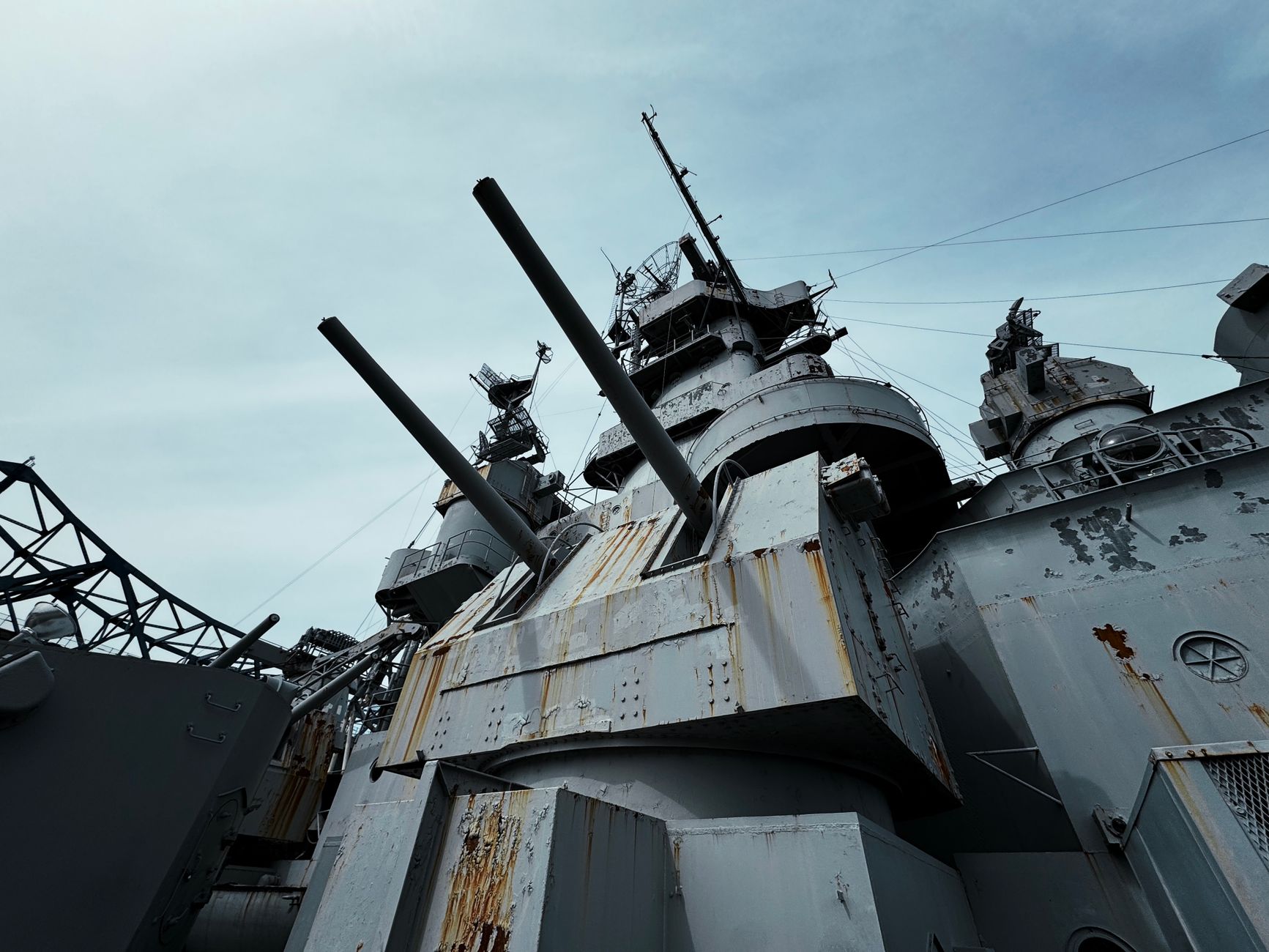
Serious museums concentrated in a small area make efficient use of a short trip—Mariners' Museum and USS Monitor Center and the Virginia Living Museum each warrant multiple hours. These institutions are curated and often less crowded than comparable museums in larger regional cities.
Outdoor options are unusually large for a suburban municipality: Newport News Park offers hundreds of miles of trails and a big campground, making it easy to combine nature with museum time. The scale of green space matters for travelers who prefer walking, biking or informal picnics.
The food scene reflects Chesapeake Bay produce—oysters, blue crab, and she-crab soup—served in small, locally run restaurants and waterfront spots in Oyster Point and Huntington Park. A short drive connects to military heritage at Fort Eustis and college events at Christopher Newport University, which often host concerts and gallery shows.
Quick Planning Tips
Fly into Newport News/Williamsburg International Airport (PHF) for the shortest transfer times; Norfolk International and Richmond are alternatives with more flights but longer drives. Plan for a rental car if staying beyond downtown—many key sites are more easily reached by car.
Carry small bills or use the Hampton Roads Transit mobile app for local buses; many routes still require exact cash if the app isn't available. Buy Mariners' Museum or Virginia Living Museum tickets online for a guaranteed time slot on busy weekend days.
Avoid assuming evening transit will be frequent; buses thin out after 8pm and weekend service can be limited. Book dinner reservations for Friday and Saturday nights in Oyster Point or downtown to avoid waits.

Day 1
Morning: Start at the Mariners' Museum and Park. Allocate 2.5–3 hours to see the USS Monitor Center, model ships, and the sculpture garden. The museum sits near the Noland Trail, which is useful for a short post-visit walk.
Late morning: Walk or drive 5–10 minutes to Huntington Park on the James River for river views and a quick picnic. The riverfront gives a look at local shipping and small-boat activity.
Lunch: Eat at a seafood-focused restaurant in Huntington Park or City Center at Oyster Point—expect crab cakes or she-crab soup around $12–$18. Allow 10–15 minutes driving time between park and Oyster Point.
Afternoon: Head to the Virginia War Museum, roughly a 10–12 minute drive from Oyster Point; plan 1–1.5 hours. Then drive 10 minutes to Christopher Newport University to walk the campus and check the Ferguson Center schedule for an evening performance.
Evening: Return to City Center at Oyster Point for dinner and a drink; restaurants here stay open later than most downtown options. If attending a Ferguson Center show, allow time for traffic and campus parking.
Day 2
Morning: Spend the morning at the Virginia Living Museum. Plan 2–3 hours to see the aquarium exhibits, native species displays, and the boardwalk trail. The museum is family-oriented and gets busier on weekends.
Late morning: Drive 15–20 minutes to Newport News Park for a longer outdoor session—rent a bike or walk part of the three-mile lakeside loop. If camping gear is carried, scout the campground for future trips.
Lunch: Pack sandwiches from a local deli near Denbigh or grab lunch at a cafe along Jefferson Avenue; expect sandwiches $8–$12. Denbigh Boulevard has grocery and quick-service options useful for picnic supplies.
Afternoon: Visit Fort Eustis areas open to the public—check schedules for the Army Transportation Museum or public events. If base access is restricted, switch to a visit to the Menchville area or the local craft breweries near Oyster Point.
Evening: For a quieter night, try a waterfront sunset at Victory Landing Park or catch a CNU music recital. Weekend concerts at the Ferguson Center can make a second-night highlight; reserve tickets in advance.

Day 3
Morning: Reserve the morning for any missed museum time or a focused visit to the Mariners' Museum gardens and Noland Trail if weather permits. Alternatively, use the morning for a short trip to the historic houses in Hilton Village and a coffee at a local cafe there.
Late morning: Drive to City Center at Oyster Point for last-minute shopping or a waterfront stroll along the Warwick Boulevard corridor. Allocate 15–20 minutes for this transfer depending on starting point.
Lunch: Choose a seafood lunch near the river or a gastropub in Oyster Point—seafood platters commonly run $15–$25. Allow an hour for lunch to account for parking and ordering.
Afternoon (departure considerations): If checking out and catching a mid-afternoon flight, leave for Newport News/Williamsburg International Airport (PHF) at least 60–90 minutes before domestic boarding time because parking and security are compact but can be slower during peak periods. If using Amtrak at Newport News station, plan for ticket pickup and a 30–45 minute buffer for boarding procedures.
Late afternoon option: If time remains, walk small sections of the Warwick River or stop at local antique shops along Jefferson Avenue before heading to the station or airport.

Best Local Experiences
Mariners' Museum and USS Monitor Center — hands-on naval history and the Monitor hull anchor exhibit offer concentrated learning not found elsewhere in the region. Virginia Living Museum — combines an aquarium and native-species exhibits with boardwalk trails and is especially good for families.
Newport News Park — long trails and a large campground make day hikes and overnight stays practical; the park frequently hosts mountain-biking and orienteering events. City Center at Oyster Point — a practical hub for dining, hotels, and evening meals; it’s the region’s go-to for late restaurant hours in town.
Hilton Village — a walkable historic neighborhood with brick roads and independent cafes, useful for a morning stroll and coffee. Christopher Newport University and Ferguson Center for the Arts — check the calendar for classical music, theatre, or student recitals that provide high-quality, low-cost performances.

Where to Stay
Oyster Point / City Center: Best for first-time visitors who want restaurants, hotel choices, and easy highway access. Hotels range from about $100–$180 per night (USD), equivalent to roughly €92–€165 depending on exchange rates. This area suits travelers wanting convenience for dinners and minimal driving.
Downtown / Huntington area: Suits visitors prioritizing riverfront walks and proximity to Mariners' Museum; fewer hotels but shorter drives to museum sites. Expect nightly rates in small independent hotels or B&Bs around $90–$150 USD. This area is quieter at night but can be limited for late dining.
Denbigh / Denbigh Boulevard: Practical for budget travelers and families needing apartment-style lodging or chain hotels near grocery stores; prices commonly $80–$120 per night USD. Good for those who plan to drive everywhere and want lower rates.
Food and Drink
Blue crab and crab cakes — regional blue crab prepared as lump crab cakes or soft-shell when in season; expect a restaurant crab cake plate for $12–$20. Best found at waterfront spots in Huntington Park and Oyster Point.
She-crab soup — a Richmond/Hampton Roads coastal classic: creamy bisque with crab and a splash of sherry. Common menu price is $6–$9 as a starter at family-run seafood restaurants.
Raw or roasted Chesapeake oysters — local oyster bars serve them by the half-dozen or dozen; prices vary seasonally, roughly $1.50–$3 per oyster depending on size and source. Oyster Point and private raw bars are reliable sources.
Virginia ham / Smithfield ham — salt-cured ham from nearby Smithfield often served thin-sliced for sandwiches or as part of brunch; expect $6–$12 for a ham-focused sandwich. Local delis and breakfast cafes near Jefferson Avenue carry good versions.
Breakfast option: Classic southern-style biscuits and gravy or ham-and-egg biscuit at a local diner; a filling breakfast will usually be $6–$10. Street-food style lunches are less common than regional diners and seafood counters, so plan sit-down times for specialty dishes.
Getting Around
Hampton Roads Transit (HRT) operates bus services through town; routes connect to Hampton, Norfolk, and the Tide light-rail in Norfolk but frequencies drop evenings and Sundays. Single-ride bus fares are commonly $1.75; a 24-hour pass is roughly $4 and mobile ticketing is available on the HRT app.
Amtrak serves Newport News station with Northeast Regional service to Richmond and Washington; single one-way fares to Richmond are commonly under $25 depending on advance purchase. Taxis and rideshares are widely available for shorter journeys; airport taxi to City Center is usually $25–$35.
Renting a car is the most practical option for three days if planning to visit parks and spread-out museums. Parking at major museums and City Center is usually free or included with admission, but check for special-event parking fees during festivals.
Best Time to Visit
Spring (April–June) offers mild temperatures 55–75°F (13–24°C) and the best balance of museum hours and outdoor activity, with fewer beach crowds than nearby oceanfront towns. Summer (July–August) is warm and humid, 75–90°F (24–32°C); museums stay busy and outdoor activities can be sticky mid-afternoon.
Fall (September–November) brings comfortable weather and lower hotel rates; temperatures range 50–75°F (10–24°C) and foliage in park areas becomes attractive. Winter (December–February) is coolest and quietest, 30–50°F (-1–10°C), with lower prices but shorter daylight hours and some reduced museum hours.
For value with good weather, target late April–May or September; avoid July weekend hotel price spikes tied to regional travel and holiday weekends.
Budget and Practical Tips
Daily budget (moderate traveler) approximate per person: accommodation $90–$140 USD ($83–$130 EUR), food $35–$60 USD ($32–$56 EUR), transport $8–$20 USD ($7–$18 EUR), entry fees $10–$20 USD ($9–$18 EUR). A reasonable three-day subtotal excluding souvenirs is about $400–$600 USD total.
Accommodation varies wildly by neighborhood; Oyster Point and City Center have more expensive hotels near $120–$180 per night, while Denbigh offers $80–$120 options. Museum entry: Mariners' Museum around $15, Virginia Living Museum $16; Virginia War Museum often under $10.
Tipping norms follow U.S. standards: 15–20% in restaurants, $1–2 per bag for hotel porters, and round up taxi fares. Cash is accepted widely but many places prefer card; bring a bank card with chip and contactless if possible.
Practical note: cellphone coverage is reliable but some park trails have patchy signal; download maps or bring a printed trail map for long hikes. Check museum calendars for temporary closures or timed-entry requirements.
FAQ
Is Newport News safe for tourists?
Most visitor areas are safe during the day; use usual urban precautions at night and avoid poorly lit streets after dark. Stick to known neighborhoods such as Oyster Point, Hilton Village, and the museum district.
Is three days enough to see the key attractions?
Yes, three days covers Mariners' Museum, Virginia Living Museum, Newport News Park, and a waterfront stroll, though day trips to Virginia Beach or Norfolk will reduce time at those sites.
Can public transit be used to reach the main museums?
Hampton Roads Transit (HRT) buses serve the museum district and Oyster Point but schedules can be sparse; check the HRT app and allow extra transfer time.
Is a city pass worth buying?
There is no widely promoted all-in-one city pass; individual museum tickets and occasional combination offers (like Mariners' Museum bundles) are the norm—buy what matches the chosen itinerary.
How do visitors reach the city from airports?
Newport News/Williamsburg International Airport (PHF) is closest with short taxi rides; Norfolk and Richmond airports require longer drives or shuttle options. Renting a car is recommended for flexibility.
Are museums family-friendly?
Yes—Virginia Living Museum and Mariners' Museum both have family-focused exhibits and interactive displays; plan for shorter attention spans by scheduling breaks at parks or cafes.
Can Fort Eustis be toured by civilians?
Some parts have public exhibits and scheduled events, but base access rules apply—check base visitor policies and event calendars before planning a visit.
Where to find local oysters and seafood?
Oyster Point and waterfront restaurants near Huntington Park and City Center are reliable for Chesapeake oysters and crab dishes; lunchtime menus often have best-value options.
Conclusion
Three days provides a compact but satisfying visit focused on museums, waterfront walks, and substantial park time. Travelers will most likely remember the concentrated maritime collections at the Mariners' Museum and the unexpectedly large open space of Newport News Park.
If time runs short, prioritize the Mariners' Museum/USS Monitor Center plus a waterfront meal—those two elements together give a clear sense of the area's maritime identity. Plan transport realistically: a car or careful bus planning turns a good weekend into a smooth one.
How this guide was prepared
This guide was prepared through a structured research that combines destination research, geographic context, itinerary planning logic, and content review.