

Dijon in 3 Days: Practical Itinerary and Planning Guide
Practical 3-day Dijon guide with transit and walking times, museum fees, where to sample mustard and Bourgogne wine, and realistic daily budgets.
A compact, no-nonsense 72-hour plan that balances museums, markets, wine stops and walking routes so time is spent on specific places, not vague lists.
Expect a compact provincial capital with stone façades, a concentrated historic centre and a strong food-trade presence that feels more practical than theatrical. The pace is calmer than Lyon or Paris; cafés open for long lunches and the streets near Rue des Forges fill with shoppers mid-morning. Many visitors under-prepare for seasonal closures: some specialist shops and small museums close Monday or midday on Saturday, and August sees local closures during summer holidays. This layout suits people who like short walks between concentrated sites, serious food shopping at market stalls, and a single afternoon devoted to nearby vineyards or a large park.
Is 3 days in Dijon enough?
Three days are enough to see Dijon’s core: the Palais des Ducs and Musée des Beaux-Arts, Les Halles market, the Owl and the main food shops, plus one half-day wine route or park visit. Expect to skip deep wine-country tasting or a full-day trip to Beaune unless an extra day is available.
Who This Guide Is For
Best for travellers who prefer compact city visits with food, architecture and short wine excursions; not ideal for people wanting extensive vineyard touring or a slow luxury spa weekend.
Local Tips for Dijon
Practical details that most travel sites skip — specific to Dijon.
- Buy single Divia tickets from tram/bus machines or the Divia Mobilités app; a single tram/bus ticket costs about €1.70 and is valid for one hour between validation and transfer.
- Les Halles (place du Marché) runs its largest market on Saturday mornings and a smaller food market Tuesday and Thursday mornings; most specialist stalls close by 14:00.
- The Owl carving (La Chouette) on the south façade of Notre-Dame is on Rue de la Chouette—touch the worn stone for luck, and take a photo from the narrow Rue de la Chouette for the best angle.
- The Musée des Beaux-Arts in the Palais des Ducs has free entry to the permanent collections; temporary exhibitions typically charge around €5–8 for adults.
- Maille’s flagship boutique faces Place de la Libération and often pours mustard samples; expect to pay €3–€8 for small pots and larger specialty jars inside the shop.
How This Guide Was Prepared
This guide treats Dijon as a working regional capital rather than an over-hyped tourist postcard. Many guides list the same handful of monuments without realistic walking times, meal costs or transit steps; this one corrects that by giving timed walking legs, reliable opening/closure realities and straightforward trade-offs for three days. This guide was prepared through a structured research that combines destination research, geographic context, itinerary planning logic, and content review.
Plan Your Stay in Dijon
Use this itinerary as your starting point, then compare areas to stay, transport options, seasonal timing, and realistic daily costs before booking.
Why Visit
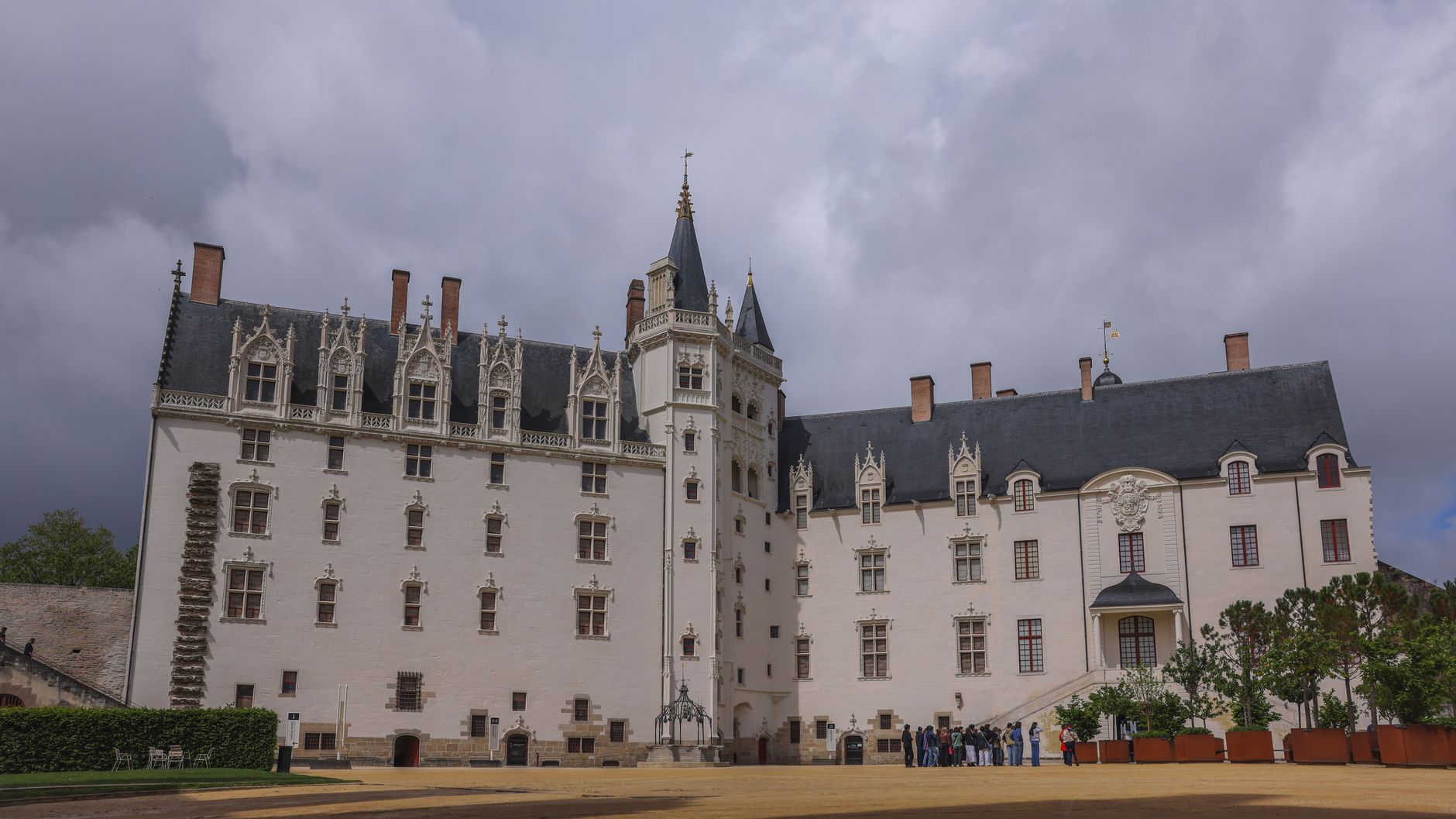
The city’s main appeal is concentrated culinary culture: Les Halles market and specialist shops like Maille and Mulot & Petitjean make food-focused visits efficient. Architectural interest centers on the Palais des Ducs and its Musée des Beaux-Arts, where medieval ducal residences meet municipal collections without a long walk between sites. The urban parks—Jardin Darcy and Parc de la Colombière—offer quick green relief and are large enough for relaxed afternoons without leaving the urban area. Finally, the transport connections make short wine excursions practical: the Côte de Nuits route is an easy half-day or full-day from the central train station.
Quick Planning Tips
Arrive by TGV at Gare de Dijon-Ville when possible; the station is 10–15 minutes’ walk from Place de la Libération and many hotels. If flying, check flights into Dole–Jura (about 40 minutes by taxi) or Lyon–Saint Exupéry (about 1h30 by car or train); Dijon–Bourgogne airport has limited commercial service. Carry cards and some cash; most markets accept card but small stalls and some Tuesday vendors prefer cash. Avoid scheduling multiple paid museums on the same day and check museum opening days online before buying non-refundable tickets.

Day 1
Morning: Start at Palais des Ducs et des États de Bourgogne and enter the Musée des Beaux-Arts; allow 1.5–2 hours for the permanent collection and an extra 30–45 minutes for a temporary show. The museum sits directly beside or above Place Darcy depending on the route, and the walk from the station is about 10–15 minutes. Late morning: Walk to Notre-Dame on Rue de la Chouette (2–3 minutes) to see La Chouette and then continue to Rue des Forges for window shopping and artisan stores (5 minutes on foot).

Day 2
Morning: Head to Toison d'Or by tram or a 20–25 minute walk for a more modern shopping and café scene; the tram will take 10–12 minutes from the historic centre. If staying central, buy a return Divia ticket or use the Divia Mobilités app for contactless validation. Late morning: Cross to Parc de la Colombière for a long walk, sculpted alleys and the formal 18th-century layout; allocate 1.5–2 hours and note the park is uphill from the centre so wear comfortable shoes.

Day 3
Morning: Reserve a spot for a mustard or food-shop tasting and visit Maille on Place de la Libération early to avoid the busiest hours; allow 30–45 minutes. Next, walk to Rue Bossuet and the area around Place François Rude to see several historic façades and cafés (about 5–10 minutes' walking between spots). If checking out midday, leave larger bags at the hotel or Gare de Dijon-Ville lockers and plan practical routes that end near the station.

Best Local Experiences
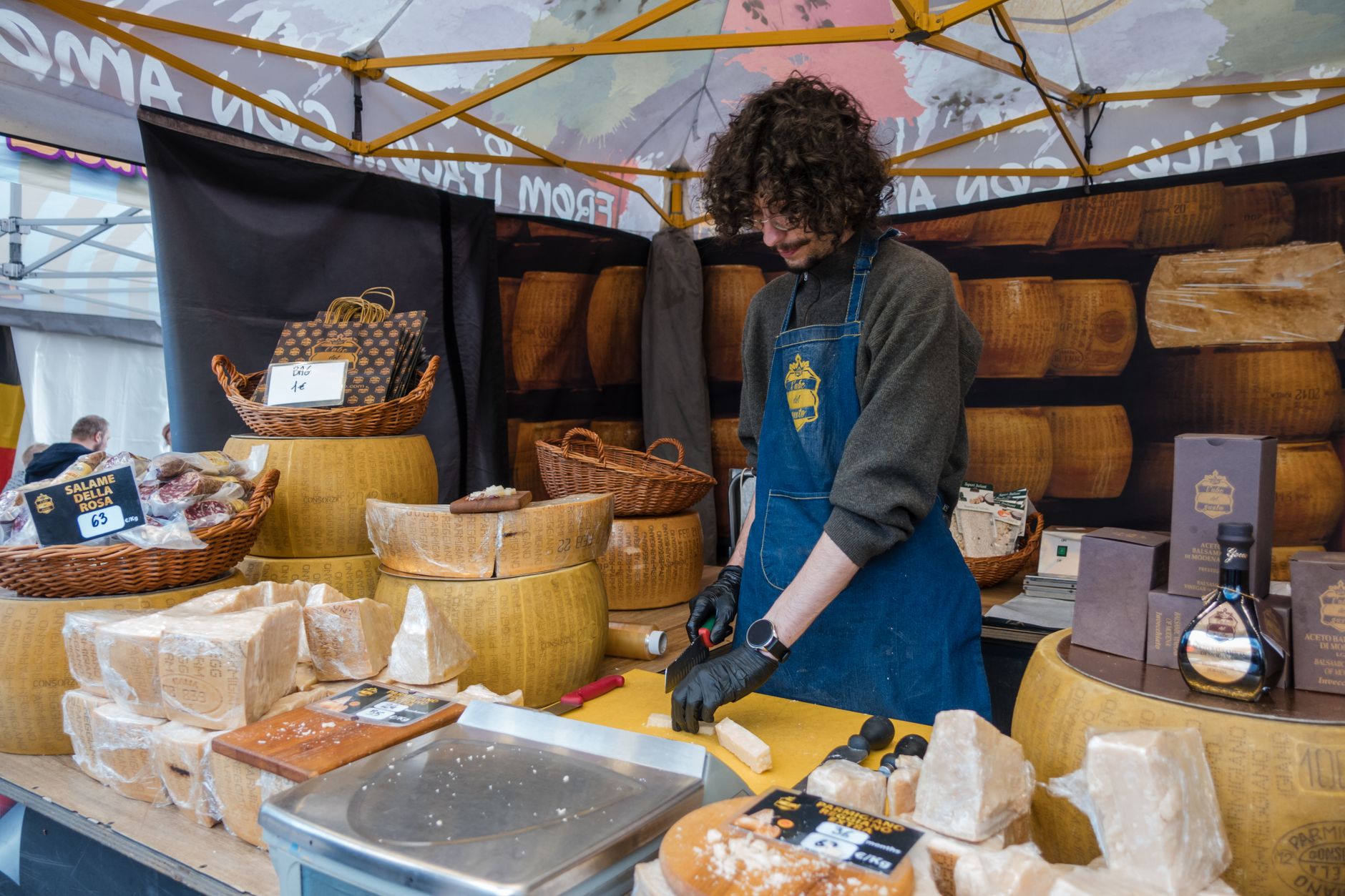
Les Halles (place du Marché): the main food market with cheese, charcuterie, bakeries and seasonal produce; peak Saturday morning. Maille flagship on Place de la Libération: buy mustard, try samples and see specialty jars. Mulot & Petitjean: historic pain d'épices maker with packaged pain d'épices and small shops in the centre. Côte de Nuits short wine excursions: book a half-day tour to villages like Gevrey‑Chambertin or Fixin for tastings without the long drive. Rue des Forges shopping stretch: a compact street lined with independent food shops, pâtisseries and small boutiques — good for late-morning shopping between museums.
Where to Stay
Centre-Ville / Historic Centre: Suits first-time visitors who want to walk everywhere; close to Palais des Ducs, Rue des Forges and Les Halles. Expect mid-range hotels €90–€150/night (~€95–€160 USD) and some budget rooms from €60. Gare / Near Gare de Dijon-Ville: Suits rail travellers and those making day trips to Beaune or Besançon; easy station access and more chain options. Prices here are often €70–€120/night (~€75–€130 USD) for mid-range hotels. Toison d'Or / Université area: Suits shoppers and families wanting larger rooms and parking; near the tram and the shopping centre Toison d'Or. Expect €80–€140/night (~€85–€150 USD) depending on season.
Food and Drink
Moutarde de Dijon: classic mustard made from brown mustard seeds and verjus or vinegar; buy small jars at Maille (Place de la Libération) for about €3–€8. Pain d’épices: a dense spiced bread from Mulot & Petitjean; small loaves cost about €3–€6 and make a good takeaway. Epoisses: strong washed-rind cheese from nearby villages; buy at Les Halles or specialist fromageries for €5–€12 depending on size. Kir: a white wine aperitif laced with crème de cassis — expect €5–€8 in a bar. Boeuf Bourguignon / Escargots: find solid versions at traditional bistros near Place François-Rude; mains run €16–€30. Breakfast option: café and viennoiserie from a central boulangerie on Rue des Forges for about €4–€7.
Getting Around
Public transport is run under the Divia Mobilités brand: two tram lines (T1 and T2) and a network of buses serve the wider urban area. Buy single tickets from machines at tram stops, on buses from the driver or via the Divia Mobilités app; a single fare is about €1.70 and a 24‑hour unlimited pass is around €4.80. Gare de Dijon-Ville is the main rail hub with TGV and TER services; taxis wait at the station and local bike hire schemes offer another short-distance option. For journeys beyond the city, TER regional trains connect to Beaune, Besançon and Lyon; check the SNCF app for schedules and tickets.
Best Time to Visit
Late spring (May–June) and early autumn (September) balance mild weather and fewer crowds; temperatures typically range 15–25°C in those months. July–August is warmer, often 22–28°C, but expect more shop and business closures for annual holidays and higher hotel rates. November–March brings colder weather around 0–8°C and shorter daylight hours; museum visits remain practical but some wine-related tours are reduced. For best value on accommodation and a full market schedule, consider May or September rather than peak summer.
Budget and Practical Tips
Sample daily budget (mid-range): accommodation €90–€130 (~$95–$140), food €25–€45, local transport €3–€6, entry fees €5–€12; expect a realistic daily total of €125–€200 (~$130–$215). Cheap options: market lunches and boulangerie breakfasts bring daily food costs down to €15–€25. Museum fees: permanent collections at Musée des Beaux-Arts are free, temporary shows typically €5–€8; Musée de la Vie Bourguignonne charges around €4–€6. Tipping: service is included in restaurant bills by law, but rounding up or leaving €1–€3 for good table service is appreciated. ATMs are common; small market stalls and a few cafés prefer cash, so carry some coins for small purchases.
FAQ
Is Dijon safe for a short visit?
Yes; central areas are generally safe by day and evening, but watch for pickpocketing in crowded markets and on trams and keep valuables secure.
How do I get from Paris to Dijon?
Take a TGV from Paris Gare de Lyon to Gare de Dijon-Ville; journey time is roughly 1h30 and ticket prices vary by advance purchase.
Is a Dijon city card worth buying?
The city tourist office offers short-term passes covering select museums and some discounts; it is worth it only if visiting multiple paid sites and using public transport frequently over 24–72 hours.
Can wine tastings be done without a car?
Yes; half-day tours to Côte de Nuits villages are available by minivan or bookable as small-group tours from the centre; public TER trains also reach several villages with short taxi connections.
What transit ticket should I buy for three days?
Use single Divia tickets or the 24-hour pass for multiple trips; for three full days, check the Divia Mobilités app for multi-day ticket options or buy three 24-hour passes if travel is frequent.
Are many places closed on Monday?
Several smaller museums and some shops close Monday; plan major museum visits on other days and confirm opening hours online.
Is English widely spoken?
Basic English is common in hotels, tourist offices and larger restaurants; smaller market vendors and older shopkeepers may speak little English, so a few French phrases help.
Can I use contactless cards on trams and buses?
The Divia app and card machines accept contactless payment in many places, but some drivers and small vendors still prefer cash for single transactions.
Conclusion
A three-day stay will leave a clear impression of local food culture, the main civic monuments and an achievable taste of nearby Burgundy wine country without over-committing time. Most travellers will remember the market smells, the mustard shops and a single memorable museum visit rather than an exhaustive list of sites. If time is tight, prioritise a morning at the Palais des Ducs and Musée des Beaux‑Arts plus a late-morning visit to Les Halles — that combination delivers the clearest picture of what this place does well.
How this guide was prepared
This guide was prepared through a structured research that combines destination research, geographic context, itinerary planning logic, and content review.