

3-Day Practical Guide to Lyon: Itinerary, Tips, Budget
A no-nonsense 3-day Lyon itinerary with transit tips, neighbourhood routes, food picks and realistic budgets to plan an efficient weekend visit.
Three days in Lyon gives a usable mix of Roman ruins, hilltop views, food markets and modern museums — with practical transit and eating advice for realistic planning.
Expect a city built on hills with compact central neighbourhoods where steep streets and short, intense climbs shape how a day is planned. The Presqu'île between Rhône and Saône feels different from the stone lanes of Vieux Lyon or the wide, former-silk-worker streets on Croix-Rousse, so moving between them requires small transit hops or prepared legs.
Noise from tram lines and busy squares is common, especially around Part-Dieu and Place Bellecour; quiet cafés are easier to find once off the main tourist axes. The food scene dominates expectations, but attention to opening hours avoids disappointment: many smaller bouchons and specialty shops close midday or on Mondays.
This city suits visitors who enjoy walking with breaks, food-focused itineraries, and museums that can be seen in two- to three-hour blocks. Those wanting long, slow days without stairs or heavy foot traffic may prefer basing elsewhere.
Is 3 days in Lyon enough?
Yes — three days is enough to cover the main museum highlights, the old town, a major market and one extended neighbourhood without rushing. The caveat is that tasting every local dish and visiting every museum would require more time; choices are necessary.
Who This Guide Is For
Best for travellers who prioritize food, architecture and compact urban walks and who can handle stairs and cobbled streets; less suitable for people who need fully flat routes or who expect a quiet weekend.
Local Tips for Lyon
Practical details that most travel sites skip — specific to Lyon.
- Buy a carnet of 10 TCL tickets at any metro ticket machine for about €16.90; individual rides then drop to roughly €1.69 each and the tickets work on metro, tram, bus and funicular.
- Rhônexpress tram from Lyon–Saint Exupéry to Part-Dieu costs around €16–€18 one-way; book online for a small discount and allow 30–35 minutes door-to-door to Part-Dieu.
- Halles de Lyon-Paul Bocuse (102 Cours Lafayette) is busiest Saturday morning and many stalls close Sunday evening; arrive by 10:00 to see full selection of charcuterie and cheese.
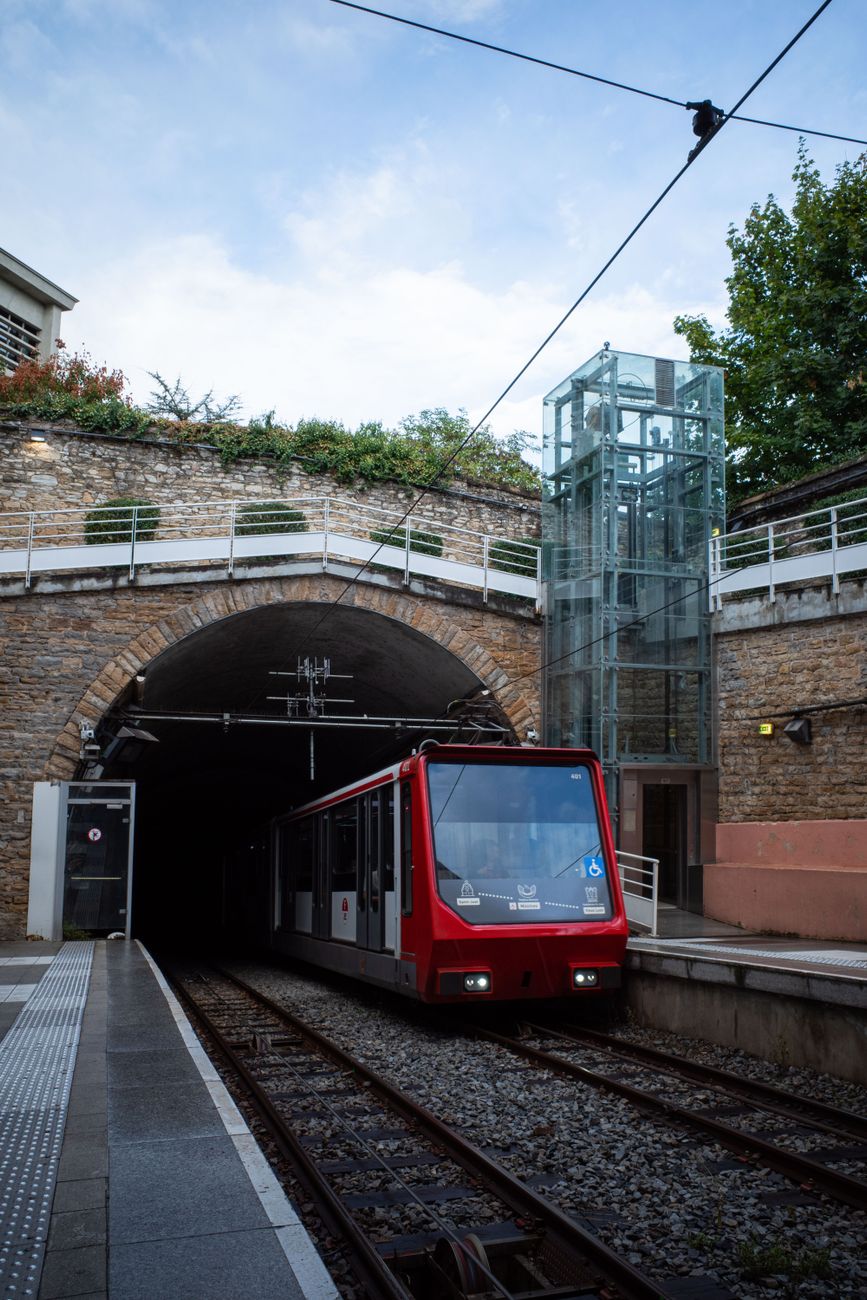
- Use funicular lines F1 and F2 from Vieux Lyon (Saint-Jean station) to Fourvière and to the Roman theatres; those rides are part of TCL and avoid the steep 200–250 metre climb on foot.
- Many traboules in Vieux Lyon and Croix-Rousse are private passages; look for open metal gates and 'Privé' signs — do not push through closed doors and avoid visiting after 19:00 when many are locked.
How This Guide Was Prepared
This guide treats Lyon as a working city with steep hills, compact neighbourhoods and a famously specific food scene rather than a picture-postcard. Most guides either over-romanticise the traboules or reduce Lyon to mere gastronomy; this edition balances walking logistics, open hours, and how to move between Presqu'île, Vieux Lyon, Croix-Rousse and Confluence efficiently. This guide was prepared through a structured research that combines destination research, geographic context, itinerary planning logic, and content review.
Plan Your Stay in Lyon
Use this itinerary as your starting point, then compare areas to stay, transport options, seasonal timing, and realistic daily costs before booking.
Why Visit
There is a concentration of food culture anchored at Halles de Lyon-Paul Bocuse where producers show regional cheeses, charcuterie and Lyonnaise specialties; that market is itself a practical reason to plan a morning visit. The hill of Fourvière holds both the Basilique Notre-Dame de Fourvière and Roman theatres, giving immediate contrast between 19th-century religious architecture and surviving Roman masonry.
The Croix-Rousse neighbourhood provides a different urban texture: long canuts-style buildings, the Mur des Canuts mural and artisanal shops that reflect the silk-industry past. Modern museum architecture is another draw; Musée des Confluences sits at the river confluence and houses natural history and anthropology displays in a striking contemporary building.
Good public transit and compact centre make three-day loops efficient. The mixture of well-preserved medieval streets, a major indoor food market and high-quality museums offers dense, varied days without long transfers to suburbs.

Quick Planning Tips
The fastest public link from Lyon–Saint Exupéry airport is the Rhônexpress tram to Part-Dieu; expect about 30–35 minutes travel time and buy tickets online for a small saving. For train arrivals, both Lyon Part-Dieu and Perrache stations connect quickly to metro lines A, B and D that cover the centre.
Bring a card that works for contactless payments; many smaller bouchons and market stalls prefer card payments and some accept only French chip-and-sign cards. Avoid booking walking-heavy programmes for day of arrival if landing in the afternoon because hills add time.
Reserve entry for Musée des Confluences and Musée des Beaux-Arts on high season weekends and check Halles de Lyon opening hours before arriving on Sunday. A TCL carnet of 10 or a 24-hour ticket is useful for short stays with multiple hops.
Day 1
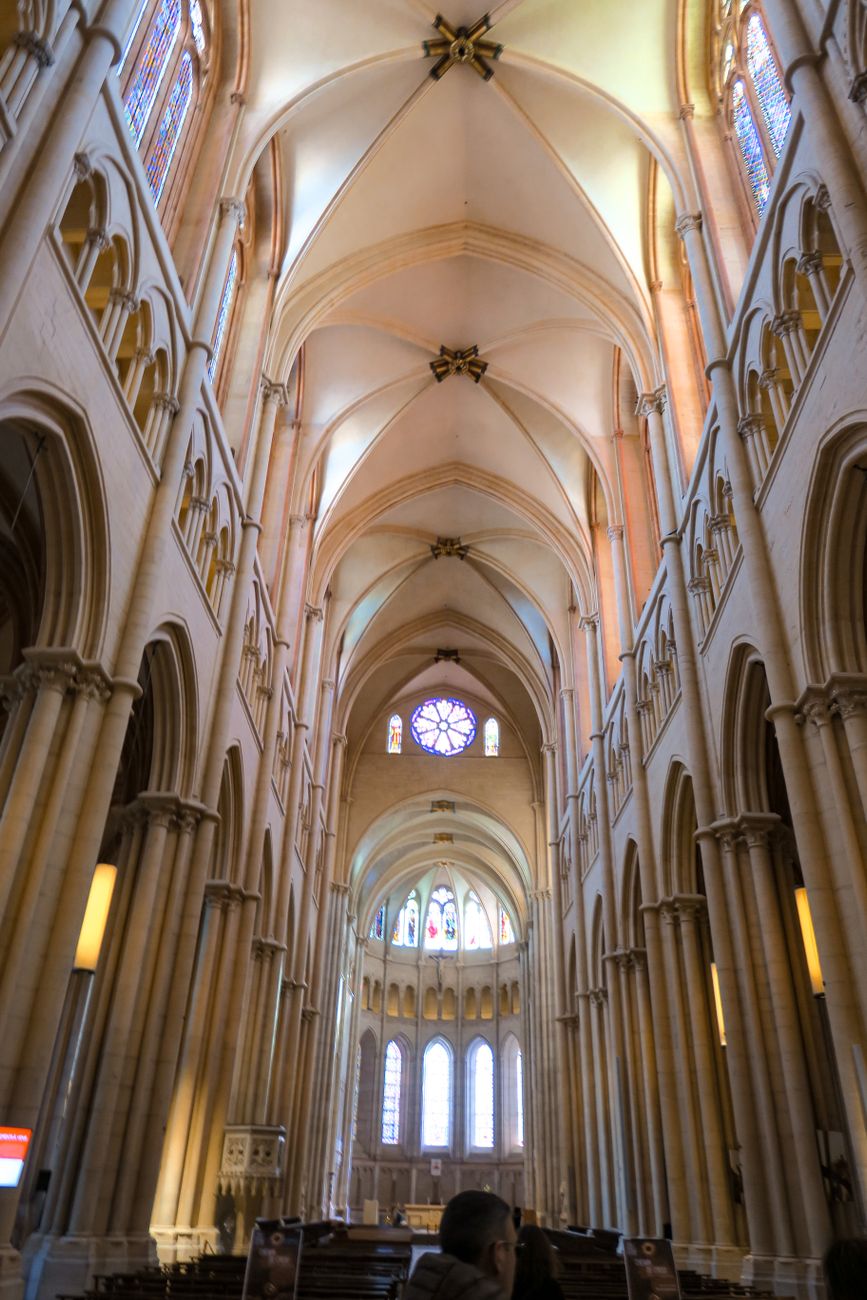
Morning: Start in Vieux Lyon at Saint-Jean Cathedral then follow the main rue du Boeuf and rue Saint-Jean to inspect traboules and Renaissance façades. Allow 90–120 minutes here; many passages are short but require looking for open gates.
Midday: Walk up to Fourvière using funicular F2 from Vieux Lyon (Saint-Jean) to reach Basilique Notre-Dame de Fourvière and the Roman theatres. The funicular takes 4–6 minutes; factor in 15–25 minutes for the basilica and lookouts over the city.
Lunch: Return down to Croix-Paquet or the Presqu'île and eat at a classic bouchon such as Café des Fédérations or Le Bouchon des Filles; expect main dishes around €14–€22. Allow 20–30 minutes transit from Fourvière to Presqu'île via funicular then metro or tram if preferred.
Afternoon: Explore Presqu'île — Place Bellecour, rue de la République, and the Musée des Beaux-Arts (open most days; entry around €8–€12). Walking between Bellecour and Hôtel de Ville is 10–15 minutes.
Evening: Dinner on rue Mercière near the Saône for restaurants with local plates, then an evening stroll along the river on the Quai Saint-Antoine. If energy remains, cross to the west bank for bars near the Palais de Justice.
Day 2
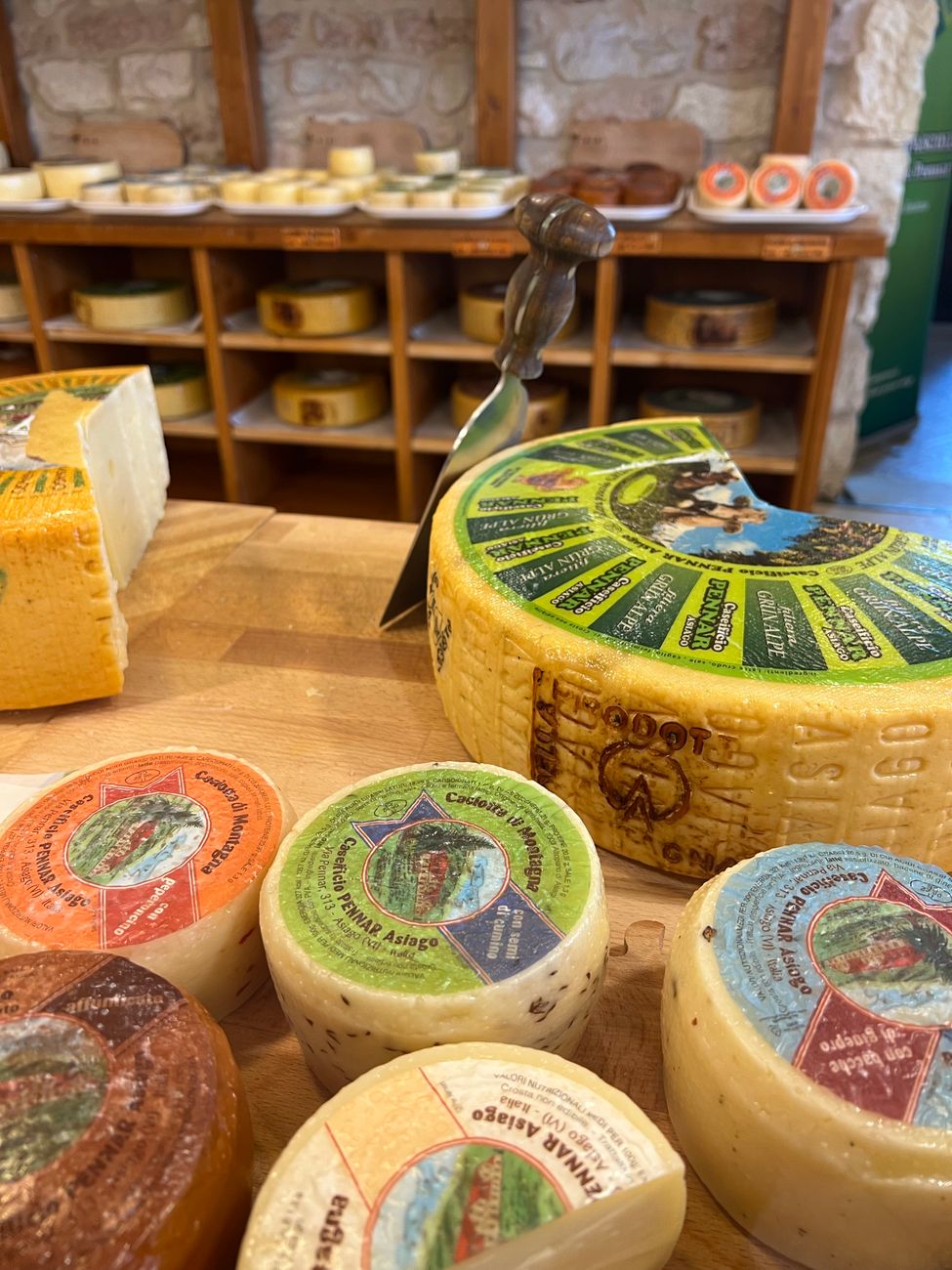
Morning: Start at Halles de Lyon-Paul Bocuse (Cours Lafayette) for market browsing and a coffee; arrive by 09:00–10:00 to see suppliers and small plate tastings. Spend 60–90 minutes tasting charcuterie, saucisson and cheeses.
Midday: Take tram T1 or metro from Part-Dieu to the Confluence district; plan 20–30 minutes transit. Visit Musée des Confluences where natural history specimens and human cultures are displayed; allocate two hours and book timed entry on busy days (tickets around €10–€12).
Lunch: Eat at Les Halles or at the Confluence shopping/gastronomy area; many modern bistros offer fish and world plates. Allow 60–75 minutes for a relaxed lunch.
Afternoon: Walk the Confluence peninsula, inspect the architecture and the new docks, then take tram or metro back to Croix-Rousse for the Mur des Canuts and the Croix-Rousse market if it’s market day. The hill delivers different views and street life compared with the old town.
Evening: For dinner, try a modern bistro in Croix-Rousse or return to Presqu'île for a more formal meal. End the night in one of the quieter wine bars off rue Mercière or near Place Sathonay.
Day 3
Morning: Visit Parc de la Tête d'Or for a relaxed start—take the metro to Charpennes or Masséna and walk 10–15 minutes. The park is free and good for a morning jog, botanical garden stroll, or a small boat on the lake; plan 60–90 minutes.
Midday: Head back to Presqu'île for shopping on rue de la République and a visit to Institut Lumière or the Opera on Place de la Comédie if interested; both are within a 10–20 minute tram or metro hop from the park. Museums tend to need only an hour to ninety minutes each.
Lunch: Choose a café near Place Carnot or near Perrache station for easier luggage drop-off if checking out; expect sandwiches and light plates around €8–€15. Leave time to return to the hotel, collect bags and travel to the train station or airport.
Afternoon: For an afternoon flight, account for Rhônexpress travel time (30–35 minutes) plus recommended airport check-in; for TGV departures use Part-Dieu and arrive 20–30 minutes before departure. If time remains, a short visit to the Musée Gadagne (Musée d'Histoire de Lyon) near Vieux Lyon is feasible in 60 minutes.
Evening: If staying a final night, pick a casual dinner near Perrache or the Confluence to avoid crossing the city late; many neighbourhoods quieten after 22:30.

Best Local Experiences
Shop and taste at Halles de Lyon-Paul Bocuse — vendors sell rosette de Lyon, Saint-Marcellin and quenelles and this market defines the local food supply chain. Take a food walking tour concentrating on rue Mercière, rue des Marronniers and rue Jean Bourdon to sample local dishes and learn the bouchon tradition.
Ride funicular F1/F2 to Fourvière for sunset from the basilica esplanade and combine that with a brief visit to the Roman theatres. Spend an afternoon exploring Croix-Rousse: the morning place of the Croix-Rousse market (Place de la Croix-Rousse) and the open-air Mur des Canuts mural show the neighbourhood’s silk past.
Walk through literal traboules in Vieux Lyon and the Croix-Rousse slope; join a guided visit to understand their role for silk workers and how courtyards connect interiors. Attend a film screening or exhibition at Institut Lumière for cinema history tied to the Lumière brothers.

Where to Stay
Presqu'île (Cordeliers, Bellecour): Suits shoppers and first-time visitors who want central access to major museums and restaurants. Walking distances are short to Place Bellecour and Musée des Beaux-Arts. Expect nightly rates around €120–€220 (~€130–€240 USD) for a mid-range double in high season.
Vieux Lyon / Fourvière: Suits those prioritising historic streets and early-morning photo walks. Many hotels are in converted churches or renaissance buildings; faces to cobbles and stairs. Prices around €90–€180 (~€100–€200 USD) depending on size and season.
Croix-Rousse: Suits slow travellers and those interested in markets and artisan shops. The area is hilltop with more space and local cafés; expect €80–€160 per night (~€90–€175 USD). Staying here reduces evening tourist crowds but adds uphill walks to central sites.
Food and Drink
Quenelle de brochet: A poached fish dumpling in a creamy sauce, often served at traditional bouchons. Good versions at La Mère Brazier or Le Bouchon des Filles; expect €14–€22 for a main.
Saucisson sec and Rosette de Lyon: Dry-cured charcuterie available at Halles de Lyon and from boutique charcutiers such as Maison Sibilia; buying a plate for a snack costs around €6–€12.
Salade Lyonnaise: Frisée lettuce with lardons, poached egg and croutons — a classic starter or light lunch dish; find it at Café des Fédérations for €8–€13.
Cervelle de Canut: A herbed fromage blanc spread (not meat) traditionally served with bread; order at market stalls or bistros, price around €3–€6 for a shared plate.
Breakfast option — pain au chocolat and a café at a boulangerie such as Boulangerie du Palais near Vieux Lyon costs about €3–€5. Street food: the saucisson or a grilled sandwich (croque-monsieur) from market stalls or brasseries for €4–€8.
Dinner recommendation: book one higher-end bouchon or modern bistro in advance — menus range €28–€55 per person depending on wine choices.
Getting Around
Metro lines A, B, C and D cover the main axes: A (Perrache ↔ Vaulx-en-Velin La Soie), B (Charpennes ↔ Gare d'Oullins), C (Hôtel de Ville ↔ Cuire) and D (Gare de Vaise ↔ Gorge de Loup). Trams include T1, T2, T3 and T4 serving Part-Dieu, Confluence and northern suburbs.
Funicular lines F1 and F2 run from Vieux Lyon (Saint-Jean) to Fourvière and to the Roman theatres; they are integrated into TCL fares. A single TCL ticket is around €1.90 for transfers valid one hour; a 24-hour card costs about €6.20 and is worth it with multiple trips. Carnet of 10 is around €16.90.
Taxis from Saint-Exupéry can cost €50–€70 depending on traffic; Rhônexpress tram is a predictable ~€16–€18 single fare and takes about 30–35 minutes to Part-Dieu. Use the TCL app or Bonjour RATP app for timetables and Vélo’v for city bikes.
Best Time to Visit
Spring (April–June) brings mild temperatures of 12–22°C and fewer tourists than July–August; this period offers good value and open outdoor terraces. Early autumn (September–October) is similar with grape-harvest energy nearby and comfortable temperatures around 10–20°C.
Summer (July–August) is warm, often 22–30°C, and the centre is lively but many small shops close for August holidays; expect higher accommodation prices and crowded popular sites. Winter (December–February) can be cold and wet (2–8°C) but museums are quieter and indoor dining is convenient.
For best balance of weather, museum hours and lower hotel rates, aim for late April–June or September. Avoid visiting in mid-August if relying on small speciality shops.
Budget and Practical Tips
A realistic mid-range daily budget: accommodation €90–€160 per night (~€100–€175 USD), food €30–€60 (breakfast €3–€8, lunch €10–€18, dinner €15–€35), transport €3–€10 (single rides, or €6.20 for a 24h pass), basic entry fees €5–€20 per museum.
Expect museum entries: Musée des Confluences ~€10–€12, Musée des Beaux-Arts ~€8–€12; some churches and parks are free. Tipping: service charge is usually included on restaurant bills; leaving a few euros for good table service or rounding up taxi fares is normal but not obligatory.
Carry a mix of card and a small amount of cash for market stalls and boulangeries. Book museum timed entries for weekends and buy Rhônexpress or train tickets in advance to avoid queues and last-minute price variations.
FAQ
Is Lyon safe for solo travellers?
Yes; central districts like Presqu'île, Vieux Lyon and Croix-Rousse are generally safe by daytime standards, but standard vigilance against pickpockets in crowded tram and market areas is advisable.
Which transport pass is worth buying for three days?
A 24-hour TCL pass (around €6.20) is useful if making several trips per day; otherwise a carnet of 10 tickets (~€16.90) can be economical for groups or sporadic travel.
Is the Lyon City Card worth it?
The Lyon City Card can save money if visiting Musée des Confluences, Musée des Beaux-Arts and taking multiple public transport rides in a single day; calculate based on planned entries as it’s only worthwhile with two or more paid attractions per day.
How to get from the airport to the centre cheaply?
Rhônexpress tram to Part-Dieu is the fastest public option and costs ~€16–€18; buses are slightly cheaper but slower. Taxis are more expensive and slower in peak traffic.
Are museums closed on Mondays or Tuesdays?
Some museums close one weekday — Musée des Beaux-Arts is closed on Mondays while Musée des Confluences closes one day a week (check current schedule); always verify before planning.
Can everything be done on foot?
Many central sights are walkable but hills and stairs at Fourvière and Croix-Rousse make public transit or the funicular preferable for some legs.
Conclusion
A focused three-day visit will be remembered for food markets, the contrast between hilltop Fourvière and the stone lanes of Vieux Lyon, and the modern lines of Confluence. Prioritise one neighbourhood per half-day and reserve meals at well-reviewed bouchons to avoid closed-door frustration.
If time runs short, prioritise Halles de Lyon-Paul Bocuse for a morning and a late-afternoon visit to Fourvière for the view; those two experiences encapsulate the city’s culinary and spatial identity better than trying to pack everything in.
How this guide was prepared
This guide was prepared through a structured research that combines destination research, geographic context, itinerary planning logic, and content review.