

Dusseldorf in 3 Days: Practical Weekend Itinerary & Tips
Practical 3-day Dusseldorf plan with neighbourhood routes, transit tips, approximate costs, and top picks for Altbier, museums, and the Rhine promenade.
A no-nonsense 72-hour plan for seeing central Dusseldorf: Altstadt pubs, Königsallee shopping, MedienHafen architecture, and a market-focused neighbourhood day.
First impressions are likely to be clean streets, ordered public transport and an unexpectedly social Old Town centered on pubs and short Altbier servings. The riverfront and the Kö offer two different social tempos: people-window shopping and deliberate café time on the Kö, then boisterous stands and pub groups in the Altstadt after dark. Expect a compact centre where tram and U-Bahn links shorten distances and make a mixed plan realistic; walking covers a lot, but public transport is frequently quicker. This city suits travellers who want a city break with shopping, architecture and easy museum visits rather than long wilderness walks.
Is 3 days in Dusseldorf enough?
Yes — three days are enough to cover central highlights: Altstadt, Königsallee, MedienHafen, Rheinuferpromenade and one or two museums. Caveat: a deeper dive into regional day trips (Benrath Palace grounds, Zons or a full K20/K21 museum marathon) will require extra time.
Who This Guide Is For
Best for first-time visitors who like short walks, craft beer, design and shopping; less suitable for travellers expecting a dense museum itinerary or those wanting an active outdoor holiday in nature.
Local Tips for Dusseldorf
Practical details that most travel sites skip — specific to Dusseldorf.
- Buy a DüsseldorfCard (24h ≈ €12, 48h ≈ €20) at rheinbahn ticket machines or online — it includes free public transport within the city and discounts for many museums.
- Carlsplatz Wochenmarkt runs Tuesday–Saturday with food stalls from about 7:00–15:00; Saturday is the busiest for ready-to-eat options and local producers.
- S-Bahn S11 connects Düsseldorf Airport (DUS) to Düsseldorf Hauptbahnhof in about 12 minutes; validate tickets on the rheinbahn app or at machines before boarding if not using the DüsseldorfCard.
- Altstadt breweries like Uerige, Füchschen and Schumacher often serve beer in small 0.2 L stangen; ordering 'ein Alt' gets the local brown beer and expect to pay around €3.20–4.50.
- Rheinturm elevator to the observation level is about €5–6; check opening hours before arriving because they can close early for events or maintenance.
How This Guide Was Prepared
This guide treats Dusseldorf as a compact, walkable city with a split personality: elegant shopping on the Kö and a deliberate, beer-focused social scene in the Altstadt. Most guides overemphasize one neighbourhood or treat the Rhine like scenery; this plan balances museums, markets, and how locals actually move between them. This guide was prepared through a structured research that combines destination research, geographic context, itinerary planning logic, and content review.
Plan Your Stay in Dusseldorf
Use this itinerary as your starting point, then compare areas to stay, transport options, seasonal timing, and realistic daily costs before booking.
Why Visit
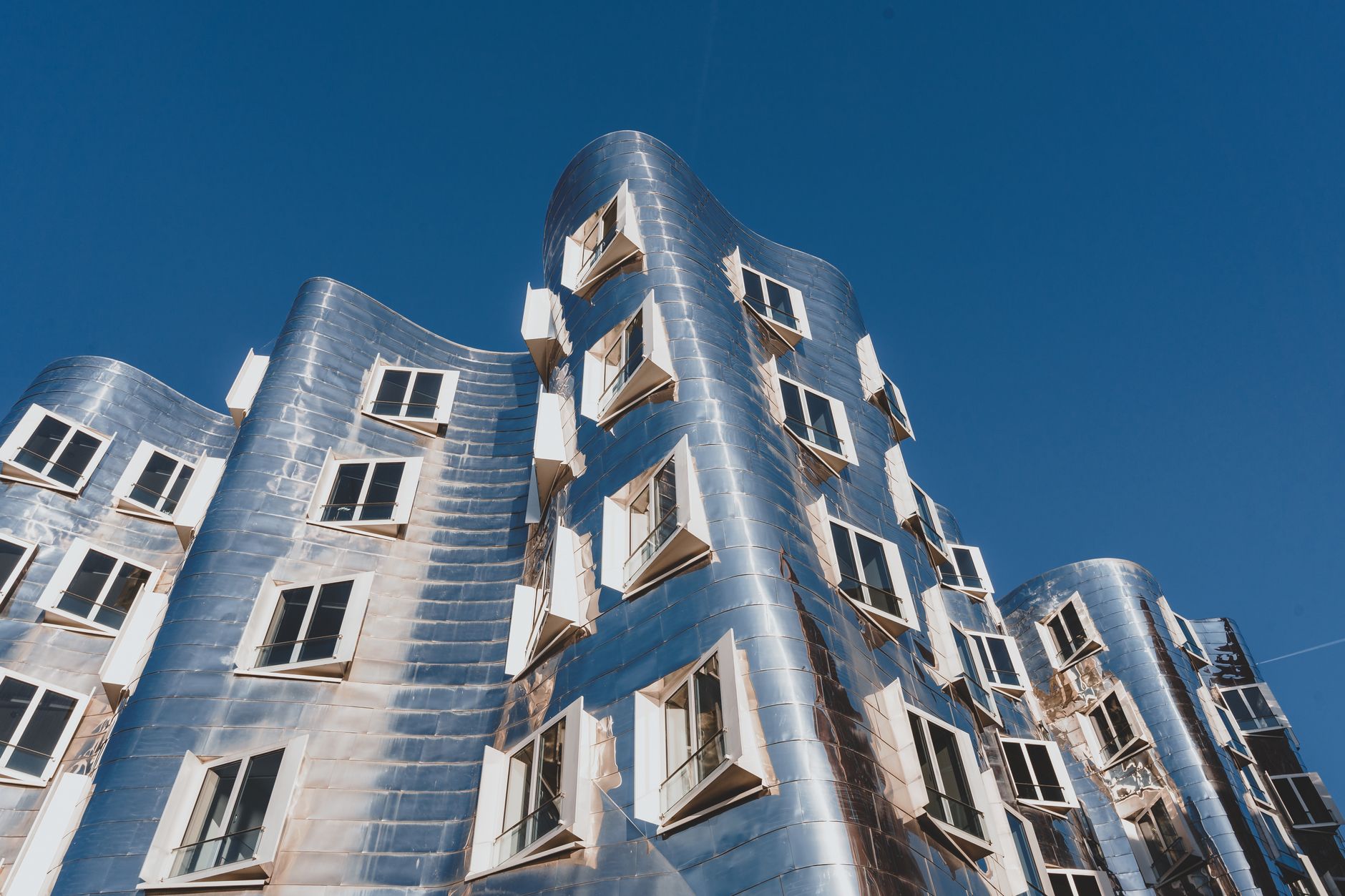
There is an unusual contrast between the Kö, a formal luxury shopping boulevard with a canal and high-end stores, and the Altstadt where small breweries and dense nightlife concentrate on one square kilometre. The MedienHafen redeveloped docks show distinct contemporary architecture such as Frank Gehry's Neuer Zollhof and converted warehouses turned restaurants, offering a modern counterpoint to classical sites like Schloss Benrath. Museums are within easy reach: K20 holds modern art collections while Kunstpalast covers decorative arts and temporary exhibitions; both can be visited in separate half-days. The riverside promenade along the Rhine (Rheinuferpromenade) provides a straightforward, low-effort way to experience local life and catch ferries or riverboats on a short timetable.

Quick Planning Tips
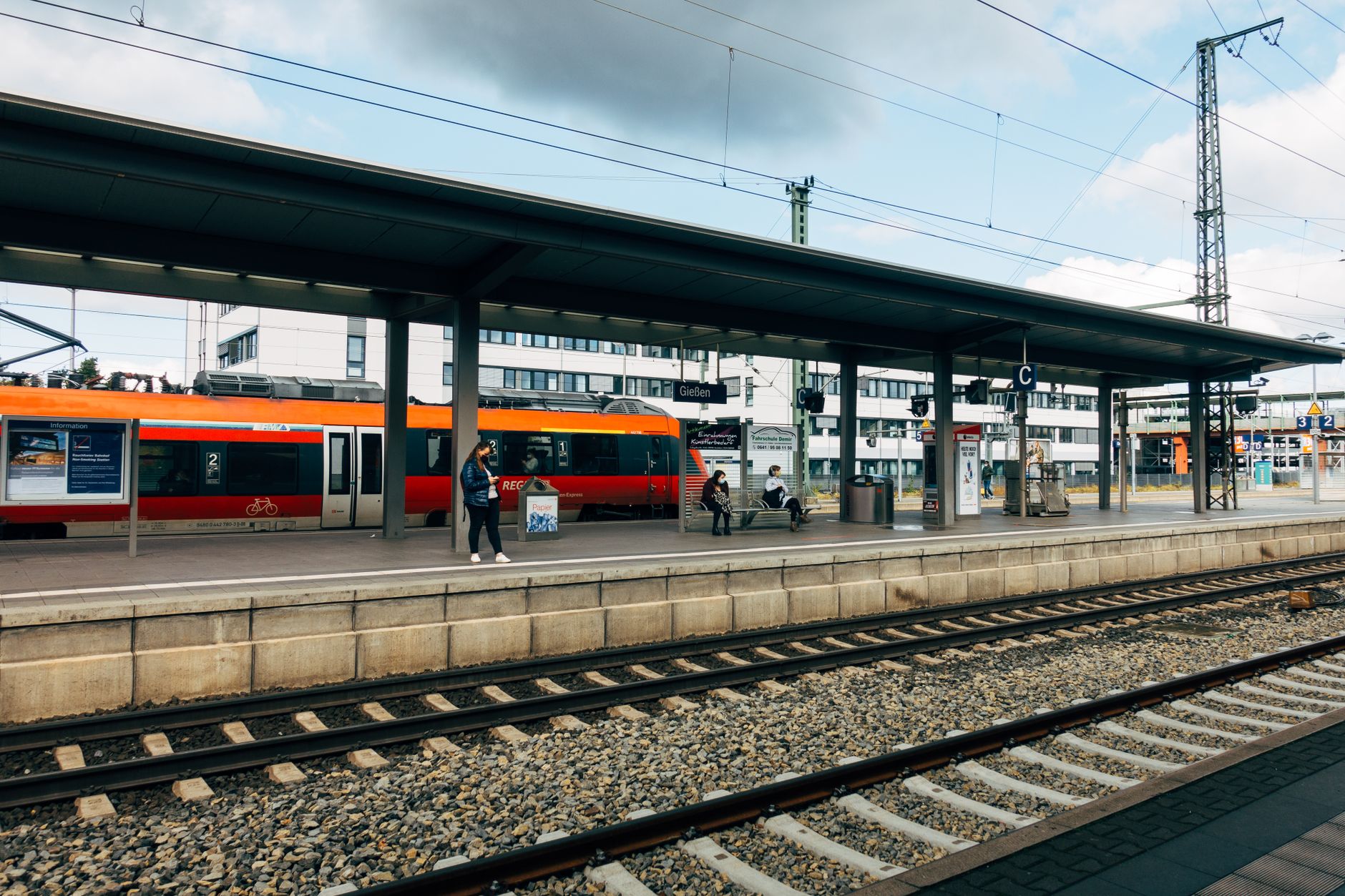
Fly into Düsseldorf Airport (DUS) and take S-Bahn S11 to Düsseldorf Hauptbahnhof in about 12 minutes, or use regional RE trains from Cologne or Essen. Pick up a DüsseldorfCard for free local transport and museum discounts, and download the Rheinbahn app plus DB Navigator for regional connections and ticket validation. Many central businesses accept cards but small market stalls and some Altstadt pubs prefer cash; keep a few euros for small purchases. Avoid trying to visit K20 and Kunstpalast on the same afternoon without allocated time slots; spread museums across different days to avoid museum fatigue.
Day 1
Morning: Start at Königsallee (Kö) to walk the canal and window-shop; allow 45–60 minutes to walk along the full stretch. From Kö, cross to Hofgarten park (5–10 minutes on foot) for a short green break and sculptures. Late morning: Head to K20 (Kunstsammlung Nordrhein-Westfalen) near Grabbeplatz; allow 1.5–2 hours for the collection—walking from Hofgarten is 8–12 minutes. Lunch: Walk 10 minutes to Carlsplatz Market for sandwiches, local cheeses and quick dishes; sit at a stall and expect to pay around €8–12 for a meal.
Afternoon: Stroll to the Rhine promenade (Rheinuferpromenade) — a 15–20 minute walk from Carlsplatz — and follow the river east toward the Rheinturm. Stop at the Rheinturm for a short visit; elevator plus viewing is about €5–6 and takes 30–45 minutes including queue. Evening: Move into the Altstadt for dinner and beer sampling at Uerige or Füchschen; the Altstadt is a 10–15 minute walk from Rheinturm and fills up after 20:00. End the night by trying a small Altbier (0.2 L) and expect to pay €3.50–4.50 per pour.

Day 2
Morning: Start in MedienHafen to see the Neuer Zollhof cluster and Hafen restaurants; allow 60–90 minutes for photos and architecture. From MedienHafen, take Stadtbahn U70/U75 or a 15–20 minute walk to Düsseldorf Hauptbahnhof if connecting to museums. Midday: Catch the Stadtbahn (U78/U79) or regional tram to Kunstpalast near the Ehrenhof cultural complex and allow 1.5–2 hours for decorative arts and rotating exhibitions. Lunch: Eat at a nearby café on Ehrenhof or the museum café—expect mains around €10–15.
Afternoon: Use tram or U-Bahn to reach the Ratingen Hösel/Kaiserswerth area for the Kaiserpfalz Kaiserswerth ruins and riverside lanes if interested in a quieter historical district; the S6/S8 trains or regional buses connect in 20–30 minutes. Alternatively, stay in town and visit a contemporary gallery or the Classic Remise for cars in a renovated depot. Evening: Return to MedienHafen for dinner at a harbour-side restaurant where mains run €18–28; the area is quieter after 21:30 and better for a relaxed meal.
Day 3
Morning: Visit Schloss Benrath and its gardens; S6/S68 or regional bus plus a short walk takes about 25–30 minutes from Hauptbahnhof. Allow 1.5–2 hours for the palace interior and gardens; entry to the museum is around €8–10. Midday: Return toward Flingern or Bilk for a neighbourhood lunch — head to Flingern's boutique cafés for a quieter, local scene and expect a midday menu for €10–15.
Afternoon: If checking out of accommodation, store luggage at the Hauptbahnhof lockers or a hotel desk then take a final walk along the river islands (Nordpark or the Rheinwiesen) depending on time. For travellers catching an afternoon flight, take S11 from Hauptbahnhof to DUS; leave the central area at least 60–75 minutes before departure to allow check-in and security. Evening option if time allows: a short visit to the Altstadt for a final beer or a riverside café before heading to the station or airport.

Best Local Experiences
Carlsplatz Wochenmarkt — buy local sausages, cheeses and ready-to-eat meals; busiest on Saturday mornings. Altstadt brewery crawl — try Uerige, Füchschen and Schumacher, ordering Altbier by the small glass. Kö window-shopping and canal walk — even without buying, the canal and side streets show the city's upscale side. MedienHafen architecture walk — schedule late afternoon light for photos of Neuer Zollhof and the harbour conversions. Rheinuferpromenade river walk or short ferry ride — local ferries run across the Rhine and provide a different angle on the skyline. Classic Remise vintage car depot and repair shops — a practical stop for car enthusiasts and unusual indoor photography. Night markets and pop-up food stalls in Flingern and Bilk on weekends — check local listings for exact days.

Where to Stay
Altstadt (Old Town): Suits people focused on nightlife, short walks to the river and immediate access to bars and restaurants. Expect small hotel rooms and short-stay apartments; typical nightly rates €90–160 (≈ $100–180) depending on season and room size. Königsallee / Stadttor area: Suits shoppers and business travellers who want proximity to luxury stores, boutiques and conference venues. Hotels here tend to be higher-end; expect €120–220 per night (≈ $130–250). MedienHafen: Suits travellers who prefer modern architecture and quieter evenings with harbour-side dining; this neighbourhood has mid-range hotels and design-oriented apartments for about €100–180 per night (≈ $110–200).
Food and Drink
Altbier: A top-fermented brown beer served in 0.2 L stangen at Uerige, Füchschen or Schumacher; expect €3.20–4.50 per glass. Rheinischer Sauerbraten: Marinated beef dish often served with red cabbage and potato dumplings; find a solid version at traditional restaurants in the Altstadt for €14–20. Himmel und Ääd: Potato purée with apple and black pudding — a Cologne/Rhine regional plate served in taverns; expect €9–14. Halver Hahn: A rye roll with cheese, despite the name, commonly ordered in pubs; available for about €4–6. Breakfast option: a Käsebrötchen or Berliner Wecken from a Bäckerei near Carlsplatz or Flingern for €3–6, or sit-down café breakfasts for €8–12. Street food: Currywurst stalls appear near transport hubs and evening markets; expect €3.50–5. Dinner recommendation: riverside restaurant in MedienHafen for fish or seasonal mains, budget €18–28 per main course.
Getting Around
Public transport is run by Rheinbahn within the city and VRR covers the wider region. Stadtbahn/U-Bahn lines U70, U74, U75, U76, U77, U78, U79 run frequent routes across the centre; S-Bahn lines S1, S6, S8 and S11 serve regional connections and the airport. Tram lines such as 707, 709 and other numbered trams cover shorter routes into boroughs. Single local tickets cost about €3.00; a TagesTicket (day ticket) is around €7.80 and group or 24h options are available via the Rheinbahn app or DüsseldorfCard. Taxis from Düsseldorf Airport to the central station typically cost €25–35 depending on time and traffic. Useful apps: Rheinbahn App for local tickets and planners, VRR App and DB Navigator for regional trains.
Best Time to Visit
Spring (April–June): Temperatures 8–20°C, comfortable for walking and fewer crowds than midsummer; good value outside public holidays. Summer (July–August): Temperatures 18–27°C with the highest tourist numbers, river terraces busy and higher hotel rates; book early if visiting during Düsseldorf Jazz Rally or other festivals. Autumn (September–October): Temperatures 8–18°C and clearer light for architecture photos; early autumn weekends remain lively but weekday prices drop. Winter (November–February): Temperatures 0–6°C, quieter museums and lower hotel costs; Christmas markets bring short bursts of crowds in December but the city is otherwise calm.
Budget and Practical Tips
Typical daily budget (mid-range traveller): Accommodation €90–150 per night (≈ $100–165), food €30–60 (≈ $33–66), transport €5–10 (≈ $6–11), entry fees €10–25 (≈ $11–28). Street-food or market lunches reduce food costs; expect to pay €8–12 at Carlsplatz. Tipping: Leave 5–10% in restaurants if service is good, or round up the bill in cafés and taxis; service is not usually included. ATMs are common but small bars and market stalls may prefer cash; carry €20–40 in small notes for the first day. Use lockers at Hauptbahnhof for luggage if between check-out and departure, and validate single tickets where required — inspectors check frequently and fines are significant.
FAQ
Is Dusseldorf safe for solo travellers?
Yes; central areas like Altstadt, Königsallee and MedienHafen are generally safe by day and night, but standard vigilance applies around busy bars late at night and on crowded bridges.
How do I get from the airport to the city center?
Take S-Bahn S11 from Düsseldorf Airport to Hauptbahnhof in about 12 minutes, or use a taxi for roughly €25–35 depending on traffic.
Is the DüsseldorfCard worth buying?
Yes for 24–48 hour stays if visiting two or more museums and using public transport, since it includes unlimited local travel and museum discounts.
Can I use a single ticket across trams and Stadtbahn?
Yes; Rheinbahn single tickets cover Stadtbahn, tram and buses within the chosen zone — validate on board or via the Rheinbahn app.
Are museums open on Mondays?
Several museums close on Mondays, including some smaller galleries; check K20 and Kunstpalast opening days before scheduling.
Is English widely spoken?
Basic English is common in hotels, larger restaurants and museums, but staff at market stalls or small pubs may use limited English.
What about family travel with children?
The Rheinturm, Hofgarten and Schloss Benrath work well for families; look for reduced child rates at museums and check lift access at older buildings.
Are there guided boat trips on the Rhine?
Yes, short river cruises and ferries operate seasonally from the Rheinuferpromenade; schedules vary by season.
Conclusion
A well-paced three-day visit will leave a clear sense of the city’s contrasts: the Kö’s formal shopping streets, the concentrated pub culture of the Altstadt and the modern silhouette of MedienHafen. Travellers will most likely remember sitting by the Rhine and a small Altbier in a narrow Altstadt cellar more than ticking off museums. If time runs short, prioritise a river walk plus one museum and an evening in the Altstadt — those elements capture the city’s character efficiently and realistically.
How this guide was prepared
This guide was prepared through a structured research that combines destination research, geographic context, itinerary planning logic, and content review.