

3-Day Tampa Itinerary and Practical Weekend Travel Guide
A realistic 3-day Tampa plan covering Ybor City, Riverwalk, museums, beaches nearby, transit tips, and where to eat and sleep.
A clear, no-nonsense 72-hour plan for Tampa covering neighborhoods, transit, costs, and a realistic order of sights so a weekend visit feels achievable.
First impressions are often a mix: a working waterfront, a long pedestrian Riverwalk, and an old cigar district that still hums with restaurants and bars. Streets near the waterfront and downtown feel modern and walkable; older pockets such as Ybor City show brick storefronts and a different rhythm, especially at night. Noise and traffic spikes around game days at Amalie Arena and the Port of Tampa activity can make downtown feel busy on certain afternoons.
Travelers often expect a compact beach town and get an urban port city with good access to beaches rather than a beach town itself. That distinction matters for planning: a three-day visit should treat the place as a city first with beach options as add-ons. The layout suits visitors who can swap mornings for museums and evenings for long walks along Bayshore Boulevard or dinner in Ybor.
Is 3 days in Tampa enough?
Three days will cover central highlights: Ybor City, the Tampa Riverwalk, a key museum or aquarium, and one strong neighbourhood such as Hyde Park or Seminole Heights. Expect to skip either Busch Gardens or a long Gulf Coast beach day unless willing to use a half-day for transit and admission costs.
Who This Guide Is For
Best for people who want a compact urban food-and-culture weekend, craft beer fans, and short-stay families. Less suitable for travelers whose priority is sun-and-sand beach time or a full amusement-park visit on a tight schedule.
Local Tips for Tampa
Practical details that most travel sites skip — specific to Tampa.
- La Segunda Central Bakery on 14th Street in Ybor opens around 6:00 a.m.; buy Cuban bread (loaf about $3–5) for sandwiches and breakfast pastries.
- Bayshore Boulevard offers a 4.5-mile continuous sidewalk with a 29th Street to Davis Islands walk taking roughly 1.5–2 hours at a casual pace; plan morning runs to avoid mid-afternoon heat.
- TECO Line Streetcar links Ybor City with Channelside and Sparkman Wharf; fares are paid onboard (roughly $2–$2.50) and the line is useful for short hops between the waterfront and 7th Avenue.
- Cigar City Brewing (tasting room, tours, and bottle shop) is a practical stop for local beer; pints run about $6–8 and tours or special releases sell out on weekends.
- Tampa International Airport (TPA) is 7–10 miles from downtown; taxis or rideshares typically cost $25–$40 and take 20–30 minutes without heavy traffic.
How This Guide Was Prepared
Tampa mixes working waterfront infrastructure, a legacy cigar district, and serious craft-beer and seafood culture; many guides sell it as a beach-plus-museum weekend and skip the uneven neighbourhood rhythms. This guide shows how to structure three days so time isn’t wasted on long transfers, noisy late-night blocks, or overpriced tourist traps, and points out when to sacrifice a beach day for a museum or a brewery visit. This guide was prepared through a structured research that combines destination research, geographic context, itinerary planning logic, and content review.
Plan Your Stay in Tampa
Use this itinerary as your starting point, then compare areas to stay, transport options, seasonal timing, and realistic daily costs before booking.
Why Visit
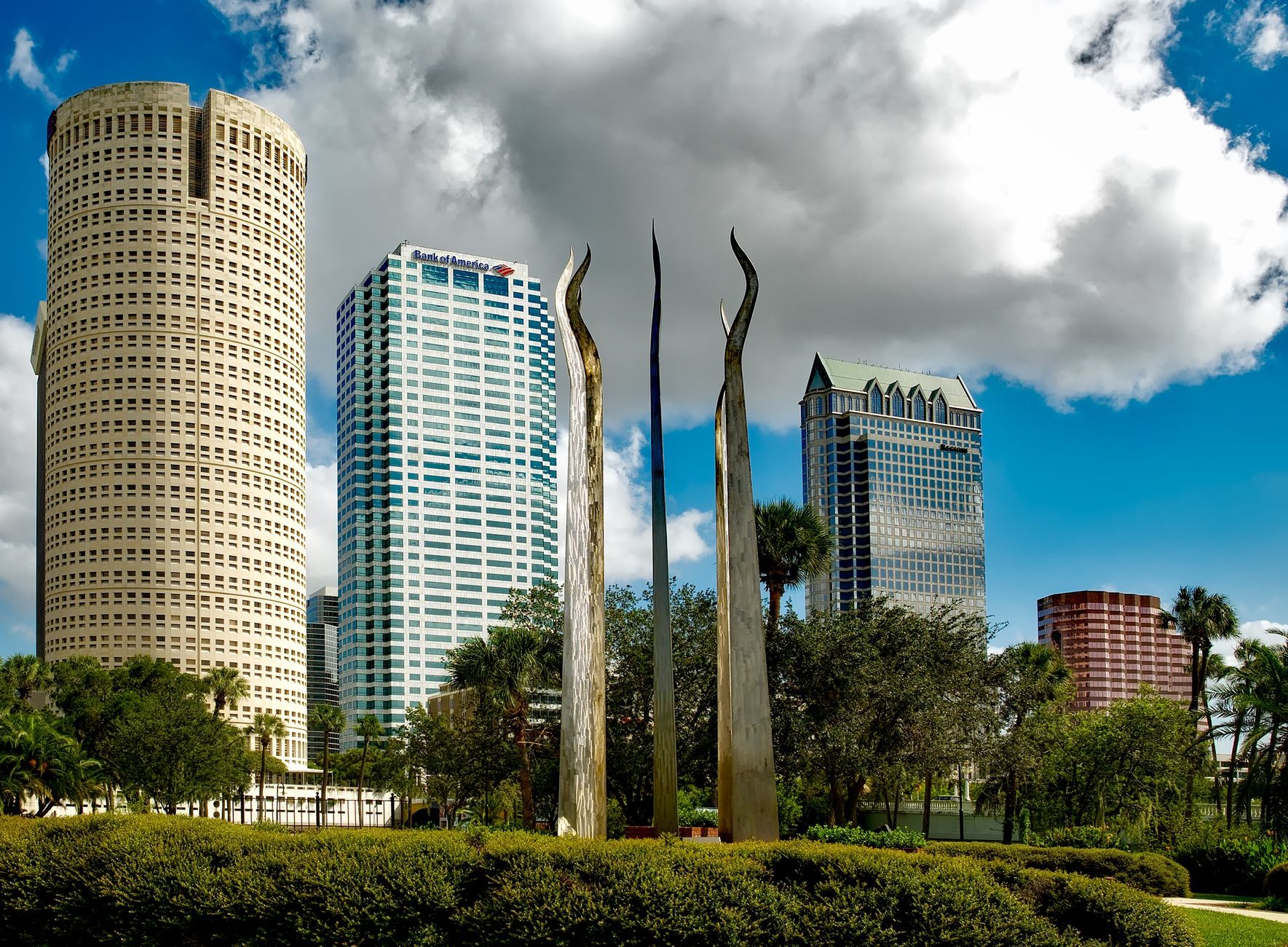
The cigar-manufacturing legacy on 7th Avenue in Ybor City offers food and nightlife rooted in Cuban and Spanish immigrant history, anchored by the century-old Columbia Restaurant. A continuous urban waterfront path, the Tampa Riverwalk, connects museums, parks, and restaurants and makes moving between attractions easy on foot or by rentable scooter.
Local craft brewing is unusually strong for a mid-sized city: Cigar City Brewing and several brewpubs in Seminole Heights and Hyde Park mean good beer without leaving the central area. Fresh Gulf seafood and native-inspired kitchens such as Ulele bring local ingredients like stone crabs and Gulf shrimp to the table.
Museums are compact and accessible: the Tampa Museum of Art sits on the Riverwalk next to Curtis Hixon Park, while the Henry B. Plant Museum on the University of Tampa campus gives a specific look at Gilded Age railroad and hotel history. These venues work well when time is limited because transit and walking distances are short.
Quick Planning Tips
Fly into Tampa International Airport (TPA) for the quickest downtown access; rideshare or taxi is usually 20–30 minutes depending on traffic and costs about $25–$40. If arriving at Amtrak or Brightline in nearby stations, check local HART bus connections or rideshares for the last mile.
Carry a contactless card or small bills; many small cafés and food trucks prefer tap or exact change. A HART day pass (mobile app or driver purchase) will save cash if planning multiple bus or TECO rides in a single day—single fares are modest but add up quickly.
Avoid scheduling a Busch Gardens day unless willing to dedicate most of one day to it. Plan museum or Riverwalk time for mornings or late afternoons to avoid midday heat if visiting from late spring through early fall.

Day 1
Morning: Start at the Tampa Riverwalk near Curtis Hixon Park. Walk north along the Riverwalk for 20–30 minutes to reach the Tampa Museum of Art and the outdoor Tampa Bay History Center; allow 1–1.5 hours at the museum and 45–60 minutes at the history center. The two sites sit within a 10-minute stroll of each other.
Lunch: Head to Ulele on the north Riverwalk (or a 10–15 minute walk) for native-inspired plates and oysters. Expect plates in the $12–30 range. The riverside seating is useful for groups and gives a sense of local seafood offerings.
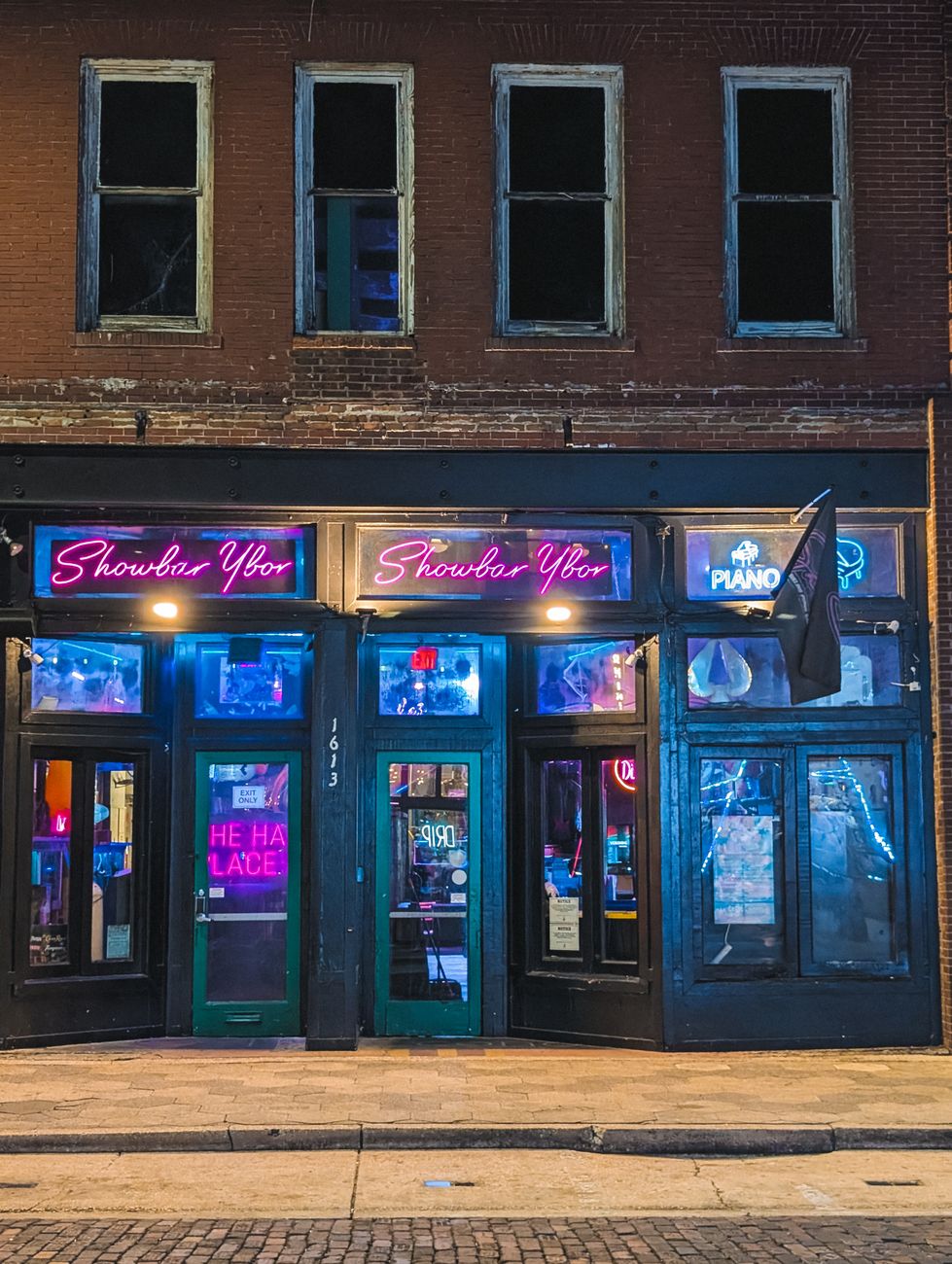
Afternoon: Walk or catch the TECO Line Streetcar (short ride) to Ybor City and spend time on 7th Avenue and its side streets—visit La Segunda Central Bakery for Cuban bread and the Ybor City Museum State Park to see cigar industry exhibits. Plan 2–3 hours here; walking between the Riverwalk and Ybor should take about 15–25 minutes or a 10-minute streetcar hop.
Dinner and evening: Return toward Channelside/Sparkman Wharf for dinner and a late stroll. Sparkman Wharf has food stalls and outdoor seating useful for groups. If nightlife is the goal, move back to Ybor where bars and live music run late; book a hotel away from 7th Avenue if sensitive to noise.
Day 2
Morning: Take a short ride to the Florida Aquarium in Channelside; allow 2–3 hours. Adult admission often runs around $30–$35. The aquarium sits near Sparkman Wharf and is an easy walk back to the Riverwalk.
Lunch: Eat at Armature Works (Tampa Heights) — the food hall has local vendors and quick options; travel from Channelside by a 10–15 minute rideshare or a 20–30 minute walk across the north extension of the Riverwalk.
Afternoon: Explore Tampa Heights itself, with a visit to the historic Plant Hall on the University of Tampa campus to see the Henry B. Plant Museum (admission roughly $10–$15) and then walk Bayshore Boulevard for part of its length. The Plant Museum is a 10–15 minute walk from Armature Works; Bayshore access is another 10–15 minute walk from Plant Hall.
Evening: Sample Seminole Heights for dinner and breweries; this neighbourhood is a 10–15 minute drive from downtown. Many restaurants close earlier on Mondays and Tuesdays, so check hours. End the night at a local brewpub or a casual bar with outdoor seating.

Day 3
Morning: Choose an easy outdoor option depending on departure plans. If staying late afternoon, take a half-day to visit ZooTampa at Lowry Park (allow 2–3 hours) or drive 25–40 minutes west to Clearwater Beach if a Gulf beach visit is a priority. ZooTampa admission typically runs $25–$35.
Brunch option: Oxford Exchange in Hyde Park is a strong breakfast/brunch stop with sandwiches and coffee; expect $12–$22 per person. Hyde Park is a short cab or 10–20 minute drive from downtown.
Afternoon: If catching an afternoon flight or train, stay near the airport or the nearest transit hub. For an afternoon flight from Tampa International, leave downtown at least 60–90 minutes before departure to allow for check-in and security; rideshare is usually fastest. If time allows, squeeze in a last short Riverwalk walk or a shop in Channelside within 30 minutes of the hotel.
Evening if staying late: Choose a relaxed spot on Davis Islands for a sunset walk along the waterfront or a seafood dinner close to the airport and hotel corridors.
Best Local Experiences
Walk the full length of Bayshore Boulevard for water views and stately homes; the continuous sidewalk is one of the longest in the U.S. and is best in the morning or late afternoon.
Spend an evening on Ybor City’s 7th Avenue to sample Cuban cuisine at Columbia Restaurant and late-night cafés; stop at La Segunda Bakery for baked goods afterwards. Attend a tasting at Cigar City Brewing or pick up cans at the brewery’s bottle shop for a low-effort local beer experience.
Eat at Armature Works market hall for a multi-vendor lunch and watch the Hillsborough River activity. Take a Riverwalk boat taxi if available during the season for a short, scenic transfer between points. Visit Ulele for Gulf seafood served with local seasonings and a view across the river.
Explore Seminole Heights for small independent restaurants and breweries on Nebraska and Central avenues. If time allows, a day trip to Clearwater or St. Pete is an accessible option for wider Gulf beaches and museums.

Where to Stay
Downtown/Channelside: Suited for first-time visitors who want the Riverwalk, Tampa Museum of Art, Florida Aquarium, and Amalie Arena within walking distance. Rooms range widely but expect $140–$260 per night (USD) depending on season, roughly €125–€230.
Hyde Park/South Tampa: Best for neighbourhood cafés, Oxford Exchange, and easy access to Bayshore Boulevard. Suits travellers who prefer quieter residential streets and brunch culture; expect $130–$220 per night (USD), around €115–€195.
Ybor City: Ideal for nightlife and history-focused stays on 7th Avenue. Good for late-night visitors but rooms on the main strip can be noisy; budget $100–$180 per night (USD), roughly €90–€160. Check room location and windows if sensitive to noise.
Food and Drink
Cuban sandwich: A pressed sandwich with roast pork, ham, Swiss, pickles, and mustard on Cuban bread; classic examples at Columbia Restaurant in Ybor or La Segunda Bakery made-to-order, roughly $10–15. Cuban coffee (cafecito): Strong espresso served sweet; available at small Ybor cafés and La Segunda for $2–4.
Deviled crab: Crisp, seasoned crab pastry common at Ybor City counters and seafood restaurants; versions at certain local counters run $3–6 each. Stone crab (seasonal, October–May): Fresh claws served chilled with mustard sauce; expect market-price plates at seafood restaurants like Oystercatchers or Ulele, often $25–45 per plate.
Key lime pie: A local dessert staple; find solid versions at Columbia Restaurant or specialty bakeries, about $5–8 a slice. Craft beer: Cigar City Brewing offers Jai Alai IPA and seasonal releases; pints $6–8, packaged options in bottle shops and bars across the city.
Dinner recommendation: Ulele for seafood and native-inspired plates, with mains typically $18–35. For comfort and inventive dishes, Datz (South Tampa) offers elevated comfort food and is popular for dinner service.
Getting Around
HART (Hillsborough Area Regional Transit) runs local buses across the county; single fares are approximately $2–$2.50 and day passes are a better deal for multiple trips (mobile passes via the HART GoMobile app). The TECO Line Streetcar connects Ybor City, Channelside, and downtown with fares paid onboard (roughly $2–$2.50); it’s useful for short waterfront hops rather than long-distance travel.
Taxis and rideshares (Uber/Lyft) are widely available; expect $25–$40 between the airport and downtown. Rental cars are common for day trips to beaches or Busch Gardens but parking in Ybor and some downtown spots carries additional cost. Apps: HART GoMobile for bus and day passes, Google Maps for route planning, and Uber/Lyft for on-demand rides.
Best Time to Visit
Winter (December–February): Mild temperatures, 55–75°F (13–24°C), lower humidity, and peak event season; expect higher hotel rates around holidays and Gasparilla (late January/early February). Spring (March–May): Warmer temperatures, 65–85°F (18–29°C), busy with spring-break crowds but good for outdoor activities; shoulder-season rates can be reasonable.
Summer (June–August): Hot and humid, 75–92°F (24–33°C), frequent afternoon thunderstorms, and higher local air-conditioning and indoor activity use; not ideal for long outdoor sightseeing. Fall (September–November): Temperatures cool gradually, hurricane season risks persist into early fall, and late October–November offers reasonable value and fewer crowds.
Best value months for fewer visitors and lower rates tend to be late April–May and September–October, but check hurricane forecasts for fall travel.
Budget and Practical Tips
Typical daily budget (mid-range traveler): accommodation $140–220 USD (€125–€195), food $40–70 USD (€35–€60), local transport $6–12 USD (€5–€10), entries and activities $20–60 USD (€18–€55). A conservative three-day total excluding airfare might run $600–1,100 USD per person depending on lodging and attraction choices.
Tipping norms follow U.S. standards: 15–20% in sit-down restaurants, $1–2 per drink at bars, and rounding up for taxi or rideshare drivers. Many restaurants add service charges for large parties—check the bill before calculating tip.
Carry light rain gear during summer months due to frequent showers and check hotel noise policies if staying in Ybor. For museum and aquarium admissions, book online in advance for the Florida Aquarium or Busch Gardens to save time and sometimes money.
FAQ
Is Tampa safe for a short solo city trip?
Central areas such as the Riverwalk, Hyde Park, and major tourist corridors are generally safe during daytime; exercise usual urban caution at night in isolated blocks and avoid poorly lit streets. Petty theft can occur—keep valuables secure.
What is the best way to get from TPA to downtown?
Rideshare or taxi is the fastest and most direct (about 20–30 minutes, $25–$40). HART bus options exist but can take longer with transfers.
Is a city pass worth buying?
No universal pass is necessary for a three-day stay unless planning to visit multiple paid attractions such as the Florida Aquarium and Busch Gardens; compare single admission prices and online bundle discounts before purchasing.
Can public transit take visitors to Clearwater Beach?
Direct public transit options are limited and slow; a drive or shuttle (about 30–45 minutes depending on traffic) is more efficient for a beach day. Rideshare or rental car recommended.
Are there direct trains or Brightline connections to Orlando?
Brightline does not currently serve downtown Tampa; Brightline service is focused on the I-4 corridor and nearby Orlando options require transfers—check current service maps before planning intercity travel.
Are museums and attractions wheelchair-accessible?
Major sites such as the Tampa Museum of Art, Florida Aquarium, and Henry B. Plant Museum offer accessibility features, ramps, and elevators; contact individual venues for specifics and any required advance arrangements.
Is tap water safe to drink?
Municipal tap water meets safety standards; bottled water is commonly purchased for convenience during long outdoor days.
What is the best way to see the waterfront efficiently?
Walk the Riverwalk segments between Curtis Hixon Park and Sparkman Wharf, using the TECO streetcar for short hops if needed and saving time with quick rideshares for longer jumps.
Conclusion
A well-planned three-day visit will leave a clear impression of the city’s mix of waterfront planning, Cuban-Spanish food culture in Ybor, and a surprisingly strong craft-beer scene. The most memorable parts for many will be a long Riverwalk walk, a meal with Gulf seafood, and a bakery visit for Cuban bread. If time becomes tight, prioritize a morning on the Riverwalk and a single neighbourhood meal—those two elements together give the best sense of what makes the place distinct.
How this guide was prepared
This guide was prepared through a structured research that combines destination research, geographic context, itinerary planning logic, and content review.