
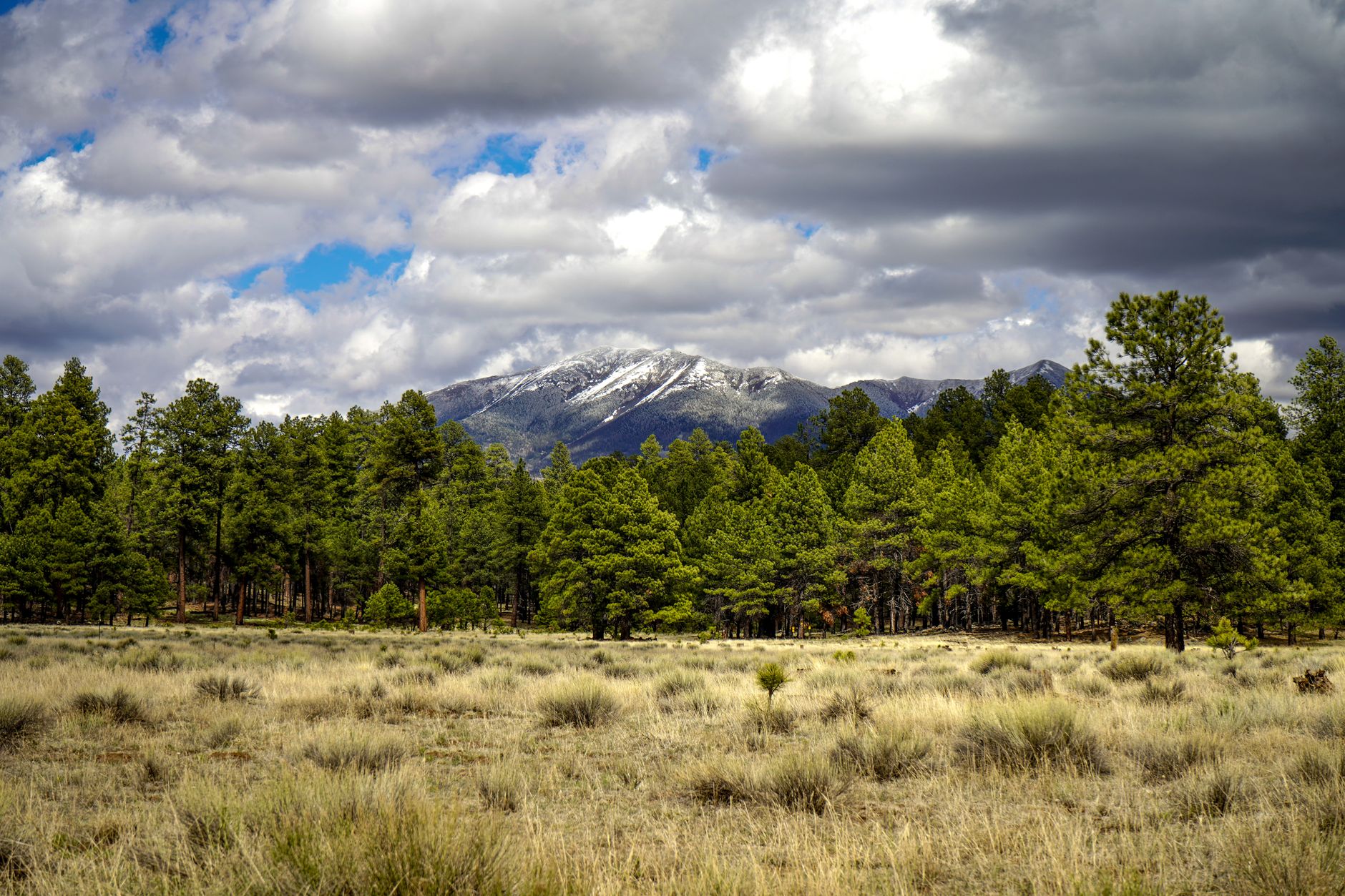
3-Day Practical Guide to Flagstaff: Itinerary, Tips & Costs
Three days in Flagstaff cover downtown, Walnut Canyon, Sunset Crater and the San Francisco Peaks, with exact transit, costs and seasonal advice.
A direct, realistic 72-hour plan for experiencing downtown, nearby national monuments, mountain access and star programs, with transport, costs and food tips.
High desert at roughly 7,000 feet gives this town a thinner air, cooler nights and fast-changing weather that define most visits. First impressions are a compact downtown along historic Route 66, patches of pine forest, and an accessible mix of small museums and mountain recreation rather than a single concentrated attraction.
The local pace is practical: businesses open early for hikers and close early in winter; restaurants fill on weekend evenings rather than late nights. Many arriving guests expect a gateway for the Grand Canyon and miss how rewarding a relaxed three-day stay is without a long day trip.
Is 3 days in Flagstaff enough?
Yes: three days allow a solid survey of downtown, Lowell Observatory programming, Walnut Canyon and one peak or volcano site without rushing. The main caveat is skipping a full Grand Canyon rim day trip if staying relaxed; that requires an extra day or an early, long outing.
Who This Guide Is For
Best for active travelers who want outdoors access plus small‑museum culture and who are comfortable with driving or using regional buses. Poor fit for travelers who need a beach, nightlife cluster, or who refuse any altitude or winter driving.
Local Tips for Flagstaff
Practical details that most travel sites skip — specific to Flagstaff.
- NAIPTA runs Mountain Line buses and commuter shuttles; most fixed routes within city limits are fare-free — check naipta.org for any changes before arrival.
- Buy timed tickets for Lowell Observatory at lowell.edu — evening star programs and special events often sell out weeks ahead, daytime visits are less limited but still timed.
- Amtrak’s Southwest Chief stops at Flagstaff Station on East Route 66, offering direct rail service to Los Angeles and Chicago; downtown station is an easy walk to restaurants.
- Flagstaff Pulliam Airport (FLG) sits about 7 miles south of downtown; expect a taxi or rideshare to cost roughly $25–35 one way and rental cars to be more practical for national monument access.
- Arizona Snowbowl sits on the San Francisco Peaks off AZ‑180; winter access can require chains or AWD and ADOT updates will list closures — plan an alternate if roads close.
How This Guide Was Prepared
This guide treats Flagstaff as a working mountain town rather than a postcard gateway. Most guides over-emphasize full-day Grand Canyon pushes and understate the town’s altitude, winter road closures and how much of its appeal is walkable downtown plus short drives to distinct natural sites. This guide was prepared through a structured research that combines destination research, geographic context, itinerary planning logic, and content review.
Plan Your Stay in Flagstaff
Use this itinerary as your starting point, then compare areas to stay, transport options, seasonal timing, and realistic daily costs before booking.
Why Visit
Access to both high‑altitude trails and compact urban conveniences makes this town a rare place to combine stargazing, geology and walkable downtown dining in a single weekend. Lowell Observatory on Mars Hill offers scheduled public programs and telescopes for viewing planets and deep‑sky objects on clear nights.
Nearby volcanic landscapes are unusual: Sunset Crater Volcano National Monument and lava flows are a short drive and feel more accessible than most western volcano sites. Cultural institutions like the Museum of Northern Arizona present Hopi, Navajo and Puebloan exhibits that are region‑specific and easier to visit than many remote reservations.
Amtrak service and Pulliam Airport provide options beyond long drives from Phoenix, and Route 66 history threads through downtown architecture and restaurants for those interested in transport heritage. Expect fewer crowds than major national parks while still getting dramatic terrain and a serious mountain town’s service infrastructure.

Quick Planning Tips
Fly into Flagstaff Pulliam Airport (FLG) for shortest transfers or arrive by Amtrak at the downtown station on East Route 66 for a scenic rail option. From Pulliam, taxis and rideshares cost about $25–35 to downtown; renting a car is recommended for visiting Sunset Crater, Walnut Canyon and Snowbowl.
Carry USD cards that work widely; many small shops take cards but some trailhead parking meters and some state parks accept only card or cash—bring a backup. Avoid booking only evening observatory slots on your first night: altitude and schedule changes can leave daytime options available while special evening programs sell out.

Day 1
Morning: Start downtown on S San Francisco Street and walk the Historic District (allow 60–90 minutes). Explore independent bookstores, Route 66 signage and coffee at Macy’s European Coffee House & Bakery on Leroux Street.
Midday: Walk 8–12 minutes to the Museum of Northern Arizona on Butler Avenue for Native art and natural history displays (plan 90 minutes). Admission tends to be modest; check museum hours for temporary exhibits.
Afternoon: Drive or bus (Mountain Line if running) 10 minutes to Riordan Mansion State Historic Park for a 45–60 minute guided or self‑guided tour of early 20th‑century Craftsman architecture.
Evening: Reserve a timed entry at Lowell Observatory on Mars Hill; arrive 30 minutes early for the visitor center. Dinner nearby at Brix Restaurant & Wine Bar or Tailgate Grill (expect $20–35 per main). Finish with a scheduled telescope program or a public star party — many programs run 2–3 hours.
Day 2
Morning: Drive 15–25 minutes east on I‑40/US‑89 to Walnut Canyon National Monument for the Island Trail and cliff dwellings; the rim trail is short but allow 1.5–2 hours for the loop and interpretive panels. Carry water and wear sunscreen; altitude makes the descent feel harder on the way up.
Midday: Continue 15 minutes northeast to Sunset Crater Volcano National Monument and the Lava Flow Trail; 60–90 minutes covers the main loop and interpretive stops. Lunch at a picnic area or return to town for sandwiches on Route 66.
Afternoon: Head up to the Arizona Snowbowl area via AZ‑180 for a short hike on the Humphreys Trailhead or scenic drives on the Kachina Peaks. Allow 45–90 minutes for viewpoints; Snowbowl lifts are seasonal and require separate tickets.
Evening: Return to downtown (20–40 minutes depending on stops) for dinner at Diablo Burger or Beaver Street Brewery. If energy remains, catch a live show at Orpheum Theater or a quieter bar on Aspen Avenue.

Day 3
Morning: Check out and store luggage if needed; spend the morning on a relaxed walk through Buffalo Park and along the Riordan Mansion loop (20–40 minutes from downtown on foot or a 5–10 minute drive). Buffalo Park gives good views of the San Francisco Peaks and is an easy, low‑altitude exertion warmup.
Midday: Visit the Museum of Northern Arizona or plan a longer craft brewery lunch crawl along S San Francisco Street—four breweries are within easy walking distance. Allow 90–120 minutes depending on how many tasting rooms are chosen.
Afternoon: If catching an afternoon flight or train, leave downtown at least 90–120 minutes before departure to allow for rental car return and security; Pulliam Airport security lines are short but counters may close earlier in the off season. As an alternative, take Amtrak if schedules match and the Southwest Chief timing suits plans.
Evening: If not leaving, close the trip with an easy dinner and an early night — nights are cool even in summer and high altitude can make late nights tiring.

Best Local Experiences
Lowell Observatory public programs and telescope sessions on Mars Hill are a defining local activity; book timed tickets for evening programs. Walking Historic Downtown on S San Francisco Street and visiting Route 66 signage makes a compact cultural loop that connects shops, coffeehouses and breweries.
Walnut Canyon National Monument’s Island Trail and cliff dwellings offer the closest accessible cliff architecture in the area and a short, educational hike. Sunset Crater Volcano National Monument and the nearby Lava Flow Trail let visitors walk on recent volcanic terrain without a long drive.
Buffalo Park loop and the Riordan Mansion State Historic Park provide easy outdoor walking and history near town. Riding the Amtrak Southwest Chief through town or using Mountain Line to sample local neighborhoods gives transport‑based perspective few other nearby towns offer.

Where to Stay
Downtown / Historic District — Suits visitors who want walkability to restaurants, shops and Amtrak. Expect chain hotels and independent inns on S San Francisco Street and East Route 66; nightly rates generally range $110–200 USD (≈€100–185) depending on season.
West of downtown / University area — Suits students, budget travelers and those attending Northern Arizona University events; close to campus and often quieter at night. Prices commonly fall in the $90–150 USD range (≈€85–140).
Southside / Near Pulliam Airport — Suits early departures or those renting cars who prioritize short airport transfers; many roadside hotels and chains with free parking. Expect $80–140 USD per night (≈€75–130).
Food and Drink
Breakfast — Classic option: Macy’s European Coffee House & Bakery on Elden Street for sourdough, pastries and breakfast sandwiches; expect $6–12 USD (≈€6–11). Street/quick food — Diablo Burger on Route 66 serves local beef on squishy buns with hand-cut fries; expect $11–16 USD (≈€10–15).
Dinner — Beaver Street Brewery offers pizzas and pub plates with local beer; mains run $12–25 USD (≈€11–23). Fine-ish dinner — Brix Restaurant & Wine Bar focuses on seasonal plates and steaks; entrees $20–40 USD (≈€18–37).
Local specialities to try: Navajo fry bread tacos (Indian taco) at local cafés and markets for $8–12 USD, craft beers from Historic Brewing and Four Peaks distribution points in town for $6–8 USD a pint, and thick Arizona‑style green chili sauces used on breakfasts and burgers. For coffee and pastries, local roasters are walkable downtown.
Getting Around
NAIPTA operates Mountain Line fixed‑route buses within city limits and several regional commuter shuttles; many core routes have no fare for local trips but verify current policy at naipta.org. Amtrak’s Southwest Chief serves the downtown station on East Route 66 for rail access west to Los Angeles and east to Albuquerque and Chicago.
Flagstaff Pulliam Airport (FLG) is 7 miles south of downtown; taxi/rideshare fares typically run $25–35. ADOT maintains road updates for AZ‑180 and I‑40 which are key for crater and peak access. Recommended apps: Transit or RideFlagstaff for live Mountain Line info and Google Maps for driving directions; rental cars make the largest number of natural sites reachable within a day.
Best Time to Visit
Late spring (May–June) and early fall (September–October) offer the best balance of mild daytime temperatures (55–75°F / 13–24°C), stable roads and lower accommodation rates than summer. Summer (July–August) brings afternoon monsoon storms and occasional hail; daytime highs reach 80–85°F (27–29°C) but nights cool sharply.
Winter (December–February) brings regular snowfall on the San Francisco Peaks and the Snowbowl skiing season; daytime temps range from 25–45°F (‑4–7°C) and some park roads may close. Shoulder months often give the best value and the most consistent access to both town amenities and short mountain hikes.
Budget and Practical Tips
Typical daily budget for a midrange traveler: accommodation $110–160 USD ($100–150 EUR), food $35–60 USD ($32–56 EUR), local transport $0–15 USD ($0–14 EUR) depending on Mountain Line use, entry fees and activities $10–40 USD ($9–37 EUR). A three-day total for a comfortable midrange trip usually runs $400–700 USD per person excluding major gear or guided tours.
Entry fees: Lowell Observatory daytime about $20–30 USD and evening programs often $30–50 USD; Museum of Northern Arizona roughly $10–15 USD for adults; National Park Service sites like Walnut Canyon and Sunset Crater may charge per‑vehicle fees—bring cash or card. Tipping norm at restaurants is standard U.S. practice of 15–20% for table service; bartenders/tasting rooms typically get $1–2 per drink or 15% on tabs.
FAQ
Is three days enough to see the Grand Canyon from here?
It is possible to do a long day trip to the South Rim but expect a 2.5–3 hour drive each way and a rushed visit; better to add a night near the rim or skip it to enjoy closer sites.
How high is the elevation and will it affect me?
The town sits around 7,000 ft (2,100 m); mild altitude effects like shortness of breath, headaches and quicker sunburn are common—drink water, avoid heavy exertion on day one.
Are Mountain Line buses free and useful for tourists?
Many fixed routes within city limits run fare‑free but confirm current NAIPTA policies; routes serve downtown, the University and some park‑and‑ride areas—good for short hops.
Is a car necessary for a three‑day stay?
A car is highly recommended for visiting Sunset Crater, Walnut Canyon and Snowbowl; downtown and museum visits can be done on foot and by bus but car flexibility saves time.
Is it safe to visit at night for stargazing?
Public observatory events and many trailheads are safe but higher altitude and remote roads can be icy in winter—use well‑lit, organized programs for the best and safest viewing.
Are city or park passes worthwhile?
Single‑site timed tickets (Lowell Observatory) are worth buying in advance; an annual National Park pass pays for itself only if visiting multiple federal sites in one year—check current entrance fees online.
Can Amtrak be used as a practical arrival option?
Yes; the Southwest Chief stops downtown and is useful for travelers from Los Angeles or the Midwest who prefer rail over driving.
What apps should be downloaded before travel?
Transit or RideFlagstaff for Mountain Line schedules, Google Maps for driving and ADOT QuickMap for winter road conditions.
Conclusion
A three‑day visit offers a practical mix of town culture, stargazing and quick access to volcanic and canyon landscapes without long daily drives. Most travelers will remember clear night skies on Mars Hill and short, distinct outdoor hikes more than any single restaurant or museum.
If short on time, prioritize a timed Lowell Observatory evening program plus one nearby monument (Walnut Canyon or Sunset Crater) and a solid downtown walk; those three elements capture what makes a short stay feel complete.
How this guide was prepared
This guide was prepared through a structured research that combines destination research, geographic context, itinerary planning logic, and content review.