

Best Time to Visit Montreal — When to Go, Seasons, and Practical Tips
Find the best months to visit Montreal, with seasonal pros and cons, neighborhood and transport realities, sustainable tips, and quick booking advice to pair with our 3 days in Montreal itinerary.
Practical, neighborhood-based guidance on when to visit Montreal for festivals, fall foliage, winter activities, or quieter shoulder seasons — plus transport, packing, and sustainable tips to help you plan a smooth 3-day trip.
Quick Answer
Practical, neighborhood-based guidance on when to visit Montreal for festivals, fall foliage, winter activities, or quieter shoulder seasons — plus transport, packing, and sustainable tips to help you plan a smooth 3-day trip.
Who This Page Is For
This page is for travelers planning a stay in Montreal who want clearer decisions about best time to visit, local logistics, timing, budgeting, and practical trip planning.
How This Page Was Prepared
This page was prepared through a structured editorial workflow that combines destination research, geographic context, and practical travel-planning review.
Plan the Rest of Your Trip
Use this page together with the full itinerary and the related planning pages below to make better booking, timing, transport, and budget decisions.
Best overall months: late May–June and September–early October.
– Late spring (May–June): mild weather, open terraces, markets coming alive, fewer festival crowds than midsummer.
– Early fall (September–early October): comfortable days, crisp evenings, very good local food season and fall color on Mount Royal.
Summer (late June–August) is lively with major festivals but busier and more expensive. Winter (December–February) is for winter sports and holiday lights but expect cold, snow, and shorter daylight — plan clothing and transport accordingly.
This page helps you choose the best time to visit Montreal based on weather, crowds, festivals, and low-impact travel priorities. It’s written to support planning a short stay — see our 3 days in Montreal guide for a ready-made itinerary and neighborhood pickup suggestions. You’ll find seasonal pros and cons, practical transport notes, and sustainable-local tips so your trip benefits the city and respects local life.
What This Page Helps You Decide
Use this page to decide:
– Which season matches your interests: festivals, food markets, winter activities, or quieter streets.
– Which neighborhood to base yourself in for a 3-day trip (Old Montreal for history, Plateau/Mile End for cafés and walking, Griffintown/Hochelaga for local food scenes).
– How to book transport and accommodation with crowd and price expectations.
– What to pack and what sustainable choices to prioritize (public transit, local markets).
It’s meant to be used alongside the 3 days in Montreal itinerary; each recommendation links naturally to neighborhoods and day-trip options to Laval, Ottawa, Quebec City, Toronto, or Niagara Falls.

Top Recommendations
Season-by-season practical takeaways:
– Late spring (May–June): Best balance of weather and lower prices. Markets (Jean-Talon, Atwater) reopen in full. Book terraces and popular restaurants a week ahead.
– Summer (late June–August): Ideal for festivals and long days. Expect crowds, higher rates, and sold-out terrace tables during the Montreal Jazz Festival and Just for Laughs. Reserve festival tickets and downtown hotels early.
– Early fall (September–early October): Cooler, great for walking, food harvest season at markets, and good public-transport reliability. Short-term hotel deals sometimes appear after Labor Day.
– Winter (December–February): For winter sports, holiday markets, and fewer international tourists. Pack warm footwear and allow extra time for winter transit and walking on snow-packed sidewalks.
Booking tips: choose lodging near a metro station (Green, Orange, or Yellow lines depending on neighbourhood), buy an STM Opus card for buses/metro, and reserve popular restaurants and guided tours in advance.
Local Context
Practical realities that shape the best time to visit:
– Neighborhoods: Old Montreal (historic, touristy), Plateau and Mile End (cafés, murals, LGBTQ+ scene), Little Italy (markets), Griffintown and Hochelaga-Maisonneuve (emerging food scenes), Outremont (residential, quieter).
– Transport: Montreal–Trudeau Airport (YUL) connects by 747 bus and taxis to downtown; VIA Rail and intercity buses link to Ottawa, Quebec City, and Toronto. Downtown driving is slow and parking is expensive — favor metro, bus, Bixi bikes (May–Nov), or walking.
– Weather patterns: Winters are long and snowy; spring can be changeable into May; summers are warm and humid; fall brings crisp temps and reliable foliage in October.
– Local etiquette: Use Bonjour/Bonsoir when entering shops, tip 15–20% in restaurants, speak a bit of French if you can — bilingual service is common but appreciated when you try French.

How to Choose Well
Match your priorities:
– Festivals, nightlife, outdoor terraces: go in July but book early and accept crowds.
– Food markets, comfortable walking, lower impact: late May–June or September.
– Budget-conscious traveler: shoulder seasons (May–June, September) have lower hotel rates and stable transit.
– Winter activities or holiday atmosphere: December–February — pack for cold and check transit winter advisories.
Practical booking advice:
– Reserve hotels near a metro stop to reduce need for taxis.
– For the 3-day itinerary, book one centrally located base (Plateau or Old Montreal) to minimize transit time.
– When attending events, buy tickets directly from official festival sites and arrive early to support local vendors.

Responsible and Local-First Tips
Sustainable choices that also make your trip more authentic:
– Favor public transport (STM metro and buses) and Bixi bikes over driving. It reduces congestion and parking hassles.
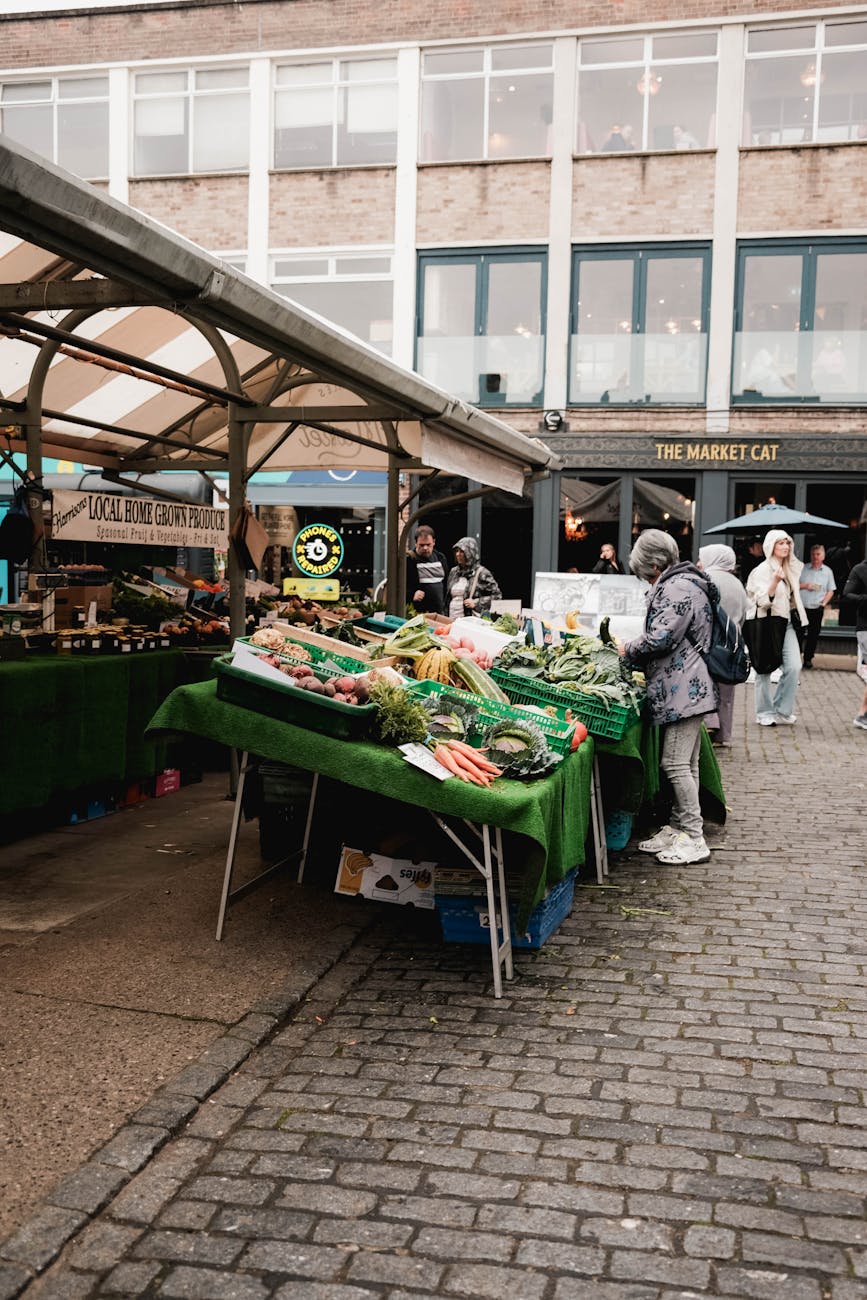
– Eat at neighborhood-owned bistros, shop at Jean-Talon and Atwater markets, and buy local goods from independent shops in Mile End.
– Stay in smaller locally run hotels or guesthouses when possible to keep tourism dollars local.
– Visit less-trafficked neighborhoods (Hochelaga-Maisonneuve, Griffintown) during shoulder seasons to spread economic benefits.
– Pack reusable items (water bottle, tote) — many markets and cafés will refill and accept reusable containers.
– When joining tours, choose operators with clear sustainability practices and small-group options.

Common Mistakes to Avoid
- Assuming French isn’t used: a friendly Bonjour goes a long way.
- Underestimating distances: Montreal is walkable but neighbourhood-to-neighbourhood travel adds time — plan for transit between distant sites.
- Not checking festival dates: summers have overlapping events that can affect hotel rates and dining availability.
- Driving downtown without planning: expect expensive parking and narrow one-way streets.
- Packing light for winter: icy sidewalks and deep snow require sturdy, insulated footwear and layers.
- Expecting markets to run year-round: outdoor stalls are seasonal; many vendors move indoors or reduce hours in winter.
FAQ
When is Montreal at its most affordable?
Late May–June and September often offer better hotel rates and lower flight prices than midsummer. Booking a few weeks in advance for weekends helps.
Is Montreal walkable and when should I avoid driving?
Central neighbourhoods are very walkable. Avoid driving downtown during rush hour and festival weekends; use metro and buses instead.
Do I need to speak French?
No, many people speak English, but polite French greetings are appreciated and open doors in neighbourhood shops and markets.
When are the major festivals and how do they affect visiting?
Major festivals (Montreal Jazz Festival, Just for Laughs) are mainly June–July. They bring crowds and higher prices; if you want to attend, book early; if you prefer quiet, plan for shoulder seasons.
Is Montreal safe in winter and what should I pack?
Yes — Montreal is safe, but winter is cold and walking can be slippery. Pack insulated boots, a warm coat, hat, gloves, and consider traction cleats for icy sidewalks.
Can I do day trips to Quebec City, Ottawa, or Toronto from Montreal?
Yes. Ottawa is about 2 hours by car or VIA Rail; Quebec City ~3 hours; Toronto ~4.5–5 hours by car or train. For the shortest travel time and lower footprint, take VIA Rail or a coach service.
Conclusion
Choose late spring or early fall for the best balance of weather, crowds, and sustainable impact. If you’re planning a short stay, pick a centrally located neighbourhood near a metro stop to maximize time for the 3 days in Montreal itinerary. Reserve key restaurants and festival tickets early, favor public transport and local vendors, and consider day trips to Laval, Ottawa, Quebec City, Toronto, or Niagara Falls depending on your available time. With thoughtful timing and local-first choices you’ll enjoy a smoother, more authentic visit.
How this guide was prepared
This guide was prepared through a structured research that combines destination research, geographic context, itinerary planning logic, and content review.