
3-Day Practical Itinerary and Tips for Zakopane, Poland
A frank 3-day plan for Zakopane with transit tips, realistic costs, cable-car prices, hiking notes, and meal suggestions — practical, honest, and usable.
A direct, usable 72-hour plan for Zakopane covering where to hike, what to skip, transit, local prices and realistic meal and accommodation suggestions.
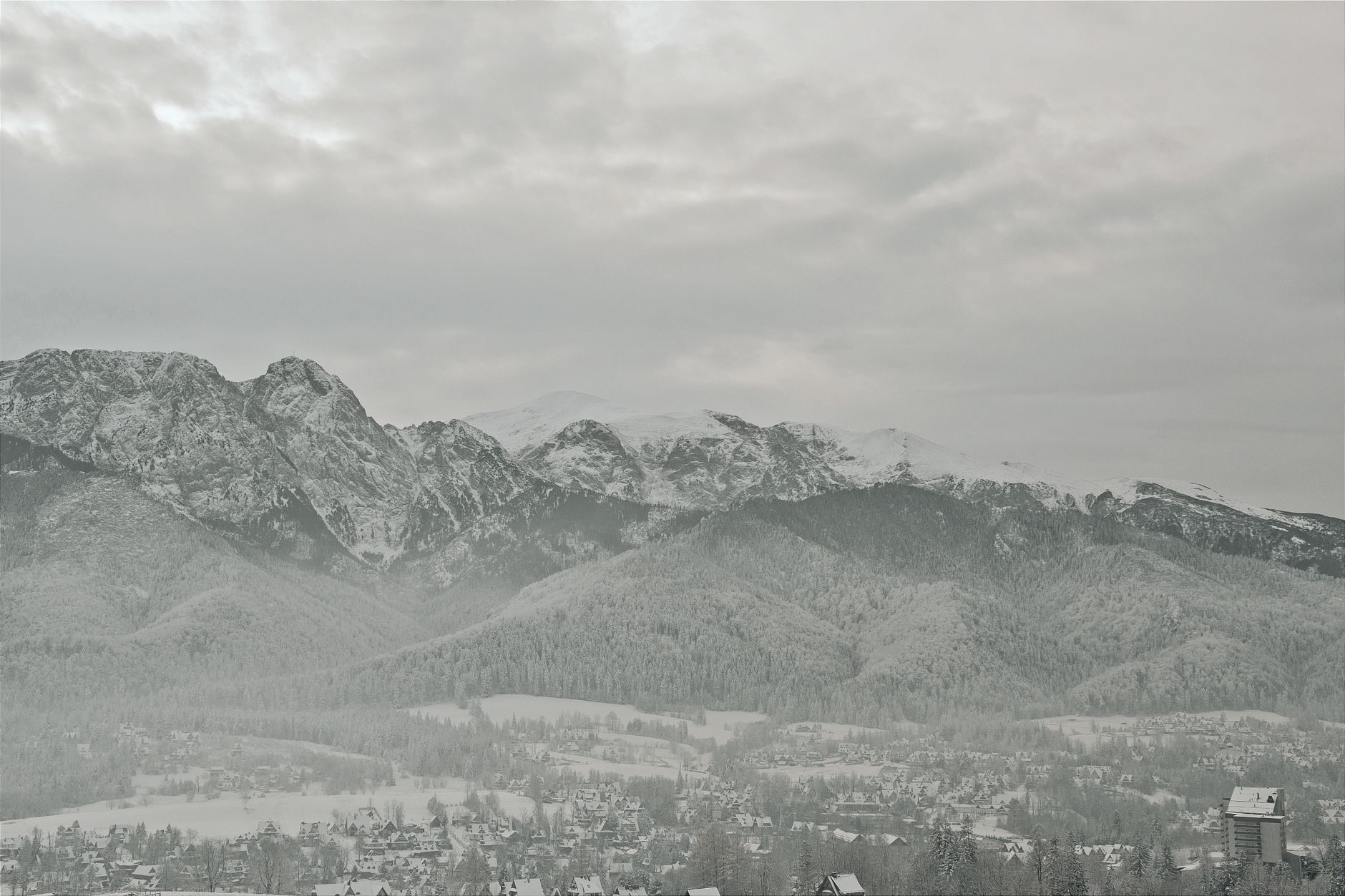
A first impression is often of a working mountain town rather than a polished resort. Street-level energy is loud: souvenir stalls, wood-smoke smell, and transport to trailheads all happen through the same narrow streets. Expect a mix of budget guesthouses, family-run wooden houses, and busy tourist restaurants; prices jump the closer one gets to Krupówki.
Is 3 days in Zakopane enough?
Yes—three days are enough to see the town centre, ride Gubałówka or a cable car to Kasprowy Wierch, and do one full Tatra hike (for example to Morskie Oko or Dolina Kościeliska). Time will not allow multiple long hikes or a relaxed spa day without extending the trip.
Who This Guide Is For
Best for active travellers who want one real mountain day and a dose of local culture; poor fit for someone seeking a slow spa retreat or a heavy museum itinerary.
Local Tips for Zakopane
Practical details that most travel sites skip — specific to Zakopane.
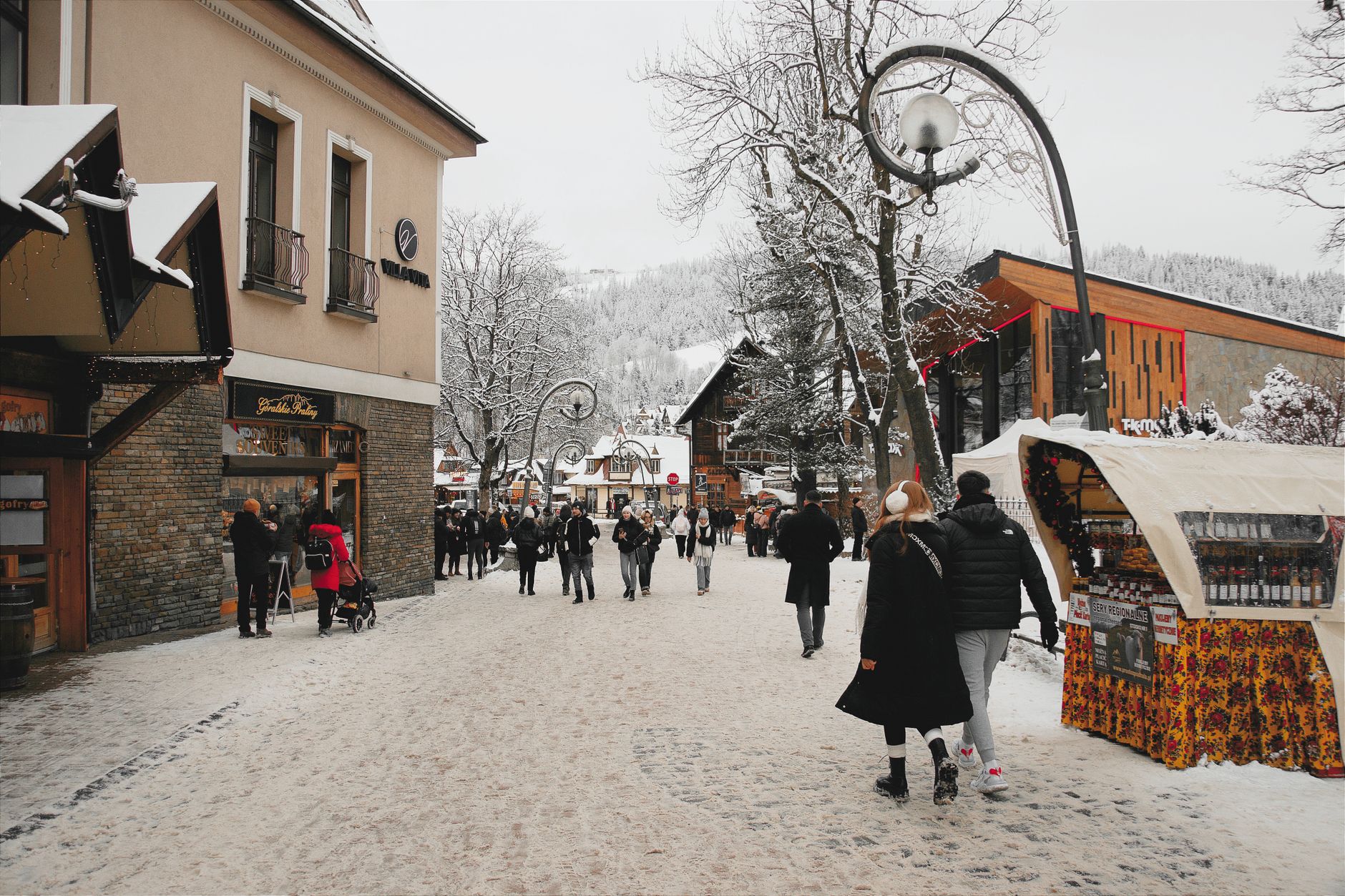
- Krupówki is the main pedestrian street; many cash-only wooden-stall sellers there and some restaurants add a service charge called opłata obsługi — check the menu.
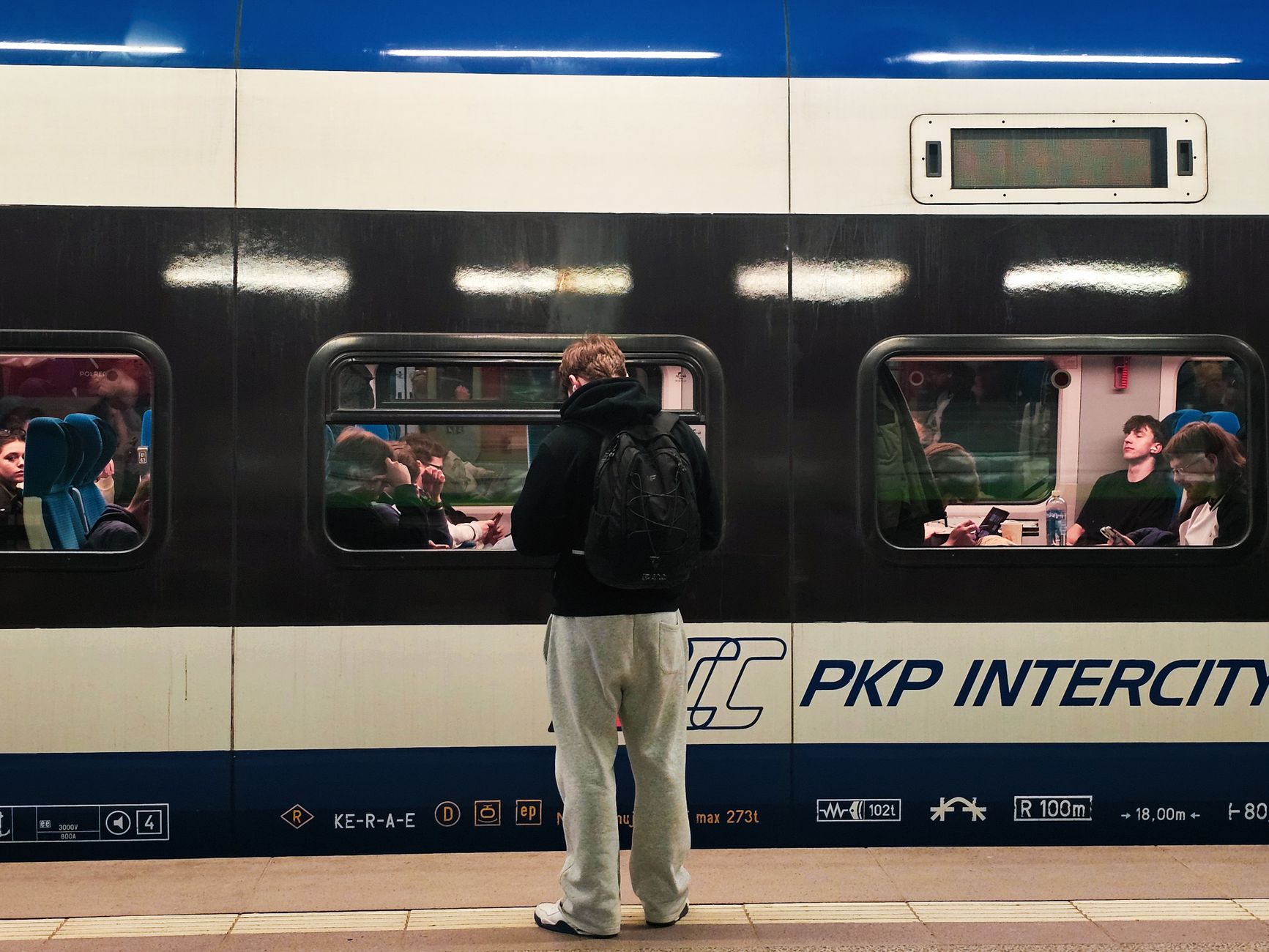
- Take the funicular up Gubałówka from ul. Kolejowa (next to the PKP station) — round-trip tickets are about PLN 40–60 depending on season.
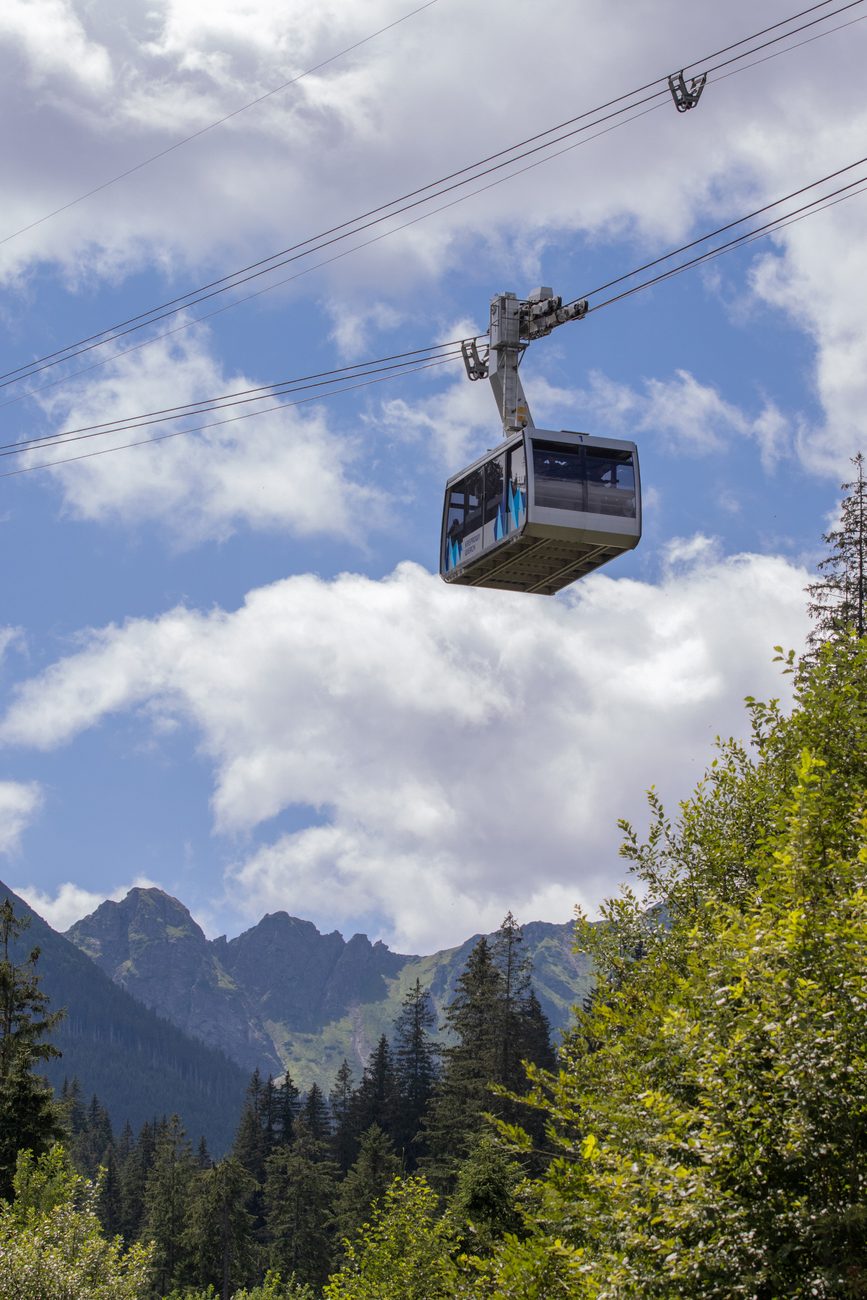
- Kasprowy Wierch cable car departs from Kuźnice; expect roughly PLN 80–140 for a round-trip adult ticket and long lines on sunny weekend mornings.
- Tatrzański Park Narodowy (TPN) enforces trail closures in spring for avalanches and uses marked zones; check the TPN website or the ranger post at Kuźnice before hiking.
- Many guesthouses charge the local tourist tax (opłata klimatyczna) around PLN 2–6 per night and expect to collect it on arrival, cash preferred.
How This Guide Was Prepared
Three days in Zakopane mix serious mountain access and a town centre that acts as a service hub for visitors. Most guides either treat it like a short ski resort or an alpine base; this guide shows how to balance town culture, one mountain day, and one neighbourhood-focused day without overpacking. This guide was prepared through a structured research that combines destination research, geographic context, itinerary planning logic, and content review.
Plan Your Stay in Zakopane
Use this itinerary as your starting point, then compare areas to stay, transport options, seasonal timing, and realistic daily costs before booking.
Why Visit
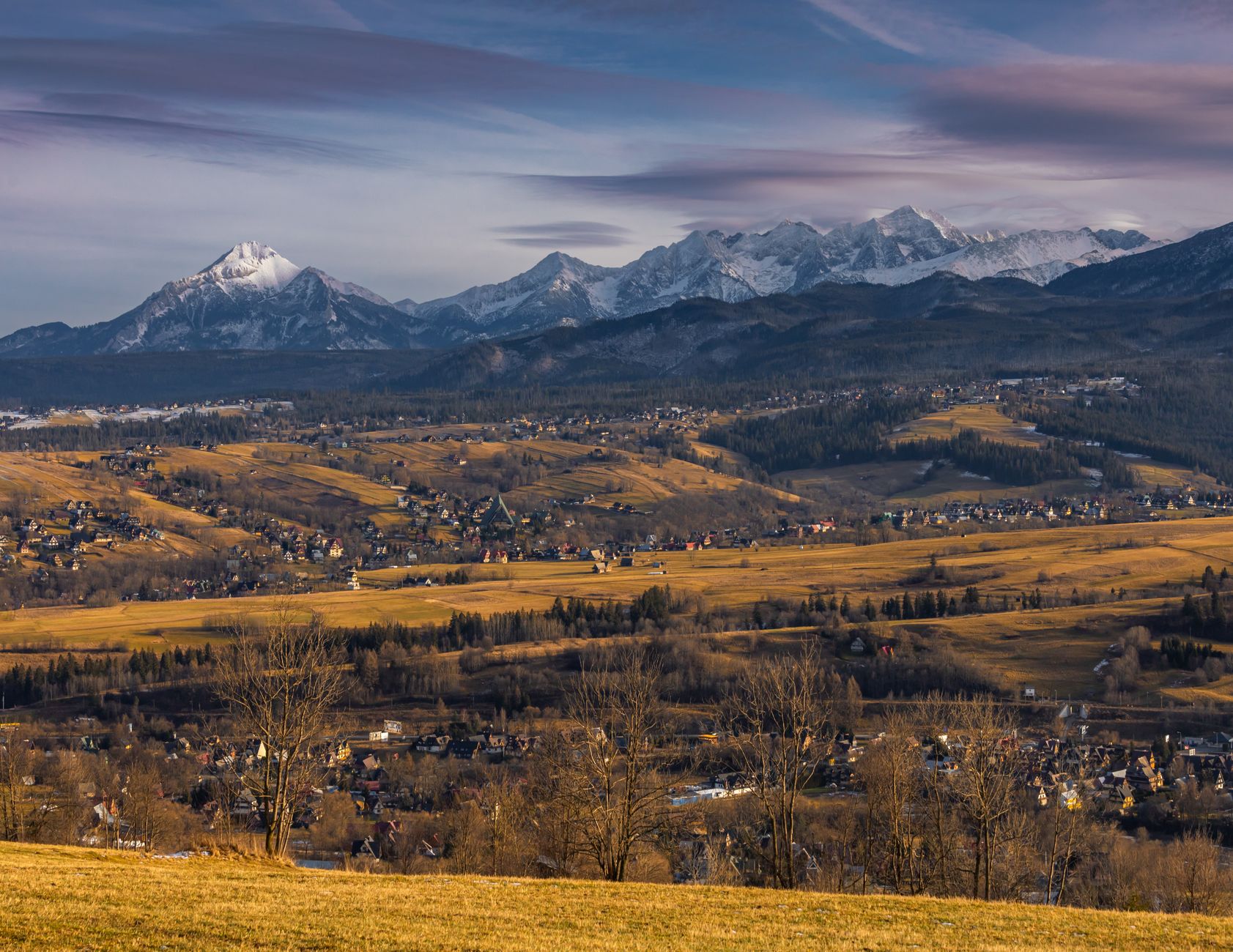
Access to high-altitude hiking within a short transfer gives this town a particular advantage: cable cars and bus links take hikers quickly into Tatra National Park. The town also preserves Góral (highlander) culture visible in regional music at local inns and in smoked sheep cheese (oscypek) sold from roadside stands. A compact centre concentrates shops, quick eateries, the Tatra Museum, and transport hubs so days can be efficient without long commutes.
Quick Planning Tips
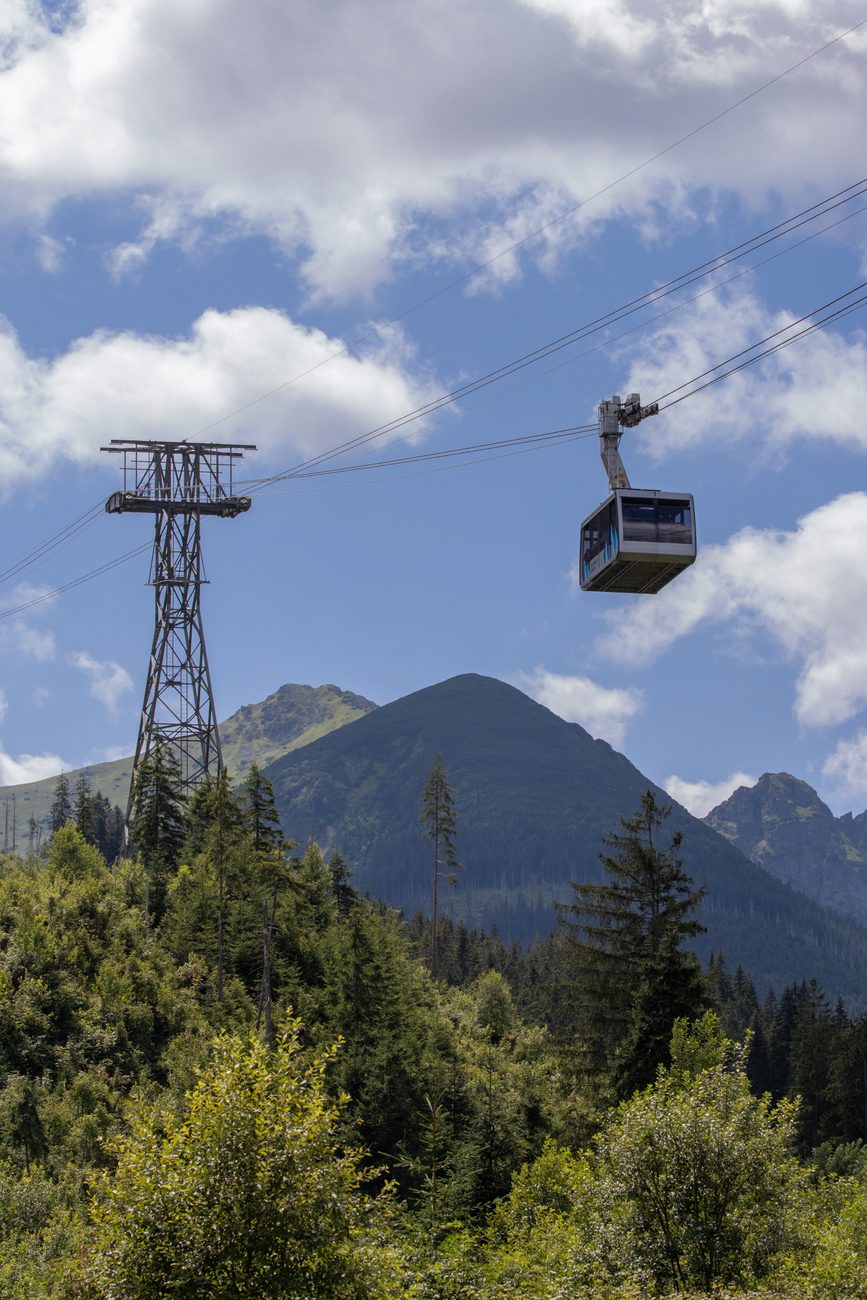
Arrive by train or bus: direct PKP trains run from Kraków Główny and buses depart Kraków MDA; both take about 2.5–3 hours. If flying to Kraków, the FlixBus or private shuttle to Zakopane is cheaper than a taxi—expect about PLN 40–70 by bus compared with PLN 350–450 for a private car to the town. Carry Polish złoty (PLN); small shops on Krupówki and mountain shelters often prefer cash. Avoid booking a full hiking plan without checking TPN trail statuses and the Kuźnice ranger post for closures and avalanche warnings.
Day 1
Start late morning on Krupówki: walk from the PKP station (5–10 minutes along ul. Kolejowa) to get orientation, pick up maps, and check opening times at the tourist office. Midday, ride the Gubałówka funicular from ul. Kolejowa (5–10 minute ride) for easy views and short trails on the ridge; plan 1.5–2 hours including coffee at the top. Return to town for lunch at Restauracja Bacy (ul. Krupówki 17) for local stews and oscypek dishes; typical mains run PLN 30–60.
Day 2
Reserve this day for the high Tatra hike: depart early to Kuźnice by local bus or taxi (10–15 minutes from town centre). From Kuźnice take the cable car to Kasprowy Wierch, or walk the Nosal slopes if seeking a shorter route. For a full-day objective head to Morskie Oko via Palenica Białczańska (bus transfer 60–90 minutes; allow 5–6 hours round-trip walking from the lake’s parking area) or choose Dolina Kościeliska for a less trafficked, flora-rich valley reachable by an MZK bus. Dinner back in the centre at a góral inn (karczma) — try Bryndza gnocchi or smoked lamb.
Day 3
Spend a lower-energy morning exploring the Tatra Museum (ul. Krupówki 10; allow 1–1.5 hours) and the wooden villa quarter around ul. Kościeliska or ul. Chałubińskiego for classic architecture. After checking out, store luggage at the PKP station or a locker service and take the local bus to Dolina Kościeliska for a 2–4 hour walk if flight or train is late afternoon. If an afternoon flight is required, skip valley walks and head to Chochołów Baths (Termy Chochołowskie) for a practical warm-up and luggage-friendly changing rooms before transfer to Kraków. Finish with a late lunch near the station and allow at least 3 hours for road transfer to Kraków airport if flying.
Best Local Experiences
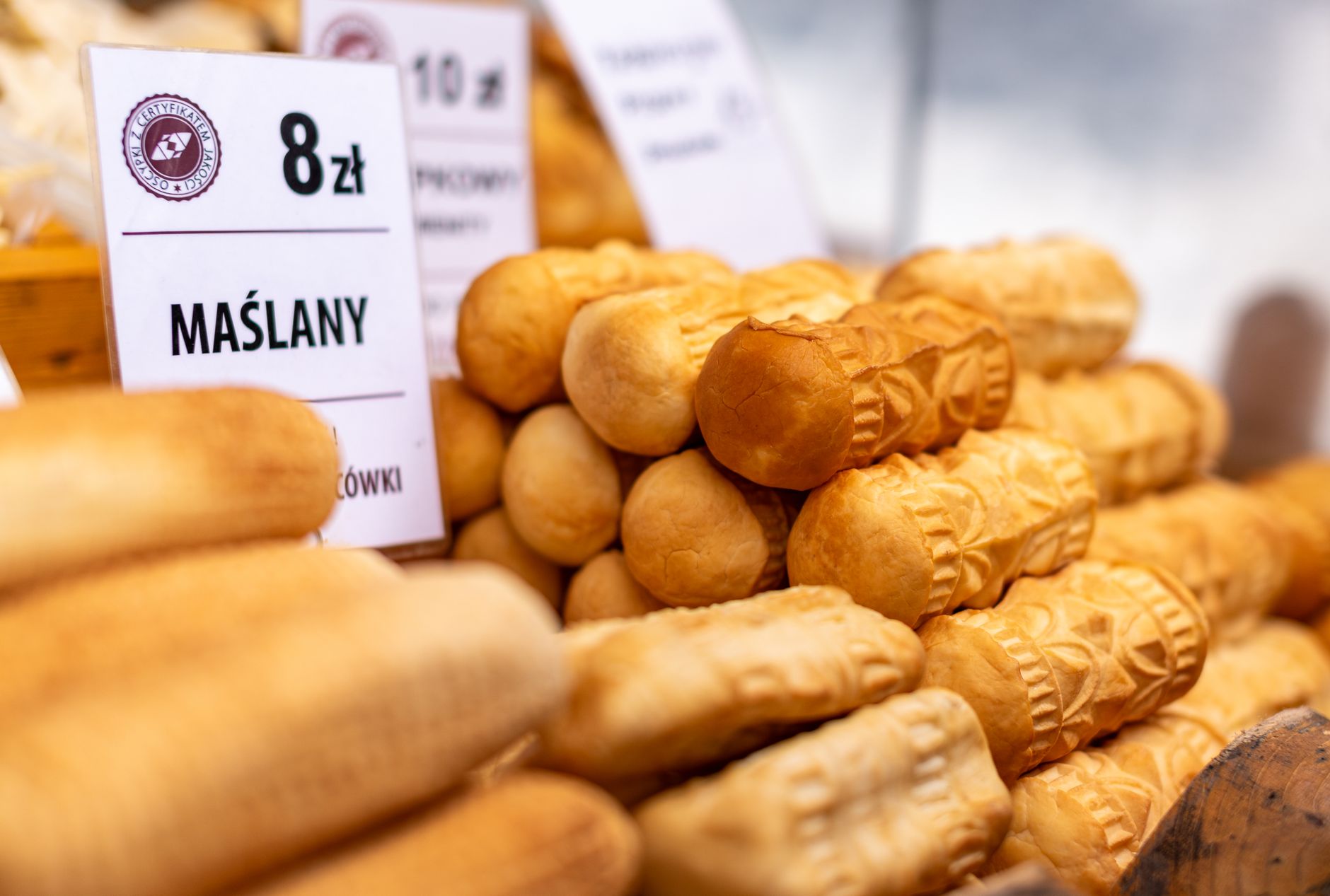
Buy fresh oscypek at the market stalls on Krupówki or at the weekly produce stalls on ul. Makuszyńskiego and compare smoked versions; vendors will grill slices on request. Ride the Gubałówka funicular for a quick panorama and a short ridge walk with food stalls at the top. Take the Kasprowy Wierch cable car from Kuźnice for high-alpine terrain without a full-day climb; be aware of strong sun and wind at the summit. Walk Dolina Kościeliska for limestone features and cave openings; this valley is quieter than Morskie Oko and has shepherd huts serving warm soups. Visit the Tatra Museum for Góral crafts and old mountain photography — it clarifies the local culture that appears in many souvenir forms.
Where to Stay
Centrum (around ul. Krupówki and ul. Kościeliska): best for first-timers who want to be within walking distance of shops, restaurants, and transport. Suits those who want convenience; expect PLN 200–500 per night for mid-range guesthouses (about €45–110 / $50–125). Kuźnice / Soła area: closest to trailheads and cable cars, best for early hikers who want to start at dawn; small pensions and hostels typical PLN 180–400 per night (€40–90 / $45–100). Olcza and Ząb: quieter residential zones with cheaper family run rooms and cheaper parking; suits self-drive visitors and families. Expect PLN 140–300 per night (€30–65 / $35–75).
Food and Drink
Oscypek: smoked sheep’s cheese, often served grilled with cranberry jam; buy from Krupówki stalls or try at Restauracja Bacy; approx PLN 10–20. Bryndza: salty soft sheep cheese used in dumplings and spreads; sample at local karczmas; a serving in a starter costs around PLN 8–18. Kwaśnica: traditional sauerkraut soup with smoked ribs, available in mountain inns; expect PLN 20–35 for a full bowl. Moskal or mountain tea (herbal infusions): found in inns and shelters as a warming drink for PLN 6–12. Breakfast option: sweet rolls and strong coffee from a local cukiernia on ul. Krupówki or ul. Nowotarska, around PLN 8–20; many small cafes open early for hikers.
Getting Around
Trains: PKP Intercity and regional SKA trains connect Kraków Główny with the town station; journey time about 2.5–3 hours. Buses: regional operators (FlixBus, Szwagropol) and local MZK Zakopane buses connect to trailheads and neighbouring valleys; main stops along Krupówki and at the bus station on ul. Kolejowa. Single local bus tickets cost about PLN 4–8; day passes run roughly PLN 10–20 depending on zones. Taxi and transfers: private transfers from Kraków Balice airport usually cost PLN 350–450; shared shuttles and buses are far cheaper. Use the Jakdojade app for local bus schedules and the PKP Mobile app for train tickets.
Best Time to Visit
Summer (June–September) offers the most reliable access to high trails and alpine cabins; daytime temperatures typically 15–25°C, cooler above 1,500m. Late spring (May) and early autumn (October) are cheaper and quieter but expect trail closures and variable weather; temperatures range 5–18°C with possible snow at altitude. Winter (December–March) suits skiers and snowboarders; daytime temps often -5 to 5°C and avalanche risk can close certain routes. Value months: late April–May and September when accommodation is cheaper but check trail status before booking.
Budget and Practical Tips
Daily budget realistic breakdown per person: budget traveler PLN 200–300 (€45–65 / $50–75) including dorm or budget guesthouse, cheap meals, and local buses. Mid-range traveler PLN 400–700 (€90–155 / $100–170) for a private room, two meals in modest restaurants, local transport and one cable car ticket. Entry fees and extras: Tatra Museum PLN 8–20; Gubałówka funicular PLN 40–60; Kasprowy cable car PLN 80–140. Tipping: round up for small bills in cafes; 10% in restaurants is appreciated but not always expected.
FAQ
Is Zakopane safe for solo hikers?
Mountain safety depends on route and weather; day routes like Gubałówka and Dolina Kościeliska are well-trafficked, but alpine routes require experience and an equipment check. Always check the TPN ranger post in Kuźnice for closures and avalanche risk.
How to get from Kraków airport to town?
Shared shuttles and FlixBus are cheapest (PLN 40–70); private taxi/transfers cost PLN 350–450 depending on luggage and time. Book shuttles in advance in high season.
Is a town or park pass worth it?
No single town pass covers everything; TPN issues no general visitor pass but individual services (cable cars, funicular) require separate tickets. Buy each ticket as needed.
Are there guided hikes available?
Yes; certified TPN guides sell half- and full-day walks from Kuźnice and the tourist office—expect PLN 150–400 depending on group size and route.
Can cards be used everywhere?
Credit cards work in most hotels and larger restaurants, but small vendors, mountain shelters and parking meters often prefer cash. Carry at least PLN 100–200.
Is public transport frequent to trailheads?
Local buses run regularly to Kuźnice and Dolina Kościeliska but frequency drops early morning and late evening; consult Jakdojade for schedules.
Conclusion
Three days provide a clear view of what the mountain region offers: one substantial hike, a ridge or cable-car ride, and a couple of town experiences. Travellers will most likely remember the contrast between busy Krupówki and quiet mountain valleys. If time runs short, prioritise one mountain day (Kasprowy Wierch or Morskie Oko) and a short Gubałówka visit; that combination gives the clearest sense of the area.
How this guide was prepared
This guide was prepared through a structured research that combines destination research, geographic context, itinerary planning logic, and content review.