

Fort Myers: A Practical 3-Day City Guide and Itinerary
Clear 3-day plan for Fort Myers covering the River District, Edison & Ford Winter Estates, Sanibel/Ding Darling, beaches, transit and realistic budgets.
A no-nonsense, three-day plan for Fort Myers that balances downtown history, barrier-island beaches and wildlife refuges with transit and budget tips for realistic travel.
First impressions are a mix of a low-rise riverfront downtown, palm-lined McGregor Boulevard and quick access to barrier islands. The River District around First Street has painted storefronts, waterfront parks and a compact walkable area that feels more active in the evenings than during the day. Traffic is light compared with larger Florida metros but pockets of congestion appear around the Sanibel Causeway, the Fort Myers Beach bridge and the I-75 ramps at rush hour. Visitors often expect island resort polish but will find a working small city with good museums, fishing charters and easy day trips to Sanibel or Captiva.
Is 3 days in Fort Myers enough?
Yes — three days is enough to sample downtown waterfront, Edison & Ford Winter Estates, and one barrier island (Sanibel or Fort Myers Beach) plus a nature preserve. Expect to skip slow, detailed exploration of both islands or multiple refuge trails unless more time is added.
Who This Guide Is For
Best for travelers who like short walks, museums, and easy access to beaches and nature; not ideal for people expecting extensive public transit or those wanting a single slow beach-resort week.
Local Tips for Fort Myers
Practical details that most travel sites skip — specific to Fort Myers.
- Use the LeeTran mobile app (search 'LeeTran') for bus tracking; a single cash fare is about $2 and the 24-hour day pass runs roughly $4 when bought in-app.
- Edison & Ford Winter Estates at 2350 McGregor Blvd lists adult admission near $25; timed tickets sell out on weekend mornings during high season, so prebook.
- Sanibel Causeway carries a cashless toll (roughly $6 one way for a standard vehicle); plan the toll into rental car budgets when visiting Sanibel/J.N. 'Ding' Darling.
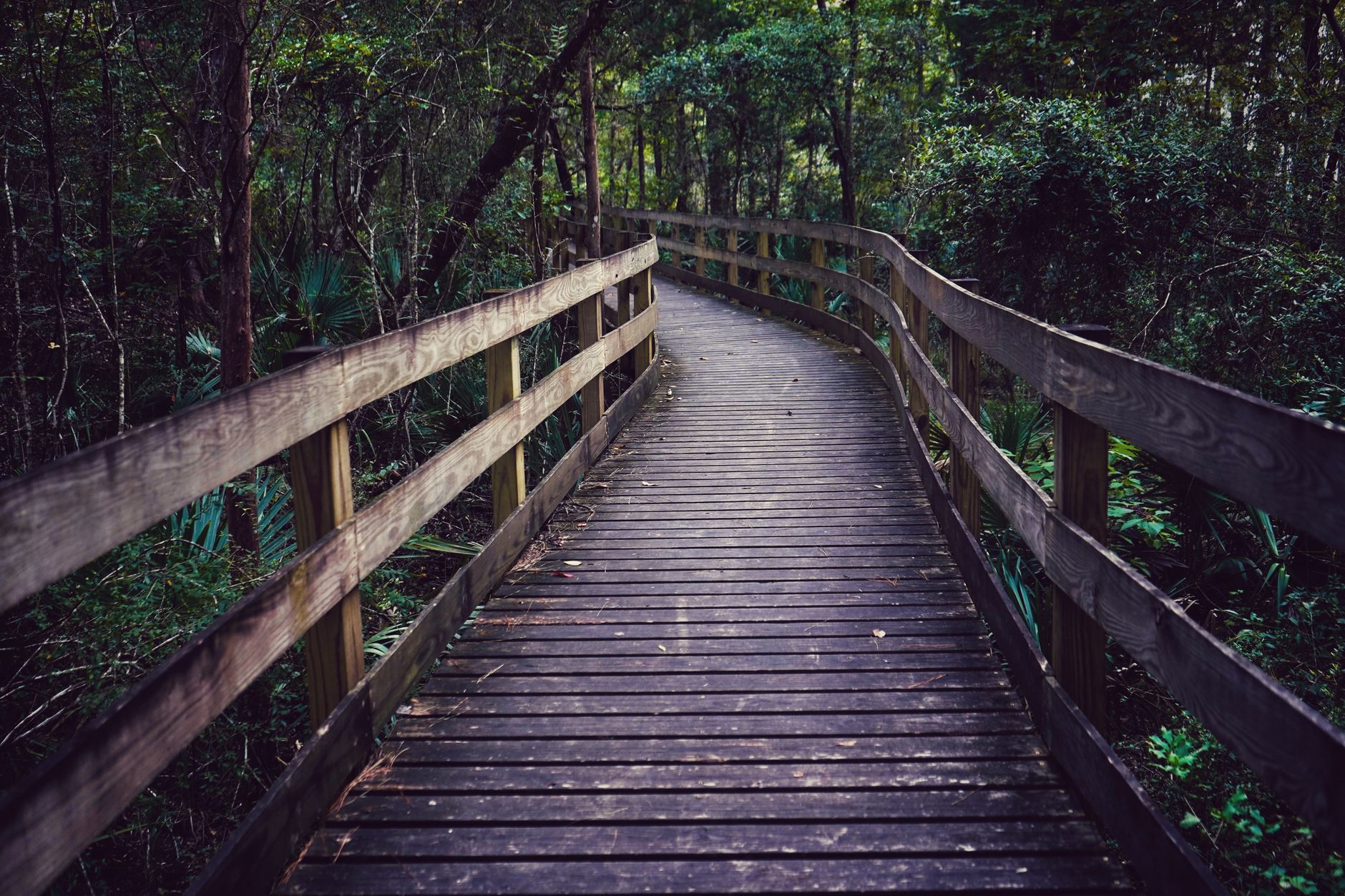
- Six Mile Cypress Slough Preserve off Metro Pkwy has a boardwalk and popular morning guided walks; parking is limited so arrive before 9:30 a.m. during winter season.
- The J.N. 'Ding' Darling National Wildlife Refuge on Sanibel charges about $10 per vehicle for refuge entry (valid several days) — that fee often covers multiple island activities in one pass.
How This Guide Was Prepared
Three days in Fort Myers gives a compact mix of riverfront history, barrier-island nature and a surprisingly local food scene. Most guides over-focus on beaches; this guide balances the River District and two very different island escapes while being frank about limited public transit and seasonal crowd spikes. This guide was prepared through a structured research that combines destination research, geographic context, itinerary planning logic, and content review.
Plan Your Stay in Fort Myers
Use this itinerary as your starting point, then compare areas to stay, transport options, seasonal timing, and realistic daily costs before booking.
Why Visit
Riverfront history is concentrated in a small area: Edison & Ford Winter Estates (McGregor Blvd) offers inventor-era gardens and preserved lab buildings that are rare outside major museum cities. Barrier-island wildlife on Sanibel and at J.N. 'Ding' Darling provides easily accessible birding and shelling without long drives. Neighborhood variety is compact and walkable; the River District has galleries and dinner spots within a few blocks, Six Mile Cypress Slough Preserve gives a short boardwalk immersion in subtropical wetlands, and Fort Myers Beach puts a wide public beach and pier a short drive from downtown. Practical advantages include a single local airport (RSW) with many domestic connections and affordable mid-range hotel options close to both downtown and the beaches.
Quick Planning Tips
Fly into Southwest Florida International Airport (RSW); from RSW to downtown expect a 25–35 minute taxi or rideshare ride depending on traffic, roughly $35–55. If driving, note the Sanibel Causeway toll (about $6 one-way) when budgeting. Use the LeeTran mobile app for local bus schedules and buy digital fares there — cash is accepted but less convenient. Pack reef-safe sunscreen for beaches and a light rain jacket from June through September when afternoon showers are common. Avoid assuming full-service public transit to islands; renting a car or arranging a shuttle is the simplest way to reach Sanibel, Captiva or Fort Myers Beach on a tight schedule.

Day 1
Morning: Start at Centennial Park on the Caloosahatchee River; stroll the riverwalk and watch local fishing boats. The park is adjacent to the downtown marina and a short 5–10 minute walk to the River District shops and cafes.
Late morning: Walk two blocks to the IMAG History & Science Center on Bay Street for interactive exhibits and a small aquarium; plan 90 minutes to two hours. The IMAG sits about a 5–10 minute walk from Centennial Park.
Lunch: Eat at The Veranda on First Street or Pinchers Crab Shack at the marina for a fresh grouper sandwich; both are within a 5–12 minute walk from IMAG. Budget about $15–30 per person.
Afternoon: Visit the Edison & Ford Winter Estates on McGregor Boulevard — it’s a short 10–15 minute drive (or 8 minutes by rideshare) from downtown. Allow two to three hours for the house tours, gardens and museum displays.
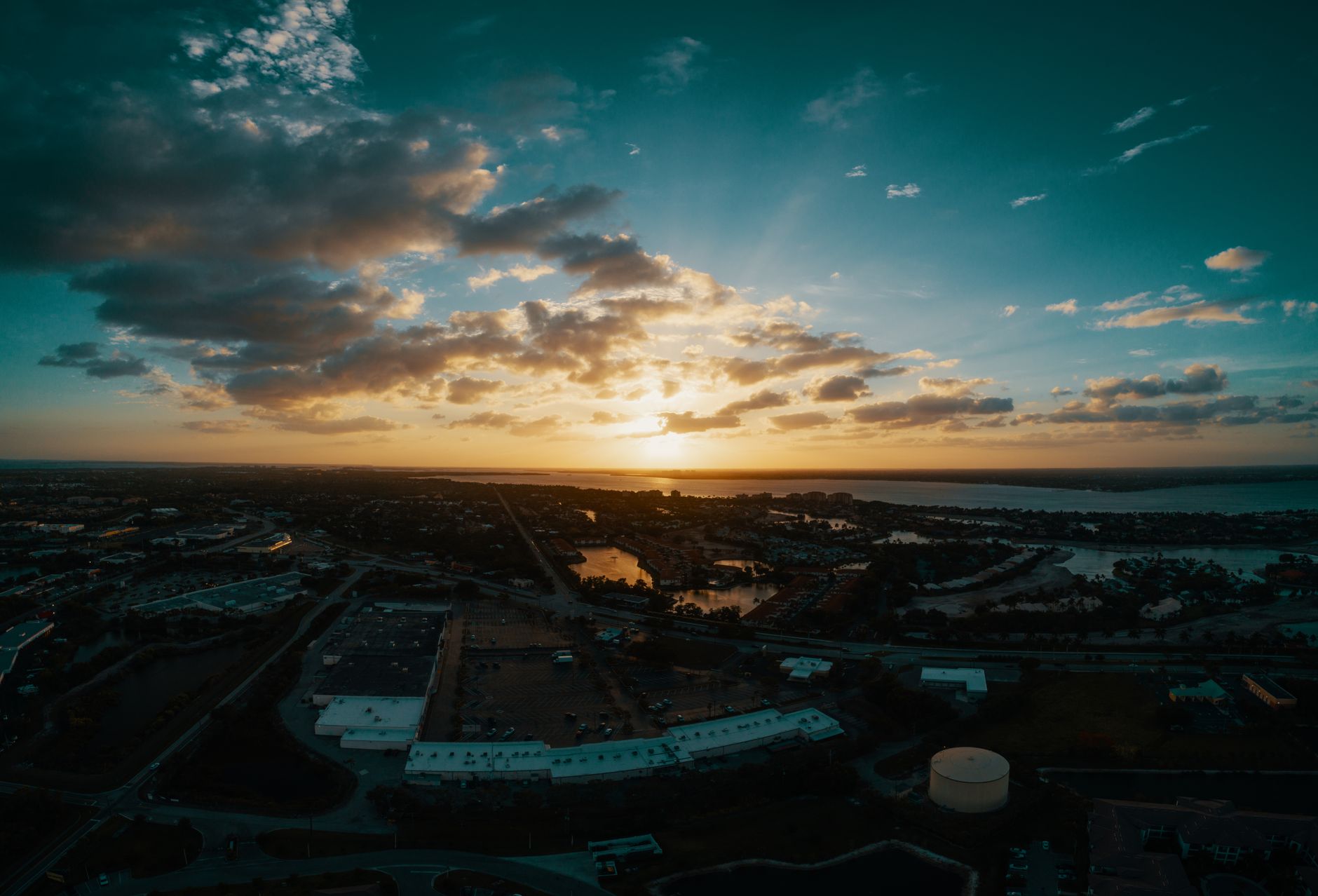
Evening: Return to the River District for dinner at a waterfront restaurant, then catch a sunset from the riverwalk near the Edison Bridge. Downtown nightlife tends to be concentrated on First and Bay streets; late-evening options include live music venues and riverside patios.
Day 2
Morning: Head south to Six Mile Cypress Slough Preserve (about a 15–20 minute drive from downtown). Walk the boardwalk early to avoid crowds and bugs, and check the visitor center for ranger programs. Allocate 60–90 minutes for the preserve.
Late morning: Drive to the Shell Factory & Nature Park in North Fort Myers for a kitschy, family-friendly stop; expect a 20–25 minute drive from Six Mile Cypress. The Shell Factory combines a small zoo, amusement-area and large gift shop — useful as an unexpected detour especially with children.
Lunch: Stop at a local seafood restaurant along McGregor Boulevard or at Matanzas on the Bay for waterfront views; driving between these stops takes 10–20 minutes depending on route.
Afternoon: Visit Manatee Park on Ortiz Avenue for shallow-water viewing areas and, seasonally, manatee sightings; the park is about a 15–20 minute drive from the Shell Factory. Alternatively, book a late-afternoon Caloosahatchee River cruise departing from the downtown marina for a different perspective on the estuary.
Evening: Dine in the River District or try a casual pier restaurant at Fort Myers Beach if the plan includes a quick island sunset. Driving to Fort Myers Beach from downtown typically takes 25–35 minutes without heavy traffic.
Day 3
Option A — Sanibel/Ding Darling full-day: Drive to Sanibel (allow 35–50 minutes from downtown, including causeway). Start at the Sanibel Lighthouse for shelling, then head to J.N. 'Ding' Darling National Wildlife Refuge for birding and a refuge drive; allow at least half a day. Refuge vehicle entry fee is about $10 and covers several days of access.
Option B — Fort Myers Beach half-day: For a shorter day, leave early for Fort Myers Beach and spend the morning at the public beach and Times Square area, then return to town by early afternoon. Parking at Fort Myers Beach can be limited on weekends; plan an early arrival.
Afternoon (for both options): If checking out of a hotel, use the hotel luggage hold or arrange a late checkout; many downtown hotels will store bags for a few hours. Return to downtown for a final walk along the riverwalk, visit any missed galleries or shops, and grab a late lunch near Heitman Street.
Practical note for departures: If flying from RSW on an afternoon flight, aim to leave Sanibel/Beach by mid-morning to allow time for tolls, rental-car return and the 25–35 minute drive to the airport. Rideshare to RSW typically needs 30–45 minutes from downtown when allowing for pickup times.

Best Local Experiences
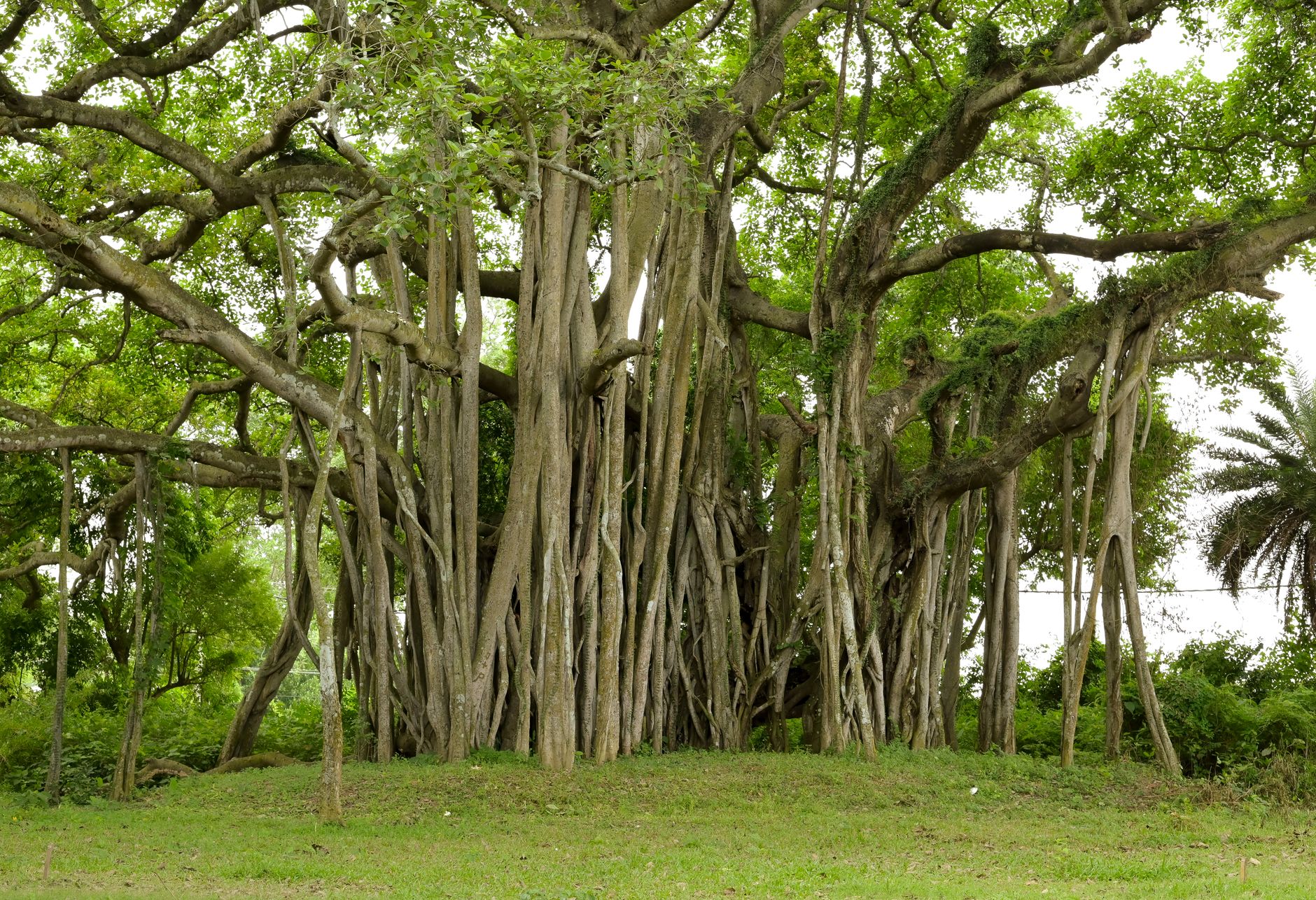
Edison & Ford Winter Estates — sunset gardens and the museum complex on McGregor Boulevard offer inventor-era context and unique banyan tree groves. J.N. 'Ding' Darling National Wildlife Refuge on Sanibel — drive the wildlife loop early for shorebirds, raptor sightings and several short trails. Shelling on Sanibel’s beaches — the east end near the lighthouse is most consistent for whole shells after calm seas. Six Mile Cypress Slough Preserve — a short boardwalk that feels far removed from the urban grid; best at sunrise for bird activity. Caloosahatchee River sunset cruise — small-boat operators run short evening cruises from the downtown marina and are the most relaxed way to see the estuary and city skyline. Additional local options include a morning fish market stop near the marina for fresh catch, a manatee-watch at Manatee Park during cooler months, and a photo stop at the historic Edison & Ford banyan walkway.

Where to Stay
River District / Downtown: Best for evening restaurants, walks along the Caloosahatchee, and immediate access to IMAG and Centennial Park. Suits travelers who want nightlife and museums a short walk away. Mid-range hotels and boutique options typically run $120–$250 per night (≈ €110–€230 / $120–$250).
McGregor Boulevard / Edison area: Near Edison & Ford Winter Estates and quieter residential streets. Suits travelers who prefer a historic setting with short drives to downtown and beaches. Expect small inns and chains for $140–$270 per night (≈ €130–€250 / $140–$270).
Fort Myers Beach / Times Square: Best for beach-first trips and sunset walks; quieter in weekday shoulder seasons but busy in winter. Suits people prioritizing sand and surf over downtown nightlife. Beach hotels typically run $180–$350 per night in high season (≈ €165–€325 / $180–$350).
Food and Drink
Grouper sandwich — locally caught grouper, often pan-seared or blackened; recommended at Pinchers or local dockside shacks, $12–$20. Stone crab (seasonal, mid‑October to mid‑May) — sold by the pound at waterfront restaurants or fish markets; expect $30–50 per pound in season. Conch fritters — fried seafood balls found at island eateries on Captiva and Sanibel, usually $6–12 as a snack. Cuban sandwich — common across southwest Florida; a good version appears at local delis or cafés for $8–12. Key lime pie — expect tart, creamy slices at dessert counters and full-size pies to buy at bakeries and seafood restaurants for $4–8 per slice or $15–30 for whole pies. Breakfast option: head to a local café or bakery in downtown River District for eggs benedict or a breakfast sandwich, $8–15. Dinner recommendation: waterfront restaurants along the River District or Matanzas on the Bay for seafood entrees in the $20–40 range.
Getting Around
LeeTran is the county bus system; use the LeeTran mobile app for routes and digital fares. Single rides on LeeTran cost about $2 and a 24-hour day pass is roughly $4 when purchased in-app. Major streets include McGregor Boulevard, Cleveland Avenue (SR 82), Colonial Boulevard and San Carlos Boulevard toward the beach.
Rideshare services (Uber, Lyft) are reliable for reaching the airport (RSW) or barrier islands when bus service is impractical. Taxi or rideshare from RSW to downtown runs about $35–55 depending on time of day. Renting a car is the most practical choice for island access and flexibility; parking in downtown River District is metered in some blocks and free in others — read signage carefully. Useful apps: LeeTran (schedule and mobile fares), Google Maps for transit routing, and a rideshare app for on‑demand trips.
Best Time to Visit
High season (December–April): Sunny days, mild evenings, daytime highs 68–80°F (20–27°C). Crowds and hotel rates peak during winter months and big holidays. Shoulder seasons (November and May): Cooler water, fewer crowds and better hotel values; daytime temps 72–86°F (22–30°C). Summer (June–September): Hot, humid with frequent afternoon thunderstorms and hurricane season considerations. Daytime highs 85–92°F (29–33°C). For best value and a balance of weather and crowd levels, aim for late October–early December or April–May.
Budget and Practical Tips
Daily budget (mid-range traveler): Accommodation $120–200 (≈ €110–€185 / $120–$200); food $40–75 (≈ €37–€70 / $40–$75); local transport and occasional rideshare $10–35 (≈ €9–€32 / $10–$35); attractions/entry fees $10–40 (≈ €9–€37 / $10–$40). Expect a single-night mid-range total of $200–350 including a modest dinner and one paid attraction.
Tipping norms follow U.S. standards: restaurants 15–20% pre-tax for full service; $1–2 per drink at bars; $2–5 for valets and bell staff; 10–15% for taxi or rideshare if service was good. Bring sunscreen and insect repellent for preserves; some preserves and refuges have small entry fees cashless only, so a card is necessary. Book timed-entry attractions like Edison & Ford during winter weekends to avoid sold-out morning slots.
FAQ
Is Fort Myers safe for solo daytime walks?
Yes, downtown River District and the riverwalk are generally safe in daylight; normal urban caution applies after dark and stay in well-lit, populated streets.
What is the easiest way to get to Sanibel or Captiva?
Driving is simplest; rental cars or paid shuttles cover the Sanibel Causeway. Public transit does not provide direct frequent service to the islands.
Is a city card or pass worth buying?
No widely used single 'city pass' exists; buy tickets to specific attractions (Edison & Ford, IMAG) separately — timed tickets are more useful than a general pass.
Can public transit reach Fort Myers Beach and Sanibel?
LeeTran serves parts of Fort Myers and some coastal routes, but service to beaches and islands is limited; rideshare or car rental is recommended for island access.
Are there seasonal wildlife concerns to plan for?
During winter, manatees concentrate in warm-water sites like Manatee Park; birding is strongest from late fall through spring. Summer brings mosquitoes and afternoon storms.
How far is Southwest Florida International Airport (RSW) from downtown?
RSW is about a 25–35 minute drive to downtown without heavy traffic; allow extra time during morning or evening rush.
Is shelling on Sanibel free, and when is best?
Shelling is free on public beaches; calm seas after a passing storm or early morning low tide often yield the best finds. Bring a shallow bucket and rinse shells if planning to bring them home.
Are there good options for families with kids?
Yes — IMAG History & Science Center, the Shell Factory, and Six Mile Cypress Slough offer child-friendly programs and short walks.
Conclusion
Three days delivers a solid cross-section of what the area offers: River District history and dining, one major museum and a single island or preserve visit. The most memorable experiences tend to be the Edison & Ford gardens and a morning on Sanibel or an estuary sunset cruise. If time runs short, prioritize the Edison & Ford Winter Estates and a short wildlife drive at J.N. 'Ding' Darling or the Six Mile Cypress boardwalk — those two capture both human and natural sides of the region.
How this guide was prepared
This guide was prepared through a structured research that combines destination research, geographic context, itinerary planning logic, and content review.