
Fredericksburg, Virginia: Honest 3-Day Travel Itinerary
A practical 3-day guide to Fredericksburg, VA with Old Town routes, battlefield options, transit tips, and realistic costs for weekend planning.
A no-nonsense 72-hour plan for Old Town, the Civil War sites, and the riverfront with transit options and realistic budgets.
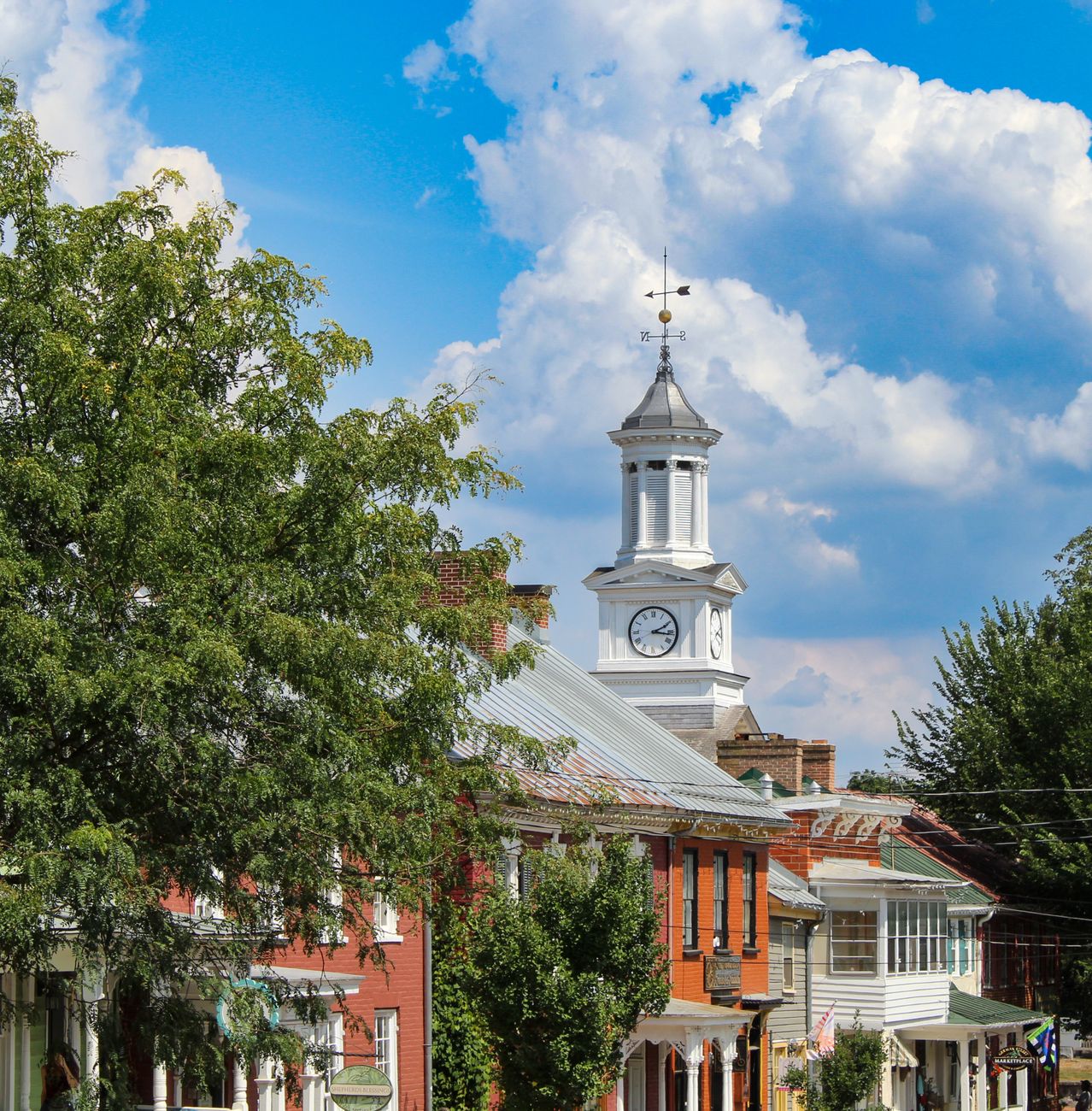
Old Town gives a first impression of brick sidewalks, low-slung storefronts, and a riverfront that frames historic houses and modern cafes. The town's pace is deliberate: visitors will find more museums open in the morning and restaurants livelier in the early evening, with families and local shoppers concentrated near Caroline Street. Expect a clear Civil War presence — battlefield markers, park driving tours, and interpretive exhibits dominate many attractions, and that focus shapes the visitor experience more than contemporary skylines. Quiet residential blocks and the University of Mary Washington campus sit close to the core, so walking a few blocks will move from tour groups to local life quickly.
Practical realities become obvious on arrival: some attractions have short hours, chain hotels concentrate along I-95, and public transit options focus on the rail corridor into Washington. This plan lays out a compact three-day rhythm that balances Old Town on foot, a day with battlefield and riverfront sites, and a lighter final morning for travel connections or last-minute shopping.
Is 3 days in Fredericksburg enough?
Yes — three days is enough to get a solid feel for Old Town, visit one or two battlefield sites and a house museum, and leave with a sense of local food and riverfront life. The caveat: skipping broad coverage of all four national park battlefields is necessary; those require extra driving and time.
Who This Guide Is For
Best for history-minded travelers, short-break couples, or anyone who wants a slower alternative to a DC weekend. Not ideal for travelers seeking a big-city nightlife or extensive museum crawls.
Local Tips for Fredericksburg
Practical details that most travel sites skip — specific to Fredericksburg.
- Catch the VRE Fredericksburg Line to Union Station for a one-seat rail trip to Washington; buy tickets via the VRE app or on board (cash not accepted on the app).
- Old Town metered parking often uses ParkMobile (zone numbers posted on signs); plan for $1.50–$2.00 per hour and frequent enforcement on weekends.
- The Fredericksburg Area Museum and Hugh Mercer Apothecary have limited weekday hours; check their websites before planning a morning visit.
- Buy an Amtrak Northeast Regional ticket to Fredericksburg for flexible arrival/departure times; fares vary but can be competitive with driving when booked in advance.
- FRED buses serve Old Town and hospital/UMW areas; single-ride fares are low (roughly $1–$2) and exact-change rules can apply on some routes.
How This Guide Was Prepared
This guide treats Fredericksburg as a compact historic small city with a strong Civil War presence and a walkable Old Town, not as a quick stop on a DC run. Many guides over-focus on single sites or romanticize the downtown; this plan balances battlefield time, museum openings, and where to eat or sleep within realistic distances and opening hours. This guide was prepared through a structured research that combines destination research, geographic context, itinerary planning logic, and content review.
Plan Your Stay in Fredericksburg
Use this itinerary as your starting point, then compare areas to stay, transport options, seasonal timing, and realistic daily costs before booking.
Why Visit
There are concentrated Civil War resources here: the Fredericksburg unit of the Fredericksburg and Spotsylvania National Military Park includes a visitor center, marked lines of battle, and short self-guided loops that give context to the campaigns around 1862–1864. Those interested in domestic life and early America can tour Kenmore Plantation and the Mary Washington House to connect social history with the battlefield narrative. Old Town's walkable shopping and restaurant stretch along Caroline and Princess Anne Streets makes it easy to sample local food without long drives between stops. Finally, rail access via the VRE Fredericksburg Line and Amtrak Northeast Regional makes the town unusually accessible for a short trip from Washington or Richmond, which removes the need to drive for many travelers.
Quick Planning Tips
Rail travelers should use VRE to Union Station or Amtrak Northeast Regional to Fredericksburg Station; buying VRE tickets on the VRE app or at the station is easiest for round trips. From Reagan National Airport (DCA) reach Union Station via the Metro (use a SmarTrip card) and then VRE, or expect a taxi or ride-hail to take about 60–90 minutes depending on traffic.
Bring US dollars and a credit card; many small Old Town shops accept cards but some specialty vendors prefer cash. For parking use ParkMobile where meters are in effect and note posted zone numbers; parking enforcement is active on weekends and evenings. Avoid the planning error of assuming every historic house opens daily: consult museum hours, especially during winter or on federal holidays, before setting an itinerary.

Day 1
Begin at Fredericksburg Station (VRE / Amtrak) and plan 10–20 minutes to walk into Old Town along Princess Anne Street and across the canal. Head first to the Fredericksburg Area Museum for local exhibits and a quick orientation; expect a 1–2 hour visit depending on current exhibits. From there walk three blocks to the Hugh Mercer Apothecary Shop and the adjacent Rising Sun Tavern site for short tours that explain colonial-era medicine and tavern life; combined time 45–90 minutes.
Lunch on Caroline Street at Foode (farm-to-table cafe on or near Caroline) or a comparable Old Town eatery; plan 45–60 minutes. After lunch stroll to the Mary Washington House (about a 5–10 minute walk) to see period rooms and exhibits tied to family life in the 18th century. Late afternoon, cross to the riverfront and spend 30–45 minutes at the Rappahannock River Heritage Trail and the Riverview Park areas for views and photo stops.
For dinner choose a sit-down option on Caroline Street such as Castiglia's or another locally reviewed restaurant; expect mains $18–30. End the evening with a short walk along the canal or catch local live music at a pub near William Street if schedules align; most places host music on weekend nights.

Day 2
Dedicate this day to battlefield landscapes and a larger house museum. Start at the Fredericksburg Battlefield Visitor Center (drive or take a short taxi; rail/bus connections are limited for battlefield loops) and allow at least 2–3 hours for the visitor center, the guided film or orientation, and the core walking routes. After the battlefield loop drive 10–20 minutes to Chatham Manor for tours of the house and riverside gardens; combined visit time 60–90 minutes. Chatham sits directly across the river from parts of Old Town and offers both interior rooms and extensive grounds.
In the afternoon travel to Ferry Farm (George Washington's childhood farm) — about a 10–15 minute drive from Chatham — for the site museum, the reconstructed family house outline, and archaeological exhibits; allocate 60–90 minutes. Finish the afternoon with Kenmore Plantation or Gari Melchers' Belmont (choose one depending on hours); both are 10–20 minutes from Ferry Farm and offer house tours and small art collections. Transport between these sites is easiest with a car; expect short drives of 10–25 minutes between them.
Evening options include casual dinner back in Old Town or catching a Fredericksburg Nationals game at Virginia Credit Union Stadium if in season, which provides a local atmosphere and a shortly timed return to downtown after the game.

Day 3
Reserve the final day for lighter exploration and travel connections. Begin at the University of Mary Washington campus for a short walk among historic college buildings and Hurkamp Park; this departure from battlefield topics shows a residential, student side of town. Next, visit Gari Melchers' Belmont if not already seen — the house and studio are attached to a small wooded estate with art and garden paths.
Allow time for a farmers market if visiting on a Saturday morning; the Fredericksburg Farmers Market near downtown runs mornings and is a good spot for local produce and quick bites. After the market stroll Caroline Street for last-minute shopping and pick up sandwiches or pastries for the trip home. Practical note for travelers catching an afternoon flight: allow at least 90–120 minutes for taxi or ride-hail to Reagan National Airport from downtown without heavy traffic, or reserve VRE seats with enough buffer to reach Union Station and then Metro to the airport.
If time remains, stop briefly at a local coffee shop or the canal towpath for one last river view before departing. For late departures consider returning to the station early and using luggage storage at the rail terminal if needed.

Best Local Experiences
Fredericksburg Farmers Market (Saturday mornings) on or near downtown where local growers and bakers sell seasonal produce and prepared foods. First Friday on Caroline Street events bring extended hours, gallery shows, and food trucks on select months; check the Old Town events calendar before arrival. Take the self-guided driving tour from the Fredericksburg Battlefield Visitor Center: the park provides maps with numbered stops and short walking trails at many locations. Attend a summer concert or exhibition at Gari Melchers' Belmont, where outdoor music and the artist's studio add a cultural counterpoint to battlefield sites. Visit Ferry Farm for active archaeology exhibits and seasonal living-history programs that connect the Washington family site to the wider 18th-century landscape.
Other meaningful experiences include a mid-week stroll along the Rappahannock River Heritage Trail for birdwatching and river views, and an evening at Virginia Credit Union Stadium to experience community-focused minor-league baseball if the season is on.
Where to Stay
Old Town / Downtown: suits first-time visitors who want walkable access to restaurants, shops, and the canal. Expect boutique inns and small hotels; typical nightly rates range from $140–220 USD (roughly €125–200). This neighborhood is best for those who prefer to leave the car parked and explore on foot.
University of Mary Washington area: suits visitors who want quieter streets and proximity to campus events, plus shorter walks to Hurkamp Park and some museums. Nightly rates often run $100–150 USD (about €90–135) at small chain hotels and B&Bs. This area works well for visitors who prefer lower rates but still want central access.
I-95 / Route 3 corridor (Spotsylvania / hospital area): suits road-trippers or drivers needing easy highway access and lower rates. Expect chain hotels and motels at $80–130 USD per night (about €75–115). This option is practical for budget travelers who plan to drive to battlefield units or are arriving late by car.
Food and Drink
Virginia ham plate: salt-cured ham slices typical of the region; find good versions at Old Town delis and taverns, priced $8–15 as a starter. Crab cakes: Chesapeake-style crab cakes appear on many downtown menus; expect $12–22 depending on size and sides. Farm-to-table mains: regional restaurants such as Foode focus on seasonal vegetables and local pork or chicken, with mains roughly $16–30.
Breakfast option — biscuits and country ham or a bakery pastry with coffee from a downtown cafe; typical breakfast $6–12. Street-food / quick option — food-truck sandwiches and loaded fries appear at markets and First Friday events; small plates $5–12. Dinner recommendation — an Italian or bistro on Caroline Street for a relaxed sit-down meal; mains $15–30 and sharing plates commonly available.
Local drinks include craft beers from area microbreweries and small wineries from nearby Stafford and Spotsylvania counties; pints run $6–9 and tasting rooms often offer flights for $8–15. For a historic touch, the Rising Sun Tavern programming includes descriptions of colonial-era ales and refreshments, but modern tavern drinks are standard restaurant offerings.
Getting Around
Rail: VRE Fredericksburg Line runs from Fredericksburg to Union Station; buy tickets on the VRE app or at the station. Amtrak Northeast Regional also serves Fredericksburg Station with multiple daily trains; use the Amtrak app or website for bookings. Local bus: FRED buses circulate Old Town, hospital, and shopping districts; single rides are low-cost (roughly $1–$2) and schedules are on the FRED website.
Driving and parking: downtown meters use ParkMobile for payment in many zones; parking enforcement is active, so use posted zone numbers. Taxi and ride-hail: to Reagan National expect roughly $90–$120 depending on traffic; to Dulles expect more and allow extra time. Recommended apps and cards include VRE app for train tickets, Amtrak app for schedules, Google Maps for local transit planning, and ParkMobile for meter payments.
Best Time to Visit
Spring (April–May) offers mild temperatures and active markets; daytime highs typically range from the mid-50s to mid-70s °F (12–24 °C), and weekends can get busy with sightseers. Summer (June–August) brings high humidity and temperatures often in the mid-70s to mid-90s °F (24–35 °C); expect higher hotel rates and family traffic, especially during baseball season.
Fall (September–November) is popular for cooler days, fall color, and less intense crowds; daytime highs often sit between 50–70 °F (10–21 °C). Winter (December–February) sees colder days, occasional snow, and the most limited museum hours; daytime highs can drop into the 30s–40s °F (0–9 °C). Best value months for lower rates and reasonable weather are March and November on weekdays.
Budget and Practical Tips
Sample daily budget (midrange): accommodation $140–200 USD (€125–180), food $40–70 USD (€35–65), local transport $5–15 USD (€5–14), entry fees $5–20 USD (€5–18). Budget travelers can aim for $90–130 USD (€80–120) per day by using motels, markets, and free park areas. Luxury budgets will rise with boutique inns and guided tours.
Museum and house fees typically run $5–15 per site for local house museums and up to $10–15 for guided tours; national park driving tours are free but some visitor center exhibits request donations. Tipping norms follow US practice: 15–20% at sit-down restaurants, $1–2 per bag for bell service, and round up taxi fares. Carry a mix of card and small cash for markets and tips, and keep receipts for parking and transit when using reimbursement or expense tracking.
FAQ
Is Fredericksburg safe for solo travelers?
Yes; the downtown and university areas are generally safe during daylight hours. Standard urban cautions apply at night: avoid poorly lit streets and secure valuables.
How do I get here from Reagan National Airport?
Take Metro to L'Enfant Plaza or Union Station (use a SmarTrip card), then catch the VRE Fredericksburg Line from Union Station. Total travel time varies from 60–100 minutes depending on connections.
Is a car necessary to see the battlefields?
A car or taxi is strongly recommended to visit multiple battlefield units in one day because the sites are spread out and public transit between them is limited.
Are the battlefield sites free?
Many battlefield driving loops and roadside parks are free; some visitor centers or special programs may charge small fees or request donations. Check the National Park Service pages for current details.
Is there a useful city card or tourist pass?
No single town-wide pass is common; purchases of individual museum tickets and standard National Park visitor center resources usually cover key sites. Buying rail tickets in advance can save on travel costs.
Where should I park in Old Town?
Use legal metered spaces on Caroline and Princess Anne Streets with ParkMobile payment where applicable; for longer stays park in public lots on the perimeter and walk in to avoid meter time limits.
Can Fredericksburg be done as a day trip from Washington, D.C.?
Yes — rail trips allow a long day in Old Town and one nearby site, but a three-day visit gives time for more museums and at least one battlefield unit.
Conclusion
A three-day visit yields a clear sense of the area's Civil War significance, a good sampling of house museums and Old Town dining, and a fresh perspective on the riverfront. Expect to remember the contrast between river views and field markers, and the ease of arriving by rail. If pressed for time, prioritize a morning in Old Town (Hugh Mercer Apothecary, Mary Washington House) and an afternoon battlefield loop — that combination captures both social and military history in a single day with minimal transit stress.
How this guide was prepared
This guide was prepared through a structured research that combines destination research, geographic context, itinerary planning logic, and content review.