

3 Days in Washington, D. C.: A Practical Itinerary
Plan 3 days in Washington, D. C. with this practical itinerary covering major sights, neighborhoods, food, and transport.
A compact, realistic 72-hour plan for seeing the National Mall and major museums, sampling neighbourhood food and using Metro and bikeshare efficiently.
First impressions often go like this: wide stone avenues, large open parkland and a concentration of museums and government buildings that reward patient navigation. Expect long straight walks along the National Mall, security checkpoints at several attractions and crowds at midday in spring and summer.
This place suits travelers who want organized, accessible civic sites and museums where planning wins: timed-entry passes, early arrival and a clear route reduce waits. It does not suit someone seeking a compact historic old town with a single pedestrian core; neighborhoods are spread out and each needs separate time to explore.
Practical realities matter here: Metro and bikeshare are faster than taxis for short hops, most major museum entrances are free but special exhibits can carry admission, and weekday mornings are quieter than weekends. Walking distances between major sites are often longer than photos suggest; plan transit for anything more than a 20-minute stroll.
Is 3 days in Washington, D. C. enough?
Yes — three days is enough to see the National Mall highlights, two major Smithsonian museums, and a neighbourhood or two while still moving at a sensible pace. Expect to skip in-depth time at every large museum or special exhibition and to book timed-entry passes for the most popular sites.
Who This Guide Is For
Best for first-time visitors who like museums, monuments, and urban neighbourhoods and who are comfortable using Metro and short walks. Less suitable for travelers who want a slow, rural escape or an intensive nightlife scene.
Local Tips for Washington, D. C.
Practical details that most travel sites skip — specific to Washington, D. C..
- Buy a SmarTrip card at any Metro station vending machine or via the WMATA app — the plastic card costs $2 and is required for Metrorail and Metrobus payments.
- Union Station is on the Red Line and is the best hub for Amtrak, VRE and multiple bus connections; plan to reserve 30–45 minutes to move between trains and the Mall on foot or by Metro.
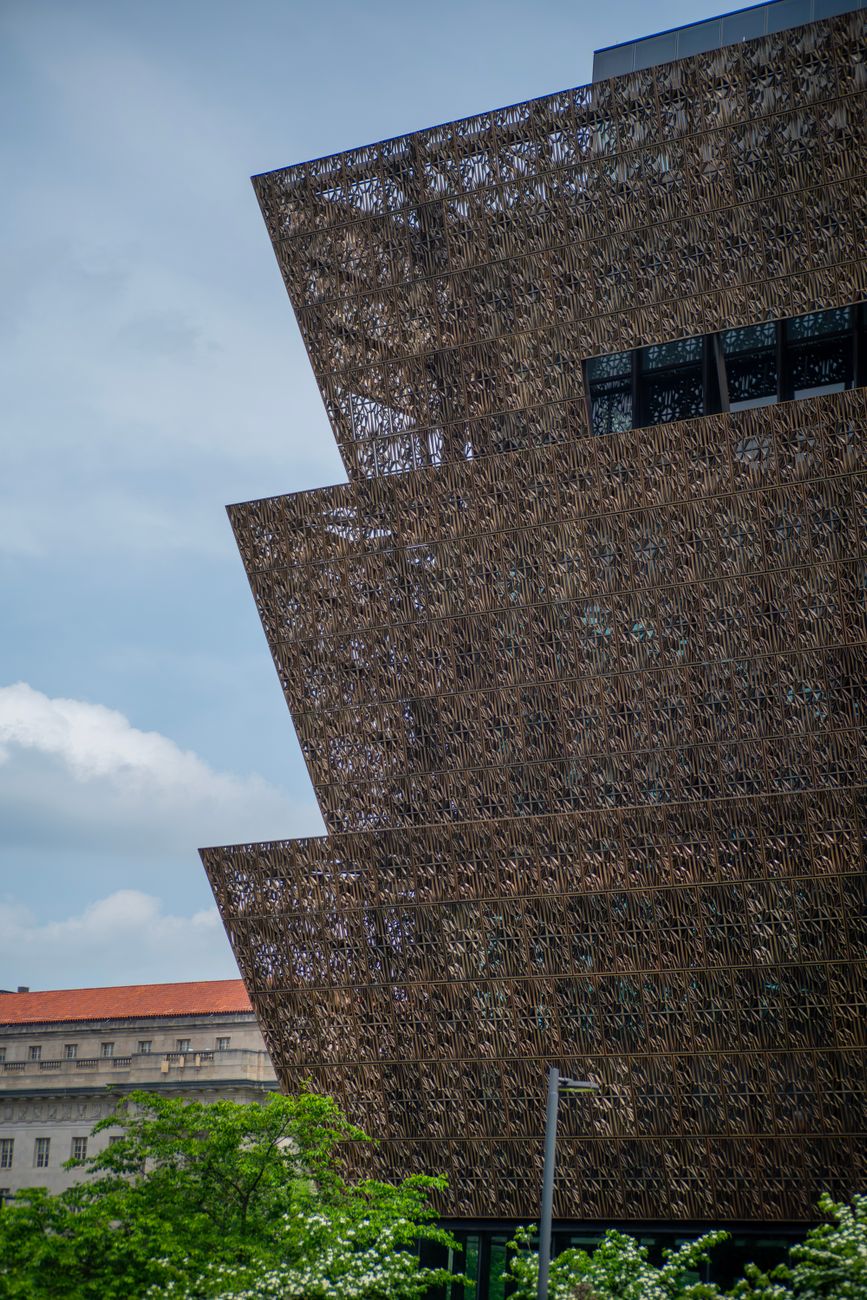
- Many Smithsonian museums on the National Mall have free general admission but timed-entry passes are required for the National Museum of African American History and often for special exhibits at Air and Space and American History.
- Capital Bikeshare 24-hour access costs $8 and covers unlimited 30-minute rides; docks are dense around the Mall, Georgetown, Dupont Circle and the Wharf.
- DC Circulator routes cost $1 per ride (exact change or SmarTrip) — the National Mall and Georgetown-Pentagon lines are useful low-cost hops when Metro stations are distant.
How This Guide Was Prepared
This guide treats Washington, D.C. as a working capital with major monuments and museums that require logistics, not a photo backdrop. Most guides overbook a single day on the Mall; this one spreads time to avoid exhaustion and shows where crowds and timed-entry rules actually affect plans. This guide was prepared through a structured research that combines destination research, geographic context, itinerary planning logic, and content review.
Plan Your Stay in Washington, D. C.
Use this itinerary as your starting point, then compare areas to stay, transport options, seasonal timing, and realistic daily costs before booking.
Why Visit
There is concentrated access to major national museums with free admission so one can see an unparalleled collection of artifacts without significant entry cost. The Smithsonian museums on the Mall — for example, the National Museum of American History and the National Museum of Natural History — are adjacent, letting visitors cover major collections in a single day with a sensible schedule.
The outdoor memorials and monuments are arranged along a single axis, which simplifies a walking itinerary; a sunrise or evening walk past the Lincoln Memorial, WWII Memorial and the Tidal Basin has clearer sightlines than many capitals. Nearby neighborhoods like Georgetown and U Street offer different food and music histories, from canal-era warehouses to Ethiopian restaurants and jazz clubs.
Practical travel infrastructure is an advantage: two major airports (Reagan National and Dulles), a dense Metro network (Red, Blue, Orange, Silver, Green, Yellow lines) and abundant bikeshare docks all make short itineraries feasible. For a politically or civics-minded visitor, access to the Capitol complex, Library of Congress and Supreme Court adds context that few other cities can match.
Quick Planning Tips
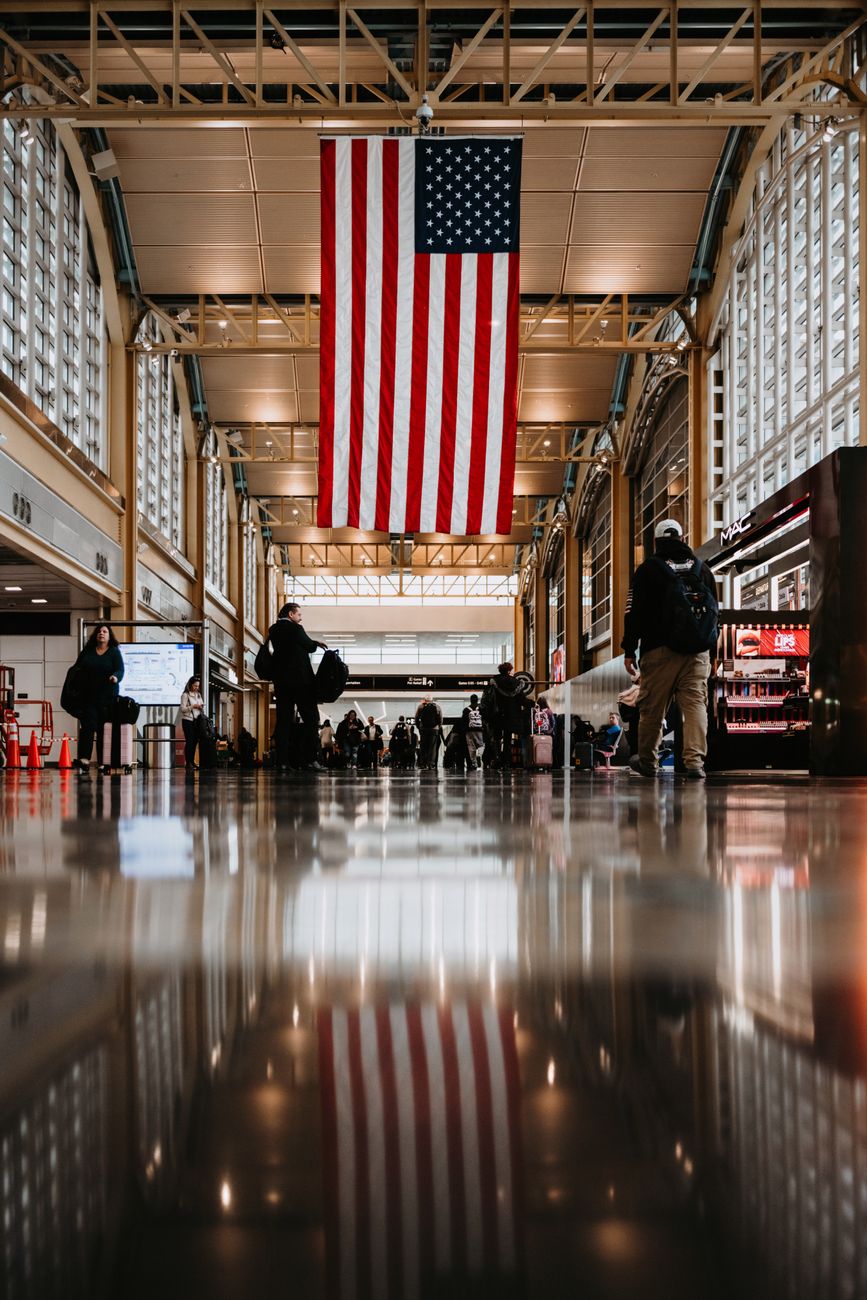
Fly into Reagan National (DCA) for the shortest transfer to downtown — a taxi or rideshare is typically $15–25 and Metro connections from DCA use the Yellow Line to L'Enfant Plaza and Metro Center. For Dulles (IAD), budget 45–75 minutes and $40–60 for a taxi or rideshare; there is also an express bus (Metrobus 5A or Shuttle Express) to the Rosslyn or L'Enfant areas.
Bring a SmarTrip card or buy one at vending machines; cash on Metrobus is discouraged. Many museums require timed-entry passes for special exhibits; reserve free passes for the National Museum of African American History and check National Air and Space for paid exhibitions.
Avoid the planning mistake of stacking midday Mall visits with museum-heavy afternoons on the same day. Swap times: do outdoor monuments at sunrise or evening and use midday for a single major museum to avoid lines and heat.
Day 1
Morning: Start at the U.S. Capitol (Capitol Visitor Center) — allow 60–90 minutes for exterior photos and the Visitor Center tour if booked. Walk west along the National Mall (about 10–15 minutes) to the Smithsonian National Museum of American History for an hour or two to see core exhibits.
Late morning: From American History, walk 10 minutes to the National Museum of Natural History or take a short Metro hop from Smithsonian station (Blue/Orange/Silver) if legs are tired; allow 60–90 minutes per museum depending on interest.
Lunch: Eat at Union Station Food Hall (10–15 minute Metro or 20–25 minute walk from the Mall) — options from $10–20 for sandwiches to $20–35 sit-down. Union Station also functions as a transit hub if continuing by train or bus.
Afternoon: Visit the National Gallery of Art (10–12 minute walk from the Mall area) or return to the Mall to see the Washington Monument exterior and nearby WWII Memorial (each stop 15–30 minutes). Expect security lines at gallery entrances during peak hours.
Dinner: Reserve a table at Old Ebbitt Grill near the White House for classic seafood and local political crowd ambience; dinner is approximately $25–45 per person. Evening: Walk the Mall toward the Lincoln Memorial at dusk (allow 25–35 minutes from the White House area) for a quieter, lit-up view of the Reflecting Pool and memorials.

Day 2
Morning: Head to the Tidal Basin early (arrive before 9am in peak season) to visit Jefferson Memorial and walk the basin; allow 60–90 minutes. From here a 10–15 minute walk reaches the Martin Luther King Jr. Memorial and the Franklin Delano Roosevelt Memorial.
Late morning: Take a short Metro ride or a 20–25 minute walk to the National Museum of African American History (book timed-entry in advance). Plan at least 90–120 minutes for the core exhibits and galleries.
Lunch: Head to Penn Quarter or Chinatown (10–15 minutes by Metro or a 20-minute walk) for a quick meal at food hall stalls or a sit-down place like Zaytinya if reservations are made; expect $15–35 per person.
Afternoon: Explore a neighbourhood with a different feel: U Street and Logan Circle for coffee shops, murals and music history. From Metro Center, ride the Green or Yellow line or walk from downtown; allow 20–30 minutes for transit between the Mall and U Street. Stop at Ben's Chili Bowl for a half-smoke and casual history — $6–12.
Evening: For waterfront nightlife, travel to The Wharf for seafood and riverfront bars (short Metro or Circulator ride to L'Enfant Plaza or a 10–15 minute taxi). Alternatively, check live music at the historic Howard Theatre or a jazz club on U Street.

Day 3
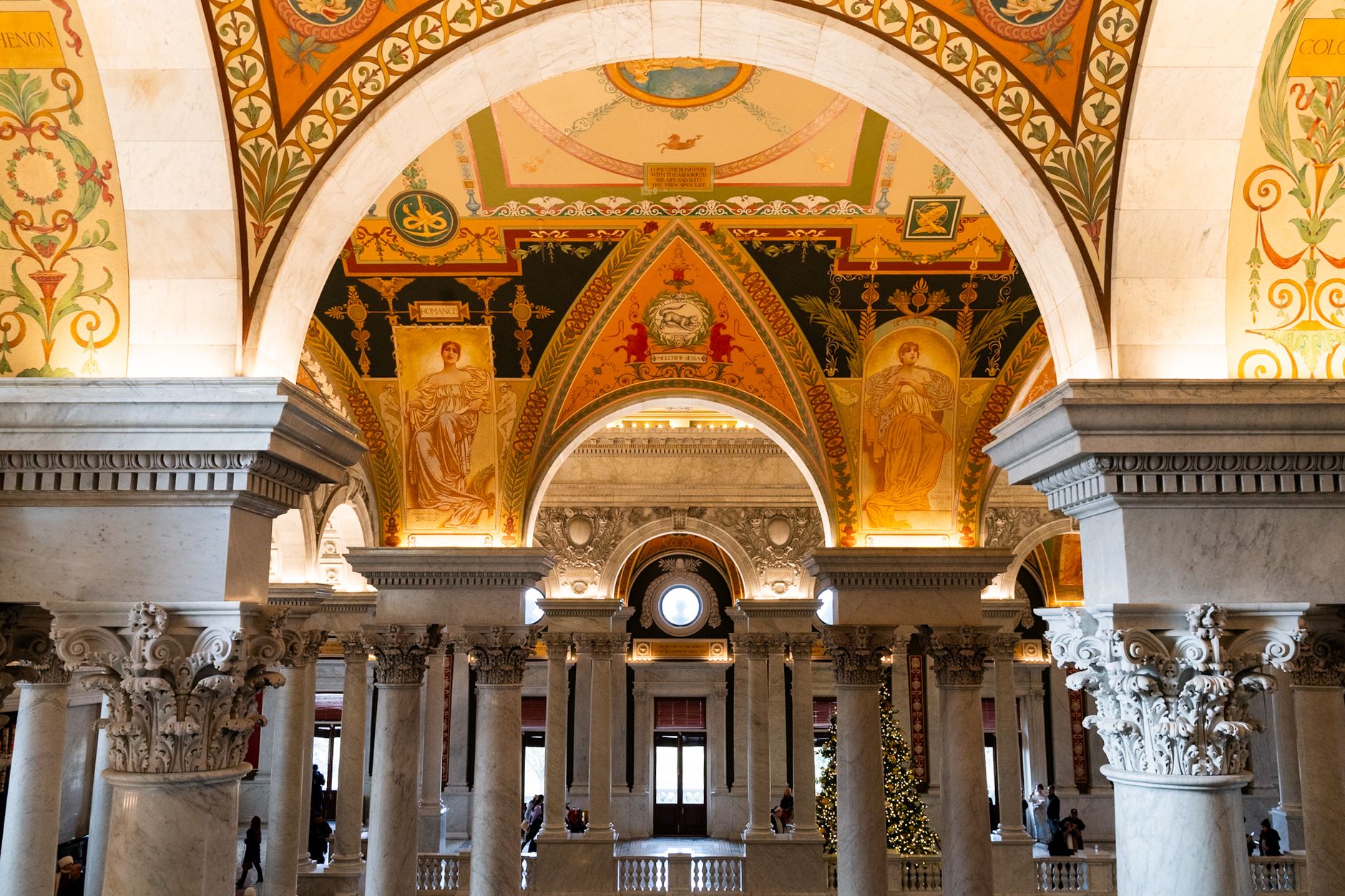
Morning: Start on Capitol Hill with the Library of Congress (Thomas Jefferson Building) and the Supreme Court; both are within 10 minutes walking of the Capitol and each visit typically takes 45–60 minutes. The Library's interior requires walking up a few steps and security screening.
Late morning: Walk to Eastern Market (10–12 minutes from the Capitol) and browse local vendors and food stalls; a good option for brunch and local produce. Plan 45–90 minutes depending on market activity.
Lunch: Eat at one of Eastern Market's stalls or nearby cafes; expect $10–20 for a casual meal. If checking out of accommodation, this is a good window to return to the hotel, collect luggage and store it if needed.
Afternoon: If time allows before a departure, choose between the National Arboretum (about 25–40 minutes by taxi from Capitol Hill) for open-air walking and azalea displays or the Hirshhorn Museum for modern art (near the Mall). Allow at least 90–120 minutes for either option.
Practical departure note: For Reagan National, take the Blue/Yellow Line or a taxi; allow 30–45 minutes from downtown. For Dulles, budget at least 60–90 minutes travel time and consider the Silver Line Express Bus or a pre-booked shuttle. Pack travel documents and return the SmarTrip card or keep it for future visits.
Best Local Experiences
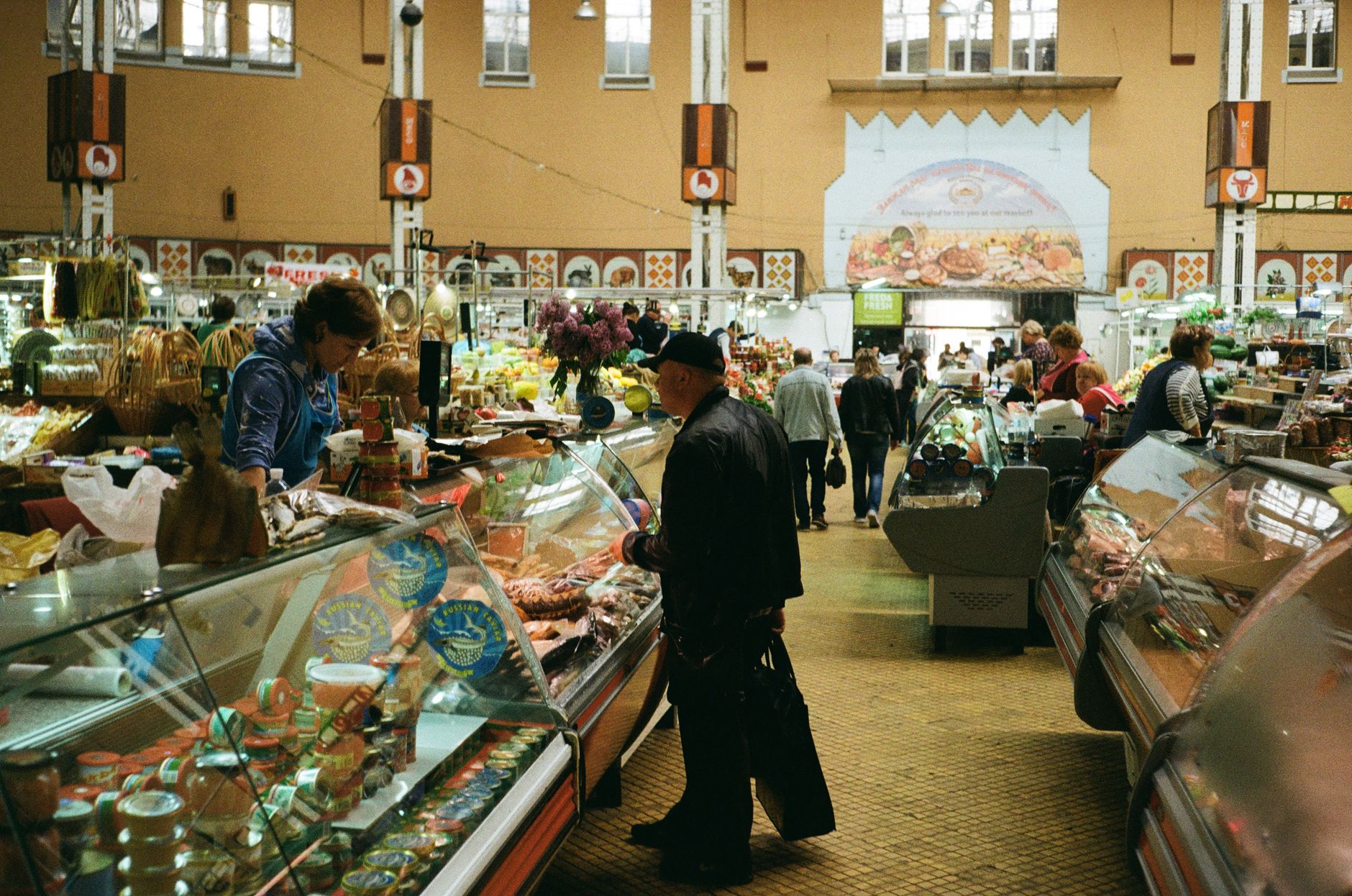
Eastern Market weekend stalls and the Sunday flea — local produce, crafts and prepared foods within a historic indoor market building. This market is especially good for casual local bites.
Kennedy Center Millennium Stage free performances every evening — arrive early for entry lines and check the schedule online for music, theater and dance acts.
The Wharf and Maine Avenue Fish Market — fresh oysters and working seafood stalls with an active waterfront promenade and seasonal concerts.
U Street corridor live-music clubs and Ethiopian restaurants; a late-night jazz or go-go show on U Street offers a local musical perspective not found on the Mall.
Capital Bikeshare rides around the Mall and along the C&O Canal towpath into Georgetown — short rentals make quick trips between neighborhoods efficient and often faster than surface transit.
Seasonal highlight: the National Cherry Blossom Festival along the Tidal Basin in late March to early April; expect tight crowds and reserved viewing times for peak bloom days.
Smithsonian Folklife Festival on the Mall (usually June–July) and outdoor cultural programs at the National Gallery Sculpture Garden are repeatable, accessible experiences when scheduled.
Where to Stay
Downtown / Penn Quarter: Suited for first-time visitors who want close access to the National Mall and many Smithsonian museums. Walking distance to Metro Center and Gallery Place on the Red, Green and Yellow lines. Typical nightly rates range from $160–$300 USD (€147–€276) depending on season and choice of hotel.
Dupont Circle / Logan Circle: Suited for diners, nightlife and a neighborhood feel with good transit (Dupont Circle station on the Red Line and many buses). Nearby for embassies and cafes; expect $150–$300 USD per night (€138–€276) for mid-range to boutique hotels.
Capitol Hill / Eastern Market: Suited for those prioritizing access to the Capitol, Library of Congress and a quieter, residential environment. Short walks to the Mall; nightly rates are often $140–$260 USD (€129–€240), with many small guesthouses and inns.
Food and Drink
Half-smoke: a smoked sausage, usually served with chili and mustard at Ben's Chili Bowl on U Street. Price $6–12 and a cultural reference point for many locals and visitors.
Maryland crab cake: lump crab prepared as a pan-seared or broiled cake; good versions at Old Ebbitt Grill or Hank's Oyster Bar for $16–28.
Ethiopian plate: injera with multiple stews and vegetables, common on U Street and in Shaw; try Dukem or Etete for $12–22 per person.
Oysters: order by the piece at The Wharf or Maine Avenue Fish Market — expect $3–5 per oyster depending on season and provenance.
Breakfast/brunch: Founding Farmers or a local cafe for an American brunch plate with pancakes or eggs; budget $12–22 for a standard meal. Street food option: food trucks and kiosks around 14th Street NW and near the Mall offer tacos, falafel and sandwiches for $6–12.
Drink note: cocktails at mid-range cocktail bars run $12–18; local craft breweries are concentrated in Navy Yard and Shaw for casual pours around $6–9.
Getting Around
Metrorail lines: Red, Blue, Orange, Silver, Green and Yellow serve central areas; Metrobus covers routes not on rail. Use a SmarTrip card for both bus and rail; buy at station machines or online.
Single Metrorail fares typically range from $2.00 to $6.00 depending on distance and peak/off-peak pricing. There is no universal unlimited 1-day Metrorail pass; for heavy short trips consider a 24-hour Capital Bikeshare pass for $8 or the DC Circulator at $1 per ride.
Taxi or rideshare from Reagan National (DCA) to downtown usually costs $15–25; from Dulles (IAD) expect $40–60. Use the WMATA app or Transit app for real-time Metro and bus arrivals and the Capital Bikeshare app for dock locations and passes.
Best Time to Visit
Spring (March–May): Cherry blossom peak in late March to early April draws large crowds; temperatures 40–70°F (5–21°C). Expect heavy demand and higher hotel rates during peak bloom.
Summer (June–August): Warm to hot with high humidity and daytime temperatures often 75–95°F (24–35°C). Crowds are heavy at the Mall and museums; expect midday heat and more frequent outdoor events.
Autumn (September–November): Temperatures 50–75°F (10–24°C), lower humidity and thinner crowds offer the best balance of weather and cost in October and November. Museum lines are shorter and hotel prices often fall.
Winter (December–February): Cold with temperatures often 25–45°F (-4–7°C) and fewer tourists. Some outdoor sites are quieter, but snow and closures occasionally disrupt plans. For best value and lighter crowds, target late fall and early winter.
Budget and Practical Tips
Daily budget ranges depending on style. Budget traveler: accommodation $80–140 USD (€74–€129) per night in hostels or budget hotels; food $25–40 USD (€23–€37); local transport $8–15 USD (€7–€14); museum entry mostly free but plan $10–30 USD (€9–€28) for special paid exhibits. Total roughly $123–225 USD (€113–207) per day.
Mid-range traveler: accommodation $160–300 USD (€147–€276); food $40–75 USD (€37–€69); transport $15–25 USD (€14–€23); entry and tours $20–60 USD (€18–€55). Total roughly $235–460 USD (€215–423) per day.
Tipping: standard restaurant tipping is 15–20% before tax for table service. Rounds at bars typically earn $1–2 per drink if paying cash; taxi drivers expect 10–15%. Small hotel staff tips for bell service are $1–3 per bag.
Practical notes: water is safe to drink from taps, many museums are free but check timed-entry windows, and weekend Metro maintenance sometimes affects Blue/Orange/Silver service — check WMATA alerts before travel.
FAQ
Is three days enough to see the main attractions?
Yes; prioritize the National Mall monuments and two Smithsonian museums, plus one neighbourhood. Expect to skip deep dives into multiple large museums.
Are the Smithsonian museums free?
General admission to most Smithsonian museums is free, but some special exhibitions and the National Museum of African American History require timed-entry passes.
Is it safe to use Metro at night?
Metro is generally safe but quieter late at night; use well-lit stations, stay in groups if possible and monitor WMATA service alerts for schedule changes.
Which airport is most convenient for downtown?
Reagan National (DCA) is closest with short taxi or Metro connections; Dulles (IAD) is farther west and requires longer transfer times and higher fares.
Is a city pass or card worth buying?
No single pass covers everything cheaply; because most Smithsonian museums are free, buy timed-entry tickets for paid attractions like the International Spy Museum only if those specific sites are priorities.
How much should I budget for a taxi from Dulles?
Expect $40–60 for a taxi or similar for a rideshare; allow 45–75 minutes depending on traffic.
Are monuments open 24 hours?
Many outdoor monuments are accessible 24/7, but visitor centers and museum interiors have set hours; plan interior visits during daylight and bring a flashlight if walking late along less-traveled paths.
Can a SmarTrip card be used on suburban commuter rails?
SmarTrip works on Metrorail, Metrobus and many regional buses; commuter rail services like MARC and VRE have separate ticketing though some accept SmarTrip for station entry on select routes.
Conclusion
Three days allows an efficient, realistic sample: monuments at the Mall, two major museums with sensible time, and one or two neighbourhoods for food and evening life. The most likely lasting memory is the scale of the Mall axis and the contrast between free-access museum collections and ticketed, timed special exhibitions.
If time runs short, prioritize an early walk at the Lincoln Memorial and a single large Smithsonian museum chosen by interest. Reserve timed-entry passes in advance and use SmarTrip plus Capital Bikeshare to move between areas quickly; that combination often determines whether the trip feels calm or rushed.
How this guide was prepared
This guide was prepared through a structured research that combines destination research, geographic context, itinerary planning logic, and content review.