
Practical 3-Day Fresno Guide: Itinerary, Costs & Tips
Three days in Fresno covers the Tower District, Forestiere Underground Gardens, Chaffee Zoo and local markets with realistic transit and budget advice.
A clear, no-fluff 3-day plan for Fresno that balances parks, neighborhoods, produce markets and a cultural afternoon, with transit, meal and timing tips.
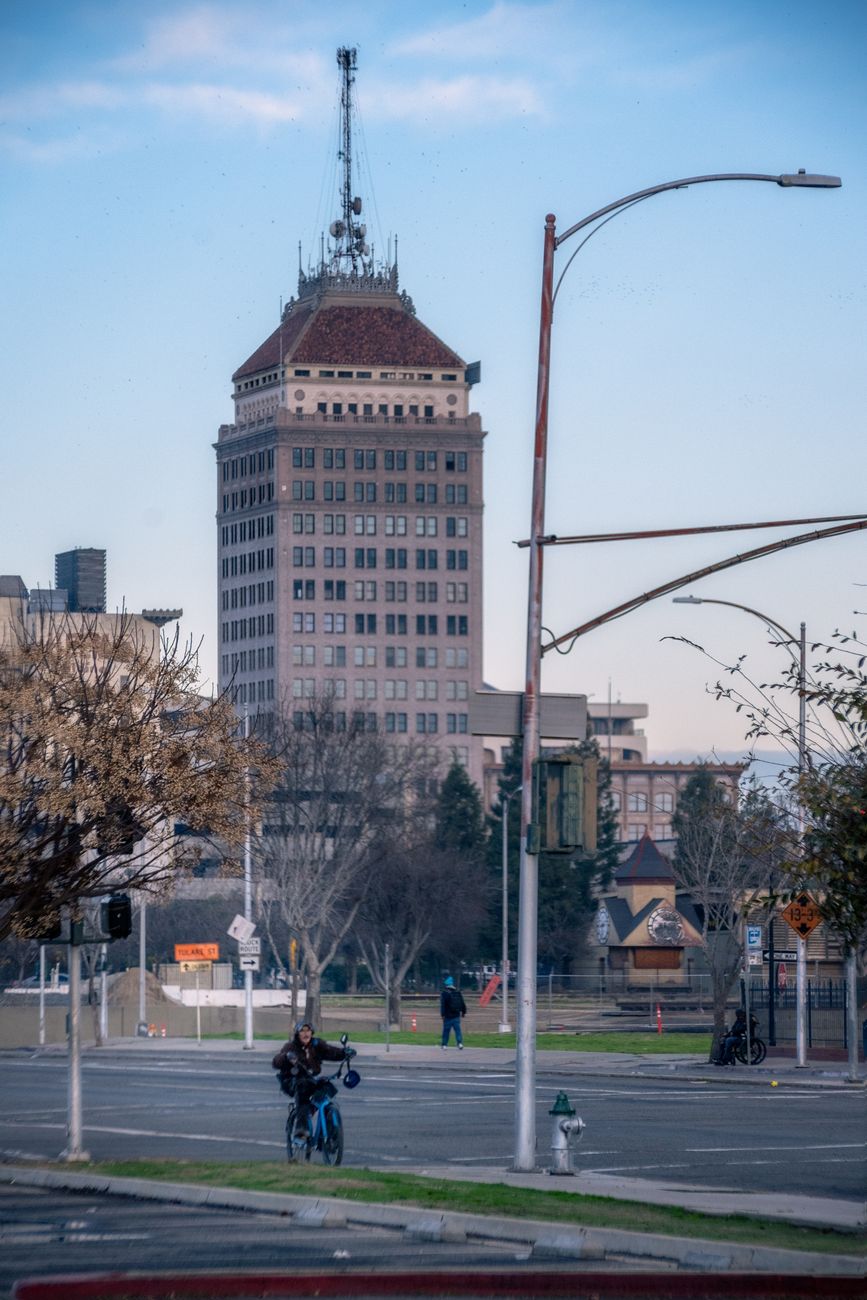
First impressions are likely to be low-rise streets, big intersections and signs of agriculture in pockets of the city. The mood is pragmatic — lots of family-run businesses, student energy near California State University, Fresno, and a surprising arts scene concentrated in the Tower District and downtown galleries.
Expect heat in summer and quiet sidewalks in midweek suburbs. The common mistake is treating the area like a polished tourist center; the payoff here is local food, parks and a few very specific attractions rather than curated souvenir shopping.
This guide suits travelers who want straightforward logistics, places to eat well, and daylight-friendly activities rather than a packed museum itinerary. One practical note: distances matter, so plan for short drives, rental cars, or a mix of buses and rideshares to get between neighborhoods.
Is 3 days in Fresno enough?
Three days are enough to cover the top neighbourhoods — Tower District, Old Town Clovis, Woodward Park — plus Forestiere Underground Gardens and Fresno Chaffee Zoo. One honest caveat: there is not time for a relaxed day trip into the high Sierra and a full city museum crawl in the same weekend.
Who This Guide Is For
Best for travelers who want a low-key urban weekend with parks, local restaurants and markets; less suitable for people who expect dense sightseeing or a luxury hotel scene.
Local Tips for Fresno
Practical details that most travel sites skip — specific to Fresno.
- Buy Forestiere Underground Gardens tickets online before weekends; adult tickets are approximately $20 and popular morning slots sell out on summer weekends.
- Amtrak San Joaquins stops at the Fresno Amtrak Station on Van Ness Avenue — useful for travelers coming from Sacramento or Bakersfield, and the station connects with FAX route service.
- FAX is the local bus network (Fresno Area Express); key corridors include routes that serve downtown, Blackstone Avenue and the Tower District — use the FAX mobile app (search 'FAX app' or 'Token Transit' where accepted) to buy fares.
- Shinzen Friendship Garden sits inside Woodward Park and follows park hours; the adjacent parking lot can fill on weekend mornings during cherry and peach season.
- Expect cheap parking at River Park shopping (many lots free) but metered curbside parking near Fulton Street in the Tower District after late afternoon — check signs to avoid tickets.
How This Guide Was Prepared
Fresno is a working Central Valley city where agriculture, mid-century infrastructure and a lively local arts scene meet. Most guides treat it as a quick stop en route to Yosemite; this guide shows how to spend three practical days without pretending the city is a resort. This guide was prepared through a structured research that combines destination research, geographic context, itinerary planning logic, and content review.
Plan Your Stay in Fresno
Use this itinerary as your starting point, then compare areas to stay, transport options, seasonal timing, and realistic daily costs before booking.
Why Visit
There are concrete reasons to spend three days here rather than treating the city as a pass-through. The Forestiere Underground Gardens are an eccentric, hand-built subterranean network that takes about 90 minutes to tour and cannot be replicated elsewhere in the Valley.
The Tower District offers a concentrated live-music and restaurant scene centered around Tower Theatre and Olive Avenue, giving visitors an easy evening of dinner and a show. Woodward Park and adjacent Shinzen Friendship Garden provide big green space and seasonal blooms without the crowds of coastal parks.
Agriculture is visible and edible: local farmers' markets and year-round produce stalls offer fresh stone fruit and vegetables that reflect the Valley’s role in California farming. Finally, Old Town Clovis is a compact, walkable small-town downtown with antique shops and a Saturday farmers market that contrasts with the city’s gridded neighborhoods.

Quick Planning Tips
Best airport connection: Fresno Yosemite International Airport (FAT) is about 10–15 minutes by taxi or rideshare to most central hotels; expect $30–45 by taxi to downtown, cheaper by Uber/Lyft off-peak. Amtrak San Joaquins runs to Fresno Amtrak Station on Van Ness Avenue for rail travelers from Sacramento or Bakersfield.
Payment tip: most restaurants accept cards, but small vendors at farmers markets often prefer cash — bring $20–40 in small bills for market stalls. Book Forestiere Underground Gardens and Fresno Chaffee Zoo tickets ahead during summer weekends to avoid lines.
Avoid this planning mistake: trying to walk between Tower District, Woodward Park and downtown — each is a few miles apart and transit or a car makes the days much more efficient. If relying on buses, check FAX schedules the night before since some routes reduce frequency after 7pm.
Day 1
Morning: Start at Forestiere Underground Gardens (allow 75–90 minutes). The guided or timed-entry format means arriving for the first slot helps avoid heat and crowding. From Forestiere, drive or take a short 10–15 minute ride east to Kearney Mansion Museum for a quick look at the city’s agricultural wealth and George Kearney’s estate.
Midday: Head to Fig Garden Village or River Park for lunch; The Annex Kitchen (downtown) is a reliable choice for seasonal plates if staying central, about 10–15 minutes by car from Kearney Mansion. Expect a 15–20 minute drive between these shopping corridors and downtown.
Afternoon: Spend the afternoon at Fresno Chaffee Zoo in Roeding Park — plan 2–3 hours for exhibits and the Sea Lion Cove; admission is roughly $20–$30 for adults depending on the day and membership discounts. From the zoo, a 10–15 minute drive reaches Woodward Park and Shinzen Friendship Garden for a stroll under shaded trails.
Evening: Finish in the Tower District for dinner and a show at Tower Theatre or a beer at Tioga-Sequoia Brewing Company. Street parking is limited on weekend nights; plan to arrive early or use a short rideshare drop-off.
Day 2
Morning: Explore Old Town Clovis — start at Clovis Avenue, browse antique shops and grab coffee at a local café before the Saturday market (if it’s market day). Old Town Clovis is about 15 minutes from central Fresno; allow time for short walks and browsing.
Midday: Cross back toward downtown for the Fresno Art Museum on Van Ness Avenue; a museum visit typically takes 60–90 minutes. Walk next door or a short rideshare to the Meux Home Museum or Kearney Park for a different look at local history.
Afternoon: Drive to the San Joaquin Valley Heritage & Pheasant Farm areas or spend longer at Woodward Park if more green space is preferred. A late-afternoon visit to the Shinzen Friendship Garden is especially pleasant during spring blooms; botanical displays are free to enter but donations are appreciated.
Evening: Return to the Tower District or try a neighbourhood restaurant on Blackstone Avenue. If interested in live music, check the schedules at Tower Theatre and Warnors Centre for current shows; both venues are walkable from many central hotels.
Day 3
Morning: If checking out but with a late flight, store luggage at the hotel and head to a local farmers market for seasonal fruit and the Fresno chile pepper — the market at River Park or a downtown farmers stall are options depending on the day. Allow an hour for tasting stalls and buying produce.
Midday: Visit the Fresno County Historical Museum or the Meux Home Museum for a short focused visit of 45–75 minutes. These downtown sites are close to the Fresno Amtrak Station and make an efficient final stop before heading to the airport.
Afternoon: For travelers with an afternoon flight from Fresno Yosemite International Airport, allocate at least 45–60 minutes for the drive and security, and 15–30 minutes extra in summer for traffic. If time allows, squeeze in a last walk around Courthouse Park or River Park shopping for a quick meal.
Practical note: many hotels will hold luggage after checkout so a final loop that ends near the hotel or with a direct ride to FAT saves stress. Taxis and rideshares are plentiful midday but check airport surge pricing during holiday periods.

Best Local Experiences
Farmers markets: the Saturday Old Town Clovis market and weekday stalls at River Park highlight stone fruit, grapes and specialty peppers. Forestiere Underground Gardens: a unique hand-built underground courtyard network best visited with a timed ticket.
Tower District nights: Olive Avenue and Broadway host bars, music venues and late-night dining; Tower Theatre often has events that match dinner times. Shinzen Friendship Garden at Woodward Park: a calm Japanese garden for late-afternoon strolls and seasonal plantings.
Fresno Chaffee Zoo: an afternoon there is family-friendly and pairs well with a picnic in Roeding Park. Kearney Mansion Museum and nearby orchards: short visits that illustrate the city’s agricultural past and irrigation history.
Old Town Clovis: small-town main street events, monthly classic car nights and a local farmers market on weekends provide a contrast to the larger city. These experiences are practical, locally-focused and repeatable year-round with seasonal variation in produce and events.

Where to Stay
Downtown (near Fulton Mall and Van Ness Avenue): suits travelers who want museums, restaurants and the Amtrak station within walking distance. Expect mid-range hotel rates around $110–$170 per night (USD), roughly €100–€160 depending on season.
Tower District / Olive Avenue: best for nightlife and restaurants; walking to shows at Tower Theatre. Small boutique hotels and guesthouses appear here; approximate nightly rates $100–$160 (USD), €90–€150. Expect street noise on weekend nights.
Old Town Clovis and north Fresno (near Herndon Avenue): suits families and those wanting quieter streets with easy access to Clovis shops and the Saturday market. Chain hotels and motels offer rates around $80–$130 (USD), €70–€120 per night and are often the best value for family travel.
Pick a location based on priorities: downtown for transit and museums, Tower District for evening programming, Clovis for quieter, family-friendly options with easier parking.
Food and Drink
Fresno chile pepper: a medium-heat pepper named for the region; look for roasted or pickled Fresno chiles at farmers markets and Mexican restaurants — market price varies by season, roughly $3–$6 per bunch.
Stone fruit (peaches, nectarines): fresh in summer at farmers markets; buy by the pound during peak season for $1.50–$3 per lb (USD). Best found at Old Town Clovis market stalls and River Park vendors.
Carne asada tacos: a reliable street-food option; look for evening taco trucks near Tower District or Clovis for $2–$4 per taco. These are the most common local late-night meal.
Farm-to-fork plates: restaurants such as The Annex Kitchen (downtown) focus on local produce in composed dishes; entrees typically $15–$28 (USD). For casual craft beer, Tioga-Sequoia Brewing Company in the Tower District has seasonal brews and sandwiches around $10–$15.
Breakfast option: classic American breakfasts and diner plates are common — expect $8–$14 for an eggs-and-toast meal at local cafés near Fresno State or downtown. Many bakeries and coffee shops open early for quick pastries and fruit-based breakfasts.
Getting Around
Transit modes: Fresno Area Express (FAX) bus network covers major corridors; Clovis Transit provides service between Clovis and Fresno. Amtrak San Joaquins serves rail passengers to Sacramento, Stockton and Bakersfield via the Fresno Amtrak Station.
Tickets and fares: single FAX fares are modest (typically a couple of dollars; check the FAX website for current rates) and day passes are available for frequent riders. Mobile fare purchase is supported — search for the FAX mobile app or token ticketing apps used locally.
Airport and taxis: Fresno Yosemite International Airport (FAT) is about a 10–15 minute drive to downtown. Taxi fares to downtown are typically $30–45 (USD) depending on traffic; rideshare options are widely available but watch for surge pricing during events.
Apps and cards: use the FAX website and the official FAX mobile app for routes and schedules; Amtrak has its own app for ticketing. For short trips inside neighborhoods, bikes or scooters may be available seasonally but check each provider for exact coverage.
Best Time to Visit
Spring (March–May): mild temperatures (50–75°F / 10–24°C). Fruit trees blossom and farmers markets start offering spring produce; this is one of the best-value periods with moderate crowds.
Summer (June–August): hot and dry, often 90–105°F (32–40°C). Expect early-morning starts and indoor afternoon plans; parks and shaded gardens are pleasant mornings. Accommodation prices can climb slightly during fair and festival periods.
Fall (September–November): warm afternoons cooling to 50s–60s°F (10–18°C) at night. Harvest season means abundant produce and wine events in nearby agriculture areas; crowd levels are generally low.
Winter (December–February): cool and wet with daytime highs around 50–60°F (10–16°C). Good value for hotel rates and quieter attractions, but expect occasional rainy days. Spring and fall generally balance weather and value best for a three-day visit.
Budget and Practical Tips
Daily budget (moderate traveler): accommodation $90–160 (USD) per night, food $30–60 per day, local transport $5–15 per day, entry fees $10–30 per attraction. In euros this is roughly accommodation €80–€150, food €28–€55 depending on exchange rates.
Example totals: a three-day mid-range trip (hotel + meals + transit + two paid attractions) commonly runs $350–650 (USD) excluding flights. For families, zoo admission and extra parking add up, so budget accordingly.
Tipping norms: typical US standards apply — 15–20% at sit-down restaurants, $1–2 per drink at bars, and round up taxi fares. Many small vendors at farmers markets expect exact change; carry small bills for convenience.
Practical money tip: cards are widely accepted, but local markets and some small cafés prefer cash. If renting a car, check for parking fees at hotels and metered streets near the Tower District on event nights.
FAQ
Is Fresno safe for tourists?
Most daytime areas popular with visitors are safe; standard urban precautions apply after dark in busier nightlife zones. Stay in well-lit areas, avoid empty lots late at night and ask hotel staff about neighbourhood blocks to avoid.
What is the best way to get from the airport to downtown?
Taxi or rideshare is simplest — expect around $30–$45 (USD) depending on traffic. Some hotels offer shuttle service; check in advance.
Is a city card or pass worth buying?
There is no single city-wide tourist pass that covers all Fresno attractions; buy tickets separately for Forestiere Underground Gardens and Fresno Chaffee Zoo and look for combination discounts if offered by attractions seasonally.
Can Fresno be a base for Yosemite visits?
It can, but expect 1.5–2.5 hours each way depending on route and traffic. Morning departures and checking park road/chain rules are essential in winter.
Are buses reliable for tourists?
FAX covers major corridors reliably during daytime hours but frequencies drop in the evening. For tight schedules or late-night outings, rideshares or taxis are safer.
Is it easy to find vegetarian or vegan food?
Yes. Many cafés and restaurants in downtown and the Tower District include vegetarian plates; farmers markets also offer fresh produce to build your own meals.
Can Amtrak be used to reach Fresno from other central California cities?
Yes. Amtrak San Joaquins stops at Fresno Amtrak Station and connects to Sacramento, Bakersfield and Stockton, making rail an easy alternative to driving.
Conclusion
A three-day visit will leave most travelers remembering the oddity of Forestiere Underground Gardens, a stroll in Woodward Park, a night in the Tower District and the taste of stone fruit from a farmers market. The single thing to prioritize if time is tight is a morning at Forestiere followed by an afternoon at the Chaffee Zoo or Woodward Park — that sequence captures the local mix of human-made curiosity and open space.
This plan trades hype for practical routing: expect short drives between highlights, modest prices compared with coastal destinations, and many local spots that reward a second visit.
How this guide was prepared
This guide was prepared through a structured research that combines destination research, geographic context, itinerary planning logic, and content review.