

Practical 3-Day Guide to Baltimore: Itinerary and Tips
A practical three-day Baltimore plan covering Inner Harbor, Fells Point, museums, transit tips, markets and crab cakes with realistic costs and timing.
A frank, usable 72-hour plan for seeing Baltimore’s waterfront, neighborhoods, food scene and museums without wasted travel time.
First impressions are concrete piers, brick rowhouses and a waterfront that still functions as a working harbor alongside tourist attractions. The city feels like a place where industry, long-established neighborhoods and new restaurants meet unevenly; that mix creates short transit hops and abrupt changes in atmosphere from block to block. Visitors often expect a single downtown core; expecting neighborhoods to be distinct and sometimes noisy helps set realistic plans. This guide is aimed at people who want a practical, walkable three-day plan that balances museums, food and neighborhood life rather than checking off every attraction in one nonstop sprint.
Is 3 days in Baltimore enough?
Yes: three full days let a traveler hit the Inner Harbor, a major museum, two distinct neighborhoods, and a single outlying site like Fort McHenry or the American Visionary Art Museum. Caveat: time will be too tight for both full Orioles/Tiles day at Camden Yards and a lengthy day trip to Annapolis or Washington.
Who This Guide Is For
Best for travelers who prefer a mix of museums, food and walkable neighborhoods and who accept a brisk pace; families with kids and cultural travelers get the most. Those wanting a slow leisure trip or a deep exploration of every museum may want four days.
Local Tips for Baltimore
Practical details that most travel sites skip — specific to Baltimore.
- Pick up an MTA Key Card at a Metro SubwayLink station or online; single rides on Metro and Light Rail are $2.00 (cash is accepted on buses but not on rail), and loading a Key card saves time.
- Charm City Circulator buses on the Purple, Green and Banner routes are free and run frequently around downtown, Inner Harbor and Federal Hill — use them to avoid short taxi rides.
- Lexington Market closes early on Sundays (around 3pm) and many stalls are closed Mondays; aim for a Saturday morning if going for food stalls and local vendors.
- Bring cash for crab houses and small stands: many older seafood counters accept cards but some working docks and small sit-down places prefer cash for tip and smaller tabs.
- MARC Penn Line connects Penn Station to Washington, D.C., with weekday schedules and one-way fares around $7–10; useful for a quick DC side trip without renting a car.
How This Guide Was Prepared
This guide focuses on realistic pacing and the gritty details that matter for a three-day visit: where transit saves time, when to expect crowds, and which neighborhoods genuinely repay a visit. Many guides overpack itineraries and treat the Inner Harbor like the whole city; this guide spreads time across Inner Harbor, local neighborhoods and one outlying attraction so travelers actually leave knowing why the place feels different from nearby Washington. This guide was prepared through a structured research that combines destination research, geographic context, itinerary planning logic, and content review.
Plan Your Stay in Baltimore
Use this itinerary as your starting point, then compare areas to stay, transport options, seasonal timing, and realistic daily costs before booking.
Why Visit
There are concentrated, accessible museums that reward a focused visit: the Walters Art Museum on North Charles Street offers antiquities and medieval art with free admission, while the American Visionary Art Museum on Key Highway highlights outsider art in a way visitors don’t see elsewhere. Seafood is a local draw — real steamed crabs and classic crab cakes are available across neighborhoods from Lexington Market counters to sit-down crab houses in Canton and Federal Hill. Historic sites like Fort McHenry provide a compact, readable story about the War of 1812 and the Star-Spangled Banner without a full day of travel. Neighborhood character is a reason to go: walks in Fells Point, Hampden or Patterson Park deliver different street-level experiences within short transit or cab rides of each other.
Quick Planning Tips
Fly into BWI if coming from out of region; the MARC Penn Line and Amtrak both serve Baltimore Penn Station for rail arrivals. From BWI, an Uber or taxi to downtown runs roughly $30–45; the light rail has a stop at BWI and runs into downtown for about $2.00 per ride. Buy an MTA Key Card at a Metro station or use the MTA Maryland app for passes; buses accept cash but exact change is required. Avoid assuming every market or museum is open on Mondays; check hours for Lexington Market and smaller neighborhood museums to avoid empty visits.

Day 1
Morning: Start at the Inner Harbor with a visit to the National Aquarium (buy timed tickets online; adult admission around $39–45). Walk the waterfront and visit the USS Constellation docked at Pratt Street — expect 10–20 minutes walking between aquarium and Constellation. Midday: Walk or catch the free Charm City Circulator to Federal Hill Park for the harbor overlook; the park is a 10–12 minute climb from the Inner Harbor and offers the clearest skyline photo opportunity. Lunch: Eat at Obrycki’s or Phillips Seafood in the Inner Harbor for a classic crab cake or fried shrimp; small crab cakes typically run $10–16. Afternoon: Head north to the Walters Art Museum on North Charles Street by Metro SubwayLink or a short taxi (15–20 minutes from Federal Hill by car). The Walters has free admission and compact galleries that can be seen in 1.5–2 hours. Evening: Dinner in Mount Vernon along Cathedral Street where restaurants offer more varied menus; finish with a drink at a bar on Eager Street or a short walk back toward the harbor for nightlife.
Day 2
Morning: Explore Fells Point — start at Broadway Pier and walk Thames Street for coffee, maritime shops and old brick sidewalks; this area is best seen on foot and a morning 90–120 minute walk covers the waterfront and side streets. Visit Lexington Market if open (best Saturday morning) for a breakfast of crab imperial or a local sausage sandwich; the market is a 10–12 minute taxi or 20–25 minute walk from Fells Point. Midday: Cross to Canton for a different dockside scene, with small parks and sit-down seafood restaurants along the waterfront; travel time from Fells Point to Canton is 8–12 minutes by taxi or 15–20 minutes by bus. Lunch: Try Thames Street Oyster House in Fells Point or a Canton crab house for steamed crabs when in season. Afternoon: Take the Light Rail or a taxi to the American Visionary Art Museum on Key Highway — allocate 1.5–2 hours for exhibits and the property. Evening: Head to Hampden for dinner along West 36th Street (the “Avenue”) and bar hopping; Hampden is 10–15 minutes from the museum by taxi and offers a different local scene with independent shops and casual eateries.

Day 3
Morning: Choose between Fort McHenry National Monument or the B&O Railroad Museum based on interest; Fort McHenry is a 20–30 minute taxi or a 30–40 minute bus+walk from the Inner Harbor, while B&O is a 10–12 minute taxi to west Baltimore. If checking out of a downtown hotel and catching an afternoon flight, do Fort McHenry first for an outdoor visit that can fit a half day. Lunch: Stop at Lexington Market for a quick sandwich or crab cake if timing allows; allow 30–45 minutes for a proper market visit. Afternoon: Return to the Inner Harbor for a short museum (if time, the Maryland Science Center or a brief walk through Harborplace shops) and pick up luggage if needed. Travelers heading to BWI should allow at least 60–90 minutes for transit or 45–60 minutes by taxi to the airport from downtown without rush-hour traffic. Evening: If flight times permit, finish with a casual dinner in Federal Hill or a late stroll along Light Street before departure.
Best Local Experiences
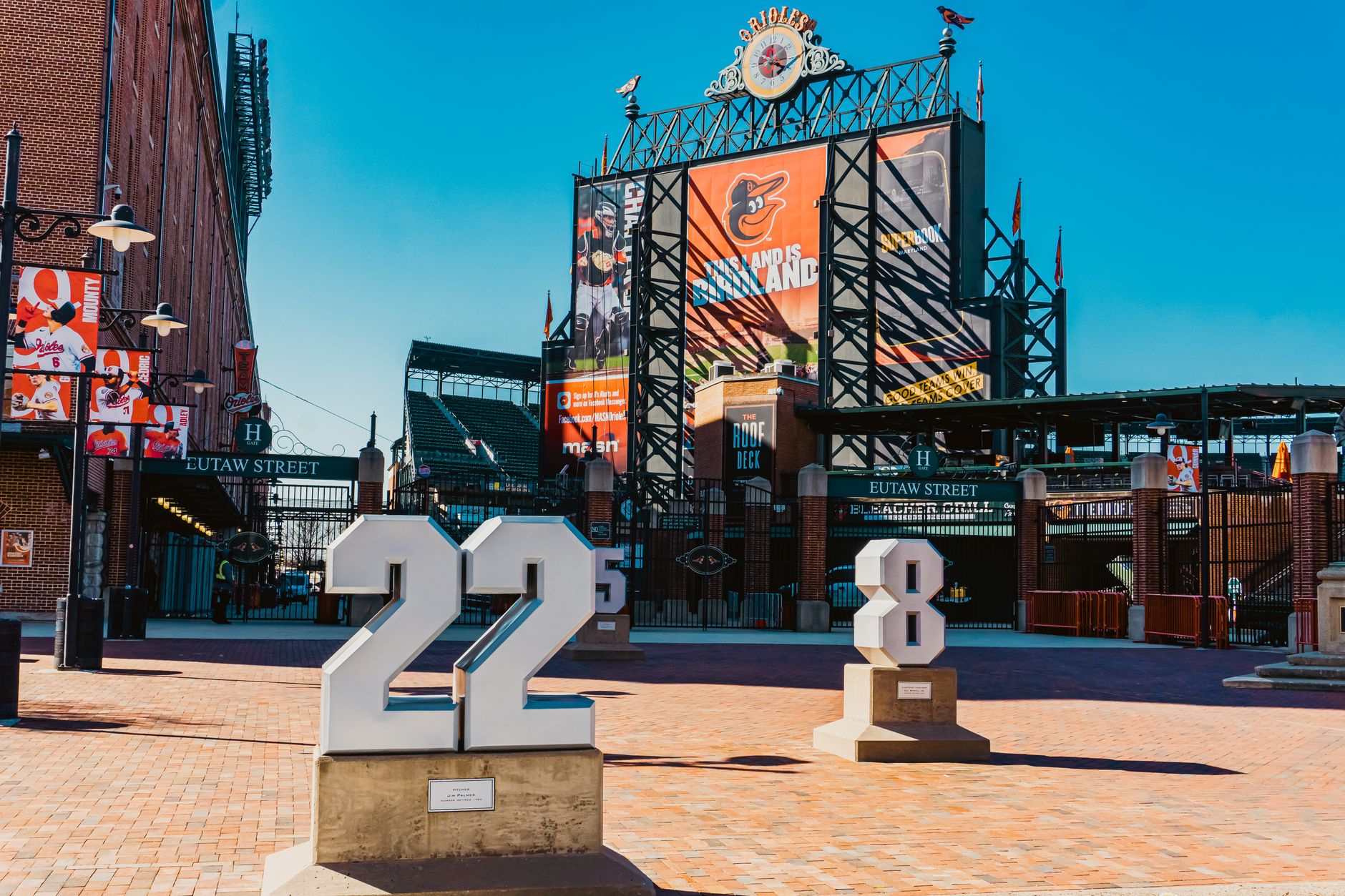
Catch an Orioles game at Oriole Park at Camden Yards during the season for a classic ballpark experience and local stadium concessions. Spend a morning at Lexington Market tasting fried bologna sandwiches, crab cakes and Berger Cookies from local vendors. Take a Saturday stroll through Hampden during the annual HonFest or outside of festivals to browse independent shops on West 36th Street. Visit Patterson Park and climb the Pagoda for a neighborhood view, and if timing allows schedule a Sunday afternoon at Fort McHenry for the historical interpretation and harbor outlook. Attend an AVAM event or the monthly First Thursday openings in Mount Vernon for late museum hours and smaller crowds.
Where to Stay
Inner Harbor: Suits first-time visitors who want quick access to the National Aquarium, harbor attractions and walking ferries. Expect mid-range hotel prices around $160–260 per night (USD) depending on season (roughly €148–240). Federal Hill/Fells Point: Suits visitors who want nightlife, restaurants and smaller boutique hotels within 10–15 minutes of the harbor on foot. Expect $120–220 per night (roughly €111–203) and more options in renovated rowhouses and guesthouses. Mount Vernon: Suits museum-goers and travelers preferring quieter mornings with easy access to the Walters and cultural institutions; it’s a 10–15 minute walk to the Inner Harbor. Expect $130–210 per night (roughly €120–194).
Food and Drink
Crab cake: A patty of lump crab meat lightly bound with mayo and breadcrumbs; find reliable versions at Faidley’s Seafood in Lexington Market ($10–16 for a sandwich or small cake) and at Ryleigh’s Oyster in Canton. Steamed blue crabs: Whole crabs seasoned heavily with Old Bay and eaten with hands; seasonal pricing varies but expect $35–60 per dozen at local crab houses when in season. Berger Cookies: A cake-cookie hybrid topped with a thick chocolate frosting; buy at Lexington Market or Berger Cookie outlets for $1–2 each. Oyster raw bar: Seasonal local oysters served by the half-dozen at Thames Street Oyster House or LP Steamers, prices roughly $12–22 per half-dozen. Natty Boh and local draft beers: Order a Natty Boh tallboy or find Baltimore-brewed drafts at neighborhood bars; beers commonly $5–8. Breakfast option: A Baltimore breakfast sandwich or pit beef sandwich from Lexington Market or a neighborhood deli for $5–9. Street food: Try a crab cake slider or a funnel cake at Inner Harbor vendors; expect $6–12 for a handheld item. Dinner recommendation: A sit-down crab house in Canton or Federal Hill for steamed crabs or a seafood platter, with mains in the $20–40 range per person.
Getting Around
Transit options include the Metro SubwayLink (underground line to Rogers Avenue), Light RailLink (north-south through downtown), MTA local buses, MARC commuter rail (Penn Line to Washington), and the free Charm City Circulator buses on downtown routes. Single rides on Metro, Light Rail and local buses are $2.00 when paid with an MTA Key Card; cash fares on buses require exact change. A 24-hour pass or day pass on MTA Key can be useful for multiple trips — expect around $6.00 for a day pass depending on current pricing. Taxis and ride-hailing from BWI to downtown run roughly $30–45; an Uber or Lyft may be similar but watch for surge pricing. Useful apps are MTA Maryland for schedules, Transit for multi-modal trip planning and Google Maps for real-time guidance.
Best Time to Visit
Spring (March–May): Temperatures typically 45–75°F (7–24°C). Crowds increase in late April–May with spring events and baseball season; good balance of weather and value. Summer (June–August): Temperatures often 70–90°F (21–32°C) with high humidity and frequent heat; expect larger tourist crowds and higher hotel rates, especially during Orioles home stands. Fall (September–November): Temperatures commonly 50–75°F (10–24°C) with lower humidity and fewer tourists — September and October offer the best mix of weather and smaller crowds. Winter (December–February): Temperatures around 20–45°F (-7–7°C); quiet tourist season and lower rates but museums and some attractions may have reduced hours.
Budget and Practical Tips
Daily budget estimates for a typical mid-range traveler: Accommodation $140–220 USD per night (€129–202), food $40–70 USD (€37–64), local transport $6–12 USD (€6–11), entry fees $20–50 USD (€19–46) depending on museums visited. Reduce costs by staying in Federal Hill or Mount Vernon where mid-range hotels can be cheaper than Inner Harbor peak rates. Tipping: Restaurants commonly add a 15–20% tip for table service; smaller dishwash or counter service typically still receives a 10% tip or rounding up. Carry some cash for market stalls and small seafood counters; credit cards are widely accepted at major museums and restaurants but not universal at outdoor stands. If visiting for baseball or major events, book hotels and game tickets in advance to avoid price spikes.
FAQ
Is Baltimore safe for visitors?
Central tourist areas such as Inner Harbor, Federal Hill and Mount Vernon are generally safe in daylight and early evening; exercise normal precautions after dark, avoid poorly lit side streets, and keep valuables secure.
How to get from BWI to downtown without a car?
Take the Light Rail from BWI to downtown for about $2.00, or use MARC/Amtrak into Penn Station if schedules match; taxis and ride-hailing cost roughly $30–45.
Is a city pass worth buying?
A CityPASS can save money if visiting the National Aquarium and two or three paid attractions; compare the pass price with individual admissions before purchasing.
Can a visitor do a day trip to Washington, D.C.?
Yes — the MARC Penn Line and Amtrak connect Penn Station to Washington in about 30–45 minutes; plan around weekday MARC schedules and buy advance Amtrak tickets for flexibility.
What are public transit fares and cards?
Single rides on Metro and Light Rail are $2.00 with an MTA Key Card; buses accept cash with exact change or the Key Card.
Are there good vegetarian or non-seafood options?
Neighborhoods like Hampden, Mount Vernon and Federal Hill have American and international restaurants with vegetarian choices; many menus list at least one plant-based entrée.
Can travelers rely on tipping by card?
Yes; most restaurants allow adding tip on the card slip, but carry small cash for market vendors and some seafood counters.
Conclusion
A focused three-day visit will leave a clear sense of how working waterfronts, rowhouse neighborhoods and cultural institutions combine in this port city. Travelers are most likely to remember the seafood, the harbor skyline from Federal Hill, and the contrast between museum blocks and working docks. If time runs short, prioritize the National Aquarium and a walk through Fells Point or Federal Hill for a representative mix of food, views and neighborhood character.
How this guide was prepared
This guide was prepared through a structured research that combines destination research, geographic context, itinerary planning logic, and content review.