
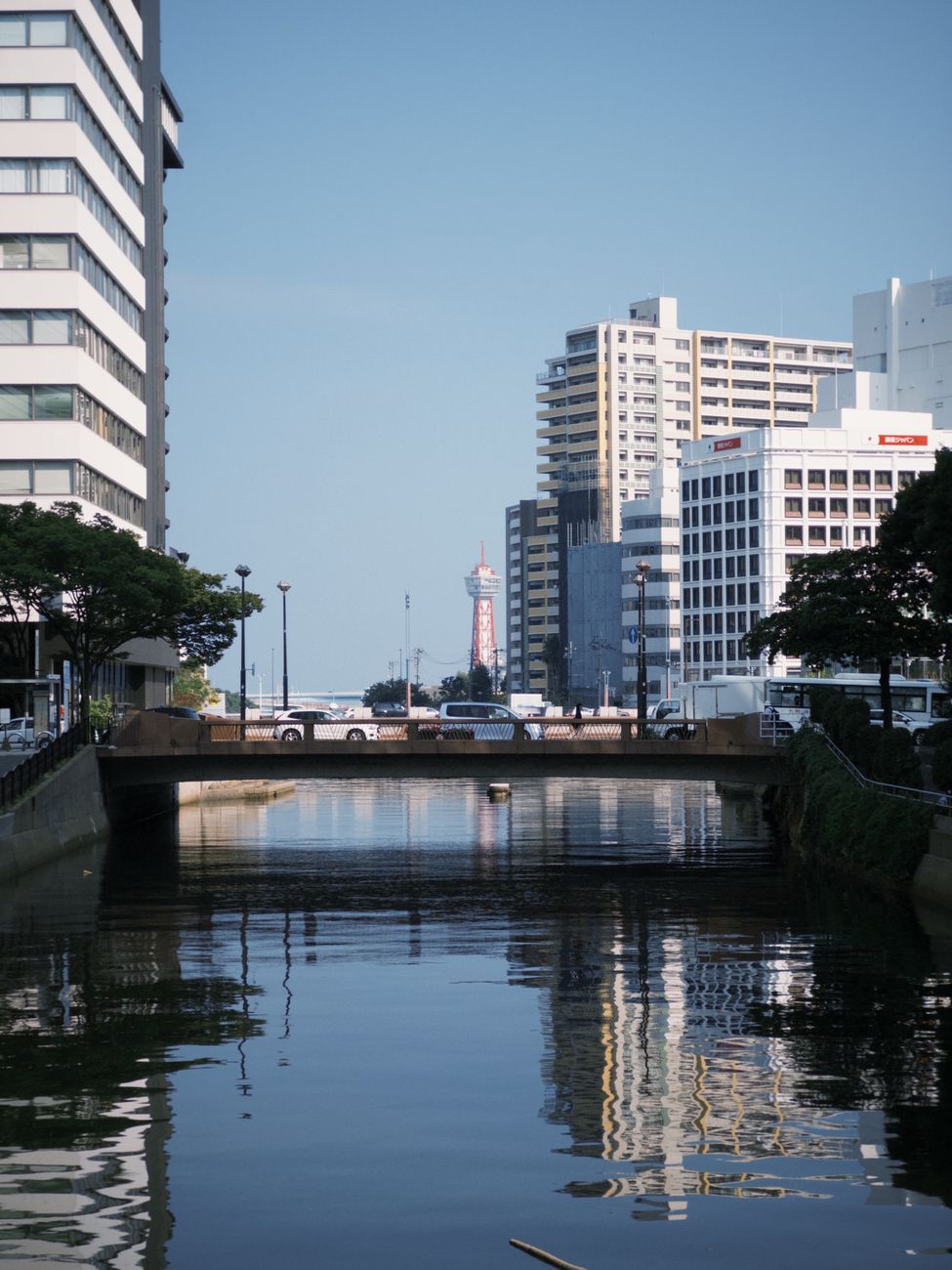
3-Day Fukuoka-shi Itinerary: Practical Weekend Guide
Practical 3-day itinerary for Fukuoka-shi covering transport, yatai dining, Dazaifu day trip.
A compact, honest three-day plan for Fukuoka-shi that balances Hakata food, Tenjin shopping, a Dazaifu excursion, and coastal sights with transit and cost realism.
A first impression is of compact streets, fast trains and a very local food scene that runs late. The city center sits close to the airport and the main station, so arrival logistics are easier than in bigger Japanese metropolises. Expect a mix of modern shopping districts around Tenjin, densely packed Hakata alleys, and a surprisingly large seaside area at Momochi.
Many planners assume the place is simply a ramen stop; that misses the regional museums, the Dazaifu shrine pilgrimage, and the frequent local festivals that rearrange transport and opening hours. The pace is relaxed compared with Tokyo, but it accelerates around office commute times and evening yatai clusters. This city suits travellers who prefer short transit hops, strong food culture, and easy day trips by local rail.
Is 3 days in Fukuoka-shi enough?
Yes—three days lets a traveler cover central Hakata, Tenjin, an evening yatai experience and a day trip to Dazaifu. The honest caveat: island beaches and a deeper Kyushu road trip must wait for a longer visit.
Who This Guide Is For
Best for short-break travellers who like food-focused walking routes, easy day trips by train, and compact urban green spaces. Less suitable for those wanting multiple island or long rural excursions on the same trip.
Local Tips for Fukuoka-shi
Practical details that most travel sites skip — specific to Fukuoka-shi.
- Buy and register a rechargeable Hayakaken or Nimoca card at subway stations or major kiosks; both work across Fukuoka City Subway, Nishitetsu and many buses and save queueing for singles.
- For Dazaifu, take the Nishitetsu Dazaifu Line from Nishitetsu Fukuoka (Tenjin) to Dazaifu Station — journey about 20 minutes and fares are roughly ¥260–¥300 one-way.
- Yatai stalls on Nakasu and along the Naka River open from about 18:00–19:00 and often close around midnight; many take cash only and have no English menus.
- From Fukuoka Airport domestic terminal, the Kuko (Airport) Line subway reaches Hakata Station in five minutes; a single fare to Hakata is usually around ¥260.
- Hakata Gion Yamakasa (held in July) closes large parts of Hakata and Tenjin to traffic and fills hotels early; avoid major travel during July 1–15 unless attending the festival.
How This Guide Was Prepared
This guide treats Fukuoka-shi as a compact, transit-friendly regional hub rather than a stopover. Many guides over-emphasize big-name ramen chains and miss the way local transit (Hayakaken, Nimoca, Nishitetsu) shapes how neighborhoods are visited and timed. This guide was prepared through a structured research that combines destination research, geographic context, itinerary planning logic, and content review.
Plan Your Stay in Fukuoka-shi
Use this itinerary as your starting point, then compare areas to stay, transport options, seasonal timing, and realistic daily costs before booking.
Why Visit
The food scene: central Hakata produces a distinct tonkotsu ramen style and street-eating culture at Nakasu and Tenjin yatai, which is a social, late-evening way to sample small plates. Canal City Hakata and the nearby ramen stadium make sampling different regional bowls convenient in bad weather.
Easy day trips: Dazaifu Tenmangu and Kyushu National Museum are short Nishitetsu rides from Tenjin and offer shrine architecture and classical artifacts without long travel. The combination of Ohori Park and Maizuru Park provides large green space for walking or renting a rowboat beside the city.
Transit convenience: Fukuoka Airport is on the Kuko Line, meaning transfers to Hakata or Tenjin are five to ten minutes by subway. For travellers with limited time, that proximity turns travel time into sightseeing time rather than transit time.
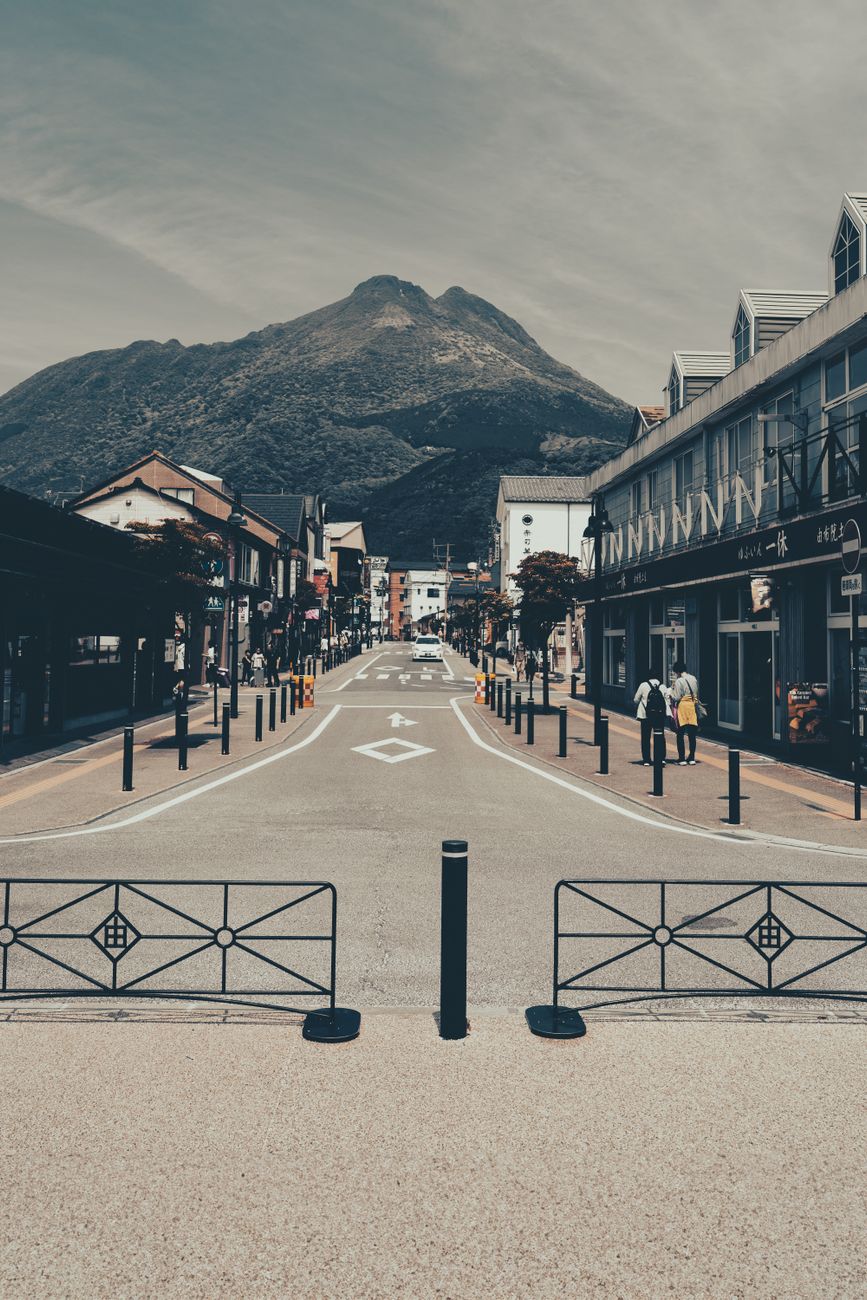
Quick Planning Tips
From Fukuoka Airport, take the Kuko Line subway to Hakata Station (about five minutes) or to Tenjin (two stops further) for fast, cheap access; taxi to central Tenjin is roughly ¥1,500–¥2,000 and takes 15–20 minutes depending on traffic. From JR Hakata Station there are Shinkansen connections across Kyushu and to Honshu; use Hakata as the rail hub for longer journeys.
Bring cash for yatai, small izakaya and some markets; IC cards (Hayakaken, Nimoca or SUGOCA) are accepted on most trains and buses but not every stall. Avoid scheduling major sightseeing on the first Sunday of July if the Hakata Gion Yamakasa festival runs—hotels sell out and roads close.
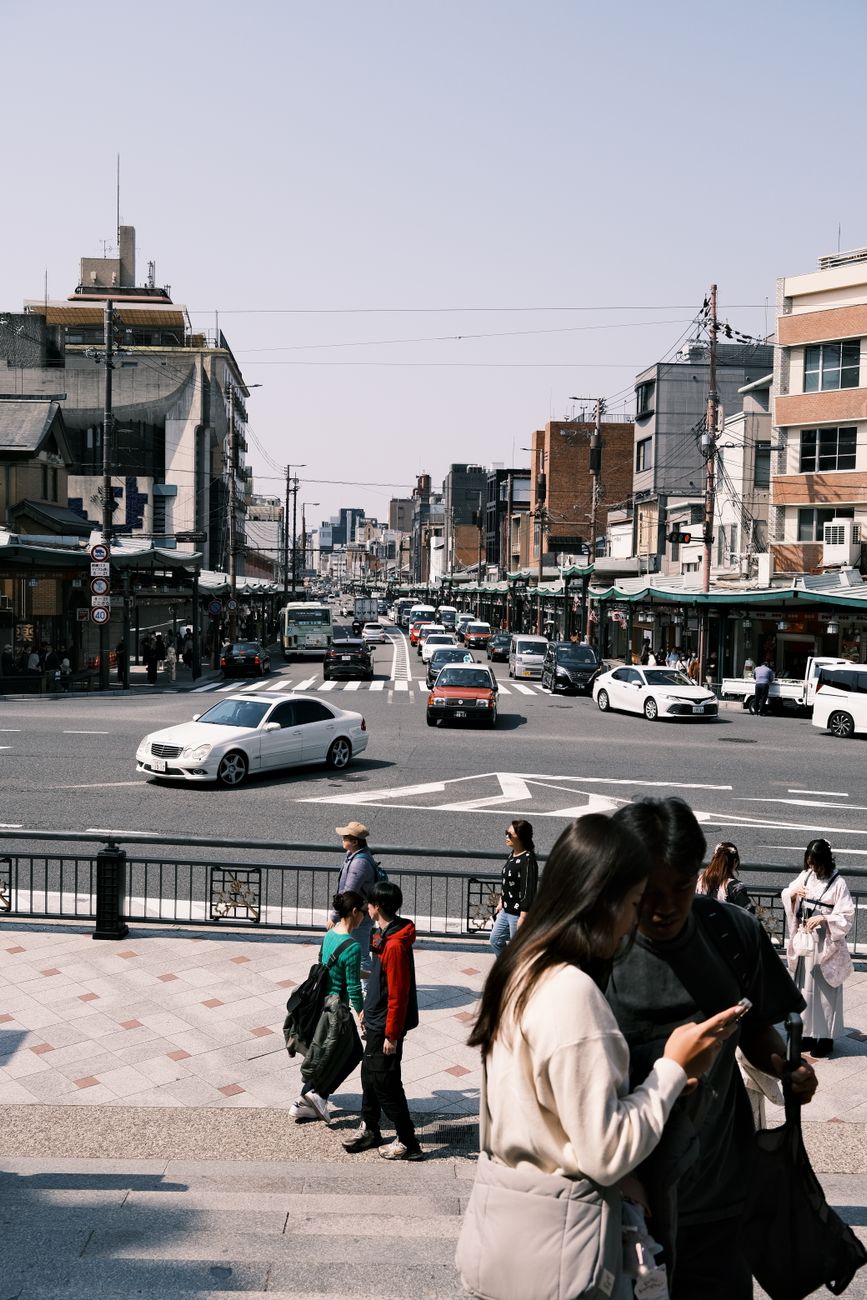
Day 1
Morning: Start at Hakata Station. Use the Hakata Station Tourist Information to pick up a map, then walk 10–12 minutes to Kushida Shrine for a brief visit to a shrine central to local festivals. Both sites are within easy walking distance and the pedestrian routes feature small shops and department stores.
Late morning: Walk 8–10 minutes to Hakata Machiya Folk Museum on Reizen-dori; expect a ¥300–¥500 entrance fee. The museum explains local crafts like hakata-ori textiles and offers short demonstrations.
Lunch: Head to Shin Shin or Ichiran near Hakata for a Hakata ramen lunch (allow 45–60 minutes including queue; ramen costs roughly ¥800–¥1,100). From the museum it is a 10–12 minute walk back toward the station area.
Afternoon: Walk 8–10 minutes to Canal City Hakata to see the shopping complex, the fountain shows and a compact shopping arcade; time for quick shopping or a coffee. If museums are preferred, the nearby Fukuoka Asian Art Museum in the Naka River area is a 10–12 minute walk and charges around ¥200–¥500 for small exhibits.
Evening: Walk or take a short subway ride to Nakasu for yatai along the Naka River. Plan to arrive after 19:00 when stalls open. Expect a social atmosphere, cash payments and basic English at some stalls. Finish the night with a slow walk back to Hakata Station or Tenjin, about 15–20 minutes on foot depending on where the final stall is located.
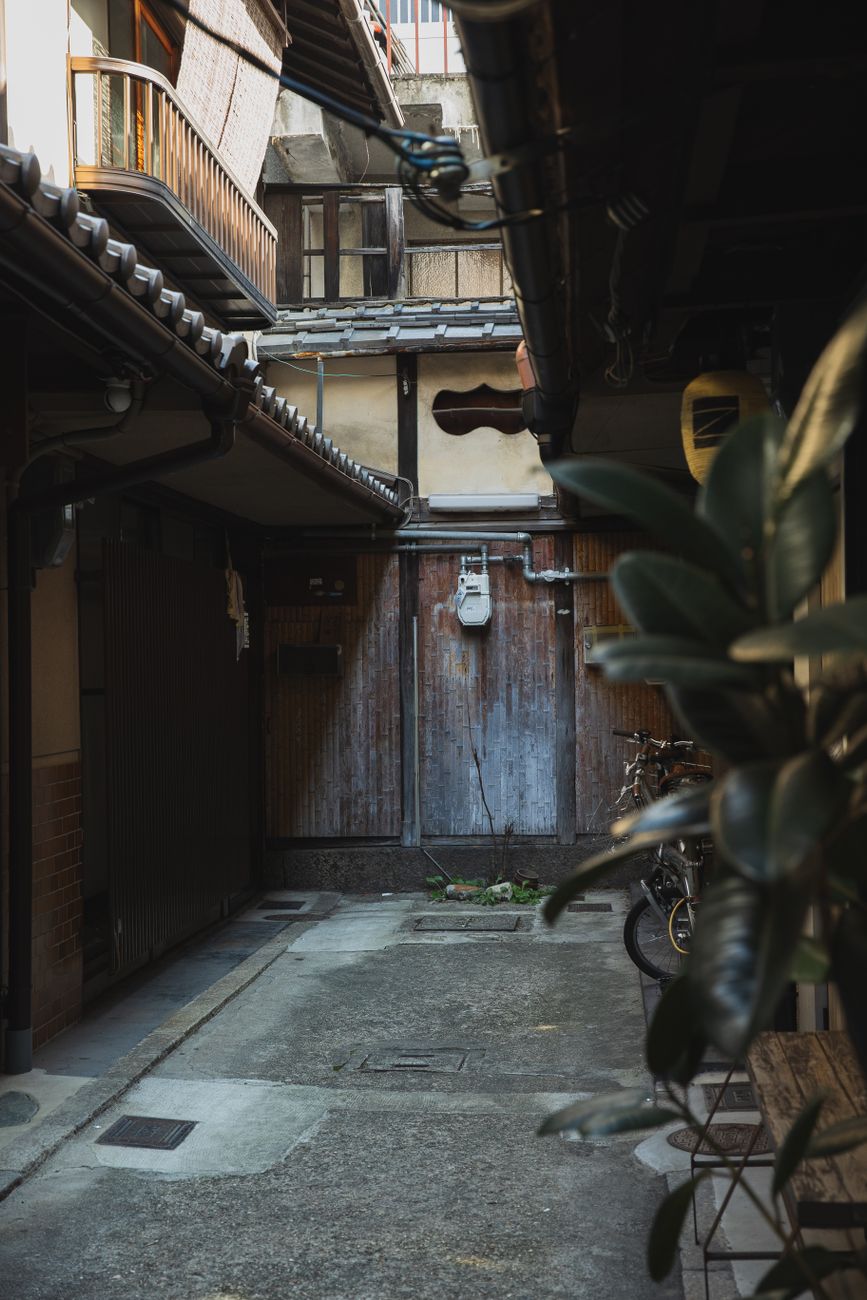
Day 2
Morning: Start in Tenjin for a morning coffee and window shopping on Tenjin Chikagai and the Department Store area (Mitsukoshi, Iwataya). Tenjin is the city’s retail heart and walking routes here link to underground shopping and bus hubs. Expect crowds at lunchtime and quieter side streets for small cafés.
Late morning: Walk or take the subway north to Ohori Park (about 10 minutes from Tenjin by subway or a 20-minute walk). Rent a small rowboat or walk the 2 km loop around the central pond; boat rentals are inexpensive (around ¥500–¥800 for a short period).
Lunch: Picnic or café near Ohori Park, or return toward Momochi for seafood options. From Ohori Park head west to the Fukuoka Art Museum (5–8 minutes on foot); general admission for larger shows is typically ¥300–¥900 depending on the exhibition.
Afternoon: Continue to Momochi Seaside Park and Fukuoka Tower by subway or a 15–20 minute taxi ride from Ohori. Fukuoka Tower observation floor entry is approximately ¥800–¥1,000; sunset views over the bay are popular and the area is modern and open.
Evening: For dinner, try a seafood izakaya near Momochi or return to Tenjin for more concentrated restaurant options. If a baseball game is on at PayPay Dome, factor in transit time from Tenjin (subway and local bus or a 10–15 minute taxi). Finish the night with a short stroll through Tenjin’s lit streets or a late drink at an izakaya.
Day 3
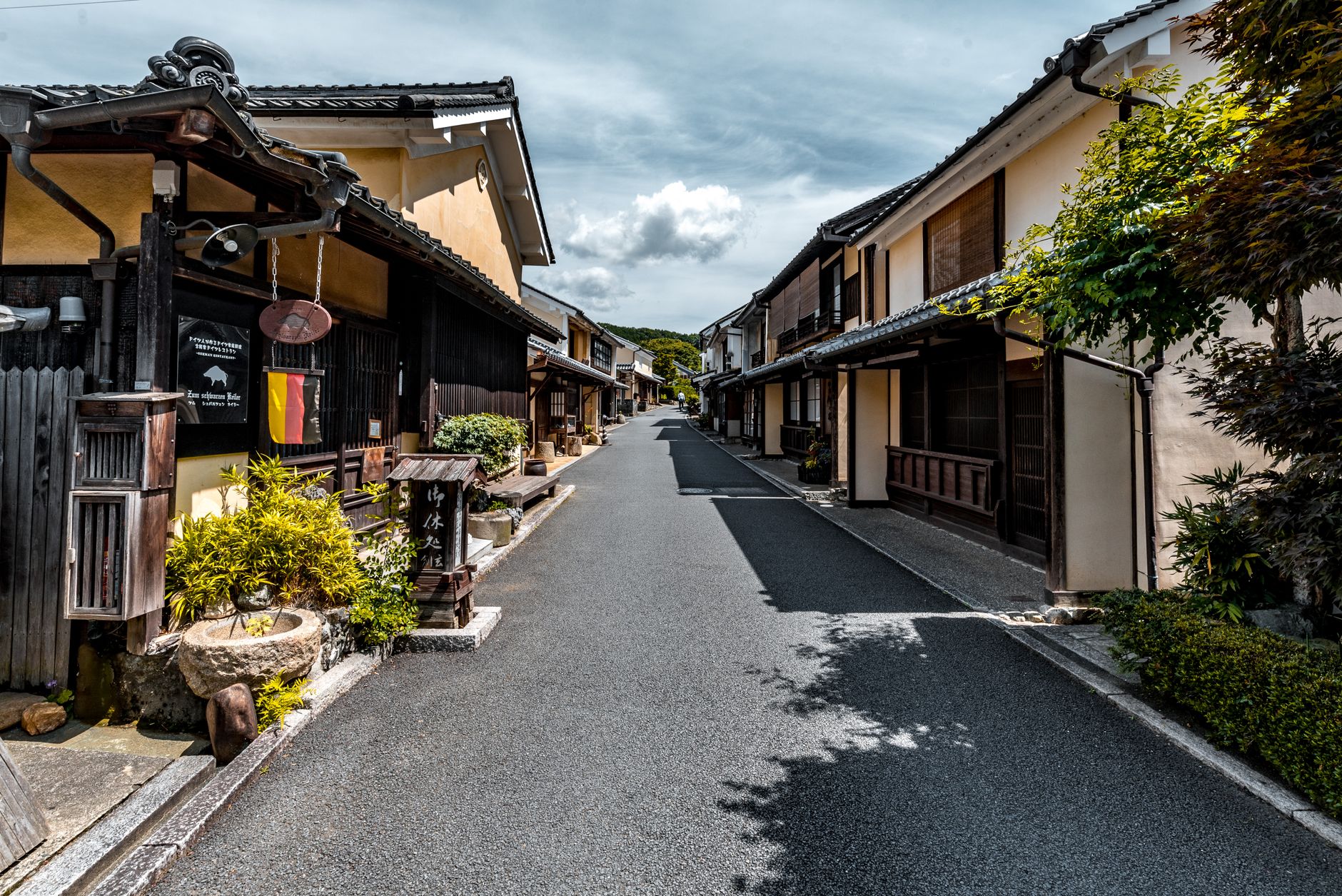
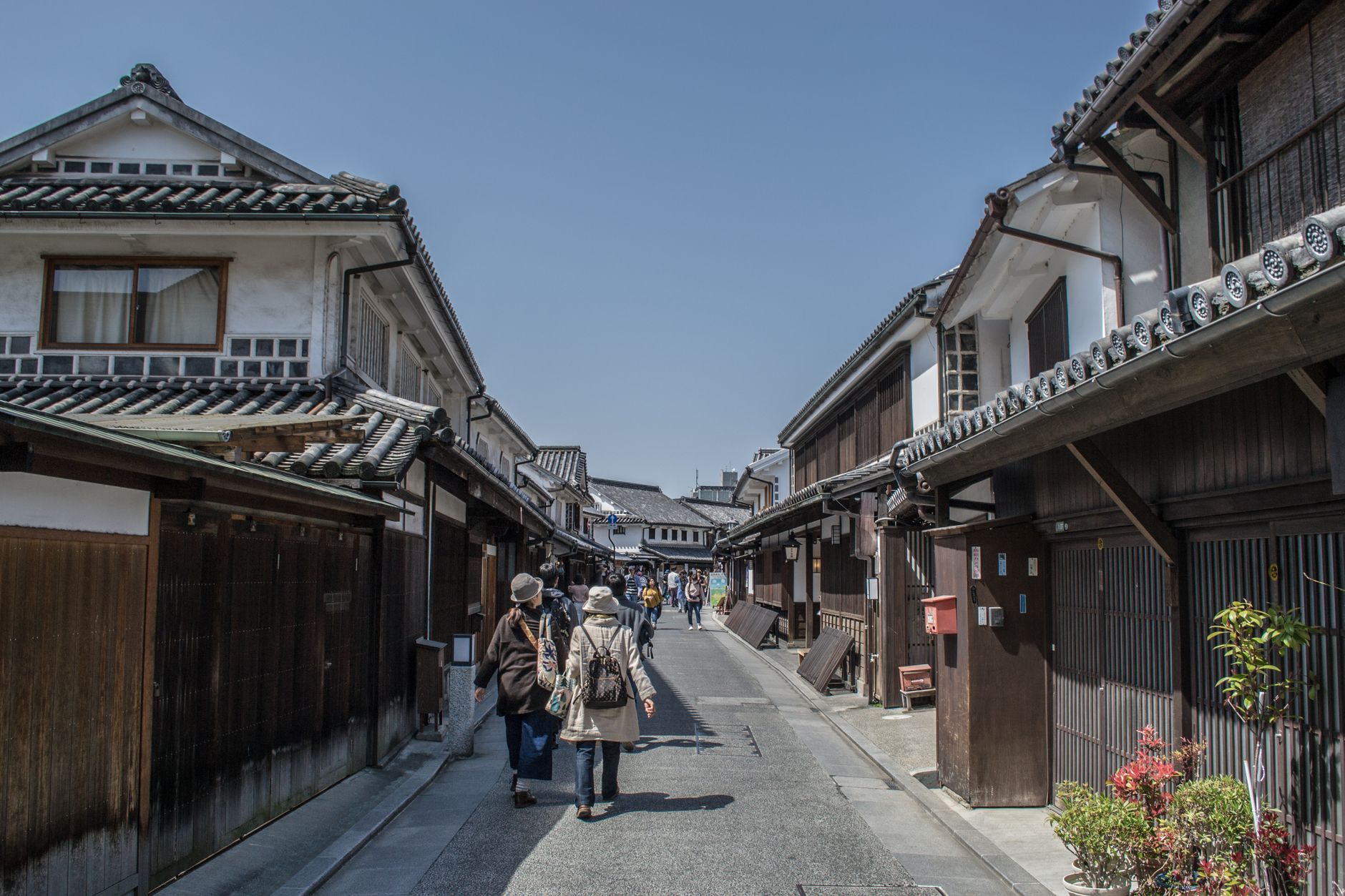
Morning: Take the Nishitetsu Dazaifu Line from Nishitetsu Fukuoka (Tenjin) to Dazaifu Station (about 20 minutes). Arrive early to avoid the midday tourist crush at Dazaifu Tenmangu shrine and to sample street snacks along the approach road.
Late morning: Visit Kyushu National Museum (a 15–20 minute walk uphill from Dazaifu Tenmangu or a short bus ride); entrance is around ¥430 for adults for the main exhibition. The museum focuses on Kyushu’s connections to Asia and is a modern counterpoint to the shrine.
Lunch: Try umegae-mochi or a small soba shop by the shrine path—umegae-mochi is a grilled sweet rice cake associated with the shrine and costs about ¥150–¥250 each. Allow time to browse souvenir shops and the shrine grounds.
Afternoon: Return to central Hakata. Stop at Yanagibashi Rengo Market close to Hakata Station for fresh seafood counters and small eateries; it’s ideal for a late-afternoon snack and photos. From there, visit Tocho-ji with its wooden Buddha (a short 8–10 minute walk from Hakata Station) before collecting luggage or heading to the airport.
Departure note: If catching an afternoon flight, plan to leave Hakata Station at least 60–90 minutes before domestic departures and 2.5–3 hours before international flights because airport security lines and check-in can vary with time of day. The subway from Hakata to Fukuoka Airport takes five minutes; with luggage, add walking and transfer time.
Best Local Experiences
Yatai at Nakasu and along the Naka River: late-night ramen and small plates from roughly 18:00–24:00, cash preferred and no reservations. Dazaifu Tenmangu pilgrimage route: try umegae-mochi and visit Kyushu National Museum for a cultural contrast to city temples. Yanagibashi Rengo Market: morning fish counters and mentaiko vendors with small seafood stalls; arrive before noon for best selection.
PayPay Dome game: attend a SoftBank Hawks game when in season for an energetic local sporting experience; check the schedule and local train connections from Hakata or Nishitetsu routes. Nokonoshima Island Park: a short ferry ride from Meinohama for seasonal flowers and seaside walking—ferry schedules change by season, so check times in advance.
Where to Stay
Hakata (around Hakata Station): Suited for travellers relying on Shinkansen and airport connections. Closest to JR services, long-distance buses and many ramen shops; chambres here range from budget hostels ¥3,500–¥6,500 per night to mid-range business hotels ¥8,000–¥15,000 (approx. €50–€95 / $55–$110). Expect convenience store access and early breakfast options.
Tenjin: Ideal for shoppers and nightlife. Near department stores, underground shopping and Nishitetsu lines; good for evening yatai access and walking to galleries. Mid-range hotels here are roughly ¥9,000–¥18,000 per night (approx. €56–€112 / $63–$130). Rooms tend to be smaller but steps from restaurants.
Momochi / Seaside area: Suited for those preferring a quieter seaside feel and Fukuoka Tower visits. A mix of higher-end hotels and business options with prices from ¥10,000–¥22,000 per night (approx. €62–€137 / $70–$160). This area suits travellers wanting bay views and relaxed mornings.
Food and Drink
Hakata ramen (tonkotsu): a pork-broth ramen with thin noodles. Best known spots include Ichiran, Ippudo and local shops like Shin Shin; expect ¥800–¥1,200 per bowl. Yatai ramen: street-stand versions on Nakasu often run ¥700–¥1,000 and offer a social atmosphere; bring cash.
Motsunabe: a beef or pork offal hotpot flavored with garlic and soy or miso. Popular near Nakasu and Tenjin at specialised restaurants; portions to share cost about ¥2,500–¥4,000 for two people. Mentaiko (spicy cod roe): sold at Yanagibashi Market and specialty shops, often sold by weight; small packs cost ¥500–¥1,000 and are common souvenirs.
Mizutaki: a chicken hotpot simmered at the table, served with ponzu; try at established restaurants in Hakata for around ¥2,500–¥3,500 per person. Breakfast option: small sushi or tamago-yaki stalls at Yanagibashi Market or a convenience-store onigiri and coffee for ¥300–¥600 if starting early.
Dessert/snack: Umegae-mochi in Dazaifu is grilled sweet rice cake filled with red bean paste, typically ¥150–¥250 each. For evening drinks, small izakayas in Tenjin offer local sake and shochu bottles by the glass from ¥500 upwards.
Getting Around
Main modes: Fukuoka City Subway (Kuko Line, Hakozaki Line, Nanakuma Line), Nishitetsu private railway (Tenjin Omuta Line and short Dazaifu Line), JR Kyushu lines (Kagoshima Main Line and Shinkansen at Hakata). Local buses cover neighbourhoods that the subway doesn't.
Tickets and cards: Single central subway fares are typically ¥200–¥320 depending on distance. A one-day subway pass (tourist pass) is often available for around ¥640 for unlimited subway rides in a 24-hour window. Hayakaken, Nimoca and SUGOCA IC cards are rechargeable and interoperable across most local trains and buses. Taxi from Fukuoka Airport to Tenjin or Hakata ranges about ¥1,200–¥2,000 depending on traffic and destination.
Apps and planning: Use Google Maps for route planning and NAVITIME Japan Travel or Jorudan for detailed train timetables. For JR schedules and Shinkansen reservations, the JR Kyushu app or website is practical.
Best Time to Visit
Spring (March–May): Temperatures 8–20°C with cherry blossoms in late March to early April; expect higher hotel rates during sakura and Golden Week. Summer (June–August): June is the rainy season; July sees Hakata Gion Yamakasa and hot, humid weather with temperatures 25–33°C. Expect crowds and sold-out rooms during festival dates.
Autumn (September–November): Temperatures 15–25°C with pleasant humidity and fewer tourists; October and November usually offer the best combination of weather and value. Winter (December–February): Mild winters with daytime temperatures around 5–12°C; fewer tourists and lower accommodation prices, but occasional cold days and strong winds along the bay.
Budget and Practical Tips
Daily budget examples (per person): Budget traveller: accommodation ¥3,500–¥6,500, food ¥2,000–¥3,500, transport ¥800–¥1,200, entries ¥500–¥1,000 — total ≈ ¥6,800–¥12,200 (≈ €43–€76 / $48–$87). Mid-range traveller: accommodation ¥8,000–¥15,000, food ¥3,500–¥6,000, transport ¥1,000–¥1,500, entries ¥1,000–¥2,000 — total ≈ ¥13,500–¥24,500 (≈ €84–€153 / $96–$175).
Tipping: Not customary in Japan. Round up or leave small change only in cafes or for exceptional service. Expect most establishments to include any service charge in the bill. Carry a modest amount of cash for markets, small restaurants and yatai; ATMs at 7-Eleven and Japan Post accept many foreign cards.
FAQ
Is Fukuoka-shi safe for solo travellers?
Yes. Street crime is low and daytime and evening walking is generally safe; normal urban precautions apply, and avoid poorly lit isolated areas late at night.
How do I get from Fukuoka Airport to central hotels?
The Kuko Line subway is the fastest option to Hakata (about five minutes) and to Tenjin (two more stops); taxis are quicker with luggage but cost ¥1,200–¥2,000 depending on destination.
Is a city transport card worth buying?
Yes. Hayakaken or Nimoca saves time and works across subway, Nishitetsu and many buses; they also give small discounts and avoid repeated ticket purchases.
Are yatai family-friendly and accessible?
Many yatai are small stools and low tables, so they can be cramped and not ideal for large strollers or full accessibility needs; some have standing or counter space better suited to solo or couple dining.
Can the JR Pass be used locally here?
The national JR Pass covers JR lines through Hakata Station and Shinkansen services, but local private lines like Nishitetsu and subway lines are not covered.
What day trips are realistic from the city in one day?
Dazaifu by Nishitetsu takes about 20 minutes one-way and is the most common half-day or full-day trip; Nokonoshima Island and Kitakyushu require more planning and extra travel time.
Conclusion
Three days yields a clear, practical picture of the city: food culture anchored by Hakata ramen and yatai, compact walking-friendly neighbourhoods, and a single relaxed day trip to Dazaifu. The memory will likely be the evening yatai atmosphere and how quickly the airport feels close enough to turn arrivals into immediate sightseeing.
If time runs short, prioritise Kushida Shrine and a yatai dinner plus a Dazaifu morning or Ohori Park afternoon. Those choices capture the food, shrine culture and green spaces that define a short stay.
How this guide was prepared
This guide was prepared through a structured research that combines destination research, geographic context, itinerary planning logic, and content review.