

Gallipoli in 3 Days: Practical Weekend Itinerary
A blunt, practical three-day plan for Gallipoli covering the Old Town, seafood market, beaches, transport options and realistic costs.
A no-nonsense 72-hour plan that balances Old Town exploration, fresh seafood, beach time in Baia Verde and practical transport advice for a weekend visit.
A compact historic centre sits on a limestone island linked to the modern town by a single stone bridge, which gives the place a strong port-town feel. Expect narrow streets, low-rise white buildings, omnipresent fishing boats in the porto and a queue of friggitorie selling hot fried fish near the market.
Noise levels swing with the season: quiet and pedestrian-friendly in spring and autumn, loud and crowded in July and August around Baia Verde. Visitors often arrive expecting an isolated "coastal village" and are surprised by the nightlife and car traffic that pour in during high season.
This destination suits travelers who can handle short walks, early starts for markets and who want seafood as a central part of the visit. Those who need a tranquil, car-free retreat every hour should look to smaller hamlets on the coast instead.
Is 3 days in Gallipoli enough?
Three days are enough to see the Old Town, the castle and a couple of beaches, and to sample the fish market and a boat trip. One honest caveat: day trips inland to Lecce or Matera squeeze the schedule and risk missing unhurried mornings at the porto.
Who This Guide Is For
Best for food-focused travelers and beach-goers who like compact historical centres and short walks; poor fit for visitors wanting a deep archaeological exploration or a relaxed multi-site itinerary without a car.
Local Tips for Gallipoli
Practical details that most travel sites skip — specific to Gallipoli.
- Mercato del Pesce at Porto Vecchio opens very early — best visiting hours are 07:00–09:00; many vendors close by 10:30.
- Ferrovie del Sud Est (FSE) runs the Lecce–Gallipoli rail link; a single ticket Lecce–Gallipoli costs about €3–€4 but must be validated in the yellow/blue machines on board or at the station.
- Centro Storico sits on an island connected by Ponte Nuovo and is inside a ZTL (Zona a Traffico Limitato); short-term parking is available at Parcheggio Via Napoli or Parcheggio Fondone outside the restricted zone.
- In high season (July–August) Baia Verde beach clubs charge sunbed rates around €15–€30 for a day; public beach stretches remain free but fill early.
- Castello Angioino-Aragonese typically charges a small entry fee (around €3–€6) and closes earlier than museums in bigger cities—check closing times before planning an evening visit.
How This Guide Was Prepared
This guide treats Gallipoli as a working fishing town and summer beach hub, not a postcard. Many guides over-focus on beaches and sunset photos while skipping the early-morning fish market, ZTL rules, and the fragmented public transit that shapes sightseeing windows. This guide was prepared through a structured research that combines destination research, geographic context, itinerary planning logic, and content review.
Plan Your Stay in Gallipoli
Use this itinerary as your starting point, then compare areas to stay, transport options, seasonal timing, and realistic daily costs before booking.
Why Visit
The fishing port and its morning market deliver direct contact with the local food economy; buying or watching the Mercato del Pesce at Porto Vecchio gives a concrete feel for local rhythms. The waterfront Castello Angioino-Aragonese anchors the Old Town and is an accessible medieval-to-Renaissance monument that usually costs only a few euros to enter.
Beaches range from organized clubs at Baia Verde to free stretches near Lido San Giovanni, so a short trip can combine a museum visit with swim time on the same day. Short regional rail links make day trips to Lecce or Taranto realistic without changing accommodation.

Quick Planning Tips
Best arrival route is via Brindisi Airport: take the Trenitalia shuttle to Lecce then the Ferrovie del Sud Est train to Gallipoli; total travel time around 1 hour 45 minutes depending on connections. From Bari Airport the trip is longer; consider a rental car for flexible beach access in low season.
Carry euros and expect small trattorie to prefer cash; credit cards are accepted at larger restaurants and shops but smaller vendors at the fish market are cash-only. Validate any paper FSE ticket in the stamping machine before boarding or on the platform to avoid fines.
Avoid assuming free parking near Centro Storico: park outside the ZTL at Parcheggio Via Napoli or Parcheggio Fondone and walk in. Double-check timetables in August when some services run limited schedules because of holidays.

Day 1
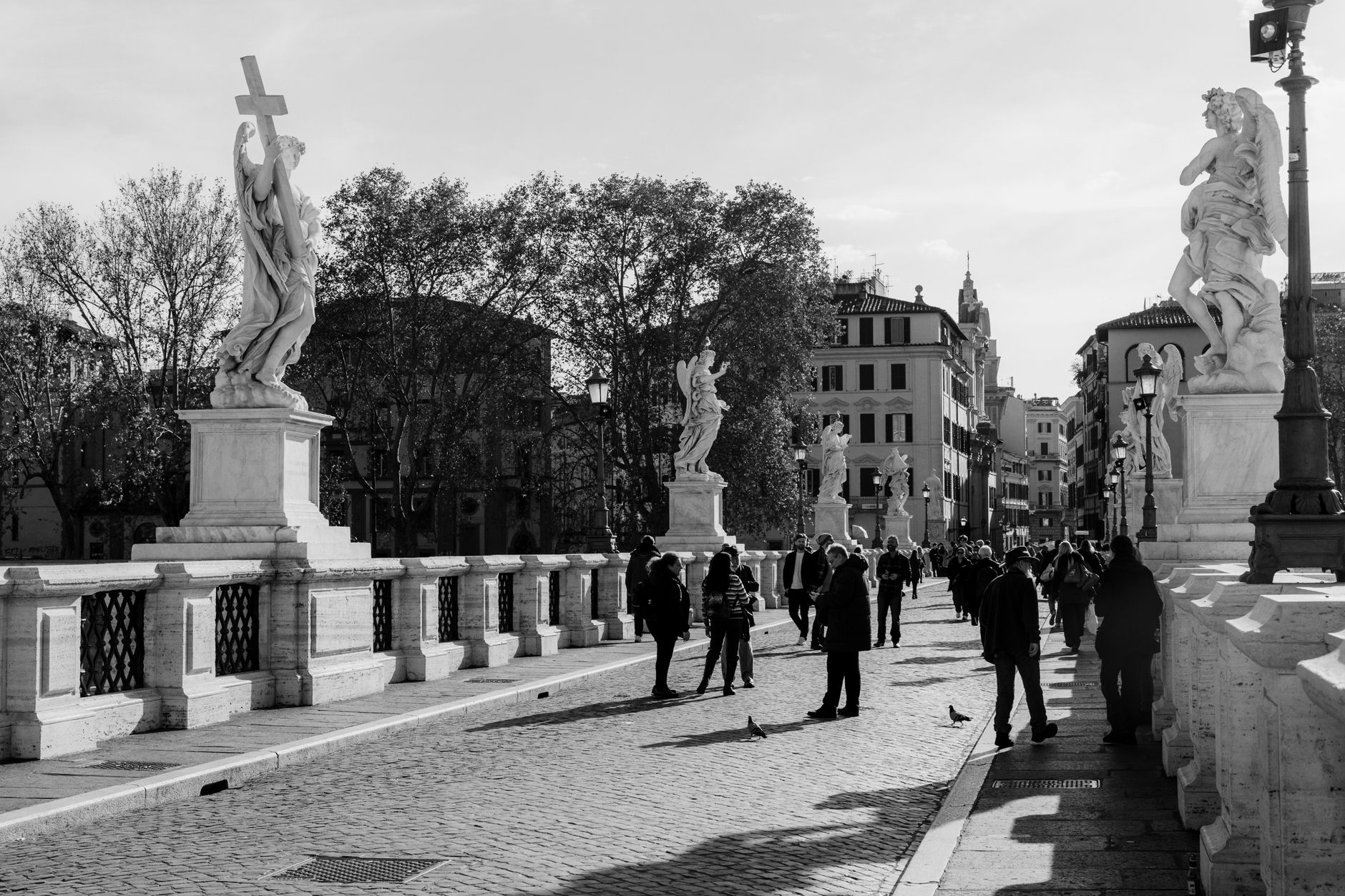
Start at Ponte Nuovo and enter the Centro Storico on foot; allow 10–15 minutes to cross and orient. Walk from the bridge to Castello Angioino-Aragonese (2–5 minutes) to tour the ramparts and view Porto Vecchio; castle entry is modest and a stop of 45–60 minutes covers the main rooms and battlements.
From the castle walk 5 minutes to Fontana Greca and then head to Cattedrale di Sant'Agata (another 3–5 minutes). Time here: 30–45 minutes for interior and piazza. For lunch, head to the fish market area near Porto Vecchio where friggitorie sell frittura di paranza and paper cones of mixed small fried fish for about €6–€12; sit at the banco or take it to a bench by the water.
After lunch, spend the afternoon wandering the narrow lanes around Via Antonietta de Pace and Via Garibaldi, stopping at small boutiques and local ceramic shops (plan 1–2 hours). Walk back across the bridge to the Lungomare Cristoforo Colombo for a sunset stroll and an aperitivo at a café along the seawall. Evening recommendation: book a table at a seafood trattoria near the porto or in the Old Town and keep walking shoes handy—the streets are cobbled and slightly slippery when wet.
Day 2
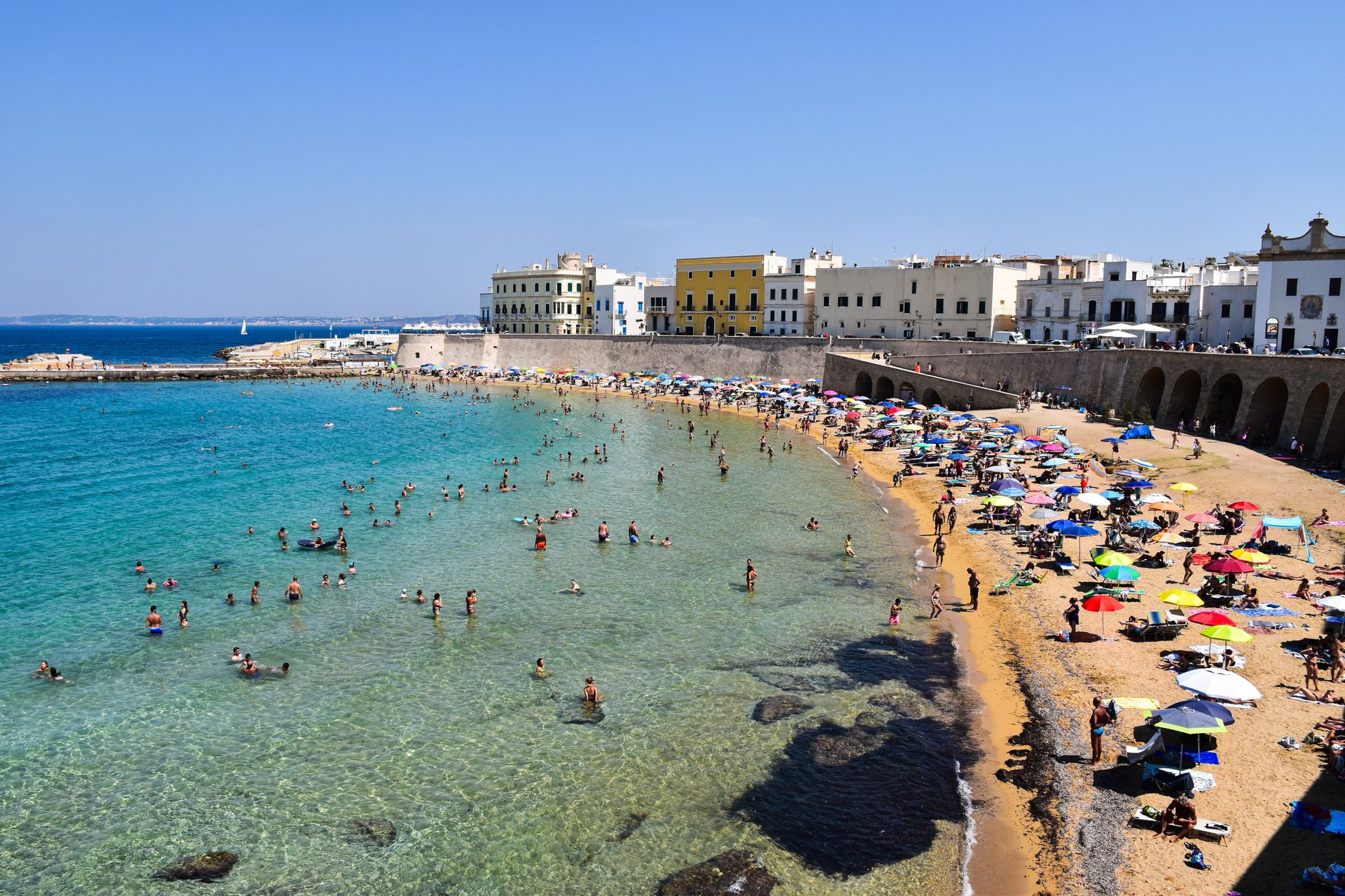
Reserve this day for beaches, boat time and a relaxed lunch. Start at Lido San Giovanni for a morning swim; the beach is a 10–15 minute walk from the bridge or a short bus ride from the station. From Lido San Giovanni a local bus or short taxi ride (10 minutes) takes visitors to Baia Verde, where organized beach clubs and free sand stretches run along several kilometres.
Midday option: rent a small boat or join a group boat trip from Porto Vecchio (prices roughly €20–€40 per person for a 2–3 hour coastal cruise) to see sea caves, swim and snorkel. Return to the Old Town in the late afternoon and visit any museums missed on Day 1, or sample street-food panzerotti from a bakery near Piazza Aldo Moro for a quick refuel.
Evening suggestion: head back to Baia Verde if it’s high season for a beach-club aperitivo or choose a quiet dinner near the cathedral on weekdays when the crowds ease. Allow transit times of 15–30 minutes between beaches and the centro depending on traffic.
Day 3
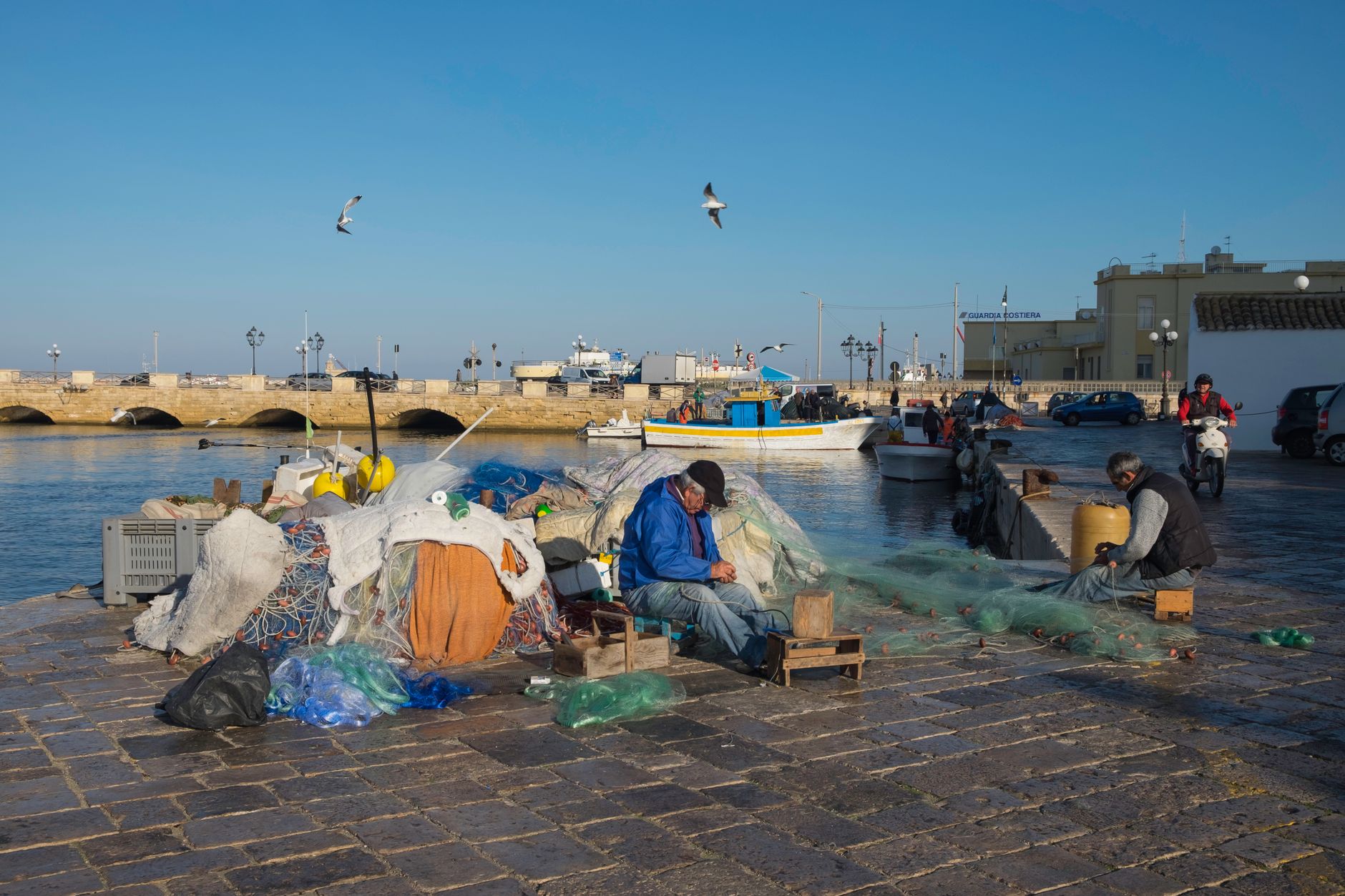
Use the final day to pursue anything missed and prepare for departure. Start at Mercato del Pesce near Porto Vecchio early to watch auctions and buy ready-to-eat specialties; plan 60–90 minutes. Walk to any remaining churches in the Old Town such as Santa Maria del Canneto (short walks between sites, 5–10 minutes each) for quick interior visits.
If checking out mid-day for an afternoon flight, store luggage at the station or arrange late checkout; allow 60–90 minutes to reach Brindisi Airport via Lecce and Trenitalia connections. Alternative: a fast day trip to Lecce takes about 40 minutes by FSE train each way; take the earliest train to maximize time. Last-minute shopping for taralli or pasticciotto can be done on Corso Roma or near the station before departure.
Best Local Experiences
Mercato del Pesce at Porto Vecchio — early morning auctions and fresh catches sold to locals and restaurants. Baia Verde beach clubs and public sandy stretches — compare prices for sunbeds versus free sand and arrive early in July–August.
Friggitorie near the fish market — quick street‑side cones of frittura di paranza. Boat trips from Porto Vecchio — short coastal cruises for grotto sightseeing and snorkeling. Notte della Taranta in nearby Melpignano (late August) — a regional folk festival worth timing if music and crowds are wanted. Evening passeggiata along Lungomare Cristoforo Colombo — a simple local ritual at sunset and after dinner.

Where to Stay
Centro Storico (Old Town) — suits walkers who want immediate access to the castle, cathedral and restaurants; rooms are in converted houses with many stairs. Nightly cost range: €90–€180 (approx. $98–$195), higher in July–August.
Lido San Giovanni — suits families and swimmers who want quick beach access and quieter nights than Baia Verde; many mid-range hotels and apartments. Nightly cost range: €70–€140 (approx. $76–$152).
Baia Verde — suits people seeking beach clubs and nightlife; expect noise late at night in high season and higher summer rates. Nightly cost range: €80–€200 (approx. $87–$217).
Food and Drink
Frittura di paranza — mixed small fried fish served hot in paper cones; best at friggitorie near Porto Vecchio and costs about €6–€12. Polpo alla pignata — octopus slowly cooked in terracotta with tomato and herbs; find it at traditional trattorie and small seafood restaurants for €12–€20.
Ricci di mare (sea urchin) — seasonal, eaten raw on bread or spaghetti; when available at market stalls or specialized restaurants prices vary widely, often €4–€10 per piece at market counters. Pasticciotto — a shortcrust pastry filled with custard, a classic Salento breakfast item sold at bakeries on Corso Roma for about €1.50–€3. Panzerotti — fried dough pockets with tomato and mozzarella sold at bakeries and street vendors; a common on-the-go snack for around €2.50–€4.
Dinner recommendation: a seafood trattoria on Porto Vecchio or an Old Town osteria offering a tasting menu (expect €25–€45 per person excluding wine). Wines to try: Negroamaro and Primitivo from the Salento area, by the glass for €3–€6 at restaurants.
Getting Around
Main public transport: Ferrovie del Sud Est (FSE) regional trains between Lecce and Gallipoli and FSE/CTP buses to local beaches. Single regional train ticket Lecce–Gallipoli about €3–€4; local bus single tickets around €1.20–€2 depending on route.
No common city-wide day pass is widely advertised for tourists; paper tickets are purchased at station machines, tobacconists (tabacchi) or on certain buses and must be validated in the yellow/blue machines. Taxi from Brindisi Airport to town is commonly €90–€140 depending on time of day; a cheaper option is Trenitalia to Lecce then FSE train. Useful apps and sites: Trenitalia for national connections, Ferrovie del Sud Est website/timetables and Moovit or Google Maps for local bus routing.
Best Time to Visit
May and September offer the best combination of warm weather (20–27°C) and lower crowds; most businesses are fully open and water is pleasant for swimming. July and August are hot (25–33°C) and busy with beach clubs and nightlife at peak capacity; book accommodation well ahead.
October brings cooler daytime temperatures (15–22°C) and quieter streets but some seasonal businesses close; winter months are quiet and many seaside services close, though rates are low and the Old Town is very peaceful.
Budget and Practical Tips
Realistic daily budget (mid-range traveler): accommodation €80–€140 ($87–$152), food €30–€50 ($33–$55), local transport €3–€8 ($3–$9), entry fees and activities €10–€30 ($11–$33). Expect higher accommodation rates in July–August; saving on meals by using market stalls and casual seafood stands cuts costs substantially.
Tipping norms: restaurants often list a coperto (cover charge) and sometimes add servizio; leaving a small tip of 5–10% for good service is appreciated but not obligatory. Carry some cash for market stalls and smaller cafés; ATMs and card acceptance are common but single-operator vendors may not take cards.
FAQ
Is Gallipoli safe for solo travelers?
Yes, daytime walking in the Old Town and along the Lungomare is generally safe; standard precautions against pickpocketing apply in crowded summer evenings.
How do I get from Brindisi Airport to the centre?
Take the Trenitalia shuttle to Lecce then a Ferrovie del Sud Est train to the town; total door-to-door time is usually 1 hour 30–1 hour 50 depending on connections.
Is there a city card worth buying?
There is no widely used all-in-one city card; individual museum tickets and boat trips are inexpensive so a card rarely pays off for a 3-day visit.
Can day trips to Lecce or Taranto be done without a car?
Yes; FSE trains connect to Lecce in about 40 minutes and buses or regional trains link to Taranto, though schedules should be checked in advance.
Are beaches free or paid?
Both: there are free sandy stretches and privately run lidos charging for sunbeds and umbrellas, typically €15–€30 per day in high season.
Is it easy to find fresh seafood outside restaurants?
Yes; the fish market at Porto Vecchio and nearby friggitorie sell fresh-cooked or raw seafood in early morning and lunch hours.
Are there good options for vegetarians?
Local cuisine includes pasta dishes such as orecchiette alle cime di rapa and vegetable-based antipasti; smaller eateries often adapt dishes on request.
How late do shops and museums stay open?
Opening hours vary; museums and the castle can close earlier in the evening, and many shops in summer stay open late on the passeggiata.
Conclusion
A three-day visit should leave memories of stone alleys, fresh seafood eaten by the water and at least one relaxed beach day. Prioritise the early-morning fish market and a short coastal boat trip if time is limited; those two experiences give a clearer impression of local life than watching a single sunset alone.
Travelers who pace themselves, avoid driving into the ZTL and plan transport around FSE timetables will get the most from a compact stay.
How this guide was prepared
This guide was prepared through a structured research that combines destination research, geographic context, itinerary planning logic, and content review.