
Matera in 3 Days: Practical Itinerary and Real Tips
A blunt 3-day Matera guide with walking routes, transit tips, real prices, and what to skip to avoid crowds and false expectations. Includes timetables.
A no-nonsense 72-hour plan that balances the Sassi, nearby Murgia landscapes, museums, and food without promising to see everything. Practical routes, transit notes and real costs help prioritise.
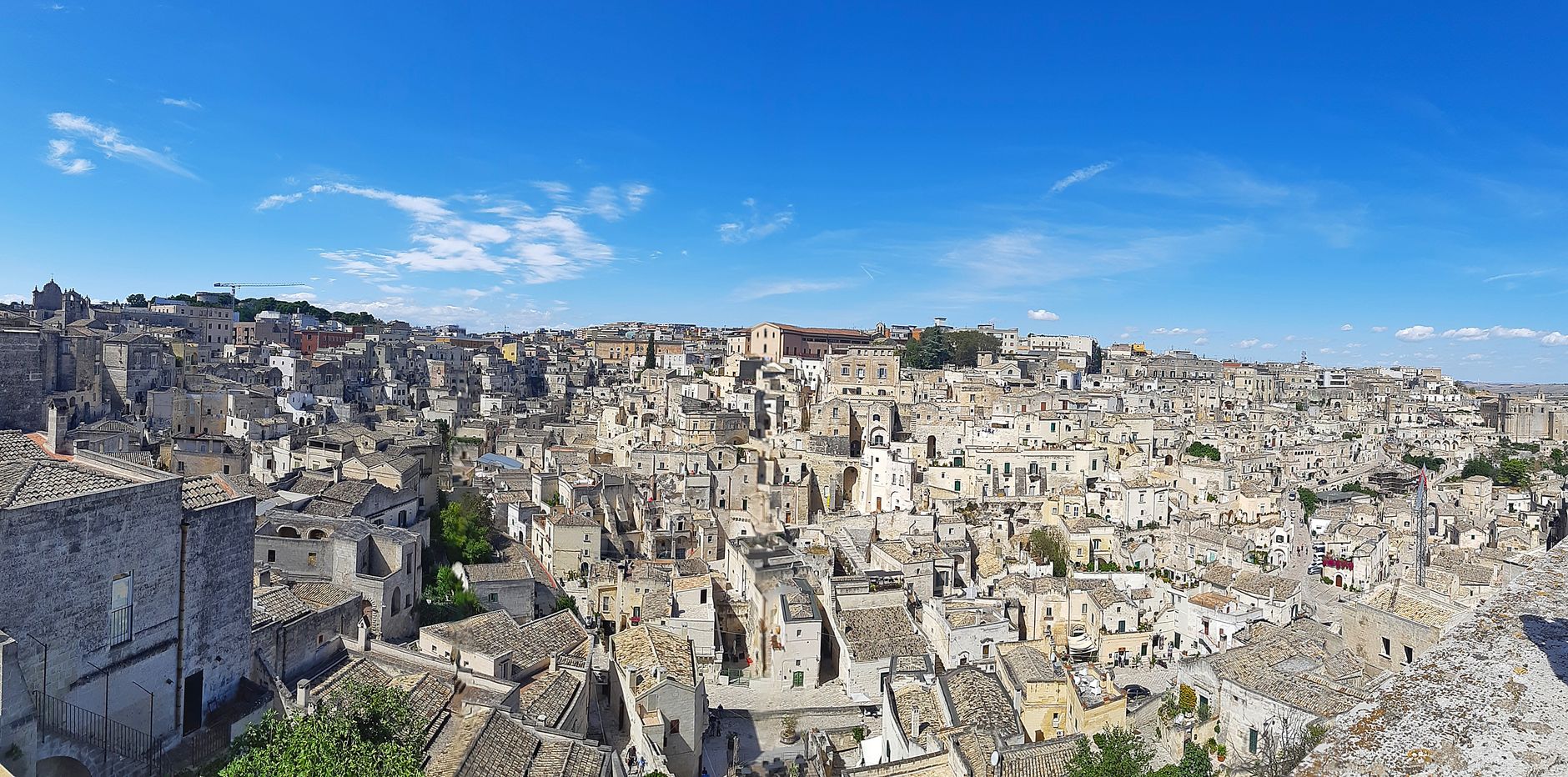
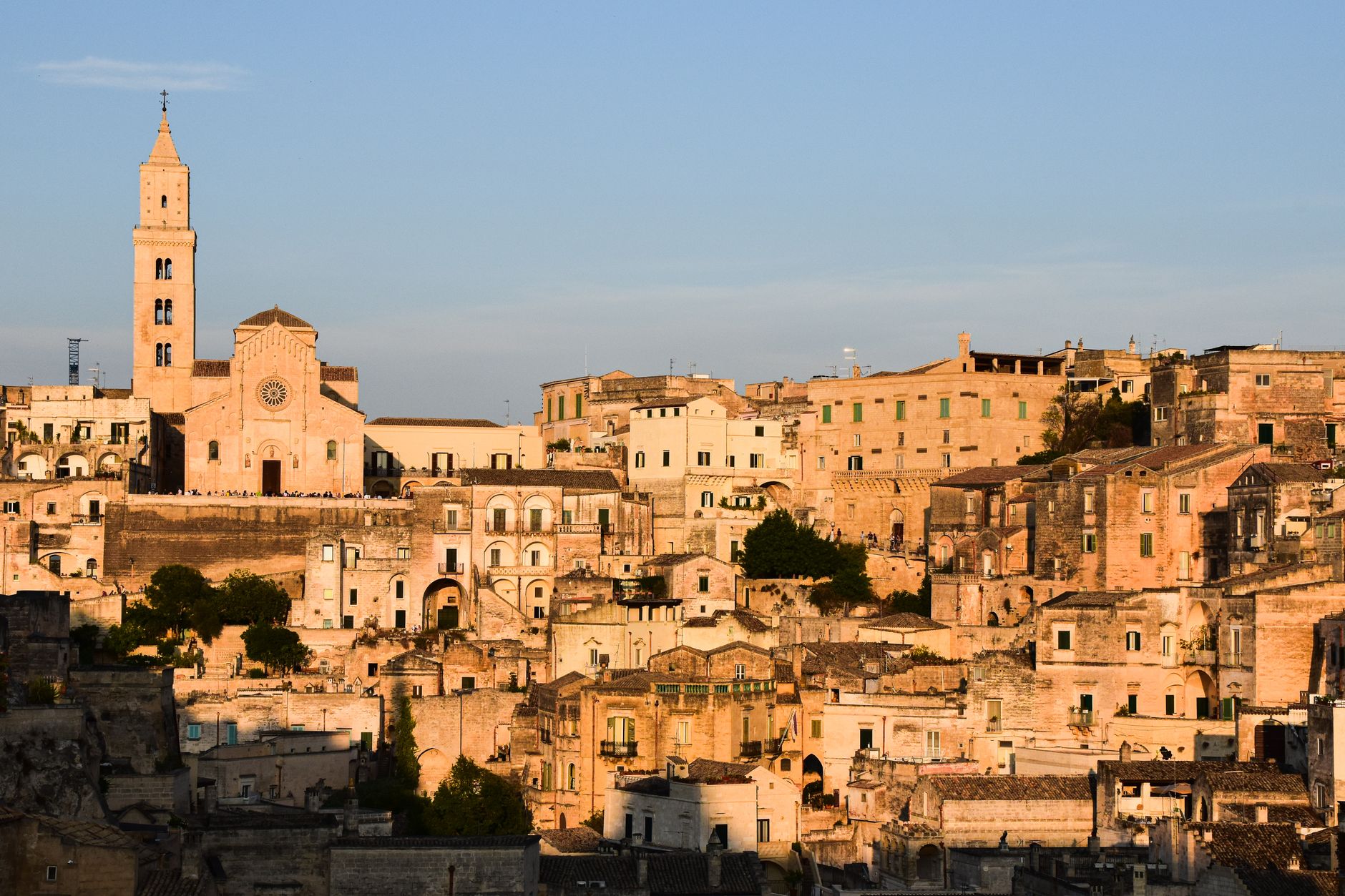
First impressions are of caves, narrow alleys and stone terraces layered into a steep ravine. The Sassi neighbourhoods feel like an architectural museum you walk through rather than a single park, and the layout forces choices: some alleys are residential and quiet, others are full of souvenir stalls and tour groups. Noise from tour buses concentrates around Piazza Vittorio Veneto and Piazza San Pietro Caveoso at peak hours, while the Murgia plateau across the ravine provides much-needed open-air space and quiet viewpoints. Visitors who expect a modern city centre with grid streets, shops and regular tram connections will find instead a place best navigated on foot, by short local bus runs, or with one of the many guided tours that explain the rupestrian churches and cave dwellings.
Is 3 days in Matera enough?
Three days are enough to see the Sassi (Sasso Barisano and Sasso Caveoso), visit key museums like MUSMA and Casa Grotta, and do a Murgia plateau walk. Cave sites or longer day trips to Gravina or Ostuni will need extra time.
Who This Guide Is For
Best for walkers who want photography, archaeology and slow meals; not ideal for travelers who need fast-paced sightseeing or who cannot manage many stairs and uneven paths.
Local Tips for Matera
Practical details that most travel sites skip — specific to Matera.
- Take the Ferrovie Appulo Lucane (FAL) train from Bari Centrale to Matera Centrale—journey about 1h15 and tickets are often cheaper than regional buses when booked at the station.
- Sunset from Piazza San Pietro Caveoso is the busiest hour; arrive at least 45 minutes early for a good photo position and expect a crowd of day-trippers.
- Parco della Murgia Materana access: use the Belvedere Murgia Timone trailhead (near Via Casalnuovo) for easy routes to the rupestrian churches; bring €2–€3 cash for the small mandatory parking machines.
- Many restaurants in Sasso Caveoso add a coperto (cover charge) of about €1–€3 per person; check the menu prices carefully before ordering wine or antipasti.
- Palombaro Lungo (underground cistern beneath Piazza Vittorio Veneto) has a low entry fee and timed descents—book the ticket at the tourist office or expect to wait in summer.
How This Guide Was Prepared
This guide treats Matera as a small, uneven site that rewards slow walking and route planning rather than quick checklist visiting. Many guides over-romanticise views or treat the Sassi like a single attraction; this guide separates the archaeological sites, living districts and plateau walks with realistic timings, costs and crowd warnings. This guide was prepared through a structured research that combines destination research, geographic context, itinerary planning logic, and content review.
Plan Your Stay in Matera
Use this itinerary as your starting point, then compare areas to stay, transport options, seasonal timing, and realistic daily costs before booking.
Why Visit
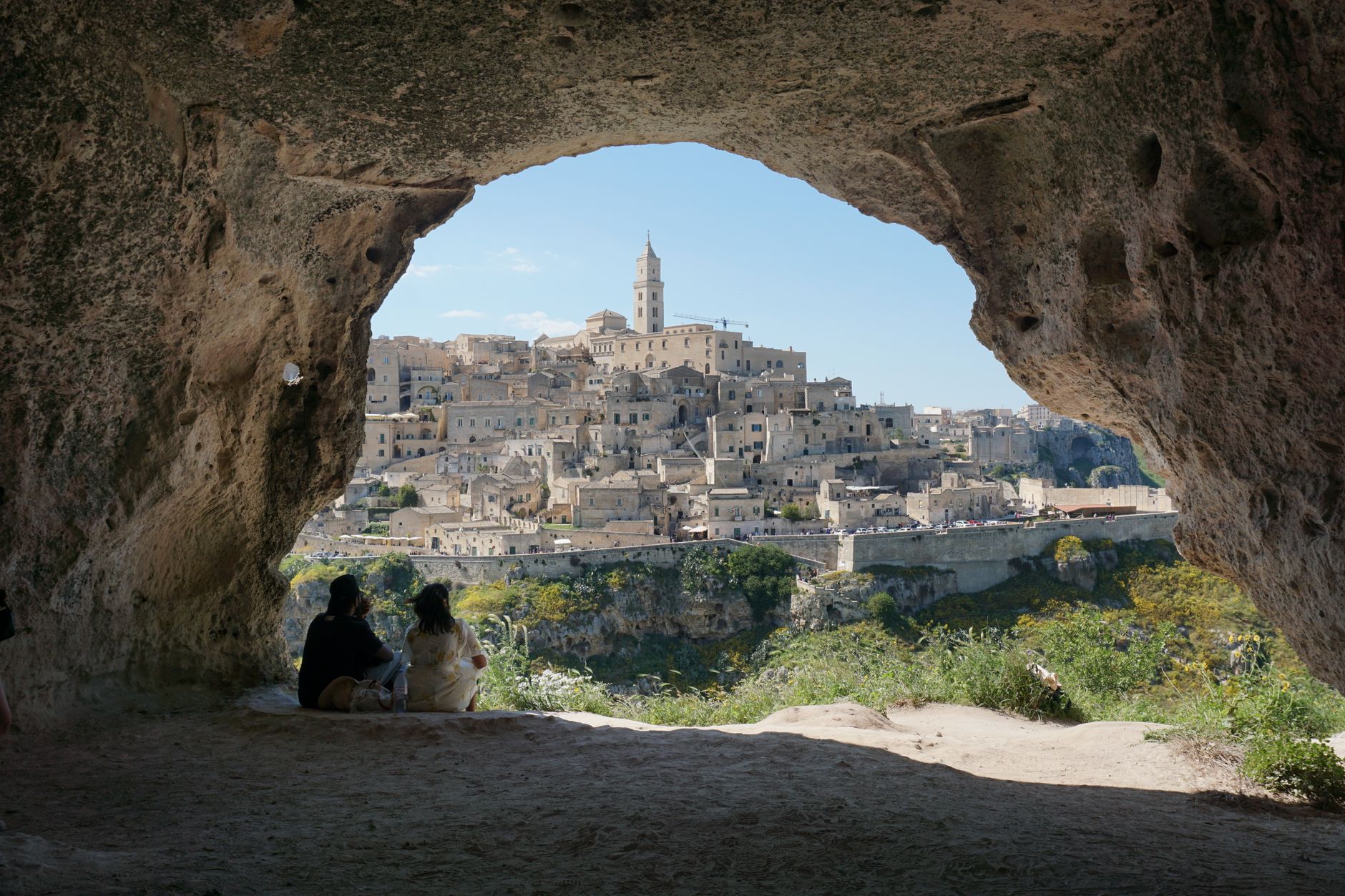
Real archaeology and living architecture are concentrated in a very small area: the Sassi and the rupestrian churches on the Murgia make for unusually intimate visits compared with larger Italian towns. Several museums are sited inside historic structures, including MUSMA (contemporary sculpture in cave spaces) and Casa Grotta di Vico Solitario (a furnished cave home) that show everyday life across centuries. The landscape contrast between the deep ravine where the Sassi sit and the open limestone plateau of Parco della Murgia Materana gives accessible walking routes with panoramic viewpoints such as Belvedere Murgia Timone. Food offers its own draw: local bread, lamb preparations and orecchiette with regional olive oil are readily found in both modest trattorie and market stalls.
Quick Planning Tips
Flight arrival options: Bari Karol Wojtyla Airport is the nearest major airport; regional train and bus services connect Bari and Matera. For train travel, use Ferrovie Appulo Lucane (FAL) information at Bari Centrale; for longer-distance bus connections check FlixBus and regional SITA lines. Carry some cash for small museum fees, parking machines at Belvedere Murgia Timone, and bar small purchases—many smaller establishments prefer cash for low-value transactions. One planning mistake to avoid is overloading the first day; the Sassi have many stairs and uneven stone so plan short routes and save the Murgia plateau walk for a cooler morning or late afternoon.
Day 1
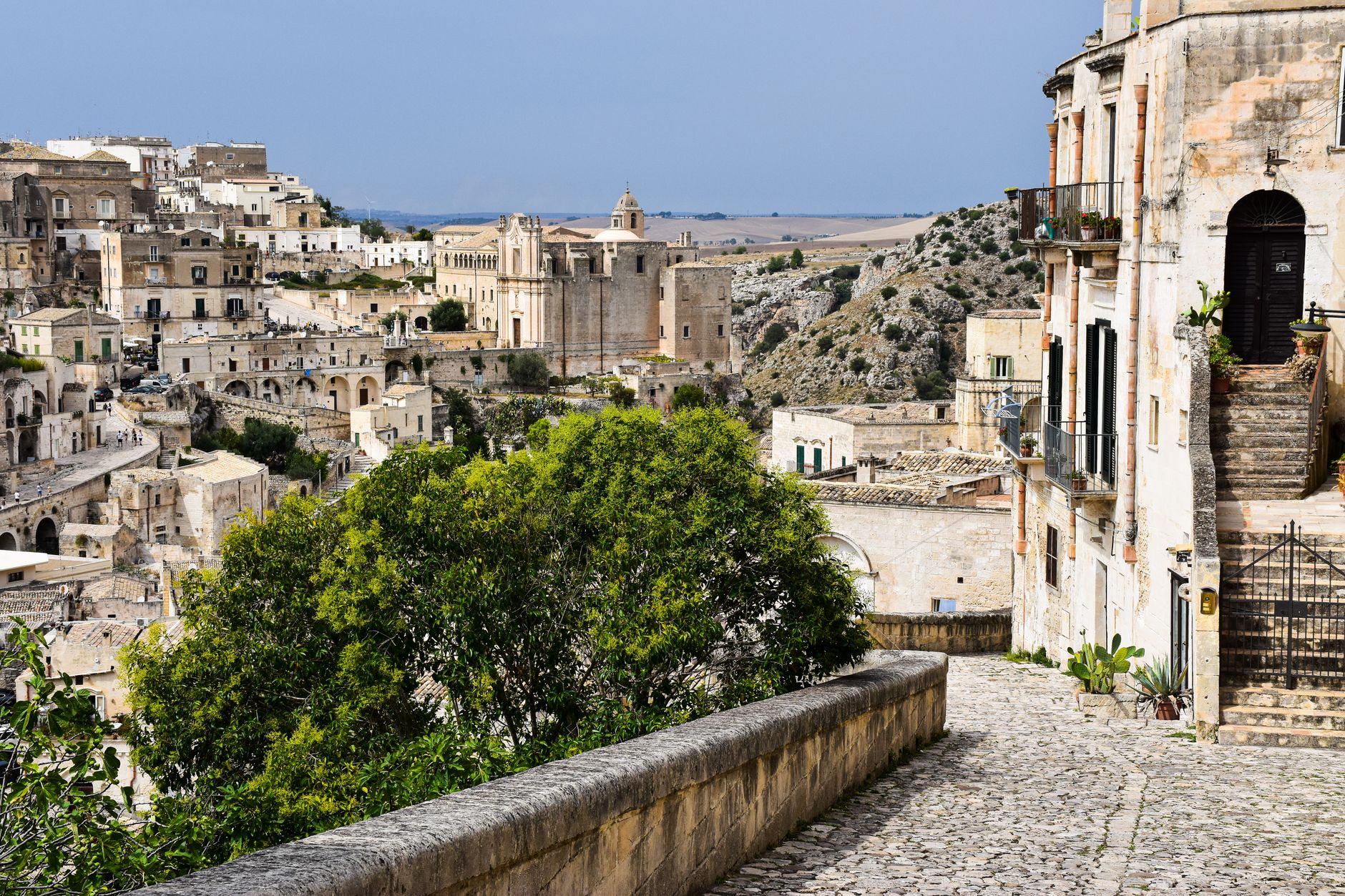
Morning: Start in Sasso Barisano around Piazza Pascoli and Largo Jannuzzi to orient to street levels and cave façades. Spend 60–90 minutes walking from Piazza Pascoli to Via Buozzi to see carved stone doorways and small artisan shops. Walk time to Cattedrale di Matera is roughly 10–15 minutes downhill.
Midday: Visit Cattedrale di Matera (allow 30–45 minutes) then descend toward Casa Grotta di Vico Solitario in Sasso Caveoso; walking time between these sites is about 15 minutes and the Casa Grotta visit takes 20–30 minutes. Lunch at Trattoria del Caveoso or Osteria al Casale near Piazza San Pietro Caveoso for local pasta and lamb; expect main courses €10–€18.
Afternoon: After lunch, see MUSMA (allow 45–60 minutes) located near Piazza San Giovanni Battista, then walk to Palombaro Lungo beneath Piazza Vittorio Veneto for the underground cistern tour (30–40 minutes). Walking between MUSMA and Palombaro Lungo is 5–10 minutes.
Evening: Sunset at Piazza San Pietro Caveoso for views across the gorge, then dinner in Sasso Caveoso. Expect crowds at sunset; arrive early or book a table for a terrace seat.

Day 2
Morning: Reserve this day for Parco della Murgia Materana and rupestrian churches. From Piazza Vittorio Veneto, the walk or short bus/taxi to Belvedere Murgia Timone is 15–20 minutes; clear signage leads to trails to the chiesa rupestre di San Nicola dei Greci and Madonna delle Tre Porte. Plan 2–3 hours for a circuit that includes several small churches and viewpoints. Bring water and sturdy shoes.
Midday: Return to the historical center for lunch at a trattoria near Via Ridola or at a café on Via Roma; menus here include orecchiette and regional cheeses with mains €8–€16. If energy is low, a short rest in a café near Piazza San Francesco is sensible before the afternoon.
Afternoon: Spend the afternoon on deeper museum visits—Museo Archeologico Nazionale Domenico Ridola or a timed entry to private sites converted to hotels to see internal cave conversions. Walking or a short bus ride links these sites; allow 2–3 hours total. Photography opportunities in the late afternoon light are best on stairways leading from Sasso Barisano down to Sasso Caveoso.
Evening: For dinner, choose a restaurant on Via Bruno Buozzi or a terrace restaurant overlooking the ravine. After dinner, the Sassi quiet considerably except close to main squares.
Day 3
Morning: Start with a relaxed visit to Palombaro Lungo if not done earlier, then follow a walking loop from Piazza Vittorio Veneto across Via Ridola to the small shops on Via Lucana; allow 1–2 hours. If checking out of accommodation, leave luggage at a storage service or ask the hotel for late checkout—many hotels in Sassi offer luggage hold.
Midday: Take a short bus or taxi to Matera Centrale and consider a morning excursion to nearby Gravina in Puglia or a 60–90 minute bus ride to Altamura for the famous pane di Altamura, if time allows; otherwise use midday to visit small galleries around Via Ridola and to buy olive oil or bread as souvenirs. Lunch near Piazza Sedile or Via Ridola—street-style panini and pizza al taglio are common and cost €3–€6.
Afternoon: If catching an afternoon flight from Bari, allow at least 2.5–3 hours for transit to Bari airport by taxi (€70–€100) or by scheduled train/bus connections; trains require transfers and can take 1h15–2h depending on route. For flights, depart Matera no later than early afternoon to avoid stress. If staying later, finish with a final walk at Belvedere Murgia Timone or a coffee on a terrace with a last view of the ravine.
Evening: For an earlier-evening departure, pick up last-minute items near Piazza Vittorio Veneto and head to Matera Centrale for onward travel.

Best Local Experiences
Walk the Belvedere Murgia Timone trail at dawn to see the Sassi in cool light and fewer people. Join a guided sunset walking tour departing from Piazza San Pietro Caveoso—many guides include rupestrian church entrances and cost about €20–€35. Explore MUSMA for sculpture in cave spaces; the museum often uses low lighting and emphasizes site-specific contemporary work. Visit Palombaro Lungo under Piazza Vittorio Veneto to understand the medieval water system that shaped habitation patterns. Spend time in the central food market near Via Cappelluti or at the small grocery-lined streets off Via Ridola to see local bread and preserved vegetables. Attend a mass or organ recital at Cattedrale di Matera for atmospheric interior acoustics. Try a hands-on bread or pasta workshop in a Sassi lab that runs small-group sessions—book ahead.
Where to Stay
Sasso Caveoso: Suits photographers and those wanting direct views of the ravine and easy sunset access; rooms range from modest B&Bs to cave hotels. Expect nightly costs around €80–€200 (approximately €85–€210 USD) depending on season and terrace views. Sasso Barisano: Better for daytime wandering and cafés; slightly more commercial with artisan shops and restaurants. Good for budget to mid-range travelers with nightly rates roughly €60–€140 (€65–€150 USD). Centro Storico / Via Ridola: More modern street level and fewer steep steps, close to museums and the tourist office; suits travelers who prefer shorter walks to services and can expect rates of €70–€160 (€75–€170 USD) per night. For all areas, cave hotels command premiums for terraces and direct panoramic views of the ravine; book early in high season.
Food and Drink
Pane di Matera: A dense, long-fermented bread with a thick crust. Find it at local bakeries on Via Ridola and near Piazza Vittorio Veneto for €2–€4 per loaf. Orecchiette con cime di rapa: Fresh pasta shaped like small ears, usually served with broccoli rabe and anchovy or simple tomato; common in trattorie on Via Bruno Buozzi for €8–€14. Pezzente or lamb stew: Regional lamb stews cooked slowly in family trattorie—expect €12–€20 for a main. Street food: Panzerotto or pizza al taglio sold at small kiosks and bakeries near Piazza Pascoli; prices €2.50–€4. Breakfast option: a cornetto and an espresso at a bar on Via Roma or Piazza Vittorio Veneto for €1.50–€3. Wine and digestivi: Local Primitivo and Aglianico wines are widely available; a glass in a restaurant costs €3.50–€6, and a bottle at a mid-range trattoria €18–€35. For dinner, book a terrace restaurant overlooking the ravine—expect mains €15–€30 and a coperto of €1–€3.
Getting Around
Walking is the main mode inside the Sassi; many streets are pedestrian-only or too narrow for cars. Local buses and short taxi rides connect the Sassi with Matera Centrale and the Murgia plateau—ask at the tourist office for current local bus timetables. Regional rail: Ferrovie Appulo Lucane (FAL) connects Bari Centrale and Matera Centrale; check the FAL timetable online or at the Bari station. Single bus tickets within town are roughly €1–€1.50 and a day pass (if available) runs about €4–€5—purchase at tabacchi or the tourist office. Taxi fare from Bari airport to the center runs approximately €70–€100 one-way; shared shuttle options may be cheaper but involve schedules. Useful apps: check FAL timetables and regional bus schedules through Trenitalia regional info pages and local tourist office resources for up-to-date bus numbers and stops.
Best Time to Visit
Spring (April–June) offers mild temperatures 15–25°C, blooming countryside on the Murgia and fewer crowds than July–August—this is high value for weather and walkability. Summer (July–August) is hot, often above 30°C, and the Sassi attract the highest number of visitors; terraces fill and temperatures on stone steps can be punishing mid-afternoon. Autumn (September–October) brings comfortable highs around 20–25°C and harvest-season food; shoulder-season crowds thin by late October. Winter (November–March) is quiet with lows near 5–8°C; many hotels offer lower rates but some small museums or restaurants reduce hours or close on Mondays. For best value with good weather, target April–June or September.
Budget and Practical Tips
Typical daily budget (per person) in low–mid season: accommodation €60–€140 (local currency EUR, about $65–$150 USD), food €25–€45 ($27–$50) including one sit-down meal and lighter purchases, transport €4–€8 ($4.50–$9) for local buses and occasional taxi, entry fees €6–€20 ($7–$22) depending on museums visited. In high season, add 20–40% to accommodation and restaurant costs. Tipping: small change for servers is appreciated but not required; a rounding up or 5–10% for table service is common in sit-down restaurants. Bring comfortable walking shoes and a light jacket for evening breezes on the plateau; many narrow alleys have uneven stone and can be slippery when wet. Buy museum tickets at the official ticket office or online where available to avoid reseller fees; check opening days to avoid closed Mondays at some sites.
FAQ
How safe is Matera for solo travelers?
Matera is generally safe; the main risk is slipping on uneven stone or stairs—stay on marked paths and avoid poorly lit alleys at night. Keep standard travel precautions for belongings in busy squares.
Is public transport reliable for day trips to Bari or Ostuni?
Regional connections exist by FAL train and bus lines; schedules vary seasonally so always check FAL timetables and regional bus providers for exact times and possible transfers. Services are frequent enough for day trips but expect some waiting time.
Is a Matera card or city pass worth buying?
A multi-site card can save money if planning several paid entries (MUSMA, Palombaro Lungo, and Casa Grotta); check current prices at the tourist office and compare with single-entry fees to decide. Short visits with one or two paid attractions rarely benefit from a full pass.
Can a car be used inside the Sassi?
Driving into the Sassi is restricted in parts; many lanes are pedestrian-only or too narrow. Park at designated lots like Piazza Matteotti or use hotel-arranged drop-offs for luggage.
Are shops and museums open on Mondays?
Several museums and small shops close or have reduced hours on Monday; plan heavy museum days for Tuesday–Sunday where possible. Restaurants are more likely to stay open but check ahead.
What is the easiest way to get from Bari airport to the center?
Taxi is fastest at roughly €70–€100 one-way; cheaper but slower options include regional buses or trains plus a connecting bus or taxi to Matera Centrale—allow at least 1.5–2.5 hours depending on connections.
Is Matera suitable for visitors with mobility issues?
Many Sassi streets have steep steps, uneven stone and limited wheelchair access; some museums and terraces are accessible but confirm accessibility with each site in advance.
Are English-speaking tours available?
Yes, several guided tours depart daily in peak season in English; book in advance for sunset slots or specialised archaeology tours.
Conclusion
A three-day visit will leave clear memories of walking stone stairways, the contrast between ravine and open limestone plateau, and meals eaten on small terraces. Prioritise one good Murgia plateau walk and an organized sunset viewing from Piazza San Pietro Caveoso if time is tight. Practical planning—checking museum hours, avoiding peak sunset crowds unless arriving early, and allowing extra walking time—turns a rushed weekend into a manageable, memorable stay.
How this guide was prepared
This guide was prepared through a structured research that combines destination research, geographic context, itinerary planning logic, and content review.