
Great Yarmouth in 3 Days: Practical Weekend Itinerary
A frank 3-day plan for Great Yarmouth with walk times, transport tips, prices, and where to eat — realistic for weekend travellers who want seaside history.
A no-nonsense 72-hour plan that balances seafront amusements, maritime history at Time and Tide, a harbour-side seafood meal, and a short trip to Norwich.
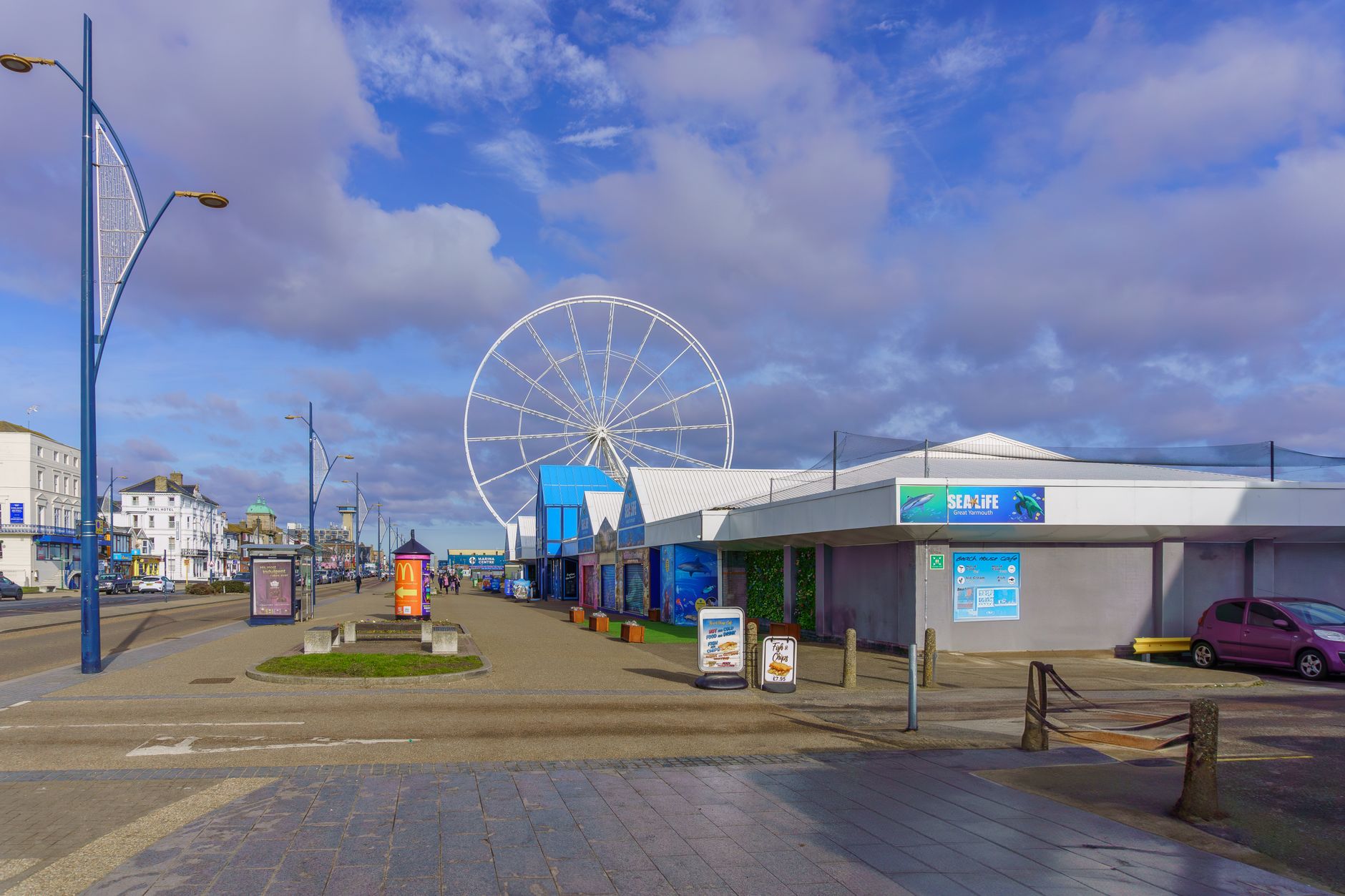
Expect a town that mixes working harbour activity, low-rise seaside amusements and a compact commercial centre. The seafront has arcades, fish-and-chip stalls and a Victorian pier; the harbour side contains fishing infrastructure and the Time and Tide museum examining local maritime life. First impressions often surprise travellers who expected a polished resort or a quiet fishing village: both noisy summer crowds and quieter off-season gaps are normal.
The town suits short stays because key sites are close together and accessible from the railway station. Pack for changeable weather, plan indoor backups for rain, and accept that some attractions are seasonal or run on limited hours.
Is 3 days in Great Yarmouth enough?
Yes: three full days are enough to cover the Golden Mile seafront, Time and Tide museum, Market Gates, a harbour walk and a short trip to Norwich. The honest caveat is that extended Broads boating or a deep seafood tour of the whole Norfolk coast will have to wait for a longer stay.
Who This Guide Is For
Best for budget-conscious weekenders, families who want seaside arcades and history, and rail travellers based in Norwich. Less suitable for visitors who expect high-end dining, a long list of museum visits, or an active boating holiday without extra days.
Local Tips for Great Yarmouth
Practical details that most travel sites skip — specific to Great Yarmouth.
- Buy rail tickets at Great Yarmouth railway station for the Greater Anglia service to Norwich; off-peak returns often cost around £7–£12 and trains run roughly hourly.
- Market Gates shopping centre sits on Market Place; its indoor market stalls and the larger Saturday outdoor market are best for fast, inexpensive lunches and regional seafood stalls.
- Walk the Golden Mile from Britannia Pier to Gorleston promenade for about 1.5 miles; allow 40–50 minutes and expect heavy pedestrian traffic on summer afternoons.
- Time and Tide: The Museum of Great Yarmouth Life typically charges around £6–£9 for adults; check the museum website for family-ticket deals and seasonal opening hours.
- Caister Castle is a short local bus or taxi ride north of the town centre; admission is modest (roughly £4–£7) and the castle grounds make a useful quick diversion on a rainy afternoon.
How This Guide Was Prepared
This guide treats Great Yarmouth as a working seaside town with an old fishing harbour, seasonal amusements and a compact commercial centre, not a polished resort. Most guides either over-sell the pier amusements or ignore the town's seasonal closures and transport realities; this guide gives timings, likely closures and realistic expectations. This guide was prepared through a structured research that combines destination research, geographic context, itinerary planning logic, and content review.
Plan Your Stay in Great Yarmouth
Use this itinerary as your starting point, then compare areas to stay, transport options, seasonal timing, and realistic daily costs before booking.
Why Visit
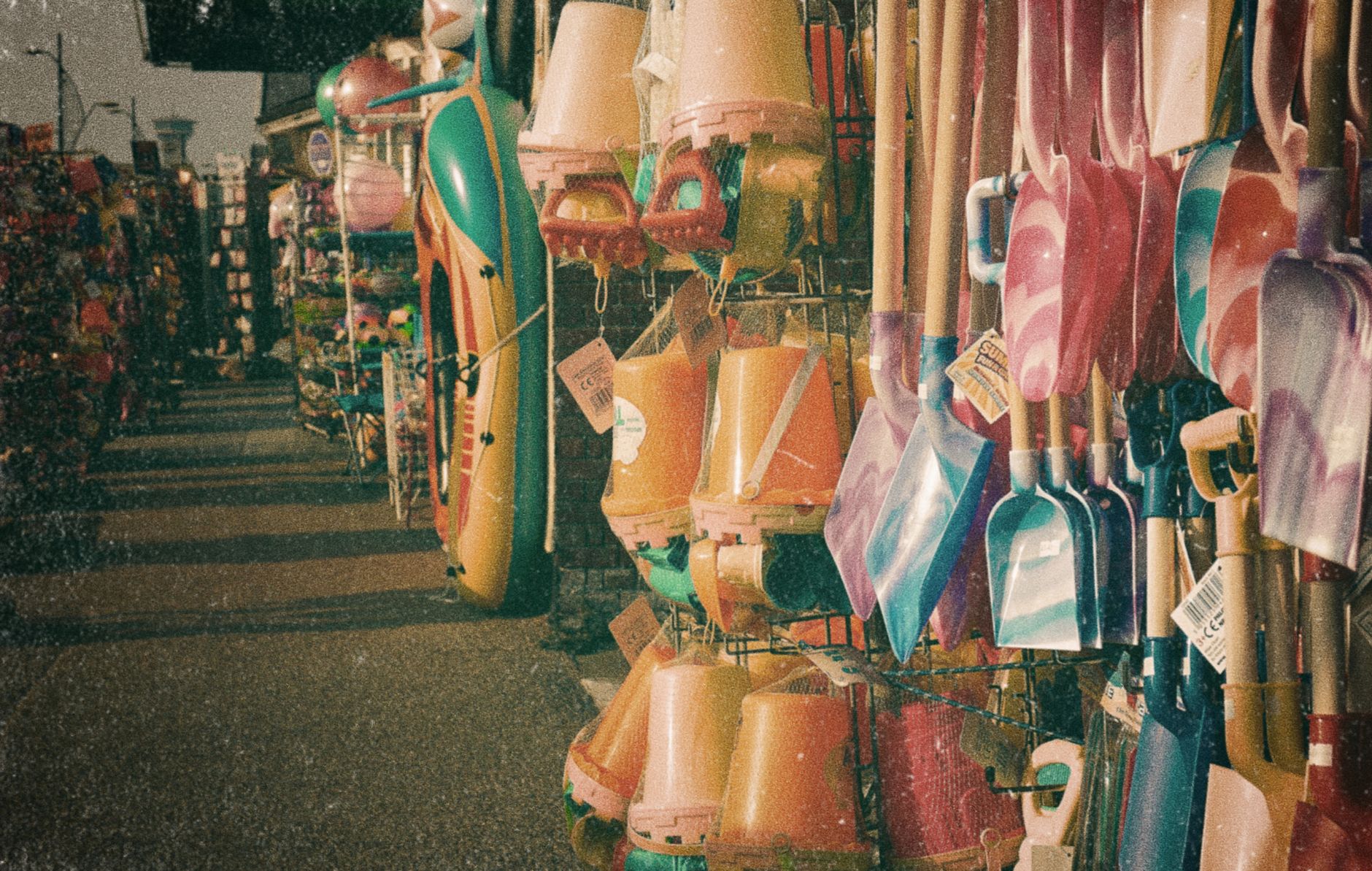
The seafront — the Golden Mile and Britannia Pier — offers classic British seaside amusements within a short walk, good for families and photographers who like raw seaside colour. The town's fishing and harbour history is concentrated in Time and Tide: The Museum of Great Yarmouth Life, which explains the local industry from herring fleets to modern seafood processing.
Great Yarmouth sits within easy reach of Norwich by rail, making it an efficient base for combining a day in a medieval cathedral city with sea air. Nearby Caister Castle provides a compact historical diversion and the long beaches at Gorleston-on-Sea and Hemsby let visitors swap arcades for quieter promenade walks.
Quick Planning Tips
Rail is usually the simplest arrival method: Greater Anglia runs hourly services to Norwich; the journey time is roughly 30–40 minutes. If arriving by air, the nearest airport is Norwich Airport; a taxi from there to the town centre typically costs about £40–£60 depending on time of day.
Carry contactless or chip-and-pin cards — many smaller stalls take cash only, but most cafés and museums accept cards. Avoid the planning mistake of assuming full summer opening hours outside July and August; check attraction pages and pier show schedules before travelling.
Download the First Bus app and the Greater Anglia app for timetables and e-tickets; Traveline or Google Maps work for route planning but apps give live status.

Day 1
Morning: Start at the railway station and walk 5–10 minutes to the Market Gates area for a coffee and a quick look at the indoor stalls. Expect local seafood vendors and cheap sandwich stands; plan 30–45 minutes here if shopping or buying picnic food. From Market Gates, head 10 minutes on foot to the Time and Tide: The Museum of Great Yarmouth Life; allocate 1.5–2 hours to cover galleries and the boat hall.
Early afternoon: Walk 15 minutes to the harbour side and South Quay for the harbourfront walk and fish merchants. A short lunch option is to buy fresh seafood from market stalls or a beach-facing chippy near Britannia Pier; lines can be long on sunny days, so allow 20–40 minutes for service. After lunch, spend an hour on Britannia Pier and the Golden Mile arcades — this stretch runs along the main beach and is best enjoyed between 14:00 and 16:00 when arcades and stalls are busiest.
Late afternoon: Walk north along the promenade toward Wellington Pier and the splashy seafront amusements; the full promenade stroll to Gorleston will take 40–50 minutes total at a relaxed pace. Dinner: choose an evening meal at a harbour-side restaurant near South Quay or try the larger fish-and-chip outlets by Britannia Pier for an affordable dinner (expect mains £8–£18). Evening recommendation: check for a local pier show or live music on the Golden Mile; if none is running, an evening harbour walk after sunset shows the working boats lit up and quieter streets.

Day 2
Morning: Travel by bus or taxi north to Caister-on-Sea to visit Caister Castle; the ride is typically 10–15 minutes and gives a contrast to the seafront. Spend 1–1.5 hours on the castle and grounds; it’s compact but useful when weather is uncertain. Return to the town centre and head to St Nicholas' Church for a quick visit to the large medieval tower and nearby Nelson’s Monument — both are within a short walk of the market area.
Lunch: Eat near North Quay where several small restaurants serve local crab and fish mains; expect a seafood lunch to cost £12–£25. After lunch, take a tram-free local bus to Gorleston-on-Sea (routes run frequently in season) and walk the cliff-top promenade toward the increasingly quieter beaches. Allow 1–2 hours for the Gorleston visit including a stop at a café.
Afternoon: Reserve the late afternoon for the Great Yarmouth Racecourse if racing is on the schedule, or for visiting smaller attractions such as the Sea Life Centre if travelling with children. Travel back to the town centre by bus or taxi in 15–20 minutes. Evening: Try a pub dinner in the Market Place area; older pubs serve local ales such as Woodforde's Wherry or Adnams Broadside and tend to be livelier on weekend nights.

Day 3
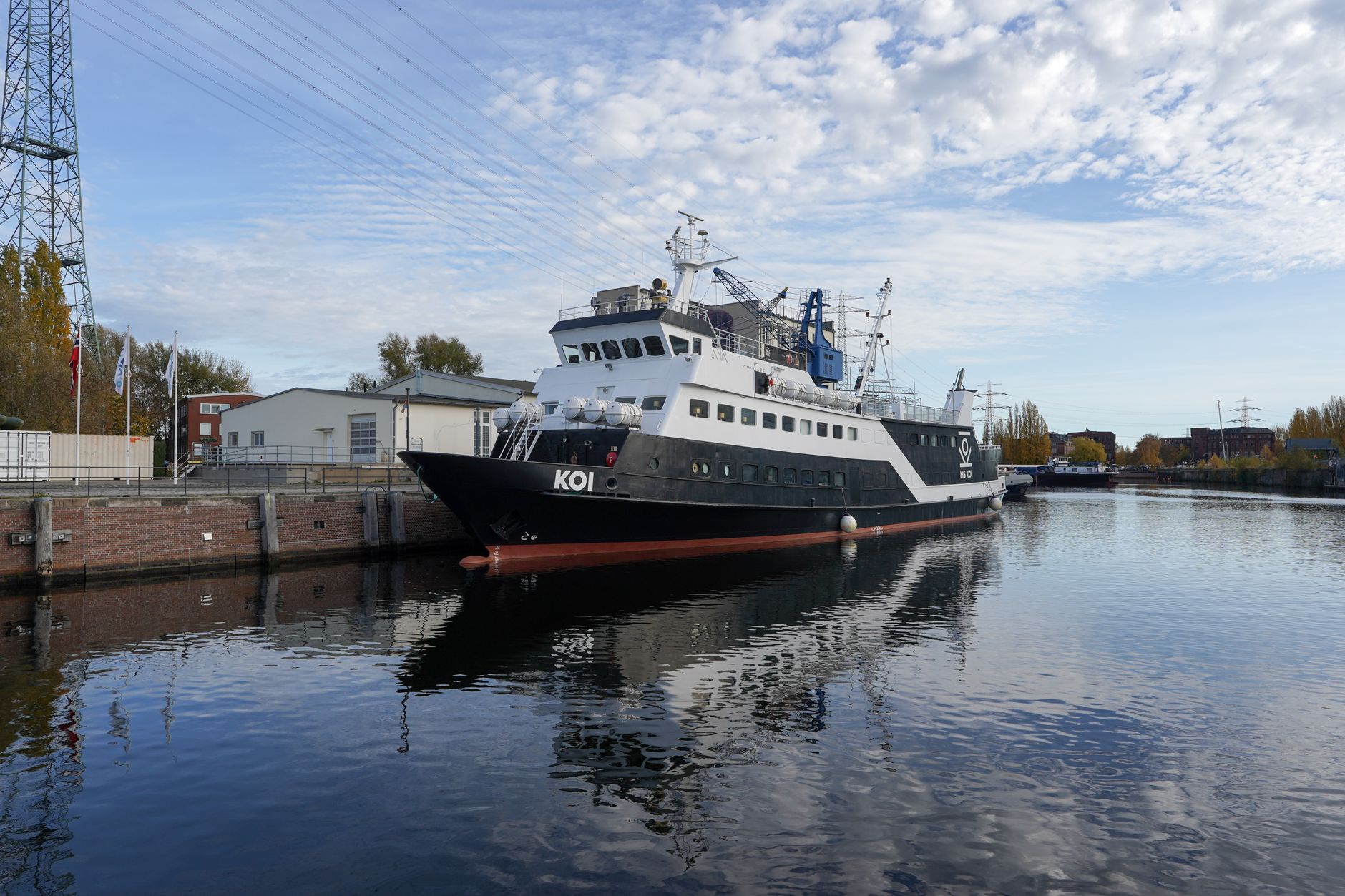
Morning: Make a short rail trip to Norwich if time allows; the train journey is roughly 30–40 minutes and gives access to the cathedral, Norwich Market and the riverside lanes. If staying local, use the morning for a relaxed harbour cruise or a boat trip that explores the mouth of the river and nearby fishing grounds — small local operators run short cruises in season and last 45–75 minutes.
Late morning: Return to the town centre and visit any attractions missed earlier, such as the north quay museums or a final stroll along the Golden Mile. Allow 1–2 hours for last-minute shopping at Market Gates or for an outdoor museum stop. Lunch: pick a market stall or café; by midday the seafront chippies will be busy so plan 30–45 minutes.
Afternoon and departures: If catching an afternoon train or a flight from Norwich, plan to be at the railway station 20–30 minutes before departure and allow at least 60 minutes travel time to Norwich Airport by taxi. Those checking out of B&Bs should confirm luggage storage with hosts; the town has a handful of independent luggage-storage options near the station. If flights or trains are late afternoon, a short final walk to the harbour or a quick museum top-up fits comfortably into the schedule.
Best Local Experiences
Walk the Golden Mile from Britannia Pier to Gorleston-on-Sea to sample classic seaside arcades, beach huts and chippies. Explore Time and Tide: The Museum of Great Yarmouth Life for exhibits on herring fisheries, boatbuilding and local social history; museum-run events often include boat displays.
Buy takeaway seafood at Market Gates market stalls and eat it by the harbour or on the beach benches. Attend a race day at Great Yarmouth Racecourse for a very British afternoon of jumps or flat racing depending on season. Visit Caister Castle for an easy historical outing with defensive walls and family-friendly grounds.
For a quieter experience, walk the South Denes and the harbour footpaths around South Quay to watch fishing vessels and day boats come and go. Time visits outside school holidays to avoid heavy crowds on the promenade and in arcades.

Where to Stay
Seafront / Golden Mile: Best for families who want immediate beach access and arcades; close to Britannia Pier and the main promenades. Expect B&Bs and small hotels from about £60–£120 per night (around €70–€140 / $75–$150 depending on season).
Market Gates / Town Centre: Suits visitors who want quick access to shops, the indoor market and the Time and Tide Museum. Nightly rates for modest hotels and guesthouses typically run £50–£90 (roughly €60–€105 / $63–$113).
Gorleston-on-Sea: A short bus or taxi ride away and quieter in the evenings, this area suits couples or walkers who prefer a calmer beach; expect guesthouses and small hotels charged at about £55–£95 per night (€64–€111 / $68–$120).
Food and Drink
Norfolk (local) crab: Freshly steamed brown crab meat usually served as a starter or sandwich; find good versions at harbour-side cafés and market stalls, price £6–£14 depending on portion. Yarmouth bloater: a smoked herring speciality seen in deli counters and some traditional fish shops; buy a fillet for about £3–£6.
Fish and chips (street food): Classic chippy shops on the Golden Mile and near Britannia Pier sell cod or haddock with chips; expect £6–£12 for a standard portion. Full English breakfast: offered at town-centre cafés and guesthouses; a cooked breakfast with tea or coffee normally costs £6–£10.
Local ales: Woodforde's Wherry and Adnams Broadside are common in pubs and represent Norfolk/Suffolk brewing traditions; pints are roughly £3.50–£5. Dinner recommendation: choose a harbour-side seafood restaurant near South Quay for mains around £12–£25 and the chance to eat freshly landed crab or plaice.
Getting Around
Train: Greater Anglia serves the line between Great Yarmouth and Norwich; typical journey time is 30–40 minutes and trains run roughly hourly. Bus: Local services are provided by First Eastern Counties and Konectbus; routes connect Caister, Gorleston and town centre districts. There is no metro or tram network; local travel relies on buses and taxis.
Single local bus fares are normally £2–£3 for short hops; a day ticket for local buses commonly costs about £4–£6. Train single fares to Norwich vary but expect roughly £4–£9 one-way depending on advance or off-peak pricing. A taxi from Norwich Airport to the town centre is about £40–£60; local black cabs and private hire operate from the station. Useful apps: First Bus app for bus tickets and live times, Greater Anglia app for train tickets, and Traveline or Google Maps for route planning.
Best Time to Visit
Summer (July–August): Warmest weather, frequent events and full seafront opening hours; temperatures usually 18–22°C and peak crowds on weekends. Spring and early autumn (May–June, September): Milder temperatures around 12–17°C with fewer crowds and many businesses still open; better value for accommodation.
Winter (November–February): Cold, windy and quiet with temperatures commonly 2–8°C; many arcades and seasonal attractions either close or reduce hours. For best value and reliable local opening hours choose May–June or September; if prime weather for beach time matters, July and August give the best chance but expect busy promenades and higher prices.
Budget and Practical Tips
Daily budget (moderate traveller): Accommodation £60–£100; food £20–£40; local transport £5–£10; entry fees £5–£20. Total per day roughly £90–£170 (about €105–€200 / $112–$212) depending on season and choice of dining. Budget travellers can find B&Bs or hostels closer to £40–£60 per night and keep food to £15–£25 using market stalls and chippies.
Tipping: For cafés and casual meals, rounding up or leaving 5–10% is fine; for table service in sit-down restaurants, 10–12% is customary if service is not included. Practical tip: carry a small amount of cash for smaller market stalls and beach kiosks which may refuse cards; most museums and bigger cafés take cards but smaller vendors often do not.
FAQ
Is Great Yarmouth safe for solo travellers?
The town is generally safe during daylight hours; standard precautions apply after dark as some streets near arcades and night-time venues can be noisy and drink-fuelled. Keep belongings secure and avoid poorly lit side streets late at night.
What is the best way to get to Norwich from here?
Take the Greater Anglia train from Great Yarmouth railway station to Norwich; journey time is about 30–40 minutes and services run approximately hourly. Advance booking can reduce fares.
Are there guided boat trips or harbour cruises?
Short harbour cruises operate seasonally from the North and South Quays and run for 45–75 minutes; availability depends on tide and weather. Book in advance during summer weekends.
Is a city card or tourist pass worth buying?
There is no widely used Great Yarmouth city card; buying individual attraction tickets and using rail or bus day tickets is usually simpler and cheaper for a short stay.
Can attractions be visited in winter?
Some attractions and arcades close or reduce hours in winter; museums often stay open but check seasonal timetables before travelling. Expect fewer dining and entertainment options outside July–August.
How accessible is the seafront for strollers or wheelchairs?
The main promenade from Britannia Pier toward Gorleston is mostly flat and suitable for pushchairs and many wheelchairs, though sections of the Golden Mile may be crowded in summer. Some older pier sections and historic sites have limited step-free access; contact venues ahead for specifics.
Are there good options for vegetarian or vegan diners?
Increasingly yes — town-centre cafés and several restaurants list vegetarian and vegan options, but specialist eateries are limited compared with larger cities. Market stalls also often sell vegetarian hot food during daytime hours.
Is it easy to visit the Broads from here?
Yes by onward bus or taxi to Norwich or local Broads operators; boat hire and longer cruises require extra time and are better suited to a longer stay than a tight 72-hour schedule.
Conclusion
This 72-hour plan gives time for the main seaside sights, a focused museum visit and a short trip to nearby points of interest while keeping logistics simple. Visitors will most likely remember the contrast between working harbour activity and classic seaside arcades, plus the straightforward rail connection to Norwich for a city-day option. If short on time, prioritise a harbour walk and the Time and Tide museum; those two give the clearest sense of why the town developed where it did.
How this guide was prepared
This guide was prepared through a structured research that combines destination research, geographic context, itinerary planning logic, and content review.