

3-Day London Itinerary: Practical Plan for a Weekend
A no-nonsense 3-day London guide with realistic transit, costs, daily plans, museum times, market tips, and clear advice on Oyster and contactless.
A realistic, day-by-day plan for a first visit, including transit advice, expected costs, and exact places to visit without overpacking the schedule.
London arrives loud and layered: main streets trade traffic noise for constant movement while smaller squares and mews offer quieter pockets. The pace shifts by neighbourhood—Westminster feels official and formal around government buildings, while the South Bank is full of pedestrian flow and performance. Expect variety in architecture within a few blocks: Victorian, modern glass, and Georgian terraces coexist.
Most visitors imagine a compact historic core; reality is a wide city with long, sometimes noisy walks and frequent transit changes. Crowds concentrate at major sights and tube stations rather than evenly across every street. This suits travellers who like fast transitions between museums, theatres and markets, and those comfortable with public transit and walking.
Is 3 days in London enough?
Three days are enough to see central highlights: Westminster, the South Bank, a major museum, and one neighbourhood like Camden or Notting Hill. Expect to skip either a full museum collection or a full West End day with more than one show.
Who This Guide Is For
Best for first-time visitors who want culture, major sights, and a taste of different neighbourhoods on a limited schedule. Not ideal for travellers seeking a slow countryside retreat or those who want to study every museum collection in depth.
Local Tips for London
Practical details that most travel sites skip — specific to London.
- Use contactless or an Oyster card for travel; the daily cap for Zones 1–2 is about £7.70, which is cheaper than buying single paper tickets.
- Leicester Square TKTS booth offers same-day West End discounts (arrive mid-afternoon for the best selection, often 20–50% off).
- Portobello Road Market on Saturdays fills between 9:00 and 13:00; most antiques dealers pack up by mid-afternoon.
- Many central restaurants add a discretionary service charge around 12.5%; check the bill before adding cash tip.
- TfL often schedules engineering works on Sundays for the Central, Piccadilly and Jubilee lines—check the TfL Go app before planning weekend tube travel.
How This Guide Was Prepared
Focuses on how to move through London efficiently rather than a laundry list of sights. Common guides push a long checklist; this guide gives realistic walking and transit times, which museums need booking and where to accept compromise. This guide was prepared through a structured research that combines destination research, geographic context, itinerary planning logic, and content review.
Plan Your Stay in London
Use these planning pages to compare areas to stay, expected costs, seasonal timing, and local transport before booking.
Why Visit
There are concentrated cultural institutions within easy reach: the British Museum and the National Gallery offer world-famous collections free at entry for permanent displays. Theatre options in the West End mean a range of plays and musicals each night with affordable last-minute discounts at Leicester Square TKTS.
Markets offer distinct local scenes: Borough Market for food, Portobello Road for antiques on Saturday, and Camden Market for street food and alternative fashion. The transport network makes day trips practical; the Elizabeth Line, Thameslink and frequent trains allow quick connections to Oxford, Cambridge, Brighton or Heathrow and Gatwick.
Public green spaces such as Hyde Park, Regent's Park and Greenwich Park provide open-air options without leaving central zones. Arrival logistics and transit make squeezing major themes—history, food, theatre—into three days feasible.

Quick Planning Tips
Fly into Heathrow for the most direct transport options: Elizabeth Line or Heathrow Express to Paddington, or Piccadilly Line for cheaper but slower Tube access. From Gatwick, use the Gatwick Express to Victoria or Thameslink to St Pancras and Blackfriars.
Pay with contactless bank card or an Oyster card; contactless daily caps and Oyster pay-as-you-go are usually the cheapest option for short stays. Carry some cash for small market stalls and less central pubs.
Avoid trying to cram every museum into day one. Check museum booking requirements ahead: certain exhibitions at the British Museum, Tate Modern and Victoria & Albert require advance paid tickets even if general entry is free.

Day 1
Morning: Start at Westminster Station and take in Westminster Abbey (allow 60–90 minutes for a basic visit) and the exterior of the Palace of Westminster. Walk 10 minutes across Westminster Bridge for riverside photos.
Late morning: Stroll along the South Bank toward the London Eye, passing Jubilee Gardens and street performers; walking from Westminster Bridge to the London Eye takes about 8–12 minutes. Consider booking timed London Eye slots if planning to ride (allow 30–45 minutes total).
Lunch: Borough Market is 20 minutes on foot from the London Eye along the South Bank or 7 minutes by Jubilee Line from Waterloo to London Bridge. Try a gourmet sausage roll or fish and chips at Roast & Crumb or Padella (expect queues at Padella—allow 20–40 minutes).
Afternoon: Cross the river at London Bridge and walk to the Tower of London (about 20 minutes) to view the Crown Jewels and the medieval tower complex; expect 2–3 hours for a full visit. From the Tower, walk 10 minutes to Tower Bridge for photos and the engine rooms museum if time allows.
Evening: Return west via the Circle or District line to Covent Garden for dinner and theatre. Dinner option: Rules in Covent Garden for classic British dishes (reservations advised). Finish with a West End show; Leicester Square and Theatreland are within a short walk.

Day 2
Morning: Take the Northern Line to Camden Town and spend the morning at Camden Market and the stalls along Camden Lock (allow 2–3 hours). The market is best before mid-afternoon when it becomes more crowded.
Late morning: Walk or take the Regent's Canal towpath east toward Coal Drops Yard in Kings Cross (about 30–40 minutes walking or 10 minutes on the bus 390). Coal Drops Yard offers boutiques and cafés in converted Victorian arches.
Lunch: Try a curry on Brick Lane in Shoreditch, 10 minutes by Overground from Kings Cross to Shoreditch High Street, or a street food stall in Boxpark Shoreditch. Expect £8–£15 for a main from a market stall.
Afternoon: Head to the Tate Modern on the South Bank via the Jubilee Line from Stratford or Overground to Blackfriars, then walk across Millennium Bridge (20–30 minutes total travel). Allow 1.5–2 hours for the Tate Modern collection and Turbine Hall. From there, walk 10 minutes to St Paul's Cathedral if a dome climb is wanted (book ahead for timed entry).
Evening: Finish in Shoreditch for dinner and late bars. Gepetto or Dishoom in Shoreditch offers reliably busy dinner service; expect to book ahead on weekends.

Day 3
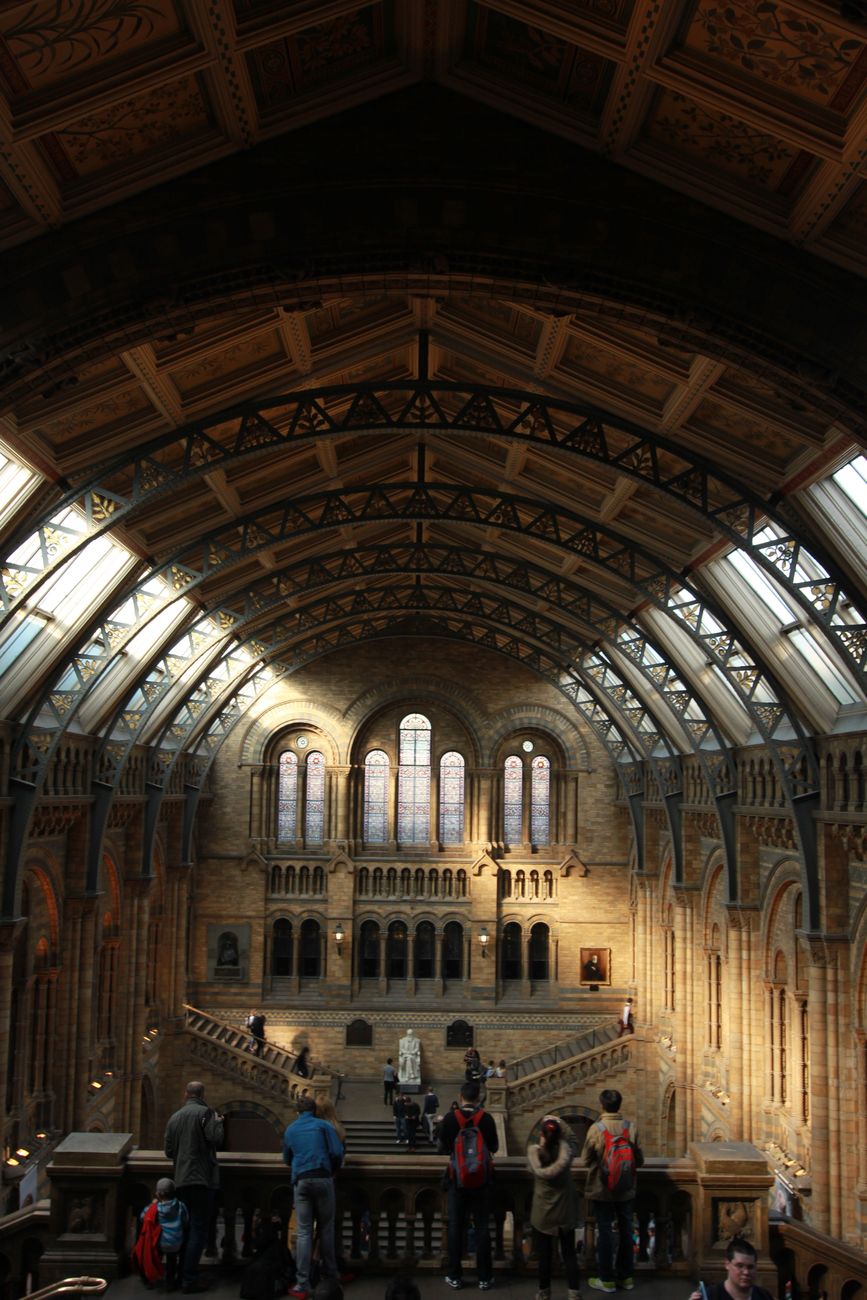
Morning: Use the Circle or Piccadilly line to South Kensington for the Natural History Museum or the Victoria and Albert Museum; each museum needs at least two hours to see highlights. Book timed entry for popular exhibitions, and allocate extra time for café queues.
Late morning: Walk through Kensington Gardens toward Hyde Park (10–15 minutes) to see the Serpentine and the Albert Memorial. If staying near Paddington, this is a straightforward walk or 10 minutes by bus.
Lunch: Try a gastropub near Notting Hill Gate such as The Churchill Arms or a market bite at Portobello Road if on a Saturday—allow time for walking and crowds. Portobello Road is busiest 9:00–13:00.
Afternoon: For travellers catching an afternoon flight, plan travel time: Heathrow via the Elizabeth Line from Paddington is about 15–25 minutes in the terminal transfer plus train time (total 40–60 minutes depending on terminal). Allow at least 3 hours from central London to a Heathrow afternoon flight to include luggage, transport and security. For Gatwick allow 2–2.5 hours minimum from Victoria.
Evening: If not flying, end the trip with a relaxed supper on the South Bank near Gabriel’s Wharf or a final stroll across Waterloo Bridge at sunset for city skyline views.
Best Local Experiences
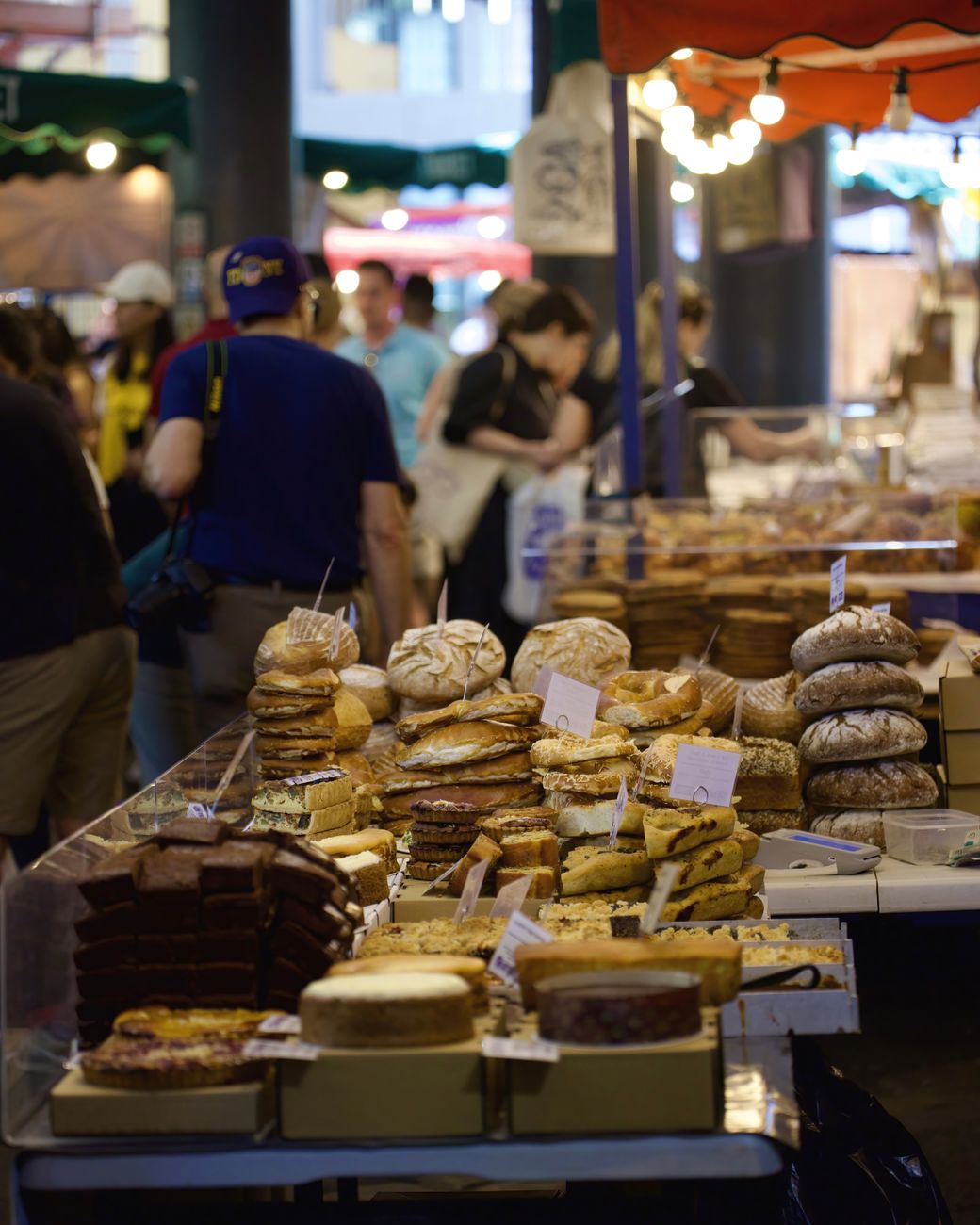
Borough Market: specialist food stalls and independent producers near London Bridge—best for lunch and tasting local cheeses and charcuterie. Portobello Road Market: antiques and secondhand stalls concentrated on Saturdays in Notting Hill. Camden Market and Camden Lock: a cluster of markets selling street food, vinyl records and alternative fashion.
Street food at Maltby Street Market under London Bridge Rail Arches offers a narrower, high-quality selection without the same crowds as Borough. A dusk walk and drink on Richmond Riverside or Greenwich Park (up to the Royal Observatory) gives open views away from central congestion.
Attend a West End evening performance with discounted same-day tickets from Leicester Square TKTS, or catch a fringe theatre show at the Old Red Lion in Islington for a more local performance experience.
Where to Stay
Westminster/Victoria: suits first-time visitors who want close access to major sights and coach/train stations. Close to Buckingham Palace, Westminster Abbey and the Victoria coach station. Expect mid-range hotels around £140–£220 per night (€160–€255 / $170–$275).
South Bank/Waterloo: suits theatre-goers and those who prefer riverside walks and Tate Modern. Close to the South Bank arts complex and Waterloo station for multiple connections. Mid-range prices typically fall between £130–£200 per night (€150–€230 / $160–$250).
Shoreditch/Hoxton: suits younger travellers and food/late-night scenes with access to Shoreditch High Street Overground and multiple nightlife options. Boutique hotels and apartments range £100–£180 per night (€115–€210 / $120–$230).
For quieter alternatives, consider Kensington for museum access or Kings Cross for fast rail links to Cambridge and the north. Prices vary by season and local events.
Food and Drink
Full English breakfast: fried eggs, bacon, sausage, baked beans, grilled tomato and toast. Classic spots include Regency Café (near Westminster) or any local greasy spoon; expect £8–£15.
Fish and chips: fried cod or haddock with chips and mushy peas. Good versions at Poppies (Spitalfields) or The Golden Hind in Marylebone; expect £12–£18.
Pie and mash with liquor: traditional East End working-class dish; Manze in Tower Hill or Goddards at Greenwich serve classic versions for around £8–£12.
Street food: try a raclette sandwich or salt beef from Camden or Borough Market stalls; prices typically £6–£12 per item. Borough Market stalls such as Kappacasein or Brindisa are reliable picks.
Pimm’s, Gin and local ales: Pimm’s cup is a seasonal summer drink available at pubs and festivals; shops and sit-down pubs offer a wide gin selection. Expect a pint at a central pub for £5–£7 and a cocktail £9–£14.
Getting Around
Main modes: London Underground (Central, Piccadilly, Jubilee, Victoria, Northern, District, Circle, Bakerloo), Elizabeth Line, London Overground, Docklands Light Railway (DLR), and National Rail. Key bus routes for sightseeing include route 11 through Victoria and Westminster and route 24 for central corridors.
Single bus fare is £1.75 with the Hopper fare allowing free transfers within 60 minutes. Contactless or Oyster pay-as-you-go is recommended; the daily cap for Zones 1–2 is around £7.70. One-day Travelcards are available, but contactless daily capping is usually cheaper for short stays.
Taxi and ride-hail: black cabs accept cards and start around £3.20 on the meter; expect Heathrow to central London by taxi to cost roughly £60–£90. Useful apps: TfL Go for live service updates, Citymapper for route options and National Rail Enquiries for overground services.
Best Time to Visit
Spring (March–May): temperatures range from about 8–16°C. Crowds increase from late April but value is decent; cherry blossoms and park flowers improve photography.
Summer (June–August): expect 15–25°C with busiest crowds and higher hotel rates. Street life, open-air events and longer daylight make it a popular time but major attractions have longer queues.
Autumn (September–November): temperatures roughly 8–18°C. Shoulder-season value appears in October and November, with fewer tourists and manageable weather for walking.
Winter (December–February): temperatures around 2–8°C. Festive lights and Christmas markets in December are attractive, but January and February offer the lowest hotel rates and fewer crowds. Avoid bank holiday weekends for better pricing and quieter sights.
Budget and Practical Tips
Example daily budget (mid-range visitor): accommodation £140–£200 (€160–€230 / $170–$260), food £25–£60 (€30–€70 / $30–$80), transport £7–£12 (€8–€14 / $8–$15), entry fees £10–£30 (€11–€35 / $12–$35). A reasonable daily total sits around £200–£300 including one paid attraction.
Major entry fees: Tower of London around £30, London Eye around £32, Westminster Abbey about £26—check online for exact, timed tickets and discounts for advance booking. Many national museums have free general admission but charge for special exhibitions.
Tipping: restaurants commonly add a discretionary service charge of about 12.5%; if it is not added, 10–15% is normal for good service. Tipping at pubs and on public transit is not expected. Credit and debit cards are widely accepted; notify the bank of travel to avoid card blocks.
FAQ
Is central London safe for tourists?
Yes, central London is generally safe in daylight; normal precautions against pickpocketing should be taken in crowded places like markets and tube stations. Use well-lit routes at night and keep valuables secure.
Should a visitor buy an Oyster card or use contactless?
Contactless is easiest for short stays and applies automatic daily capping. Oyster is useful if there is no contactless card; both use the same fare structure for pay-as-you-go.
Is a London Pass or city card worth it?
The London Pass can save money for heavy sightseers who plan to enter many paid attractions quickly, but it often requires tight scheduling to be cost-effective. For three days, compare the pass cost against individual tickets to the Tower of London and paid exhibitions.
Are taxis a good way to get around central London?
Black cabs are reliable and take cards, but are slower and much more expensive than the Tube or bus during peak traffic. For short hops in evenings a cab can be convenient.
Can one see Windsor, Oxford or Brighton as a day trip from London?
Yes. Trains to Oxford take about an hour from Paddington, Brighton about 1h from Victoria or London Bridge, and Windsor about 30–40 minutes from Paddington or Waterloo City trains.
Is it easy to use the Tube with luggage?
Many tube stations have stairs and no lifts; major stations such as King’s Cross St Pancras, Paddington and Victoria have step-free routes but checking station accessibility on the TfL Go app is advised.
Conclusion
A three-day visit produces a clear memory of contrasts: major museums grouped with energetic markets, quick riverside walks and a West End night. The most lasting impressions often come from a single neighbourhood meal, a market visit and a skyline view from the South Bank or Greenwich.
If time runs short, prioritise one museum, one market and one skyline viewpoint—visiting either the British Museum or Tate Modern, Borough or Portobello Market, and a sunset walk on the South Bank will create a balanced snapshot of the city.
How this guide was prepared
This guide was prepared through a structured research that combines destination research, geographic context, itinerary planning logic, and content review.