

3-Day Jodhpur Itinerary: Practical Weekend Guide and Maps
A practical 3-day Jodhpur itinerary with neighbourhood routes, transit tips, realistic budgets, market warnings and one must-see if time is limited.
A frank, day-by-day plan for 72 hours in Jodhpur: how to move between Mehrangarh, the Clock Tower market and Umaid Bhawan, where to save time, and what to skip if the heat bites.
Expect a city where a handful of very large monuments sit next to working markets, auto traffic and narrow residential lanes painted largely in blue. First impressions are often of scale—Mehrangarh and Umaid Bhawan dominate the skyline—followed by a surprisingly ordinary urban rhythm: goats, delivery trucks and local dhabas share space with tourist crowds near the fort.
Preconceptions of an always-clean heritage zone lead many to disappointment; streets away from main monuments are noisy and dusty. This destination suits visitors who accept heat, want photographic rooftops and patterned streets, and can handle short uphill walks. Three days lets most travellers sample the main museums and markets while leaving time for a slow evening and a proper meal.
Is 3 days in Jodhpur enough?
Yes—three days are enough to cover Mehrangarh Fort, the Clock Tower market, Jaswant Thada, Umaid Bhawan Museum and one neighbourhood at a relaxed pace. The honest caveat: skipping inland day trips (Osian or full-day desert safaris) is necessary to avoid rushed travel.
Who This Guide Is For
Best for history-minded travellers and photographers who tolerate heat and uneven pavements; less suitable for those needing air-conditioned luxury on every step or expecting extensive nightlife. Budget travellers can do well, but mid-range hotels speed logistics.
Local Tips for Jodhpur
Practical details that most travel sites skip — specific to Jodhpur.
- Buy Mehrangarh Fort tickets online to avoid the main cashier queue; foreign adult entry typically runs around ₹600–800, audio guide charged separately on some ticket types.
- Clock Tower (Ghanta Ghar) market vendors expect bargaining: typical starting price for a Bandhani dupatta is ₹200–300, final price often ₹350–600 depending on weave and shop.
- Autorickshaw flag start in the city is roughly ₹25–35; for negotiations over longer distances quote a fixed fare (e.g., Airport to city centre ₹300–450) rather than relying on a meter.
- Pay with UPI (Google Pay/PhonePe), cards at larger hotels and restaurants, and carry cash for small stalls; many small shops around Sadar Bazaar prefer cash.
- Jodhpur Junction (station code JU) is the main rail hub; getting from there to Mehrangarh takes 20–30 minutes by auto depending on traffic, or a 40-minute walk uphill via Jhanki Mahal steps.
How This Guide Was Prepared
This guide treats Jodhpur as a working city with conspicuous monuments rather than a polished resort. Most guides list the same sights; this one adds realistic transit times, likely queues, and what a typical market visit actually costs. Practical trade-offs are highlighted so three days feel like a clear, doable trip instead of a frantic checklist. This guide was prepared through a structured research that combines destination research, geographic context, itinerary planning logic, and content review.
Plan Your Stay in Jodhpur
Use this itinerary as your starting point, then compare areas to stay, transport options, seasonal timing, and realistic daily costs before booking.
Why Visit
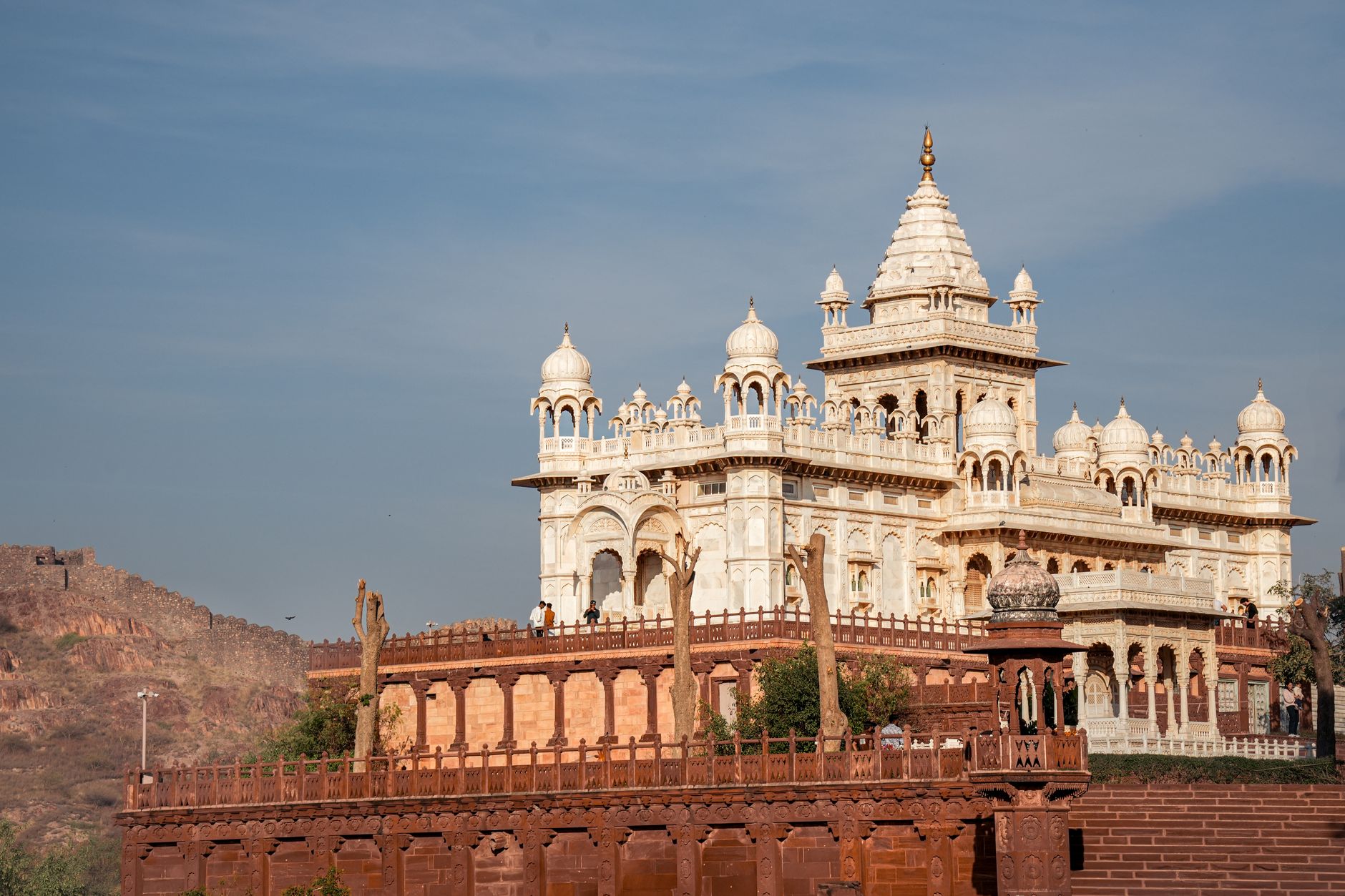
Mehrangarh Fort alone is a reason to visit: its ramparts and museum collections show regional princely life across several centuries. The small stone cenotaph at Jaswant Thada provides a compact contrast to the fort with finely carved marble and a short, quiet garden walk.
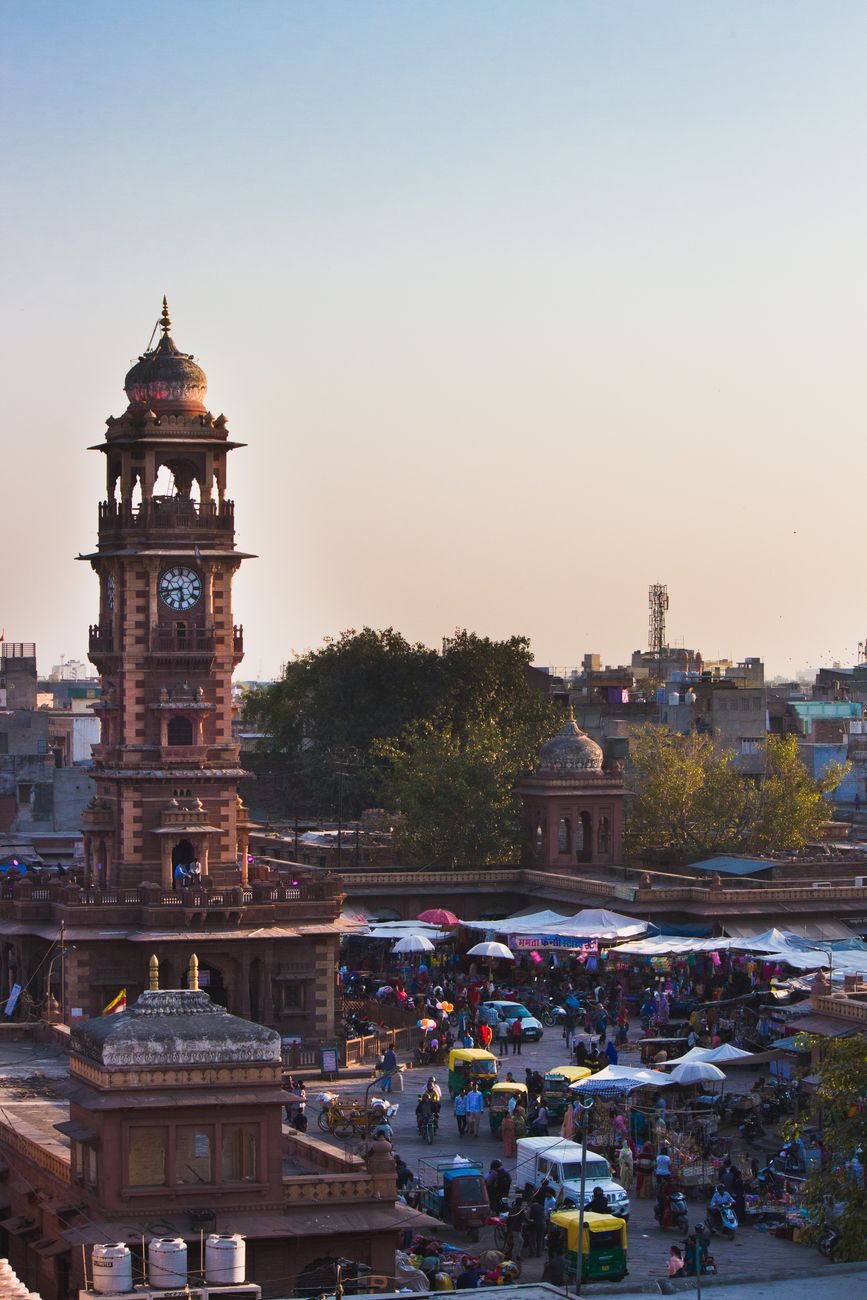
Market life around Clock Tower (Ghanta Ghar) is genuine commerce rather than staged souvenir rows; find Bandhani textiles, spices and household brass. Rao Jodha Desert Rock Park and Kaylana Lake offer geology and simple nature walks that break the monument loop without a long drive.
Architecture fans will appreciate the palatial proportions at Umaid Bhawan Palace and the stepwell Toorji Ka Jhalra for daytime and sunset photos. Practical reasons include straightforward point-to-point travel—airport, station and most attractions sit within 20–40 minutes—and a range of accommodation from budget guesthouses near the market to heritage hotels near the fort.
Quick Planning Tips
Fly into Jodhpur Airport (JDH) for the fastest route; taxis to central areas cost about ₹300–450 and take 20–30 minutes. Trains arrive at Jodhpur Junction (JU); from there a rickshaw to the old city is 15–30 minutes depending on traffic. Carry cash for markets and small vendors but use UPI (Google Pay/PhonePe) or cards at larger hotels and restaurants.
Book Mehrangarh Fort tickets online for the morning slot to reduce queue time and wear a hat—shade is limited across the fort terraces. Avoid scheduling multiple hilltop sites on the same hot afternoon; planning mistake to avoid is squeezing both Mehrangarh and Mandore Gardens into the same midday when walking uphill will be draining.

Day 1
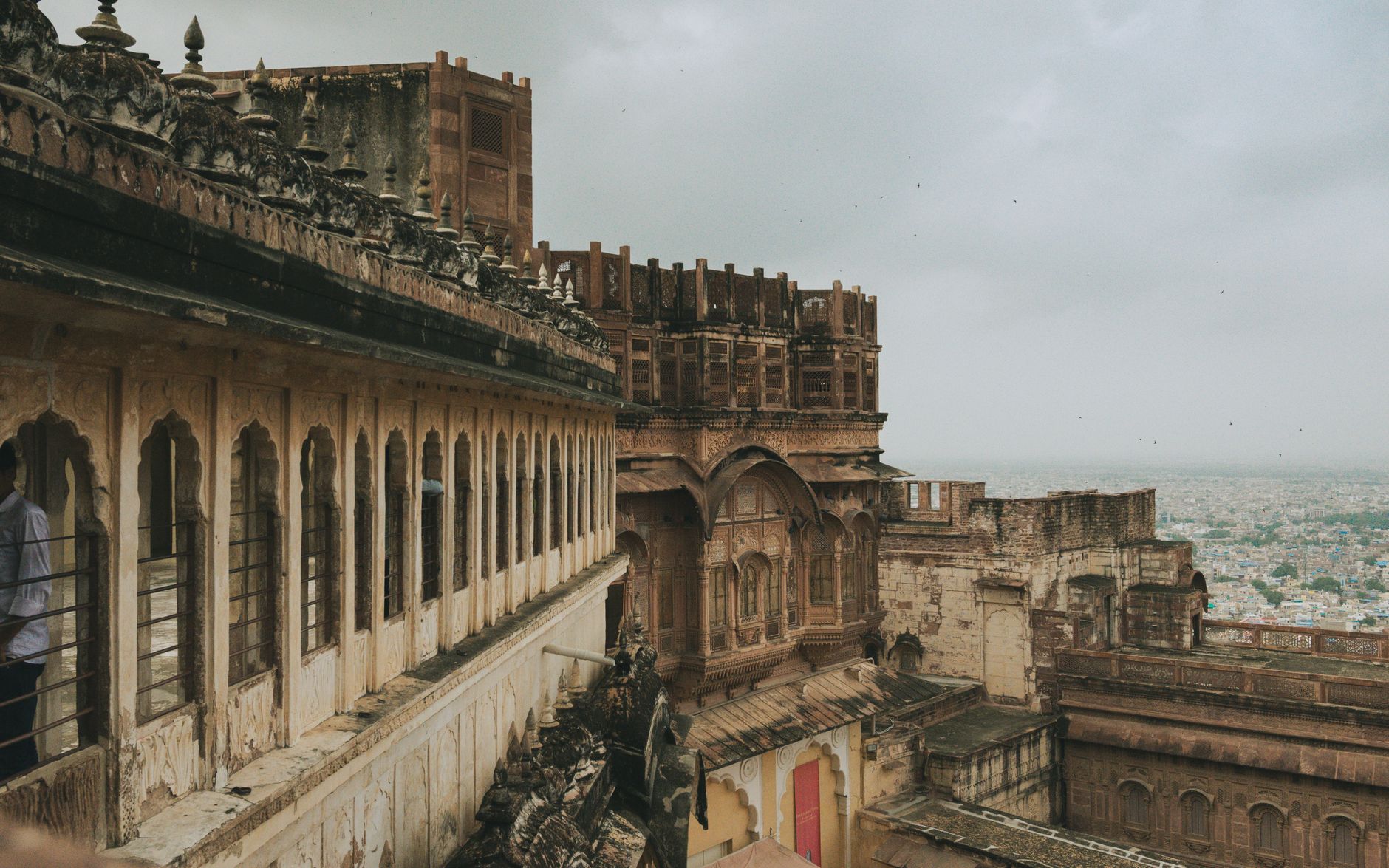
Start the day at Mehrangarh Fort, arriving at opening to avoid heat and tour buses; allow 2–3 hours to see galleries, the chamunda bastion and the rooftop views. From the fort gate it's a 10–15 minute downhill walk to Rao Jodha Desert Rock Park, an easy 30–45 minute walk along marked trails to see basalt outcrops and native plants.
Walk or take a 10-minute auto to Jaswant Thada for a 30–45 minute visit among the marble cenotaphs. From Jaswant Thada, descend toward the old city; plan 10–15 minutes by auto to the Clock Tower and Sardar Market. Allocate 1–2 hours here for textiles, spices and small snacks. For lunch try a local dhaba or the old-town rooftop cafes near the Clock Tower—expect a thali or local plate for ₹150–350.
Afternoon: visit Toorji Ka Jhalra stepwell, a 10-minute walk from the Clock Tower, for photos and a short rest in shade. Early evening: head to one of the rooftop cafes on Nai Sarak or Stepwell Lane for sunset views across the blue houses and Mehrangarh silhouette. Dinner: choose a restaurant offering Laal Maas or a thali in the old city; budget ₹300–600 per person. End the night with a slow walk down High Court Road if energy remains.
Day 2
Dedicate this day to neighbourhoods, craft and quieter sights. Begin at Sardar Market near Clock Tower to examine Bandhani, block prints and brassware; set aside 90 minutes for bargaining and sampling street snacks like mirchi vada. From the market take a 10–15 minute auto to the old Haveli lanes around Sojati Gate for street photography and small family-run shops.
Midday: head to the Umaid Bhawan Palace Museum area by auto, a 20–25 minute ride from the market. Spend 60–90 minutes at the museum and palace exterior—museum entry fees are modest but vary, so check current rates. After the museum, walk 10–15 minutes to the tidy Ratanada neighbourhood for a lunch stop at a local restaurant serving Rajasthani thali or dal-baati churma.
Afternoon: visit Mandore Gardens, a 20–25 minute drive north, to see temple cenotaphs, sculptures and the small government museum; plan 1–1.5 hours. Return to the old city late afternoon for a relaxed rooftop tea. Evening: try a dedicated rooftop restaurant on Nai Sarak for dinner and a final skyline view of Mehrangarh lit up at night.
Day 3
Use the final day for what feels most missed and for a gentler pace if a flight or train is later. Start at Rao Jodha Desert Rock Park if nature was skipped—early morning is best for cooler walks. From the park, a 10–15 minute drive brings visitors to Kaylana Lake for a calm lakeside stroll and birdwatching; combine both for about 2 hours total.
Midday: return toward the old city and visit any market stalls missed on Day 1; a visit to a sweets shop for mawa kachori or ghevar makes a good lunch-side snack. If staying into the afternoon and catching an evening flight, plan for 45–60 minutes transit time to the airport from central hotels and add at least 60–90 minutes buffer for security and check-in.
Practical note for departures: if checkout is morning and flight is afternoon, store bags at the hotel and use the last hours for a museum or one last rooftop lunch. If the train is the departure point, leave 30–45 minutes extra for traffic to Jodhpur Junction. End the trip with one clear priority: revisit a favourite rooftop for the final photo or a takeaway of spices from Sardar Market.

Best Local Experiences
Sardar Market (Clock Tower) for realistic local shopping and spice stalls—bring small notes and practice bargaining. Roof-top photography around Nai Sarak and Stepwell Lane for layered house colours with Mehrangarh in the background. Toorji Ka Jhalra stepwell visit timed for morning light and lower crowds.
Attend the light-and-sound show at Mehrangarh Fort in the evening on select days to get a condensed history with audio; check timings in advance. Walk the trails at Rao Jodha Desert Rock Park for geology and surprisingly quiet viewpoints. Visit Mandore Gardens on a weekday morning to avoid school groups and see the cenotaphs with fewer people.

Where to Stay
Old City / Clock Tower area: best for market access and rooftop views. Suits travellers who want to be in the middle of shopping and eating; expect guesthouses and budget hotels from ₹800–2,000 per night (approx €9–22 / $10–25). Noise and early deliveries are common.
Mehrangarh foothills / Rai Ka Bagh: near the fort and quieter at night. Suits mid-range travellers and photographers who want quick access to Mehrangarh; nightly rates range ₹2,500–6,000 (approx €28–67 / $30–73) for heritage hotels and boutique stays.
Ratanada / near the railway station: practical for arrivals and departures, with more modern hotels and predictable street conditions. Suits travellers with late arrivals or rail-based plans; expect ₹1,200–3,000 per night (approx €13–33 / $15–36).
Food and Drink
Laal Maas: a spicy mutton curry from red chilies and yoghurt; find a solid version at traditional restaurants and some hotel kitchens—₹250–450 per serving. Mirchi Vada (mirchi bajji): battered, stuffed green chillies fried and served with chutney; street stalls near Sardar Market sell them for ₹30–60.
Mawa Kachori: a deep-fried sweet filled with mawa and nuts, common at Sweets shops around the Clock Tower; expect ₹40–100. Makhaniya Lassi: thick, mildly sweet yogurt drink—seek it at well-known old-town lassi counters (Clock Tower area) for about ₹80–150. Rajasthani thali: a set meal with several regional dishes including dal-baati churma; available at dhabas and mid-range restaurants for ₹200–500.
Breakfast option: pyaaz kachori or samosa with tea from a market stall for ₹30–80. Dinner recommendation: a rooftop restaurant offering both regional dishes and tamer curries, price range ₹300–700 per person depending on drinks.
Getting Around
Local modes: city buses, auto-rickshaws, cycle-rickshaws in older lanes, app taxis (Ola, Uber) and private hotel cars. Jodhpur Junction (JU) and Jodhpur Airport (JDH) are the main arrival points. Single city bus fares are typically ₹10–30; autorickshaw starts around ₹25–35 and then charged per km or negotiated.
No metro or unified transit card exists; use UPI/Paytm for payments where accepted and download Ola/Uber apps for point-to-point rides. Intercity buses run under RSRTC; taxis to/from the airport cost about ₹300–450 depending on negotiating and luggage. Google Maps works reasonably well for walking and auto routes; expect some streets without clear names in the old city.
Best Time to Visit
Peak season: October to March. Days are pleasant (15–28°C) and mornings are crisp; this is the busiest and most expensive period. Shoulder months: September and late March offer fewer crowds and slightly lower rates but check humidity after monsoon.
Avoid April to June for high heat; daytime temperatures rise to 38–45°C, which makes walking and roof-top photos challenging. Monsoon months (July–August) bring occasional showers but not heavy rain; humidity rises and dust can turn to slippery mud in some lanes. For best value with moderate crowds, aim for late October–November or February.
Budget and Practical Tips
Low-budget daily estimate: accommodation ₹800–1,500 (€9–17 / $10–18), food ₹300–500 (€3–6 / $4–6), local transport ₹200–350 (€2–4 / $2–4), entries ₹200–500 (€2–6 / $2–6). Mid-range daily: accommodation ₹2,500–5,000 (€28–56 / $30–60), food ₹600–1,200 (€6–13 / $7–15), transport ₹300–600, entries ₹500–1,200.
Cash is useful for markets and small sellers; UPI apps (Google Pay/PhonePe) are widely accepted and save time. ATMs are common around major roads but carry backup cash in case small shops refuse cards. Tipping: servers usually expect 5–10% if no service charge is shown; porters and autorickshaw drivers appreciate small notes (₹20–100). Check opening hours for monuments—some close one day a week or have seasonal hours.
FAQ
Is Jodhpur safe for solo travellers?
Daytime sightseeing and market walks are generally safe; standard precautions apply—keep valuables secure, avoid poorly lit lanes at night and negotiate fares in advance for late-night rides.
How do I get from the airport to the main hotels?
Airport taxis charge roughly ₹300–450 to the city centre; arrange a prepaid counter taxi or app taxi for clearer pricing, and allow 20–30 minutes depending on traffic.
Is public transport reliable for sightseeing?
City buses run on basic schedules but autos, app taxis and walking are the most practical for door-to-door sightseeing; plan for some waiting time during off-peak hours.
Is a city card or tourist pass worth buying?
There is no widely used unified city card; buy individual attraction tickets online when available to skip queues—Mehrangarh ticket bookings are the most useful.
Can I do a desert trip from here in one day?
Short outings to nearby dunes or Osian are possible but require a full day and early departure; avoid trying that on the same day as major city monuments.
Are ATMs and card payments reliable?
ATMs are common near the station and market; cards are accepted at hotels and larger restaurants but many small stalls and taxis prefer cash or UPI.
Conclusion
A three-day visit produces a clear memory: the scale of Mehrangarh, the sensory overload of the Clock Tower market and a rooftop sunset with the fort in silhouette. Time spent pacing visits around heat and queues will feel more productive than trying to cram distant excursions into the same 72 hours. If forced to prioritise one thing, schedule an early-morning visit to Mehrangarh Fort for the best combination of light, cooler temperature and fewer crowds.
How this guide was prepared
This guide was prepared through a structured research that combines destination research, geographic context, itinerary planning logic, and content review.