

3 Days in Johannesburg: A Practical Weekend Itinerary
Spend 3 days in Johannesburg exploring Soweto, museums, markets and dynamic neighborhoods. A practical itinerary with transit tips, food picks and best…
A confident 3-day plan to experience Johannesburg’s history, art scenes, Soweto and lively neighborhoods with clear transit and food recommendations for a weekend break.
Johannesburg is a dynamic, sprawling metropolis where modern high-rises, historic mining-era architecture and vibrant townships meet. It's a city of contrasts: bustling business districts, gritty creative neighborhoods, leafy parks and important museums that tell South Africa’s recent history. It suits curious travelers who want culture, history, street food and lively nightlife rather than postcard beaches. Three days works well because you can cover the main museums and downtown highlights in one day, take a dedicated day for Soweto and township history, and spend a relaxed day on markets, galleries and a nearby attraction or neighborhood.
This guide is practical and neighborhood-focused: downtown and Newtown for museums, Maboneng for restaurants and art, Soweto for history and local life, and Sandton or Rosebank for hotels and shopping. Expect a mix of walking, short Uber rides and one Gautrain trip to save time.
Why Visit
Visit for the history and the energy. The Apartheid Museum and Constitution Hill provide essential context for modern South Africa. Soweto’s Vilakazi Street connects visitors to Nelson Mandela and Hector Pieterson’s stories. Beyond history, Johannesburg has an exciting contemporary arts scene in Newtown and Maboneng, lively food markets, and parks like the Johannesburg Botanical Gardens.
It’s also a gateway city: easy flights into OR Tambo and fast transport to Pretoria, Cape Town or the Cradle of Humankind for a half-day trip.
Quick Planning Tips
Base yourself in Sandton, Rosebank, Melville or Maboneng depending on budget and vibe. Download Uber and Bolt — they’re the easiest way to get around safely. Use the Gautrain for quick transfers to/from OR Tambo and Sandton.
Carry ZAR cash for small markets and tips; ATMs are common. Expect afternoon summer showers from November to March. Pack sunscreen and a light rain jacket. Respect local safety advice: avoid walking alone at night in unfamiliar areas and keep valuables discreet.

Day 1
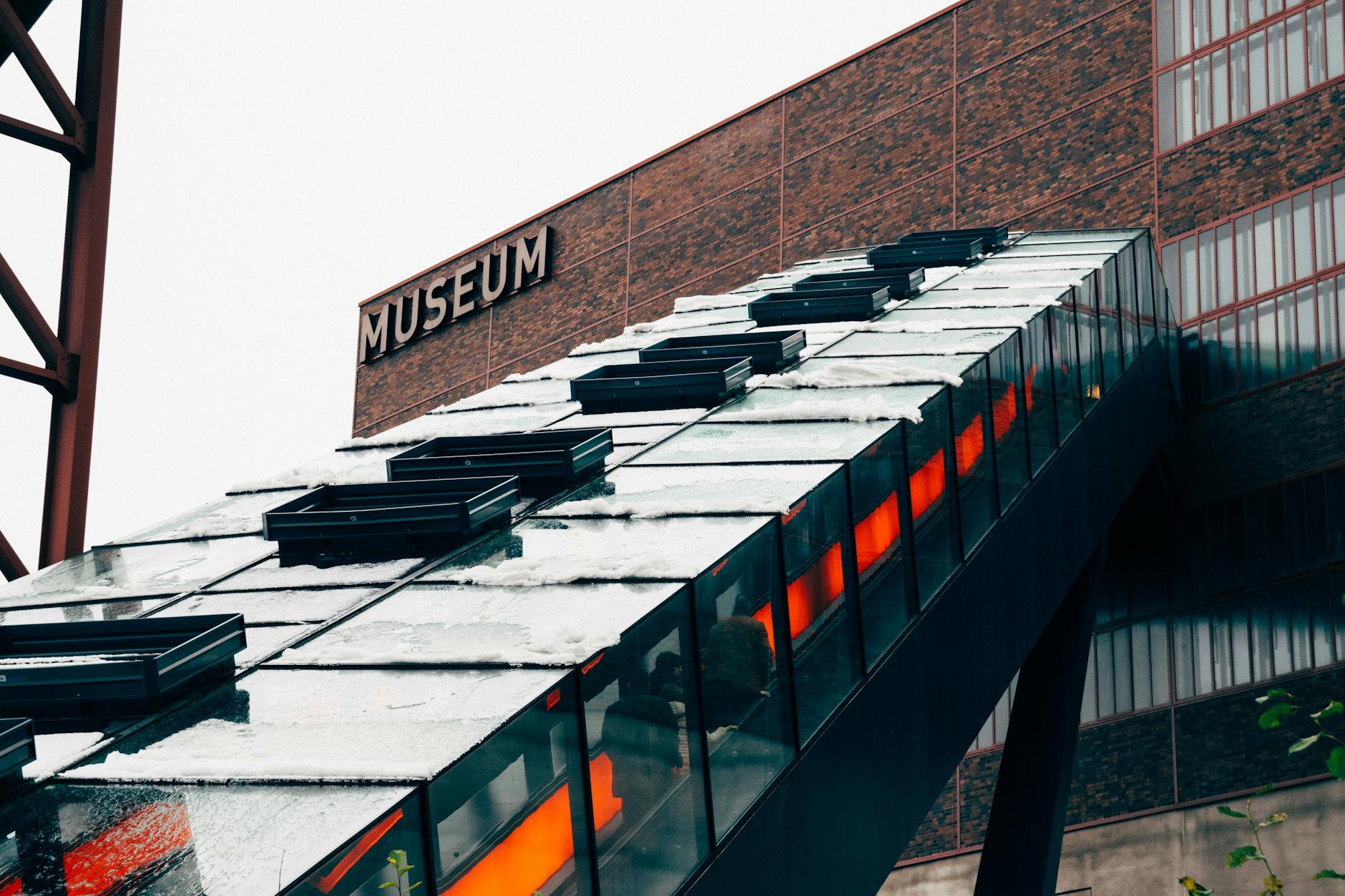
Morning: Start downtown. Visit Constitution Hill (book ahead) and the nearby Constitutional Court exhibit. Walk to the Apartheid Museum in the south-west of the city or take a short Uber. Expect 2–3 hours for each major museum.
Afternoon: Head to Newtown for the Market Theatre and Museum Africa; grab late lunch at a Newtown café. Walk to the nearby Carlton Centre for the Top of Africa viewpoint at sunset for a city panorama.
Evening: Dinner in Maboneng — try local grills and creative fusion restaurants, followed by a bar or live music venue.
Day 2
Morning: Dedicate the day to Soweto. Start at the Hector Pieterson Museum, then walk Vilakazi Street to visit Mandela House. Take a guided township tour to meet local entrepreneurs and learn community history.
Afternoon: Have lunch at a shebeen-style restaurant or a recommended local spot on Vilakazi. Continue to Orlando Towers to see murals and, if adventurous, book an activity like tower climbing or bungee alternatives.
Evening: Return to the city for dinner in Melville or Parkhurst — both neighborhoods are known for relaxed dining and nightlife.

Day 3
Morning: Choose a relaxed third day. Option A: Visit Gold Reef City for a quirky look at mining history and rides. Option B: Spend the morning at Johannesburg Botanical Gardens and the adjacent Emmarentia Dam for a green escape.
Afternoon: Explore Rosebank or Sandton — Sandton City and Nelson Mandela Square for shopping, or Rosebank’s art galleries and the Sunday market. If you prefer a half-day outside the city, book a tour to the Cradle of Humankind (about 45–60 minutes by car).
Evening: Finish with a memorable dinner at a top restaurant or a sunset drink with skyline views.

Best Local Experiences
Take a community-led Soweto tour to support local guides and get authentic stories. Visit a shebeen or township eatery for traditional food like pap, chakalaka and grilled meats. Browse the Neighbourgoods Market in Braamfontein (Saturdays) for South African street food and crafts.
Discover street art in Maboneng and off-the-beaten-path galleries in Rosebank. Attend a live jazz or township music night — Johannesburg has a lively live-music scene.

Where to Stay
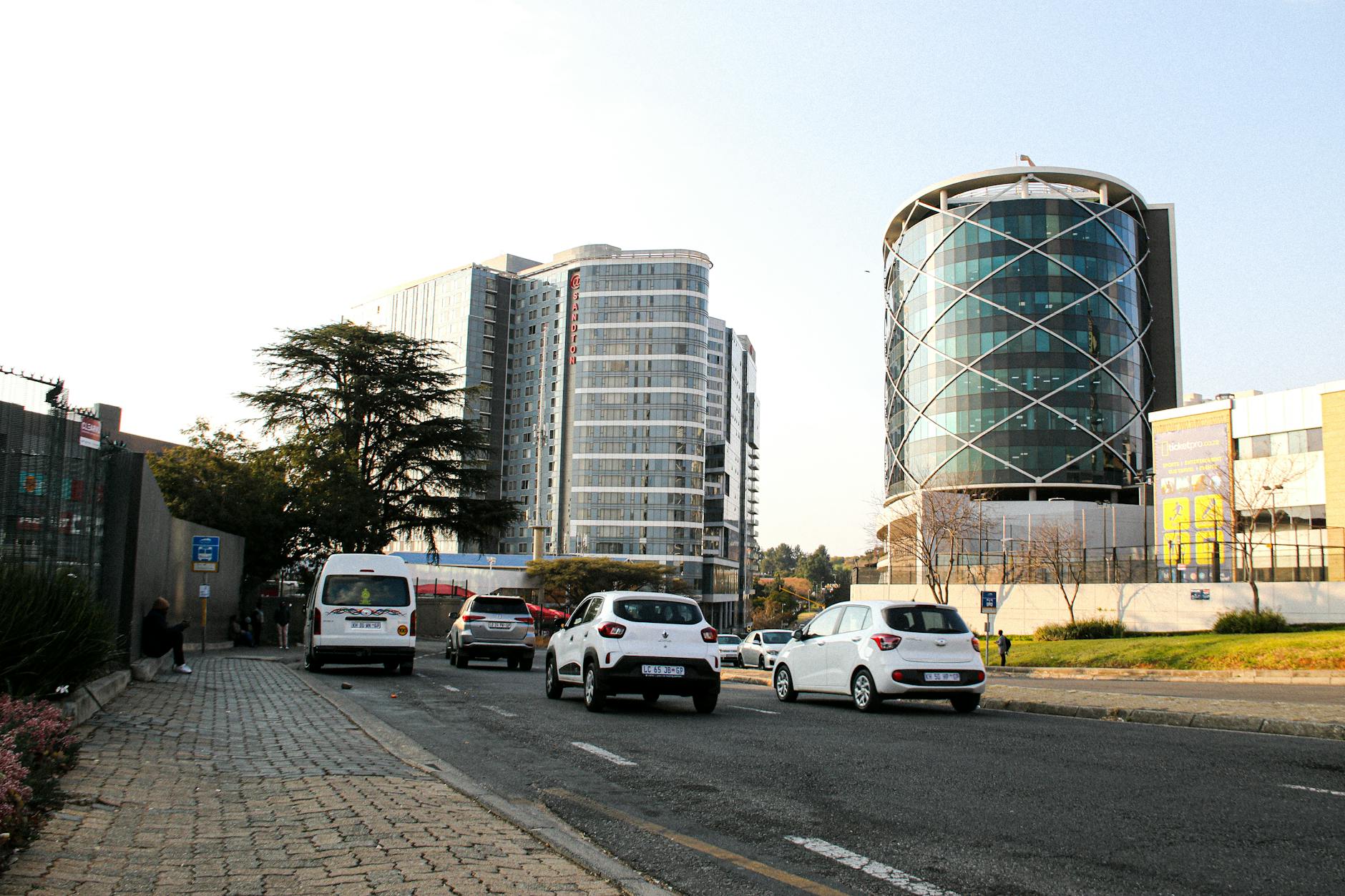
Sandton: best for first-timers who want convenience, malls and easier access to business-class hotels. Great for dining and the Gautrain.
Rosebank: mid-range boutique hotels, galleries and a more local feel with easy Gautrain access.
Maboneng and Melville: boutique guesthouses and apartment stays for a creative, walkable scene with galleries, cafés and nightlife.
Soweto guesthouses: for an immersive township experience; choose vetted operators recommended by tourism sites.
Food and Drink
Start with a breakfast at a café in Maboneng or Rosebank. Vilakazi Street in Soweto is a must for local specialties and casual eateries. For markets, try Neighbourgoods (Braamfontein) or the Food Market at Fourways (weekends).
Try braai-style grilled meats, bunny chow in informal spots, and modern South African menus blending indigenous and international flavors. For beer and local spirits, visit craft breweries in the north or enjoy a rooftop cocktail in Sandton. Tipping 10–15% is customary in restaurants.
Getting Around
Use Gautrain for fast transfers between OR Tambo, Sandton and Pretoria; buy a Breeze card at stations. Uber and Bolt are reliable and preferable to walking long distances at night.
Minibus taxis are common and cheap but can be confusing for visitors; use them only with a trusted local guide. Driving is possible but expect heavy traffic during peak hours and take care with parking. Plan transfers to/from OR Tambo outside rush hours when possible.
Best Time to Visit
Spring (September–November) and autumn (March–May) offer mild temperatures, clear skies and fewer afternoon storms. Summer (November–February) is warm with afternoon thunderstorms; green landscapes make it attractive but plan for sudden rain.
Winter (June–August) is dry, cool and sunny with chilly mornings. Booking ahead for popular weekend markets and tours is wise during peak local holiday periods.
Budget and Practical Tips
Currency: South African rand (ZAR). Cards are widely accepted; carry small notes for markets and tips. ATMs are common but use machines in shops or banks.
Adapters and electricity: South Africa uses 230V and plug type M (three round pins). Mobile SIMs from Vodacom or MTN are easy to buy at the airport.
Safety: Stay aware in public places, avoid flashing valuables, and ask your hotel about neighborhood safety. Book guided township visits through reputable operators. Learn basic phrases — English is widely used, but a few Zulu or Sotho phrases are appreciated.
FAQ
Is Johannesburg safe for tourists?
Like many large cities, safety varies by neighborhood. Use common-sense precautions: avoid poorly lit areas at night, use reputable transport (Uber/Gautrain), and follow local guidance from your hotel.
How do I get from OR Tambo to the city center?
The Gautrain is the fastest option to Sandton and Pretoria; for downtown, take an airport shuttle or Uber. Taxis and private transfers are readily available at the airport.
Can I visit Soweto independently?
You can visit independently, but a guided tour is recommended for context, safety and meeting vetted hosts. If alone, stick to well-known sites like Vilakazi Street and museums.
Do I need a visa to enter South Africa?
Visa requirements depend on your nationality. Check the South African Department of Home Affairs website or your local embassy before traveling.
Is tipping expected in restaurants?
Yes, tipping around 10–15% is customary for good service. Small tips are also appreciated for guides and drivers.
What language is spoken?
English is widely spoken in business and tourism; many official languages are used across the city including Zulu, Sotho and Afrikaans.
Conclusion
Three days in Johannesburg gives you a concentrated, rewarding taste of South Africa’s largest city: history at the museums, the living culture of Soweto, energetic creative neighborhoods and fresh food markets. Plan neighborhoods by day, book a Soweto tour, use Gautrain plus ride-hailing for efficiency, and leave one slot open to soak up local music or a market. With practical choices on where to stay and how to move around, a long weekend here becomes both manageable and memorable.
How this guide was prepared
This guide was prepared through a structured research that combines destination research, geographic context, itinerary planning logic, and content review.