

3 Days in Cape Town: Ultimate Weekend Itinerary
A concise 3-day Cape Town itinerary blending Table Mountain, V&A Waterfront, Cape Peninsula and Winelands highlights. Practical tips, neighborhoods, and…
Dramatic mountains, an Atlantic coastline and a vibrant, multicultural center define this compact, scenic city. It suits outdoorsy travelers, food lovers, photographers and anyone wanting a mix of nature and urban life. Three days works well because you can combine a mountain or cable-car morning, a peninsula or beach day, and a shorter cultural or Winelands day without rushing. This itinerary focuses on practical routes, key neighborhoods (City Bowl, Waterfront, Sea Point, Camps Bay, Bo-Kaap, Woodstock), museums, markets and transit tips so you maximize daylight, minimize backtracking and sample the region’s best food and views.
Why Visit
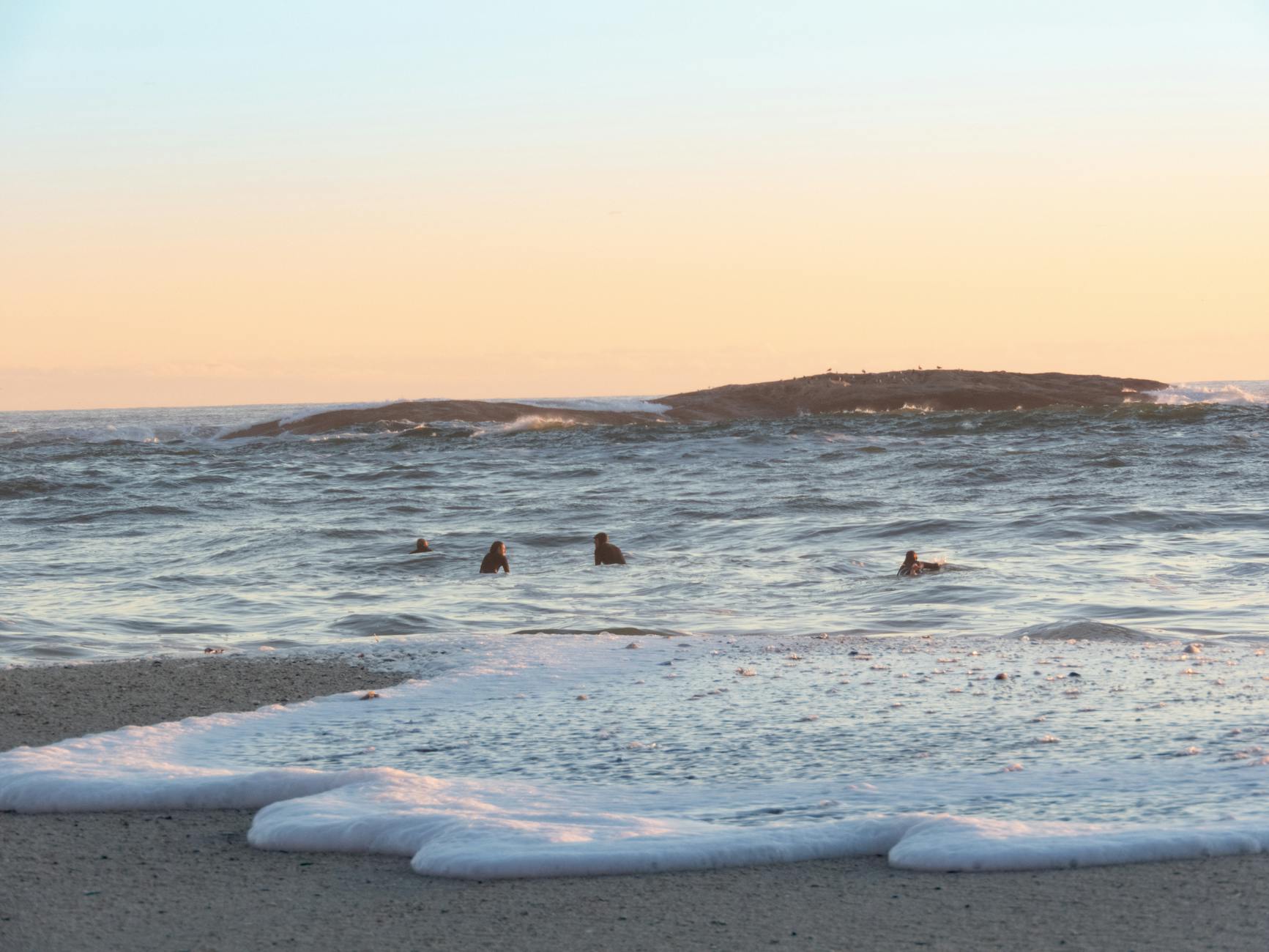
Expect dramatic scenery—granite peaks meeting sandy beaches—and a lively port and culinary scene. History and culture are visible in neighborhoods and museums; nature is minutes away in national parks. The city blends good infrastructure with easy day trips: Robben Island, Cape Peninsula drives, and nearby wine regions. It’s a confident mix of outdoor adventure and relaxed urban pleasures, great for short breaks where diversity of experiences matters more than depth.
Quick Planning Tips
Book the Table Mountain cableway and Robben Island ferry in advance, especially on weekends. If you only have one full day for the peninsula, rent a car for flexibility; otherwise join a guided small-group tour. Download a local maps app and arrange an Uber or Bolt account; cash is handy for smaller market vendors. Pack windproof layers—the ‘Cape Doctor’ wind can be strong—and sunscreen. Reserve popular restaurants and wineland tastings ahead of time during peak season.
Day 1
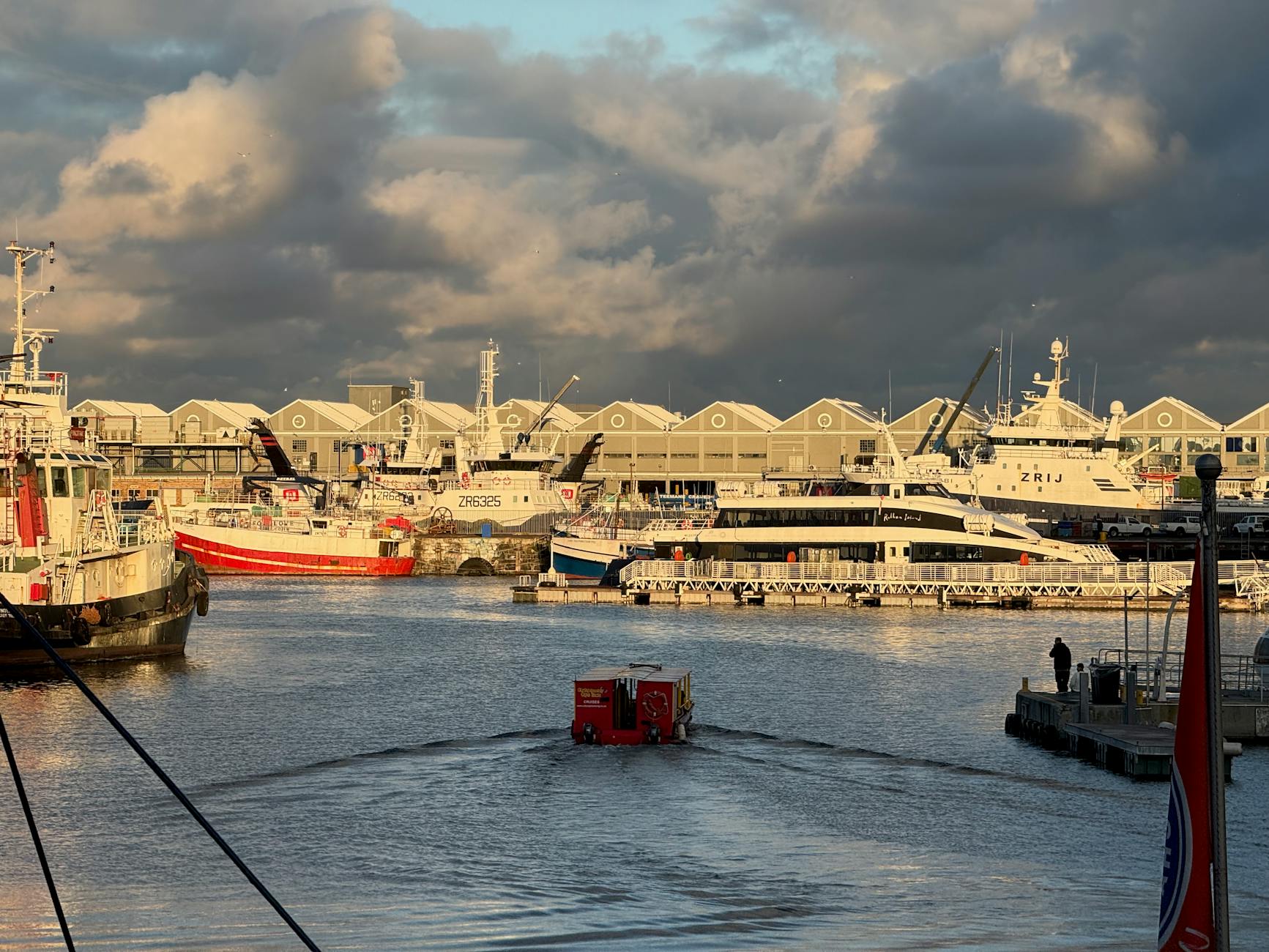
Morning: Start at the V&A Waterfront—coffee, the harbor, and quick strolls to shops and the Zeitz MOCAA (contemporary African art). Midday: Head up Table Mountain by cable car or hike Platteklip Gorge if you’re fit; allow two to three hours for views and photos. Afternoon: Walk through the Company’s Garden and visit the Iziko South African Museum if time allows. Evening: Explore Bo-Kaap for painted houses and Cape Malay food on Wale Street or nearby Bree Street restaurants.
Day 2
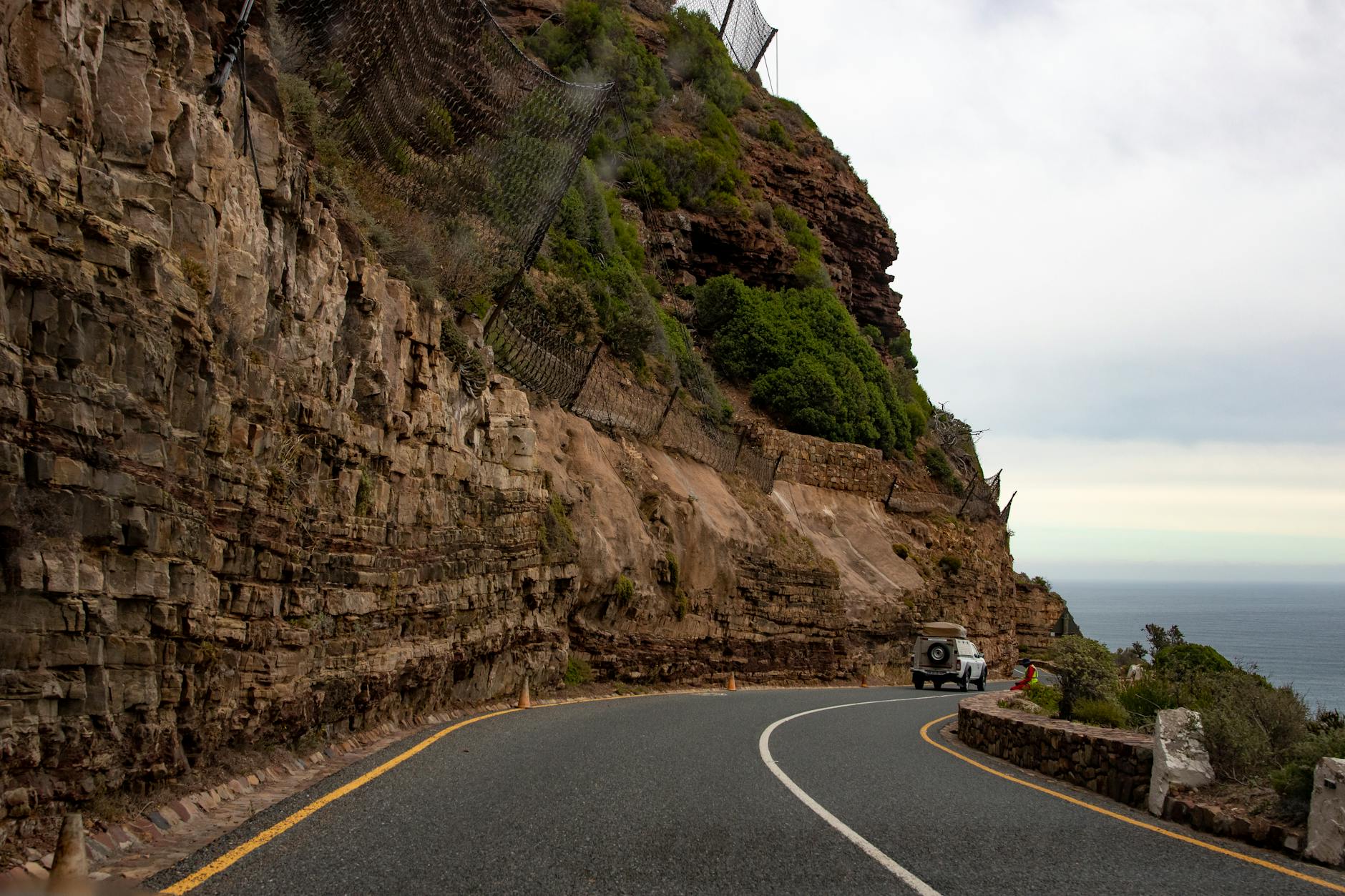
Full-day Cape Peninsula loop: drive (or join a tour) via M3 and Chapman's Peak Drive for dramatic coastline. Stop at Hout Bay, then Simon’s Town to see African penguins at Boulders Beach. Continue to Cape Point and the Cape of Good Hope for cliffs and short hikes. Return via False Bay for late-afternoon light and dinner in Kalk Bay or Fish Hoek. Bring layers, water, and allow time for traffic on Chapman’s Peak and seasonal closures.
Day 3
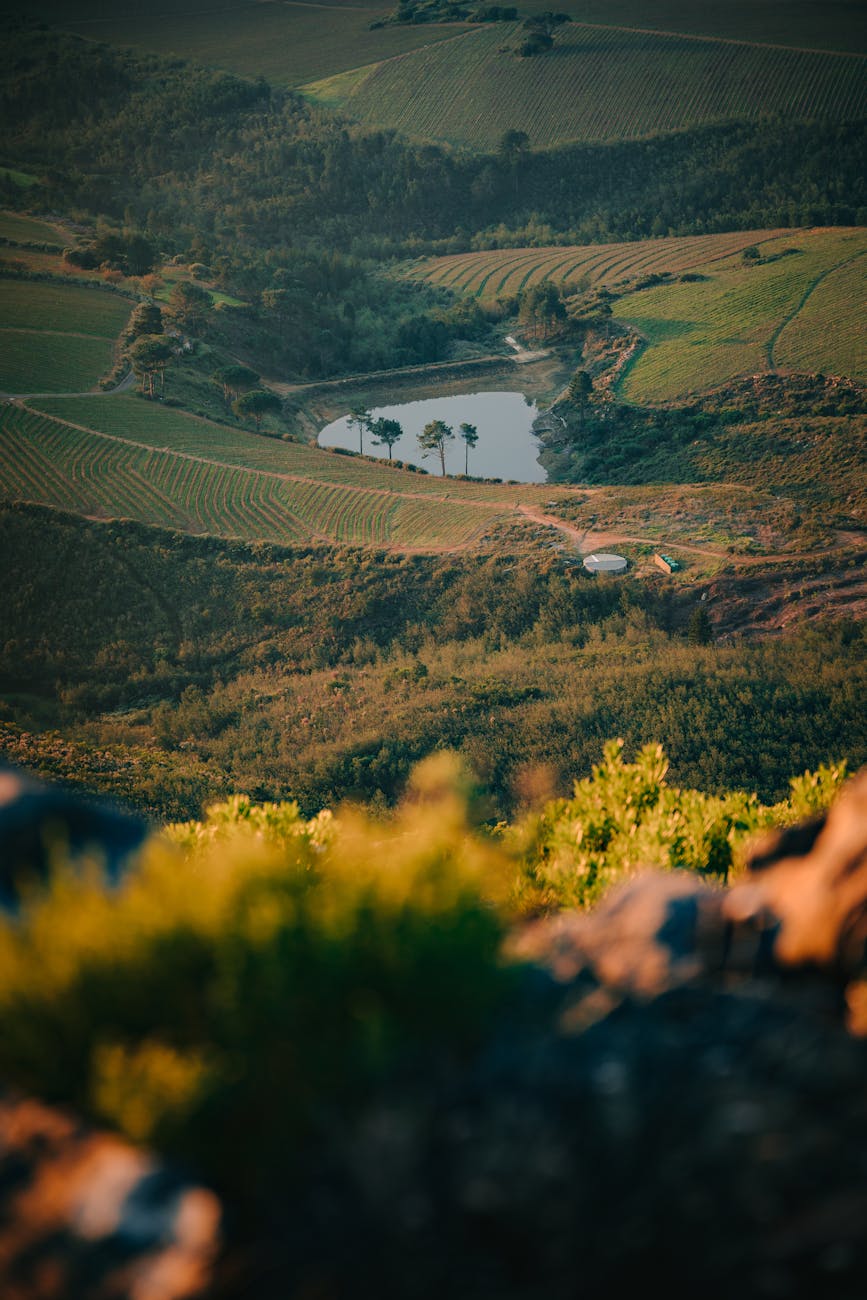
Choose between Winelands or a relaxed urban day. Winelands: Half-day or full-day trip to Constantia (closest) or Stellenbosch/Franschhoek for cellar tours and tasting menus—book ahead. Urban option: Morning at Kirstenbosch Botanical Garden, then explore Woodstock’s Old Biscuit Mill market and street art. Afternoon: Sea Point promenade and Clifton or Camps Bay beach for sunset. Finish with a seafood dinner on the Atlantic Seaboard or a bistro on Bree Street.
Best Local Experiences
Ride the Table Mountain cableway for sunrise or sunset photos. Take the Robben Island ferry and guided tour for history. Drive Chapman's Peak and watch for whales from May to November along False Bay. Visit Kirstenbosch for indigenous flora and picnic options. Seek out the Old Biscuit Mill on a Saturday for local food, design and a farmers’ market. Try a township walking tour or District Six Museum to understand social history. Finish with sunset drinks at Signal Hill or the beachfront in Camps Bay.
Where to Stay
City Bowl (CBD) and Green Point put you close to museums, restaurants and the Waterfront; ideal for first-timers. V&A Waterfront offers convenience and harbor views but is pricier. Sea Point and Camps Bay suit beach lovers and sunset access. Woodstock has boutique guesthouses and creative dining at the Old Biscuit Mill. For day trips to Winelands, consider a base in Constantia. Choose accommodations with easy Uber/Bolt access and secure parking if renting a car.
Food and Drink
Start with coffee and pastries on Kloof Street, then try contemporary restaurants on Bree Street. For Cape Malay flavors, book a Bo-Kaap cooking experience or lunch on Wale Street. Seafood is excellent—harborside fish restaurants in Kalk Bay and Hout Bay, and fine dining on the Waterfront. Visit the Old Biscuit Mill for market foods and craft coffee. Wine lovers can get a taste in Constantia (closer) or drive two hours to Stellenbosch and Franschhoek for full tastings and cellar tours.
Getting Around
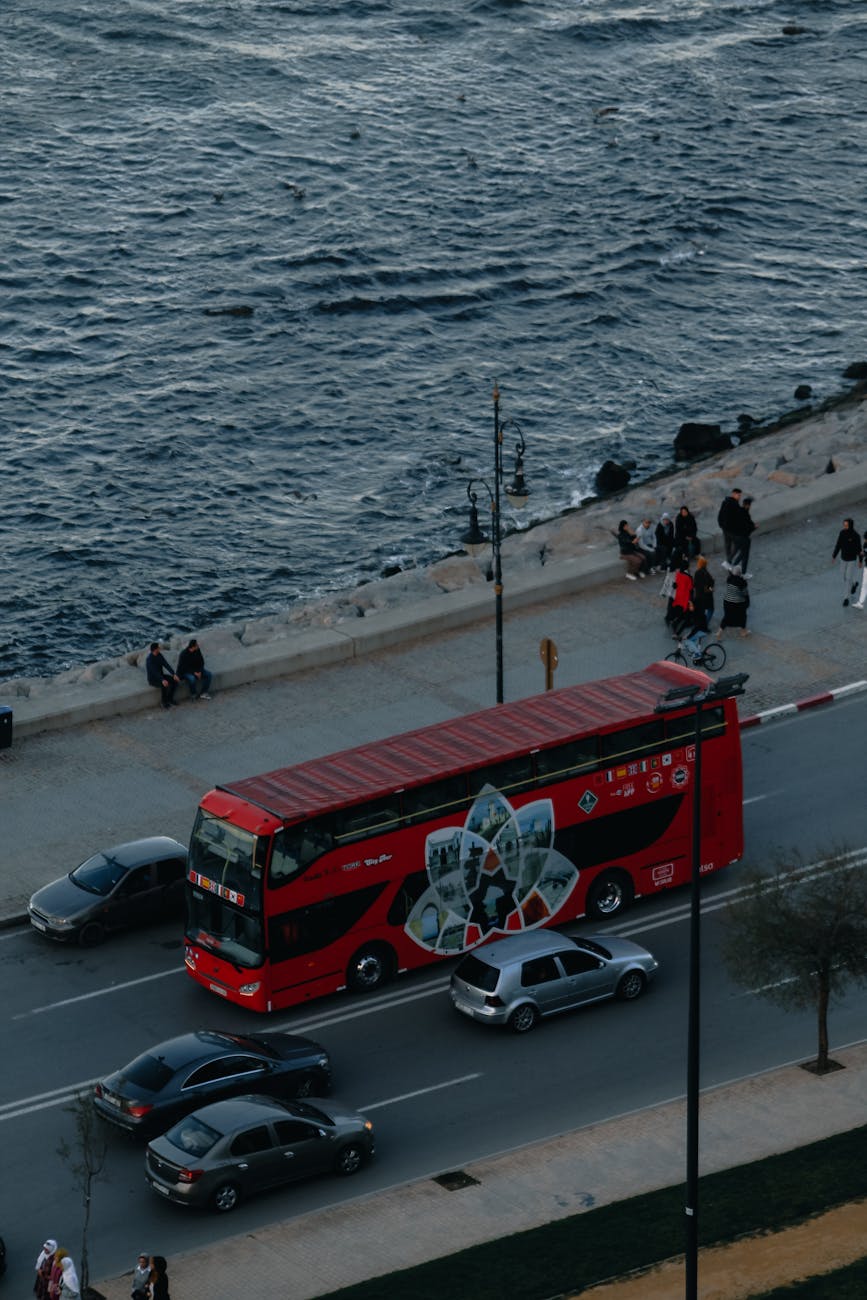
Use MyCiTi buses around the city and Waterfront for budget travel; they link to the airport. Uber and Bolt are reliable for short hops and evenings. Rent a car for the Peninsula, Chapman’s Peak and Winelands—parking is generally available but fill fuel before long legs. Expect heavier traffic on weekends and holidays. For Robben Island, ferries leave from the V&A; arrive early. Always lock valuables and avoid isolated streets after dark.
Best Time to Visit
Summer (November to March) offers beach weather and lively outdoor dining but can be windy. Shoulder seasons (September–November, March–May) combine pleasant weather, fewer crowds and good hiking conditions. Whale season runs roughly July to November along False Bay—lookouts near Simon’s Town and Noordhoek. Note that winter storms can close coastal drives and create strong surf; always check local weather before peninsula excursions.
Budget and Practical Tips
Currency: South African rand (ZAR). Tipping: 10–15% in restaurants if service isn’t included. Buy a local SIM (Vodacom or MTN) for maps and bookings. Tap water in the city is generally safe; carry a refill bottle for hikes. Wear layered clothing and comfortable shoes for cobbled streets and trails. Book high-demand activities (Table Mountain cableway, Robben Island) early. Keep photocopies of travel docs and use hotel safes for valuables.
FAQ
Is three days enough to see the highlights?
Yes. Three days covers Table Mountain, Waterfront and a full Cape Peninsula or Winelands day if you plan efficiently.
Should I rent a car?
Rent one for the Peninsula and Winelands. For in-city travel, taxis and MyCiTi work well and avoid parking hassles.
Is the city safe for tourists?
Use common-sense precautions: avoid isolated areas at night, keep valuables out of sight, and ask locals or your hotel about safe neighborhoods.
Do I need to book Robben Island in advance?
Yes. Ferries often sell out; book online beforehand, especially on weekends and holidays.
What’s the best beach?
For swimming and scenery try Clifton beaches or Boulders Beach for penguins; Camps Bay is scenic for sunsets but can be windy.
Conclusion
In three days you can taste the region’s best: dramatic mountain views, coastal drives, rich history and excellent food. Prioritize one big day trip (Peninsula or Winelands), book key tickets ahead, and mix neighborhoods to get a balanced feel. Leave a little room for spontaneous markets, a sunset spot or a second glass of wine.