

Karlovy Vary: Honest 3-Day Itinerary and Practical Guide
A practical 3-day Karlovy Vary itinerary with realistic transit tips, spa costs, museum prices, and daily plans so first-time visitors can use time efficiently.
A no-nonsense, three-day plan for Karlovy Vary that balances the main spa sights, a neighbourhood day, and a slower final day with practical costs, transit notes and meal picks.
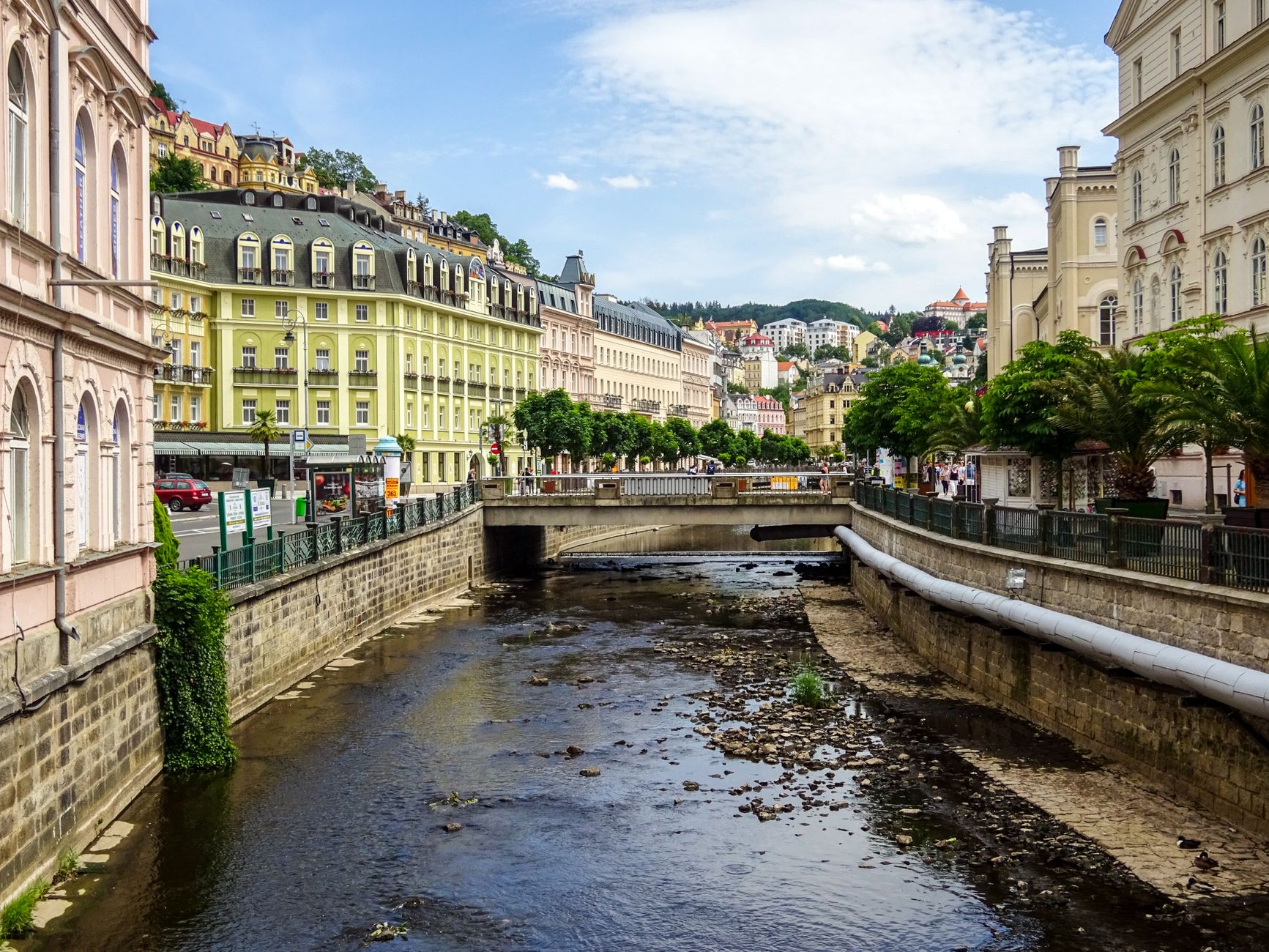
A compact spa town with a long reputation for drinking cures and international visitors, the centre sits on both banks of the Teplá river with ornate 19th-century colonnades lining most of the tourist loop. The first impression is one of orderly promenades, pipes and fountainhouses mixed with hotel facades, glass shops and cafés that cater to daytrippers as well as longer-stay spa guests.
Expect queues at the main springs in summer and a calm, slow pace outside festival weeks. Visitors often assume every attraction is free or open late; some museums and tasting tours have short opening hours and certain springs are only accessible inside the colonnades.
The place suits people who want short walks, architectural detail, spa rituals and small museums rather than nightlife or long hikes. The compact centre makes three-day plans realistic because distances are short, but timing matters: festival weeks and local holidays change availability and prices.
Is 3 days in Karlovy Vary enough?
Three days give time to cover the main colonnades and the Vřídelní geyser, do a glass or Becherovka tour, and take the Diana funicular for river-and-forest views. Caveat: full spa treatment schedules or long medical stays require more time; three days only allows one or two short spa procedures.
Who This Guide Is For
Best for travellers who want a concentrated mix of spa culture, museums and short walks rather than long hikes; not ideal for visitors expecting a party scene or a week of medical treatments.
Local Tips for Karlovy Vary
Practical details that most travel sites skip — specific to Karlovy Vary.
- Buy the porcelain spa cup (Karlovarský pohárek) near Mlýnská kolonáda for 80–200 CZK; the best drinking springs require these cups rather than paper ones.
- Vřídelní pramen (the geyser) ejects water around 72°C inside the Vřídelní kolonáda; stand behind barriers and follow staff signs — the spray can scald.
- Jan Becher Museum near Tržní kolonáda runs tasting tours with a souvenir 0.04 l sample; expect to pay about 150–250 CZK for the guided tasting and mini-bottle.
- Take the Diana funicular from the lower colonnade (near Tržní kolonáda); a single ticket is usually around 40 CZK and the ride saves a steep 20–30 minute walk.
- Check KVIFF (Karlovy Vary International Film Festival) dates in July: accommodation and restaurant prices often double and some attractions run on altered hours.
How This Guide Was Prepared
Karlovy Vary is a working spa town where mineral water, 19th-century colonnades and light industry coexist with tourist crowds at peak times. Many guides treat it like an idealised spa postcard and skip the logistics: how to get between the lower train station and the colonnades, which springs are for drinking and which are not, and how festival weeks change availability and price. This guide was prepared through a structured research that combines destination research, geographic context, itinerary planning logic, and content review.
Plan Your Stay in Karlovy Vary
Use this itinerary as your starting point, then compare areas to stay, transport options, seasonal timing, and realistic daily costs before booking.
Why Visit
Most visits are about the water: the town’s thermal springs are central to local life and offer a practical link between architecture, health culture and gastronomy. The Vřídelní pramen is the working geyser that people queue to see and drink from beneath the granite arch of the Vřídelní kolonáda.
Glass and craft are a second reason: Moser Glass Museum and the showroom provide a clear window into Bohemian glassmaking with live demonstrations and high-quality displays. Those interested in spirits will find the Jan Becher Museum and Becherovka tastings give context to a bitter herbal liqueur tied to the town’s name.
The compact colonnades and riverside promenades allow easy half-day circuits for photography and spring sampling without long transfers. Finally, timing a visit during the KVIFF festival in July changes the town’s mood: more red carpets and international films, but also higher prices and packed restaurants.

Quick Planning Tips
From Prague the fastest public option is intercity buses (RegioJet, FlixBus) that run from Prague Florenc and take roughly 1 hour 45 minutes; trains via ČD can involve changes and take longer. Karlovy Vary has a small airport (KLV) with infrequent scheduled flights; a taxi from the airport to the centre typically costs 300–600 CZK depending on time and luggage.
Carry some Czech crowns for porcelain cups, small market purchases and some cafés; larger shops and restaurants accept cards but not every small vendor does. Use IDOS.cz for timetables and check RegioJet/FlixBus apps for ticket booking. Avoid booking accommodation during the Karlovy Vary International Film Festival (KVIFF) unless budgets are flexible, because room rates and restaurant reservations are harder to get.

Day 1
Start at Mlýnská kolonáda, the broad stone arcade beside the Teplá river where multiple springs and souvenir stalls cluster. Allow 30–45 minutes to view the arcade, buy a porcelain spa cup and sample spring water from the main taps.
Walk 5–10 minutes to the Vřídelní kolonáda (Hot Spring Colonnade) to watch the geyser and read the information panels; expect a short queue in mid-morning. The internal area is compact but popular; plan 30–40 minutes here.
From Vřídelní head uphill 5–10 minutes to the Church of St. Mary Magdalene, a high baroque church with practical access to the spa area and good exterior photo angles. For lunch, sit at Restaurace U Švejka or Café Pupp for a straightforward Czech meal; both are within 5–10 minutes of the colonnades. Expect a sit-down lunch to cost around 200–350 CZK per person.
After lunch, walk to the Jan Becher Museum near Tržní kolonáda for a 45–60 minute tour and tasting; allow time for a small shop purchase. End the day by taking the Diana funicular from the lower colonnade up to the Diana Observation Tower for sunset views over the valley; the funicular ride is about 3–5 minutes and the walk from the tower back to the centre is 20–30 minutes downhill if preferred.
Day 2
Spend the morning with glass and applied arts in the Moser Glass Museum and workshop area; expect a museum visit plus a 20–30 minute glass-blowing demonstration and around 1.5–2 hours total. The Moser shop is useful for window-shopping even if purchases are expensive.
Take a short bus or a 20–30 minute walk to the Bečov nad Teplou direction for a late-afternoon option, or stay in town to visit the Karlovy Vary Spa Theatre and the small regional museum on the riverbank. If choosing Bečov nad Teplou, note transit takes about 25–40 minutes by regional bus; check IDOS for schedules.
Lunch options in this neighbourhood include Café Mozart or local pastry shops for light meals. In the afternoon, explore Sadová kolonáda and Tržní kolonáda for quieter springs and smaller crowds; this area is useful for testing different mineral waters and watching local spa rituals.
Dinner should be at a centrally located restaurant such as Restaurace Imperial or Le Marché for modern Czech plates; both require booking in high season. Finish the evening with a slow walk along the Teplá river to see colonnade lights and late-night reflections.

Day 3
Reserve a shorter, relaxed morning for any missed colonnades and for buying souvenirs like porcelain cups, Becherovka bottles, or small Moser glass items. Mlýnská and Tržní kolonády both have specialist shops that close by mid-afternoon; allow 60–90 minutes to collect items and make any last tastings.
Book one short spa treatment or thermal pool visit at a public spa facility or a hotel spa (single wraps, inhalation or a short bath) — most treatments take 30–90 minutes and must be booked in advance. If checking out midday, store luggage at the hotel or station; many small hotels will hold bags for a few hours.
If catching an afternoon bus or train, plan travel to the bus terminal or dolní nádraží with at least 60 minutes buffer for lines and taxi time; buses to Prague depart from the main station/terminal and often leave on schedule. If time allows, climb or take the funicular to Diana again for a final valley view and a quick coffee at the hilltop café before departure.
For an evening flight from KLV, leave central hotels at least 45–60 minutes before the recommended check-in time; taxis and private transfers are the quickest option to the airport.

Best Local Experiences
Drink from several named springs: the Vřídelní pramen in Vřídelní kolonáda, the šlikova lavka near Mlýnská kolonáda, and the small taps at Tržní kolonáda to compare tastes and temperatures. Buying the porcelain spa cup is part of the ritual.
Attend a guided tour at Jan Becher Museum for an explanation of Becherovka production and a tasting of the 0.04 l samples. Book a Moser Glass Museum tour and a working demonstration to see glassblowing techniques and to understand why items are pricy.
Time a visit during KVIFF only if film programming is the goal; otherwise choose late spring or early autumn for fewer crowds. Walk the riverside promenades early morning when coaches have not yet arrived and treat an afternoon to the small local market stalls near the colonnades for baked goods and herbal teas.
Try a short spa procedure (inhalation session or thermal bath) at a public spa house or a hotel like Hotel Pupp’s spa; bookings are needed and prices vary widely depending on the facility and season.
Take the short forest path from Diana Observation Tower for 30–60 minutes of green space that contrasts with the formal colonnade walks and offers other lookout points.
Where to Stay
Colonnade / City Center: Best for first-time visitors who want immediate access to Mlýnská and Tržní kolonády, Jan Becher Museum and most restaurants. Expect mid-range hotel rooms to start around 1,800–3,500 CZK per night (≈€72–€140 / $75–$145). Higher-end historic hotels like Grandhotel Pupp charge much more in high season.
West End (near dolní nádraží / lower station): Suited to budget travellers and people arriving by train or bus who prefer quicker access to regional transit. Small guesthouses and pensions typically cost 800–1,800 CZK per night (≈€32–€72 / $34–$75). This area has fewer colonnade views but saves on transfer time.
Diana / Hill neighbourhood: Ideal for visitors who prefer quieter streets and forest walks with a short funicular or 20–30 minute walk into the centre. Expect pension and mid-range hotel prices around 1,200–2,500 CZK per night (≈€48–€100 / $51–$105). These properties suit people who value views and quiet over immediate access to the main springs.
Food and Drink
Becherovka: an herbal, bitter Czech liqueur named after the town; try a small tasting at Jan Becher Museum or buy a 0.2–0.5 l bottle in specialist shops for 120–450 CZK depending on size (≈€5–€18). This is a sipping liqueur used as a digestive.
Kaiserfleisch or spa-influenced meat dishes: roast or braised pork and beef dishes appear in local menus; good versions are at mid-range restaurants like Restaurace Imperial with mains around 200–350 CZK (≈€8–€14).
Spa wafers and Karlovy Vary wafers (oblátky): thin, toasted wafer sheets often sold near the colonnades for 30–80 CZK. Eat as a street snack between attractions.
Breakfast options: traditional Czech bakery goods at local pekárna (bakery) or a hotel buffet; a typical bakery breakfast (coffee and pastry) costs 60–140 CZK. Try the local sweet and savoury pastries.
Dinner recommendation: choose one meal at a classic hotel restaurant (Grandhotel Pupp or Le Marché) or a focused bistro for modern Czech plates; expect dinner mains 250–500 CZK and set menus in higher-end spots from 450–1,200 CZK. Reservations are wise in high season or during KVIFF.
Getting Around
Walking is the primary way to move around the centre; most colonnades and museums sit within 10–20 minutes of each other along the Teplá river. Use the Diana funicular for the steep climb to the observation tower; single tickets are generally around 30–50 CZK.
Local buses operate between neighbourhoods and to outlying spas and towns; check IDOS.cz for routes and timetables. Regional buses and intercity operators RegioJet and FlixBus run frequent services to Prague and nearby cities; book seats via their apps.
For rail travel use České dráhy (ČD) where available, but expect longer journey times with changes from Prague. Taxi fares from Karlovy Vary Airport to the centre usually range 300–600 CZK; rides from the train or bus terminal to the centre are typically 100–250 CZK depending on distance and traffic.
Buy single bus tickets from drivers or vending machines where available, and use IDOS for planning; there is no universal citywide smartcard on the scale of Prague’s Lítačka, so expect cash or app payments for small local services.
Best Time to Visit
Late spring (May–June) and early autumn (September) provide the best balance of mild weather and fewer coach-loads of daytrippers. Day temperatures generally range from 10–22°C in these shoulder months and the light is good for photos.
High summer (July–August) brings the Karlovy Vary International Film Festival in July and the heaviest crowds; expect higher prices, booked-out hotels and busy colonnades. Winter (December–February) is quiet and cold, with daytime temperatures often between -5 and 5°C; the town feels more local then but some smaller attractions may reduce hours.
For lower costs and quieter streets choose November, early December (before Christmas markets) or late January through February, but be ready for short daylight hours and occasional snow. If festival programming matters, book well in advance for July.
Budget and Practical Tips
Daily budget examples (per person): budget traveller: 1,200–1,800 CZK/day (≈€48–€72 / $50–$78) covers a budget pension, bakery breakfasts, self-catered lunches, a museum or two and limited taxis. Mid-range traveller: 2,500–4,000 CZK/day (≈€100–€160 / $105–$170) covers a mid-range hotel, restaurant meals, one museum tour and a short spa treatment. Higher-end traveller: 5,000+ CZK/day (≈€200+ / $210+) allows luxury hotel rooms, several guided tours and multiple spa procedures.
Typical entry and service prices: Jan Becher Museum tasting 150–250 CZK, Moser Museum/tour 200–300 CZK, short Diana funicular ride 30–50 CZK. Spa treatments range widely: short inhalation or wrap sessions can be 400–1,200 CZK depending on the facility.
Tipping: small restaurants commonly round up or add 5–10% for good service; tipping is appreciated but not obligatory. Carry small change for spa cups, bus tickets and market stalls. Currency is Czech crowns (CZK); cards are widely accepted but some small vendors and spa kiosks prefer cash.
FAQ
Is Karlovy Vary safe for solo travellers?
Yes, the centre is generally safe by day with low violent crime; watch pockets in crowded colonnades and on coach arrival points.
How do I get from Prague quickly?
Buses (RegioJet, FlixBus) from Prague Florenc are the fastest direct public option, about 1 hour 45 minutes; trains via ČD can be slower and may require a change.
Is a city card or spa pass worth buying?
There is no single, widely used ‘city card’ that covers everything; buy specific tickets for museums, the Diana funicular and any spa procedures you plan rather than a blanket pass.
Are the springs safe to drink from?
Yes, some springs are intended for drinking but water is very hot at the source; use the porcelain spa cup and follow posted notices — some springs are for show and should not be sampled.
Can day trips be done from Prague?
Yes, one-day visits are common, especially by bus, but three days allows a calmer pace, museum visits and at least one spa treatment.
Are English tours available at museums and tastings?
Many tourist attractions and the main museums offer English-language tours or printed guides, but times vary; check schedules in advance and book guided tastings where needed.
Conclusion
Three days provides a solid, realistic window to experience the main colonnades, try a short spa procedure, and visit the town’s key museums without rushing. The most memorable elements are the rituals: buying a porcelain cup, watching the Vřídelní geyser and tasting Becherovka in a guided setting.
If time becomes tight, prioritise the Vřídelní kolonáda and one guided tour (Moser or Jan Becher) — those two give the clearest, quickest sense of what makes this place unique.
How this guide was prepared
This guide was prepared through a structured research that combines destination research, geographic context, itinerary planning logic, and content review.