
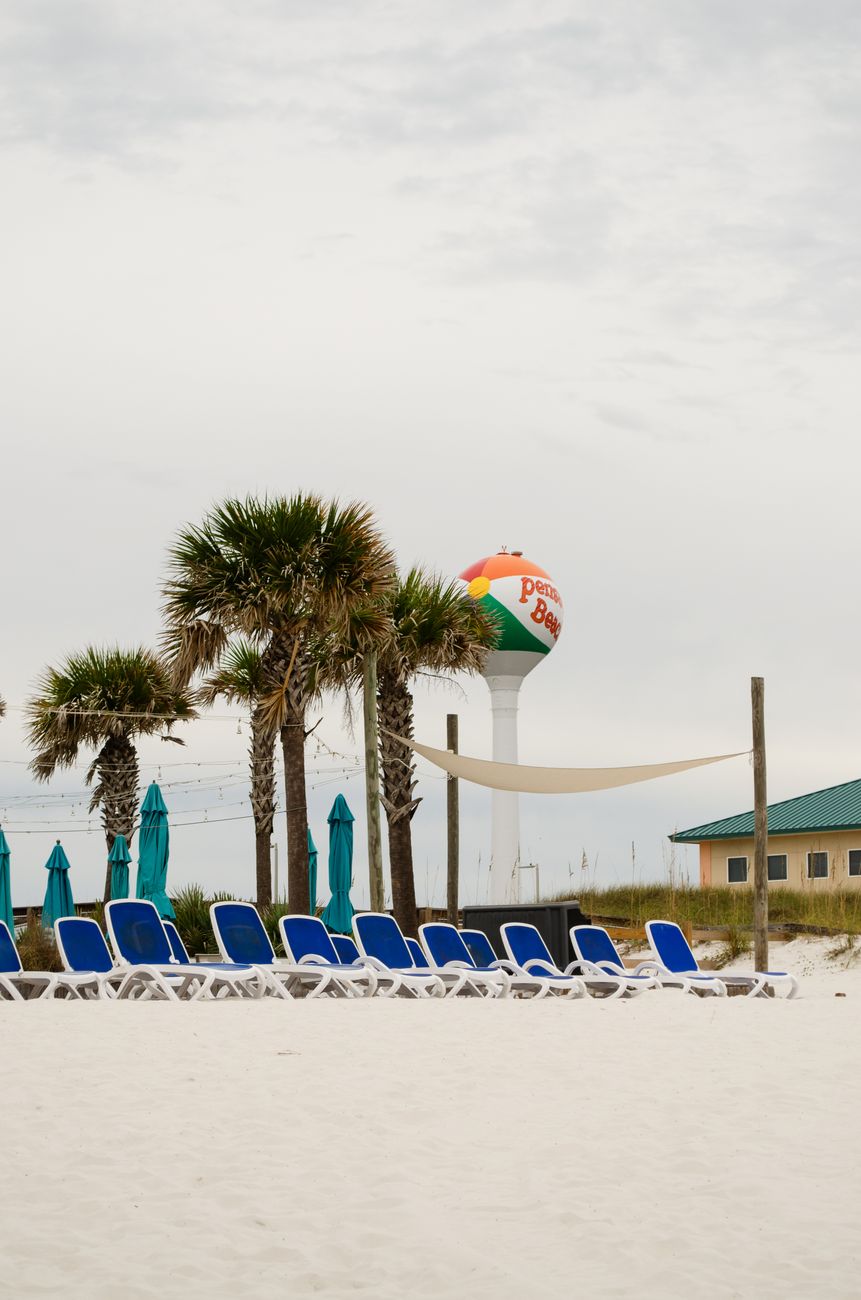
Practical 3-Day Guide to Pensacola, Florida
A straightforward 3-day Pensacola itinerary with transit tips, neighbourhood picks, and realistic costs to help plan an efficient long weekend.
Three days in Pensacola covers downtown history, Gulf Coast beaches, and military aviation highlights with time for a seafood meal and a ferry trip to Fort Pickens.
Expect a coastal city whose identity is split between downtown commerce and the military presence on Naval Air Station Pensacola. The first impression walking Palafox Street is a working downtown with seafood markets, old brick storefronts, and a surprising number of aviation references — aircraft models, memorials and the constant distant drone of training flights. Noise levels rise during Blue Angels practices and occasional construction; weekends at Seville Quarter and the waterfront are louder than weekdays.
Many visitors assume the visit should be all beach or all nightlife. The practical reality is that a balanced trip requires switching modes: a morning museum or lighthouse visit, an afternoon ferry or beach outing, and an evening meal at a market-facing restaurant. The city suits travelers who like short drives, clear seasonal weather windows, and an appetite for Gulf seafood and military museums.
Is 3 days in Pensacola enough?
Yes — three days is enough to see downtown museums, watch a Blue Angels practice if scheduled, and spend a half-day at Pensacola Beach or Fort Pickens. The honest caveat: there won't be time for a full day trip to Mobile or New Orleans and a relaxed beach day in the same short visit.
Who This Guide Is For
Best for travelers who want a mix of history, military aviation, and Gulf seafood on a modest budget. Not ideal for those who want a nonstop, resort-style beach vacation or multi-city touring without an extra day.
Local Tips for Pensacola
Practical details that most travel sites skip — specific to Pensacola.
- Buy a downtown parking session through the ParkMobile app for metered spots on Palafox Street; meter enforcement is strict during business hours.
- The Escambia County Area Transit system (ECAT) accepts fares through the Token Transit app; a single ride is inexpensive but exact-change is required on board if paying cash.
- Joe Patti's Seafood Market on 25th Avenue sells Gulf shrimp and live crabs by the pound and often posts Saturday catch lists on Instagram; bring a cooler if staying in self-catered lodging.
- Pensacola Bay Ferry runs seasonal routes to Fort Pickens and Gulf Islands; a round-trip ferry ticket to Fort Pickens is roughly in the mid-teens USD and sells out on holiday weekends.
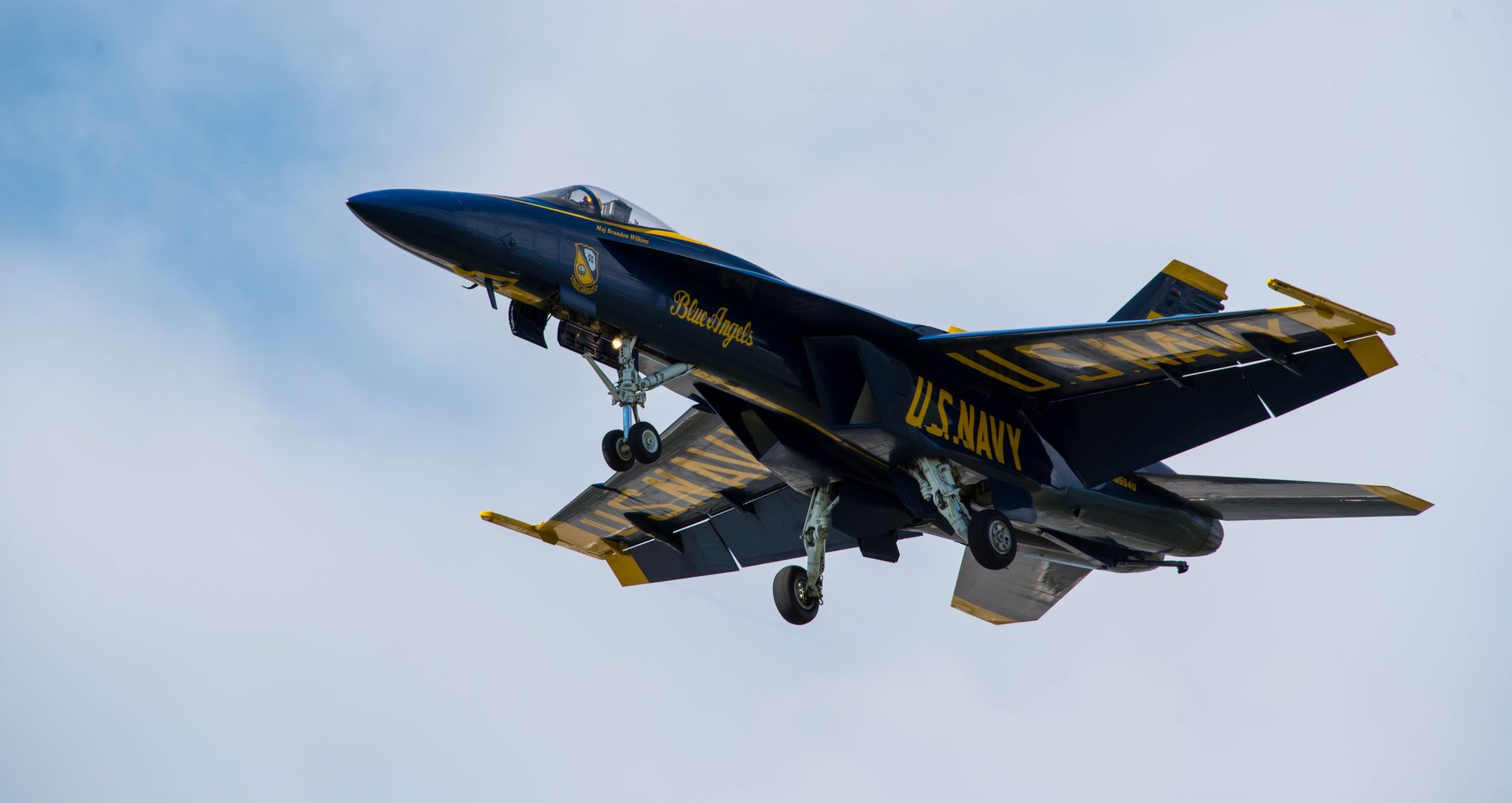
- Blue Angels practice flights usually happen Tuesday–Thursday mornings at NAS Pensacola; viewing from the public Blue Angels practice beach area near Pensacola Beach requires arriving early for parking.
How This Guide Was Prepared
This guide treats Pensacola as a coastal small city with strong military and maritime layers rather than as a generic beach weekend. Many guides focus only on Pensacola Beach; this one balances downtown museums, local seafood supply chains, and the naval aviation culture that defines daily life. Practical transit, parking and season realities are emphasized so plans match how locals actually move around. This guide was prepared through a structured research that combines destination research, geographic context, itinerary planning logic, and content review.
Plan Your Stay in Pensacola
Use this itinerary as your starting point, then compare areas to stay, transport options, seasonal timing, and realistic daily costs before booking.
Why Visit
Naval aviation history is unusually accessible here via the National Naval Aviation Museum at NAS Pensacola with free admission and aircraft displays that most military museums charge for. The Gulf Islands National Seashore and Fort Pickens give access to barrier-island sand and coastal military fortifications without the long drives required from larger cities.
Fresh seafood supply chains are visible and usable — Joe Patti's Seafood Market and nearby docks let visitors buy the same catch restaurants use. Downtown cultural anchors such as the T.T. Wentworth Jr. Museum and Saenger Theatre provide a compact arts corridor on Palafox Street. Finally, the Blue Angels influence daily life: practice schedules create a reliable spectacle that is as much local routine as tourist draw.

Quick Planning Tips
Most flights arrive at Pensacola International Airport (PNS), roughly a 15–20 minute drive to downtown; taxis and rideshares cost about $20–35 depending on time of day. For drivers, expect parking meters on Palafox Street and pay via ParkMobile or coins; residential streets near East Hill may have permit parking.
Use Token Transit for ECAT bus passes to avoid fumbling with exact change on board. If visiting during summer or around Memorial Day/Independence Day, book beach-area lodging and ferry tickets at least 4–6 weeks ahead. Avoid assuming every museum is open daily — check hours for the Pensacola Lighthouse and Historic Pensacola museums, many of which close on Mondays or have limited seasonal hours.
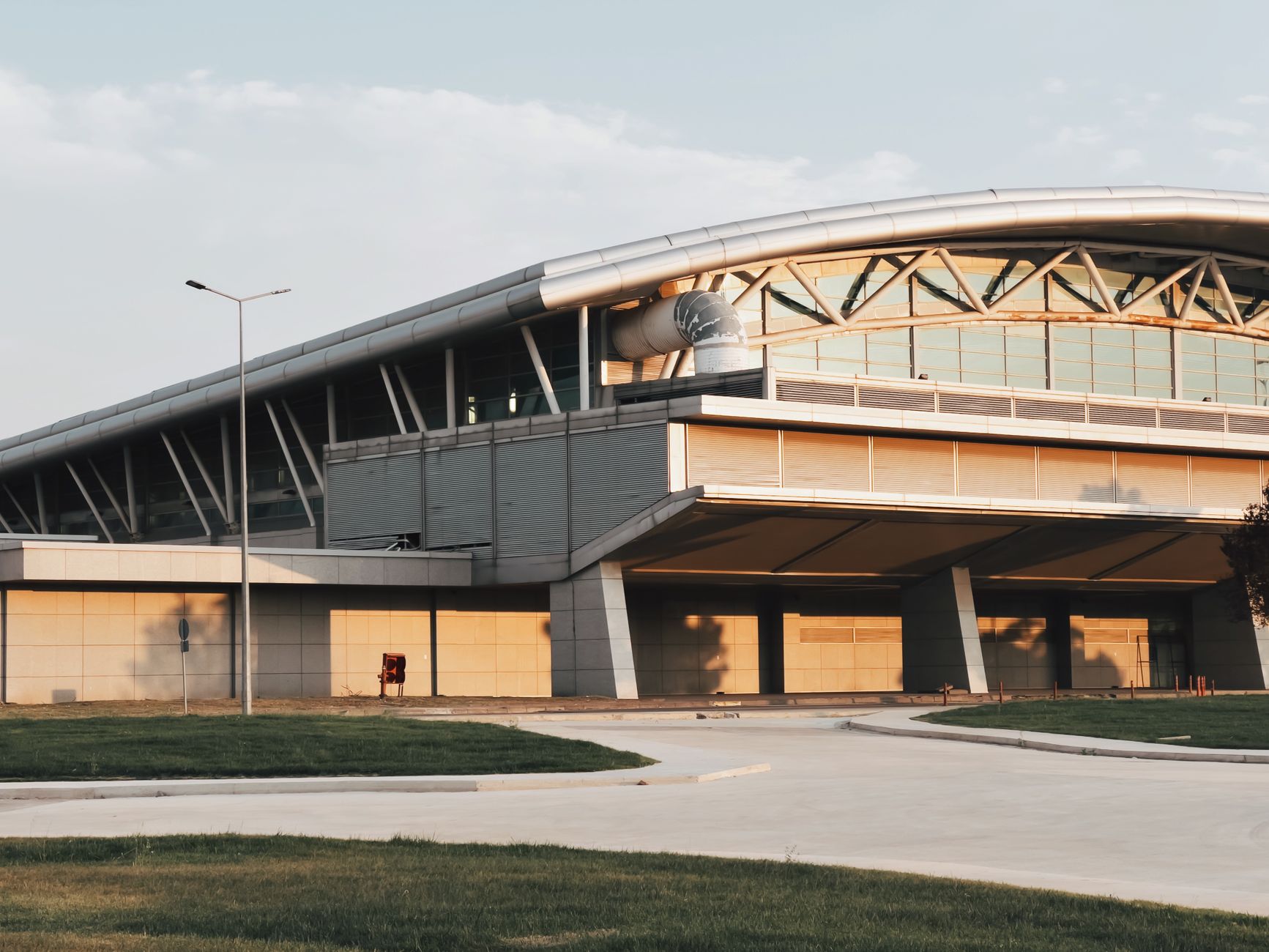
Day 1
Morning: Start at the National Naval Aviation Museum on North Navy Boulevard at NAS Pensacola. Allocate 2–3 hours; free entry but bring photo ID for base access. From the museum, walk or drive 5–10 minutes to the Blue Angels Practice Viewing Area on Gulf Breeze Parkway if a practice is scheduled — arrive early for public parking.
Midday: Drive 10 minutes back across Bayou Texar to Joe Patti's Seafood Market on 25th Avenue for a look at local catches and a quick casual seafood lunch. Popular options include peel-and-eat Gulf shrimp or a grouper sandwich at the market counter; expect $12–18 for a market-prepared plate.
Afternoon: Head to Historic Pensacola Village and the T.T. Wentworth Jr. Museum on Jefferson Street; give 90 minutes to two hours to tour multiple small museums and the colonial-era buildings. Walking from Palafox Street to the village is 5–10 minutes.
Evening: Dinner on Palafox Street at The Fish House or local alternative; expect $20–35 per person for mains. Finish the night with a walk along the waterfront at Plaza Ferdinand and, if interested in nightlife, Seville Quarter which is lively after 9pm.

Day 2
Morning: Cross the Baytowne/Pensacola Bay Bridge toward Pensacola Beach. Park at Casino Beach or Park East Lot and spend a couple of hours on the sand; public beach parking may cost per hour or a flat daily fee during high season. Walking from the parking lot to the shore is typically under 10 minutes.
Midday: Take the Pensacola Bay Ferry from downtown Seville Terminal to Fort Pickens on the western tip of Santa Rosa Island; the ride shows local waterways and often dolphins. Ferries run seasonally and a round-trip ticket to Fort Pickens is commonly priced in the mid-teens USD. At Fort Pickens, bring water and sun protection and set aside 2–3 hours to walk gun emplacements and shoreline.
Afternoon: Return to Pensacola Beach and try a Gulf seafood lunch at a boardwalk spot like Crabs on the Beach or a local sandwich shop; lunch $12–25. If interest is in nature rather than sunbathing, rent a bike to explore Gulf Islands trails near the fort.
Evening: Drive back to downtown and eat on the North Hill or East Hill side for quieter residential restaurants. End with a sunset view from the Pensacola Beach Gulf Pier or a late drink on Palafox Street.

Day 3
Morning: Start at the Pensacola Lighthouse and Museum at 1 South Palafox Place; allow an hour for the climb and exhibits and check the hours before arrival. The lighthouse offers a compact visit and good views for those short on time.
Midday: Walk to the nearby Pensacola Museum of Art on Palafox for a shorter gallery visit or eat a casual lunch at a deli on South Palafox; both are 5–10 minutes apart on foot. Lunch at a modest café is usually $10–18.
Afternoon: If checking out midday or catching an afternoon flight from PNS, plan a short stop at Perdido Key or follow a quick waterfront drive around Bayou Texar before heading to the airport. Allow at least 45–60 minutes from downtown to the airport for rideshares during normal traffic; add extra time during holidays.
Evening: For an early flight, skip extensive museum stops and prioritize the lighthouse or a quick ferry hop. For those with a later flight, a final meal at McGuire's Irish Pub or The Fish House offers both hearty options and proximity to downtown hotels.

Best Local Experiences
Attend a Blue Angels practice at NAS Pensacola on a weekday morning and view from the public practice area or the beachfront. Visit Joe Patti's Seafood Market early Saturday to see commercial fish arrivals and buy freshly cooked shrimp for an impromptu picnic. Ride the Pensacola Bay Ferry for a short cruise to Fort Pickens and the Gulf Islands National Seashore for wildlife viewing and a fortress walk.
Explore Historic Pensacola Village with the T.T. Wentworth Jr. Museum and the Pensacola Museum of History for local archival displays. Catch a minor-league baseball game at Blue Wahoos Ballpark on South Palafox for a family-friendly evening with local seafood vendors. These five activities reflect local rhythms more than a generic beach checklist and each requires modest time and local scheduling.
Where to Stay
Downtown/Palafox Street: Suited for nightlife, museums and ferry access. Good for first-time visitors who want walkable dining and cultural options. Expect mid-range hotel rates around $120–220 per night (USD), roughly €110–200.
Pensacola Beach/Quietwater Beach area: Best for beach-first travelers who want easy sand access and beachfront bars. Rooms range widely; budget motels and mid-range hotels commonly $140–260 per night (USD), about €125–235. Parking and seasonal surcharges apply on summer weekends.
East Hill/North Hill residential districts: Suited for travelers who prefer quieter streets, local cafes and B&Bs within a 5–10 minute drive to downtown. Expect smaller inns and vacation rentals in the $90–170 per night range (USD), roughly €80–155. These areas require a car or rideshare for evening trips to the waterfront.
Food and Drink
Gulf shrimp: Local small shrimp typically sold year-round; try a peel-and-eat plate from Joe Patti's or The Fish House for $10–18. Oysters on the half shell: Found at bar-service venues like Flounder's Chowder House or upscale spots; half-dozen $10–18 depending on season.
Grouper sandwich: A grilled or fried fillet served on a bun; common lunch at beach shacks such as The Grand Marlin or local fish houses for $12–20. Smoked mullet dip: A regional snack served at markets and some bars; expect a small plate for $6–10. Key lime pie: Not unique to the city but a local staple in dessert menus at many restaurants; slice $5–8.
Breakfast option — a Southern biscuit breakfast or shrimp and grits: Found at local cafés on Palafox and in East Hill for $8–15. Dinner recommendation — The Fish House or upscale seafood on Palafox where mains run $20–40. Street food and casual spots can be found near the waterfront and the boardwalk for lighter budgets.
Getting Around
Local buses run under Escambia County Area Transit (ECAT) with routes serving downtown, University Parkway and Pensacola Beach via transfer hubs. Use the Token Transit app to buy ECAT fares; cash fares require exact change on board. There is no metro; expect to rely on buses, rideshares (Uber/Lyft) and rental cars.
Pensacola Bay Ferry departs from the Seville Terminal and runs to Fort Pickens and parts of Gulf Islands; schedule is seasonal and tickets can be bought at the terminal or online. Single ECAT fares are low-cost; day passes can be economical for multiple trips. Taxi or rideshare from Pensacola International Airport to downtown commonly runs $20–35; request pickup at the designated rideshare lot to avoid delays.
Best Time to Visit
Spring (March–May) offers moderate temperatures in the mid-60s to mid-70s°F (18–24°C) with lower humidity and fewer beach crowds; this is peak value for outdoor walking and ferry trips. Summer (June–August) is hot and humid with daytime highs in the mid-80s to low-90s°F (29–33°C) and frequent afternoon thunderstorms; beach crowds and rates peak especially around Memorial Day and Fourth of July.
Fall (September–November) can be pleasant in September and October but the Gulf hurricane season runs through November; travel insurance and flexible bookings are recommended. Winter (December–February) is mild — daytime highs often in the 50s–60s°F (10–20°C) — and quieter for museums and restaurants but too cool for most beach swimmers.
Budget and Practical Tips
Realistic daily budget per person (USD / approx EUR): Accommodation $90–220 (€80–200) depending on neighbourhood and season. Food $30–60 (€28–55) — breakfast $8–15, lunch $10–20, dinner $15–35. Transport $5–30 (€4–27) depending on ECAT use vs rideshares; taxi/rideshare airport transfers $20–35 (€18–32) one-way.
Entry fees: National Naval Aviation Museum free; Pensacola Lighthouse about $10–12 USD (€9–11); Gulf Islands National Seashore vehicle pass commonly $20–25 per vehicle for multi-day access. Tipping: 15–20% in restaurants is standard; $1–2 for bar service and $2–5 for baggage help. Carry small bills for parking meters and some historic site admissions which sometimes prefer cash.
FAQ
Is Pensacola safe for solo travelers?
Neighborhoods downtown, East Hill and Pensacola Beach are generally safe in daylight; standard precautions apply after dark and avoid poorly lit, isolated areas. Local police presence increases during festivals and Blue Angels events.
How to get from the airport to downtown without a rental car?
Use rideshare or taxis from Pensacola International Airport; pickup is at the designated rideshare lot and fares typically run $20–35 to downtown.
Is there a city card or pass worth buying?
There is no comprehensive city pass; the best free value is the National Naval Aviation Museum. Individual attraction tickets or a Gulf Islands vehicle pass for Fort Pickens offer better savings than a general city card.
Are the beaches safe and swimmable year-round?
Water quality is usually good in summer but can be affected by storms; lifeguards are posted at main public beaches in season. Winter water is cooler and not ideal for most swimmers.
Can a day trip to New Orleans or Mobile be done from here?
Mobile is a 50–90 minute drive depending on route; New Orleans is about 3 hours away. Both are doable as long day trips but add significant driving time and reduce beach or museum time.
What is the best way to see the Blue Angels?
Check the official Blue Angels schedule; weekday morning practices at NAS Pensacola are free to view from the public practice area and some beachfront vantage points. Weekends with airshows require tickets and arrive very early for parking.
Do museums accept credit cards?
Most downtown museums and the lighthouse accept cards, but some smaller historic sites prefer cash or have limited card machines — carrying small bills is advised.
Are there reliable public transit options to Pensacola Beach?
ECAT runs limited scheduled service and seasonal shuttles may operate; rideshare or driving remain the most reliable options for the beach.
Conclusion
Three days provide a compact but meaningful look at downtown, naval aviation history and a Gulf beach experience if time is organized around a couple of key attractions. Visitors most often remember the aircraft displays at the National Naval Aviation Museum, a seafood stop at Joe Patti's and either a ferry ride to Fort Pickens or a sunset on Pensacola Beach. If time runs short, prioritize the aviation museum and one coastal experience — between a lighthouse climb and a Fort Pickens ferry, the ferry gives a clearer sense of the local waterways and wildlife.
How this guide was prepared
This guide was prepared through a structured research that combines destination research, geographic context, itinerary planning logic, and content review.