
3 Days in Koln: A Practical Itinerary
Plan 3 days in Koln with this practical itinerary covering major sights, neighborhoods, food, and transport.
A compact, practical 3-day guide to Cologne that covers neighborhoods, top sights, food and drink, transit tips and a nearby day-trip option.
Cologne is a lively, compact Rhine city where medieval monuments meet modern museums and neighborhood pubs. It suits history lovers, museum-goers, food and beer fans, couples and families who like walkable neighborhoods and a relaxed riverside vibe. Three days works well: day one covers the Cathedral and central museums, day two dives into neighborhoods like the Belgian Quarter and Ehrenfeld, and day three leaves time for a river stroll, a museum you missed or a short day trip to Bonn or Düsseldorf.
This guide is practical: block-by-block walking, transit tips, where to eat and sleep, and two alternative day-trip ideas. Expect short distances between major sights and frequent trams and regional trains for easy connections.
Quick Answer
A compact, practical 3-day guide to Cologne that covers neighborhoods, top sights, food and drink, transit tips and a nearby day-trip option.
Who This Guide Is For
This guide is best for first-time visitors, couples, solo travelers, and anyone planning 3-day city break, weekend break, cultural trip in Koln with a balance of highlights, local character, and reasonable spending.
How This Guide Was Prepared
This guide was prepared through a structured editorial workflow that combines destination research, geographic context, itinerary planning logic, and practical travel review.
Plan Your Stay in Koln
Use this itinerary as your starting point, then compare areas to stay, transport options, seasonal timing, and realistic daily costs before booking.
Why Visit
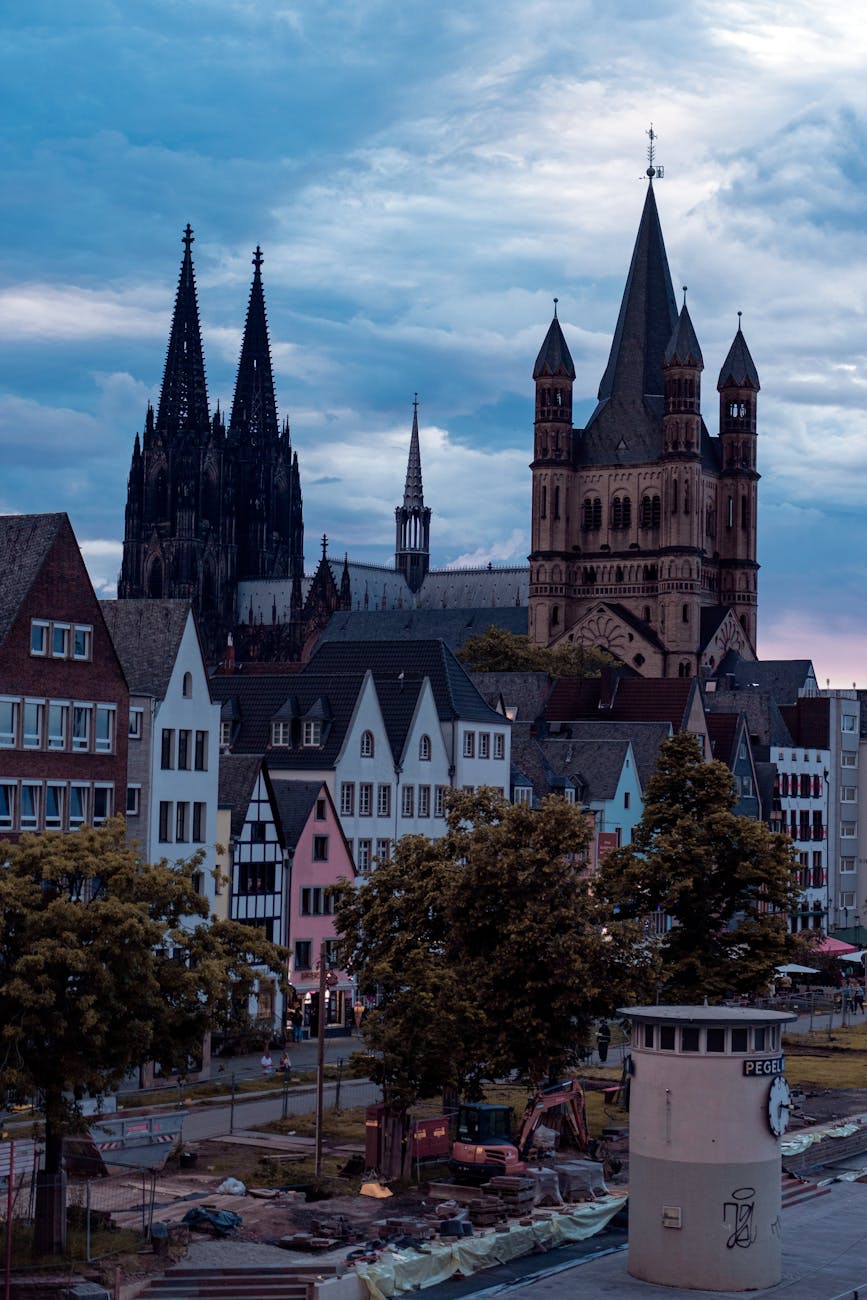
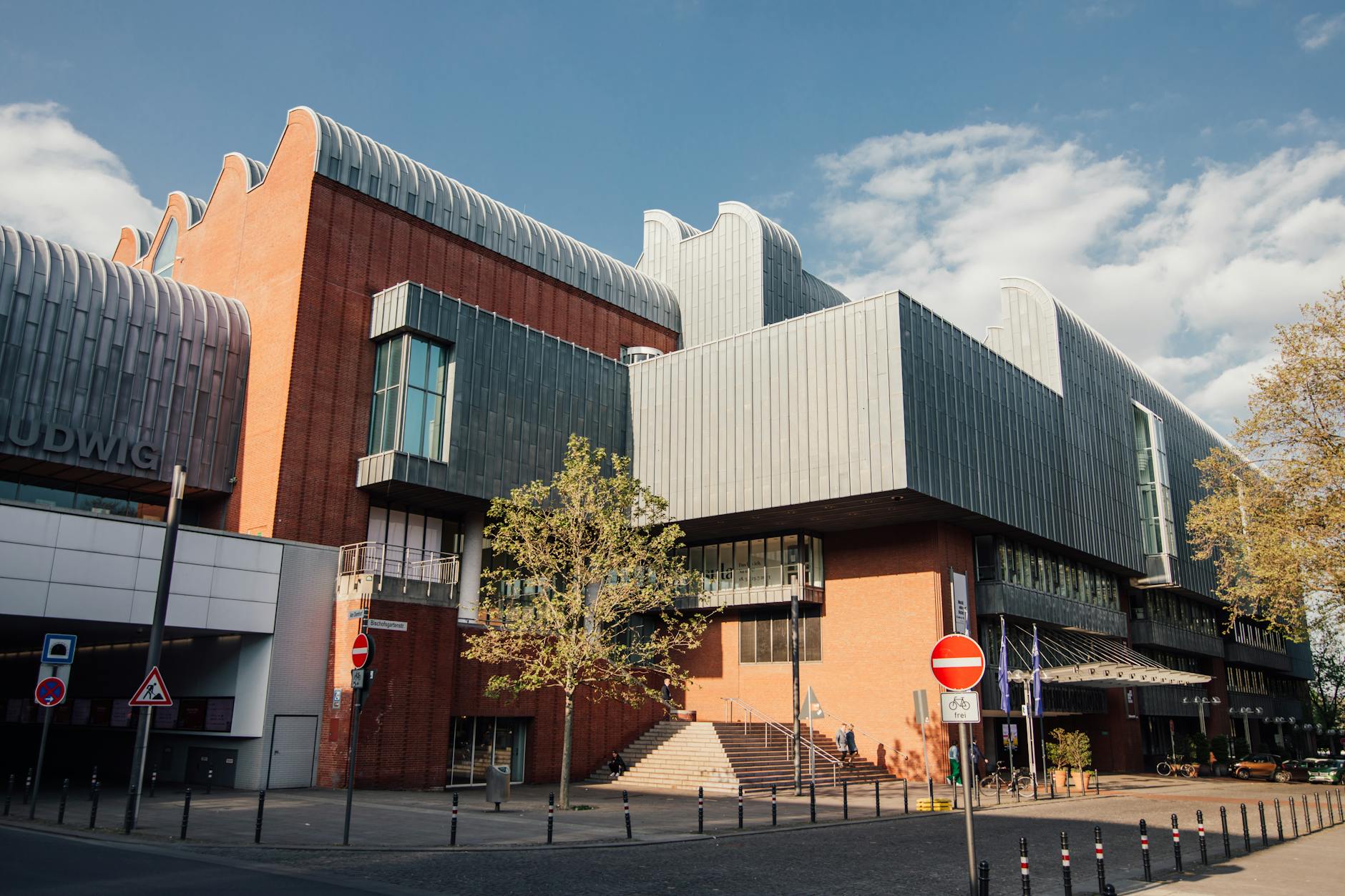
A strong medieval heart, world-class modern art and a lively beer culture make the city unusually varied for a compact center. The Cathedral dominates the skyline; museums like Museum Ludwig give international-class collections within minutes of the train station. Neighborhoods are distinct: the polished Rheinauhafen contrasts with the bohemian Belgian Quarter and the multicultural, artistic Ehrenfeld.
It’s easy to combine culture, casual dining and river views without long transit times. Food, festivals and Rhine-side walks give reasons to linger beyond the main attractions.
Quick Planning Tips
Arrive at Köln Hauptbahnhof: the Cathedral is right outside the main station. Buy a KölnCard for unlimited local transit and museum discounts if you plan multiple stops. Pack comfortable shoes; cobblestones and river promenades invite walking.
If visiting in winter, check Christmas market dates; in Carnival season (Rosenmontag) the city is vibrant but crowded. Reserve popular museum time slots and a Dom tower ticket in advance on busy weekends.
Day 1
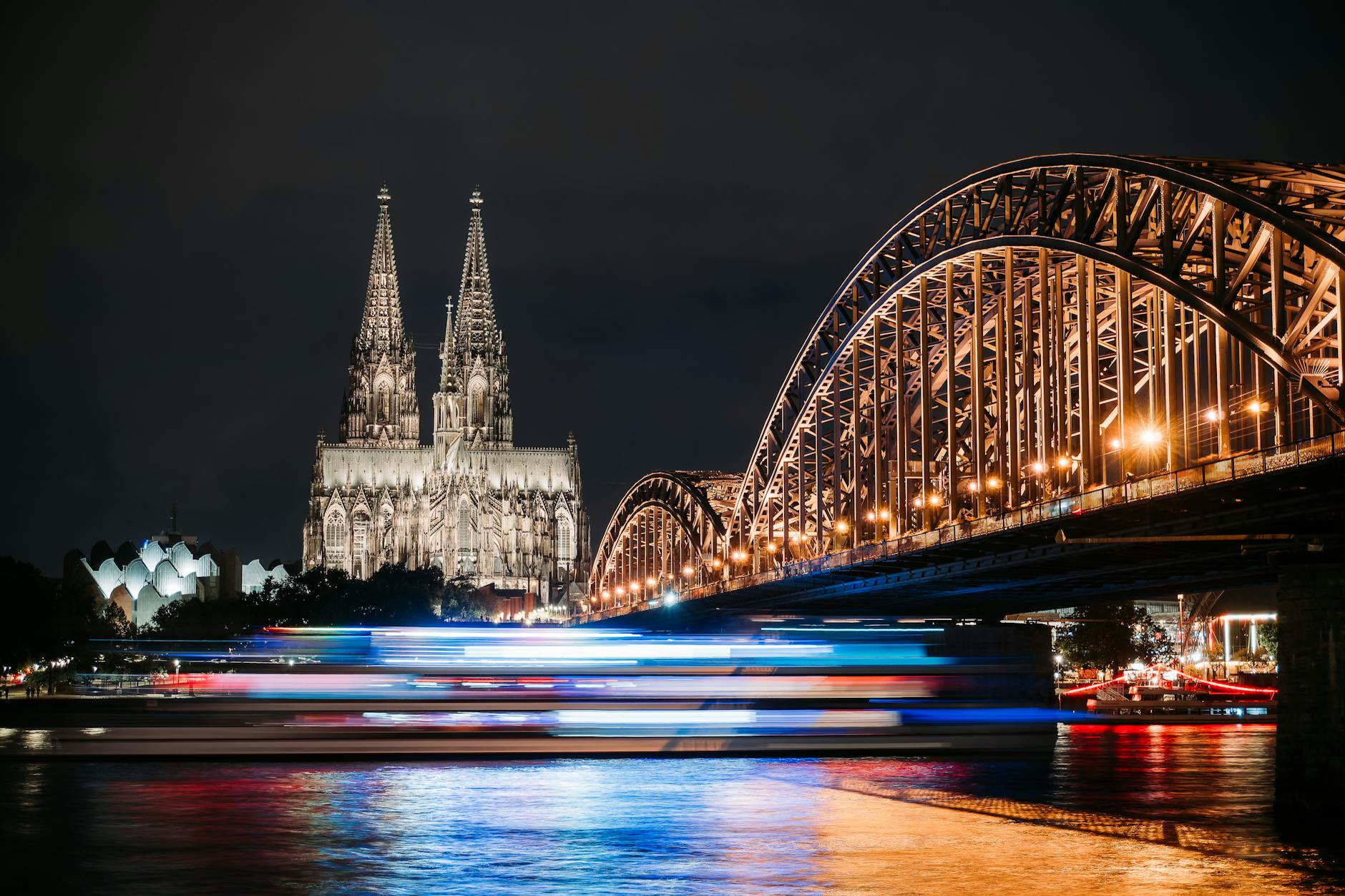
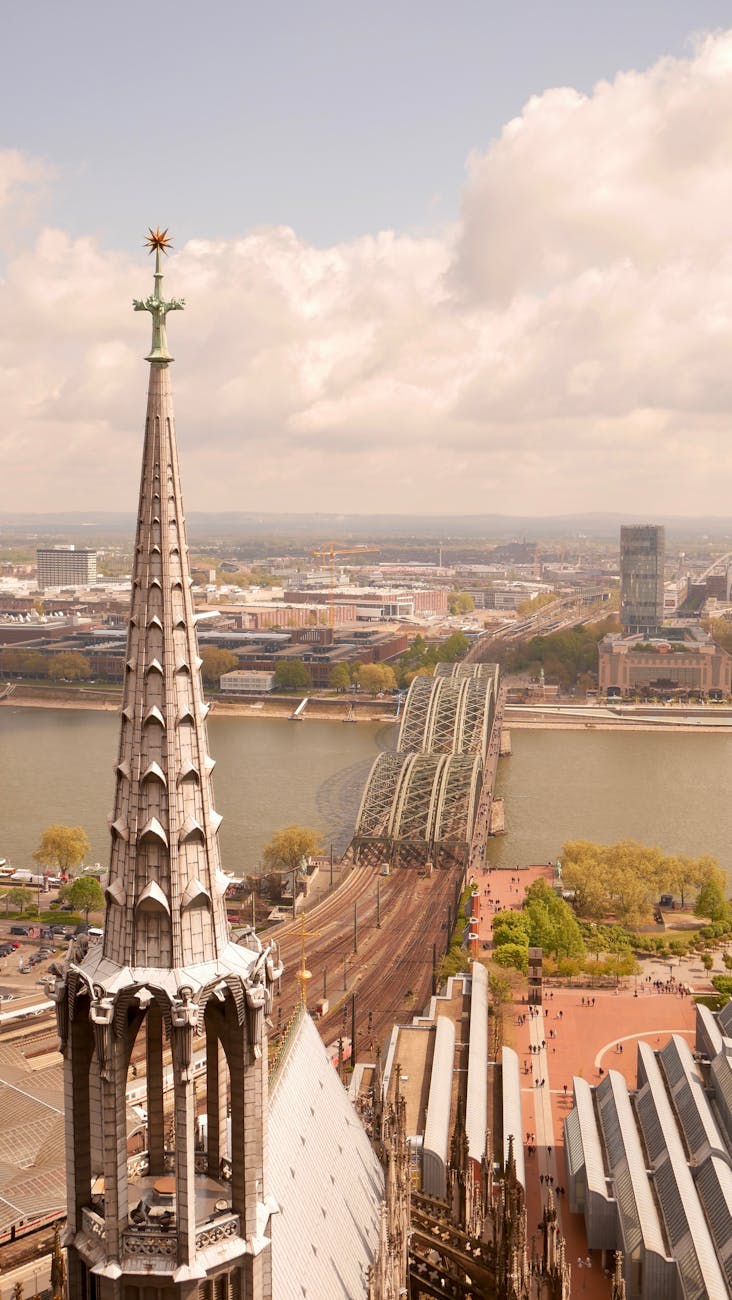
Morning: Start at the Cathedral (Kölner Dom). Tour the nave, see the Shrine of the Three Kings and, if you’re fit, climb the tower for city views.
Late morning: Walk Hohenzollern Bridge to see the love locks and cross to the east bank for a panorama of the skyline. Return to the Hauptbahnhof side and visit Museum Ludwig for modern art (Picasso, Pop Art).
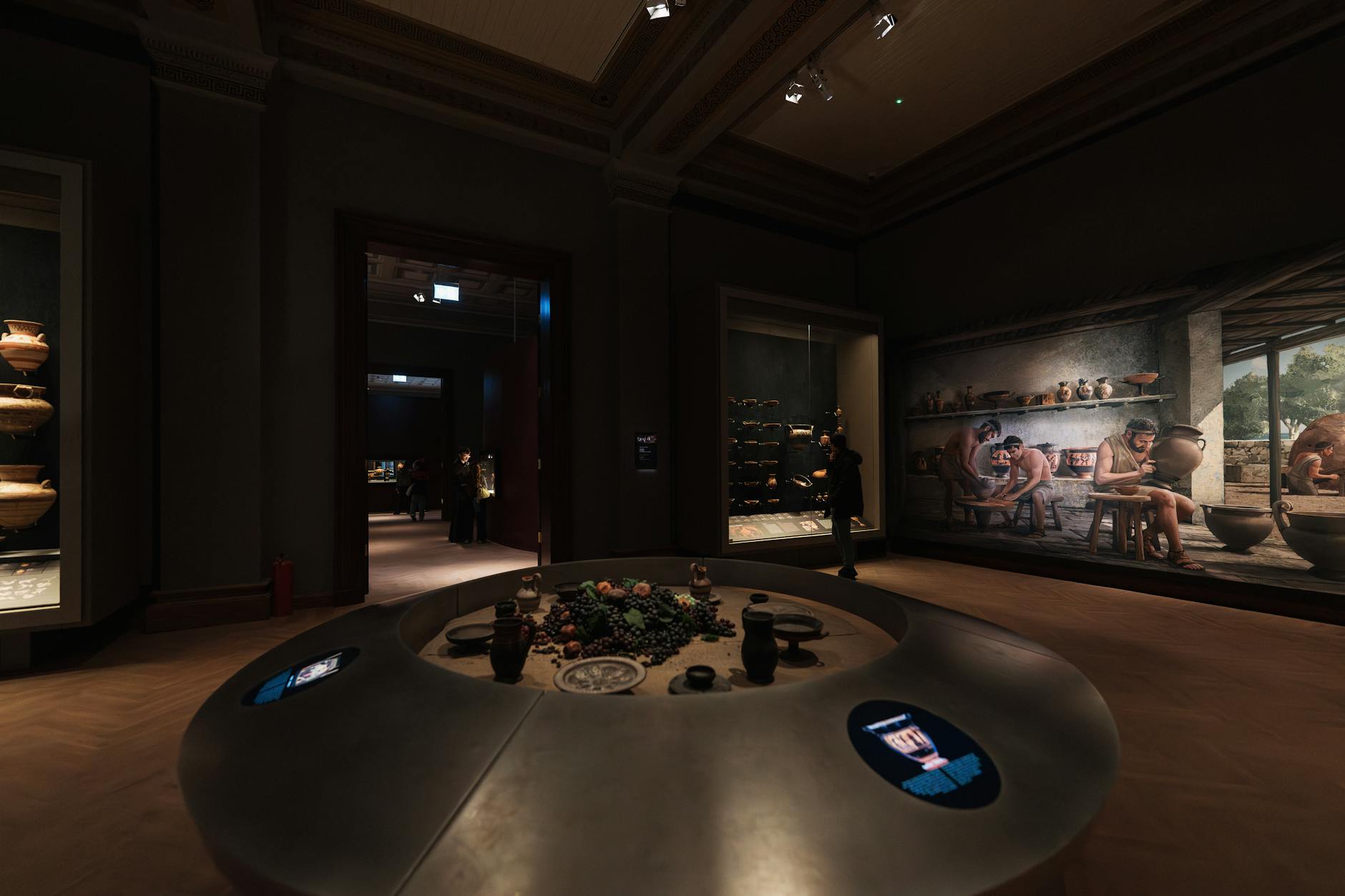
Afternoon: Explore the Old Town (Altstadt): Alter Markt, Heinzelmännchenbrunnen, and grab a brisket or bratwurst at a street stall. Stop at the Roman-Germanic Museum to see Roman artifacts.
Evening: Dinner in the Old Town and your first Kölsch at a traditional brewery like Früh or Gaffel.
Day 2
Morning: Start with the Chocolate Museum by the Rhine—great for families and chocoholics. Then stroll the Rheinauhafen harbor area and view the Kranhäuser buildings.
Midday: Head to the Belgian Quarter for lunch on Friesenstraße and browse independent shops and cafés. Spend the afternoon in Ehrenfeld for street art, small galleries and craft beer bars.
Late afternoon: Visit the NS Documentation Center (EL-DE Haus) for a serious, compact history lesson about the city under Nazism.
Evening: Eat in the Belgian Quarter or try a beer tasting in a local Kölsch pub; nightlife around Brüsseler Platz stays lively.
Day 3
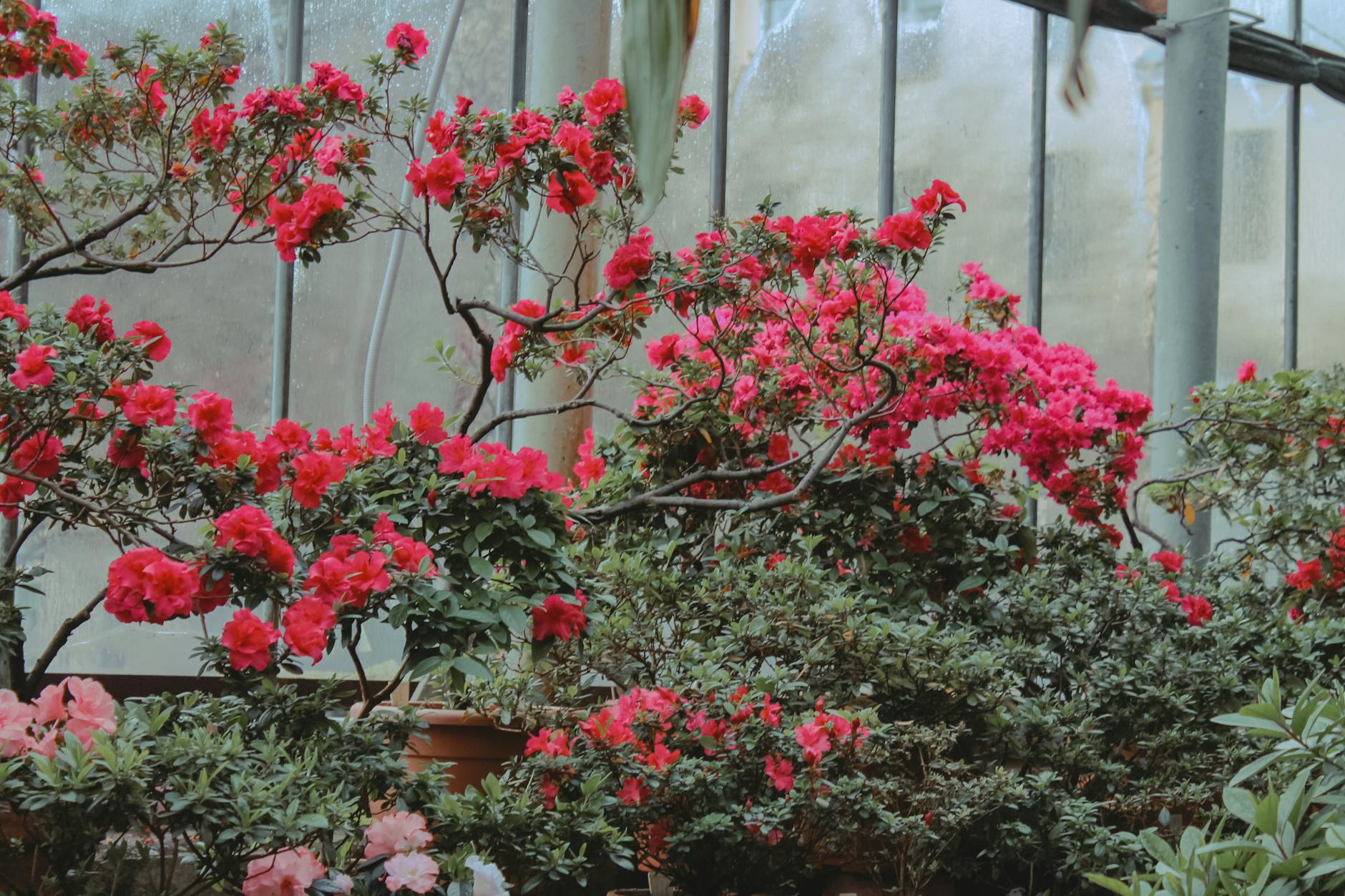
Option A – Riverside and Parks: Start at the Flora und Botanischer Garten, then walk or bike the Rheinpark and take the Cologne Cable Car for river views. Finish with a relaxed late lunch in Deutz.
Option B – Day trip: Take a 20–30 minute regional train to Bonn to visit Beethoven’s House, or ride ~30 minutes to Düsseldorf for Königsallee shopping and a riverside promenade.
If you have extra museum time, visit Wallraf-Richartz Museum for medieval and baroque art or return to a favorite neighborhood for deeper exploration.
Best Local Experiences
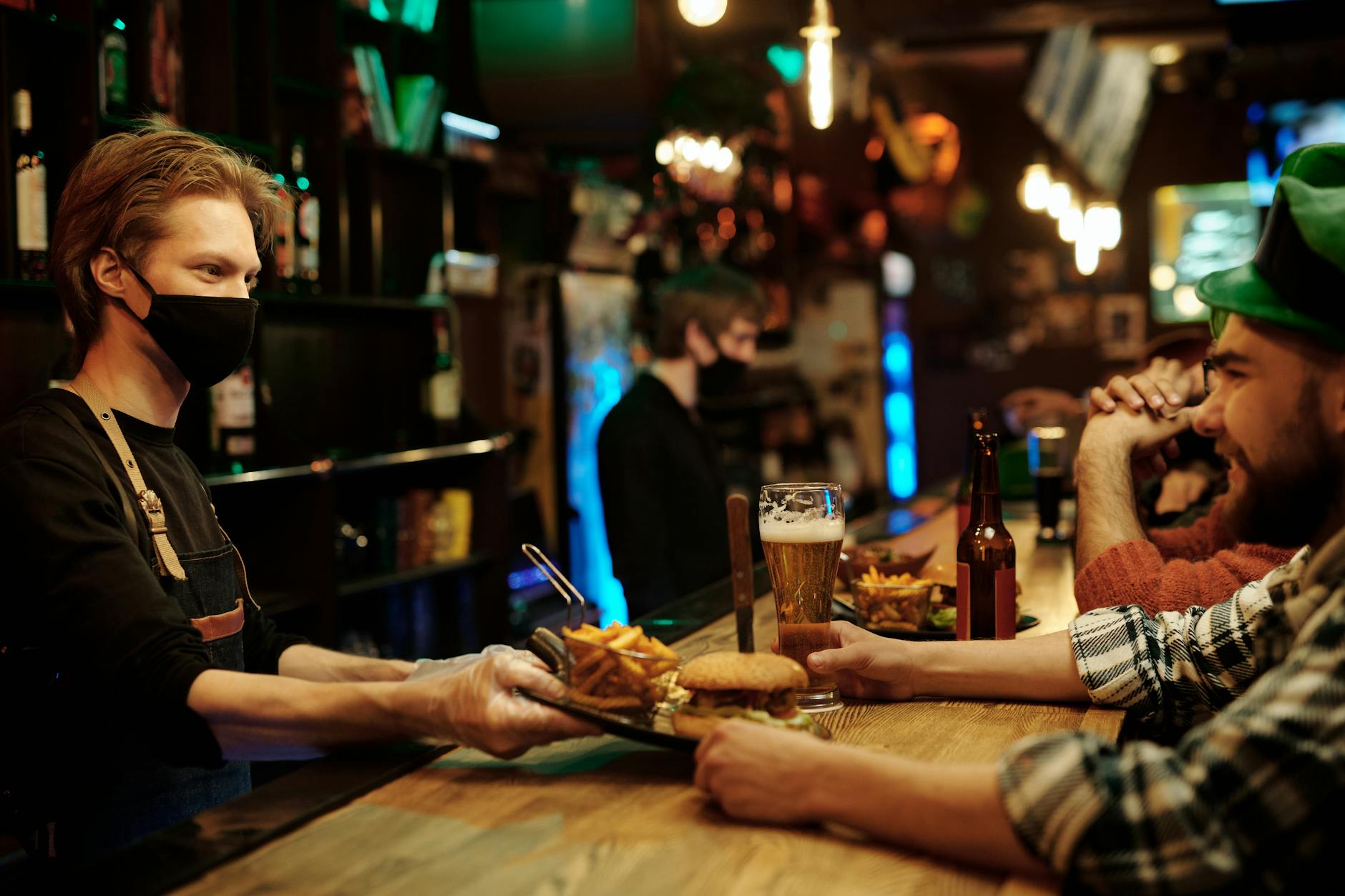
Drink Kölsch the local way: small, cold glasses refilled until you signal stop. Try Früh am Dom or small neighborhood breweries.
Take a short Rhine cruise for a different city perspective. Explore Ehrenfeld’s street art and the vintage shops in the Belgian Quarter.
Visit a weekly market (e.g., at Mauritiussteinweg) for local produce and cheeses. Attend a live concert at Philharmonie or a smaller venue for local bands.
Catch sunset from Hohenzollern Bridge or the river promenade for memorable photos.
Where to Stay
Altstadt-Nord: ideal for first-timers—steps from the Cathedral, museums and main train station.
Belgian Quarter: boutique hotels and lively nightlife, great for food lovers.
Deutz: quieter, modern riverside hotels with easy access to fair grounds and cable car; practical for families or car travellers.
Ehrenfeld: creative, more affordable, a good choice for nightlife and local culture. Book early for weekends and Carnival dates.
Food and Drink
Must-tries: Kölsch beer, Himmel un Ääd (black pudding, mashed potatoes and apple compote), and Halver Hahn (rye roll with cheese).
Where to eat: traditional breweries and Brauhäuser in the Old Town for classic dishes; cozy cafés and bistros in the Belgian Quarter for contemporary options; food stalls near the Dom for quick local snacks.
Sweet stop: Chocolate Museum café for samples and pastries. For a special evening, reserve a riverside restaurant in Rheinauhafen.
Getting Around
The center is compact and very walkable; expect many sights within a 20–30 minute walk of the Cathedral. Köln Hauptbahnhof is the main rail hub next to the Dom and connects regional trains to Bonn and Düsseldorf in about 20–30 minutes.
Use Stadtbahn trams and buses for quick hops; buy single tickets or a day pass from machines at stations. The KölnCard offers unlimited local transit and discounts at museums. Rent a bike for riverside routes, and use regional trains for nearby cities.
Best Time to Visit
Late spring and early autumn offer mild weather and fewer crowds. December brings atmospheric Christmas markets around the Cathedral but expect crowds and chilly temperatures. Carnival (Karneval) in February or March is an unforgettable, colorful time to visit if you don’t mind crowds and want a lively festival experience.
Summer is popular for river terraces and outdoor events; advance bookings are recommended for hotels and museums.
Budget and Practical Tips
Public transport: single tickets or day passes; check whether a KölnCard suits your museum plans. Many museums offer combined tickets for savings. Tipping: round up or leave 5–10% in restaurants.
Language: German is primary but English is widely spoken in tourist areas. Opening hours: shops often close Sunday; museums and restaurants stay open.
Safety: standard European-city precautions; bike lanes are busy—watch for cyclists. Emergency number: 112.
FAQ
How much time do I need for the Cathedral and the Dom tower?
Allow 1–2 hours for the Cathedral interior and treasury; add 30–45 minutes if you climb the tower for views.
Is Cologne expensive for a weekend?
Prices are typical for a major German city: budget-friendly eateries exist alongside pricier restaurants; a KölnCard helps reduce transport and museum costs.
Can I do a day trip to Bonn or Düsseldorf?
Yes. Regional trains take about 20–30 minutes to Bonn and 30 minutes to Düsseldorf—perfect for a half- or full-day trip.
Do I need cash for pubs and small shops?
Many places accept cards, but smaller cafés and market stalls may be cash-only; carry some euros.
Is Cologne good for families?
Absolutely. The Chocolate Museum, the Rhine promenade, parks and family-friendly museums make it easy with kids.
What should I know about Carnival?
Carnival is lively and crowded with parades and parties; book accommodation early and expect road closures in central areas.
Conclusion
Three days gives a satisfying balance of major sights, neighborhood discoveries and a relaxed Rhine experience. Prioritize the Cathedral, Museum Ludwig and at least one neighborhood—Belgian Quarter or Ehrenfeld—then use leftover time for a river walk or a short day trip to Bonn or Düsseldorf. With compact distances, frequent transit and an inviting food-and-beer culture, it’s an ideal long weekend destination.
How this guide was prepared
This guide was prepared through a structured research that combines destination research, geographic context, itinerary planning logic, and content review.